

Real Madrid Will Continue to Reap Benefits of Transfer Business with Bundesliga
Real Madrid haven't yet made any big transfers this summer other than to bring Alvaro Morata back from Juventus thanks to a pre-arranged buyback clause, but the expectation is that they will strengthen in two or three key areas ahead of the 2016-17 season.
Of equal importance, though, is the outgoing business that Real Madrid need to oversee throughout the close- and pre-season, including not just senior players being sold on to make room for new faces, but also the continued development of talented youngsters.
With the B team, Castilla, failing to win promotion last term and languishing in the third tier of Spanish football, loan moves will be prevalent to ensure that youth players receive game time in a strong league.


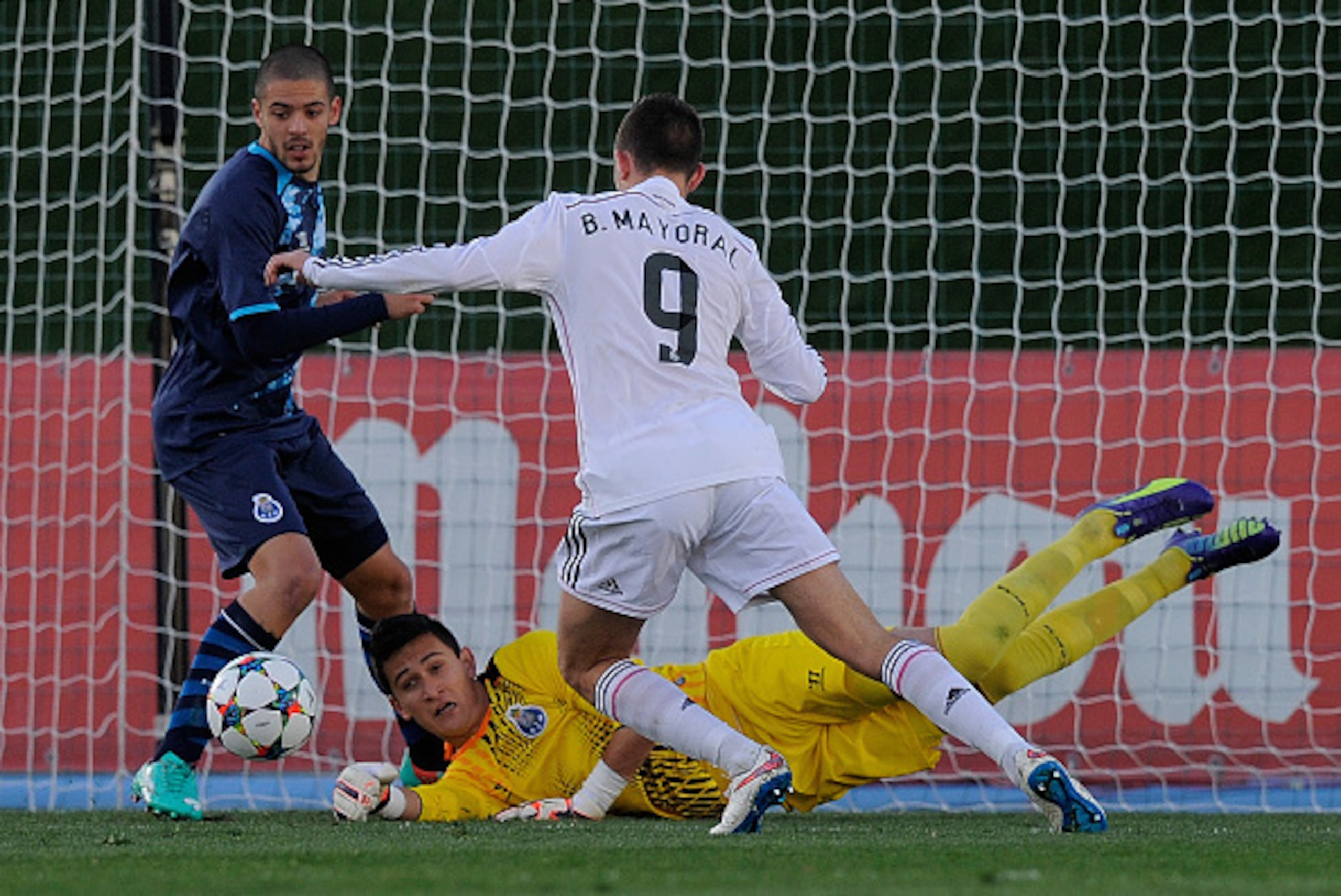
One of the leagues targeted, this season and previously, has been the German top flight. The Bundesliga has been a rich source of dealings for Real Madrid already, and with news that Borja Mayoral—last season's teenage breakout striker under manager Zinedine Zidane—is off to VfL Wolfsburg, per Marca's Pablo Polo, the trend looks set to continue.
The Bundesliga is a perfect breeding ground for Real Madrid's youngsters, and the club's policy of doing business with those in Germany will bring huge benefits to the Santiago Bernabeu for next season and beyond.
Outgoing
Mayoral might not be the only one of Real's teenage contingent learning in the Bundesliga in '16-17, but he will almost certainly be at the highest-profile club.
Wolfsburg ended last term in eighth place—a highly disappointing campaign for a team that had previously fought to be in the UEFA Champions League.
Mayoral, 19, will fight for a role in the side with the likes of Max Kruse and Bas Dost, having impressed with his work rate and movement over the second half of last term in Real's seniors.
There were 15 goals with Castilla to celebrate, too, but given the standard of playing in the Segunda B, perhaps his eight goals in seven UEFA Youth League games will have been of more relevance.
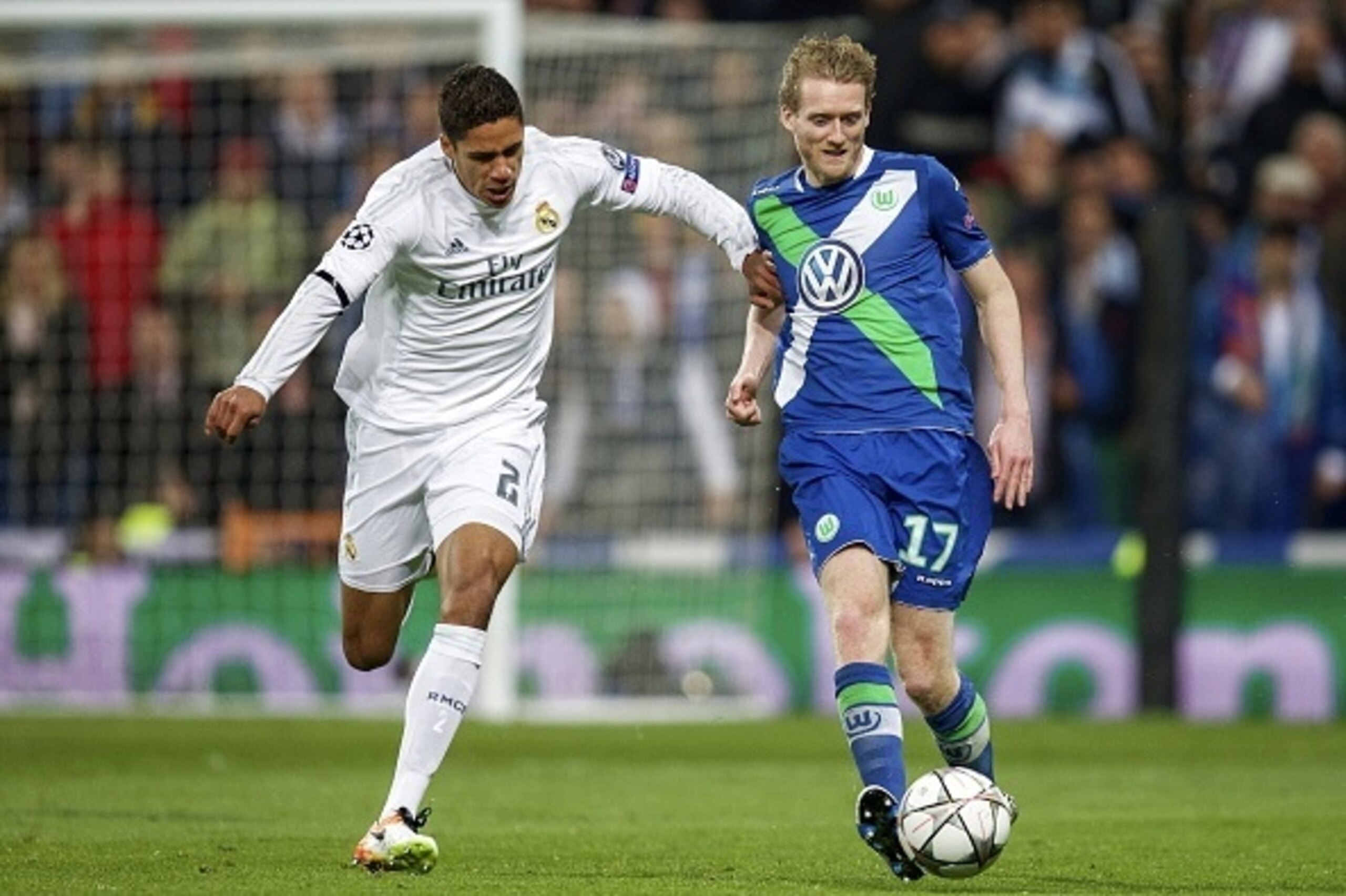
In defence, Jesus Vallejo has yet to debut for Real Madrid's first team, having spent last term on loan at former club Real Zaragoza, and he could be tasked with stopping Mayoral from scoring when Wolfsburg meet his new club, Eintracht Frankfurt.
We detailed recently how 19-year-old Vallejo was in need of more senior experience before joining Real's first team, and with Zaragoza failing to win promotion to La Liga, a new club was always the likely scenario. Die Adler sealed his signature for '16-17.
The Frankfurt club battled relegation last season, conceding 52 goals, and Vallejo takes the place of one of last season's first-choice defenders in the squad, Carlos Zambrano, who was sold to Rubin Kazan.
The links continue: Vallejo is already joined at Eintracht by former Castilla midfielder Omar Mascarell, who spent last season on loan at Sporting Gijon. That move is a permanent one, but Marca's Hugo Carrasco reported that the ever-popular buyback clause has been included.
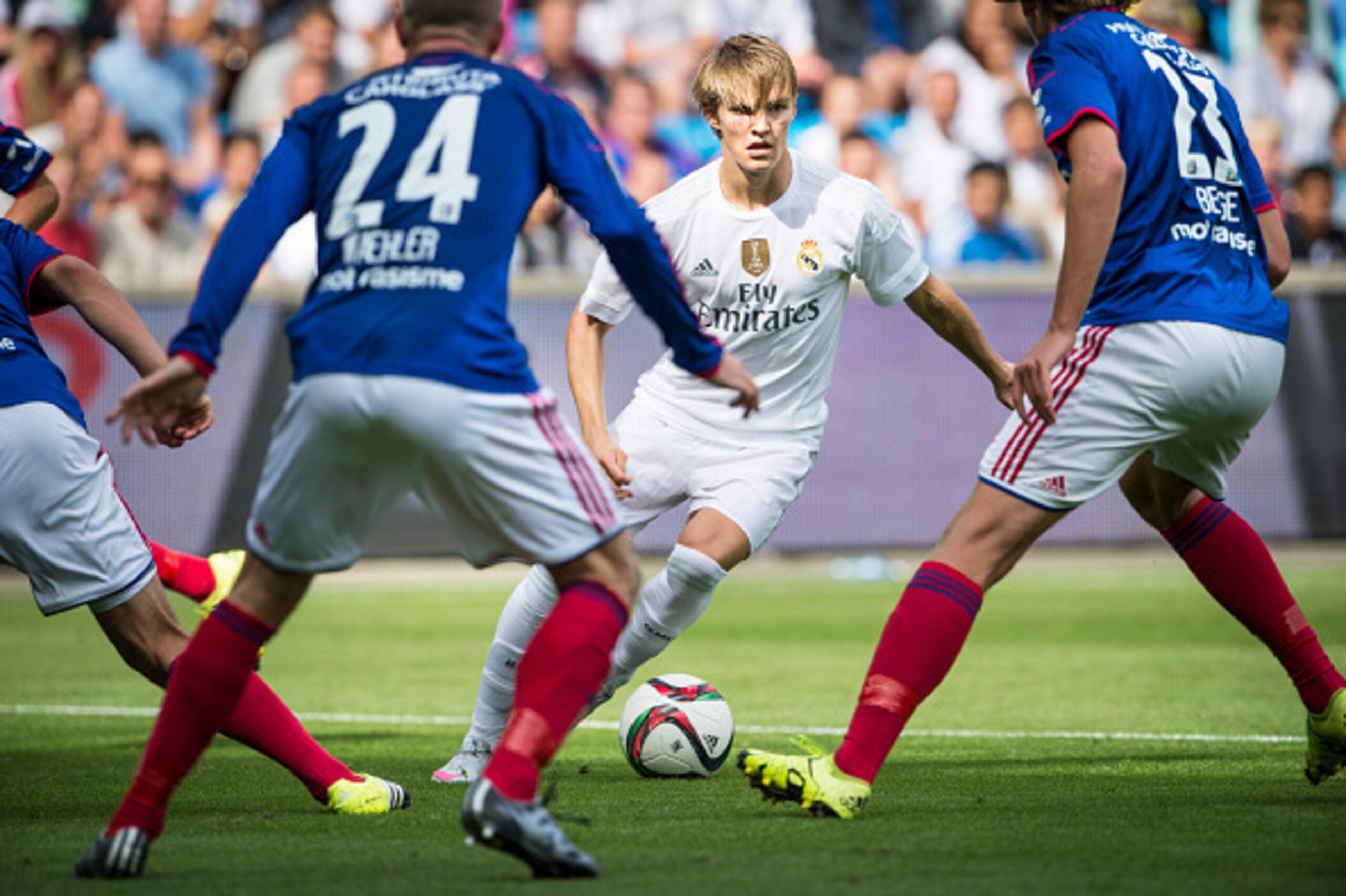
Martin Odegaard, who is still only 17 years of age, also wants a loan move to the Bundesliga in '16-17, as reported by Carrasco.
According to the Spanish paper, "a host of clubs" from Germany's top flight are interested in making him the latest to trade Real Madrid for the Bundesliga either temporarily or on a long-term basis, a list including Dani Carvajal, Adam Szalai, Xabi Alonso and Raul.
Filling La Liga's gaps
The attraction of the Bundesliga is not hard to see. While there are some similarities with Spain's La Liga, it also bridges many gaps, both tactically and socially, in getting out of a local comfort zone.
It's possibly one important reason that Real opt to send the younger players out on loan—teenagers all—to Germany, while the 20-somethings—Burgui, Diego Llorente this summer, Lucas Vazquez, Denis Cheryshev, Mascarell previously—remain with clubs in La Liga.
At a younger age, there's more likelihood that the adaptation process of a different type of league and environment is retained, and players return to Real Madrid more rounded individuals both on and off the pitch.
While the top flights in Germany and Spain aren't worlds apart, a different league will always offer up different traits, styles and tactics.
In Germany, for example, 15 of the 18 clubs in the top flight last season have two or more players of Eastern European nationalities, but only seven clubs have two or more players from South America.
In Spain, those numbers are rather different, as 16 of the 20 have two or more South Americans, but only eight clubs have two or more from Eastern Europe.
It brings young players up against a different style of opponent more regularly and potentially exposes them to a completely different mindset within the squad. It's a different mentality compared to playing for Castilla, where progression is limited, continuity is inherently seen as a stalled career and, most importantly, the overall level of play is far better than even the second tier of Spanish football.
A final point to note might be the reduced game load in Germany, as two fewer teams means four fewer matches over the league season. It might be rendered irrelevant if a loan player isn't a guaranteed starter at his temporary club, but if he is, burnout and fatigue risks are lessened.
Inward bound
The Madrid-to-Germany train isn't one-way, by any means. Real have profited handsomely on the pitch by looking early to the Bundesliga, being prepared to hand over big sums at times, while at others, playing smart with a league where value can be found with great frequency, even in an overinflated transfer market.
Since 2010, Dani Carvajal returned from Bayer Leverkusen to become Real's first-choice right-back, while Toni Kroos has played his part in midfield. Previously, Mesut Ozil was a huge signing who garnered an even bigger profit, Sami Khedira had an important role, and there were deals for Nuri Sahin and Hamit Altintop that didn't work as well as hoped.
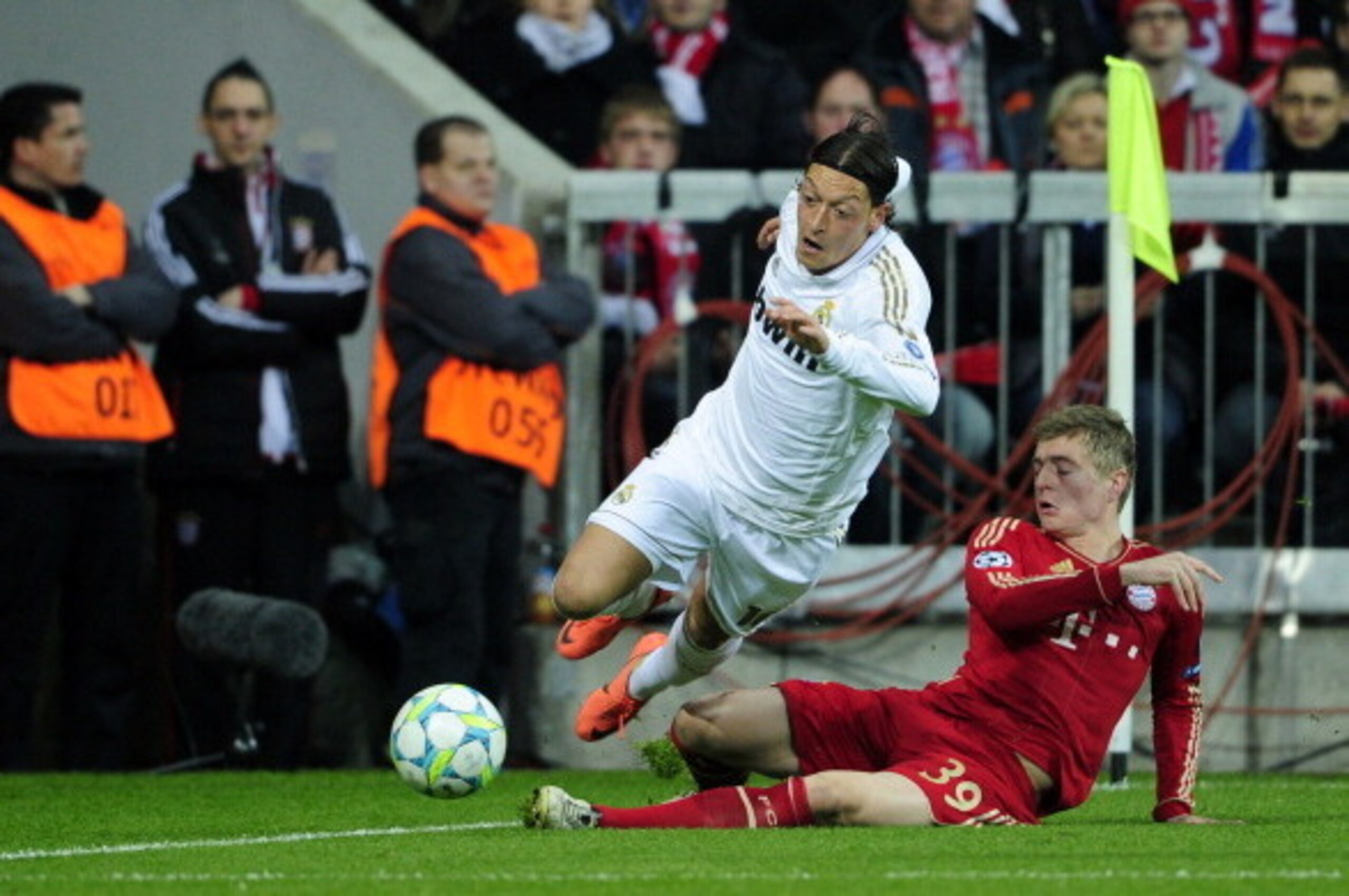
Prior to 2010, Rafael van der Vaart and Christoph Metzelder trod the same path from the Bundesliga to the Bernabeu.
The road is open, and traffic is prospering in both directions. The Bundesliga doesn't have the global appeal of the Premier League or La Liga, but quality is found there in abundance.
Real Madrid have hit on a tremendous link with the entire division and will benefit again this year from it—which could in turn yield even bigger dividends in seasons to come if the likes of Vallejo and Mayoral show the kind of progress Carvajal did in his time in Germany.


.png?w=2560 "Week 8 Winners & Losers 📊")

.jpg?w=2560 "Malik Beasley Negotiating Plea Deal (AP)")

.jpg?w=2560 "Jonathan Taylor Landing Spots")