WWE Raw and SmackDown Authority Figures Must Not Overshadow Superstars
The spotlight can't shine on the puppet masters when WWE Raw and SmackDown diverge into two brands following the draft on July 19.
An increased number of authority figures and McMahon family drama aren't what audiences want to see when they turn on WWE's two top shows. It's brawling, not bureaucracy that entices pro wrestling fans. In-ring struggles have to take precedence over battles for administrative authority.
As obvious as that may sound, it's not clear WWE understands that. Rather than move away from the tired narrative tool that is the onscreen authority figure when Raw and SmackDown split, the company is relying more on it.
.jpg?w=2560)
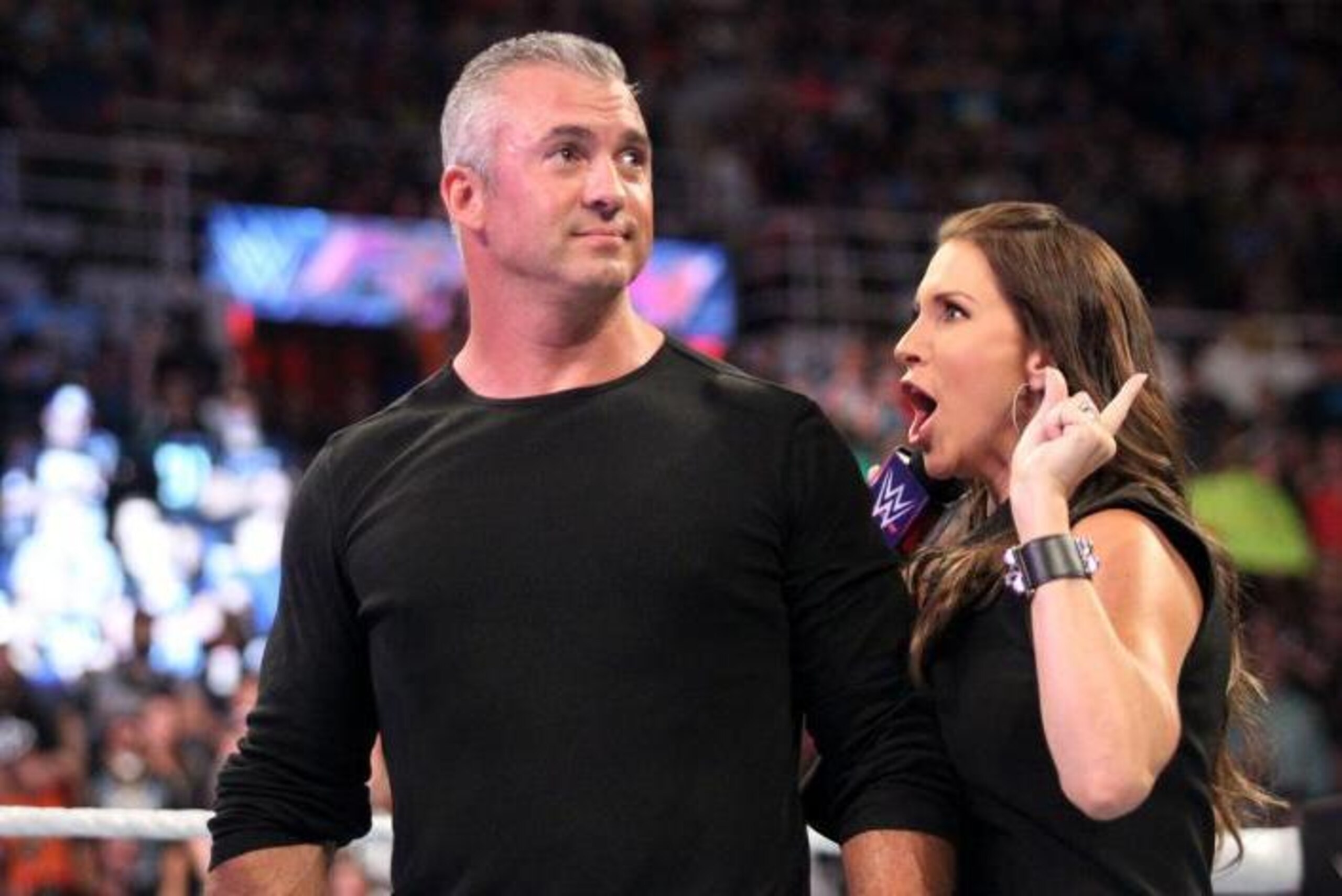
On Monday's Raw, WWE CEO Vince McMahon made a decision on who would be controlling each show moving forward.
His son Shane McMahon is now the commissioner of SmackDown; his daughter Stephanie McMahon will hold the same position for Raw. Vince then ordered both of them to chose a general manager to work below them.
Brandon Stroud of UPROXX joked about not caring as to what unfolded Monday night:
He's far from the only one. The Detroit crowd chanted passionately for everyone from Darren Young to John Cena throughout the show. But when the McMahons started squabbling to close out Raw, the audience was not nearly as raucous, spending much of the segment with crossed arms and closed mouths.
Following Mr. McMahon's announcement, Raw and SmackDown are each set to feature two authority figures, making it more likely that they will be ever-present on Mondays and Tuesdays.
WWE already has a tough time divvying up the limelight. For example, the Becky Lynch-Natalya feud got zero airtime on Monday's Raw. The Usos haven't had a rivalry since May. NXT newcomers like Apollo Crews and The Vaudevillains have yet to be properly introduced, their stories not told onscreen to this point.
Yes, that will improve when the two shows go their separate ways and feature their own rosters, but doubling the number of corporate folks in control will undoubtedly take away from a wrestler or two.
Besides, it's an angle that has been done to death. Kevin Gill of The Kevin Gill Show was tired of this unending trope back in 2014:
A year later, Philly.com's Vaughn Johnson had similar thoughts:
That sentiment still rings true today. Since Mr. McMahon moved from behind the announcer's desk to in front of the cameras to battle Steve Austin in the late '90s, WWE has circled back to this storyline crutch again and again.
Eric Bischoff and Steve Austin fought over control of Raw in 2003. Shane and Stephanie ran Raw in 2008. From 2010 to 2011, an anonymous general manager gave orders via a laptop on a podium.
Soon after, John Laurinaitis served as head of Raw with an assistant, executive administrator and legal counsel working under him.
It's time to evolve, to invent new ways to move the general narrative of each show along.
Remember that when WWE first exploded into a national powerhouse in the early '80s, there was little focus on who ran the show. President Jack Tunney was a background character who remained on the sidelines until needed.
We need to return to that model, to make sure Kevin Owens gets a bigger slice of the booking pie than Stephanie, that Sasha Banks is more of a focus than whomever Shane selects as GM.
It's not the folks in suits that make pro wrestling special—it's the high-flying, insanely tough, charismatic, larger-than-life Superstars. WWE has to write that down and pin it on the wall somewhere.
Let Stephanie and Shane select the draftees on July 19 and then move out of the way. Let the New Era be the one that pushes authority figures into the shadows.


.jpg?w=2560 "Malik Beasley Negotiating Plea Deal (AP)")
.jpg?w=2560 "Aikman Blasts Cowboys WR 🫣")

.jpg?w=2560 "Jonathan Taylor Landing Spots")