

England Must Fix Their Mentality Before They Fix Anything Else
By now, the usual inquest which follows an English exit from a major tournament feels tired. The manager resigns, or at least faces intense media interrogation, while underperforming players are trialled by a public jury. Until that changes neither will England’s international football fortunes.
Indeed, the investigation that will follow England’s humiliating last-16 exit to Iceland at Euro 2016 must go deeper than ever before. The sample size of failure is simply too big for the explanation to be singular. England is a broken footballing nation and it has more to do with the talent being produced for the national team.
TOP NEWS

Final Men's Ballon d'Or Rankings 📊
_0.png?w=2560 "CFB Top 25")
Unranked Teams Cause Chaos in Rankings 📊

Brown with an all-time summary of relationship with Tatum
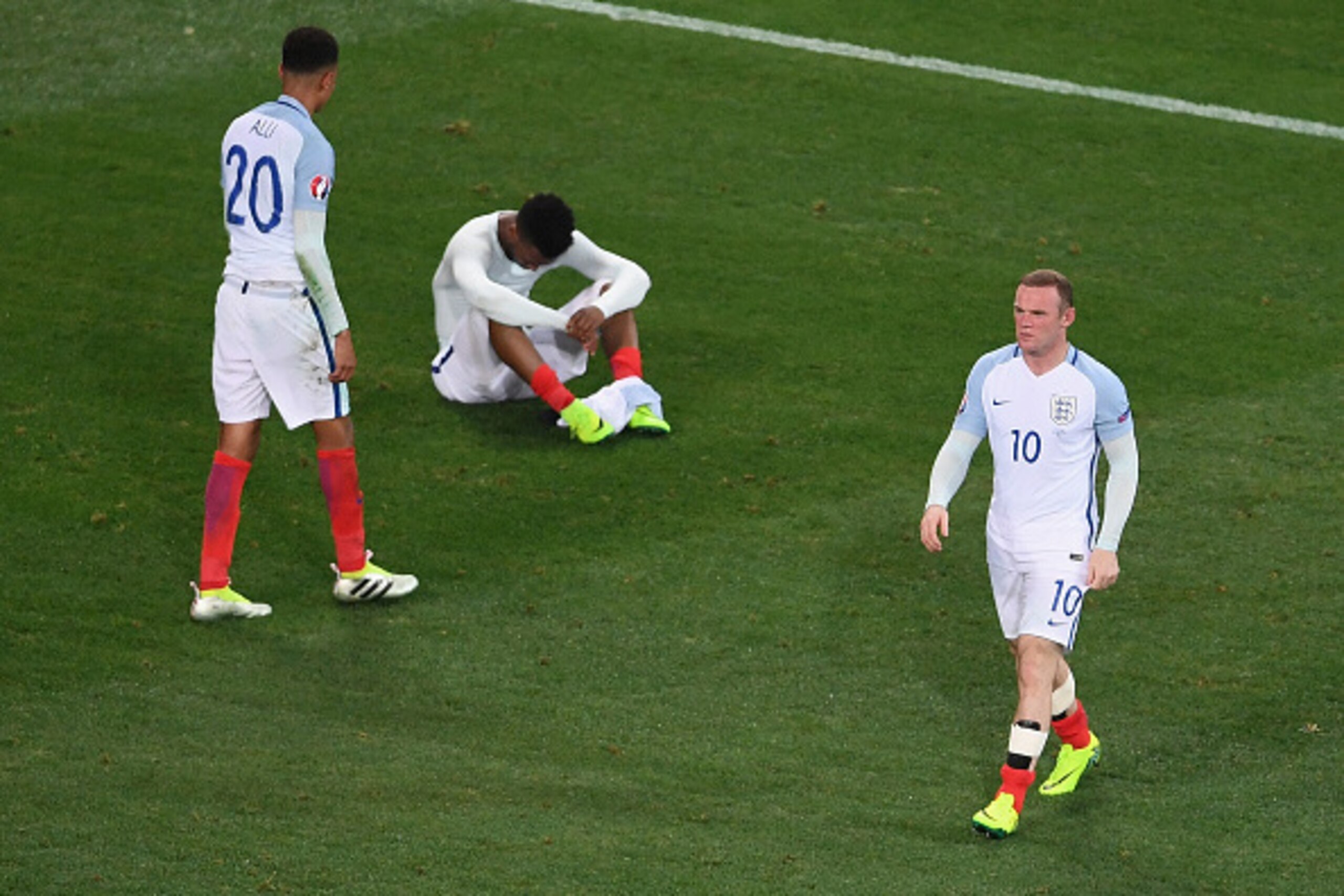
On the basis of talent alone England should have eased comfortably past Iceland on Monday night, setting up a quarter-final clash with hosts France. They would have likely topped their group too, landing themselves in the kinder half of the draw. But the Three Lions' success or failure is never decided on talent alone.
England lack the necessary mental strength to succeed at major tournaments. That has to be where the Football Association must focus its efforts ahead of the 2018 World Cup. Mentality and concentration are so important in the modern age of sport and England seem to have neglected it for generations.
"We need to punch our weight in tournaments in a way that we have not done in 50 years," FA chief executive Martin Glenn admitted at a taut press conference on Tuesday, per BBC Sport. "When we get to the business end of a tournament, England seem brittle and we need to understand why that is.”
Time and time again England find themselves in the same situation. They were here after the 2010 World Cup, exiting the competition with an almighty last-16 blowout to Germany. A similar inquest followed their departure from the 2012 European Championship and at the 2014 World Cup as well. They are the most tedious team in international football.
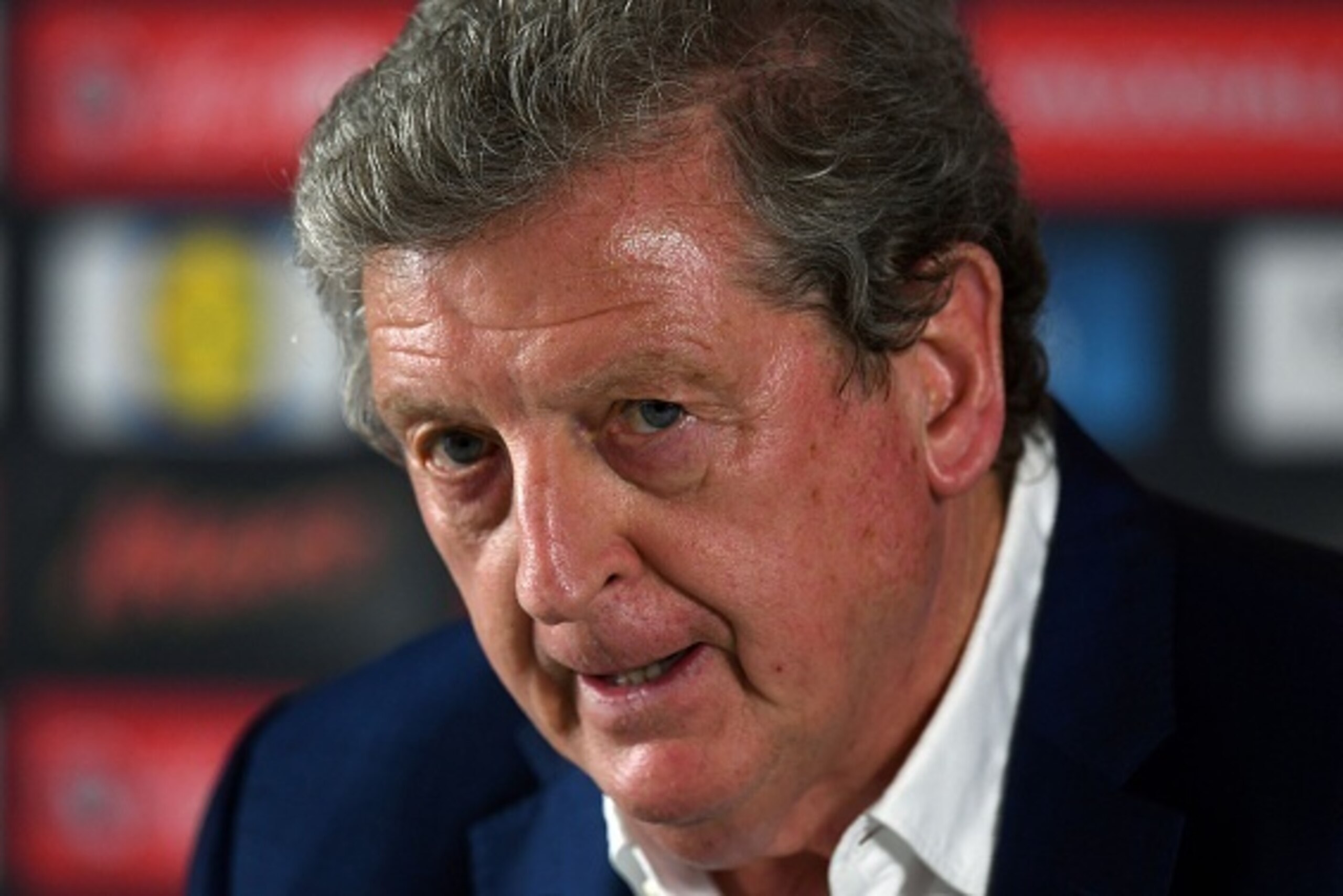
In every instance England have failed to live up to the overall quality of their squad. And so the reasoning behind such struggles must be something more intangible. When even the FA chief executive is pointing out England’s “brittle” mindset at major tournaments, maybe it’s time to do something about it.
Yet the usual routine will be performed between now and the appointment of Roy Hodgson’s successor. Players will be blamed, with Raheem Sterling already bearing social media’s flak and fury, tactics and formations will be picked over and managers will be hung out to dry. Nothing will change.
That’s not to say that Hodgson and his players’ performances shouldn’t be scrutinised. As a tactician, the England boss got it badly wrong more than once in France. Indeed, had he set up his side better, England would still be at the tournament. But the investigation into what happened must go deeper than this.
Contrary to what many will have you believe, England have talent—plenty of it. Hodgson’s squad was among some of the best at this summer’s European Championship, possessing the quality and depth to make a deep run in France.

They had Harry Kane, one of the best out-and-out centre-forwards in the European game, coming into the tournament on the back of a 32-goal season. They also had Jamie Vardy, one of the Premier League’s brightest stars over the past year and Dele Alli, arguably the most impressive breakthrough star in Europe this season. All of this mattered for nothing at Euro 2016, though.
Why? It’s not just this generation of English players who have struggled to translate their club form into international prowess. It was the same for the likes of David Beckham, Steven Gerrard, Frank Lampard and Co.
The 2006 World Cup will forever be considered the biggest missed opportunity in the history of the English game, with Sven-Goran Eriksson’s side losing their second successive major tournament penalty shootout at the quarter-final stage. They had the quality to go all the way but lacked the mentality to do so.
So why do countries like Germany and Italy possess such a trait when England don’t? Some claim English national-team players are placed under more pressure, but pressure is universal at a competition like the European Championship. That cannot be used as mitigation.
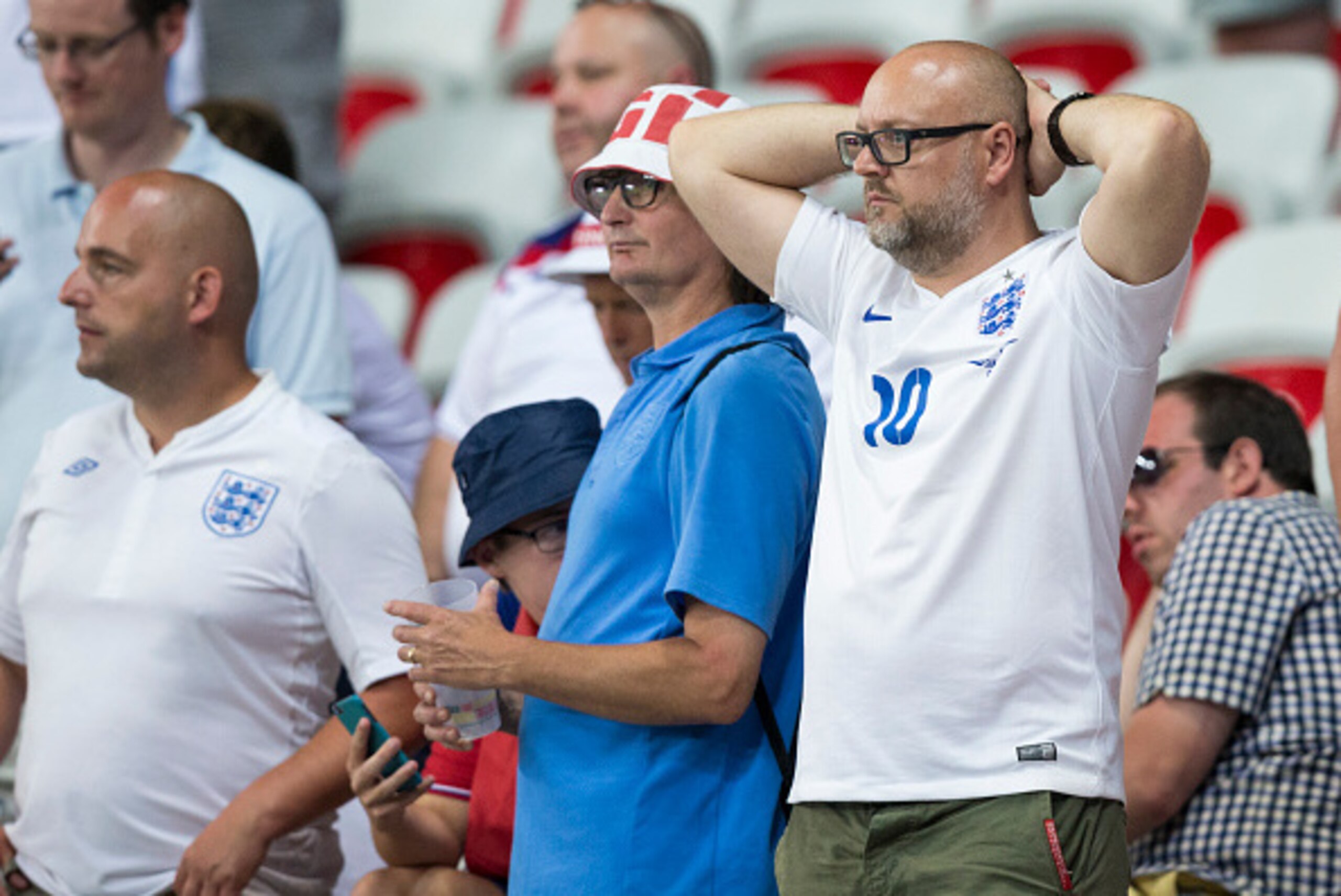
But there is no denying that England lag behind their continental counterparts when it comes to mentality. It is the difference between a team like Italy and a side like England, with Antonio Conte the figurehead of their fortified mindset at Euro 2016. This is the Azzurri’s weakest team for quite some time, yet their mentality could be enough to gift them glory, already disposing of defending champions Spain in the round of 16.
Others claim that the passion has been lost from the English national team. They say these multimillionaire players don’t care enough and that other countries just want it more. But it’s not as simple as telling players to have more passion or care more. Mental reinforcement is far more complex than that.
When the FA evaluates its options in hiring Hodgson’s replacement, it should take into account candidates’ capacity as psychologists. It happens in other sports. Look at how Andy Murray turned to Ivan Lendl to help strengthen his mentality in order to scale the heights of tennis. England need their own Lendl.
Don’t count on them finding one, though. England are doomed to repeat the same cycle of tedium time and time again forever. If there hasn’t been change by now, after so many flops and failures, is there any real reason to believe it will happen one day?
.png?w=2560)
.jpg?w=2560 "Colts Football")





