

Tactical Changes Manchester City Need to Make in 2016/17 Season
When Manchester City went to Australia last summer to finalise their preparations for the coming season, then-manager Manuel Pellegrini began experimenting with new systems. Having played 4-4-2 for the majority of his tenure, the Chilean appeared to accept he needed more flexibility in his squad if he was to improve his side’s fortunes and began tinkering with different setups. It was an encouraging sign for those who felt City had become too predictable.
He used a 4-2-3-1 formation—only a subtle change to his preferred formation, but one that gave his side more solidity. Having been outnumbered and outpassed too often in Champions League games since entering the competition in 2011, it was a welcome shift, an acceptance on Pellegrini’s part that his stubbornness had perhaps contributed to his side’s difficulties in Europe.
TOP NEWS

New NFL contenders starting to emerge after Week 4
.jpg?w=2560 "Cardinals Giants Football")
NFL investigating 2 referees for separate viral exchanges

Deion Playbook Found at Hotel
But the most exciting development was Pellegrini’s use of 4-3-3. It was ultra-attacking and appeared to play to his players' strengths. Nobody expected it to become City’s default system, but the fact Pellegrini was preparing his side to use it, perhaps during games where something extra was needed to turn the screw, was welcomed in City circles.
It was rarely seen again, though. The 4-2-3-1 system became his favoured option, with 4-4-2 in reserve when needed. City had bigger problems last season than an absence of tactical solutions, but there’s a feeling a lack of innovation undermined the end of Pellegrini’s reign.
That’s likely to change this season when Pep Guardiola assumes control. Guardiola has enjoyed unprecedented success during his seven seasons as manager—of Barcelona and Bayern Munich—winning 21 major trophies, including six league titles and two Champions Leagues.
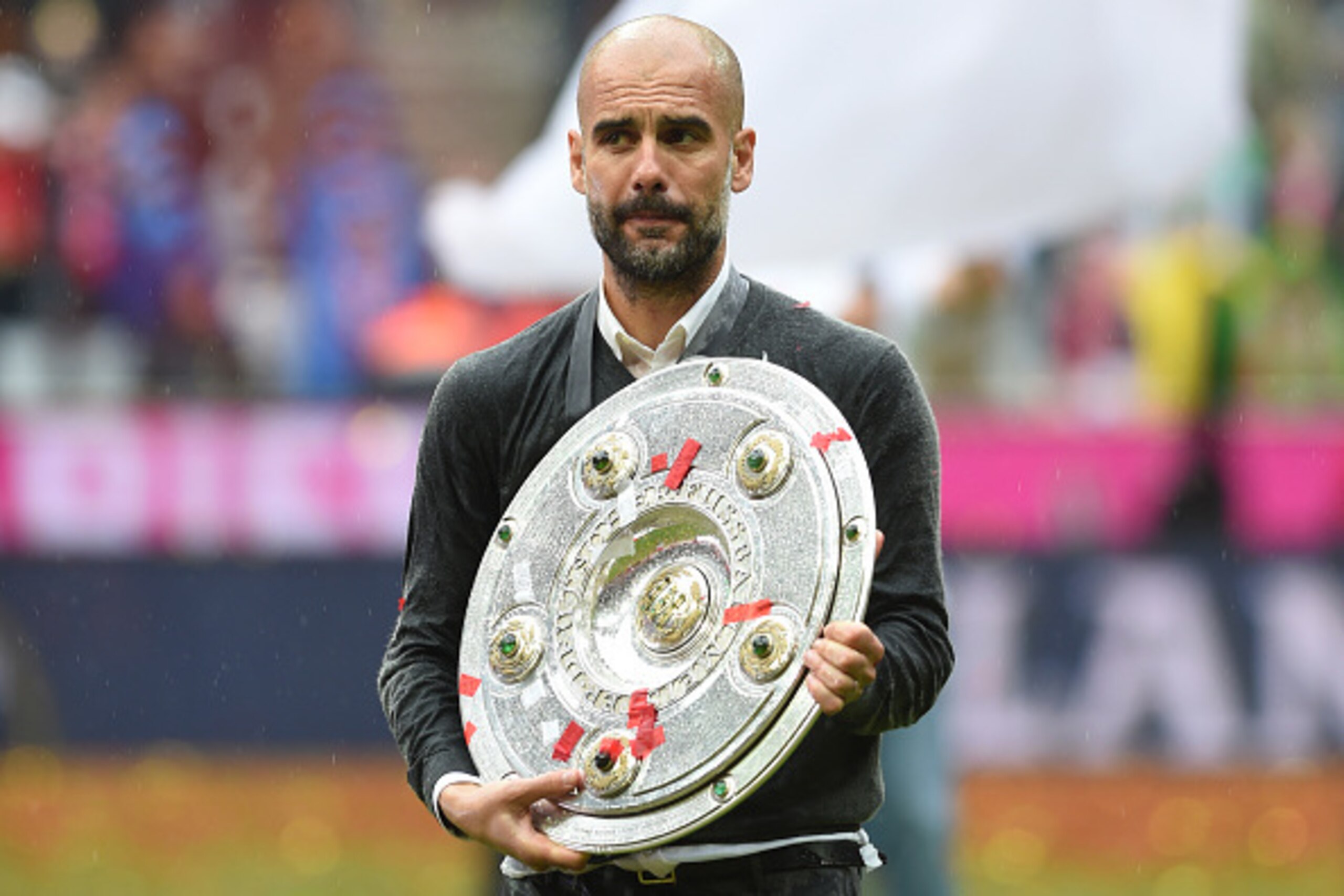
It’s a remarkable record, one delivered in style that has left him in a position as being the nost sought-after manager in world football. His sides have a pragmatic streak running through them—but they are also quick, expressive and innovative.
Possession is key, but not simply for the sake of having the ball. You have to do something with it—find a pass, beat a player, create an opening—or else it’s of little use other than stooping the opposition from playing. City fans have plenty to look forward to after the inertia that ruined last season.
“People talk about tactics, but when you look at it, tactics are just players,” Guardiola told the official UEFA website back in 2011 ahead of Barcelona’s second Champions League final in three seasons. “You change things so that the team can get the most out of the skills they have to offer, but you don’t go any further than that.”
Blending the right attributes is what Guardiola sees as his most important task. He wants intelligent and versatile footballers who are hard-working and technically gifted. If you find those kinds of players and mould them into the right system, the results and performances should follow.
That is why securing the signing of Ilkay Gundogan was so important to him. Despite the 25-year-old's injury, which is likely to see him miss the start of the new campaign, City paid close to £20 million to land him from Borussia Dortmund. He’s the kind of midfielder Guardiola likes: excellent in possession, with his ability to pass accurately unquestionable, but a hard worker when the team loses the ball.
Tactics are also about nullifying and overwhelming the opposition, something Guardiola prides himself on. “When it comes to tactics you have to think about what the opposition does and the players who can hurt you,” he said.
“What I’ve done this season is a response to the game plans our rivals are now adopting against us. As time goes by, people get to know you better. They pose problems for you and you have to come up with solutions.”
Expect plenty of changes, then. The rigidity Pellegrini was accused of is a thing of the past. The players will need to adapt, from game to game and perhaps even minute to minute, with Guardiola a proactive in his alterations.
He will look to play on the front foot, perhaps with the 4-3-3 system Pellegrini trialled in Australia last summer. Raheem Sterling is suited to the role on the left of the three, and David Silva may well find himself deeper, tasked with controlling the tempo from midfield rather than creating in the final third.
The most important tactical changes must come defensively, though. City were way too exposed during Pellegrini’s final 18 months in charge. There appeared to be little harmony between the back four, who were seldom given protection by the midfielders in front of them.
Guardiola sometimes opts for three centre-backs—all of them encouraged to play the ball out from the defensive line, with the two on either side often stepping forward into midfield. It's a tactic Italy have used with significant success at Euro 2016 and one that encourages teams to play the ball on the floor.
He is more likely to play a back four, though, and when he does, they are often defined by the dynamism of the two full-backs, both of whom act as auxiliary forwards when their team has possession. They must operate in both halves of the field, both down the outside and infield, in what is one of the most demanding roles in a Guardiola team.
Perhaps the finest exponent was David Alaba when he was Guardiola’s first-choice left-back at Bayern. He would provide defensive solidity down the left and supplement attacks, driving forward and adding an additional threat in the final third.
Whatever defensive system he opts for, he will expect better protection from the midfield than in Pellegrini’s time in charge. His midfielders must all be comfortable in possession and capable of moving the ball quickly and effectively, but when they lose it, they have to fight to recover it. The chasm that too often appeared between City's defence and midfield last season, which left them woefully exposed, needs to be eradicated.
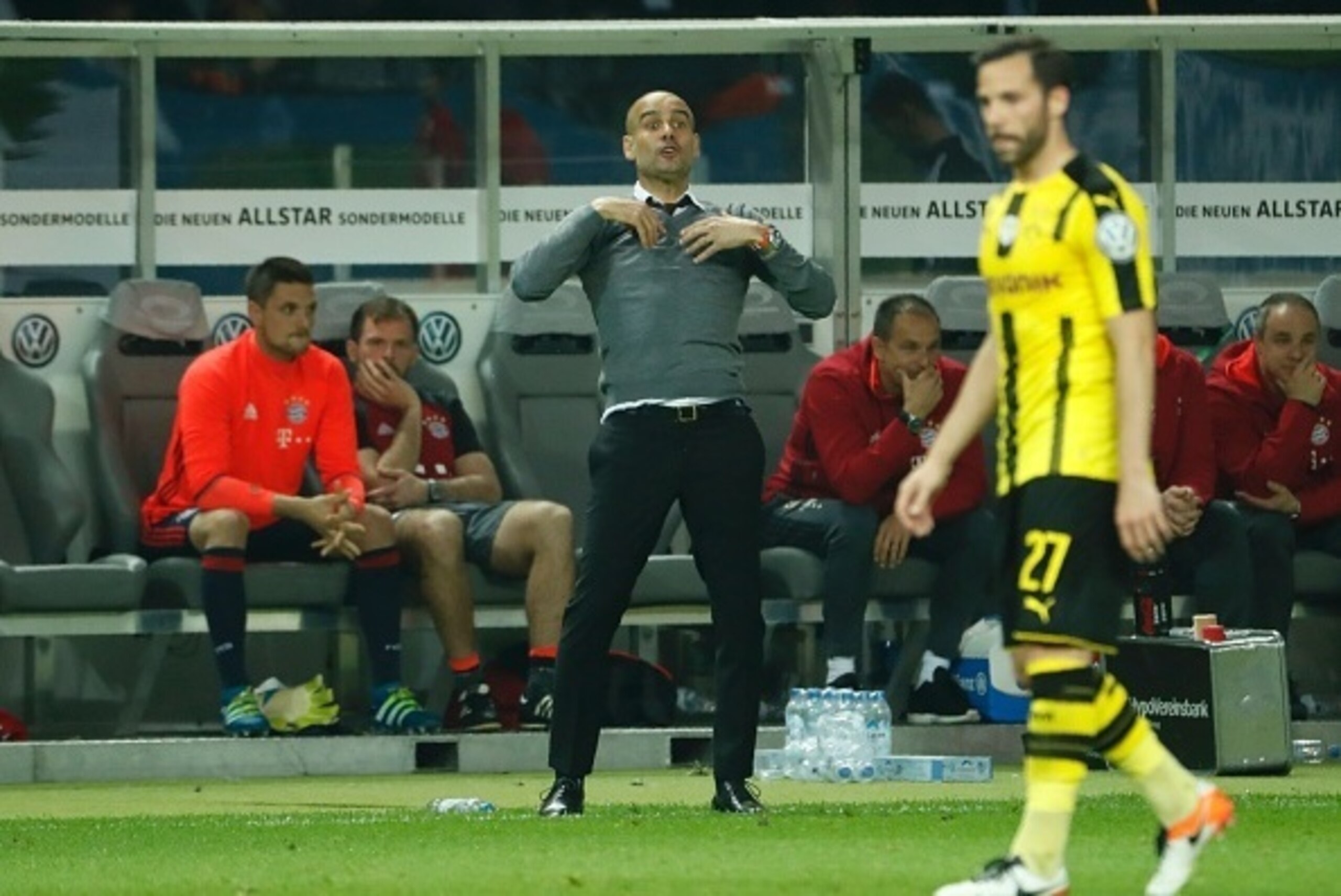
Making the right signings will be key in Guardiola’s quest to turn City into a side capable of winning domestic and European silverware, as will be instilling belief into the players he has inherited from Pellegrini, many of whom are better than their displays last season suggested. But his famed tactics, simple yet innovative, will be crucial.
City’s players are talented, yet they lacked direction during the dying embers of Pellegrini’s tenure. Guardiola’s work on the training pitch and his instructions in team meetings are what sets his teams apart.
Rob Pollard is Bleacher Report's lead Manchester City correspondent and follows the club from a Manchester base. All quotes were obtained firsthand unless otherwise noted. Follow him on Twitter @RobPollard_.
.jpg?w=2560 "Hill Injury Update Football")
.jpg?w=2560 "Titans Giants Football")
.jpg?w=2560 "Tyreek makes another cryptic post amid Chiefs rumors")


.jpg?w=2560 "Greenlaw Talks Payton Exchange")
