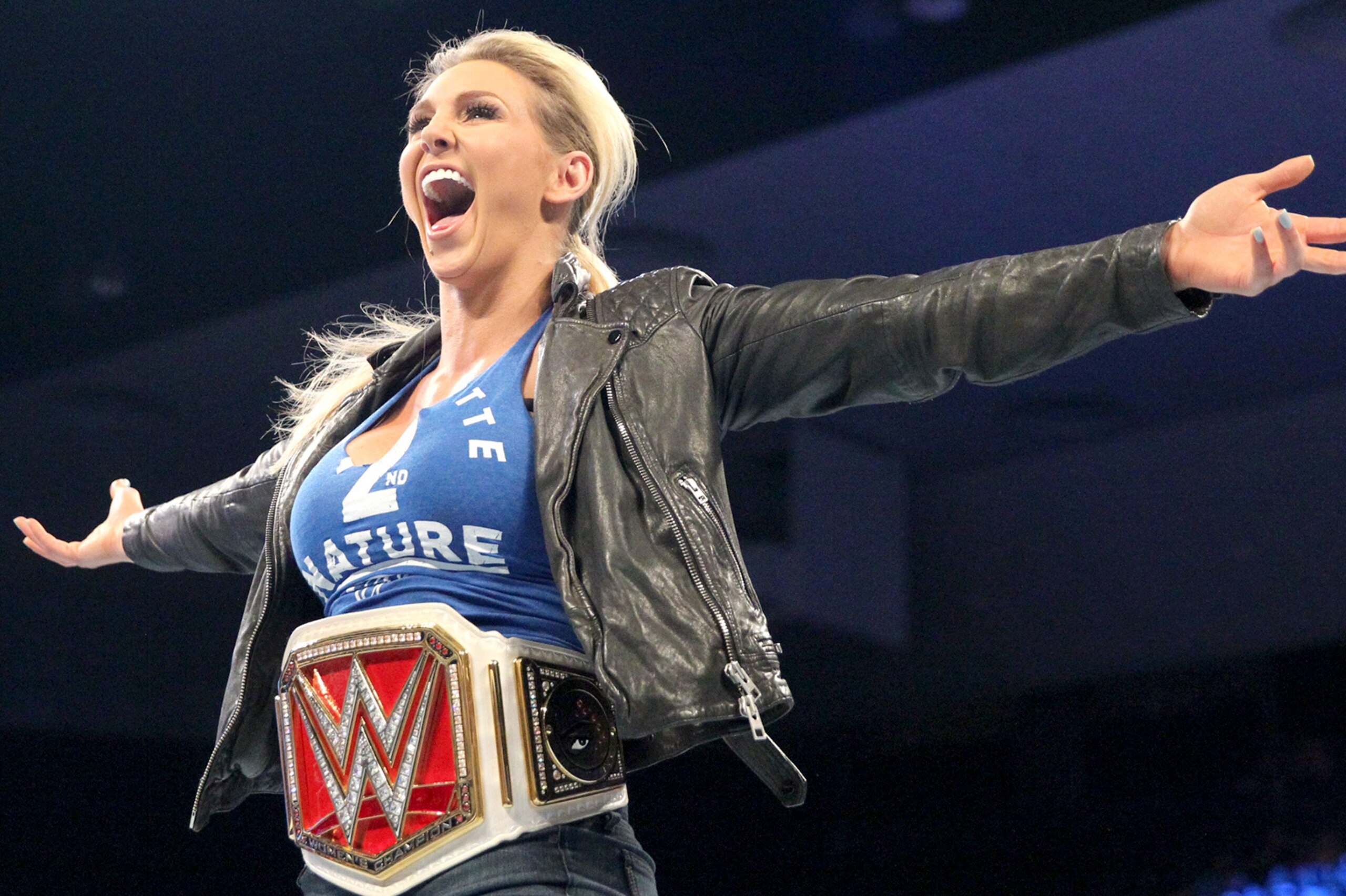

Examining, Grading Year One of WWE's Women's Revolution
On July 13, 2015, WWE promised its fans a revolution that would forever change perceptions in regards to women's wrestling and even called up Becky Lynch, Charlotte and Sasha Banks from NXT to help ensure its success. Nearly one year later, things certainly appear different on the surface.
But are they really?
There have been some tremendous highs and history made. There have also been missteps and terrible lows that had some questioning whether anything had really changed.
While the in-ring product has evolved, improving exponentially from the lethargic matches fans witnessed in bygone eras, there are still questions about character development and the crafting of storylines.
Then there is the inexplicable focus on outside factors, including two-time Hall of Famer Ric Flair.
Yet, regardless of whether one focuses on the good or bad, it is undeniable that women's wrestling is more meaningful in 2016 than it ever has been before.
In celebration of year one of WWE's Women's Revolution, take a look at this examination of multiple facets of the roster, its treatment by WWE Creative and how each grades out upon evaluation.
Character Development
1 of 6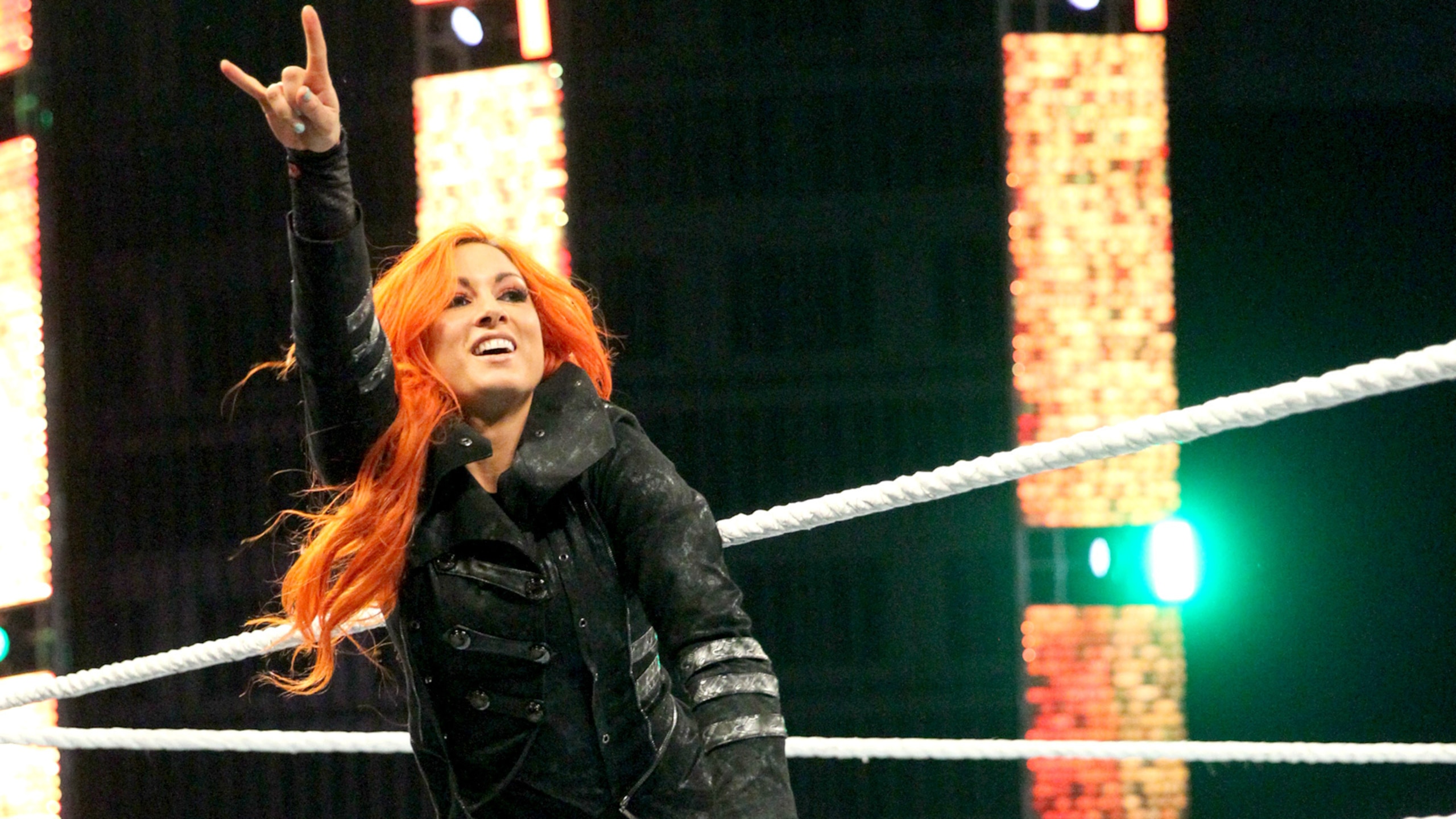
WWE Creative may have devoted more time and energy to women’s wrestling over the last year, but the development of unique and interesting characters was nearly nonexistent.
Sasha Banks was stripped of the elements that made her Boss character in NXT so effective. Becky Lynch was introduced as a Lass Kicker but was never developed past that. What exactly does that nickname mean? What are her motivations?
Charlotte went from the spoiled and entitled daughter of Ric Flair who desperately needed daddy at ringside to ensure the retainment of her WWE Women’s Championship, to spoiled and entitled champion who needed the presence of her faithful protege Dana Brooke to help her to victory.
Natalya received increased screen time, but her character remained that of a third-generation Superstar, her legacy defining her.
The next wave of competitors, such as Paige, Naomi, Tamina, Alicia Fox and Emma, were either undefined or nonexistent.
While WWE Creative has done a lot to renew interest in women’s wrestling, its complete and utter disregard for writing compelling characters has done more damage than good and left the women’s roster a mess of personality-less performers.
Grade: D+
Ring Time
2 of 6
From Money in the Bank in June 2014 until Battleground in 2015, the debut of the so-called Women’s Revolution on pay-per-view, the average match time was 8:07. In the year following the arrival of Charlotte, Sasha Banks and Becky Lynch to Raw and SmackDown, that ring time jumped five minutes to 13:23. (Match times courtesy PWTorch.com and profightdb.com)
In fact, only three major pay-per-view matches dipped below 10 minutes: Banks and Lynch vs. Naomi and Tamina from Fastlane in February, the Submission match for the WWE Women’s Championship between Charlotte and Natalya and Charlotte and Dana Brooke vs. Becky Lynch and Natalya from the most recent Money in the Bank event.
The WrestleMania 32 match between Banks, Charlotte and Lynch, which was one of the highest-profile on this year’s card, was over 16 minutes in length, the fourth-longest match on the 12-bout card.
Televised matches on Monday nights have increased, but matches on SmackDown, a much more structured and timed-out show due to its two-hour runtime, are often quick affairs that do not give the talent involved time to deliver anything remotely close to a quality match.
Nitpicking aside, it is impossible not to recognize the strides that have been made to give the women of WWE the ring time necessary to display their skills. While their characters are in need of work, they are finally getting the opportunities to prove themselves as professional wrestlers that the women who came before them never had. From that perspective, the revolution has been an unbridled success.
Grade: A
Compelling Storylines
3 of 6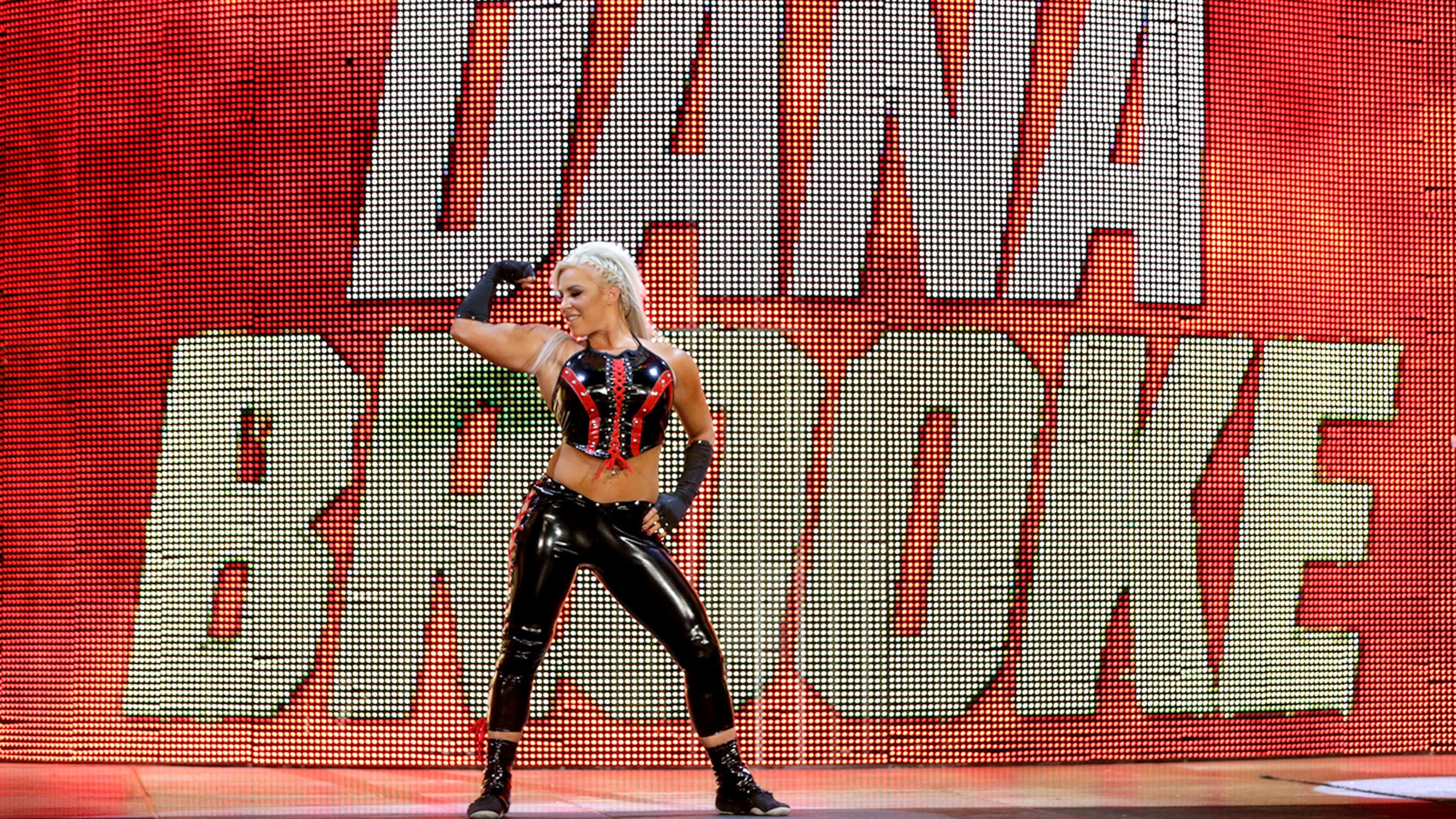
One of the elements still severely hurting the women’s division is the lack of compelling storylines.
The matches are better than ever, but the stories behind them are either lazily scripted, nonexistent or center around the presence of Ric Flair at ringside rather than that of the women involved. In fact, the feud between Natalya and Charlotte entering May’s Payback pay-per-view revolved around Flair and Bret Hart rather than the competitors themselves.
Even heading into WrestleMania 32 and the huge Triple Threat match to determine the first WWE women’s champion, there was little in the way of an actual story. Instead, WWE Creative opted to go the route of three women wanting to make history on the grandest stage in wrestling, which is typically the pattern every match at that show takes these days.
Dana Brooke suddenly shifted gears from being Emma’s partner-in-crime to Charlotte’s protege for no rhyme or reason. Charlotte tossed her father to the curb, berating and humiliating him in an angle that has had zero followup since.
Only Becky Lynch, her constant betrayals by supposed friends and how she reacts have even slightly resembled an ongoing story worth investing oneself in.
WWE Creative and management has taken the necessary strides to devote more television time to the female Superstars. But until it takes the initiative and does more to build interesting programs worth following on a weekly basis, the outstanding matches will be but the results of nondescript stories.
Grade: C-
.jpg?w=2560)
In-Ring Product
4 of 6
The arrival of Banks, Lynch and Charlotte introduced a style of work to the women's division that the main roster women had never seen before.
During their time in NXT, three of the so-called Four Horsewomen developed a ring style similar to that featured on independent cards across the country. It featured harder and more convincing strikes, submissions that expand past the typical chinlock and armbar and high spots that serve as the perfect crescendo to the match.
The addition of dramatic near-falls has been the greatest revelation for fans of the main-roster shows. It has resulted in hotter match conclusions and a crowd more invested in the action than ever before.
Case in point: Wrestlemania 32, where the Triple Threat match between Banks, Lynch and Charlotte was the most anticipated match on the show. Even months earlier at Night of Champions, when a babyface Charlotte battled Nikki Bella with the longest reign in Divas Championship history on the line, fans were invested in the action that unfolded in the ring because of the stories the performers told within the context of the match.
For every one of WWE Creative's failures to create interesting characters or tell intriguing storylines, there is a match that eclipses it, giving fans hope that the revolution they were promised will one day come to full fruition.
Grade: A-
Fan Perception
5 of 6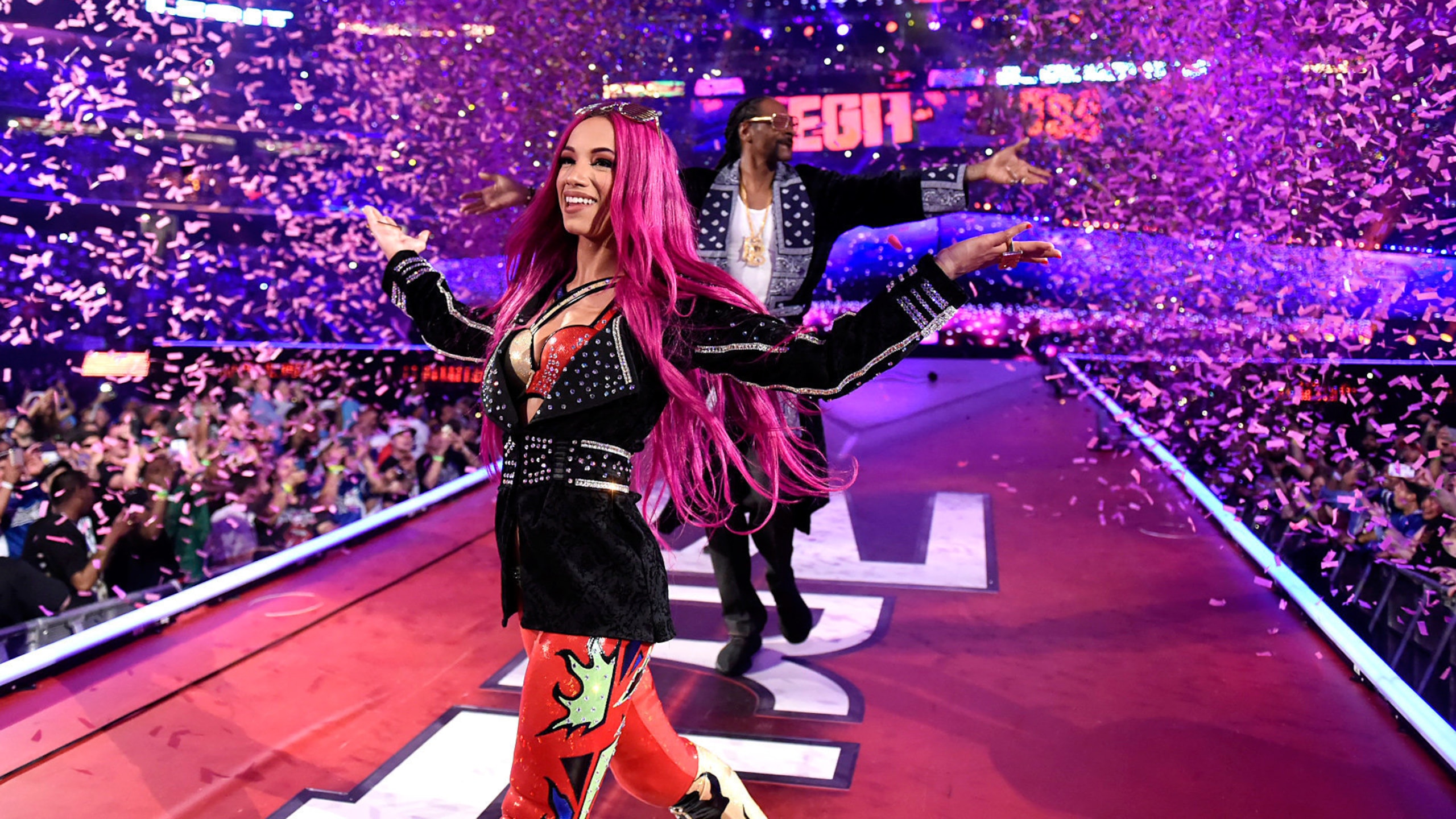
Sasha Banks is one of the most over Superstars on the roster, regardless of gender. She draws some of the loudest ovations of the night; her charisma is undeniable. She owns what is left of her character every time she steps through the curtain, and the confidence she demonstrates resonates with the fanbase.
Charlotte has gained a following for her undeniable villainy. She is detestable for the way that she continuously cheats, despite recognizing herself as genetically superior to the rest of the roster. While the character is still fairly undefined, her brash and arrogant attitude continues to infuriate audiences across the country.
Beyond Banks and Charlotte, though, none of the Superstars that make up the women’s roster have generated much in the way of excitement from fans. Becky Lynch will get the occasional pop, but until she garners revenge on those who constantly turn their backs on her, she will be looked at as the clueless woman who should see the betrayals coming by now.
The longer matches, with more ups and downs and dramatic finishes, have been received very well by fans. Even matches involving lackluster stories have been greeted with open arms and loud, raucous reactions as fans continue to express appreciation for great in-ring content, regardless of the gender of the participants.
Look no further than this past March's WWE Network special Roadblock, where Natalya battled Charlotte. No one expected The Queen of Harts to win, but the quality of the match and the strength of the performances had the fans eating up every near-fall or teased submission.
Greater fan interest in the remainder of the roster will come with expanded characters and more in-depth stories, both of which could become prevalent when WWE splits Raw and SmackDown into two separate entities on July 19.
Grade: C+
Overall Grade
6 of 6
The individual grades may not be that impressive, but the fact that women’s wrestling is relevant enough for one to go back a year and grade the progress it has made in that time suggests that WWE is doing something correctly.
The amount of exposure given to women like Charlotte, Dana Brooke, Natalya, Becky Lynch, Sasha Banks, Paige and even the injured Nikki Bella has helped create an awareness that they can provide matches equally as good as their male counterparts if given the opportunity.
Sure, there have been hiccups along the way, including WWE Creative’s inexplicable desire to focus on Ric Flair rather than his immensely talented daughter and her top challengers. Yet, by merchandising and marketing the female competitors, it has helped change perceptions of what a star looks like in 2016 sports entertainment.
They no longer have to be male, nor do they have to take their clothes off in demeaning gimmick matches to be successful or over with audiences. They are respected for their athleticism and ability between the ropes, something fans of Raw and SmackDown have been exposed to thanks to the increased ring time.
Further development of character and storylines will only help with getting them over to the point that they could, conceivably, headline a pay-per-view one day. WWE Creative has failed from that perspective, but that is hardly anything new. The entire roster has been plagued by a complete and utter lack of layered characters and compelling angles.
As WWE Creative embarks on a new adventure that sees the rosters split for the first time since 2012, the possibility that wrestling’s top female Superstars develop more focused on-screen personas increases exponentially.
Grade: C+

.jpg?w=2560 "NFL investigating 2 referees for separate viral exchanges")

.jpg?w=2560 "Report: Chiefs Contact Hill's Agent")
.jpg?w=2560 "OBJ Calls Out Giants 😳")
.jpg?w=2560 "Tyreek makes another cryptic post amid Chiefs rumors")



