

Following the Copa America, Is Brazil's Current Malaise as Dire as Made Out?
With the Copa America Centenario reaching boiling point and Brazil nowhere to be seen for the second successive year, it may be tempting to reach for the panic button, especially with established rivals Argentina romping their way to the final. The 2007 South American champions have had, by their own high standards, a dreadful run of form in continental competitions.
Quarter-final exits in 2011 and 2015, followed by the ignominy of falling at the first hurdle in the United States, have left a bitter taste in the collective mouth. The Brazilian Football Confederation (CBF) had seen enough and parted ways with coach Dunga for the second time in little over half a decade.
TOP NEWS

New NFL contenders starting to emerge after Week 4

Deion Playbook Found at Hotel
.jpg?w=2560 "Cardinals Giants Football")
NFL investigating 2 referees for separate viral exchanges
On the surface, there was little to be excited about at this most recent of premature tournament exits.
No goals against Ecuador and Peru from a team that has lifted five FIFA World Cups and given the world blessings through the likes of Didi, Garrincha, Pele, Jairzinho, Zico, Romario and Ronaldo to name just a handful, made for a worried—not to mention disenchanted—public.
The bad feeling had been simmering for quite some time. Following last year’s elimination in the last eight to Paraguay—for the second successive Copa America after falling at the same stage to the same opposition in 2011—former Brazil international Casagrande went as far as to say this was the worst generation of players of all time (link in Portuguese).
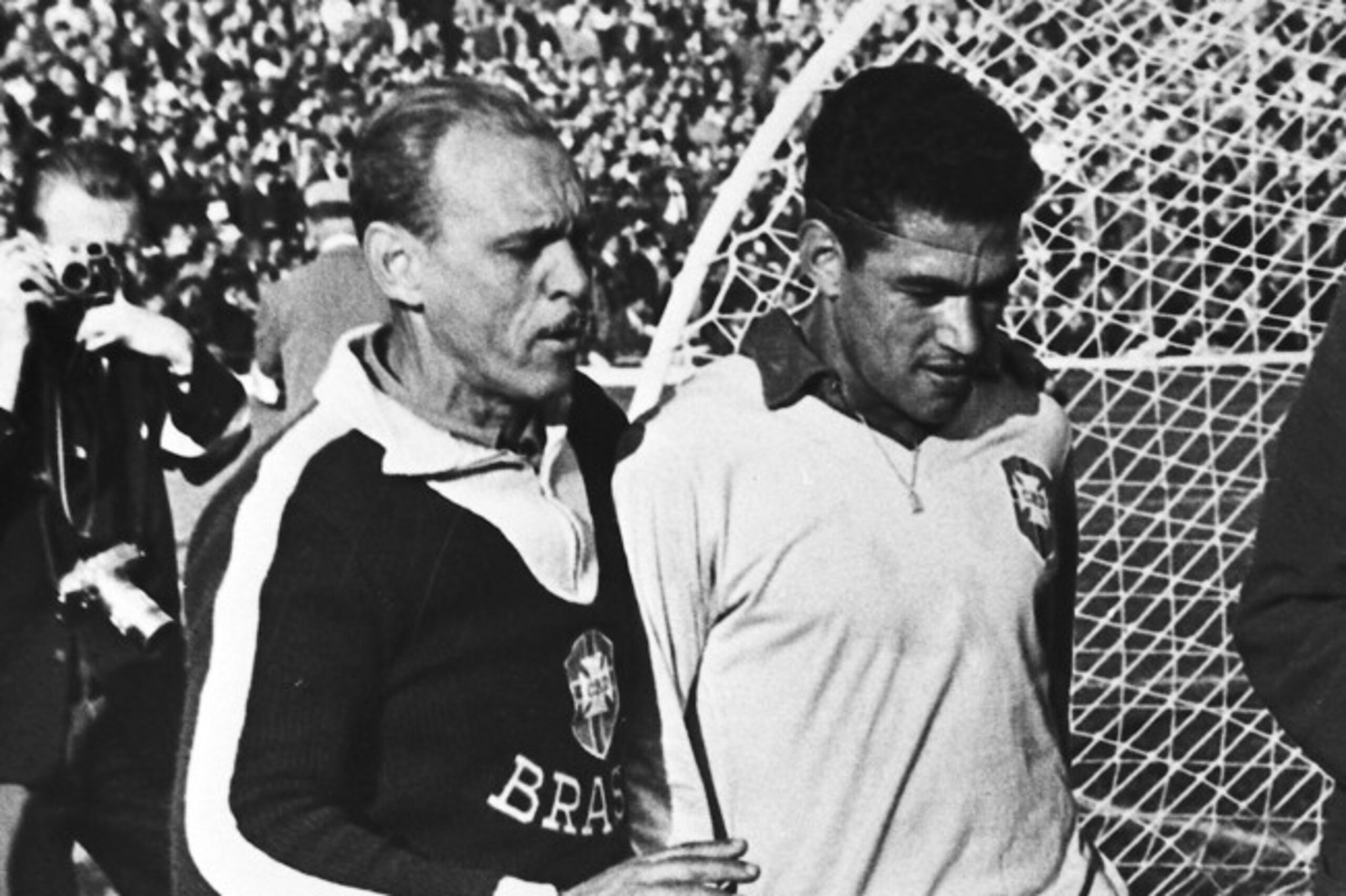
He cited Neymar as the only player of reference the team had, and that without the Barcelona man in the ranks, there was little to get excited about.
Judging from performances in international tournaments 12 months on, it would appear that little has changed. Neymar, who will only appear at the Olympic Games this summer, having sat out the Copa America, left a gaping hole in the Brazil attack THAT Dunga failed to fill with a multitude of options.
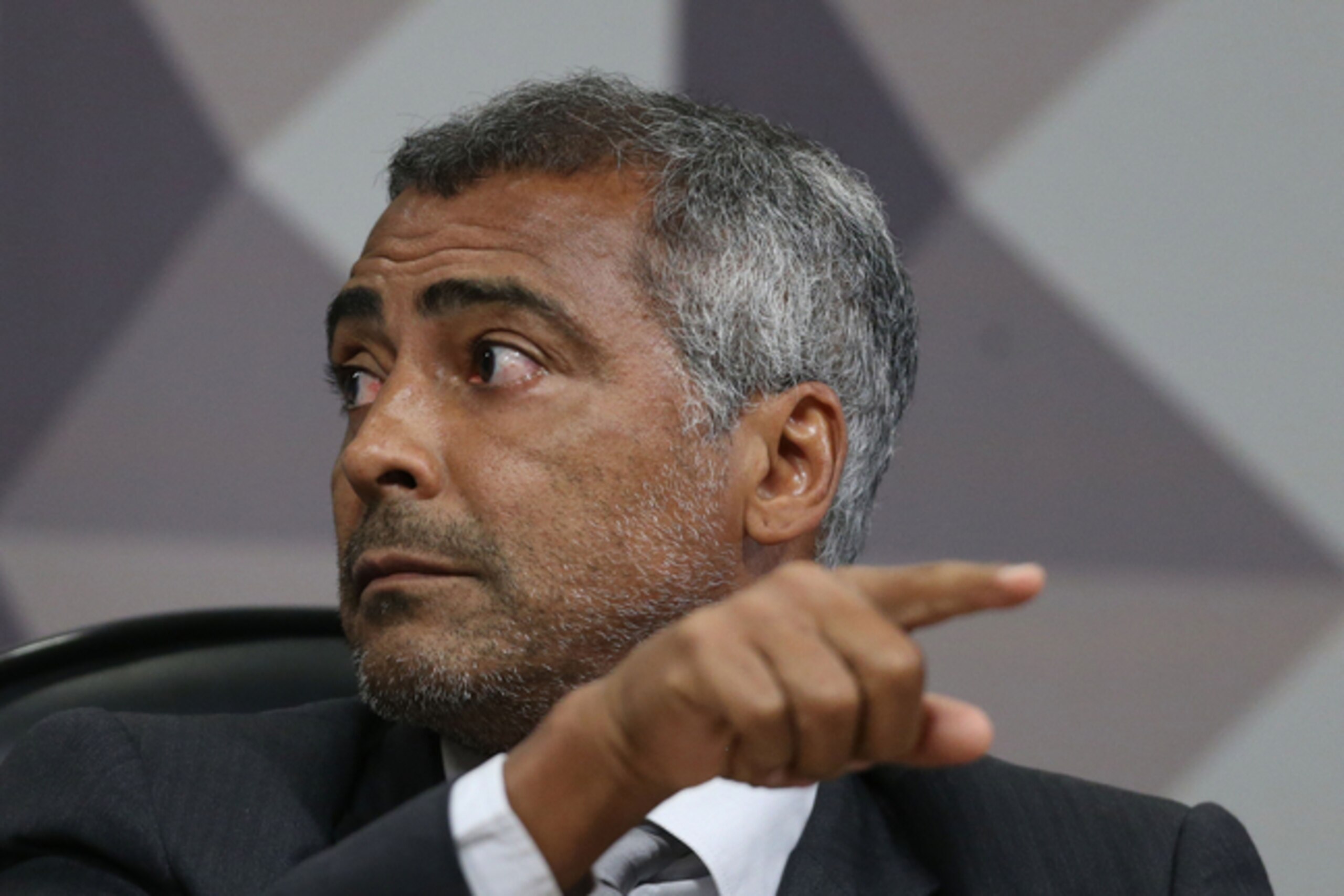
Indeed, his second spell as Brazil coach was met with hostility from the start, with former team-mate Romario criticising his reappointment (link in Portuguese). The idea that the Selecao were not moving forward was one that stuck and was, ultimately, underlined at this tournament.
That is not to say it was always so gloomy under the former coach. There were initial signs that Dunga may have been able to bring about an upturn in form following the 2014 World Cup, with 10 friendly wins in a row at the start of his reign.
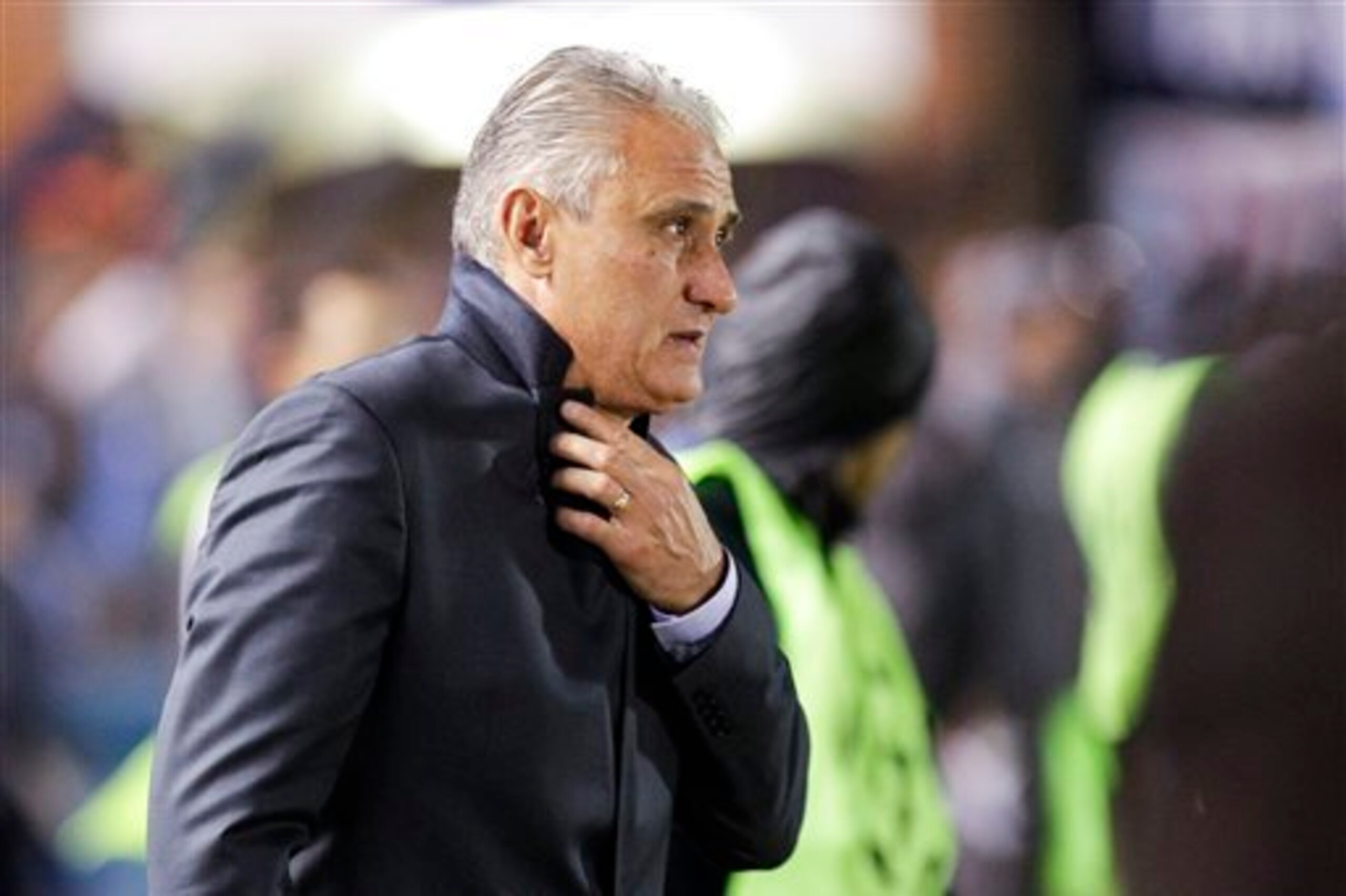
But changes have been made. Tite, so successful during his time at Sao Paulo-based club Corinthians, has now been installed in the Selecao hot seat.
His first competitive tests will come on September 1 and 6 against Ecuador and Colombia, respectively, in the 2018 World Cup qualifiers, with the country currently sitting sixth in the group. Brazil, the only nation to have competed at every edition of the World Cup, worryingly remain outside the qualification places for Russia, for the time being at least.
It is right to recognise there is a risk that Brazil will not be in eastern Europe in two years’ time, but it would take a brave man to bet against it. The Selecao have a high-quality group of players and, with time and—even more importantly—patience, Tite can mould a team in his image, as he did so successfully at Corinthians on two separate occasions.
During his official presentation on Monday, the experienced manager was already making the right noises to get the Brazilian press pack purring (link in Portuguese). He spoke of being inspired by the 1970 World Cup-winning team, a side that is widely recognised as one of the greatest to ever grace a football pitch.
His response was in stark contrast to some of the dire offerings under Dunga, reviled for his pragmatic approach to the game, which may well have been honed and influenced during the Selecao’s 1994 World Cup-winning campaign, where a limited group was hauled over the line by the mammoth talent of one player: Romario. Sound familiar?
But it doesn’t all have to be about just one player, and the generally negative public consensus around the Brazilian national team, taken along with Casagrande’s less-than-exuberant analysis, is not the be all and end all.
Yes, this side clearly has areas where it needs improving: A more reliable goalkeeper and a genuine No. 9 presence are the two most glaring issues. But the sum of its parts has the potential to go far, and one can imagine Tite rubbing his hands with glee at some of the players he will be able to rely on and call upon as he beds himself in.
Should he decide to reinstate Thiago Silva, he has one of the greatest central defenders on the planet at his disposal. Casemiro has proved himself adept at combining the holding-midfield role as well as precise ball distribution, putting Luiz Gustavo’s previously unquestioned role in the side into doubt.

In the offensive third, Tite can boast a pool of riches even without Neymar, although when available, he is hardly likely to miss out. Douglas Costa, Willian, Philippe Coutinho, Roberto Firmino, Gabriel, Gabriel Jesus and Luan mean the new boss has the pieces but not yet the shape of a potentially exciting jigsaw.
Of course, there remain caveats. The new boss has no experience in international football. His opening game, away to Ecuador, will be played at altitude, and a defeat would start the new coach, pined after for two years, off on the wrong foot.
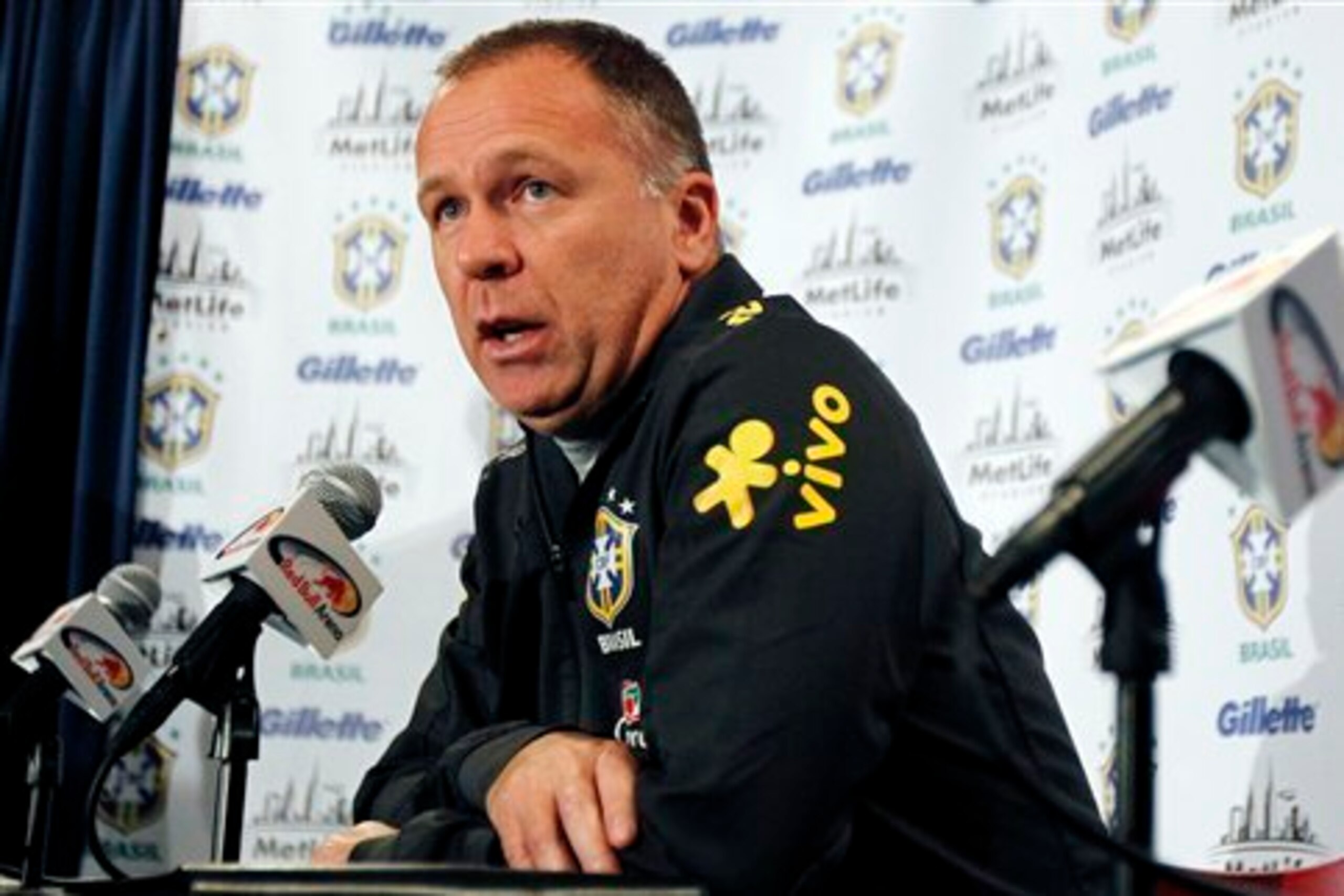
There is always the impression that the Brazil boss is racing against time from the word “go.” Mano Menezes, who replaced Dunga after the 2010 World Cup after an excellent spell with Corinthians, was initially supposed to lead the side up until the next World Cup on home soil.
He lasted a little over two years, illogically sacked in November 2012 when, surely, if he were to be ushered out of the door it should have been done following the Olympic Games in London that same year.
It is not all about jubilation or crisis. Brazilian football and its media need to find a middle ground and rationale.
This team does not need to hit the ground running in September. Brazil have had a series of disappointments, and the decision to end Dunga’s second fraught reign is understandable.
But neither is it the time for people to be castigating themselves in the streets and harking back to glories past, something which, if anything, has held Brazil back over recent years. The nation’s footballing history is undeniably glorious, but it does not mean standing still is an option.
For this vast South American nation to prosper again, it will take unity. This group of players can restore pride in that feted yellow shirt. Tite needs time to nurture that process.
.jpg?w=2560 "Hill Injury Update Football")
.jpg?w=2560 "Titans Giants Football")
.jpg?w=2560 "Tyreek makes another cryptic post amid Chiefs rumors")



