WWE Draft 2016: Lessons to Learn from Past Highs and Lows
The 2016 WWE draft can be comedy or catalyst—a way to create drama for the night or to kick off the brand split with ample momentum.
In the past, the draft has been all of those things. The history of the ever-changing event is rife with mistakes WWE needs to avoid this time around. But there have been shrewd moves in previous drafts that WWE would be wise to repeat.
On July 19, the New Era will begin in earnest as WWE will once again split its roster into two distinct brands—Raw and SmackDown. It will be the first time since 2011 that those shows will be their own entities.
.jpg?w=2560)
Returning to the brand extension is an opportunity to make SmackDown more relevant, to start afresh overall.
Former world champ Booker T commented on a recent Raw pre-show about how wrestlers will have to step up in the wake of the brand split:
Hall of Fame announcer Jim Ross believes July 19 can be a boon for the company. As he put it on his blog, "The draft can potentially be a huge, positive restart for WWE that should benefit their fans and the WWE Network and therefore the WWE bottom line."
And WWE has creative freedom when it comes to trying to do just that.
One thing that has been clear throughout WWE's eight drafts so far is that there are no set-in-stone rules. The WWE draft has seen general managers select Superstars and lottery balls do the choosing. It has had one wrestler picked twice in one night.
WWE should use that flexibility to its advantage—study WWE draft history and seek to duplicate what worked the first time around.
Forget Bragging Rights
As much as WWE would like collisions between Raw and SmackDown roster members to feel like epic battles between two factions, they often fall flat.
In 2011, for example, 10 wrestlers from each show faced off in a Battle Royal. The Raw Superstars donned red T-shirts; SmackDown's stars wore blue. The winner would nab the first pick in the draft.
When Kofi Kingston from SmackDown nearly eliminated Evan Bourne from Raw, Michael Cole shouted, "It's all about pride! It's all about pride for your brand."
The trouble is that this kind of pride is a difficult narrative tool to work with. It's artificial. It feels more fitting for capture the flag at a family reunion than the squared circle.
It was tough to buy that Kingston cared about SmackDown, or Bourne about Raw.
That's partly why the short-lived Bragging Rights pay-per-view was so forgettable. The event was built around clashes between Raw and SmackDown grapplers, and brand pride was the crux of the conflict.
That PPV didn't catch on in its two years of existence. It didn't resonate the way that fights over personal issues or championships did.
WWE should avoid that idea altogether. It's easier to invest in the personal animosity between rivals like Kevin Owens and Sami Zayn than a meeting of color-coded wrestlers.
Brand loyalty will be an even harder concept to establish now anyway. Raw's and SmackDown's rosters haven't been split for five years. Many of the wrestlers working today debuted after the brands converged in 2011.
Initial Building Blocks
Who goes first matters. Who WWE selects as the top picks for Raw and SmackDown will help establish each show's importance.
WWE hasn't always recognized the power of those picks, though.
In 2004, Rene Dupree went first overall to SmackDown. Sure, the young, chiseled Adonis looked to have a solid ceiling at the time, but he was far from a star. Giving Dupree the No. 1 spot began the draft process in underwhelming fashion.
And it made it clear that SmackDown was destined to be the B show.
In the inaugural WWE draft, the company created more electricity with its initial selections. SmackDown took The Rock first, while Raw made Undertaker its first pick.
SmackDown getting a megastar in The Brahma Bull was huge. The show suddenly felt like a major player. That only increased when the blue brand added Kurt Angle and Hulk Hogan soon after.
This wasn't the Toledo Mud Hens competing with the Boston Red Sox; these were two stages of equal prestige.
Should SmackDown nab John Cena this year, that will instantly elevate a show that has long felt inferior. Otherwise, WWE could go with Dean Ambrose, Roman Reigns or Seth Rollins in that spot and signal that a youth movement is underway on Tuesday nights.
WWE can't try to get cute and have Raw or SmackDown take midcarders over marquee names with the first pick.
Lose the Lottery
Randomness does not equal excitement. And there are multitudes of things more compelling than watching a man turn a raffle drum and pull out one ball at a time.
WWE fans found that in 2004 and 2005.
The draft went to a lottery system in those years. Eric Bischoff picked the pingpong balls for Raw; Paul Heyman did the same for SmackDown.
This was to supposed to create a shake-up for both shows. Anyone, including referees or injured stars, could move brands with these random picks. In 2005, WWE chose to extend the selection process over the course of a month, spreading out the chaos.
The lottery proved too gimmicky. It felt more like a game show than a draft—something one would see unfold in a WWE video game.
Low-rung stars Dupree, Nidia and Mark Jindrak going in the first four picks in 2004 didn't help the process feel significant.
WWE is better off having the show's general managers take turns picking top wrestlers. Don't go for quirky; go for realistic.
Coveting Championships
Drafting a titleholder means a show gets both the champion and the championship. That's a factor WWE has to mull over as it divvies up talent.
The Miz will bring along the Intercontinental Championship with him. Charlotte will carry the Women's Championship to her next destination. When moving these wrestlers, WWE has an opportunity to not only balance out the shows, but also to add a bit of shine to the gold.
WWE made two bold statements in 2009.
With its first pick, Raw selected Montel Vontavious Porter, the United States champ. That midcard title was moving to WWE's marquee show with him.
SmackDown's first selection brought the Women's Championship to the blue brand. Melina was that show's top pick.
Both picks put these championships in prominent spots.
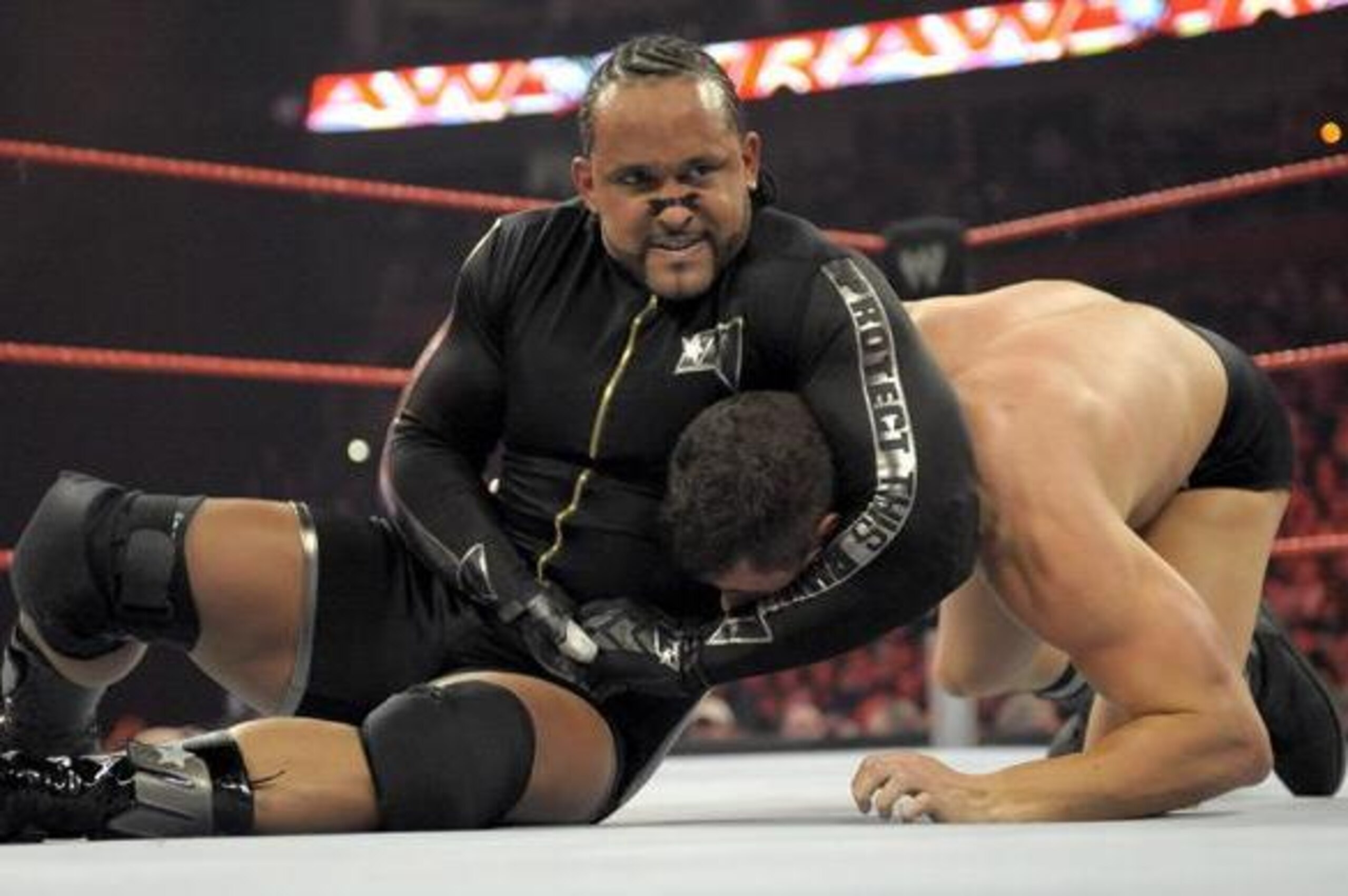
WWE didn't build on that nearly enough in either case, but the moves could have been a catalyst for both straps. The women's title remained the centerpiece of a neglected women's division. MVP's championship reign ended just two months after moving to Raw, and the U.S. title felt less important than it did in his hands.
But where WWE should follow 2009's lead is picking midcard champs early.
If SmackDown moves on The Miz in the first few rounds and Raw makes sure to welcome Charlotte, that will signal to the audience that their respective championships are valuable prizes. Making them afterthoughts in the draft only further hurts each belt's prestige.
Beware of Trades and Takebacks
WWE was shortsighted in 2011. In focusing on creating drama on draft night, it hurt the power of the selection process and didn't help SmackDown's status as the lesser show.
Early on draft night that year, SmackDown chose Cena. Acquiring a star of his stature gave the show instant buzz. But fans only had a few hours to savor that savvy move.
Raw drafted Cena back with the night's last pick.
While it made for a surprise moment on Raw that night, it hurt the integrity of the draft. Moving forward, fans couldn't be sure that any of the draft picks they saw would just move shows again later on.
Plus, by only teasing a move to SmackDown, WWE did that brand a disservice. It made it feel as if SmackDown wasn't worthy of Cena—that the company's top star had to be on its top show.
In 2004, a pair of trades followed the draft. Raw reclaimed Triple H in a deal that sent Booker T and Rico to SmackDown. That's a case of WWE trying to mimic the sports world too much. There's no reason to focus so much on what the GMs are doing.
WWE needs to skip this kind of maneuver in 2016. Make the event feel huge by playing it straight. And don't be afraid of letting a star of Cena's caliber head to the blue brand.
The draft has been at its best when it has been simple and logical. It's when WWE relied too much on gimmicks that the event has floundered.


.jpg?w=2560 "Malik Beasley Negotiating Plea Deal (AP)")
.jpg?w=2560 "Aikman Blasts Cowboys WR 🫣")

.jpg?w=2560 "Jonathan Taylor Landing Spots")