

How Does Brazil's Copa America Centenario Compare to Past Selecao Low Points?
It is no secret that Brazil’s group-stage exit from the Copa America Centenario was dreadful. A footballing nation that can boast such an illustrious past will rank this new low point, scoring in just one of three games and failing to breach the defences of Ecuador and Peru, as one of their all-time worst displays in competitive football.
It has cost their manager his job. Immediately after touching down on Brazilian soil, Dunga was rushed to a meeting with the Brazilian Football Confederation (CBF) and relieved of his duties as national team boss.
And it would be no exaggeration to say the country drew a collective sigh of relief.
TOP NEWS
Billboard Trolls Man City 👀

New NFL contenders starting to emerge after Week 4
.jpg?w=2560 "Cardinals Giants Football")
NFL investigating 2 referees for separate viral exchanges
While it is true he could not count on some of his principal players, namely Neymar and Douglas Costa, the return Dunga managed from those at his disposal was short change for the talent in the squad.
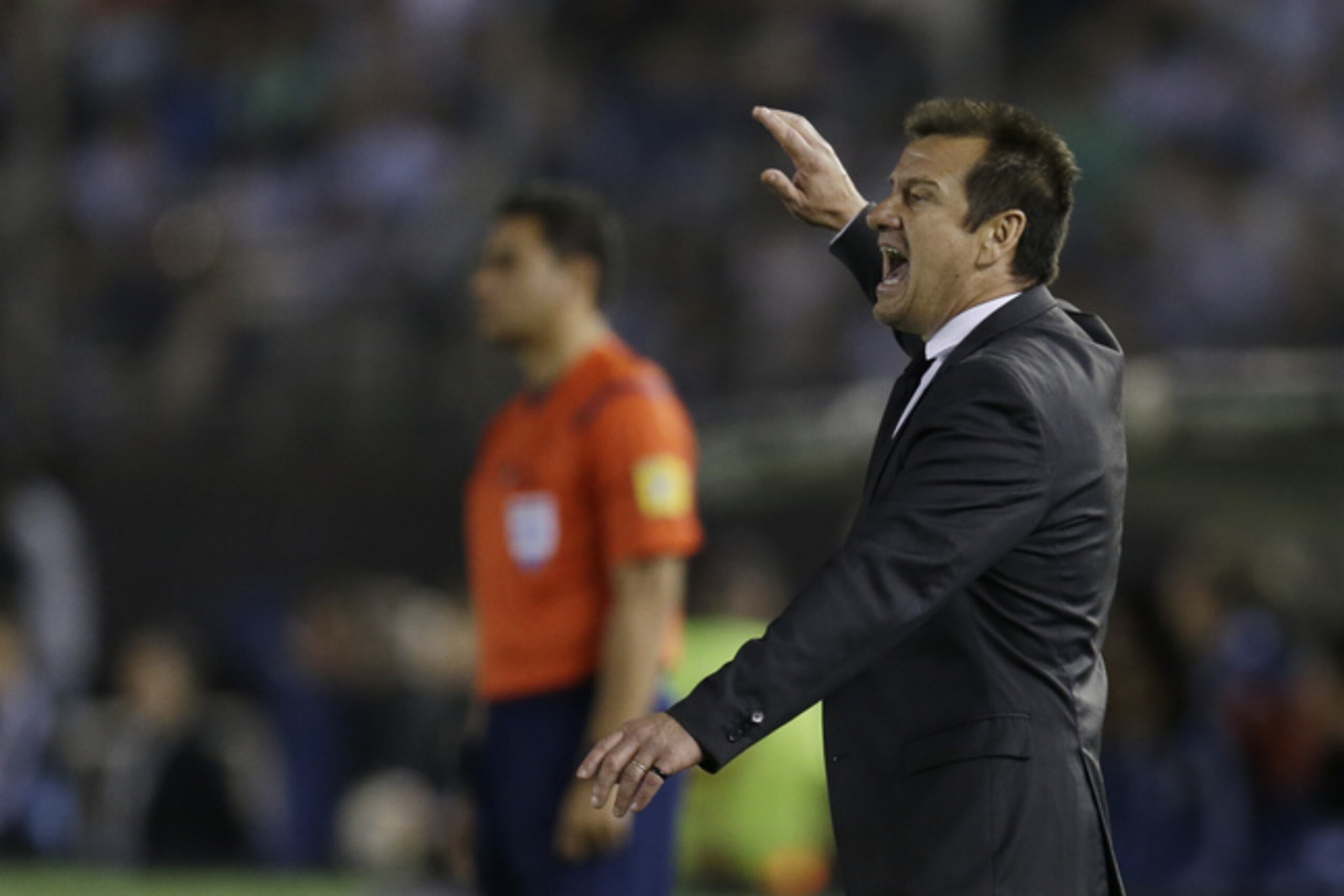
In addition, his downright stubbornness in refusing to pick former captain and, in all frankness, still the most formidable Brazilian defender around in Thiago Silva, meant there was little sympathy around for a manager few had time for in the first place.
In truth, Dunga arrived in the USA in a precarious position, and the team's performance was enough to seal his fate.
This particular low in Brazilian football covers a wider span than just the latest premature exit. Brazil’s slow start to World Cup qualifying had ramped up the pressure on their boss, and the side’s sluggish performance merely confirmed what many suspected; the side were in a deep slump that they would struggle to extricate themselves from, certainly with this manager in charge.
Perhaps the most frustrating aspect was that this group of players had the potential to go far.
In the chaotic and fraught world of Brazilian football, it is very easy to get carried away. The most successful team in the history of the international game, with five world titles to their name, are likely to treat any failure to hoist a trophy as catastrophe.
While that might be over-egging the omelette slightly, there have been moments in tournament football that could be looked upon as disastrous, and that Copa America first-round exit would indeed be included.
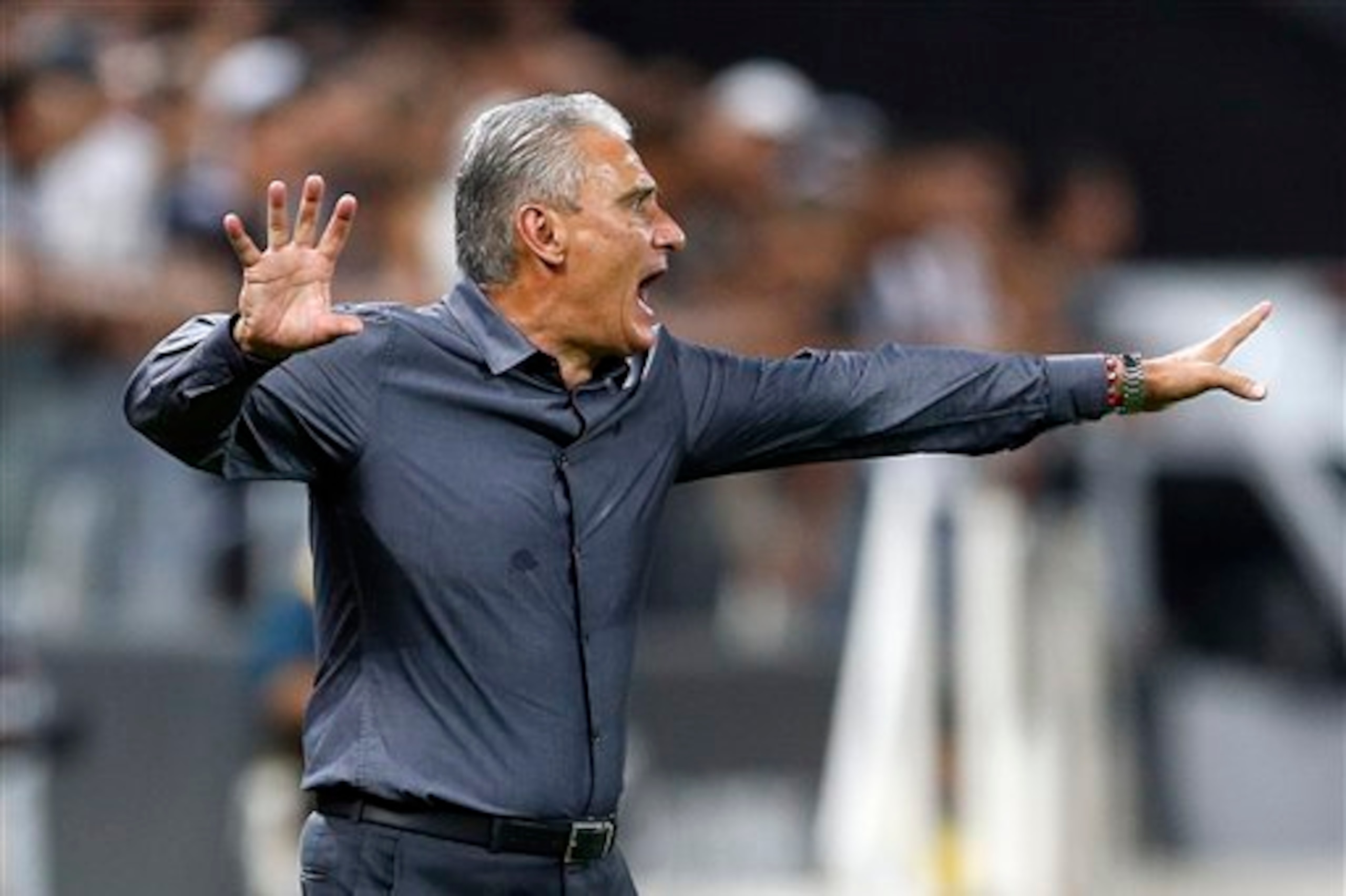
Now, with the exit of Dunga and the appointment of Tite, albeit in likelihood two years too late, gives hope for the immediate future for Brazil.
While the former Corinthians boss will not take charge at the Olympic Games later this summer, that role going to Rogerio Micale, his first competitive task will be the 2018 FIFA World Cup qualifiers in September, against Ecuador and Colombia. Only then will we be given an initial glimpse of whether the current torpor around the Selecao can be lifted quickly.
The most recent example prior to the Copa America of a Brazilian slump, and perhaps the kickstart for the current stupor the Selecao Brasileira find themselves in, would be the 2014 World Cup semi-final against Germany.
At that tournament, Brazil held genuine hope of winning a sixth World Cup. Not only were they playing on home soil, they had won the Confederations Cup the summer before, putting four past Italy and comprehensively dispatching the reigning world champions Spain 3-0 in the final with a genuinely dominant performance.
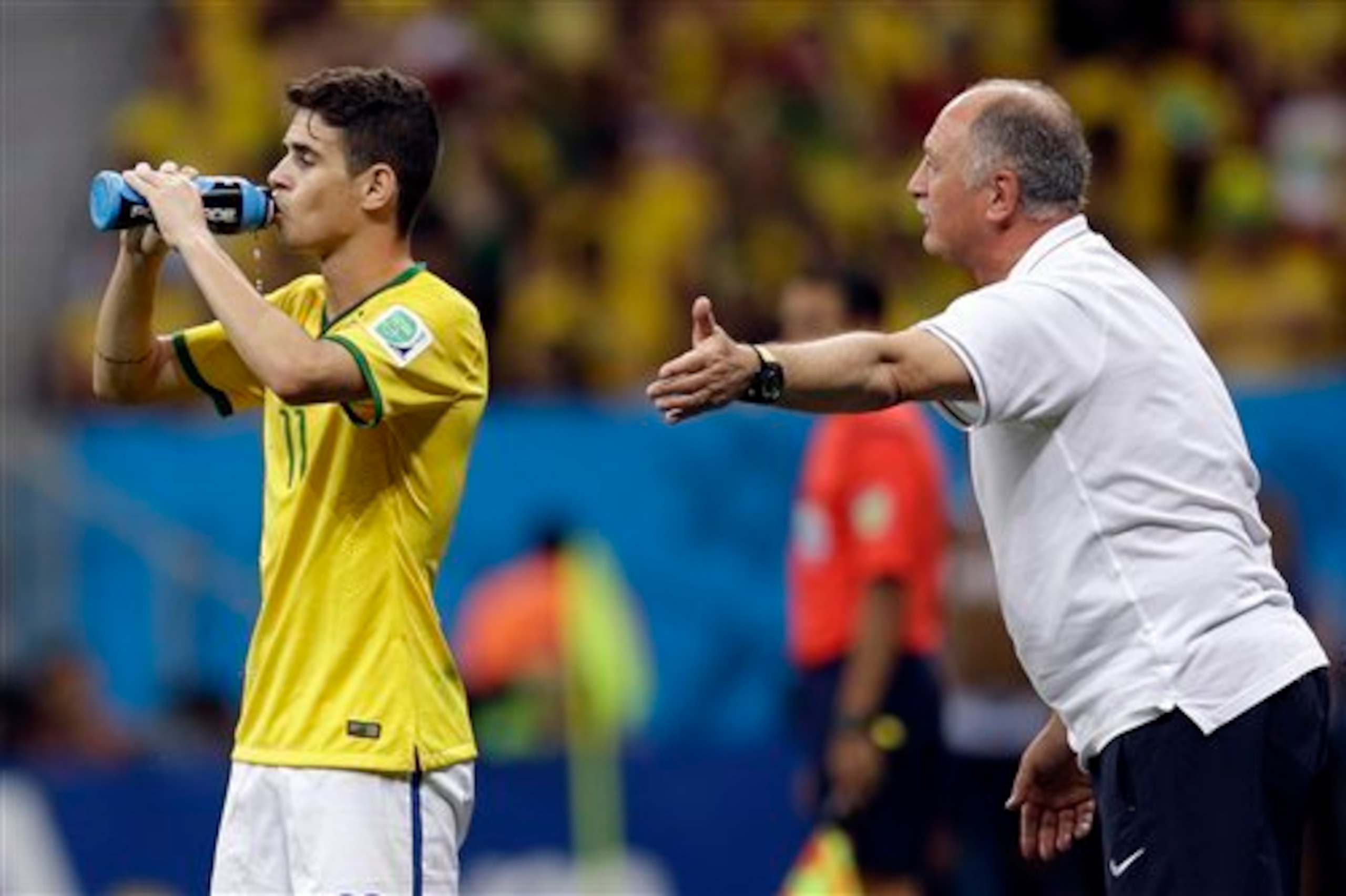
While coach Luiz Felipe Scolari’s side never got going—they topped their group without looking convincing before edging past Chile on penalties and edging out a feisty affair with Colombia that saw them lose Neymar for the remainder of the tournament—few could have been prepared for the massacre that was dished out to them at the Mineirao Stadium in Belo Horizonte.
There is a theme developing with Brazil hosting the World Cup and low points in the country’s footballing annexes. The first time the nation hosted the World Cup back in 1950 has taken on the stuff of legend in the country and is considered, to this day, a genuine tragedy.
After losing the final at the brand new Maracana Stadium to Uruguay 2-1, in what was supposed to be Brazil’s first-ever World Cup triumph, the reaction was one of disbelief. Walk into any bookshop in Rio de Janeiro and make a beeline for the sports section.
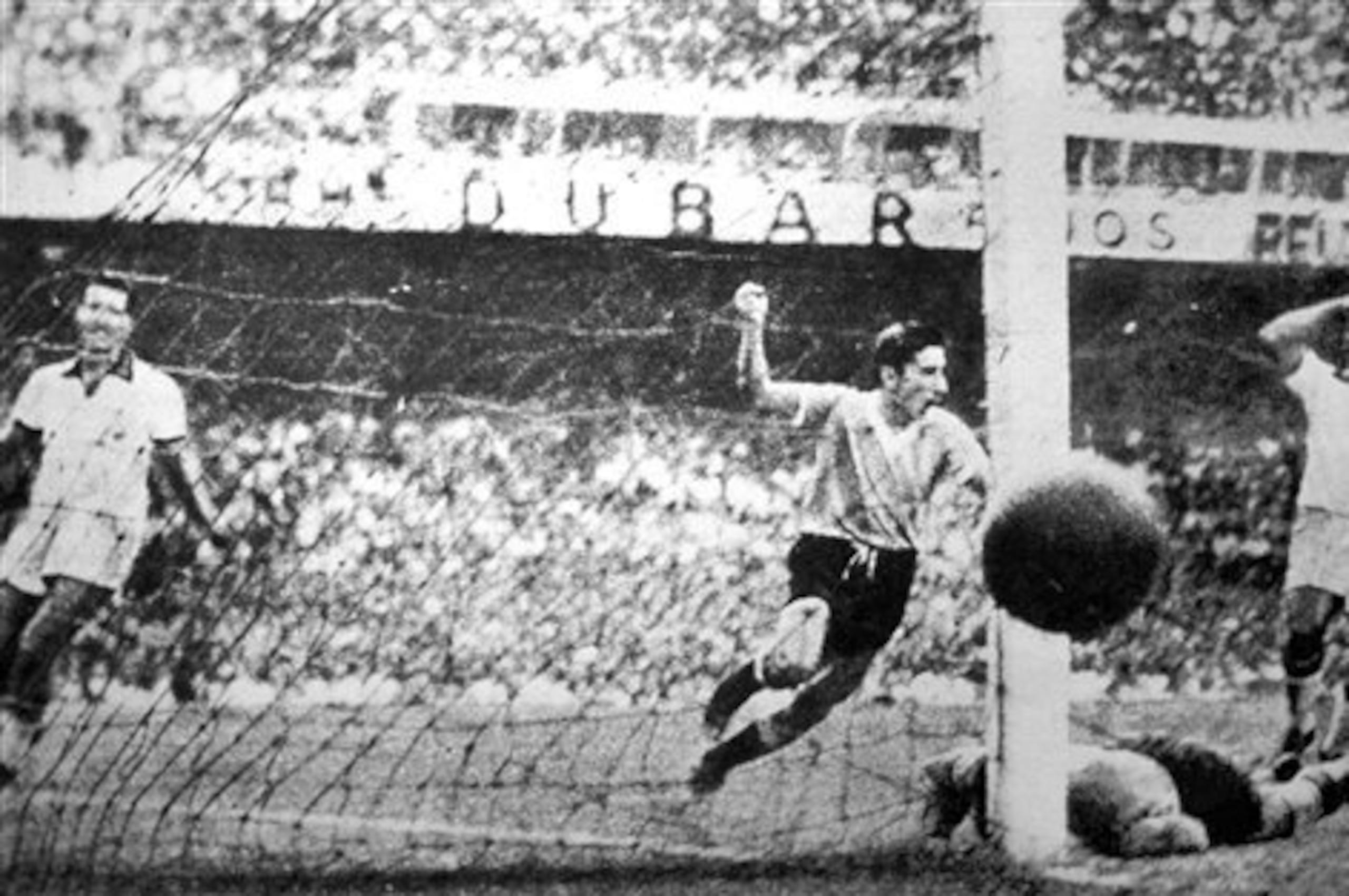
There will be ample selection of titles attempting to explain away Brazil’s failure to lift the World Cup on home soil in 1950. Ironically, works on the 1970 side, widely considered one of the greatest teams to grace a football pitch, are tough to come across.
It could be argued that this particular low point was more of a shock than a prolonged period of disappointment. The fact that Brazil won their first two World Cup titles in 1958 and 1962, swiftly followed by the third eight years later, established them as the outstanding force in the global game.
As with low points following premature exits in lesser tournaments, they have always been overcome with triumph on the biggest stage of all. So it was after suffering humiliation in the 1987 Copa America after a 4-0 thrashing at the hands of Chile, the last time the Selecao were eliminated from continental competition at the first hurdle.
It took time to build, and arguably, Romario aside when Brazil won the World Cup in 1994, they didn't possess players of the same quality they can boast today.
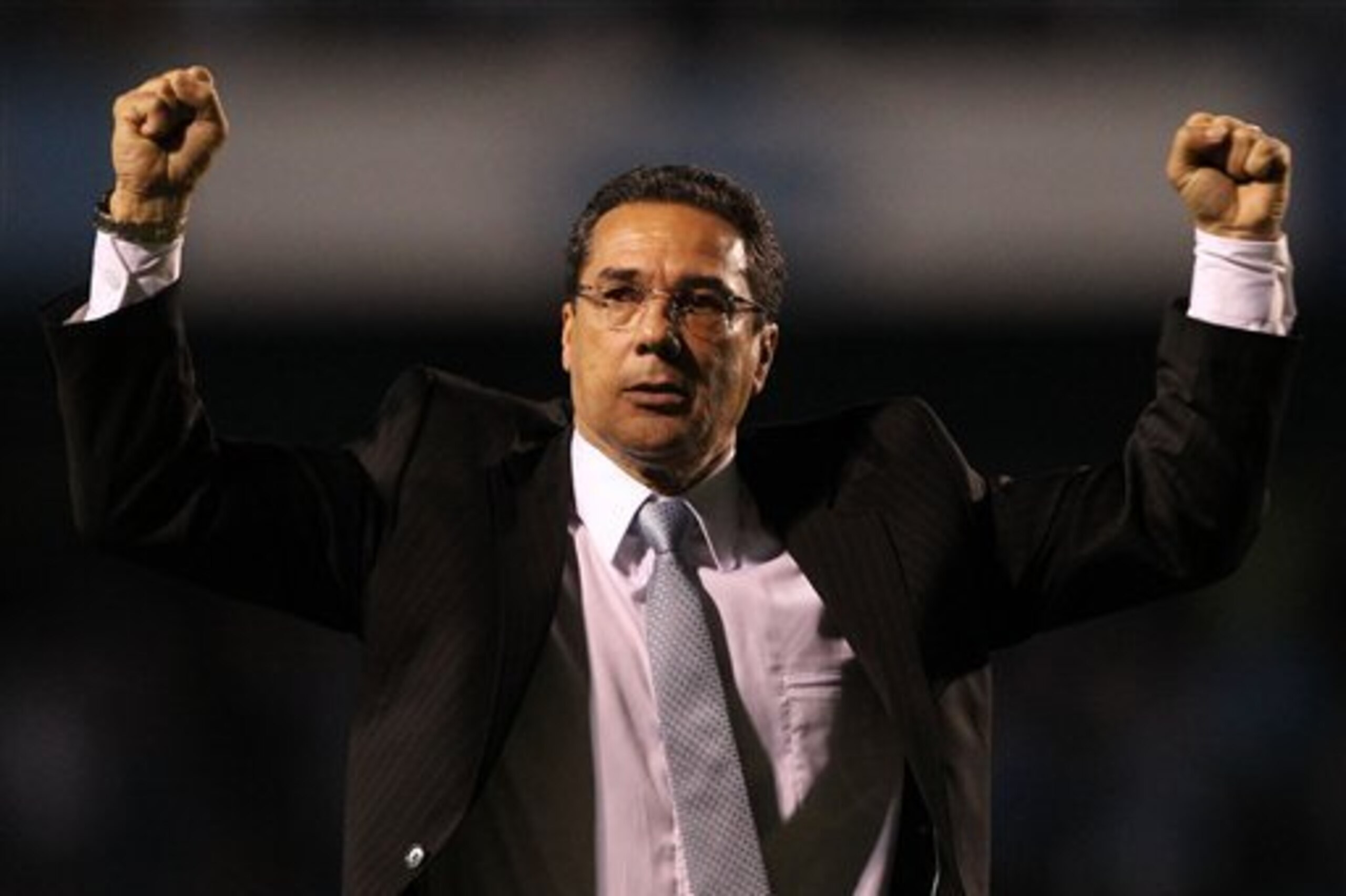
Probably the lowest point for Brazilian football came at the turn of the century. First, the Selecao were beaten by a nine-man Cameroon team at the Sydney 2000 Olympics, which spelt the end for coach Vanderlei Luxemburgo.
In came a man who enjoyed success at southern club Gremio: Luiz Felipe Scolari. However, it initially got worse before the improvement. At the 2001 Copa America, the Selecao went out at the quarter-final stage to lowly Honduras and, coupled with the loss to Cameroon the year before, it appeared the side were a sinking ship.
Fast-forward 12 months and Scolari was leading the country to their fifth, and to date last, World Cup title. Inspired by a buck-toothed youngster called Ronaldinho Gaucho, the verve had been put back into the team's playing style.
That is now the challenge facing Tite. Boasting players like Neymar, Douglas Costa and Phlippe Coutinho, as well as promising youngsters such as Gabriel and Malcom, show the talent pool has far from run dry.
Dragging Brazil back up to previous heights could well take slightly longer than a year or two. Right now, there is no telling how low this current slump reaches.
It is up to Tite to, once again, bring a sinking ship back to the surface. Only with time will we have a true idea of Brazil's malaise.

.jpg?w=2560 "Hill Injury Update Football")
.jpg?w=2560 "OBJ Calls Out Giants After Release")
.jpg?w=2560 "Tyreek makes another cryptic post amid Chiefs rumors")


.jpg?w=2560 "Greenlaw Talks Payton Exchange")
