

Croatia Are Shining Bright in Spite of off-Field Controversies
In some ways, there's nothing so extraordinary about Croatia beating Spain on Tuesday. The heart of Croatia's midfield, after all, plays for the best two clubs in Spain—even if Luka Modric did miss the Spain game with a groin injury.
They have the players. What's remarkable is they've been able to play as they have despite having a manager nobody seems to respect and despite the related problems off the pitch.
As the Croatian journalist Alex Holiga predicted in Issue 21 of the Blizzard, there are three broad groups of Croatian fans in France.
TOP NEWS

New NFL contenders starting to emerge after Week 4
.jpg?w=2560 "Cardinals Giants Football")
NFL investigating 2 referees for separate viral exchanges

Deion Playbook Found at Hotel
There are, for want of a better term, the "normal" ones, who basically just want to watch their team and have a good time. There are the hard-line nationalists, whose chants often echo those of the right-wing Ustase state of the Second World War. And there are the third group, the ones who are the hardest to categorise—the ones who, in this tournament, have been causing the trouble.
For years, Croatian football has been dominated by Zdravko Mamic, a former chief of Dinamo Zagreb, the country's most successful club. He rose during the latter years of Franjo Tudjman's reign as president, developing a network of contacts within politics, the judiciary and the media. Mamic is also the vice-president of the Croatian Football Federation (HNS), and few doubt he is the real power behind the president, the former striker Davor Suker.
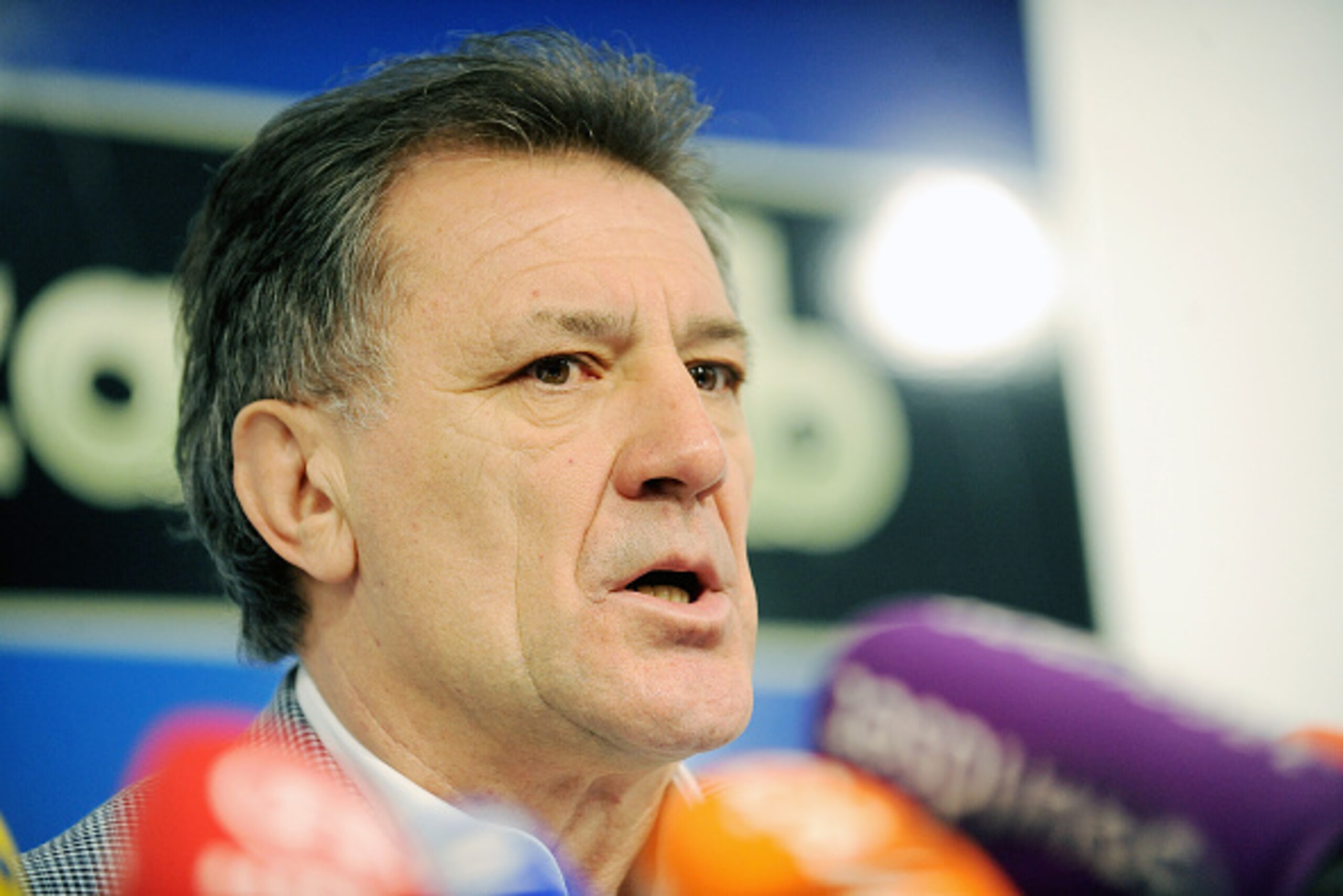
Last year, Mamic's business was investigated. There were accusations that Mamic, his brother Zoran, his son Mario and the HNS executive director Damir Vrbanovic had embezzled club funds, drawing a personal profit on transfer deals. Modric and Dejan Lovren were among those called to testify. The Mamic brothers were arrested last year but released on bail. Charges were brought in April, and the Mamic brothers are awaiting trial along with two others.
Zdravko resigned from his position at Dinamo, but Zoran remains their coach—though Saudi Arabian club Al-Nassr announced on Monday that he had joined on a one-year deal. Zdravko has been able to carry on in his role with the HNS.
Perhaps more alarmingly, politicians haven't distanced themselves from him. He spent election night at the headquarters of the Patriotic Coalition and threw a birthday party for Croatia's president, Kolinda Grabar-Kitarovic. There are many who are sceptical about how fair the judicial process will be.
While Dinamo have become mired in corruption, their great rivals, Hajduk Split, have gone through a process of reform. Brought to the edge of bankruptcy by a string of corrupt and/or incompetent presidents, they are now a democratic, member-owned organisation. There are many who would like to see Dinamo attempt something similar.
Disaffection with Dinamo and the HNS is understandable, but what has emerged over the past two years is a radical faction of the dissenters. They see the best way of forcing reform is to make the HNS a pariah.
They want Croatia kicked out of the Euros. That's why they threw flares on the pitch in Milan during their qualifier against Italy and why they painted a swastika on the pitch in Split before the return game, which was played behind closed doors as a sanction for what had happened previously (it was apparently not, despite appearances, a gesture of support for the far right but an attempt to embarrass the HNS).
It's why they launched flares onto the pitch with Croatia 2-0 up against the Czech Republic in Saint-Etienne, as Zdravko Mamic and Vrbanovic sat in the VIP box.
"#Croatia faces #UEFA sanctions following crowd trouble at #EURO2016 https://t.co/H2w5ZcfxBs pic.twitter.com/6JyTZAgQgY
— RT Sport (@rtsportnews) June 18, 2016"
The fighting that broke out was the result of other Croatian fans trying to stop them. Which puts UEFA in a difficult position. Usually, the sanction would be to kick a team out of the tournament—and Croatia, having had a stadium ban in qualifying and been fined at the last Euros for racist chanting, are on thin ice.
But that is precisely what those causing the trouble want. It's little wonder Ivan Perisic sounded desperately weary after that game. "Maybe it would be best if we don't play at all," he said after the game, per RT Sport. "Maybe that would actually be better in case these things are going to happen every time we play."
Mamic's influence doesn't just extend to protests, though. It's because of him that Croatia's coach is Ante Cacic, a 62-year-old former TV repairman who, until five years ago, had had a journeyman coaching career around a number of Croatia's smaller clubs and the Libya under-21 side.
He was running a cafe in Zagreb and hadn't worked in football for four years when Mamic made him coach of Lokomotiva, Dinamo's feeder club, and then Dinamo. His reign lasted almost a year and was disastrous. He returned to Lokomotiva and then, manifestly Mamic's man, was named national coach after the departure of Niko Kovac in September 2015.
Thee are doubts as to how much influence Cacic has, but there is a natural balance to the side. Almost since the retirement of Kovac as a player, there had been a lack of a holding midfielder, but the emergence of Milan Badelj resolved that. He and Modric are an ideal holding pair, a creator alongside a more robust presence. Throw in Ivan Rakitic, who can drop deep to offer support and drive forward, and Croatia have a superb midfield with two playmakers who are capable of playing together.
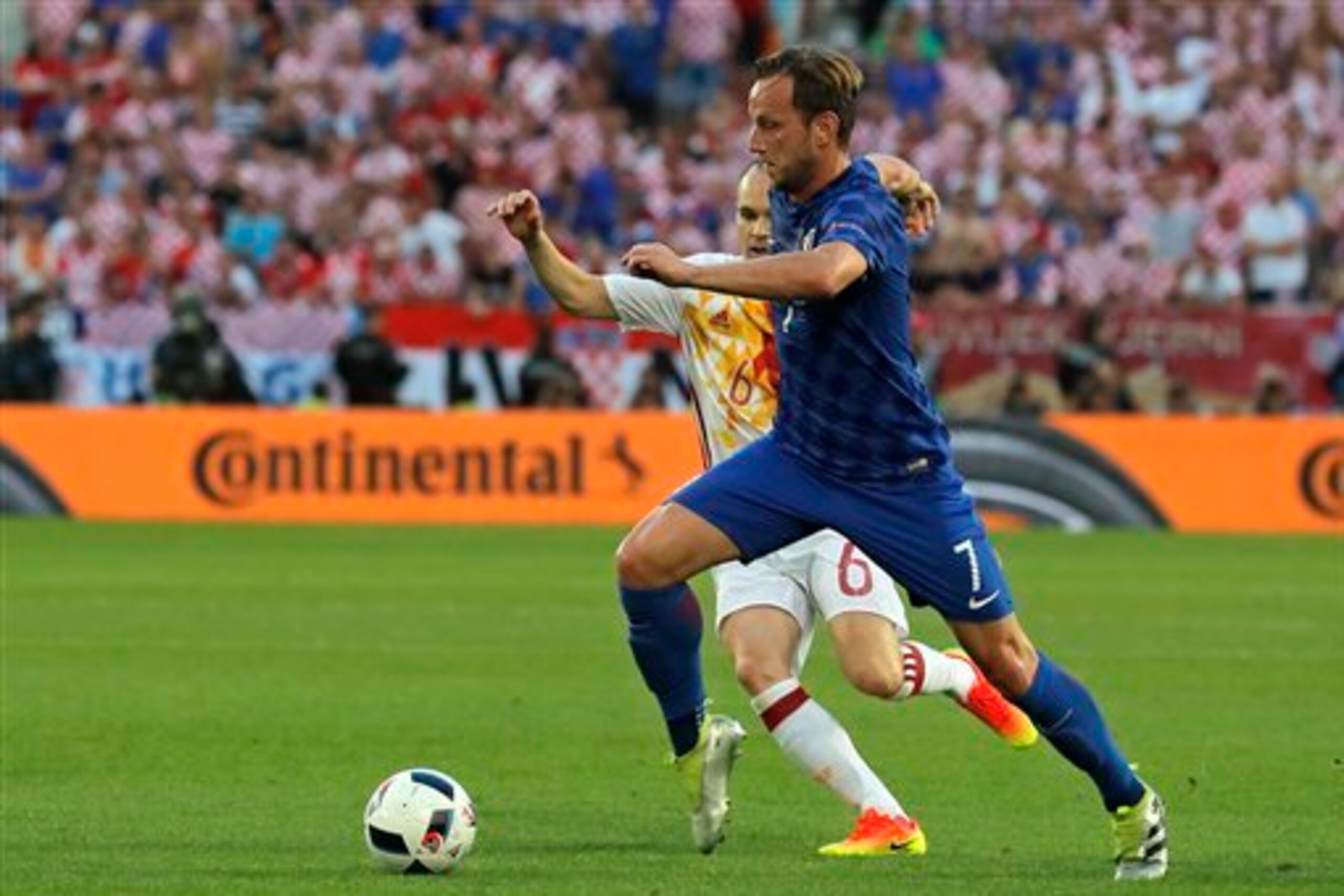
Perisic is having a fine tournament cutting in off the left flank, while the surges of Darijo Srna down the right offer a variety to the attack. There were concerns Croatia's game was too focused on crosses to Mario Mandzukic, but the option of Nikola Kalinic, who played against Spain, resolved that. They have balance, and they have variety—even if there are doubts as to the capacity of Cacic to best use that.
Croatia need Modric back, of course, but it seems he should return for the round-of-16 game against Portugal. The draw has opened up for them. They have quality and options. Despite everything, Croatia have a realistic chance of success.
.jpg?w=2560 "Hill Injury Update Football")
.jpg?w=2560 "Titans Giants Football")
.jpg?w=2560 "Tyreek makes another cryptic post amid Chiefs rumors")


.jpg?w=2560 "Greenlaw Talks Payton Exchange")
