

Examining Roy Hodgson's Stick-or-Twist Choices Ahead of England vs. Slovakia
England's national team is a living, breathing example of the personnel and related tactical challenges posed by international tournament football.
On Monday, the Three Lions will attempt to seal their progression from Euro 2016 Group B with a win over Marek Hamsik-inspired Slovakia. For England manager Roy Hodgson, a good deal of his pre-match thinking will involve deciding whether to stick or twist with several areas of his team.
TOP NEWS

Final Men's Ballon d'Or Rankings 📊
World Football Moments 🍿
_0.png?w=2560 "CFB Top 25")
Unranked Teams Cause Chaos in Rankings 📊
Be consistent or be adaptable. Be consistent to changes already experimented with or try something new altogether. The thinking—in-house and publicly—can change from game-to-game and is naturally entwined with previous experience and recent results.
The greater intensity of the international arena often sacrifices nuance and patience in favour of reactive choices. With so much on the line, it can also demand it.
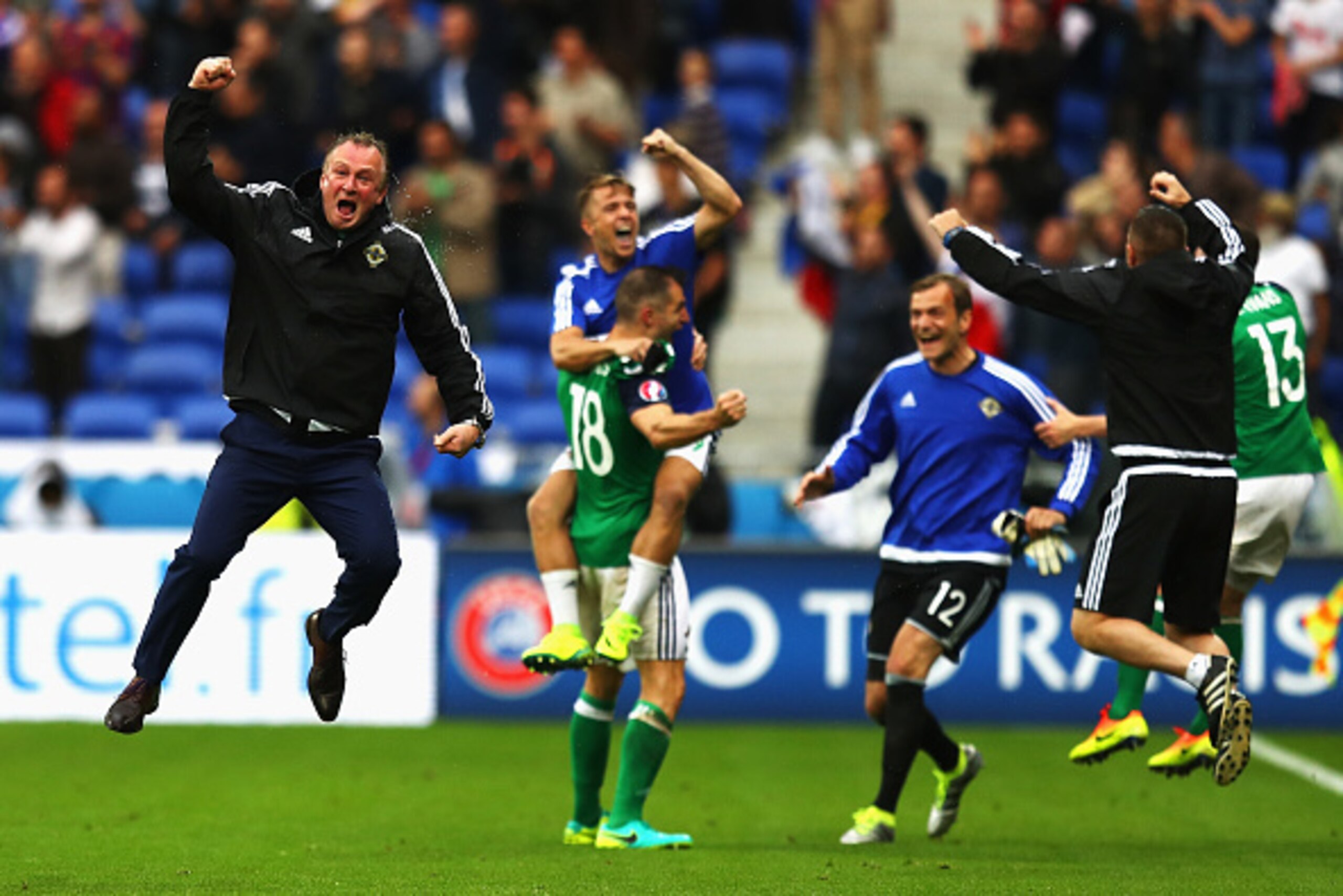
Northern Ireland boss Michael O'Neill made five changes to the team that lost to Poland for their match with Ukraine. After defeat to Poland in their opener and with world champions Germany awaiting in their final match, he felt he had to act.
The result was a 2-0 victory for the first-time European Championship participants.
"It was a massive decision, and it paid off," striker Josh Magennis told BBC Sport's Lyle Jackson. "If it had been Jose Mourinho or Roy Hodgson, he would be hailed as a magician."
Hodgson's alterations during England's 2-1 win over Wales are not earning him mentions as a budding Dynamo, but they have been responded to positively. The team did not play much better with the introduction of Jamie Vardy and Daniel Sturridge. However, the match-changing effect of their contributions cannot be denied.
The 68-year-old's priority now is trying to ensure his team qualify from the group stage in as favourable a position as possible. Yet the prospect of what England could face beyond this stage will inevitably be on his mind, too.
Going through each position, we take a look at what Hodgson may have in mind for the Slovakia game and what ramifications those decisions will have for potential progression in France.
Hart Stays on Despite Bale Blunder
Joe Hart was visibly and vocally among England’s more pumped up players in the Stade Bollaert-Delelis tunnel before taking on Wales.
Perhaps the goalkeeper was too excitable. So when 40 minutes came and went with little for him to do, he was left a little deflated.
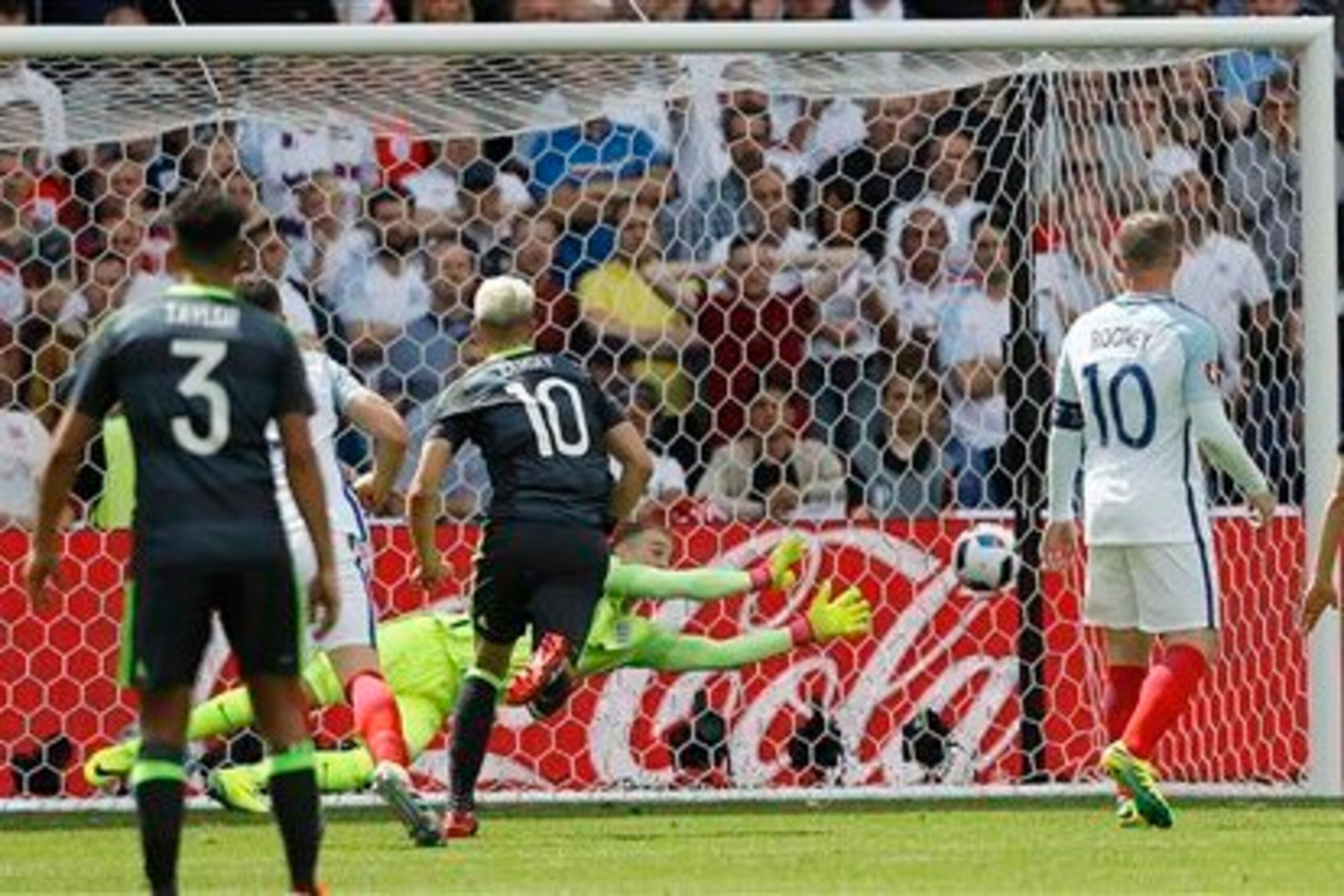
Hart certainly looked cold in the 42nd-minute as Gareth Bale drove a long-range free-kick past him. It was a spectacular effort, but one it has been widely agreed the Manchester City goalkeeper should have dealt with at that distance.
There is little to no chance of England's long-term first-choice losing his place to either Fraser Forster or Tom Heaton during Euro 2016. Barring an even more catastrophic loss of form, Hodgson will have no desire to change things up in a position where regularity serves as a vital foundation.
This mistake was a timely—and thankfully for him, not ultimately costly—reminder Hart's team will need him at his best if they are to survive in this tournament.
Keeping it Consistent in Defence
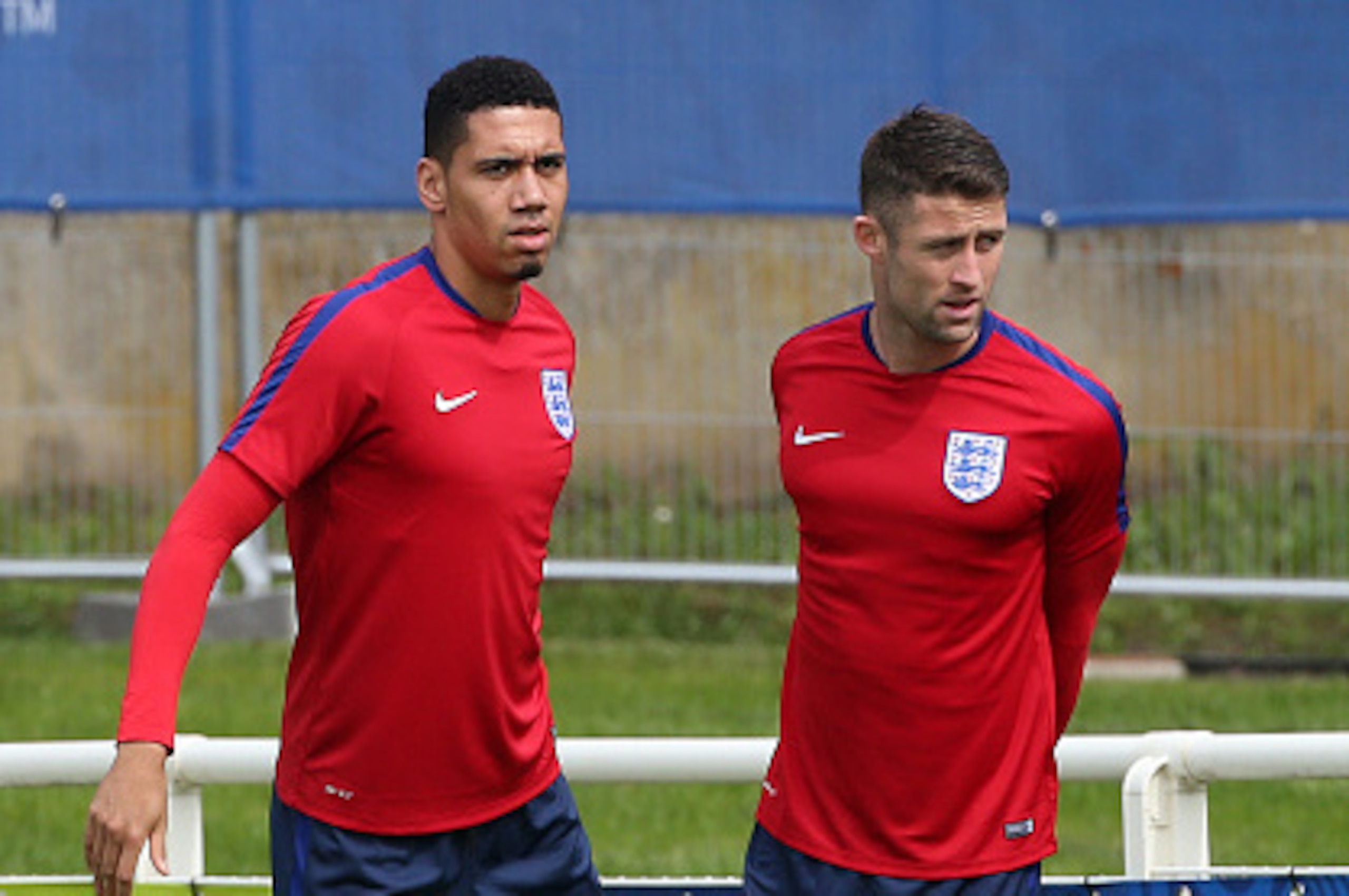
Consistency is likely to be the order of the day in defence, too, at least for the Slovakia match.
England's back four has performed decently enough in their two matches so far, just not so strongly as to completely dispel pre-competition doubts about their solidity.

Full-backs and major tournament debutants Danny Rose and Kyle Walker have taken relatively comfortably to the level.
Boomeranging up and down their flanks, their energy has been welcome at both ends of the pitch. Defensively, they have largely been alert to the needs of their centre-backs, and going forward, their width has given team-mates reliable outlets to look for.
In the middle, Gary Cahill and Chris Smalling have had a slightly more mixed time of things.
Russia's attack was largely dealt with and stopped in open play. There was a worrying lack of command and organisation during and after set plays, though. It was here Vasili Berezutski caught them out with his crushing stoppage-time equaliser.
The partnership had even less to do for large stretches against Wales.
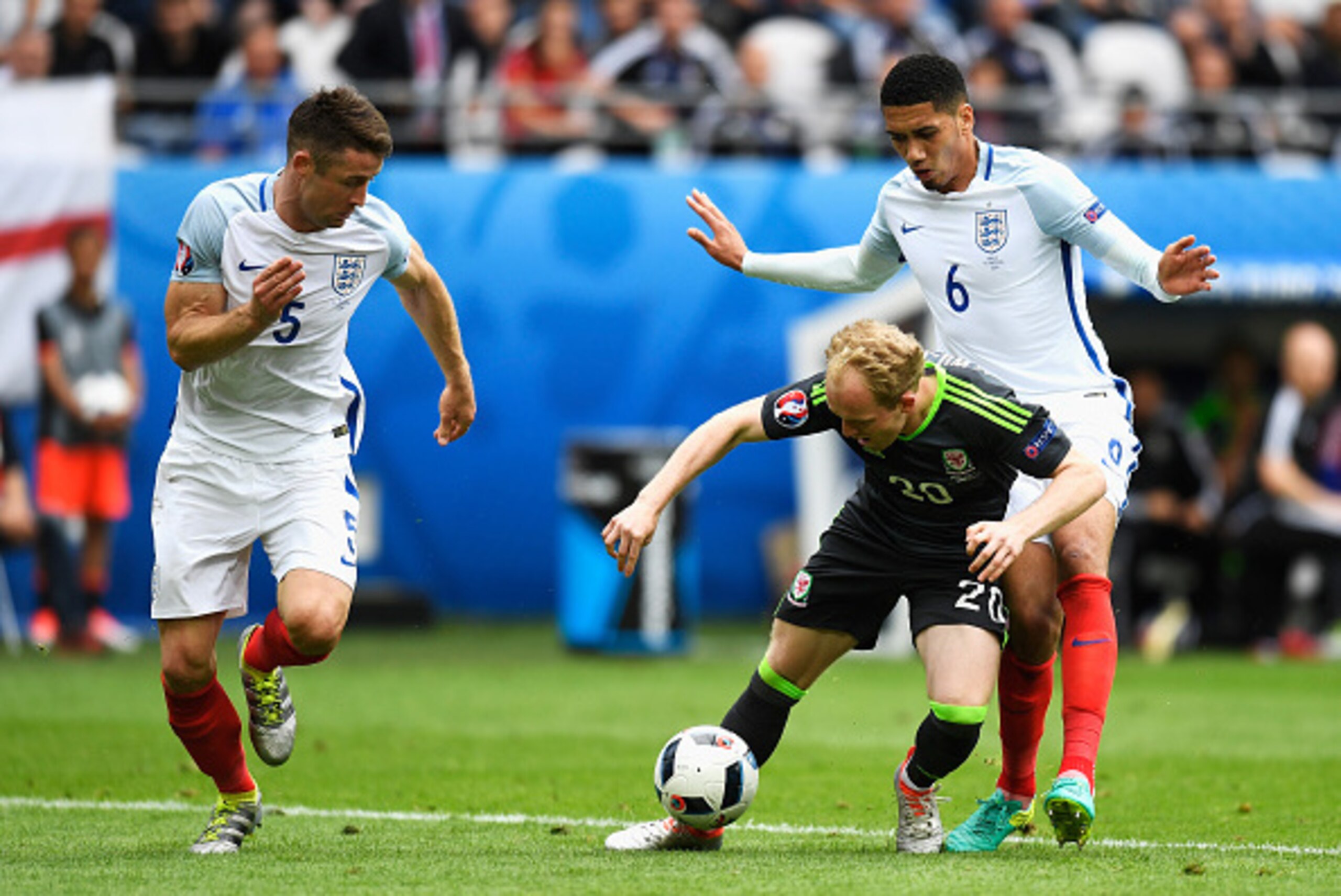
When called into action, they were alert enough, covering well for another when needed. They were troubled a little too much by the physical Hal Robson-Kanu, however, and later on Jonathan Williams' quickness unsettled them, too. If they had these issues against a fairly limited Welsh attack, things are only going to get more difficult.
Hodgson will be hoping his defence continues to improve with game-time and plenty of training together.
The only scope for unforced change may be if they struggle badly against Slovakia but still progress, in which case John Stones could yet get a look in. Hodgson may perhaps decide the Everton player's greater quality bringing the ball out of defence compared to the less elegant Cahill and Smalling is enough to compensate for any similar, but at this point unchangeable, laxness at the back.
First-Choice Midfielders Have Done Enough to Retain Their Places
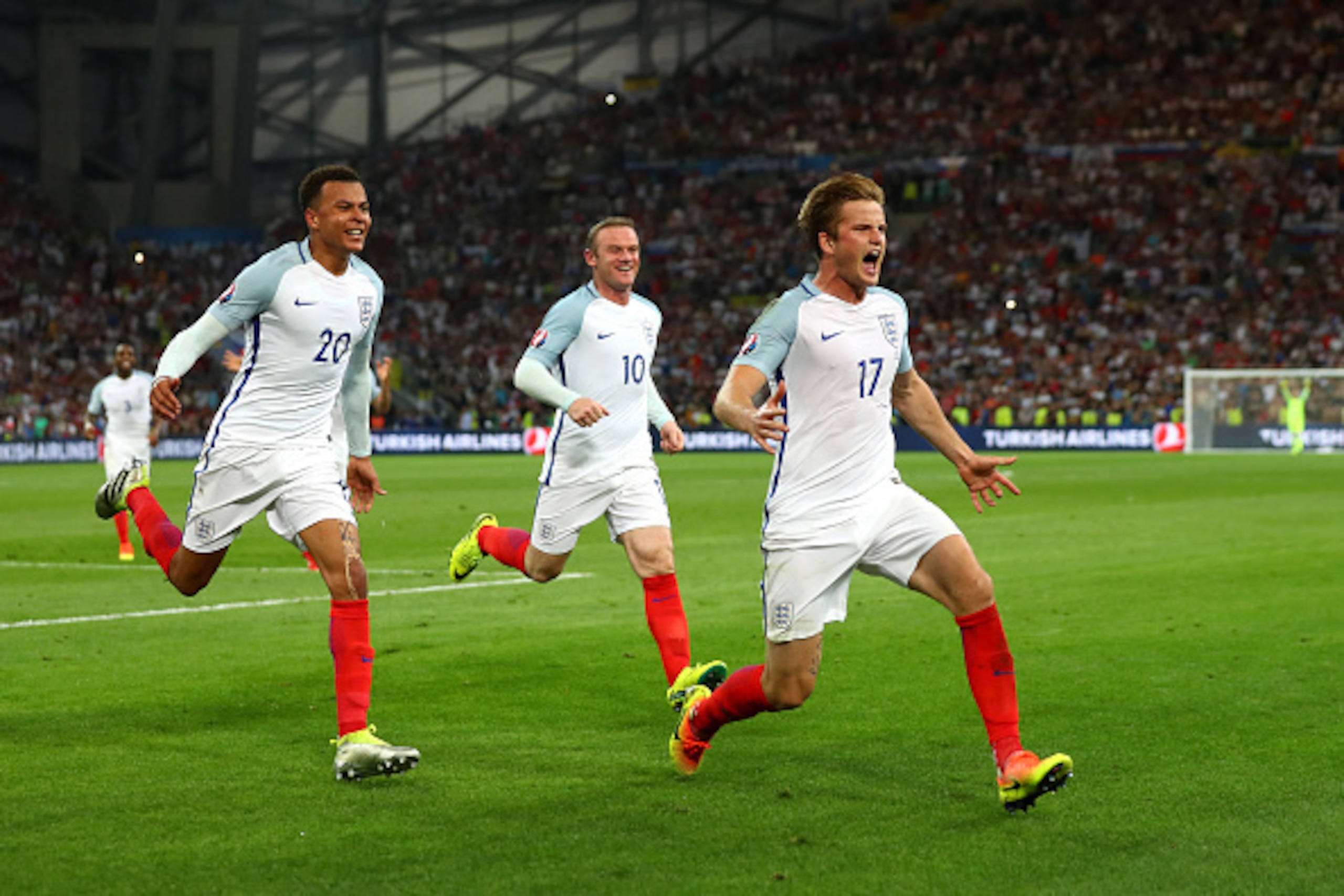
Eric Dier has been a commanding presence at the base of England's midfield, reading the opposition's intentions accurately and intervening firmly.
Hodgson will need the youthful defensive midfielder at his best against Hamsik and Co. Jan Kozak's side lost to Wales but were very good at times against an admittedly more reckless and open Russia. The positive play of wide-men Robert Mak and Vladimir Weiss stretched things well, creating opportunities for Hamsik and Ondrej Duda down the middle.
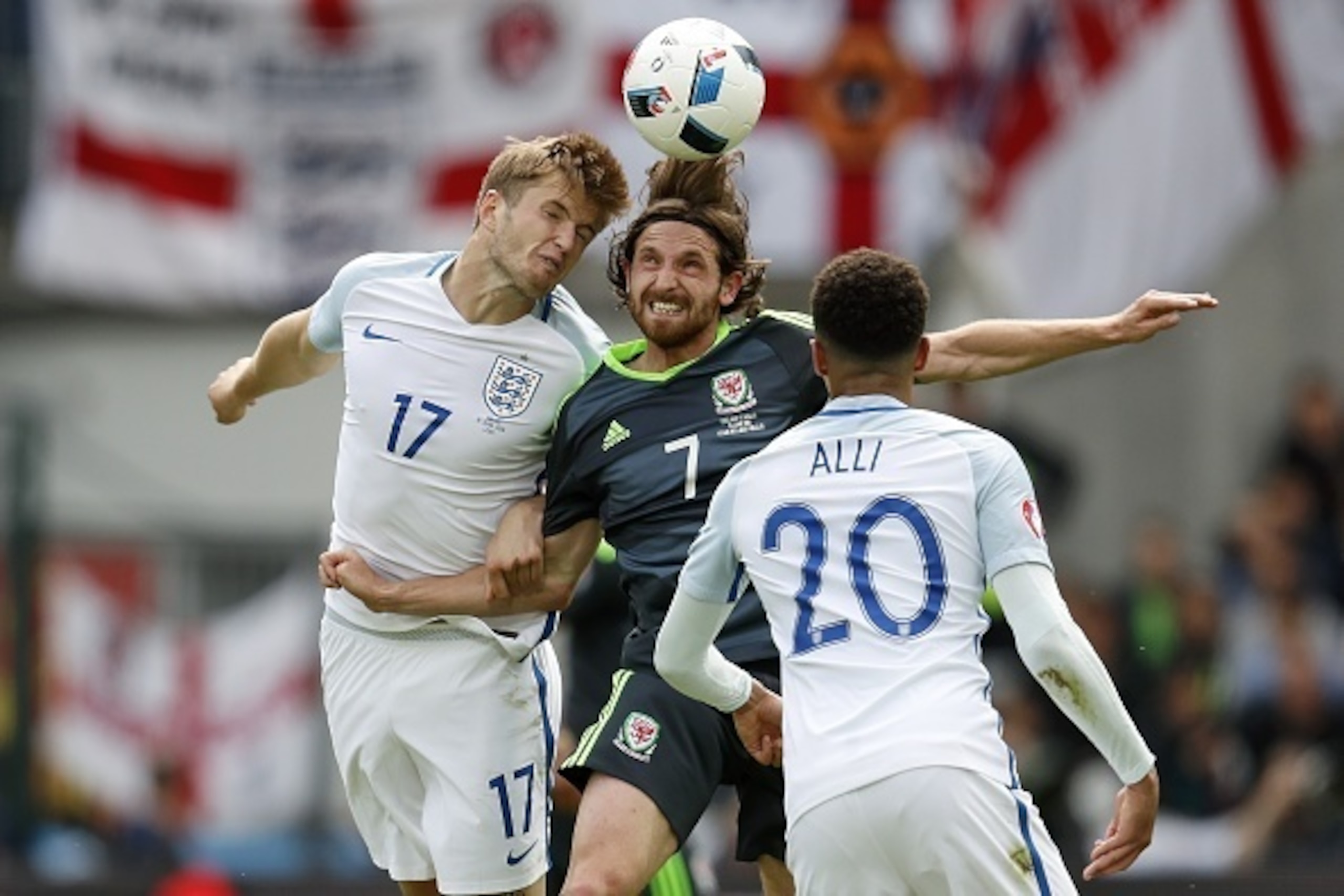
Dier carries the lion's share of the burden here, but such pressure will be a further test of the discipline and resilience of those around him.
Dele Alli and Wayne Rooney are likely to remain as part of this unit, although there may be some tweaking to their individual positions if England move to a diamond midfield (more on that later).
Alli is still feeling his way into the tournament. His attempts to force the issue late on against Wales—including helping create Sturridge's winner—was a welcome sign he is not lacking aggressiveness, even though he has not found a satisfactory rhythm yet.
Slovakia's midfield were still susceptible against Russia to getting played in behind, an otherwise regimented defence losing its shape when the team's momentum was suddenly turned against them. Alli's forward runs could be effective here, but so should the influence of Rooney in conducting such transitions.
The England skipper has done just about all that could be asked of him in his new midfield role. He has been creative (see below) and sensible, if a little slow at times, in his general shaping of play.
The Slovakia game is a good opportunity for him to demonstrate the kind of dynamism he will need to perform with if England are to truly compete against Euro 2016's very best.
More uncertain is who Hodgson will add to his midfield if he does utilise a diamond. The hard-working Adam Lallana could be dropped back, or one of Jordan Henderson, James Milner or Jack Wilshere could get a first start.
All Change in Attack
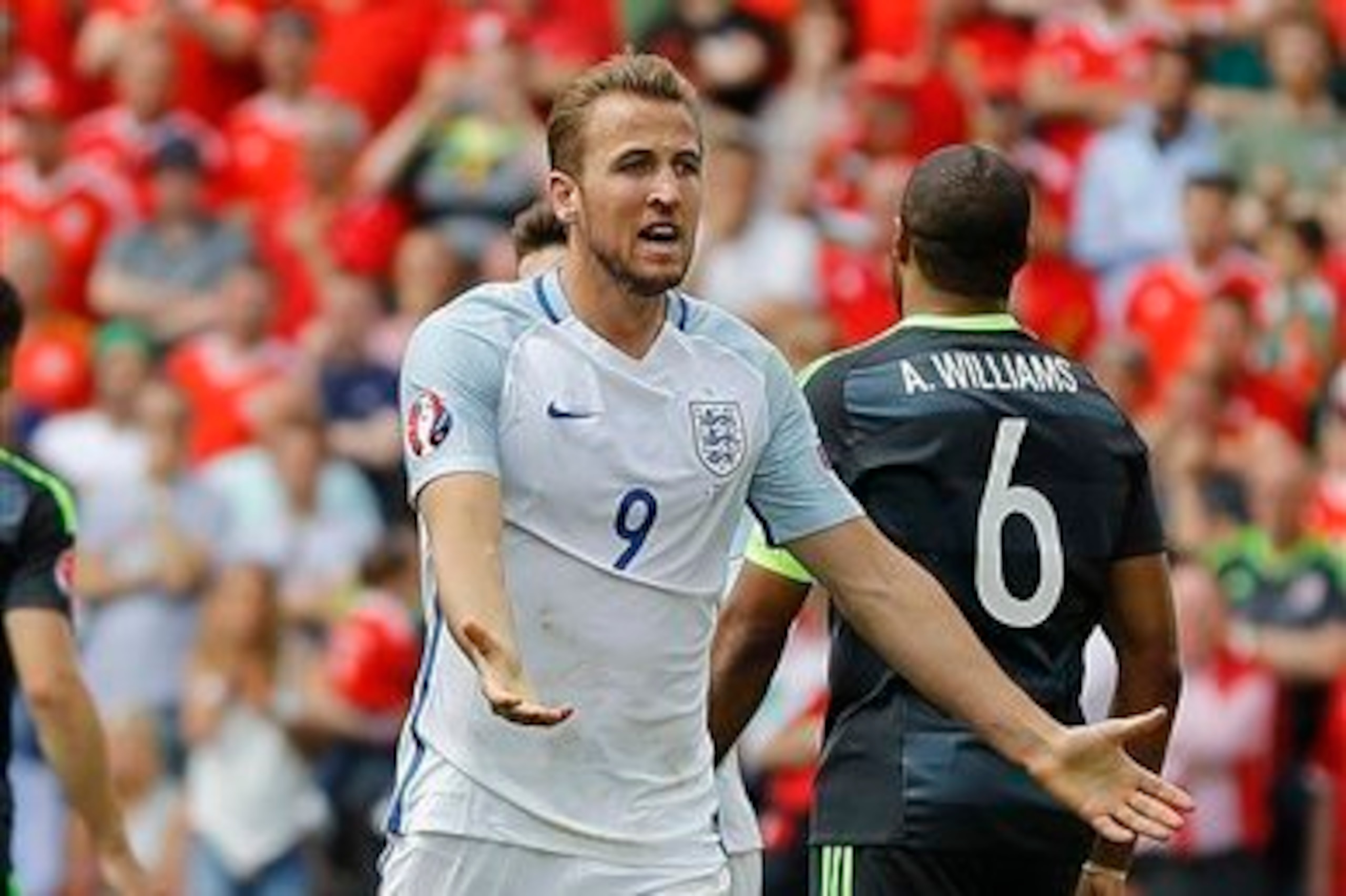
The end result against Wales meant the fact England were still disorganised, directionless and desperate after Hodgson's changes was largely forgotten.
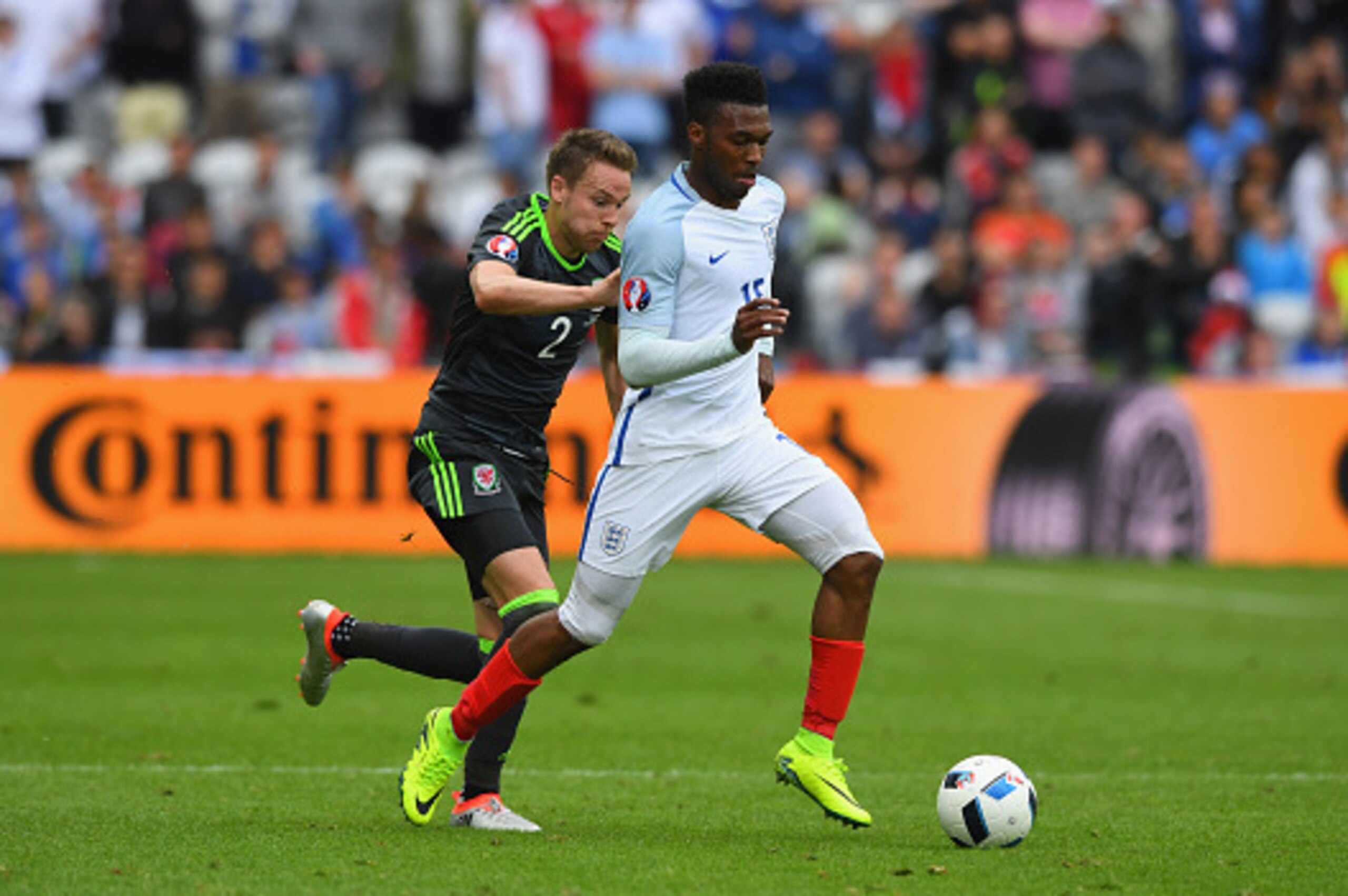
The everything-but-the-kitchen-sink tactic of loading the attack with strikers is all well and good playing the Welsh, and it perhaps will be versus Slovakia, too. More savvy foes may not be so intimidated by such basic strategy.
Still, there is no denying the impact of Vardy and, in particular, Sturridge.
While the former benefited from the kind of chance that had not come the starting Harry Kane's way once in the tournament, the latter's proactive and adventurous performance forced the issue in a way neither Kane, Lallana nor the particularly disappointing Raheem Sterling had.
Sturridge took to the deeper role (compared to his job leading the line at the 2014 World Cup) well from an attacking sense, though England's general dominance meant he was not so needed defensively. That would unlikely be the case against Slovakia, so expect a more traditional, albeit still freedom-accentuated position should he start.

Kane will be unlucky to lose his place if he is dropped. He has not received anywhere near the kind of penalty-area service he needed to be effective against Russia and Wales, whose defense-minded numbers made the final-third perimeter a no-go area for his link-up play.
Still, with Sturridge having earned a further look, the better bet alongside him for now will be Vardy.
The Leicester City man's pace will be a key weapon in the kind of aforementioned counter attacks. Assuming he will be instructed to by the coaching staff, his greater mobility compared to Kane and larger appetite for dirty work compared to Sturridge will also help England to defend from the front.

.png?w=2560)
.jpg?w=2560 "Jonathan Taylor Landing Spots 📍")





