

How Attractive Are Manchester United to Players After Another Turbulent Season?
When David Moyes' Manchester United failed to reach the UEFA Champions League, there was a good deal of speculation as to the calibre of players the club would be able to attract.
Would the game's finest—for whom United were finally in the market in terms of stated transfer policy—be prepared to spend a season out of Europe's elite competition?
The answer turned out to be yes. Angel Di Maria had been man of the match in the 2013/14 Champions League final, but he was prepared to skip a year for the sake of joining the Red Devils.
TOP NEWS

Final Men's Ballon d'Or Rankings 📊
World Football Moments 🍿
_0.png?w=2560 "CFB Top 25")
Unranked Teams Cause Chaos in Rankings 📊
Daley Blind and Marcos Rojo had starred at the World Cup, while Radamel Falcao had been among the best strikers in the world before his injury, but all three signed for United that summer.
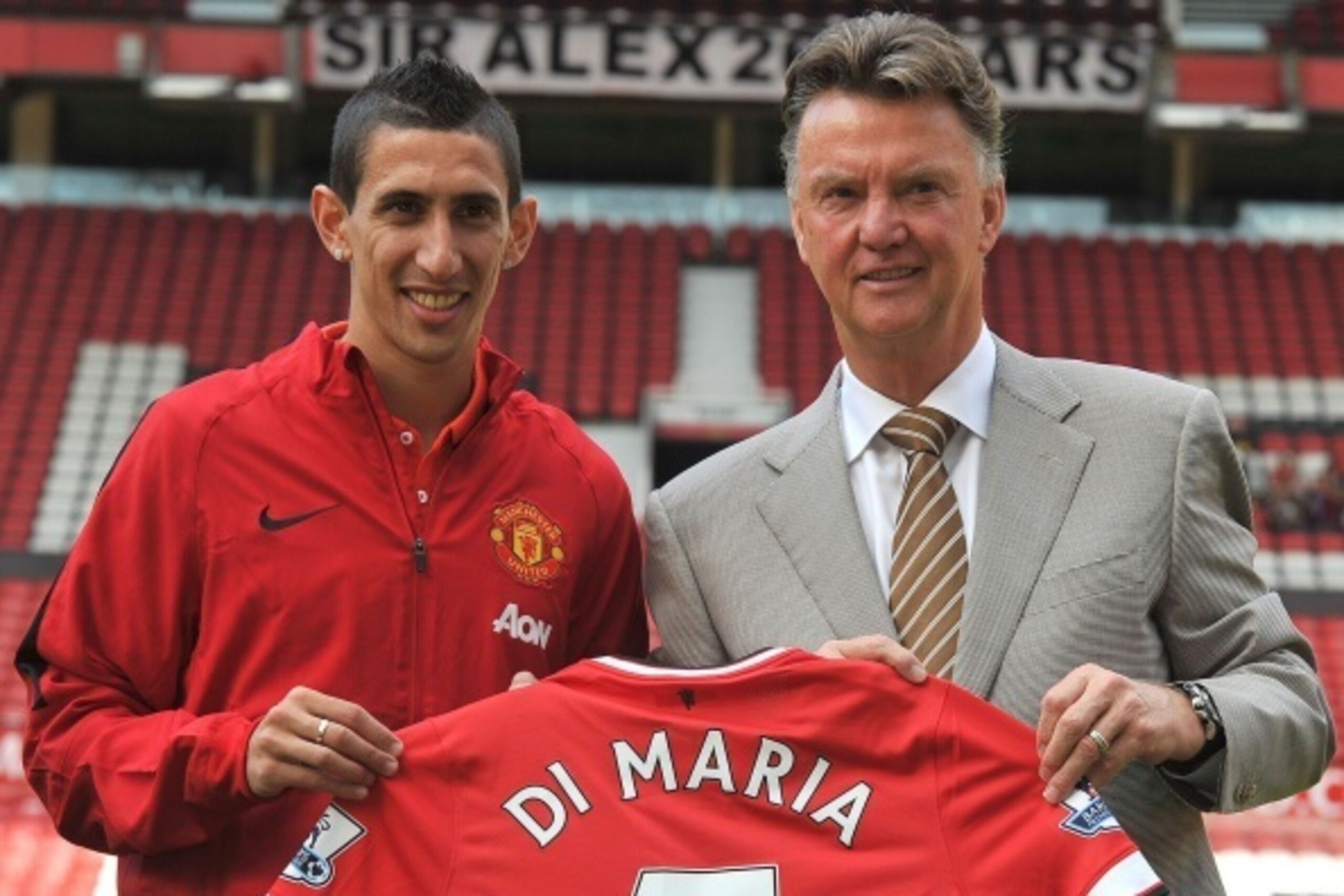
The Di Maria and Falcao stories in particular did not have happy endings, but the key lesson would appear to be that at least some players were prepared to take the gamble for the sake of adding Old Trafford to their resume.
In some ways, the current situation is more favourable in terms of attracting players than it was in 2014.
The club have responded to last season's turbulence with decisive action. Replacing Louis van Gaal with Jose Mourinho is a profound statement of intent.
Mourinho's is one of the game's true managerial greats. Van Gaal may have enjoyed that status once, and deservedly so, but the latter part of his career was less kind to him. His time at United saw him run headlong into the limitations of his dogmatism around style of play and relationships with key players.
Of course, we may yet discover that Mourinho is entering an equivalent phase, but there is little evidence of that so far.
Things went wrong at Chelsea last season, but immediately prior to that he had won them their first Premier League title in five years. And acrimonious, political endings have always been a part of his career, as indeed they have been for most Stamford Bridge managers in the Roman Abramovich era.
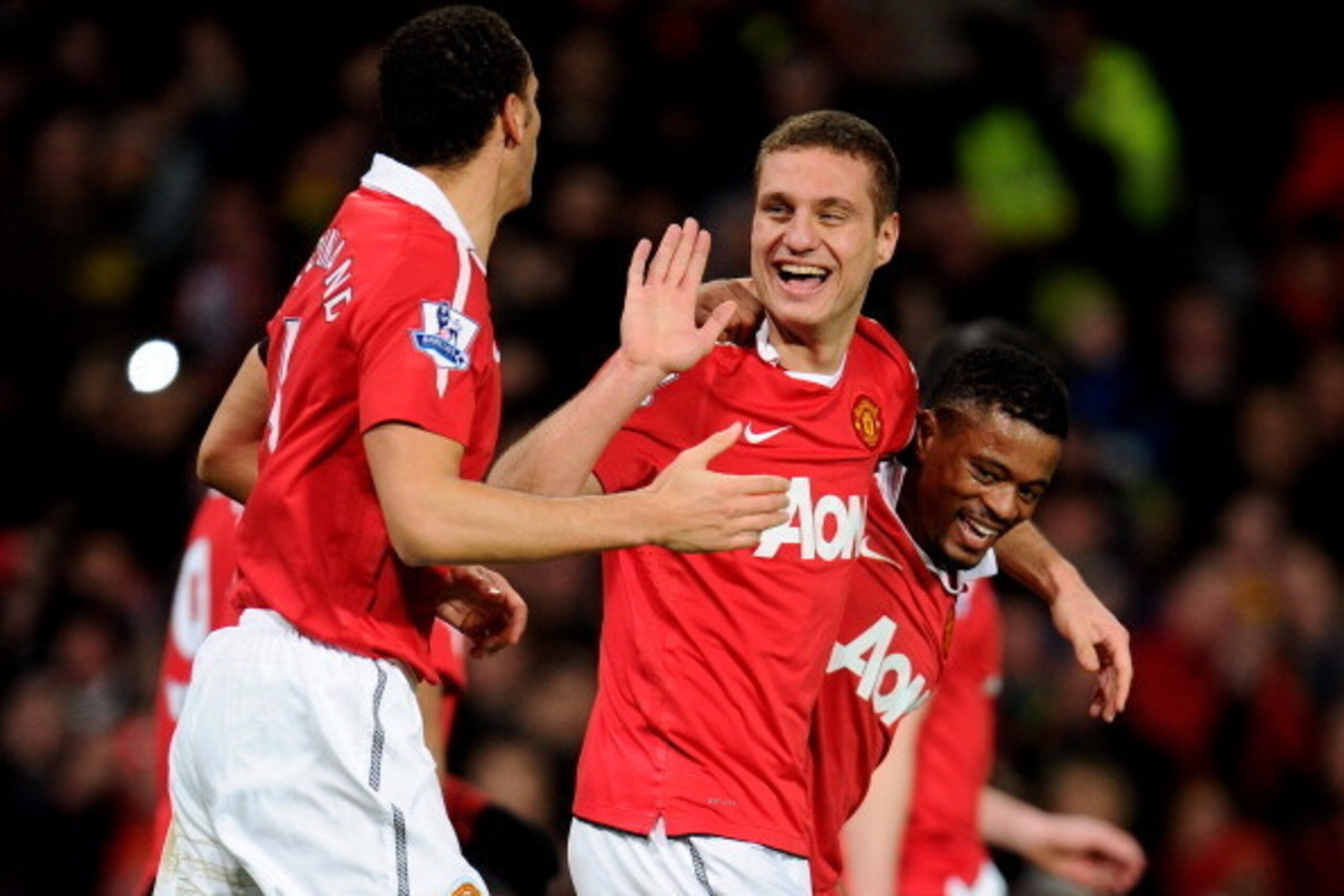
In 2014, it felt as if the United squad had reached the end of a cycle—Rio Ferdinand, Patrice Evra and Nemanja Vidic all left that summer, for example. The current situation is perhaps more appealing. New arrivals would be joining young players like Anthony Martial and Marcus Rashford who could be en route to building something special.
They may have been given a hand by a favourable run of fixtures along the way, but this squad has also proved they can win a trophy by lifting the FA Cup at Wembley in May. Perhaps that will have a positive bearing on those sizing up Old Trafford as a potential destination.
And if Zlatan Ibrahimovic really is on his way, as a host of journalists, including Fabrizio Romano and Marcus Christenson of the Guardian, have reported, that is immediate evidence of United's attractiveness to the game's big names.
No one would argue that Ibrahimovic is in the prime of his career, and his decision may have been different if he was 27 rather than 34, but having scored five Champions League goals in 10 appearances last season, he could clearly still make an important contribution to a club at that level.
The counter argument to all this positivity is that United's position is now much less likely to be written off as a blip. In 2014, the Red Devils were only a season on from their last league title win.
Indeed, in 2012/13, United had looked like they could challenge in Europe. The two-legged loss to Real Madrid was a tight affair, after which Mourinho—then in charge of Los Blancos—said the best team had lost, per BBC Sport.
The 2012/13 season is now a distant memory. Upon taking the United job, Mourinho may have told MUTV that he would "prefer to forget the past three years," but they have most certainly happened.
This will be the second time in three seasons that Old Trafford misses out on an airing of the Champions League's operatic theme music before a game.
In that sense, the gamble seems larger for players thinking not only about this season but United's prospects moving forward. The level of competition in the Premier League looks set to skyrocket, too, given the influx of money coming from the new television deal and the influx of managerial quality that has arrived.
Pep Guardiola at Manchester City, Jurgen Klopp at Liverpool and Antonio Conte at Chelsea will change the dynamic of the division. And Leicester City's once-in-a-lifetime run to last season's title will combine with the huge cash injection to give hope to every team in the league.
In these circumstances, United's return to the top is anything but guaranteed, which increases the risk for players looking to join.
There are non-football reasons at work here, too. Manchester is less glamorous than London or Barcelona. But there are players for whom the romantic pull of United will still be a bigger factor than the downside of the Manchester weather.
Back in April, when Van Gaal was still in charge he said, per the Manchester Evening News:
"Qualifying for the Champions League would help me when I am speaking to players in the summer. It always helps.
But I want to stress that Manchester United are such a big club, and our salaries are so good here, that players will come here even if we don’t qualify for the Champions League.
"
Of course, for reasons of self-interest, that is obviously the line he would take. At that point it was obvious that failure to qualify was a very real option. However, it is pretty clear that the size and reputation of the club—and the substantial salaries they are prepared to pay—mean that they remain an attractive option for players.

Players will still be coming to play at Old Trafford, comfortably the biggest ground in the division, at a stadium that will be full for almost every game.
There is likely to be a renewed energy around the place too, given Mourinho's arrival and the relief that will come from not having to watch Van Gaal's brand of slow, possession-oriented football.
Under Sir Alex Ferguson, the main draw was the manager—something that is partially true again, though with the Scot there was a sense of permanence to his presence that is unlikely to be the case for Mourinho.
In terms of attracting players, the absence of the Champions League and the uncertainty around immediate future success are the biggest negatives. The presence of Mourinho, the club's spending power, its history, stadium, facilities and global reputation are the biggest positives.
The balance still leans towards the latter for now. If Mourinho does not bring success on the pitch and a similar conversation is happening three years hence, the balance will shift further towards the former.
United are still very attractive to players, but they need to make sure they attract the right ones to ensure that remains the case. The next two seasons will shape the medium-term future of the club as it looks to find its way back to the top of the table.

.png?w=2560)
.jpg?w=2560 "Jonathan Taylor Landing Spots 📍")





