

3 Formula 1 Drivers Most at Risk of Losing Their Seats During the 2016 Season
Will Kimi Raikkonen and Jenson Button, after two years of dodging bullets, retire from Formula One at the end of this season?
Could Nico Rosberg, a servant of Mercedes for so long, become one of the Silver Arrows' main opponents by joining Sebastian Vettel at Ferrari? Might Daniel Ricciardo recognise the warning signs and plot his way out of Red Bull Racing before Max Mania overwhelms him?
What next for Carlos Sainz Jr.? Will McLaren-Honda be bold enough to reward Stoffel Vandoorne with a full-time seat following his impressive cameo in Bahrain? Will Williams feel the need to freshen up their lineup after three years of Felipe Massa and Valtteri Bottas?
TOP NEWS

New NFL contenders starting to emerge after Week 4
.jpg?w=2560 "Cardinals Giants Football")
NFL investigating 2 referees for separate viral exchanges

Deion Playbook Found at Hotel
And can Force India somehow cling onto Sergio Perez and Nico Hulkenberg for a fourth season?
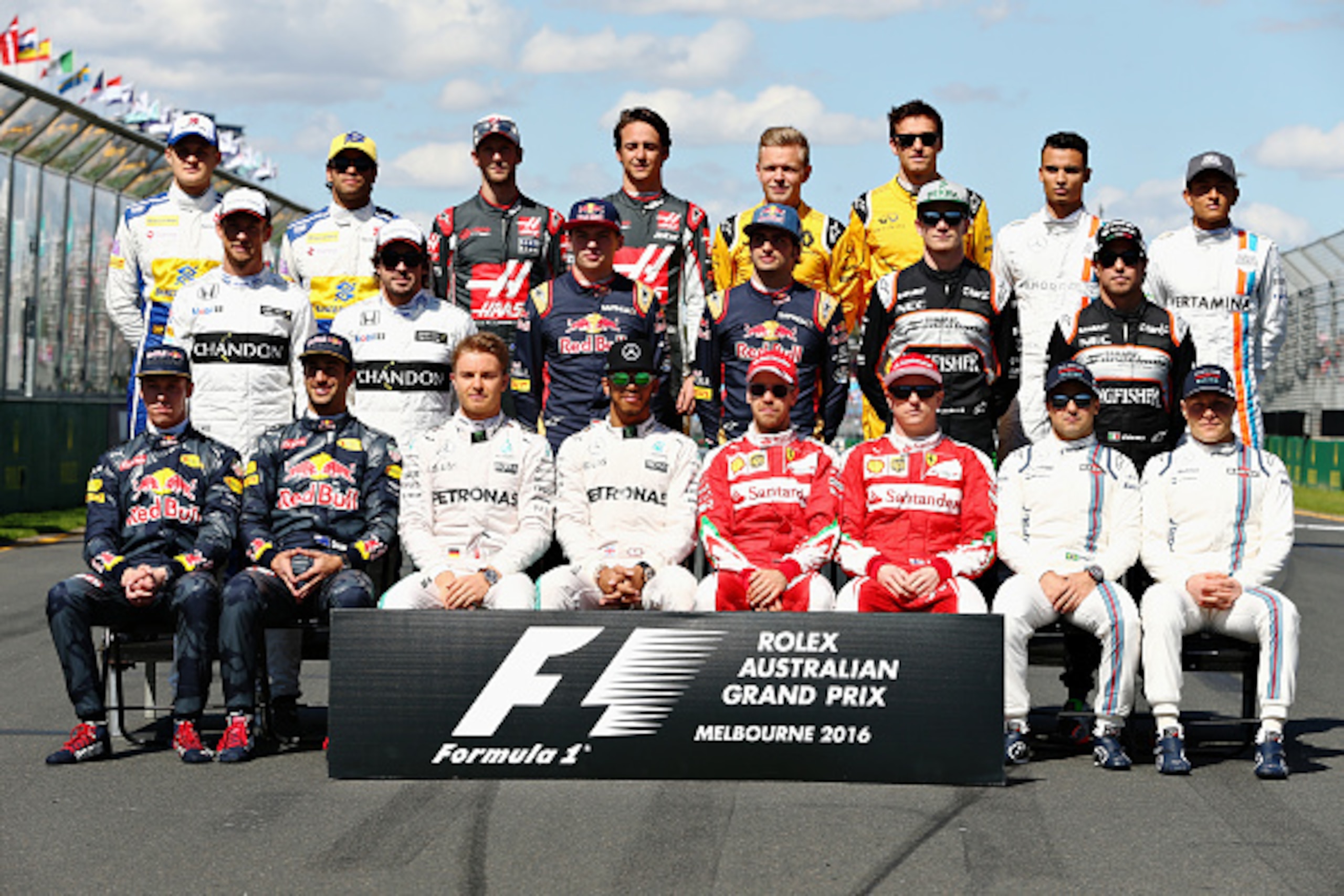
With seats potentially available at every team on the grid, this year's edition of silly season promises to be the most thrilling in some time as the drivers work to put themselves in a position to excel under the new regulations in 2017.
But while most members of the paddock can look toward next year, some are all too aware there could be twists and turns to come before the end of 2016.
After six races, and with one driver swap already made, we have a strong idea of who may struggle to complete the 21-race campaign because of anything from sponsorship struggles to performance-related reasons compounded by a failure to align with the long-term ambitions of their teams.
Here, we examine the drivers most in danger of being dropped this season.
Rio Haryanto
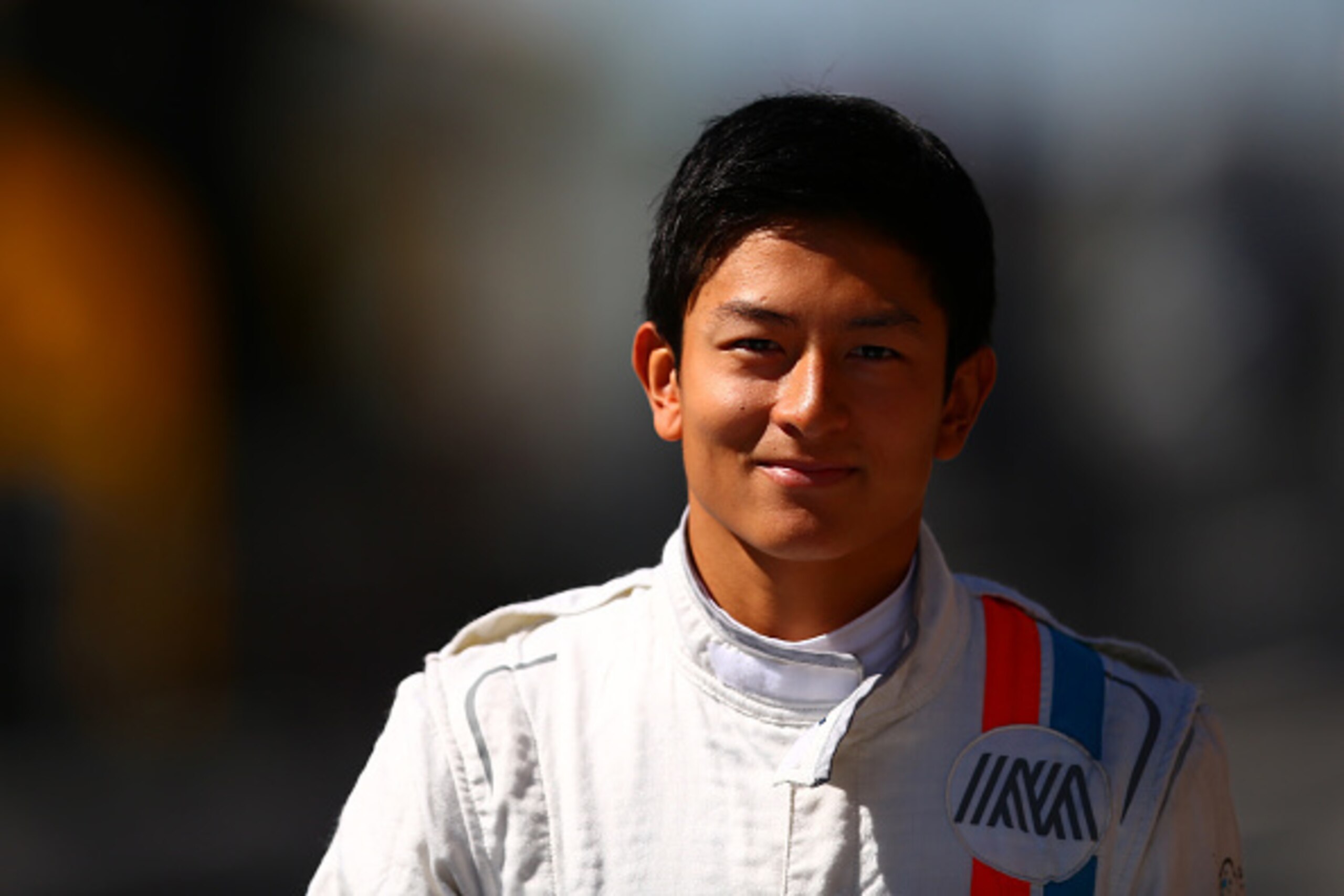
Formula One had only just rid itself of a driver sponsored by a state oil company in February when, out of nowhere, another one appeared.
With limited success (three victories in reverse-grid "sprint" races) in his four seasons in the GP2 feeder series, expectations were low when Rio Haryanto—armed with £10 million from the Indonesian government, per Motorsport.com's Jonathan Noble—helped himself to the final seat on the 2016 grid with Manor.
But since crashing the Mercedes-powered MRT05 car on his first two days behind the wheel in winter testing, when comparisons with Pastor Maldonado were at their most frequent, Haryanto has developed into a driver worthy of a place at the rear of the field.
Alongside Pascal Wehrlein, regarded as Mercedes' answer to Max Verstappen, he has—with the exception of the Monaco Grand Prix, at which he finished two laps behind his team-mate—fared competently and even outqualified the German on occasion.
Indeed, Haryanto has arguably done enough to harm Wehrlein's hopes of being fast-tracked to a leading seat despite the latter's insistence he "would be ready" to replace Rosberg at Mercedes as soon as 2017, per ESPN F1's Nate Saunders.
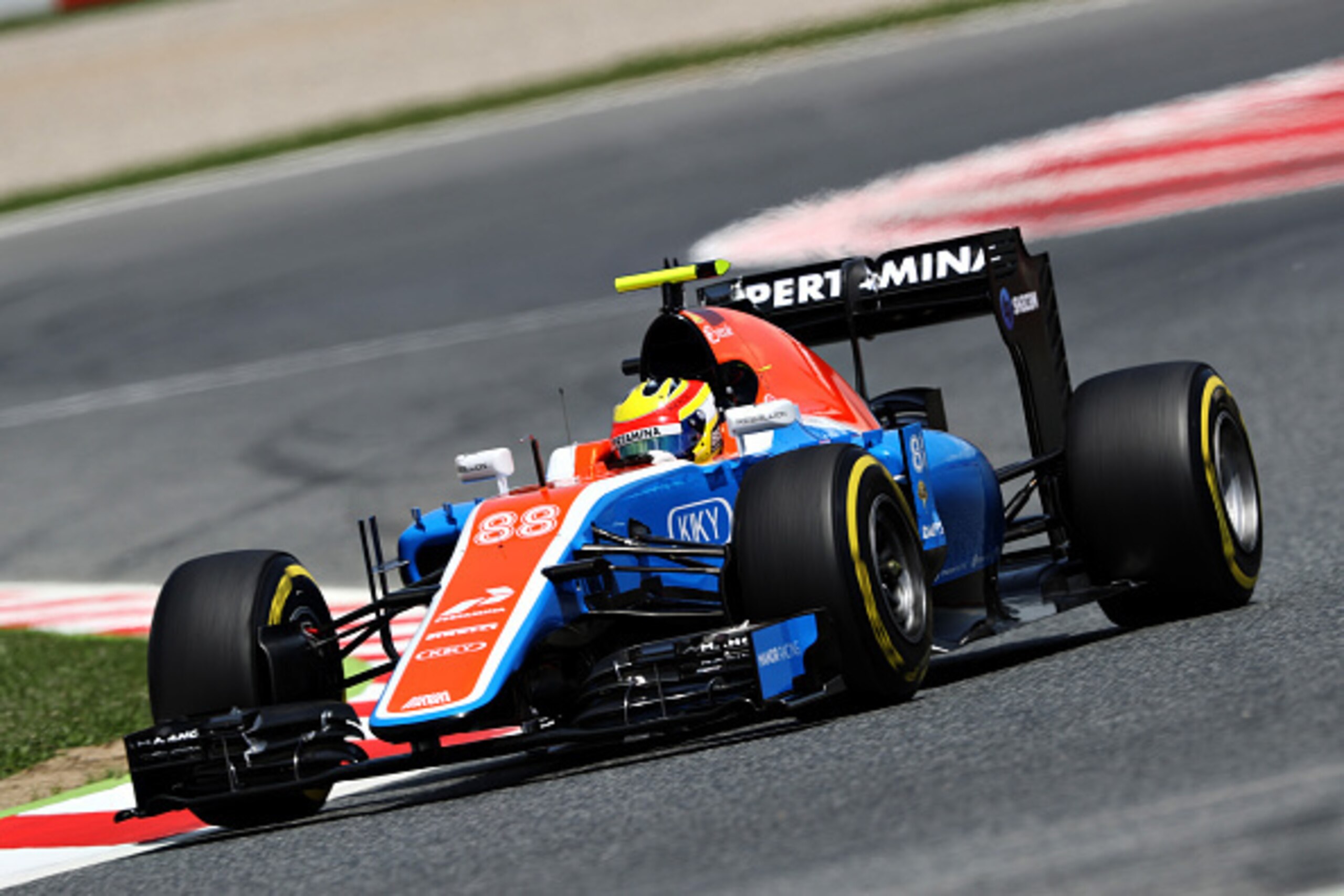
Yet, as ever with those at the back of the grid, Haryanto's chances of completing the season with Manor will depend not only on his results and performances, but the funds he provides to a team that emerged from administration less than 18 months ago.
And the Haryanto camp, in search of the sympathy vote, have been particularly open in admitting the 23-year-old will struggle to make it to the end of F1's longest-ever season.
In April, Haryanto told Reuters' Alan Baldwin how Indonesian sports minister Imam Nahrawi had launched a text-messaging initiative encouraging his supporters to donate to the Save Rio fund.
In Monaco, meanwhile, Haryanto's manager, Piers Hunnisett, informed Baldwin "the sponsorship is all paid for up until the 11th race" of the year in Hungary on July 24 before suggesting he was "quite confident" his driver will complete the season because his arrival in F1 is "huge" news in Indonesia.
With "around 250 million" people in his homeland, according to Baldwin, and in excess of 500,000 Twitter followers to his name, Haryanto may well receive the texts he needs to compete in all 21 grands prix.
But with a date already set for his potential exit, and with Manor's recent history of midseason driver changes, he must be considered the driver most in danger of disappearing around the time of the traditional summer break.
Jolyon Palmer
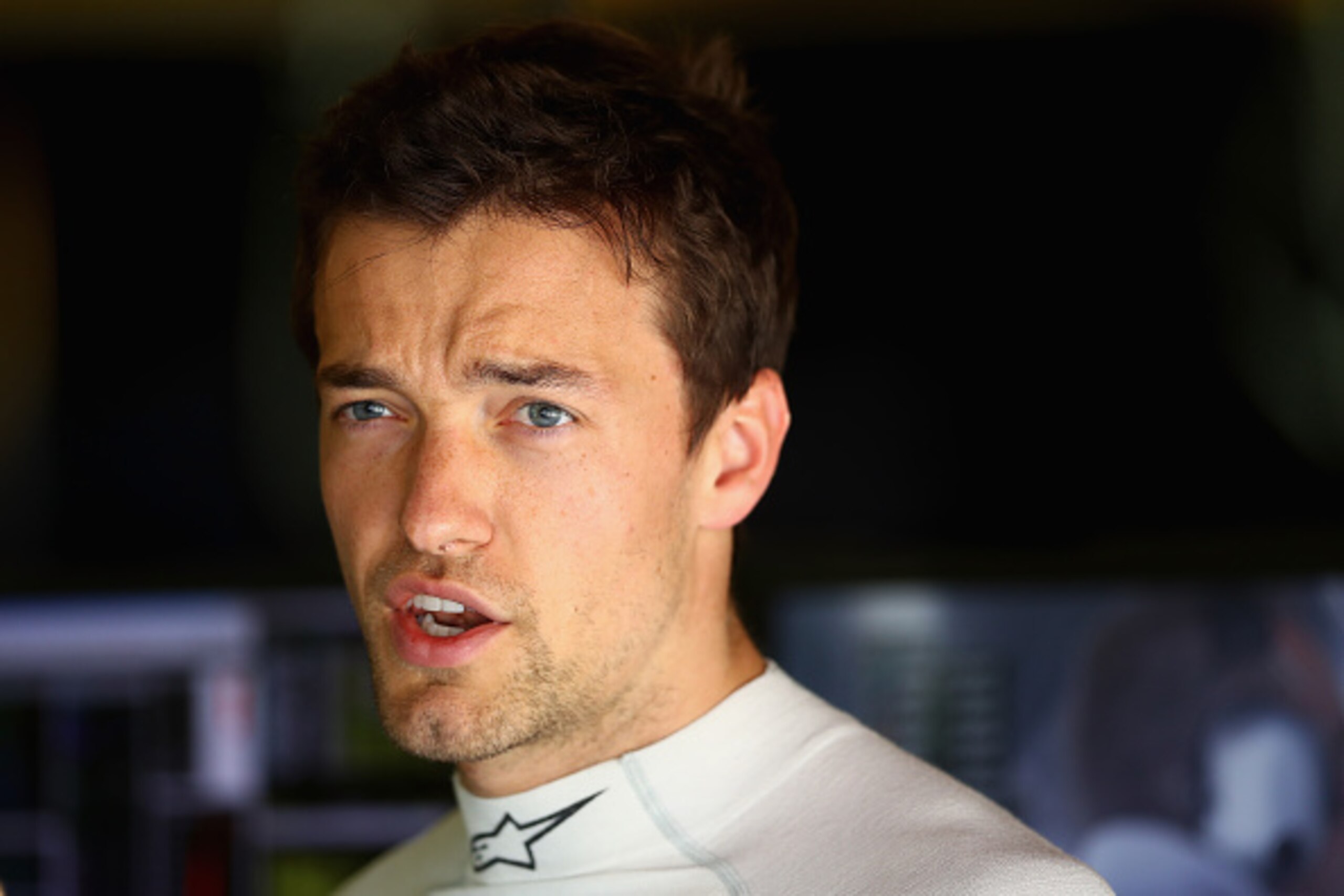
From the minute their return to the F1 grid was formally announced last December, Renault have understandably treated 2016 as little more than a year of transition.
With new regulations set to be implemented in 2017, this season is all about building the team formerly known as Lotus back up to full strength, harnessing all that potential at the iconic Enstone, England-based factory and putting plans in place for the future.
As Renault's marquee signing, a driver who reached the podium on his first grand prix appearance in 2014, Kevin Magnussen is almost certain to play a major role in that future.
But can the same be said of Jolyon Palmer, who—according to the Telegraph's Daniel Johnson—was only promoted from a reserve-driver role after activating a clause in his contract at a time Lotus were suffering from severe financial difficulties?
It all started so well for Palmer in Australia, where he recovered from a poor pre-season to reach the second segment of qualifying, spent his first racing lap in 18 months side-by-side with Fernando Alonso and just missed out on becoming the latest F1 debutant to score a point.
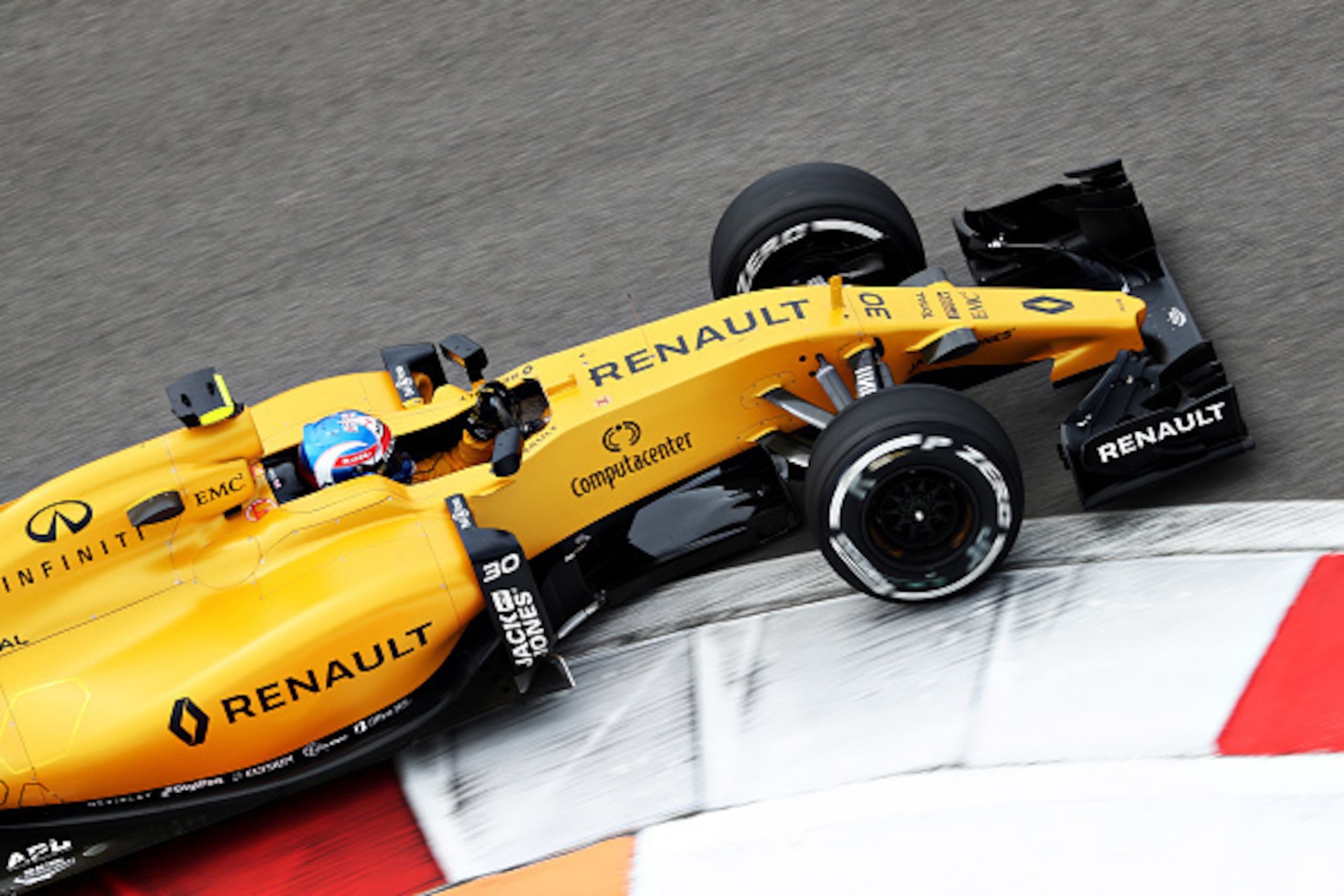
Yet the 2014 GP2 champion has been unable to hit those heights since—to the point he looks like a short-term fix lost in a team prioritising the future.
Unable to even start in Bahrain, Palmer finished dead last in China, where he qualified almost a second behind Magnussen, who rather tellingly became the second driver in as many races to be penalised for hitting the No. 30 car in Spain after Sainz also felt he could bully Palmer aside in Russia.
Per Motorsport.com's Valentin Khorounzhiy, Palmer denied speculation Renault's highly rated reserve driver Esteban Ocon could replace him a fortnight ahead of the Monaco GP, where he crashed on all three days of running.
As noted after the race, it was the kind of weekend that will stain his reputation and potentially signal the beginning of the end of his F1 career despite Renault's Frederic Vasseur insisting Palmer is "learning and making strong progress," per Crash.net's Rob Wilkins.
With obvious benefits to having a French driver behind the wheel of a French car, July's in-season test at Silverstone, which begins two days after Palmer's home race, feels like the ideal time to make the change.
Daniil Kvyat
Why wait? Why delay the inevitable? Why not use the rest of this year as a period of adaptation, a crucial time to gain experience and get any mistakes out of the way ahead of the more serious business of next season?
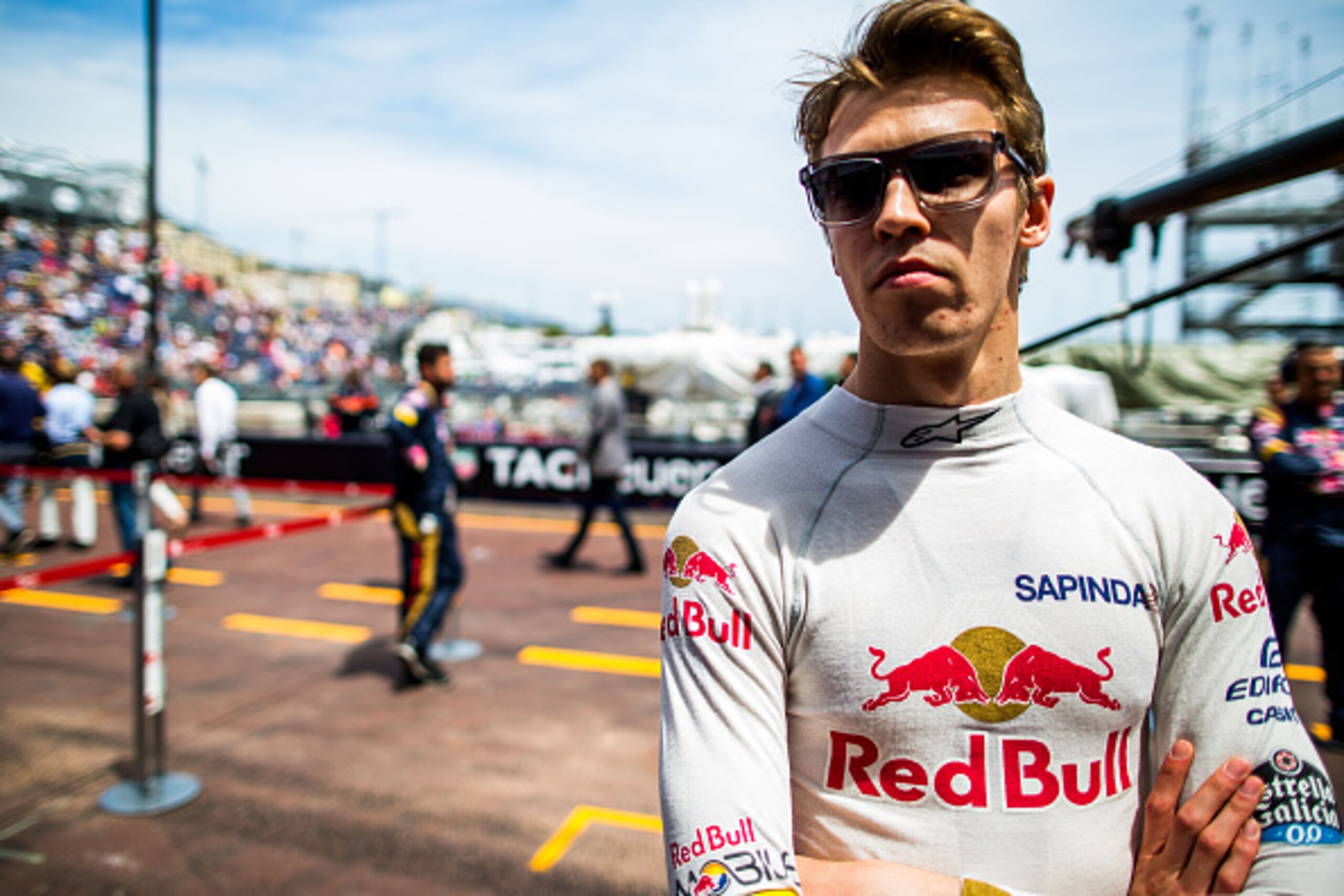
Those questions doubtlessly ran through the minds of the Red Bull management in the hours before deciding to replace Daniil Kvyat with the 18-year-old Verstappen following the Russian GP.
And the longer this season goes on, the more likely it is those same thoughts will resurface as Red Bull decide how to handle Kvyat ahead of 2017.
As the first driver to be sent back to Toro Rosso from the senior team, there is a general acceptance—despite adviser Helmut Marko's assertion he is helping, not "harming," the Russian's career, per Saunders—that Kvyat is edging toward the end of his time as a Red Bull-backed driver.
In Monaco, Kvyat admitted he will "look for a change of the situation" and "have help outside of Red Bull" next season, per Crash.net's Ollie Barstow.
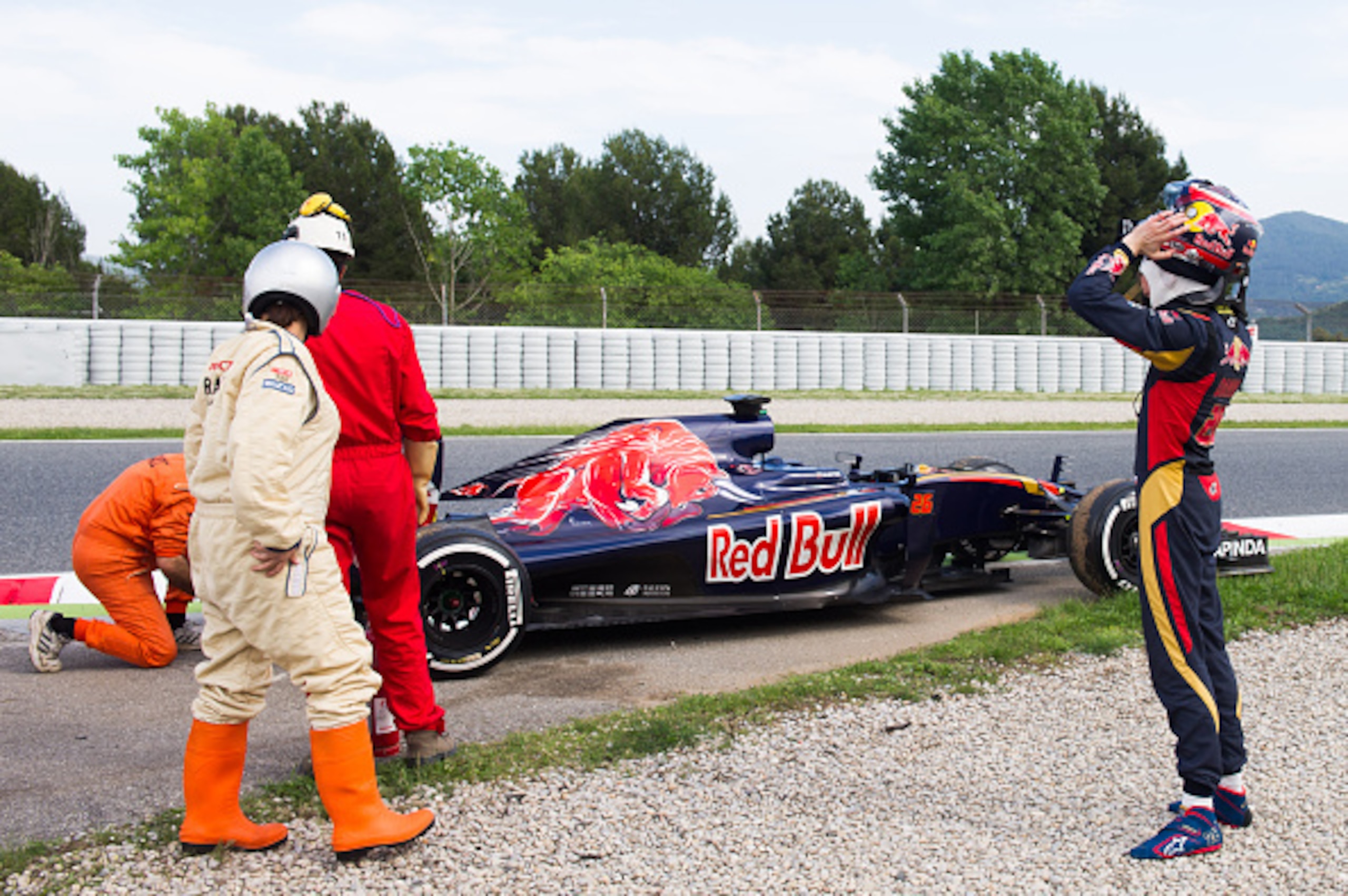
And if the driver, even if he is determined to "give everything" for Toro Rosso, is competing with more than half an eye on a fresh start in 2017, should the team—who have rarely hesitated in making midseason driver changes in the past—do the same?
The next cab off the rank, it seems, is Pierre Gasly, who has participated in tests for both Red Bull and Toro Rosso in recent seasons, including May's post-Spanish GP session at the Circuit de Barcelona-Catalunya, where the Frenchman shared driving duties with Kvyat.
As noted by Sky Sports' Ted Kravitz, Red Bull's reservations over whether Gasly, still without a win in GP2 despite competing in the series since late 2014, is truly "ready" to progress to F1 could see Kvyat offered a stay of execution for 2017.
Yet such a patient approach is alien to Red Bull, who would be required to halt the entire conveyor belt for the sake of one individual. Therefore, the prospect of Kvyat losing his seat at a second team in the space of a few months should not be ruled out.
Particularly if the 22-year-old shows no sign of learning the lessons from his mistakes in Russia and Monaco, where, per Motorsport.com's Pablo Elizalde, Magnussen accused Kvyat of losing his mind.
.jpg?w=2560 "Hill Injury Update Football")
.jpg?w=2560 "Titans Giants Football")
.jpg?w=2560 "Tyreek makes another cryptic post amid Chiefs rumors")


.jpg?w=2560 "Greenlaw Talks Payton Exchange")
