Grading Guus Hiddink on His Season with Chelsea
The final curtain has fallen on 2015/16 and as Chelsea look ahead to life under Antonio Conte, they should also reflect on the past 12 months.
To move forward, it's vital the Blues take stock of the mistakes that were made over the course of the previous season to ensure they set things straight. Equally, to continue in areas where we have seen some positives.
Jose Mourinho's second spell as Chelsea boss ended as a nightmare. The club looked completely different from the one that had lifted the Premier League title just six months earlier and the walls were crumbling all around the manager. They were in a relegation fight and had to get points on the board to avoid a full-blown crisis.
TOP NEWS
Live World Football Highlights, News 🔥
Kerr Shook by Doppelgänger 😱
7'6" center lands NBA deal
When Mourinho was replaced in the interim by Guus Hiddink, things improved gradually, but the Dutchman still didn't have the sort of impact many Blues fans would have been hoping for.
Supporters were trading on the fond memories of Hiddink's first spell in charge in 2009 when Chelsea won the FA Cup and reached a UEFA Champions League semi-final. Seven years on, it was a different story, with the Dutchman's Blues struggling to climb back up the table.
But should we be judging Hiddink on Chelsea's 10th-place league finish? What about his work with the club's up-and-coming players? And the team's form in the cups?
Join Bleacher Report as we break down Hiddink's six months as Chelsea boss and grade him on the areas that he impacted most.
Premier League form
Throughout Hiddink's time at Chelsea, much was made of the fact he lost few games as manager. In 2009 it was just one defeat in 22 games in all competitions, with 12 wins in 14 Premier League matches. That's a return of 36 points from a possible 42.
Hiddink's record was phenomenal as he turned around the fortunes of a struggling side and made them feared again. Chelsea looked relentless come the end of 2008/09 and were set up perfectly for Carlo Ancelotti to take over.
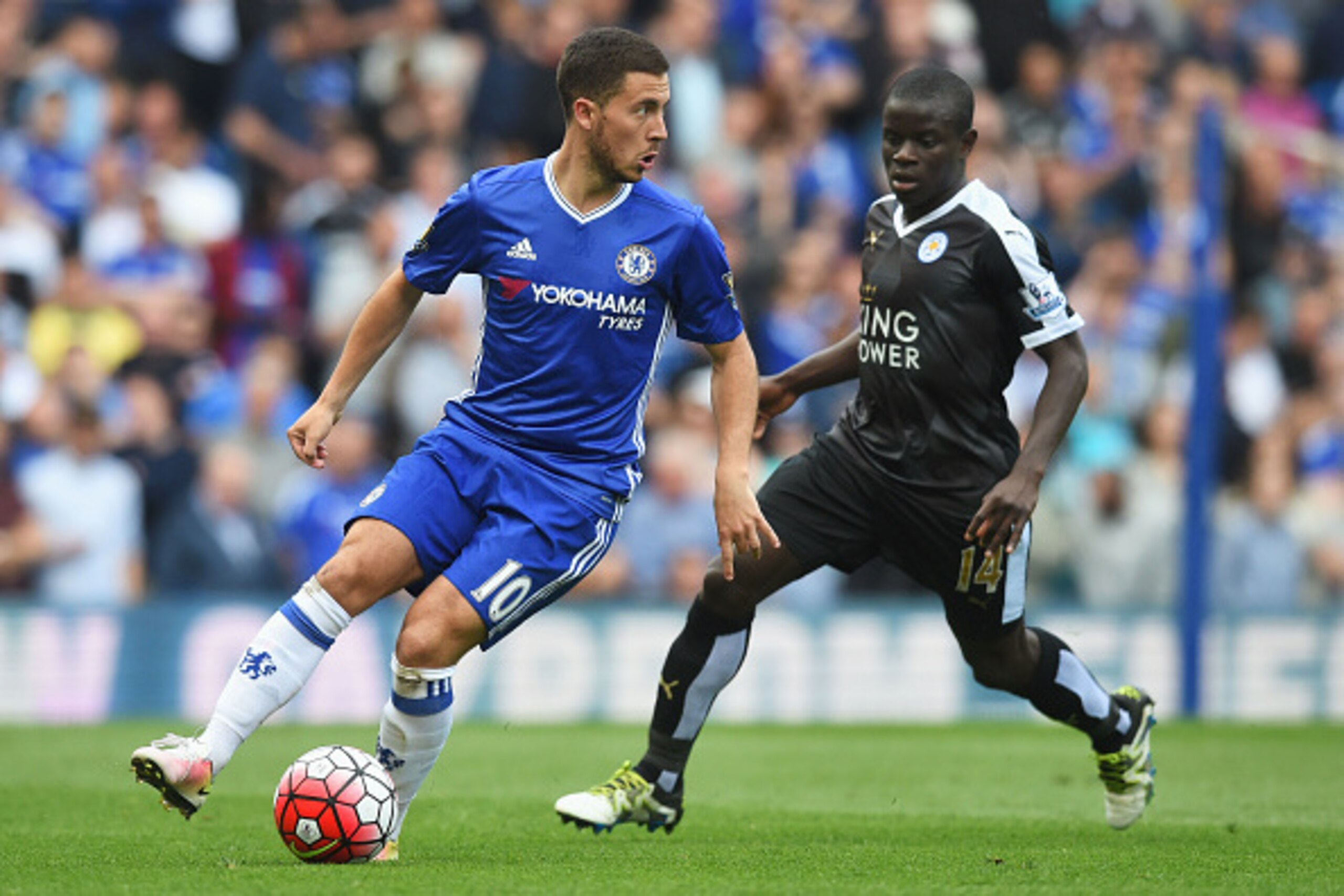
Fast forward to the climax of 2015/16 and a 1-1 draw against Leicester City seemed par for the course where Hiddink's new Chelsea were concerned.
He had started with a 2-2 Boxing Day draw with Watford and that set the precedent. Chelsea would go on to draw a further 10 games with Hiddink at the helm. They won just three times at Stamford Bridge in all competitions since his appointment in late December.
Regardless of what had gone on before, that wasn't good enough from Hiddink's Chelsea. In fact, while things were hitting rock bottom under Mourinho, the Blues still won six times at Stamford Bridge this season.
Those draws came about from Hiddink's desire to stop Chelsea losing. It made sense at first as the priority was to transform the mood of the dressing room and get the players feeling more positive again.
The same tactics that had stopped opponents playing seemed to be deployed throughout the remainder of the season, though. Chelsea were too cautious, with Hiddink often deploying the Nemanja Matic-John Obi Mikel midfield partnership that stifled the west Londoners as much as it did their opponents.
Overall, Hiddink stopped Chelsea losing matches regularly, but he didn't do enough to try winning three points. Had he done, the Blues would have finished much higher in the table and possibly had an outside shot at a European place.
Grade: C
FA Cup

Hiddink got Chelsea to the FA Cup quarter-final, but coming on the back of the defeat to Paris Saint-Germain in the Champions League, the Blues seemed too jaded to make their cup run count.
In truth, it was the first time they had faced a side that would challenge them as their opponents in the previous round were from League 1 and the Championship, while Manchester City fielded a reserve side at Stamford Bridge.
Where Hiddink deserves credit is that he played Chelsea's strongest side regardless of who they faced. He had evidently targeted the FA Cup as a way to extend the team's season beyond their Premier League struggles and it worked to some degree.
With each victory, the Blues had matches they could look forward to. The FA Cup was a fresh break from the problems they were facing in the league, and it did inject some impetus into a failing campaign.
The issue was the manner in which they were knocked out against Everton. Chelsea lacked any real fight and their performance at Goodison Park was limp, devoid of any real inspiration.
When they lost 2-0 to the Toffees, it meant Chelsea's season was over as a contest, and they were back to the daily grind of attempting to raise themselves for Premier League matches.
Grade: B
Champions League

For the second season running, Chelsea were dumped out of the Champions League by Paris Saint-Germain in the last 16. It's becoming a bad habit and one they need to stop before it reaches Arsenal levels (if they can get back into Europe, that is).
The same problems that haunted Chelsea against Laurent Blanc's side in 2015 returned this time out. They were weak in the middle of the park and struggled to compete with PSG's physicality. In short, they were bossed off the park.
Chelsea should have got more from the first leg in Paris, where Diego Costa was unfortunate not to come away with a goal. At Stamford Bridge, though, the Blues looked second best and PSG were deserved winners.
It's difficult to judge Hiddink here as he was limited with the players he had at his disposal. The January window was never going to save Chelsea's European dreams, and facing a strong PSG side just amplified the shortcomings of this team that had existed long before the former Netherlands boss arrived.
Grade: C
Tactics

What frustrated most about Hiddink's Chelsea was his refusal to change systems. The manager stuck to the 4-2-3-1 formation from Mourinho's spell in charge, and that damaged how much of an impact he made.
Hiddink was limited as to how else he could deploy certain players, but the fact he refused to even attempt to change things irked some supporters.
It was the 4-2-3-1 that had so injured Chelsea this season. Teams had worked them out, and they couldn't react in key moments. Looking at the personnel, Hiddink could have tried something a bit more dynamic to get the best out of Pedro and others, such as a 4-3-3.
That would have got Chelsea playing a different way, showing desire to win matches. As it turned out, Hiddink appeared more intent not to lose, and it was reflected in the way he stuck to the systems he inherited from Mourinho.
Grade: C
Promoting youth
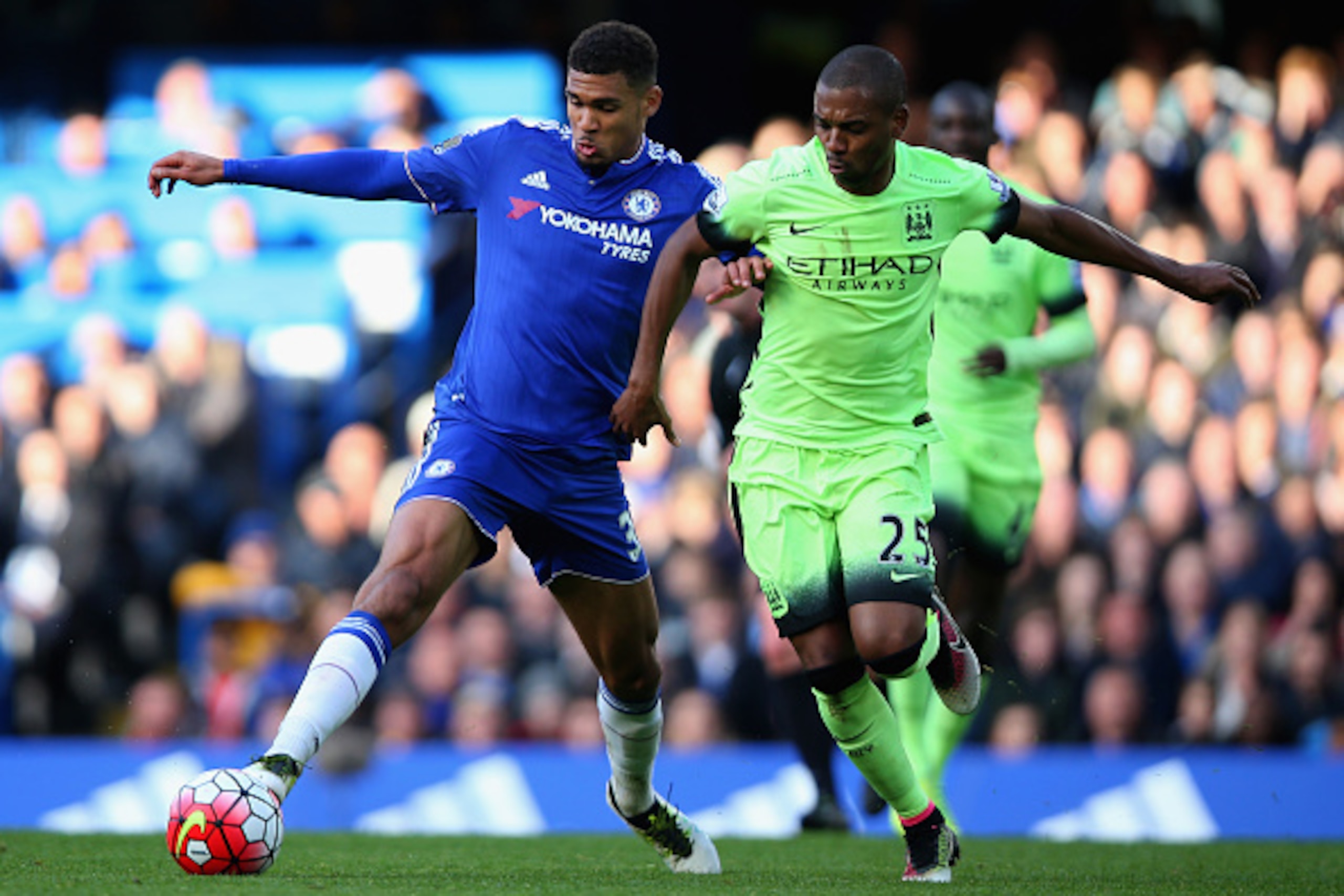
This is the one area where the Dutchman deserves plenty of praise. More than any other manager in recent memory at Chelsea, Hiddink seemed willing to give up-and-coming players their chance.
We saw Ruben Loftus-Cheek feature heavily from February onwards, while Bertrand Traore and Kenedy also got game time that has moved along their development. Hiddink also gave debuts to Tammy Abraham, Fikayo Tomori and Jake Clarke-Salter.
Had there been more young players available for selection and not out on loan, we may well have seen more.
The criticism is that Hiddink should have given Loftus-Cheek more time from the outset and played him in his natural position at the base of the midfield.
There's truth in that, yet Chelsea's youngsters still got more opportunities under him than in the previous regime. In many ways, it's started the process for Conte's arrival.
Hiddink could have done more, yet what he did has still helped Chelsea's future stars.
Grade: B+
Garry Hayes is Bleacher Report's lead Chelsea correspondent. All quotes were obtained firsthand unless otherwise noted. Follow him on Twitter @garryhayes
.jpg?w=2560 "Patriots 49ers Football")
.jpg?w=2560 "Every Team's Biggest Surprise So Far 😲")
.jpg?w=2560 "Harbaugh Not in Hot Seat")