5 Things Learned from Bayern Munich's 2015/16 Season
Bayern Munich's 2015-16 campaign has come to an end, the German giants having completed a domestic double of winning the Bundesliga and DFB-Pokal.
Despite their disappointment in exiting the UEFA Champions League at the semi-finals stage earlier this month, Bayern's subsequent triumphs in local play have resulted in the season ending on a positive note.
Pep Guardiola's third and final year in Munich left plenty for Carlo Ancelotti to reflect upon as he takes the torch as head coach this summer.
Click "Begin Slideshow" to see B/R's selections of the most important lessons Bayern learned during the 2015-16 campaign.
Ribery and Robben Have Passed the Torch on to Muller and Lewandowski
1 of 5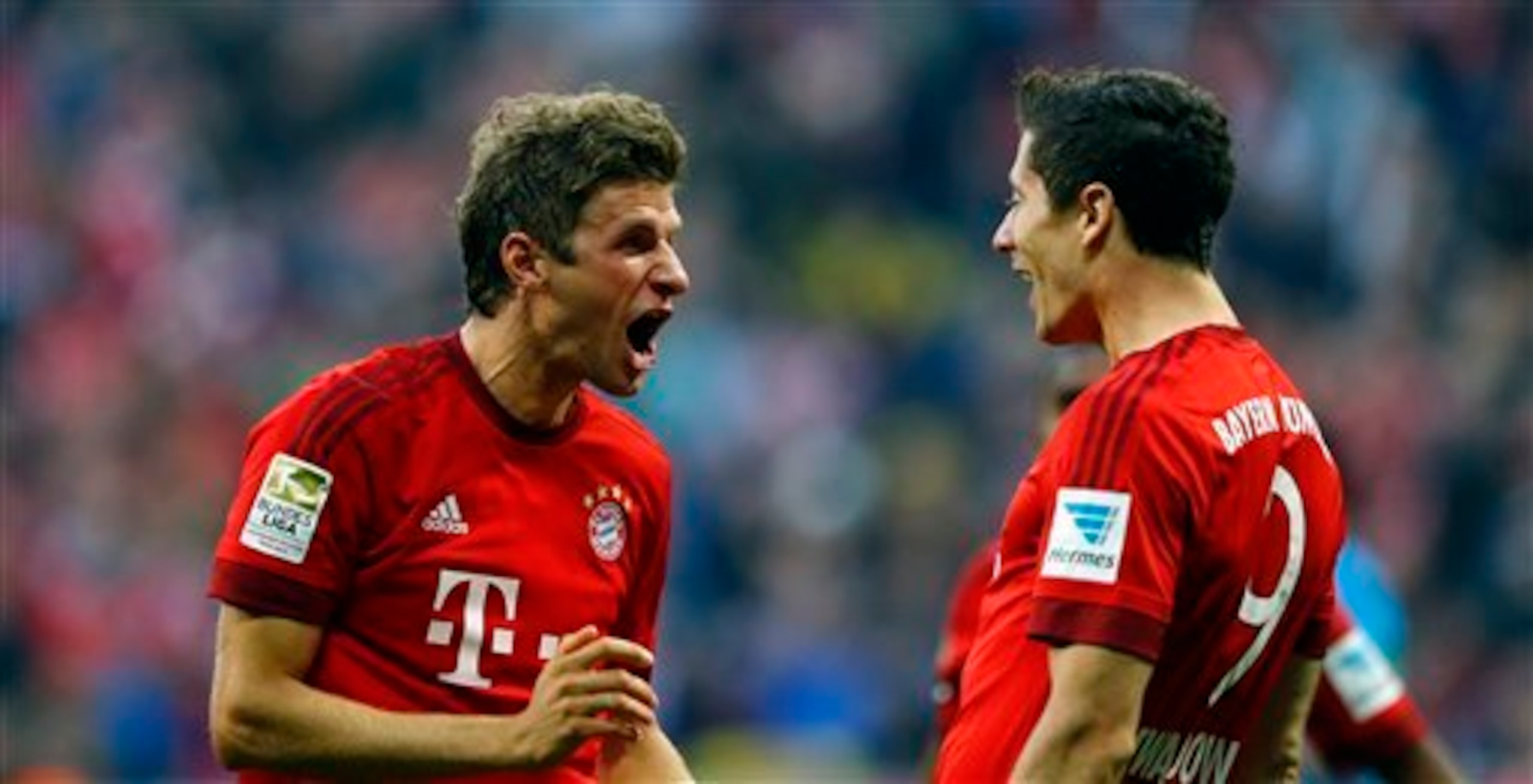
From 2009 until quite recently, Bayern Munich were the team of Arjen Robben and Franck Ribery. As the wing wizards went, so did the Bavarians—their peaks and valleys of form largely correlated with the team's success.
That has all changed as of late, and the veteran wide men seem now to have passed the torch on. Ribery has suffered from repeated injuries over the last two seasons, and Robben's 2015-16 campaign was marked by a lack of form and fitness. In 2015-16, the pair combined for just nine goals and as many assists in all competitions.
Bayern needed goals and got them from Thomas Muller and Robert Lewandowski. The German contributed 32 goals and 13 assists in all competitions, while his Polish partner managed 42 goals and seven assists.
By most accounts, each enjoyed his best-ever season. And it appears that Muller and Lewandowski are the way of the future for Bayern.
Vidal Is the Aggressive Leader Bayern Have Needed
2 of 5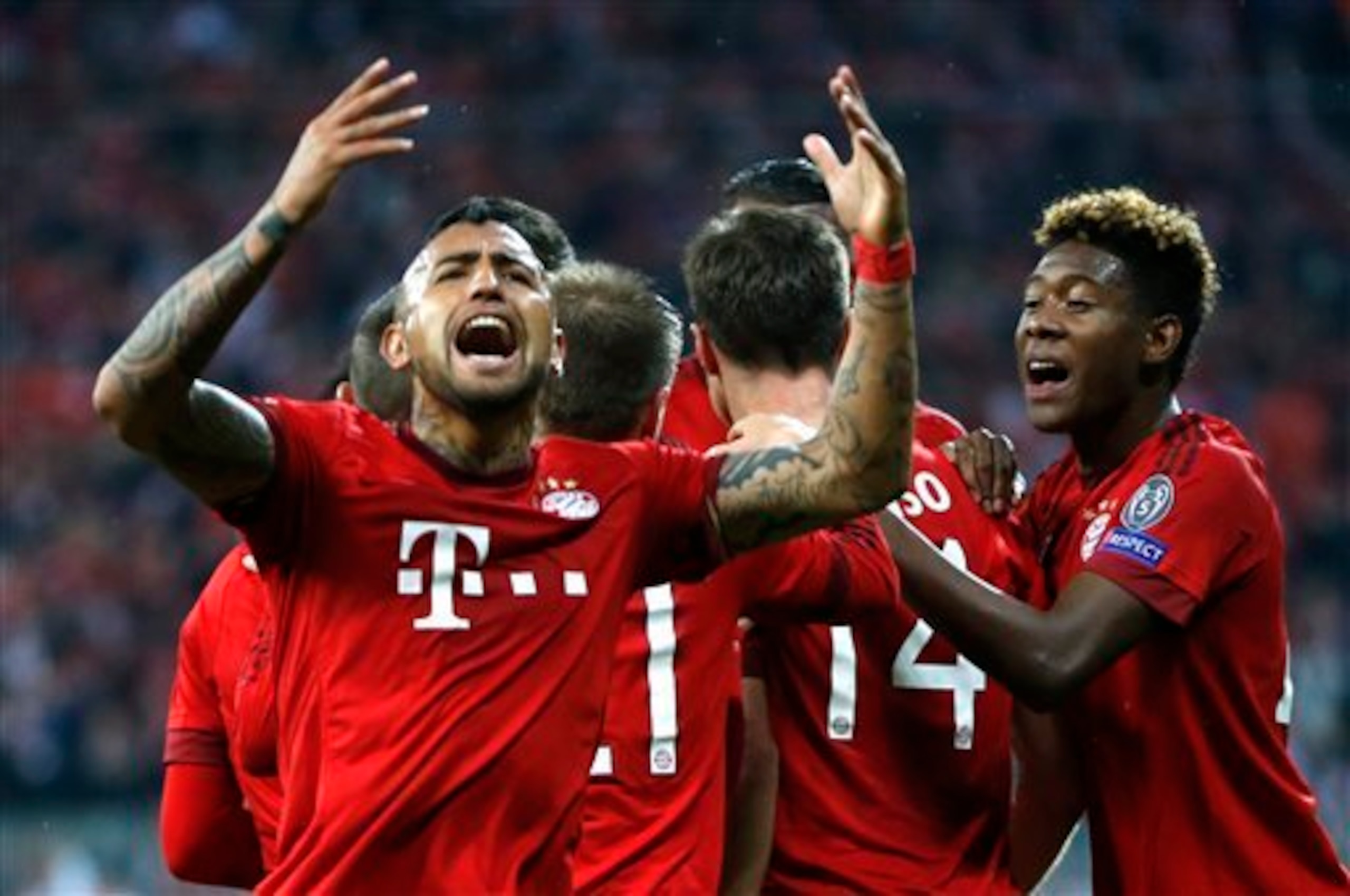
If Bayern were missing anything in midfield over the first two seasons of Guardiola's tenure, it was an aggressive midfield general.
The trouble was, a Mark van Bommel-type would not have fit well in the style the trainer had intended to play. Yet last summer, Guardiola got the perfect combination of silk and steel in Arturo Vidal.
True, it took Vidal some time to adjust, and he had attitude problems at times. But especially this spring, the Chilean proved he was worth his weight in gold.
Time after time, he came up aces in big games. And Vidal's aggression was crucial as Guardiola looked to avoid leaving his defense exposed while using more technical but less defensively reliable midfielders like Thiago Alcantara and Xabi Alonso in the centre of the park.
In short, Vidal added much-needed balance to the midfield, and Bayern are much better for it.
The Spanish Revolution May Be Coming to an End
3 of 5
Guardiola's decision after joining Bayern was less to adapt to the club and more to make it a bit more like him. So in 2013, he brought his protege, Thiago Alcantara, to join Javi Martinez as Bayern's second Spaniard. A year later, the Bavarians swapped Germans Toni Kroos and Diego Contento for Spaniards Xabi Alonso and Juan Bernat.
Recent events, however, seem to suggest that with Guardiola's exit will come a decreased stress on the Spanish character of Bayern Munich.
Alonso was the only one among the four Spaniards to truly impress on a regular basis last season, and he turns 35 in November. It's not yet certain whether Ancelotti will rely on him, but it's noteworthy that the trainer decreased his role before the midfielder's exit when they worked together at Real Madrid.
Martinez played a great, if injury-hit, 2015-16 season in Munich, and Mats Hummels' arrival seems to suggest he will be relegated to the bench. The newcomer and Jerome Boateng are almost certain to start.
Thiago and Bernat, meanwhile, struggled in 2015-16. The latter always has been—and perhaps always will be—behind David Alaba in the pecking order so long as the Austrian remains in Munich.
And if Thiago stays at Bayern this summer, it's highly questionable that he will play a big role in Ancelotti's plans.
Renato Sanches has already been signed, and with Thiago having failed to secure a permanent starting role under Guardiola, the teenage sensation may start ahead of the former Barcelona man.

Size Is Not a Requirement for Being an Effective Defender
4 of 5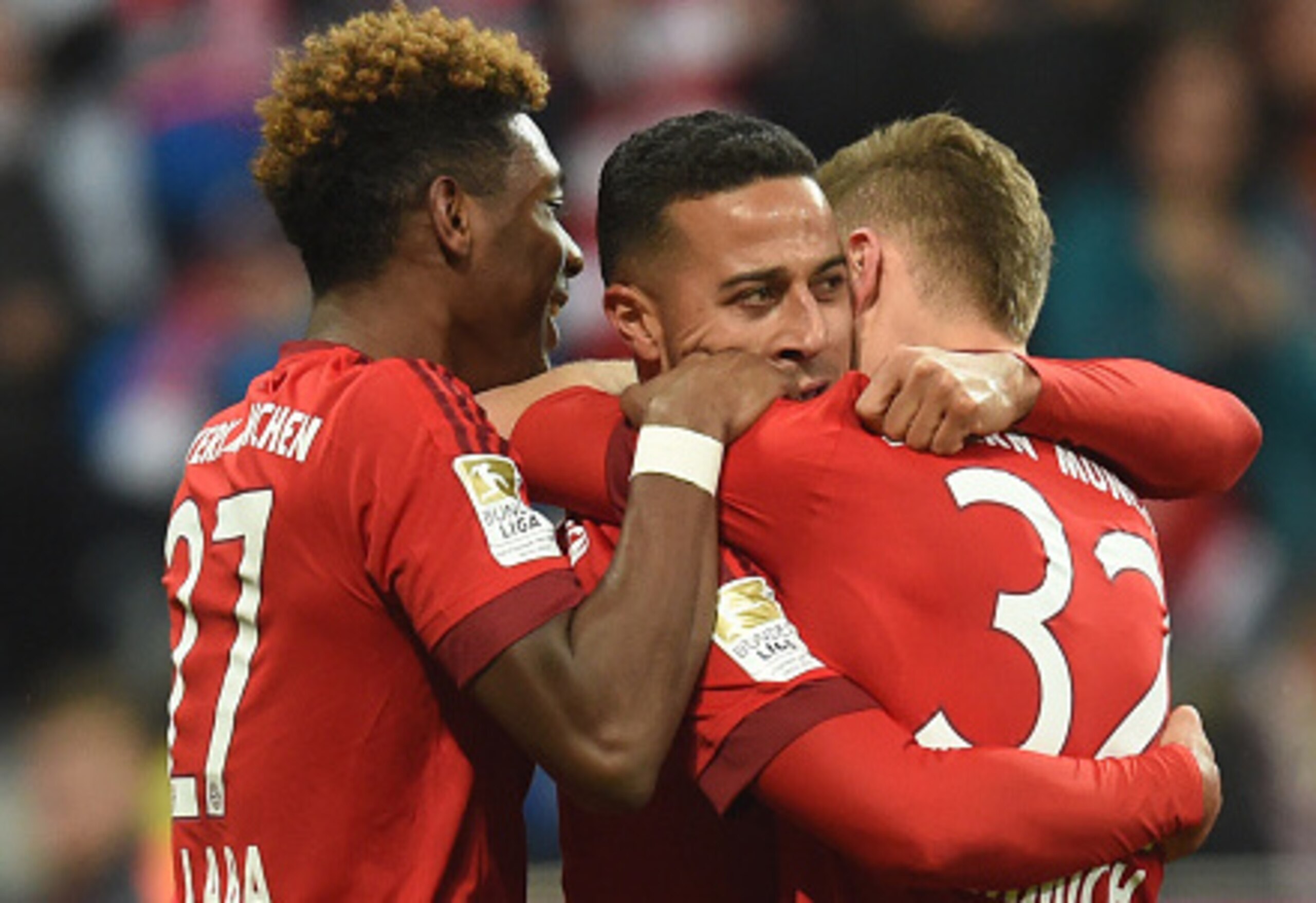
Bayern set a new defensive record in the Bundesliga, conceding just 17 goals over the course of the season. And yet, they spent much of the campaign without using two true central defenders.
Conventional wisdom states that centre-backs must be tall and muscular, capable of physically wrestling with opposing strikers and bullying them off the ball. And it's true that in situations in which they face large forwards who have the ball or are contending for crosses, power and size are important.
However, Bayern managed to achieve their record while utilizing the 1.80-meter David Alaba and 1.76-meter Joshua Kimmich as their centre-backs for long periods.
True, when crosses came in, Alaba and Kimmich were at a disadvantage. But the way Bayern defended, forcing opponents into hopeful long balls and clearances, didn't often require such responsibilities. To the contrary, they more often ran to track down the ball. In such situations, their superior pace was more useful.
The 2010-13 Champions League Runs Were Truly Special
5 of 5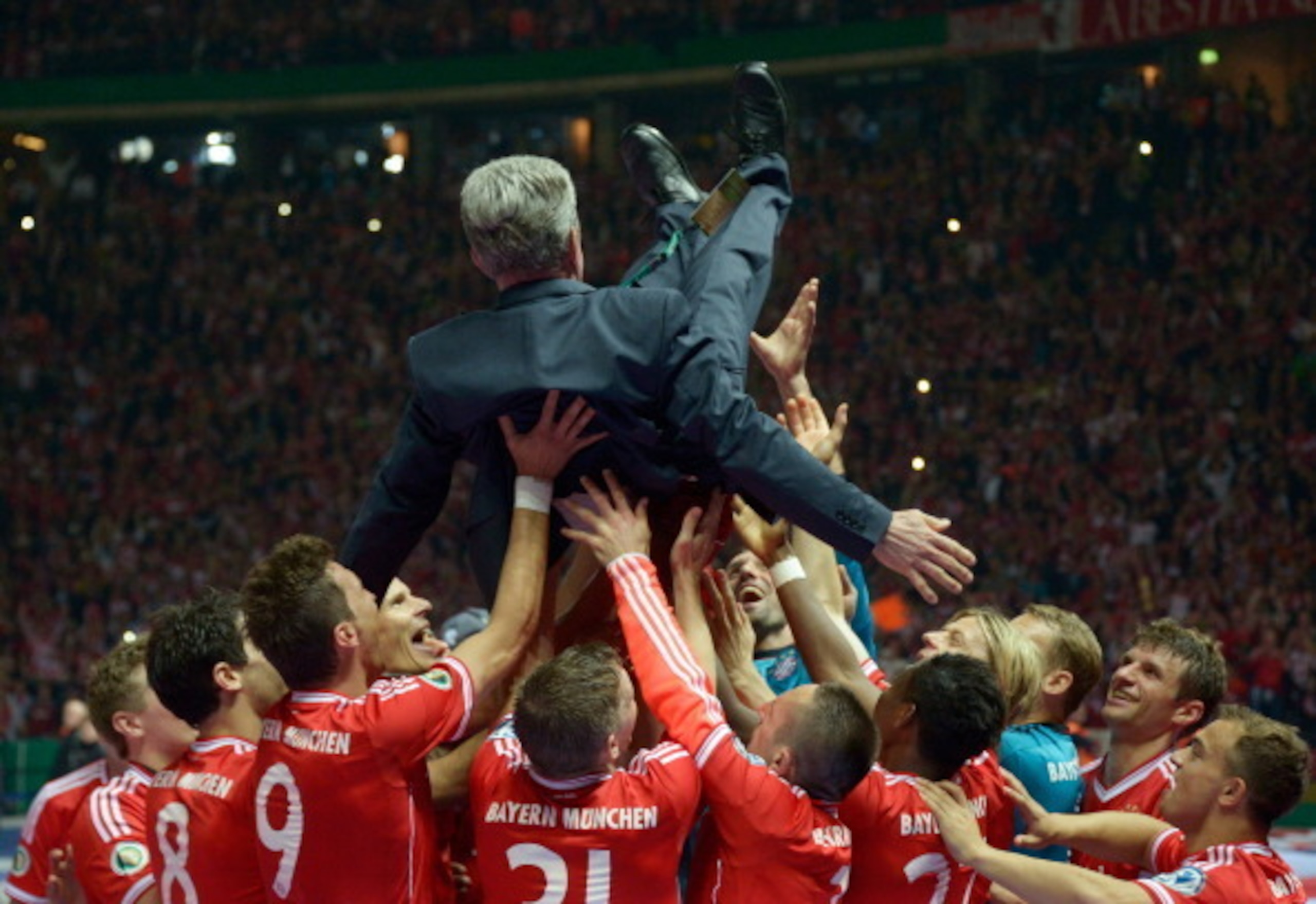
Guardiola is a polarizing character, to say the least.
For the purposes of this slide, let's just say he's the best coach in the world. Based on this assumption, the fact that he was unable to reach the Champions League final in three years speaks volumes about the incarnation of Bayern that reached three finals in four years prior to his arrival.
Never mind what failure to reach the final says for Guardiola's credentials, the fact that the same club from 2010 to 2013 reached three finals with many of the same players that remain in the squad today is truly an immense achievement.
Guardiola more or less knew what he was getting into when he confirmed in January 2013 that he would be Bayern's next coach, but he really did take on an overwhelmingly tall task.
The bar for Champions League success was always going to be high after what the 2010-2013 teams had achieved.


.jpg?w=2560 "Latest Peyton-Colts Rumors")
.jpg?w=2560 "Ugly Jets Scoring Stat 😳")

.jpg?w=2560 "Landing Spots for Trade Candidates 📍")