
5 Things Learned from Tottenham Hotspur's 2015-16 Season
The disappointing end to Tottenham Hotspur's 2015-16 season was full of drama in the moment. The aftermath, though, has all felt rather anti-climactic.
The north Londoners' title challenge fell short, and with no extra-curricular cup activities to turn to, that, essentially, was that. With their main objective of UEFA Champions League qualification already sealed, the motivation to earn a satisfying but ultimately not-too-important second place was not enough to keep them fired up.
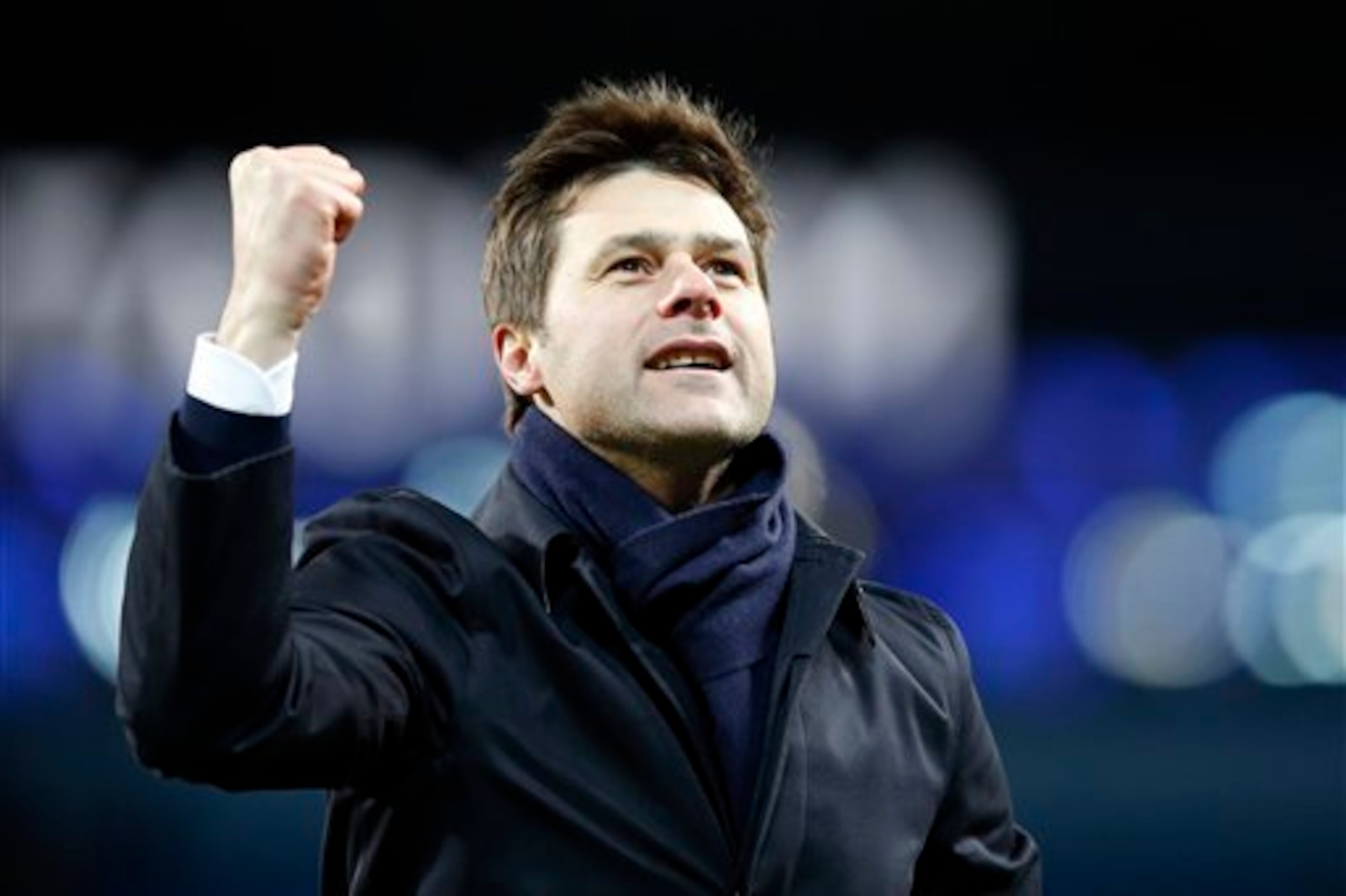
The following five things learned from Tottenham's campaign reflect on the progress that took Mauricio Pochettino's side so close to glory, as well the improvements still required if they are to get their hands on some silverware.
We begin with a look at the team's top scorer for a second season in a row.
Harry Kane Is the Real Deal
1 of 5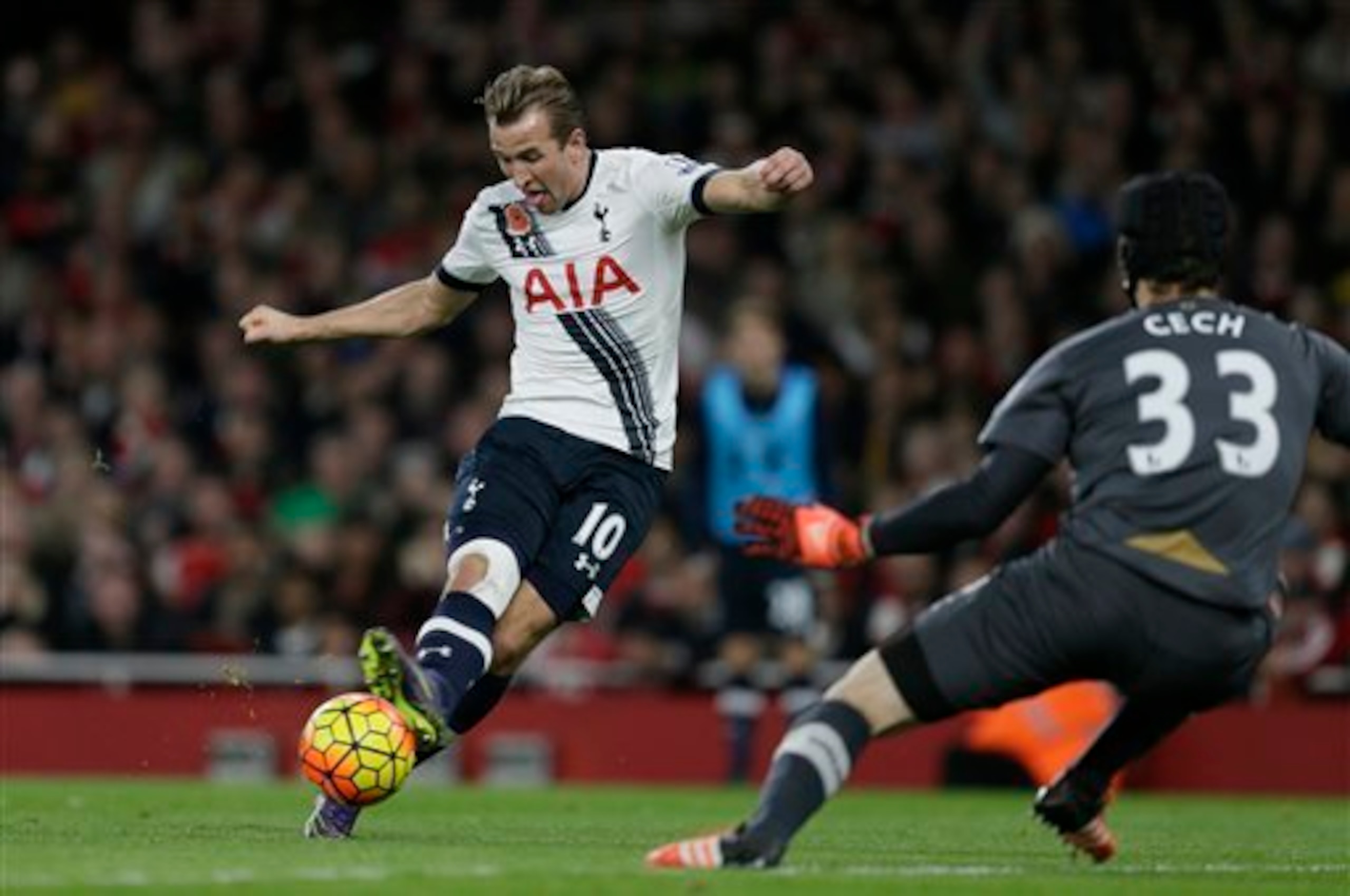
Harry Kane scored 31 times in all competitions in 2014-15. He helped Tottenham toward the Capital One Cup final and also led notable victories over London rivals Arsenal and Chelsea.
Yet heading into this campaign, some believed the striker would be a flash in the pan, a "one-season wonder." This latter tag conveniently ignored the well-rounded performances that informed his name-making tally, not to mention the steady but impressive progress into the Spurs first team over 2013-14.
Nevertheless, the doubts were there. So for those unsure of Kane's quality, they certainly learned this time around that the 22-year-old is the real deal.
It did take Kane a little while to find his finishing touch, netting just once for Spurs before the end of October. But from there, he went on a scoring spree that ended with him netting 28 overall, 25 of which resulting in him receiving the Premier League Golden Boot award.
Even in that early dry spell, he continued to perform effectively for the team with no shortage of guts. During this period and the more bountiful times that followed, he carried the burden of being the club's only experienced Premier League forward, too.
On Spurs' rougher days, there was only so much Kane could do. Moving forward, he is definitely going to need help if they are going to achieve more than this year's third place. But there is no longer any excuse for not believing in the Tottenham talisman's own individual capabilities.
Tottenham's Academy Players Cannot Rest on Their Laurels
2 of 5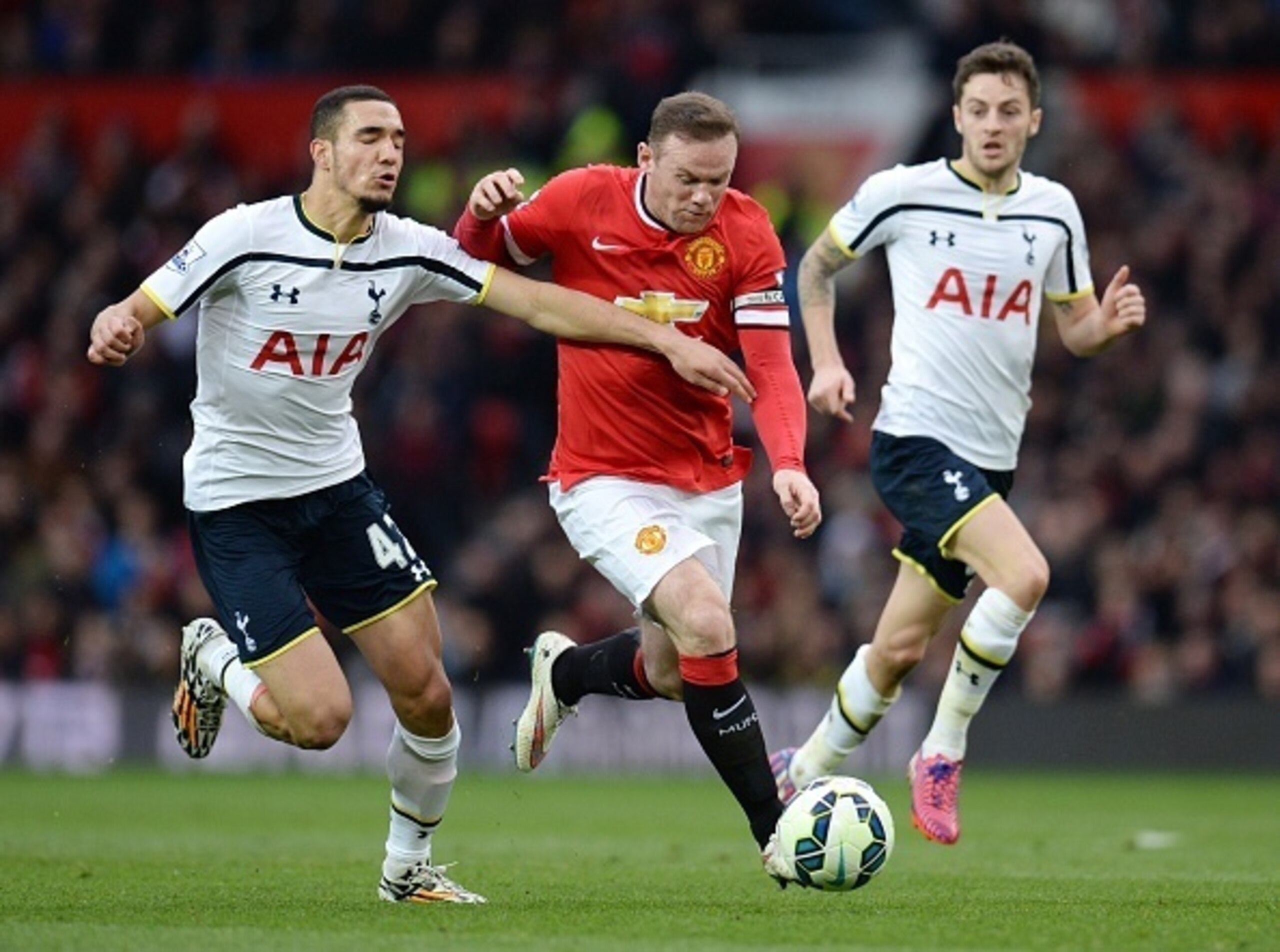
Kane is the star in a generation of talents produced by/honed in the Tottenham academy that have supplemented the first team these last few years. For others of this crop who featured in a similarly prominent fashion in Pochettino's first season in charge, year two of the Argentinian's tenure proved a tougher experience.
Nabil Bentaleb and Ryan Mason made up Spurs' first-choice midfield in 2014-15. Disrupted by injuries this year, each struggled for form and had to make do with diminished match-time as others moved ahead in the pecking order.
That was a better fate than Andros Townsend's. The winger's struggle to deal with his own lack of involvement at the beginning of campaign led to a public show of disgruntlement and his subsequent mid-season transfer to now-relegated Newcastle United.
The open-mindedness of younger players still proved key to Pochettino's advancement of this Tottenham team. Dele Alli was an immediate success, and Eric Dier's willingness to adjust to a midfield role was pivotal. Of those actually from the academy, Tom Carroll and Josh Onomah made some decent contributions, too.
The challenges faced by some of their peers showed none of Spurs' youth talents can afford to rest on their laurels, not when the club's ambitions necessitate performances of such a high level.
Pochettino's 'Philosophy' Is Taking Hold
3 of 5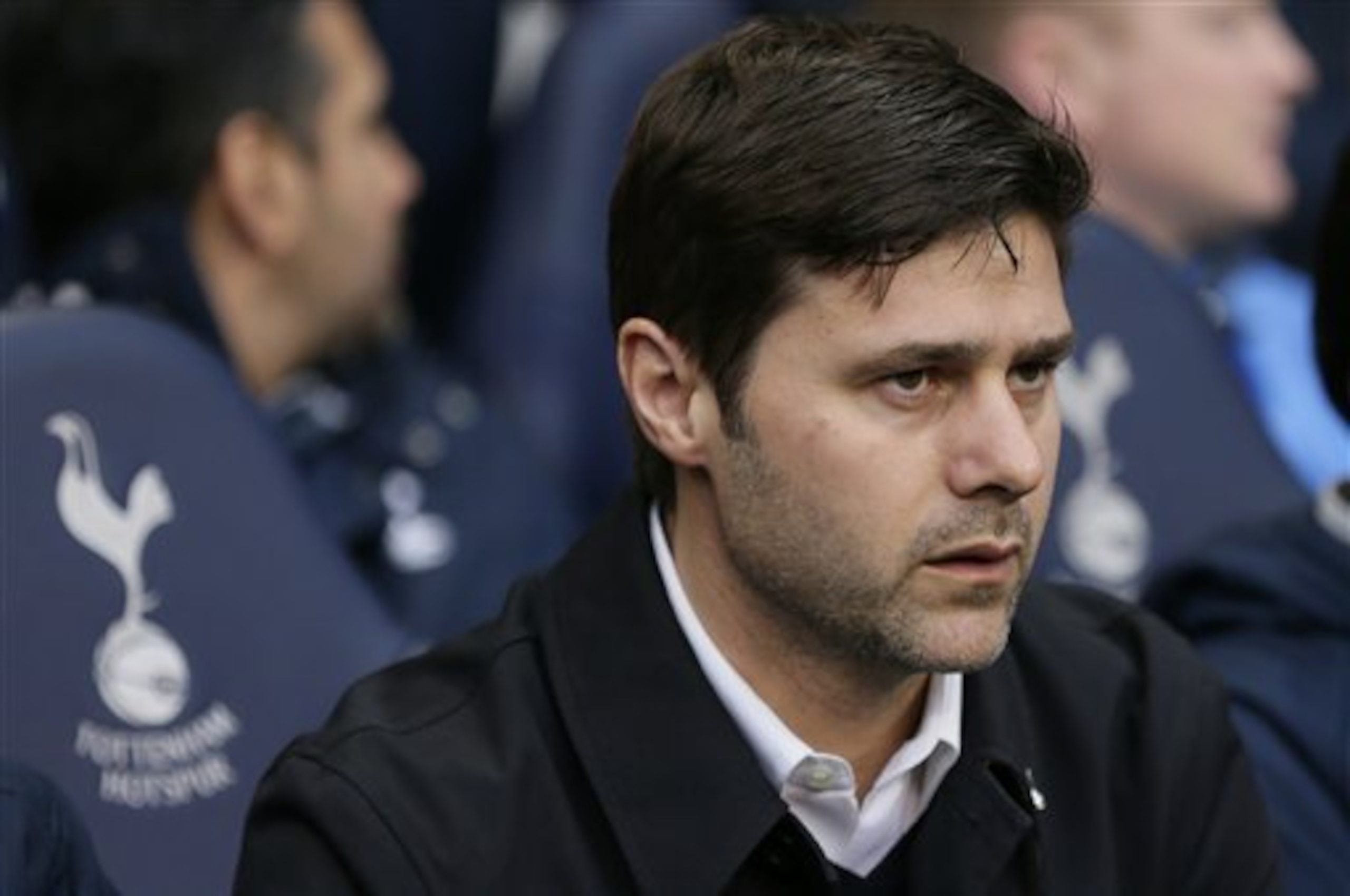
As Tottenham's title challenge progressed, the interest in telling Pochettino's journey to this point naturally increased.
Consequently, his origin story—then-Newell's Old Boys youth team coach Marcelo Bielsa visiting a sleeping 13-year-old Pochettino and his family late one night—was retold so many times he might as well have been a superhero or messianic figure.
The best of those articles, including Nick Dorrington's Bleacher Report piece, wove it into the development of the Argentinian's coaching persona and of how experiences with Bielsa and others in the game led to him now implementing his oft-cited "philosophy" in north London.
Having used his first season to lay the groundwork—on the pitch and by getting it out there via the media—Pochettino's doctrine firmly began to take hold in year two.
It was seen in his side's transformation from a dangerous but inconsistent outfit into one of the Premier League's most formidable, well-balanced units. The progress resulted in the awarding of a new contract to the Argentinian and his staff and suggests chairman Daniel Levy trusts in the 44-year-old to continue to oversee the club's hoped-for development.
"He is obsessed with every detail. About the cleaning, the cooking, everything," Pochettino's father Hector told Dorrington. "He keeps an eye on what every single employee at the training ground is working on."
This attention to detail has taken Spurs to their best league performance in 26 years. We will soon find out if it can take them any further.

Defensive Solidity Is Integral to Spurs Being a Contender
4 of 5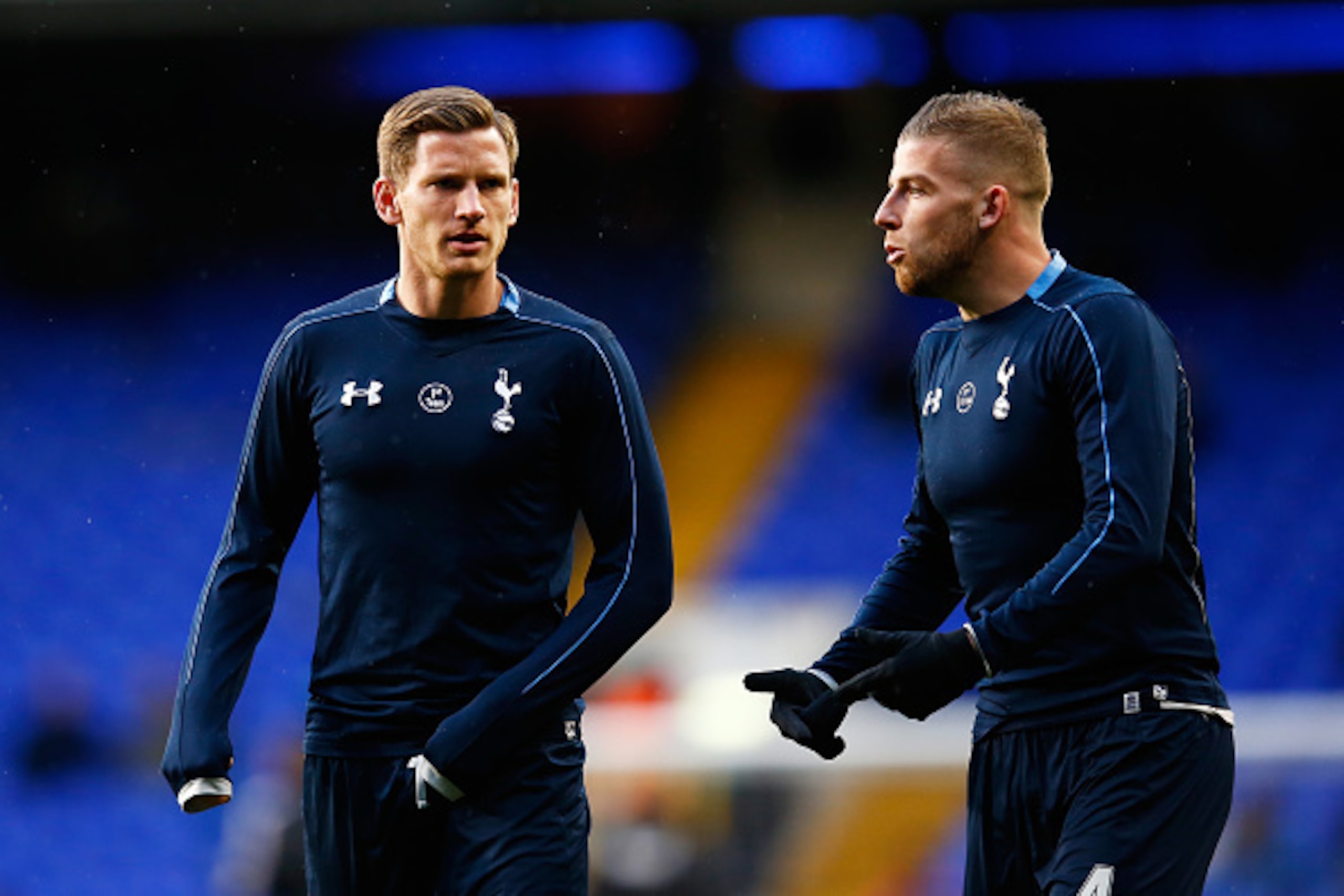
Pochettino quickly identified improving Tottenham's defensive efforts as a must.
In terms of personnel, he told Spurs' official website last September that "strengthening our defence was a priority given the number of goals we conceded last season." In came Kevin Wimmer, Kieran Trippier and, most notably, Toby Alderweireld.
Even before that he stressed his belief a good defence was not just about a goalkeeper and his back line, but about the whole team doing their part—from closing down in attacking areas to competing for first and second balls throughout the midfield.
Both coalesced to great effect for the majority of the campaign.
Spurs were generally well organised at the back. Central defenders Alderweireld and Jan Vertonghen established a good understanding here, with Wimmer later deputising well when the latter Belgian got injured. Either side of these, a squadron of full-backs competed with diligence and desire.
In front of them, the aforementioned switch of Dier to midfield provided a strong shield. He was joined by Alli and later on Mousa Dembele in making Spurs a difficult prospect to break down.
The way things fell apart in the final month—the Lilywhites losing the record for the least conceded goals in the process—went to highlight just how strong they had previously been.
Tottenham have rarely had problems scoring over a decade spent primarily at the upper end of the table, but between injuries, wavering focus and occasionally incompetence, their defensive inconsistencies have frequently undermined them.
It is not a surprise that improving here would benefit them. But what 2015-16 showed was just how much better they could be by getting things right at the back.
Tottenham Still Need to Learn to Win
5 of 5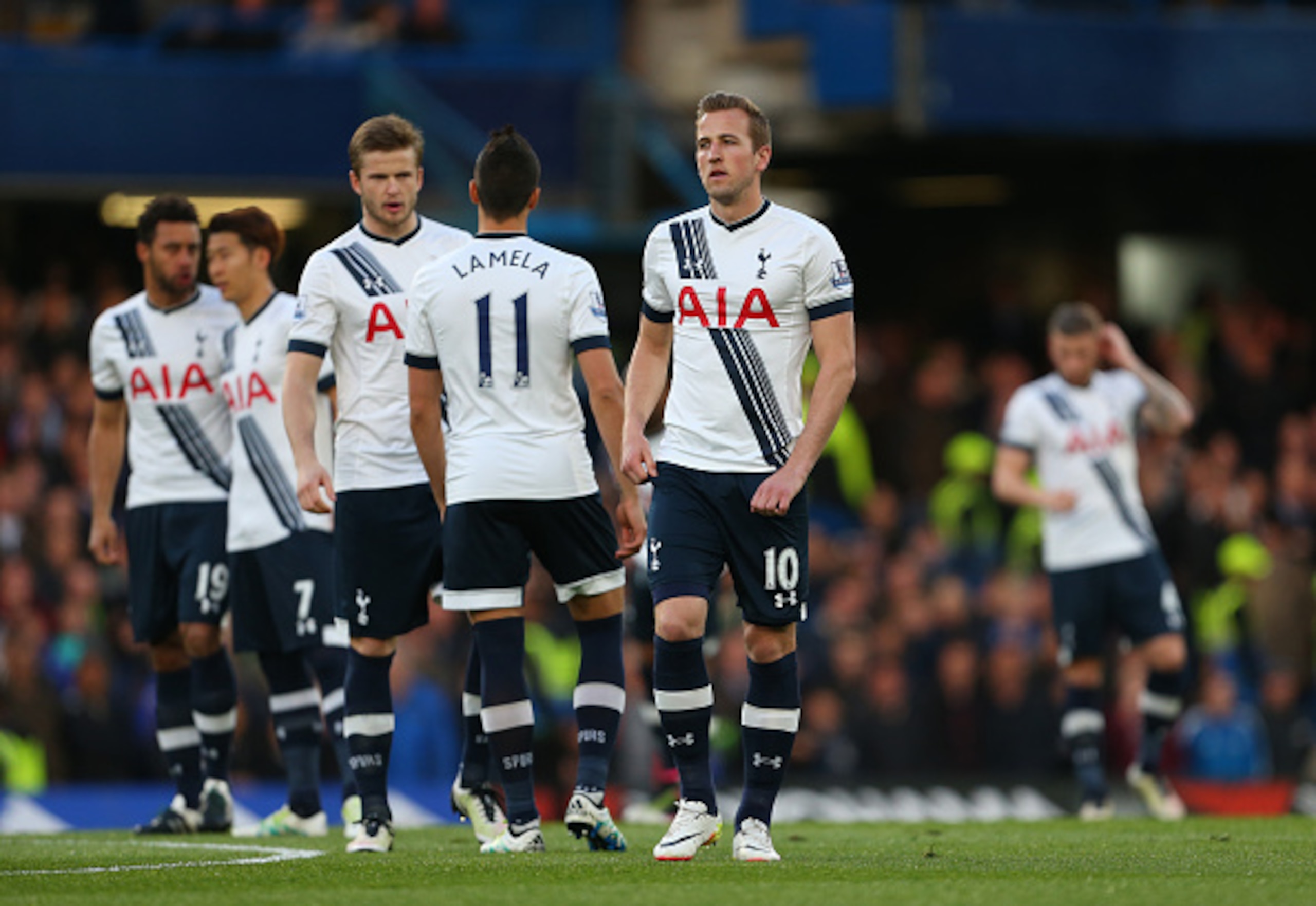
Still, while Tottenham will hope those late-season losses were just a product of the disappointment at missing out on the title, you do not lose 5-1 to a relegated team and just brush things aside.
It did not matter too much that Tottenham did not finish runners-up. Nevertheless, sealing that spot and proving their determination to finish above Arsenal would have shown they were not holidaying in such a lofty position, rather that even in disappointment they still had the mettle to produce and deliver the best possible result for their efforts.
Instead, that collapse of spirit reinforced the more negative aspects of Spurs' failed title challenge.
There were frustrating draws against mid-table opposition like Stoke City and West Bromwich Albion when they were unable see home wins that should have been theirs. On a few occasions when it mattered most—think January's confrontation with eventual champions Leicester City or May's costly lost-lead against Chelsea—they lacked the belief, single-mindedness and moral courage to get the necessary result (made all the more disappointing by positive results achieved against similar clubs like the Gunners, Manchester City and Manchester United).
All this sounds awfully simplistic and overlooks tactical and personnel circumstances that affected these occasions. But at the level Spurs are aspiring to, there is little room for excuses. You just have to win.
"I think it’s important for us to learn from this experience and try to, for the next season, improve," Pochettino said after losing 2-1 to Southampton in the penultimate match.
Pochettino often talked about the youth of his team (though somewhat contradictorily also praised its experience) as being a factor in some of their less satisfying performances. Whether it was, or if the team in general lacked the requisite knowhow in such demanding moments, this season could well stand Tottenham in good stead come next May.
Quotes obtained firsthand unless otherwise noted.


.jpg?w=2560 "Latest Peyton-Colts Rumors")
.jpg?w=2560 "Ugly Jets Scoring Stat 😳")

.jpg?w=2560 "Landing Spots for Trade Candidates 📍")