England's Win over Turkey Reinforces Broad Perceptions of Roy Hodgson's Squad
In any season or tournament cycle, certain matches can serve as a notable reference point for a team. Whether positively or negatively, they reframe the thinking of its direction, usually in a more pronounced manner than produced by more natural progression.
England achieved a 100 per cent winning record in their Euro 2016 qualifying campaign, bouncing back encouragingly after their disappointing early World Cup exit. But the recent game that feels most significant to the route they hope to be taking is their impressive, confidence-boosting 3-2 friendly win over Germany in March.



It was the moment improvements and developments in qualifying (good shape, attacking flair and less undeserved favouritism in selection), led by manager Roy Hodgson, firmly coalesced with the changing wind of the Premier League. Sunday's 2-1 win over Turkey—the first of three European Championship warm-up matches—reinforced the broad perceptions of the squad established out in Berlin's Olympic Stadium.
Simplifying them, they can be marked by the line between attack and defence: how England perform in the opposition half, and how they do in their own.
Harry Kane and Jamie Vardy both scored in their country's fightback against the world champions and did so again at the Etihad Stadium.
Kane was his usual proactive self at the head of the 4-3-3, and later when adapting to a more recognisable front two. He got involved wherever possible (including taking the majority of set pieces) but still offered an option on the shoulder of the Turkish defenders. His goal came from here, taking a through ball from Dele Alli and side-footing past Volkan Babacan (see below).
Vardy was a more peripheral figure up until the latter adjustment.
The designed intent of using his pace and industry to shuttle up and down the left flank worked in flashes, evoking the mix of menace and energy Hodgson liked in the injured Danny Welbeck. But Vardy looked happier in the thick of things centrally, closer to Turkey's goal and required less to defend his own.
From there he won a penalty (which Kane missed) and became a more frequent target for his team-mates. When his best chance came, he took it well, reacting quickest to Gary Cahill's header being pushed out (see below).
Over the build-up to the tournament—and possibly into it too—there will be further debate over what formation suits the two English leading scorers of this season's Premier League if they are selected together. That this could take precedence over the inclusion of the absent captain Wayne Rooney says a lot for how his newer international colleagues have quickly made an imprint on the team.
Comparisons with their final-third play in the Germany game were inevitably going to be stressed by Rooney missing out again. A fixture in the qualification process, he was injured on that occasion. This time he was only a day removed from his part in Manchester United's FA Cup triumph.
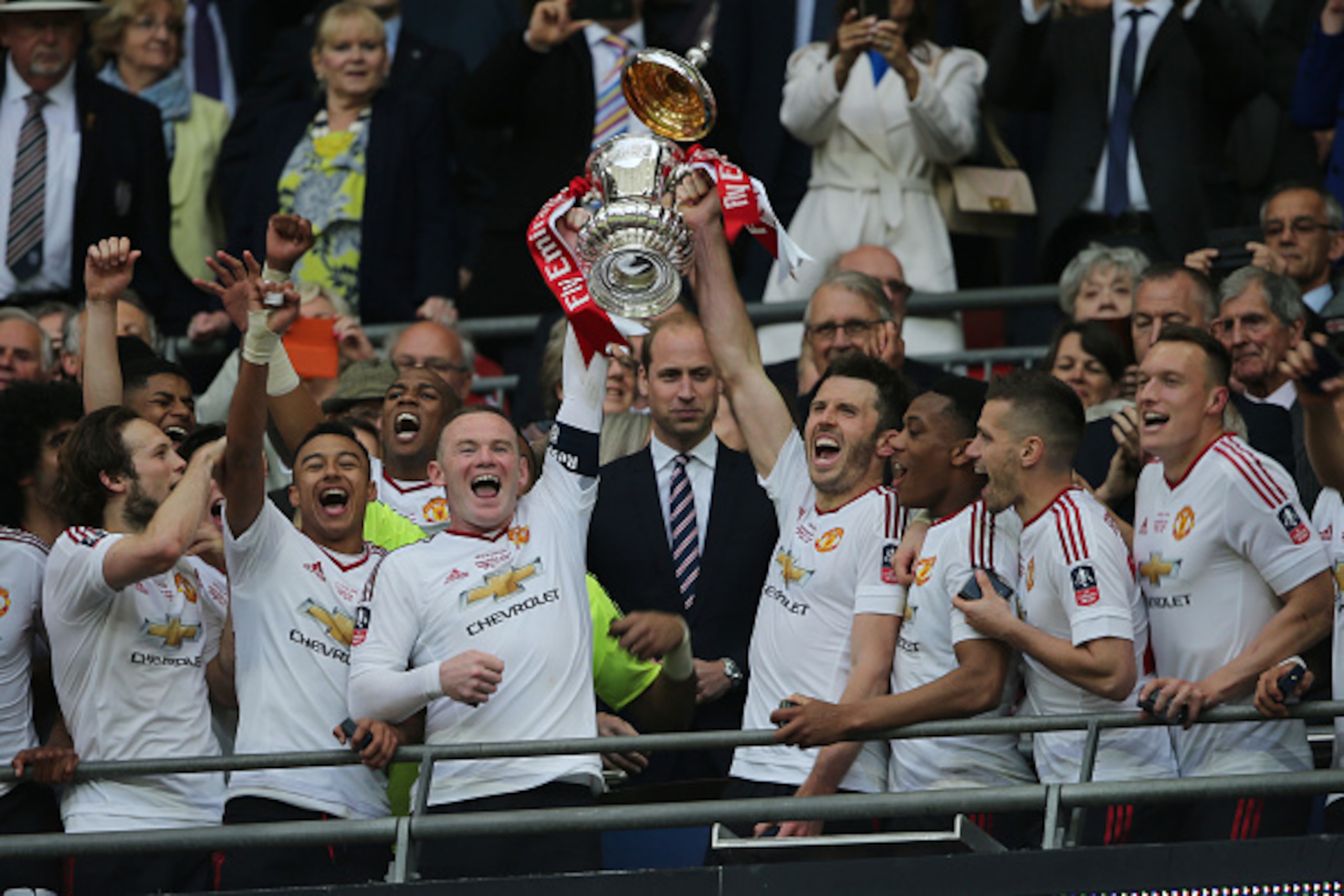
As England's all-time scorer, the veteran certainly still has value for Hodgson. He demonstrated that much in United's win over Crystal Palace, prompting and provoking his team's efforts from midfield.
But even the possibility of Rooney's involvement deployed further back is complicated by other stars of the Germany victory shining once more against Turkey.
Eric Dier's passing from deep was exemplary, while his Tottenham team-mate Dele Alli performed with typical vigour and daring. Jordan Henderson's all-action showing off the bench restated his credentials to be the third man in this trio, offering more with the game at 1-1 than the adequate but somewhat stiled Jack Wilshere did.
While the performance of England's attack positively—if not perfectly—replicated their encouraging showing out in Germany (service for the front men was mixed), the defence worryingly reflected its own erratic display too.
Nathaniel Clyne and Chris Smalling were unavailable after club exertions. That meant the Berlin back line was changed to include Kyle Walker and John Stones at right and centre-back respectively.
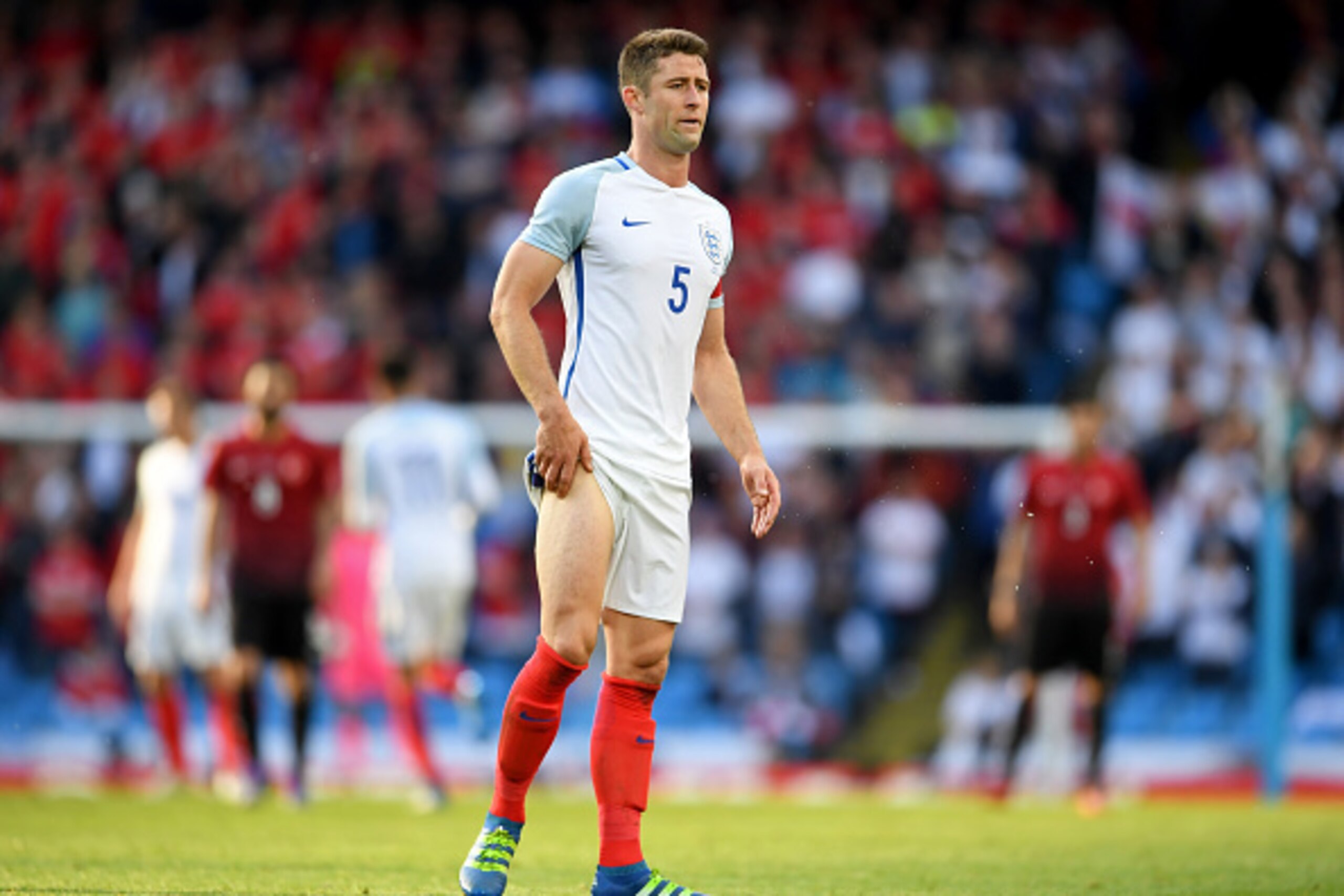
Though more necessary compared to the experimental alterations that followed the Germany game in the subsequent home loss to the Netherlands, it again—if unavoidably—highlighted the uncertainty that permeates through England's defence.
It is a concerning holdover from qualification that has not gotten better and is unlikely to given the resources at hand. Cahill's ball-watching is problematic, and the green Stones' concentration is just as worrying.
Walker was caught napping for Hakan Calhanoglu's equaliser while Danny Rose was often left isolated. That is as much a consequence of the central defence's clear inability to organise as any lack of protection from midfield.
There was good from England's defenders, particularly bringing the ball out from the back. Their shape behind the similarly well structured midfield was also well intended.
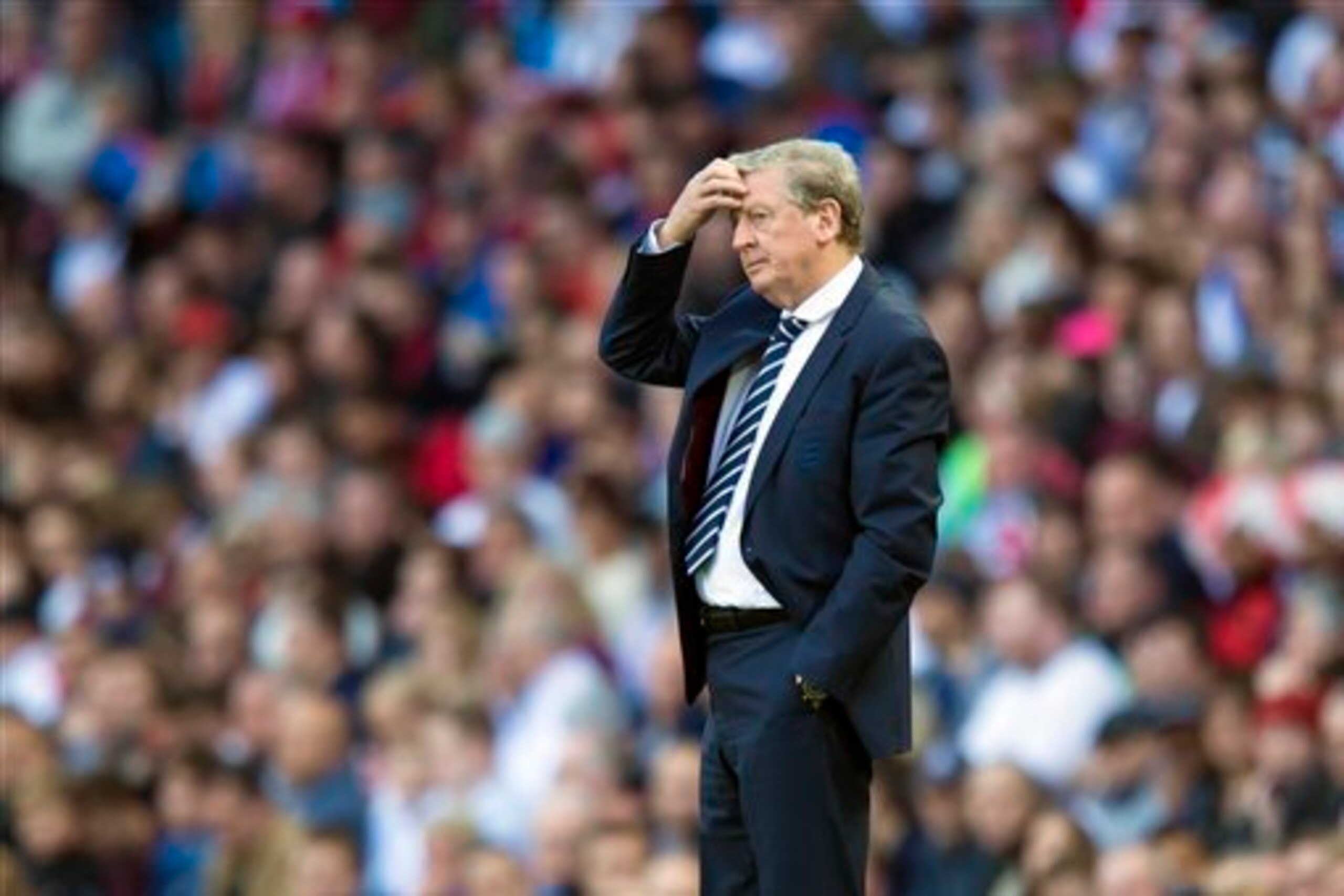
But if England as a defensive unit are going to allow opponents a little space on the flanks at the expense of damming up the middle, they need to be better prepared to defend when the ball is sent their way. Poor focus is inexcusable.
Australia are next on England's agenda this Friday before Euro 2016 preparations conclude with the visit of Portugal.
The performance of Hodgson's men against Turkey just about kept alive the promise of the win over Germany. Nevertheless, a lot of work is ahead if they are going to prove themselves when it really counts.


.jpg?w=2560 "Latest Peyton-Colts Rumors")
.jpg?w=2560 "Ugly Jets Scoring Stat 😳")

.jpg?w=2560 "Landing Spots for Trade Candidates 📍")