

Every season brings renewed hope for college football teams that once won a national championship but haven't hoisted the trophy recently.
But in some cases, the drought has reached multiple decades and might not have a realistic end in sight.
The list focuses on programs that have claimed at least one title and is limited to power-conference schools. A current "Group of Five" team such as Army (1946) or Navy (1926) simply gets a mention here.
Remember, only since 1998 has college football had a championship game. Before then, polls decided the No. 1 team, and programs could claim a title—which is recorded in the NCAA record book or a respective program's media guide.
10. Kentucky
1 of 10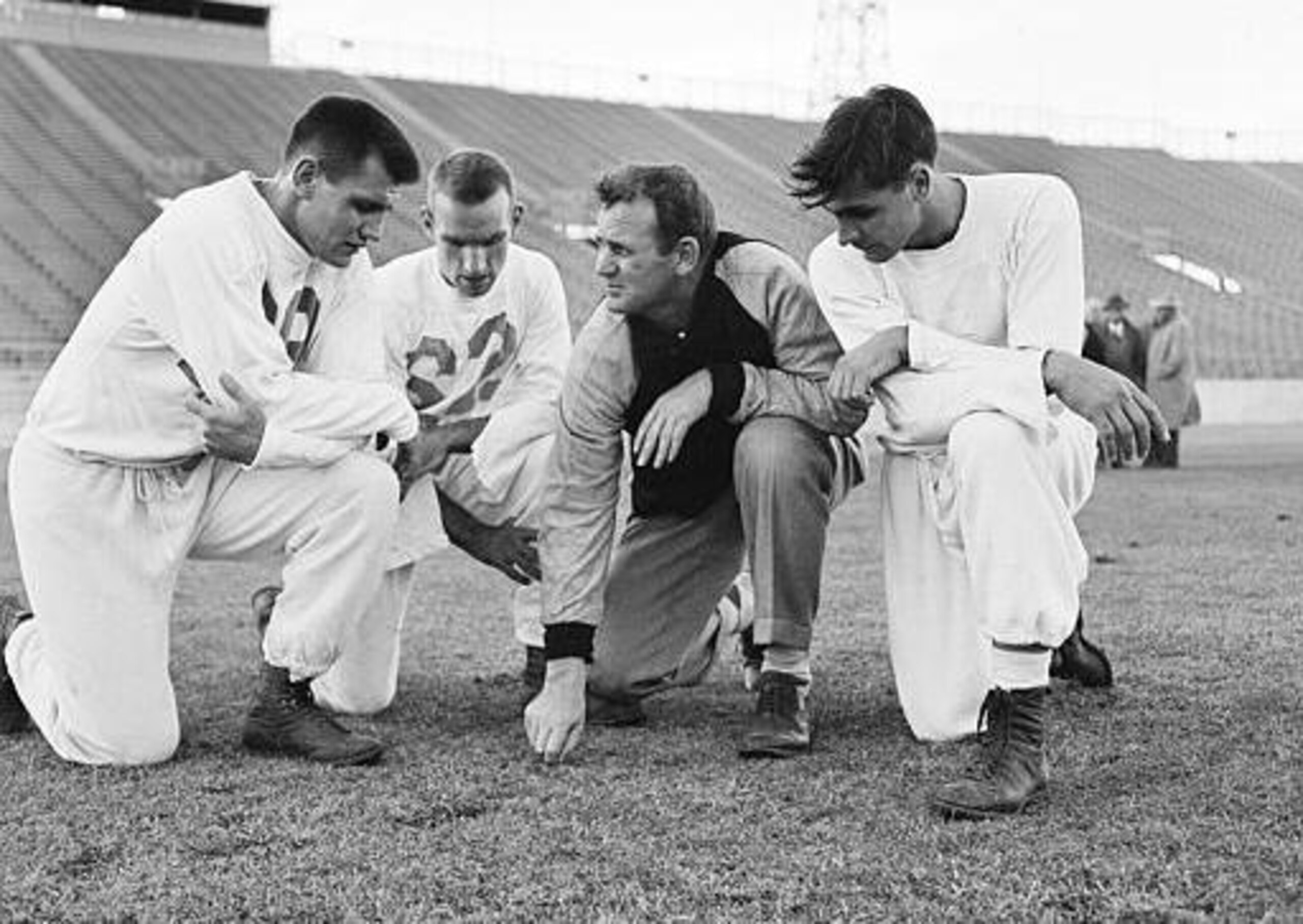
Drought: 66 years
Jeff Sagarin created a ratings system that retroactively awarded national championships, and Kentucky was one fortunate school.
Back in 1950, the Wildcats went 11-1 under the leadership of Bear Bryant—who later guided Alabama to six championships. They finished No. 7 in the AP poll after defeating top-ranked Oklahoma in the Sugar Bowl, yet the Sooners held that spot.
Sagarin's No. 1 ranking is the only championship Kentucky claims.
Since then: The Wildcats' best AP finish came in 1977. Fran Curci's team posted a 10-1 record and ended at No. 6.
9. Wisconsin
2 of 10
Drought: 74 years
Wisconsin has entered the AP poll every year since 1997, reaching as high as No. 4 nationally in five different years, but the Badgers have no championships to show for that consistency.
Instead, the program's last title was in 1942. Well, not according to the school.
The NCAA recognizes a championship the Helms Athletic Foundation awarded. Despite topping AP poll No. 1 Ohio State during the season, Wisconsin does not.
Perhaps a loss the following week knocked the hubris out of the Badgers, who were 8-1-1 while the Buckeyes finished 9-1.
Since then: Wisconsin earned a No. 2 AP ranking in 1962, losing the Rose Bowl to eventual champion USC.
8. Stanford and Boston College
3 of 10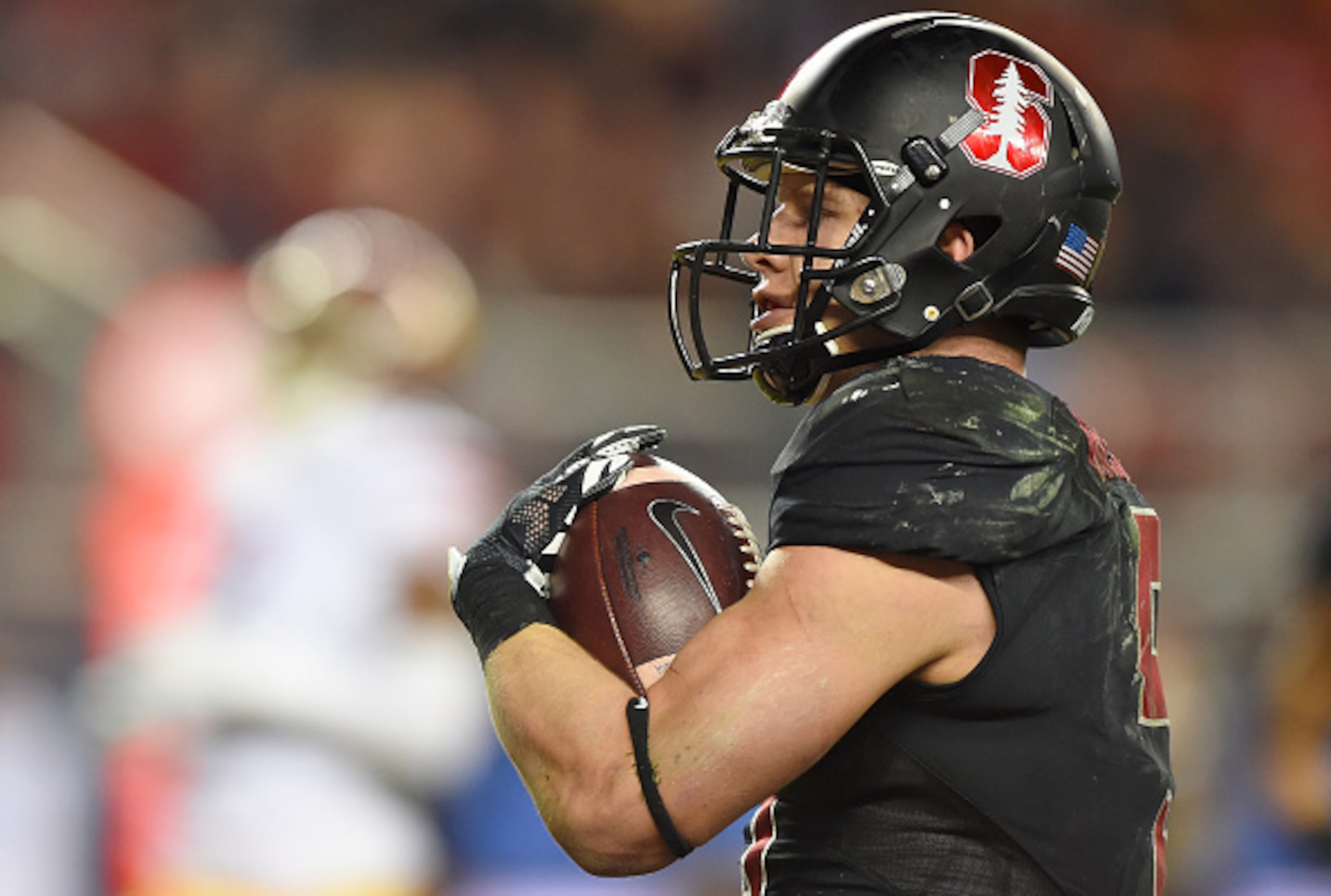
Drought: 76 years
Stanford assembled a stretch of national success when Jim Harbaugh was in Palo Alto, California, appearing in four straight BCS bowl games. Unfortunately for the Cardinal, it was never the right game for a title.
The 1940 Rose Bowl was exactly that, however. Stanford capped a 10-0 campaign with a 21-13 triumph over Nebraska.
In Boston College's media guide, the school claims a national championship the NCAA doesn't recognize. But with an 11-0 record and Sugar Bowl victory, it seems reasonable enough to mention.
Since then: Christian McCaffrey and Co. helped Stanford finish No. 3 in 2015. However, the Cardinal missed the College Football Playoff. Boston College ended at No. 5 in 1984.
.png?w=2560)
7. Texas A&M
4 of 10
Drought: 77 years
Although Texas A&M lists seven undefeated seasons, its lone championship followed an 11-0 year in 1939.
Unlike the previous Kentucky, Wisconsin, Stanford and Boston College teams, the Aggies secured the AP championship. Texas A&M allowed 31 points all season and won the Sugar Bowl.
College Football Hall of Fame inductee John Kimbrough led the Aggies with 634 rushing yards and 11 touchdowns.
Since then: Bryant and Kevin Sumlin guided Texas A&M to No. 5 AP finishes in 1956 and 2012, respectively. The 10-0-1 squad in 1994 was not eligible for postseason play because of NCAA sanctions.
6. TCU
5 of 10
Drought: 78 years
Selectors chose Tennessee more than TCU in 1938, but the latter secured the championship (AP) that mattered most.
Under the leadership of head coach Dutch Meyer and quarterback Davey O'Brien, the Horned Frogs finished 11-0 with a Sugar Bowl win. O'Brien tossed 19 touchdowns and just four interceptions.
Three members of that team—Meyer, O'Brien and center Ki Aldrich—are enshrined in the College Football Hall of Fame.
Since then: TCU's 13-0 record in 2010 was good enough for No. 2 behind Cam Newton and Auburn. Under Gary Patterson, the Horned Frogs have five Top Seven finishes since 2008.
5. California
6 of 10
Drought: 79 years
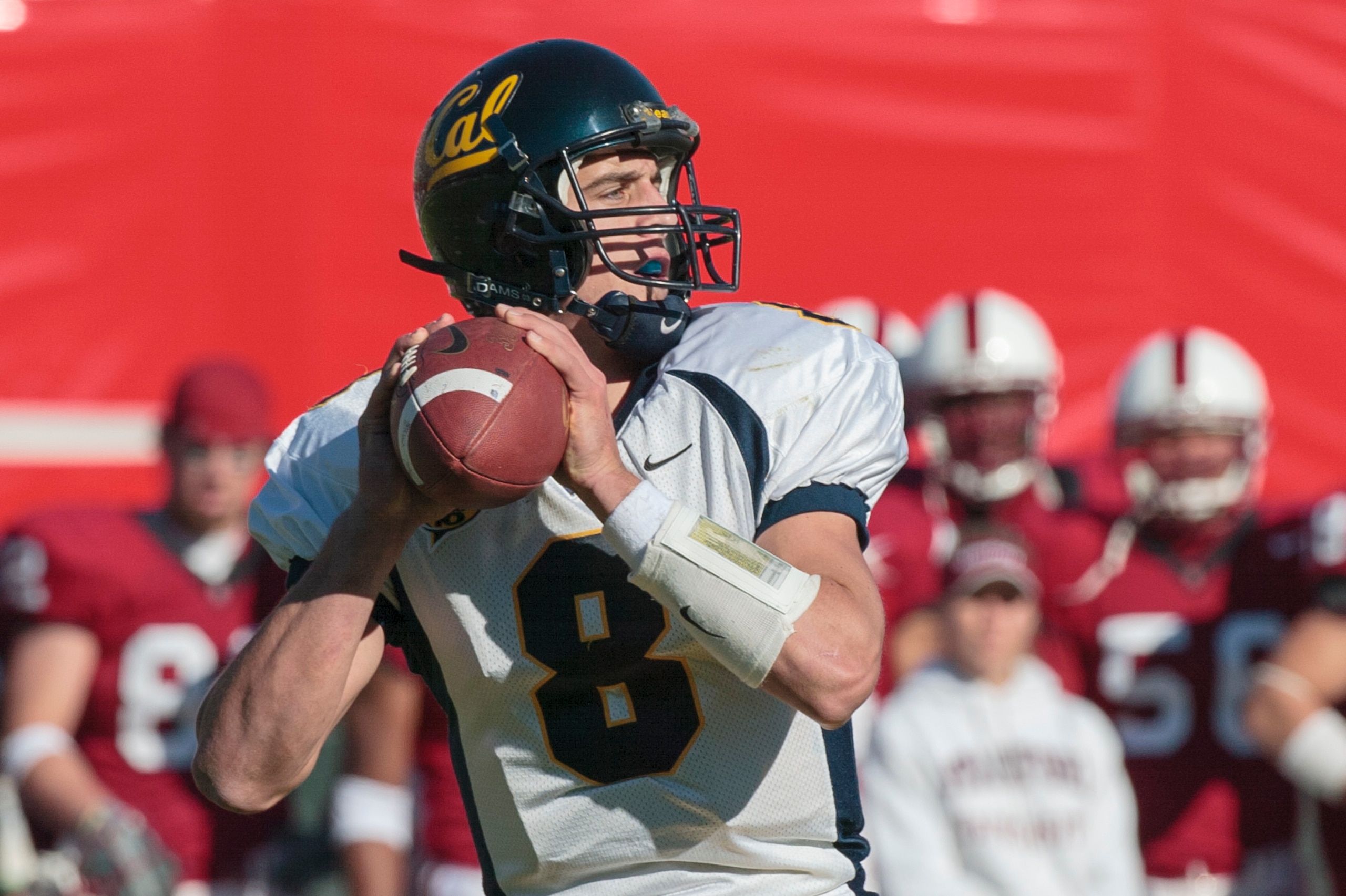
From 1920 to 1923, Cal was a dominant force in college football. It received three straight National Championship Foundation titles and added a Houlgate crown in 1923.
And while Pittsburgh owns 13 of the 15 championships recognized for 1937, the Golden Bears proudly claim their last of five titles.
Cal went 10-0-1 and defeated three ranked opponents, including USC and Stanford before upending Alabama in the Rose Bowl.
Since then: The Golden Bears put together three consecutive Top Five AP finishes from 1948 to 1950 under Pappy Waldorf, but their first season loss was in the Rose Bowl each time.
4. Duke
7 of 10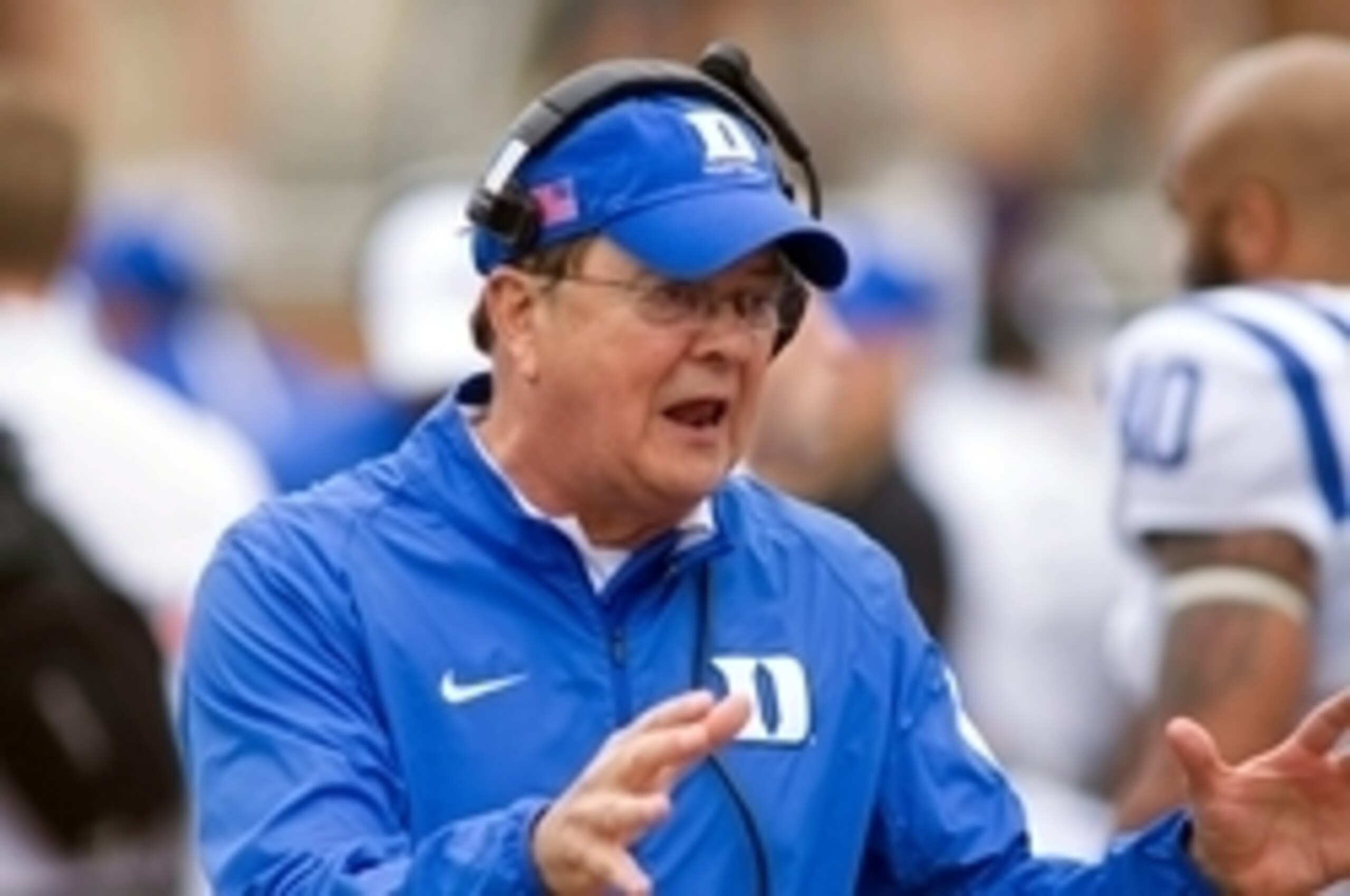
Drought: 80 years
David Cutcliffe has helped Duke regain relevancy, but that doesn't equate to a national title.
The only time that ever happened was in 1936—kind of. Like Wisconsin, Duke doesn't claim its lone available championship.
After finishing 9-1, the Wallace Wade-led Blue Devils retroactively sat atop the Berryman Quality Points Rating System despite a No. 11 standing in the final AP poll.
Since then: In 1938 and 1941, Duke probably would've had chances to claim a national championship, but both seasons ended with Rose Bowl losses.
3. Purdue
8 of 10
Drought: 85 years
Parke Davis—who played for Princeton and coached three schools during the 1890s—decided to pick a national champion for every season in college football history.
His selections covered the 1869-1933 campaigns and included 1931 Purdue. Once again, the school doesn't claim it, but the NCAA recognizes the title.
The Boilermakers went undefeated four times, but this 9-1 season earned a championship in a year otherwise dominated by USC.
Since then: Purdue's 9-0 squad in 1943 recorded a program-best No. 5 AP final ranking.
2. Vanderbilt
9 of 10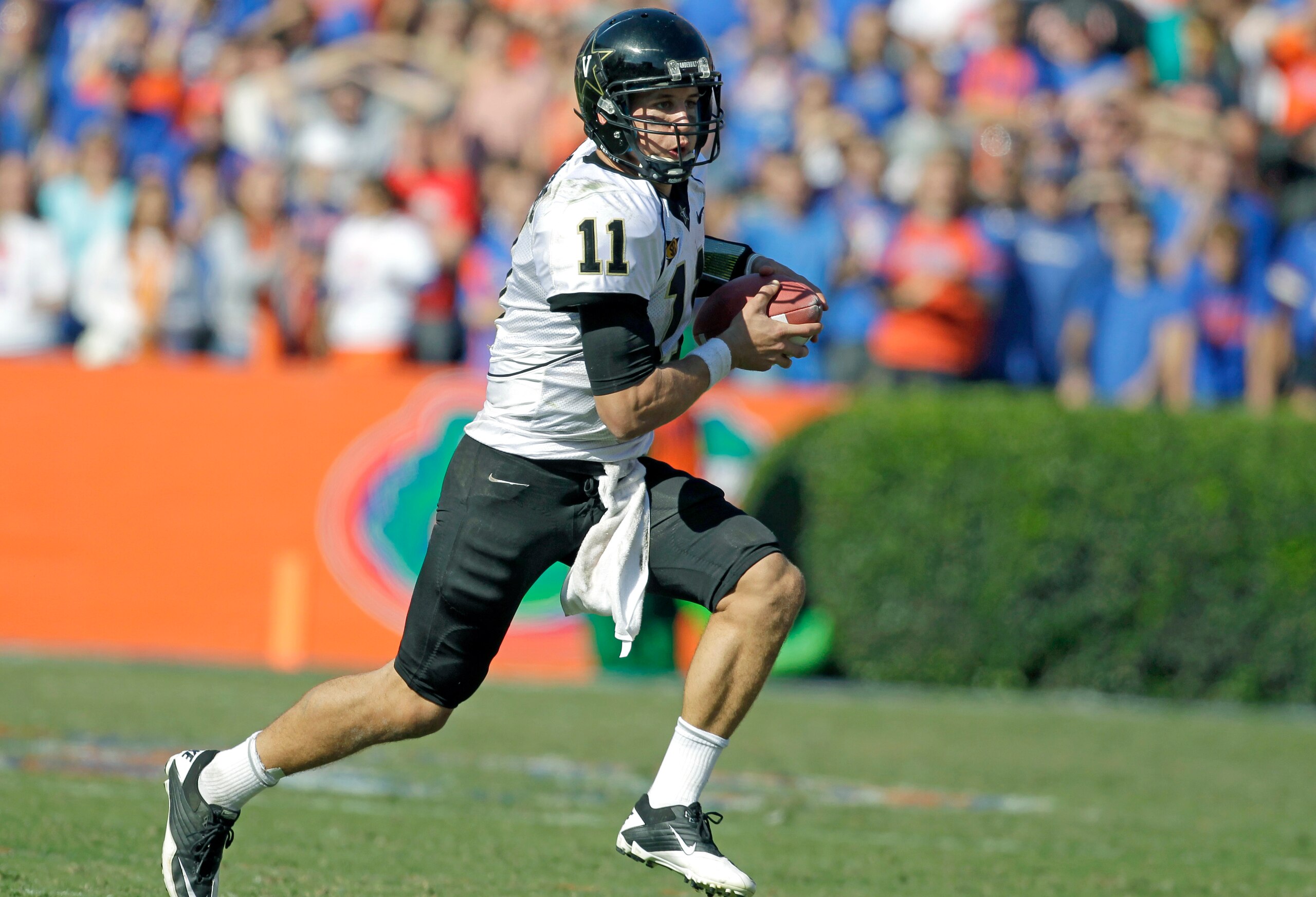
Drought: 94 years
"Former pro quarterback" Jordan Rodgers is a little bolder than his alma mater Vanderbilt, which doesn't boast the 1921 or 1922 national championship.
Similar to Duke, though, the Commodores could stake a claim to a title thanks to the Berryman QPRS. In 1922—the inaugural season of the Southern Conference—Vandy was 8-0-1.
The Commodores surrendered just 16 points all year, earning victories over Texas, Tennessee, Kentucky and Georgia.
Since then: After a No. 12 AP ranking in 1948, Vanderbilt didn't return to the final AP poll until 2012, with the eventual "former pro quarterback"—who never played an NFL game—under center.
1. Rutgers
10 of 10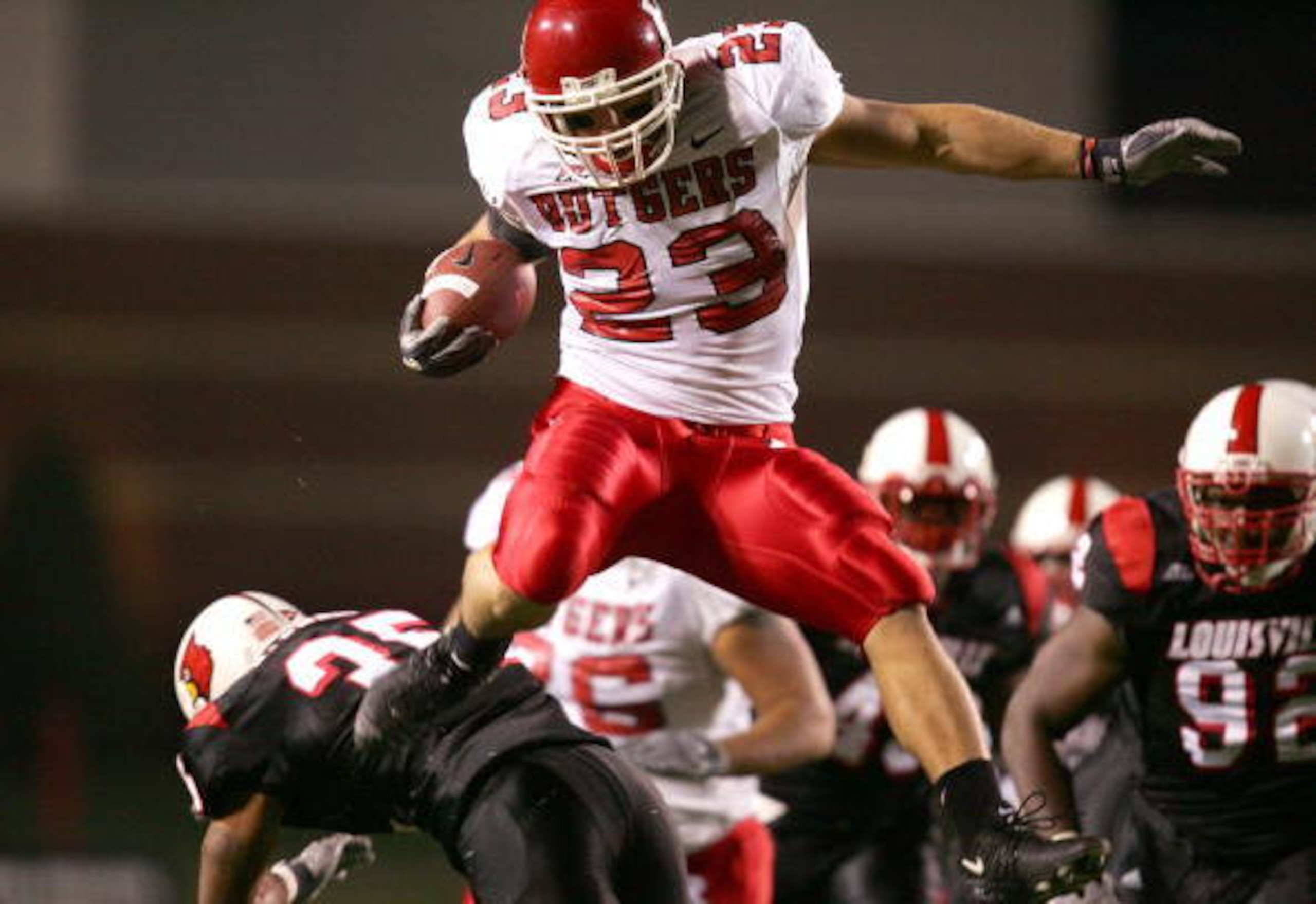
Drought: 147 years
We can only assume Rutgers is working under a "Start Strong, Finish Strong" philosophy. Davis awarded the State University of New Jersey a title for 1869, the first year of the sport.
The Scarlet Knights shared the title with Princeton—Davis' co-champion—because both teams were 1-1.
But former running back Brian Leonard is college football's champion of open-field hurdling, and that has to count for something.
Maybe just in our hearts.
Since then: Rutgers' best AP finish was No. 12 in 2006. Undefeated seasons in 1961 and 1976 resulted in mid-teens final rankings.
Stats from cfbstats.com or B/R research. Quotes obtained firsthand unless otherwise noted. Follow Bleacher Report CFB Writer David Kenyon on Twitter @Kenyon19_BR.
.jpg?w=2560 "Florida Shooting")
.png?w=2560)


.jpg?w=2560 "Latest Peyton-Colts Rumors")
.jpg?w=2560 "Ugly Jets Scoring Stat 😳")

.jpg?w=2560 "Landing Spots for Trade Candidates 📍")