
2016 NFL Rookies in Best Spots to Make Instant Impact
It's May, so draft grades are flooding the NFL media landscape. What they are judging can be vague, though.
The Jacksonville Jaguars can be highly rated for using a draft pick on Myles Jack, a perceived short-term talent, while the Dallas Cowboys can be praised for drafting Jaylon Smith, who is likely to "redshirt" in 2016.
If that is the case, what's being graded? Is it as simple as how many buzz-worthy names each franchise brought in?
In an attempt to give a stale period in football a different spin, we looked into the top 40 picks in terms of scheme fit and created a list of eight players, from seven teams, who are the best "fit" for their respective franchises.
Even rotational players in great situations should be high-impact athletes early on in their careers. For example, Aldon Smith didn't start a game in his rookie year with the San Francisco 49ers in 2011, but he still posted 14 sacks.
Ezekiel Elliott, RB, Dallas Cowboys
1 of 7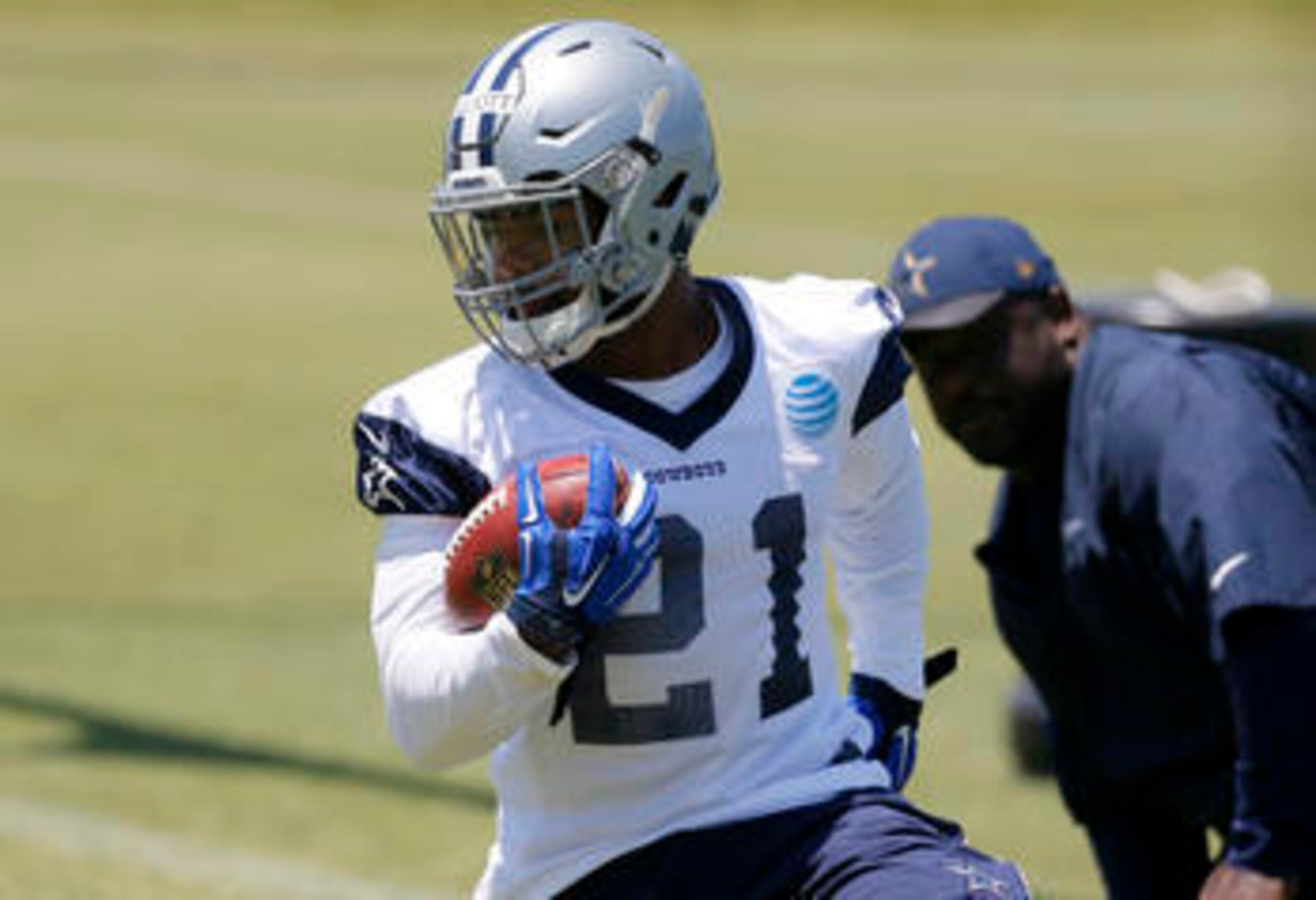
Say what you want about the value of running backs, but Ezekiel Elliott is a great fit with the Dallas Cowboys. You can make the case that the value for backs long term means nothing after they hit about 28 years old, but that is three contracts away for the 20-year-old Ohio State product.
In the meantime, opponents should be frightened by the potential of Elliott behind the Cowboys line of Tyron Smith, La'el Collins, Travis Frederick, Zack Martin and Doug Free. Smith, Frederick and Martin are 25-year-olds, at positions which generally age well. Collins is just 22.
If the squad can find a long-term right tackle to replace the 32-year-old Free, the Cowboys may have an elite line and running back combo for two Elliott contracts.
This is in a league where 13 of the 32 2013 first-round picks did not see their fifth-year team options picked up, and Dion Jordan's judgment day has been bumped up a season after he was suspended for 2015.
When Elliott was gifted with a talented offensive line with the Buckeyes, he was able to run all over talented defensive fronts.
In the 2014 National Championship Game, Ohio State faced the Oregon Ducks, whose defensive line included two future first-round picks in DeForest Buckner and Arik Armstead. Elliott posted 246 rushing yards and four trips to the end zone.
Elliott looks like a 1,000-yard rusher out of the gate.
The Jacksonville Duo
2 of 7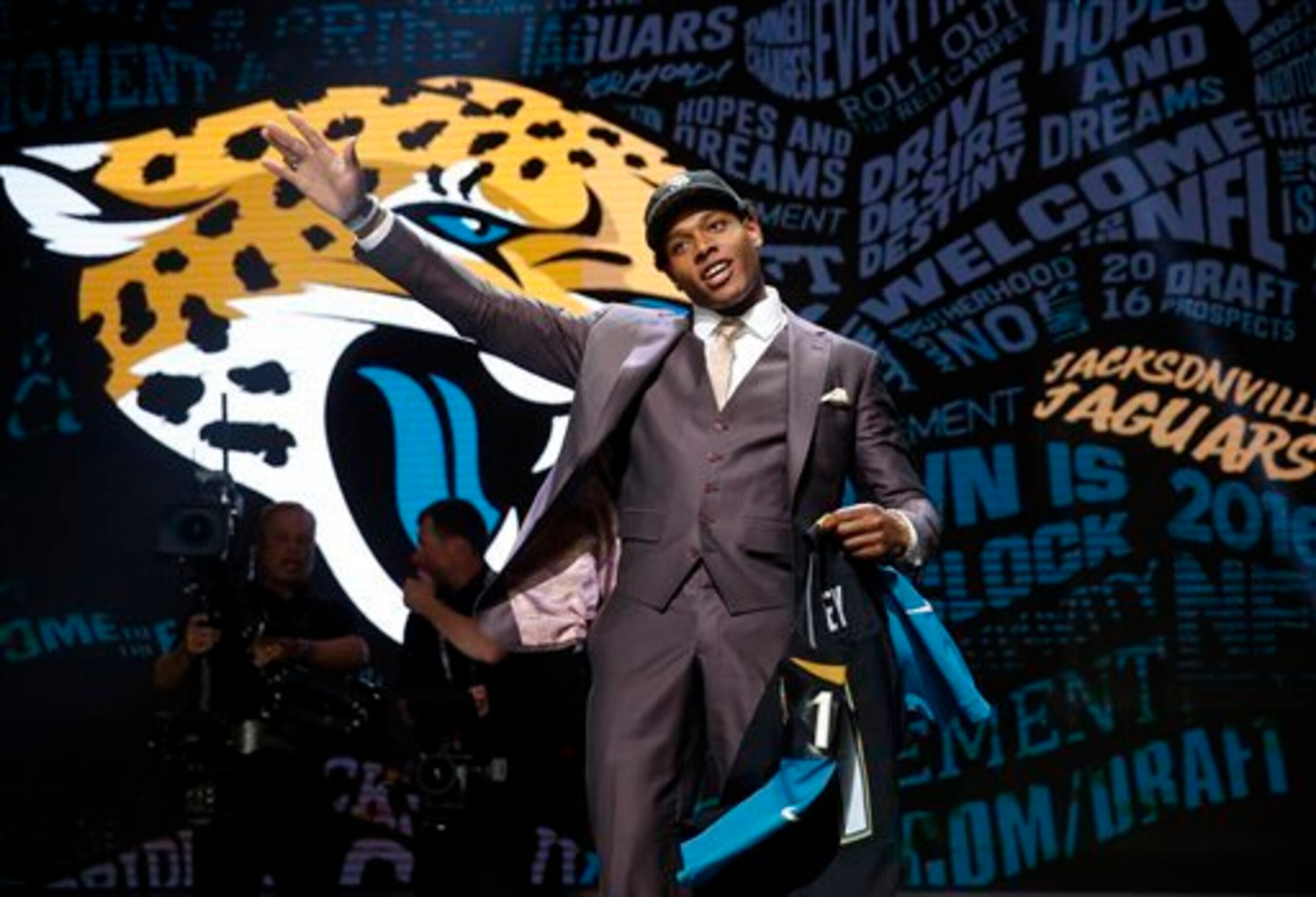
Gus Bradley's Jacksonville Jaguars have struggled to a 12-36 record under his guidance, but the defensive guru may have realized something: It's easier to plug-and-play on the defensive side of the ball than on offense.
With a functioning offense under quarterback Blake Bortles, running backs T.J. Yeldon and Chris Ivory and pass-catchers Allen Robinson, Allen Hurns and Julius Thomas, the 2016 draft meant defense.
Would they take pass-rusher Joey Bosa (he ended up going No. 3), cornerback Jalen Ramsey or linebacker Myles Jack? We know what happened, and it looks like a coup for Jacksonville.
Bradley wants to mimic the Seattle Seahawks defense, which he assisted in building before leaving for northern Florida. What does that entail? A lot of Cover 3 looks, where longer cornerbacks are told to suffocate vertical receivers down the sideline, which is perfect for the 6'1" Ramsey.
When you look at the stout, explosive projected middle linebacker, Jack, the first name that comes to mind is Bobby Wagner, another freak athlete. He has been the staple of Seattle's defense since 2012 and has made back-to-back All-Pro teams.
Both Ramsey and Jack should make a huge impact for the Jaguars immediately.
DeForest Buckner, DL, San Francisco 49ers
3 of 7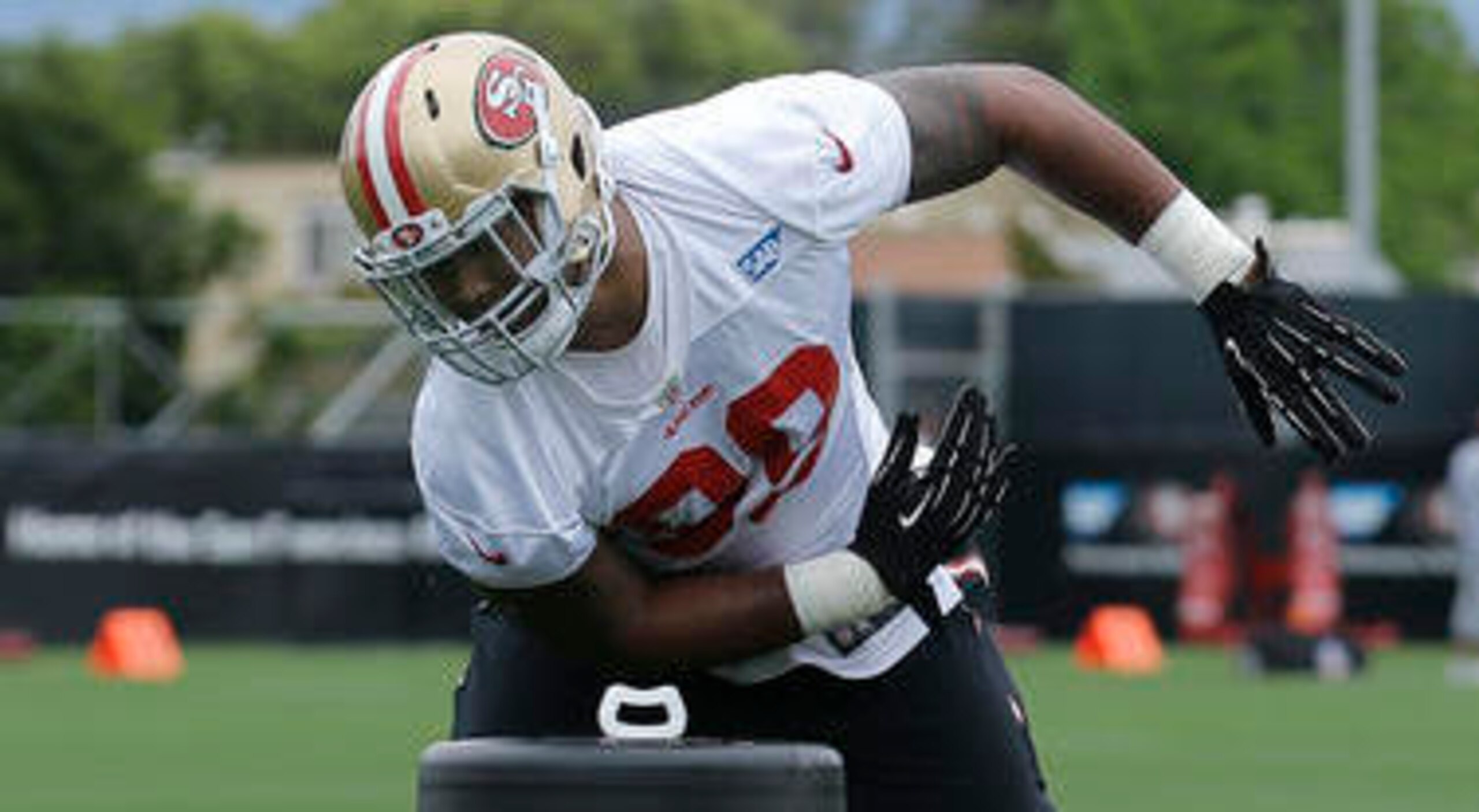
DeForest Buckner was a talented defensive lineman at the University of Oregon, but he needed the right home in the NFL.
In the Ducks' conservative 3-4 defense, they relied on a three-man pass rush more often than any professional team. Buckner, as a primary pass-rusher, flashed against Pac-12 offensive linemen, who generally aren't up to par with those in the Big Ten or SEC.
Buckner's 6'7" frame and 34-inch arms are a positive in true 3-4 defenses, which Oregon played, but are rare in today's NFL. In a non-5-technique role, Buckner would have to kick inside to 3-technique, where a 6'7" player is a liability against double-teams due to leverage issues. Otherwise, he would play outside in an edge-defending role, where he's limited enough athletically that you wouldn't imagine him as an impact player.
In San Francisco, he's allowed to play as a 5-technique defensive end, as his head coach, Chip Kelly, employs Jerry Azzinaro, Oregon's old defensive line coach who recruited and molded Buckner. Buckner will also play opposite former first-round pick Arik Armstead, the same pairing Oregon had during their national championship appearance.
In Philadelphia, the Kelly-coached Eagles ran a true 3-4 defense fairly often. There were a handful of teams who were perfect fits for Buckner, and he landed with the best option.


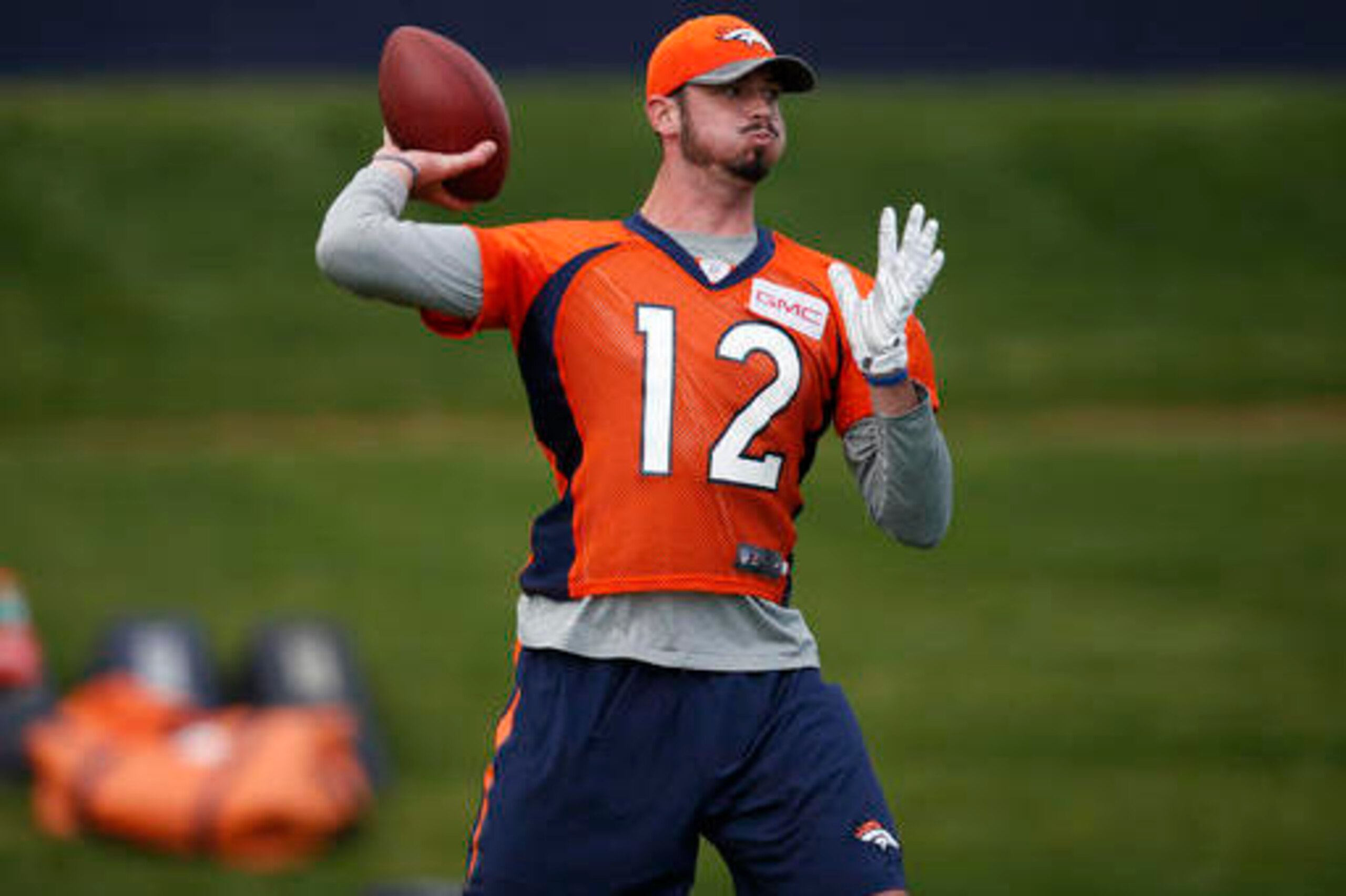
Paxton Lynch, QB, Denver Broncos
4 of 7
It is now the Gary Kubiak show in Denver. While quarterback Peyton Manning led the team to a championship, the future Hall of Famer's positives and negatives didn't fit Kubiak's scheme, which likes to take advantage of a moving pocket.
After an overtime game against the Cleveland Browns and a bye week, Kubiak switched his offense for a typical Manning-like scheme, which featured more scan and strike concepts than late-in-the-down deep passes.
In 2016, expect Kubiak to return to his old ways. There is no square-peg Manning the media will crucify him for not using to his strengths this season in Denver.
The Broncos used their first-round pick on Manning's replacement, after slated starter Brock Osweiler left for Kubiak's former franchise in Houston. The 26th overall pick was used on Paxton Lynch of Memphis, a 6'7" passer with mobility.
If you watch Lynch's early-season film, when they were moving him around the pocket more often, you'll realize how versatile he is. Without him, the Tigers don't upset Ole Miss, the only program to beat the national champion Alabama Crimson Tide.
In the selection of Lynch, the Broncos found a better scheme fit than Manning and a cheaper alternative than Osweiler. In a league in which contract value wins championships, Lynch makes a lot of sense.
Kenny Clark, DL, Green Bay Packers
5 of 7
In the Dom Capers era of Green Bay Packers football, his defenders must be able to blitz or drop into coverage on a moment's notice, from cornerback to nose tackle. That's the way one of the founding fathers of the zone blitz envisions football.
It's how he's schemed players like the 337-pound B.J. Raji into playoff pick-sixes. Raji, the team's best defensive lineman under Capers, took a one-year hiatus this offseason, which left a massive hole in the front of the defense.
The team addressed the unit early by taking Kenny Clark of UCLA with the 27th overall pick.
For a player of Clark's density (6'3", 314 lbs), he's a great athlete. His bull rush is impressive enough to provide an impact on passing downs, even as a 20-year-old, and his combine suggests he has the versatility to make spot drops into coverage like Raji did.
Capers wants to blitz from all angles so quarterbacks don't know who is coming or dropping on a given down. Clark provides the ability to do so, which is the fast track to getting on the field early in Green Bay.
Vernon Butler, DL, Carolina Panthers
6 of 7
In the predraft process, there is generally one question with each prospect that is brought up over and over. For Louisiana Tech's Vernon Butler, it was position fit.
At 323 pounds, Butler looks more like a nose tackle than an under tackle, but he penetrates enough to play as a 3-technique. Athletically, though, he's nowhere close to a Geno Atkins or Ndamukong Suh.
His best scheme fit was always a flexible defense that would let him play 3-technique on early downs and nose tackle, where he's more of a pass-rusher on the sliding scale of interior positions, on passing downs. The Carolina Panthers move their two starters, Kawann Short and Star Lotulelei, between both under tackle and nose tackle consistently.
In that role, Short, who ran a 5.08-second 40-yard dash and a 7.55-second three-cone at his pro day coming out of Purdue, posted 11 sacks in 2015. Despite his "limited" on-paper athleticism, he still tied Atkins, an all-world athlete, with sacks for full-time interior pass-rushers.
Carolina's defense is perfect for Butler. Fundamentally strong defensive linemen free up the Panthers' linebackers in coverage, which make zones smaller for safeties and cornerbacks. That scheme might be why the team elected to free All-Pro cornerback Josh Norman from his franchise tag just before the draft. They are creating a defensive program with plug-and-play options based on scheme fit.
With Short and Lotulelei already established, don't expect Butler to be a starter early in his career, but the interior defensive line is the highest rotated position in the sport.
Short is on the last year of his contract, and Lotulelei just had his fifth-year option picked up. Butler will start in either 2017 or 2018, but until then, he's a high-end rotational player and contract leverage. As a 21-year-old coming from a mid-major program, you couldn't have drawn up a better fit.
Chris Jones, DL, Kansas City Chiefs
7 of 7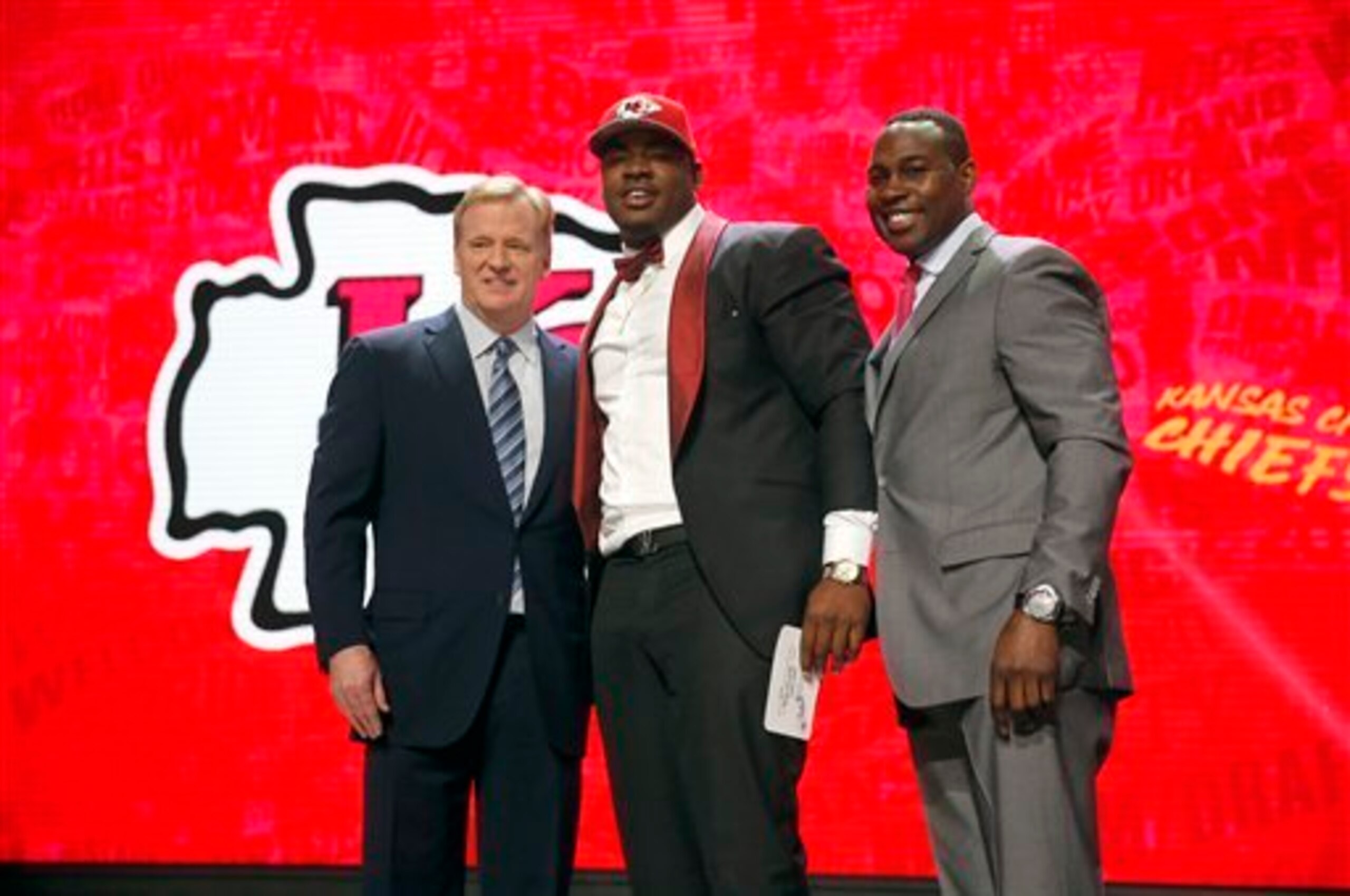
The Kansas City Chiefs traded back into the second round with their first selection of the 2016 draft. With Allen Bailey and Dontari Poe as foundation pieces of their defensive line, the Chiefs had one more defensive end role to fill in their 3-4 defense for maximum impact.
They filled that spot with Chris Jones of Mississippi State. Jones had an up-and-down career with the Bulldogs after a freshman All-American season, a sophomore slump and a return to flashy play as a junior. Coming out of high school, he was a blue-chip recruit by anyone's standard; talent has never been the issue.
Chiefs general manager John Dorsey has had success in the past with "red flag" guys, like 2015 first-round pick Marcus Peters of Washington. If Dorsey can get Jones to put out consistent effort on the field, he can be a Muhammad Wilkerson clone, a player who Mock Draftable compared Jones to athletically.
With Justin Houston potentially missing 2016, Kansas City might even experiment with playing Jones as a primary pass-rusher as a rookie, which isn't typical for a 310-pounder. Dorsey got Peters to win the Defensive Rookie of the Year Award in 2015. Don't be surprised if he does the same with Jones in 2016.
.jpg?w=2560 "LA Premiere of \"Chad Powers\"")


.jpg?w=2560 "Ugly Jets Scoring Stat 😳")
.jpg?w=2560 "Landing Spots for Trade Candidates 📍")