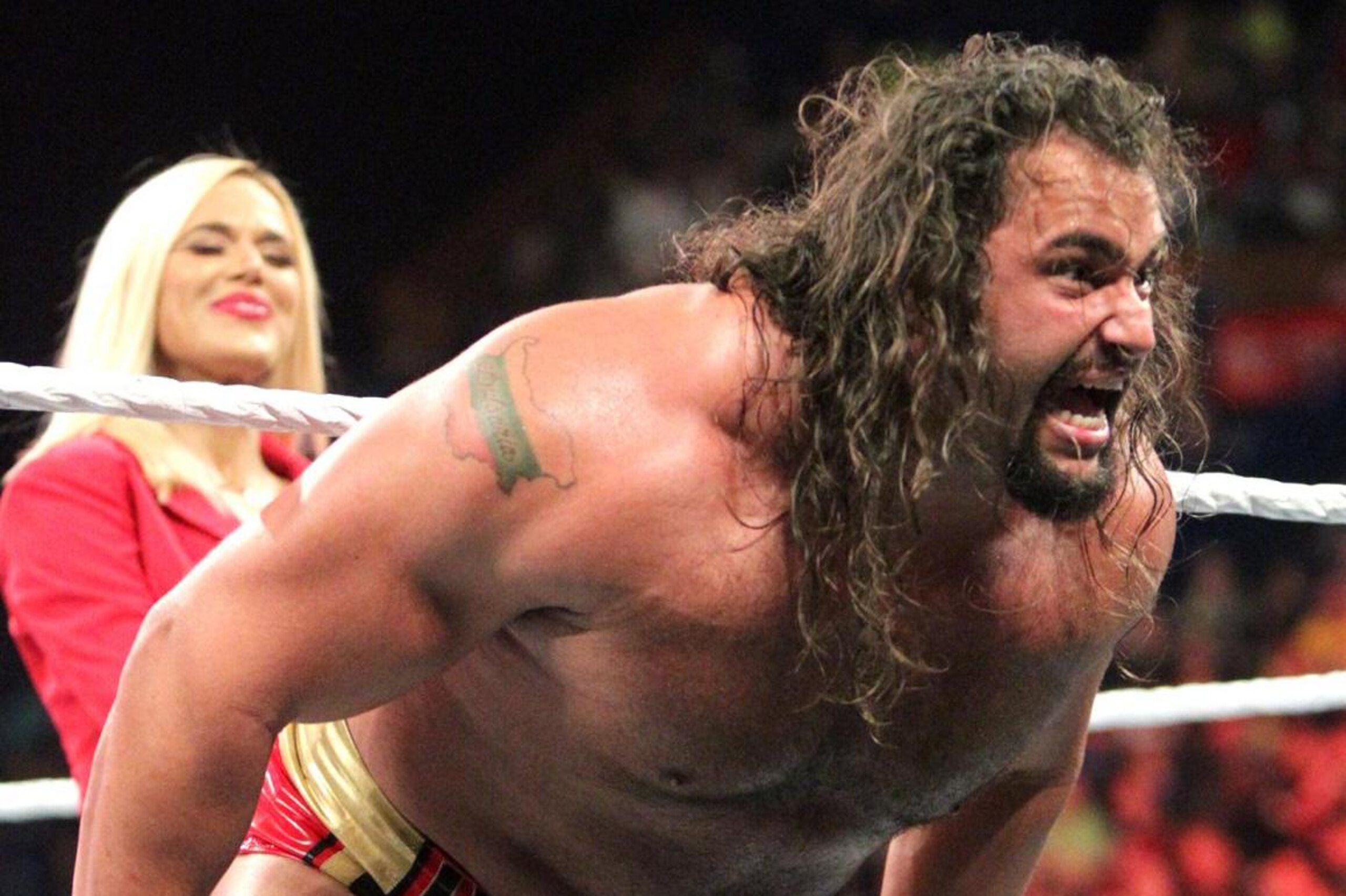


Rusev made a major resurgence Monday night on Raw, winning a Battle Royal to become the No. 1 Contender to Kalisto's United States Championship.
After months of relative obscurity as a spare part in the League of Nations, the Bulgarian Brute once again has an opportunity to shine as a singles performer—and all it took was a shot at a secondary title.
There's a new era getting underway in WWE, and it's bringing change to various aspects of the company's product. While we're still at an early stage of the process, it seems that the United States Championship and the Intercontinental Championship might be on the verge of renewed relevancy.
TOP NEWS
Latest Wrestling Rumors
WWE and AEW's Mount Rushmore for Today's Era ⛰️
Predictions on Road to Survivor Series
In recent years, midcard titles have lost their way; the Intercontinental Championship is a prop for wrestlers who aren't quite worthy of the world title, and the United States Championship seems to be little more than a tool used to facilitate pre-show matches.
There's much more benefit to using a secondary title to showcase the hungriest and most talented wrestlers on the roster.
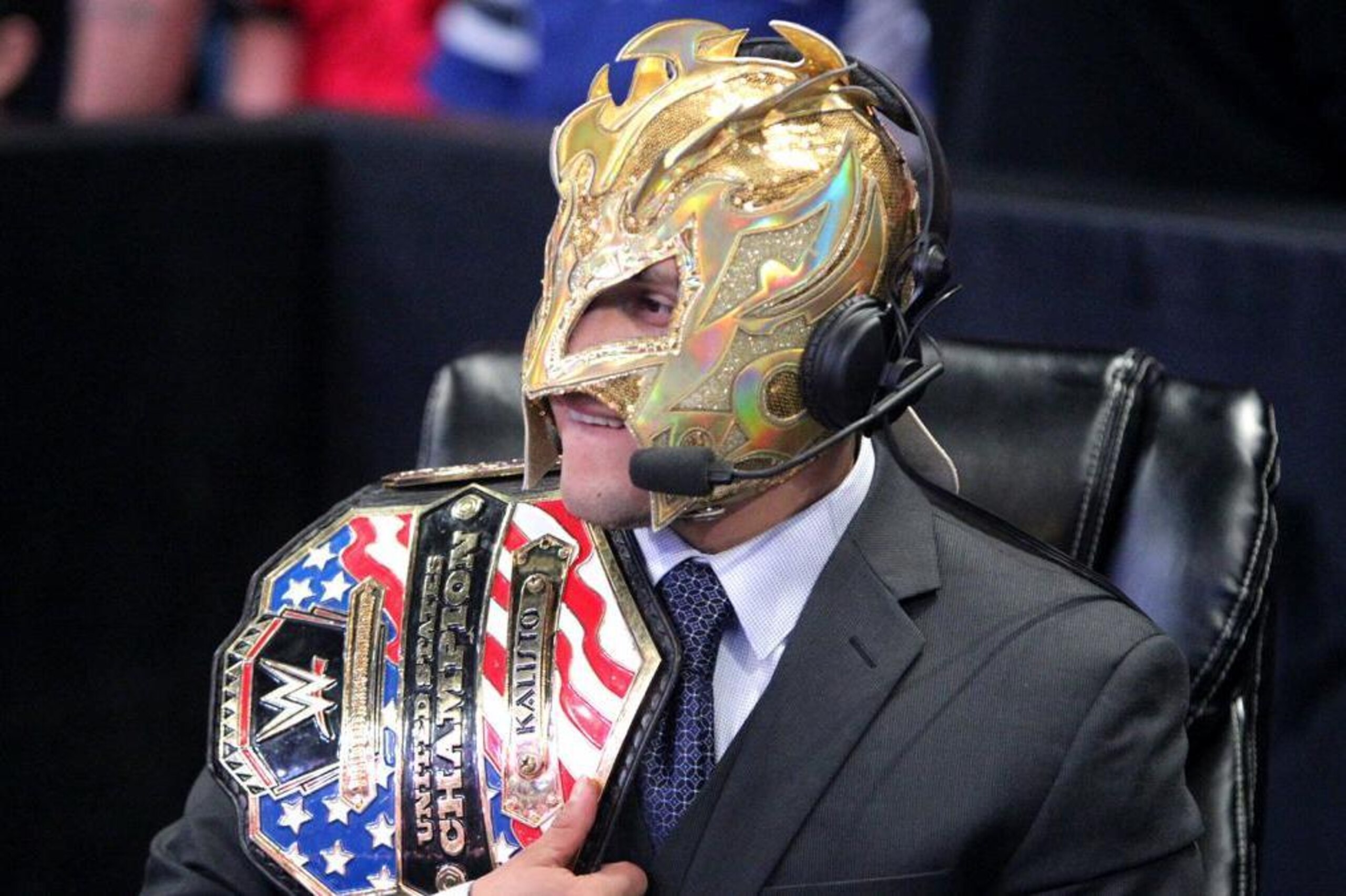
As it stands, the list of athletes signed to WWE is perhaps the best that it ever has been. It's a competitive scenario—and there certainly isn't room for every deserving individual to make a challenge at the WWE World Heavyweight Championship.
That's where the secondary titles should come in. The world champion is the face of the brand and the focus of the show—but the Intercontinental champion and the United States champion should be workhorses who are willing to go above and beyond to demonstrate what they can do.
This means putting on great matches with the gold on the line. This means forging a connection with the audience, one way or another. This means being at the helm of the character that sets the individual apart from everyone else on the show.
Given the level of talent that WWE has access to, secondary titles can no longer be an afterthought.
Look back to the sort of wrestlers who made the Intercontinental Championship their own in the past. Many would point to someone like Mr. Perfect. Chris Jericho would definitely be on the list. Randy Savage may have only had one run with the gold, but it was so memorable that he's certainly among the greatest champions.

These wrestlers didn't treat the belt like it was a stepping stone to the world title; to them it was the world title, for all intents and purposes.
More recently, Kevin Owens did a good job of treating the Intercontinental Championship with the proper respect. Elsewhere, NXT's Shinsuke Nakamura managed to bring New Japan Pro Wrestling's Intercontinental Championship almost in line with its world title.
WWE could quite easily build compelling divisions around both its secondary titles and keep them afloat quite separately—especially if the current McMahon family storyline is headed toward a brand split.

The only problem is the fact that years of neglect have left the Intercontinental Championship and the United States Championship with spotty reputations. For every compelling title reign, we've seen lengthy periods where the belt was clearly an afterthought—happily, this situation is easily rectified.
These titles simply need to be given their dues on television. Everyone—champions, challengers and especially commentators—should concentrate their efforts on rehabbing the reputation of these championships.
Last night was a great start. A fiery match to decide the next challenger to The Miz's Intercontinental Championship kicked off the show, but the United States Championship was given even better treatment.
After winning a compelling Battle Royal, Rusev gave the following address, making no secret of his fervour to reclaim the gold:
This program could well propel both Rusev and Kalisto to new heights—and in doing so, it should put one of WWE's secondary titles back on its rightful pedestal.


.jpg?w=2560 "Latest Peyton-Colts Rumors")


.jpg?w=2560 "Landing Spots for Trade Candidates 📍")
.jpg?w=2560 "Ugly Jets Scoring Stat 😳")