2016 NBA Draft Prospects: Breaking Down Future of Notre Dame's Demetrius Jackson

Last year, Demetrius Jackson played the sidekick role to eventual first-round pick Jerian Grant. This year, Notre Dame gave him the keys to the offense, which he guided to an Elite Eight appearance in the NCAA tournament.
Jackson's rise from 2013 McDonald's All-American to potential 2016 lottery pick didn't happen overnight. He struggled as a freshman and flashed glimpses as a sophomore before emerging as one of the top guard prospects in the country.
There were things he could have done better this past season, but the room for growth is there, as are the convincing eye-test results.
TOP NEWS

J-Dub Suffers Gruesome Injury
Mazzulla Weighs In on Brown-Tatum Drama

Blockbuster Trade Idea To Shake Up the East
Jackson has declared for the draft and will hire an agent, per Notre Dame's official website.
Relevant Stats
| PPG | APG | RPG | SPG | FG% | 3PT% | ORtg | Usage |
| 15.8 | 4.7 | 3.5 | 1.2 | .451 | .331 | 117.9 | .241 |
With his usage rating rising to 24.1 percent from 18.5, Jackson's efficiency declined in 2015-16. He still shot 52.5 percent inside the arc, a strong number for a 6'1" ball-handler. His 2.4 turnovers per 40 minutes also highlight good decision-making.
He hit a career-low 33.1 percent from three, though he did shoot at least 40 percent in each of his previous two years. He also made 1.5 triples per game and averaged 15.8 points.
Jackson's 4.7 assists (in 35.9 minutes) were on the low side, however. He's the only point guard expected to generate first-round interest who averaged fewer than five assists per game.
Strengths
Jackson's punch packs power and explosiveness. Despite lacking great size, he compensates with a strong 198-pound frame and the bounce to finish above the rim. When a gap opens up, Jackson hits it hard with a line drive and shows nice touch on his runners and layups.
His percentages were down this year, but over the course of his three-year career, he's been an effective shooter (38.1 percent from three on 349 career attempts)—both off the catch and dribble.
From his jumper, handle and passing instincts to his poise and feel for the game, Jackson is sharp. A skilled, unselfish point guard, Jackson has proven he can take over stretches as a scorer or move the ball and run the offense.
His strength and foot speed show up on defense as well. He applies heavy pressure on the ball, and he should eventually prove to be a fine perimeter defender.
Weaknesses
Jackson covers a lot of ground, but he doesn't specialize in any one area and doesn't possess great size or length (6'4 ¾" wingspan). Finishing inside and containing bigger point guards will be much greater challenges in the NBA.
His assist rate (25.1 percent) as lead guard was also significantly lower than Jerian Grant's (33.6 percent) in the same offense one year ago. Jackson lacks a lightning first step and the ability to blow by defenders off hesitation. That hurts his playmaking potential.
Breaking down defenses off the dribble in the half court is also not Jackson's forte. He only took 3.6 free throws per 40 minutes.
NBA Player Comparisons
Mike Conley
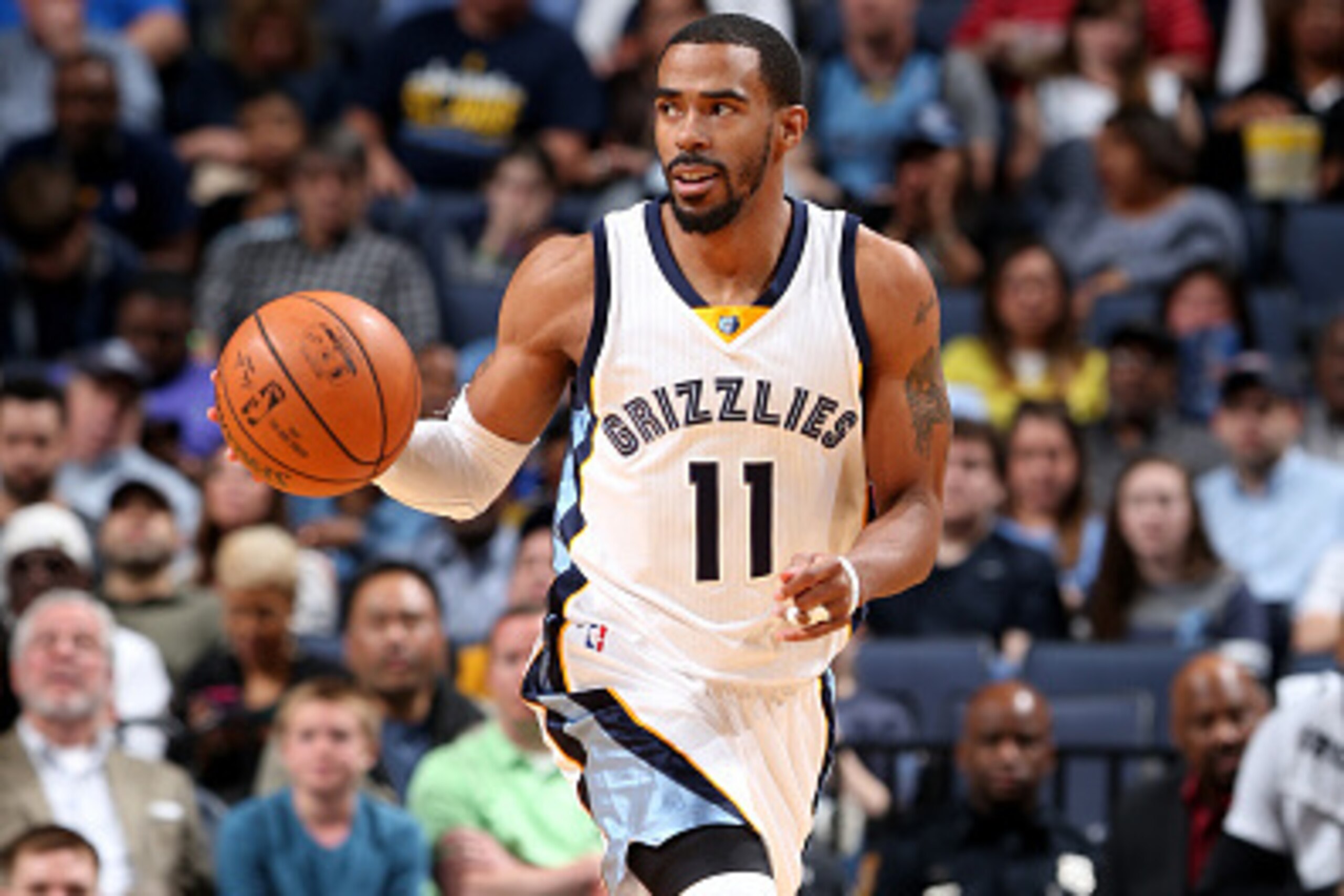
Physically, Jackson has a little more bulk, but his height and length measurements match up with Conley's. Both are tough defensively and skilled with the ball.
And you won't see them hunt for shots. They're disciplined. They find ways to make shots and plays within the flow of the offense.
Conley has never averaged seven assists or more than 18 points in any season in his nine-year career. Similarly, Jackson's value should stem more from efficiency than volume production.
Eric Bledsoe
Like Bledsoe, Jackson is an explosive, undersized power guard. They're both scorers before facilitators. They're all-around guards capable of generating offense from all three levels: behind the arc, in the mid-range and at the rim.
Jackson hasn't flashed the transition game that's made Bledsoe so dangerous, but he also played in one of the slower offenses in the country. He'll have a better chance to emulate Bledsoe in a more open, uptempo NBA game.
Best-Case Scenario
Jackson rises up a team's depth chart and establishes himself as a top-20 starting NBA point guard.
He doesn't do any one thing well enough to hint at All-Star upside. But he's no doubt strong, athletic and polished enough to develop into a team's primary ball-handler.
Worst-Case Scenario
His current 33.1 percent three-point stroke is a more accurate reflection of his shooting accuracy than the 42.9 percent he shot as a sophomore. Meanwhile, it's possible his limited playmaking forces coaches to view him as more of a reserve scoring spark than a lead guard.
At the least, he settles into a role that values his ball-handling, shot-making and high IQ off the bench. Jackson looks like a surefire NBA player with a high floor, given his physical tools and polished fundamentals.
Prediction
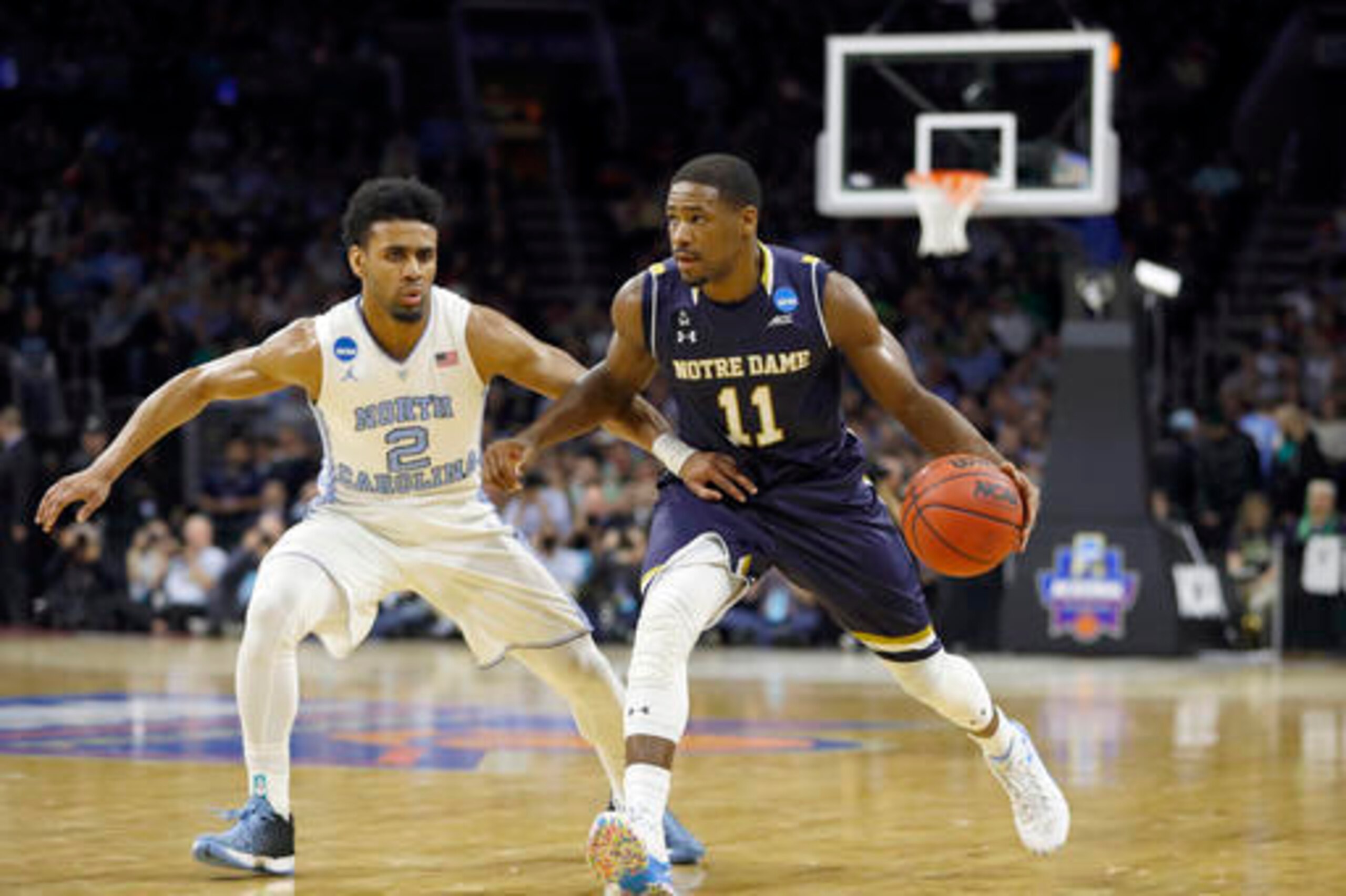
Jackson should be the second point guard off the board in June's first round. He'll go somewhere in the teens to early 20s and begin his career as a backup.
We'll need to see a similar rise from Jackson as the one we saw from him in college: Team fit and opportunity will be big. Depending on where he ends up, he could have a chance at starting by his sophomore campaign.
Either way, he will work his way into a rotation by opening night and stick for years to come. We're most likely looking at either a high-end bench guard or low-end to middle-tier starter by the time he's peaked.
Stats per Sports-Reference.com.




.jpg?w=2560 "Latest Peyton-Colts Rumors")