Why Jesus Navas Can Be a Real Asset to Pep Guardiola at Manchester City
Approximately 70 per cent of the Manchester City squad will be nervous heading into this summer’s transfer window.
No, not because they’ll be gearing up for a stab at UEFA Euro 2016 or the Copa America with their respective countries, but because Pep Guardiola is coming to town, and a big squad clear-out is expected as the Spaniard attempts to re-establish the Citizens as the dominant force in English football.
Some players, like Sergio Aguero, David Silva and Kevin De Bruyne, will rightly feel assured of their roles under the new man; their talent and proficiency, their ability on the ball and their comfort in possession-oriented sides guarantee notable roles. But for the majority—the list of ageing, underperforming first-teamers—there’ll be an understandable level of trepidation over whether or not their numbers will be called.


This squad needs a refresh, and there’s highly likely to be a large turnover as Pep dismisses a large chunk and begins remoulding.
Players such as Martin Demichelis and Wilfried Bony are near-certainties to leave, while the likes of Aleksandar Kolarov, Fernando, Eliaquim Mangala and Fabian Delph will all be wondering if their future truly lies with the club from 2016-17 on.
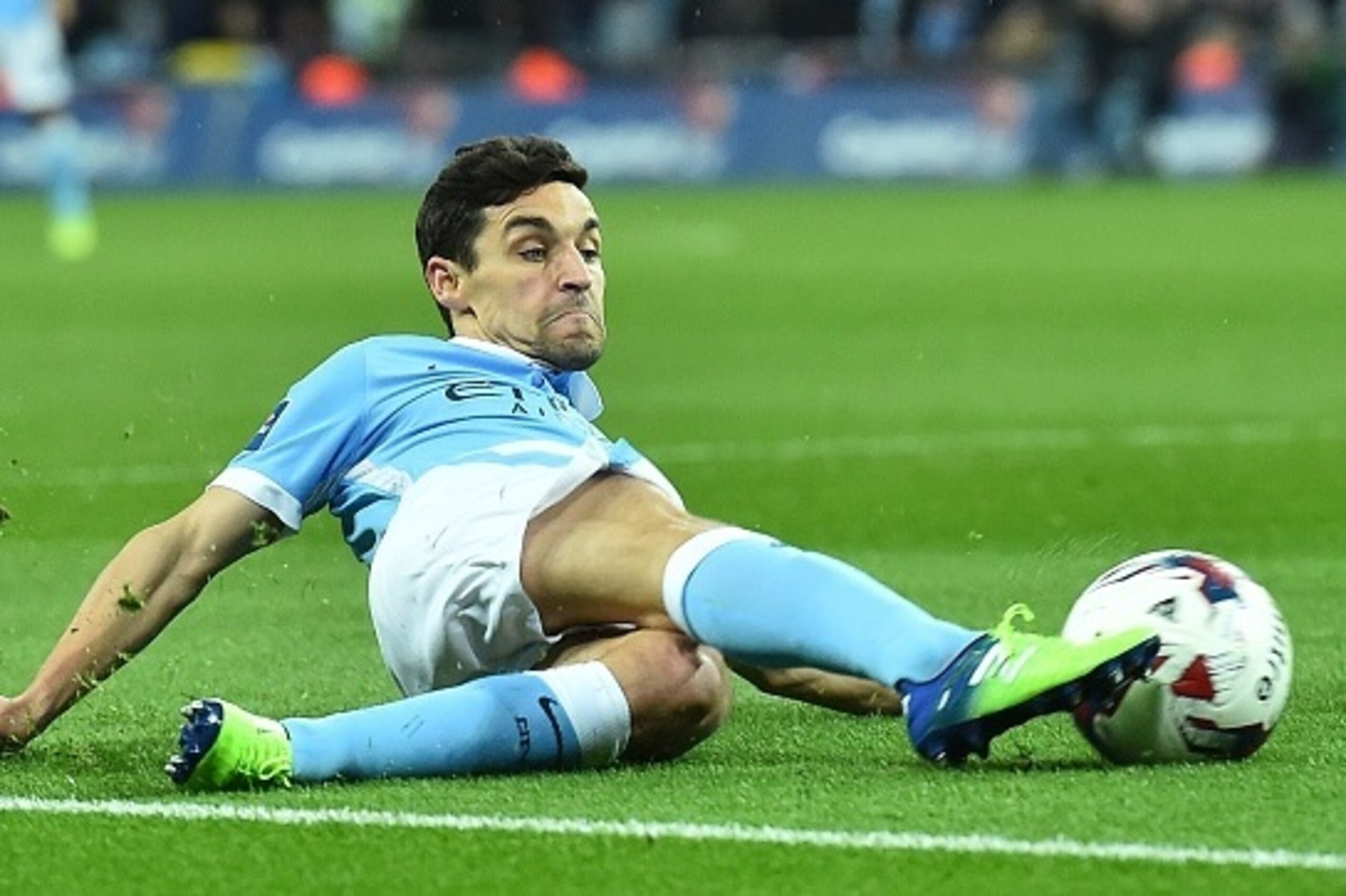
Another player who many will assume will be let go is Jesus Navas, but, if Pep’s history is anything to go by, there’s actually a chance the Spaniard could stick around.

Navas’ City career has been tough. He overcame extreme homesickness to sign for the club in 2013 and arrived as a FIFA World Cup and European Championship winner with La Furia Roja, but he has never really kicked on and played consistent, good football.
He’s a reasonably quick winger with an iffy delivery, and while initially he brought great balance and width to a team who were far too narrow, his place in the squad has been consistently criticised and questioned over the last 18 months.
Back in September, he was booed by the Etihad Stadium crowd after performing very poorly against West Ham United. He attempted 18 crosses but just two found a City body, wasting countless good positions as Manuel Pellegrini’s men slumped to a shock defeat.
A lack of production has haunted his tenure in the north-west, with this season’s Premier League and UEFA Champions League tally of five assists in 32 appearances, per WhoScored.com, not even close to good enough considering the calibre of the team he plays in.
Many fans, then, will expect to be seeing the back of Navas this summer. With one year left on his deal, it seems the ideal opportunity to cast him away (probably back to Sevilla) and recoup a meagre sum for the now-30-year-old’s services. An experiment failed, the detractors will call it, while the extremely small clutch of supporters who do actually appreciate some elements to his game are drowned out in the din of relief.
But Guardiola could well use Navas in his maiden season in the Premier League, and given how the Spaniard likes his teams to play football, there’s a chance Navas will be given a role and a part to play. It may not be curtains for the winger just yet.
The issue Pep has been wrestling with throughout his managerial career to date is how to break down teams who sit deep. Everyone in world football knows the former Barcelona manager plays expansive, possession-obsessed football that’s easy on the eye, and very few opposing numbers have attempted to stymie him in any way other than to simply park the bus.
Guardiola’s current team, Bayern Munich, average the highest possession per game (67.2 per cent, per WhoScored.com) in European football—a familiar story to those who watched his Barcelona side rack up absurd numbers in previous seasons, too.
From next season, City will regularly clock up 65-70 per cent possession (they currently manage 55), and if you’re to play like that, you need to be aware of how others will try to stifle you.
Blocking up the middle, sitting deep and removing the space in behind are common, go-to strategies managers use when fighting Guardiola. Jose Mourinho’s use of an extremely defensive midfield pivot at Real Madrid saw Xabi Alonso play the sort of disciplined game no one expected of him, with the Portuguese doing all he could do remove space between the lines and protect the defence in the face of waves of possession and passing.
When playing against a low block, it is imperative you make the pitch as big for yourself as possible and make the spaces between the opponents’ players open up, and you do that by fielding genuine width. Pep understands that and acknowledges the importance of width high up, and he has even started truly average players in huge games for the express purpose of providing it.
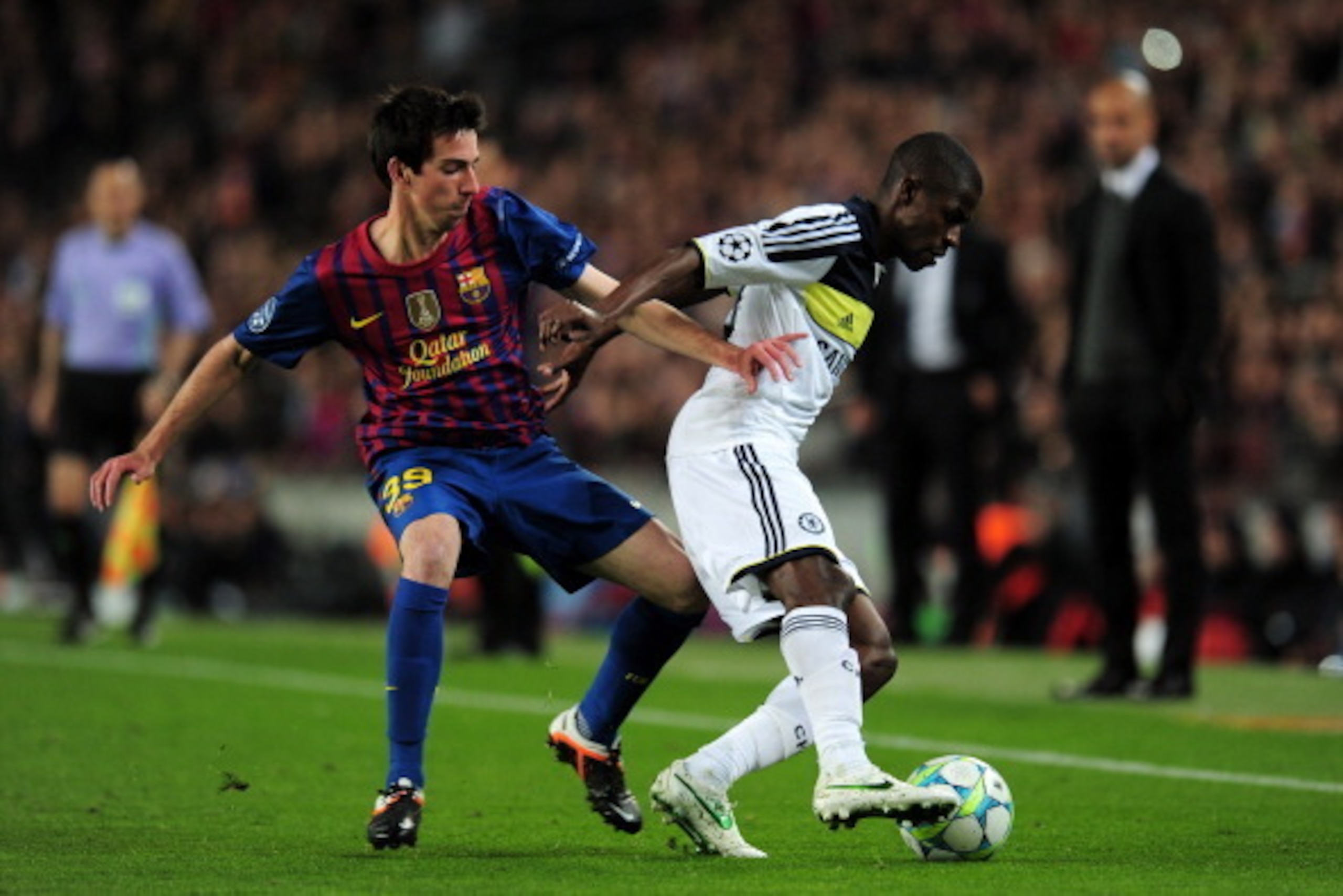
In the Champions League semi-final second leg against Chelsea in 2012, Guardiola started Isaac Cuenca in order to stretch the pitch. He was later replaced Cristian Tello, who is of a similar ilk, and only marginally better as a player. At Bayern right now he has Kingsley Coman, who is brilliant but serves a similar function when required.
When coming up against low blocks and defensive teams, Guardiola’s go-to is natural width. He’s kept true wingers who stretch the pitch horizontally and stay wide to the touchline in every one of his squads to date, and Navas could be the man to play this specialist role at City.
Navas has failed to win over the fans, struggled to find consistency and hasn’t scored a league goal since 2014. Had any other manager taken over at the Etihad this summer, Navas almost certainly would have been sent packing, but under Pep, the Spaniard may just be given the position of game-stretcher, and with it, a lifeline at the club—as crazy as that might sound.



.jpg?w=2560 "Latest Peyton-Colts Rumors")