Final Four 2016: Inside the Numbers of the NCAA Tournament's Final Weekend
The 2016 NCAA men's basketball tournament has been equal parts dramatic, fun, chaotic and unpredictable, and the best might be yet to come. A pair of regular-season rematches await Saturday night when Villanova seeks to avenge an ugly loss to Oklahoma and North Carolina and Syracuse battle for the ACC's spot in the title game.
We have a full breakdown of the teams, stars and stories of the Final Four posted here, but for those of us who enjoy bar trivia factoids, let's have some fun with numbers.
Some of these are historical; one is (obviously) fictional. Some are tempo-free and require a subscription to KenPom.com, but most require no knowledge of "advanced metrics" whatsoever.

To make sure we didn't show too much favoritism to any one team, we've got six numbers for each team (listed in alphabetical order) and six on the Final Four as a whole before the final countdown.
North Carolina Tar Heels
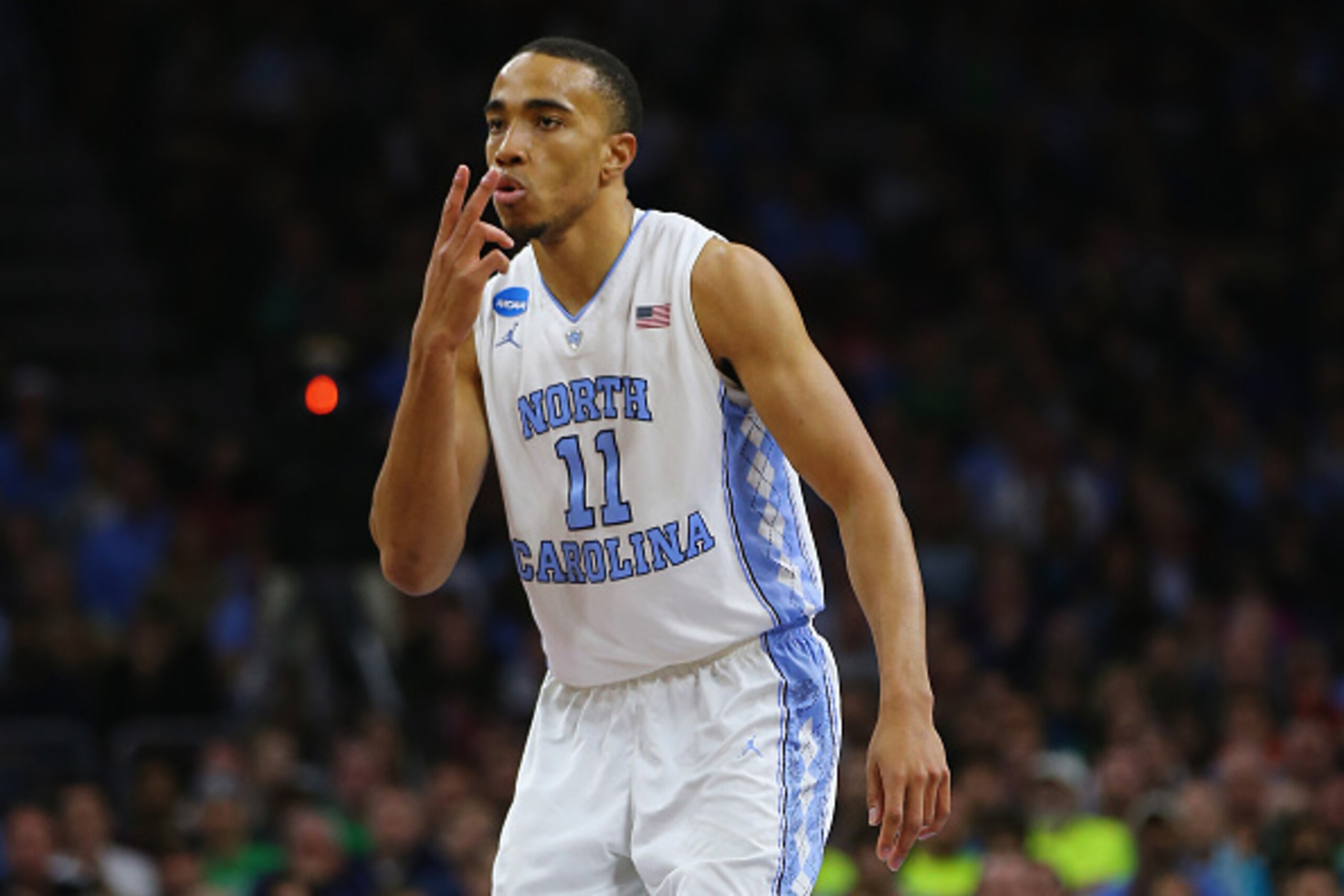
16.0: Average margin of victory through four tournament games. Each of those games was decided by at least 14 points, even though the final result was in doubt early in the second half for three of them. As was the case with Kentucky last season, a lot of teams can hang with the Tar Heels for 30 minutes, but hardly anyone can do it for 40.
20.2: Average margin of victory en route to the 2009 national championship. Each of those games was decided by at least 12 points, and the average margin drops to 15.6 if we take away the 43-point beatdown of No. 16 seed Radford. But wait, there's more!
1 and 21: North Carolina's current ranks in adjusted offensive and defensive efficiency, respectively.
1 and 21: North Carolina's ranks in those same categories in 2009. And if the Tar Heels are going to claim another national championship, they would need to finish things off with a win over either Oklahoma or Villanova—whom they defeated in the Elite Eight and Final Four in 2009, respectively. Kind of crazy parallels, right?
23: Double-doubles recorded by Brice Johnson this season. Even Tyler Hansbrough only had 19 double-doubles in winning the 2008 Wooden Award, and Johnson entered this season with just 10 in his first three seasons with the Heels. There were a ton of players this season who demonstrated how much one can develop by staying in school for four seasons, but perhaps none more so than Johnson.
15: Players in the past two decades to record at least 1,800 points, 590 assists and 200 steals in their college careers, per Sports-Reference.com. Noteworthy names on that list include Shabazz Napier, Jameer Nelson, Dee Brown, Jay Williams, Gerry McNamara and now Marcus Paige. The parameters would have been even higher if he hadn't missed six games this year with a broken non-shooting hand and if he hadn't spent the majority of last season battling foot and ankle injuries.
Oklahoma Sooners
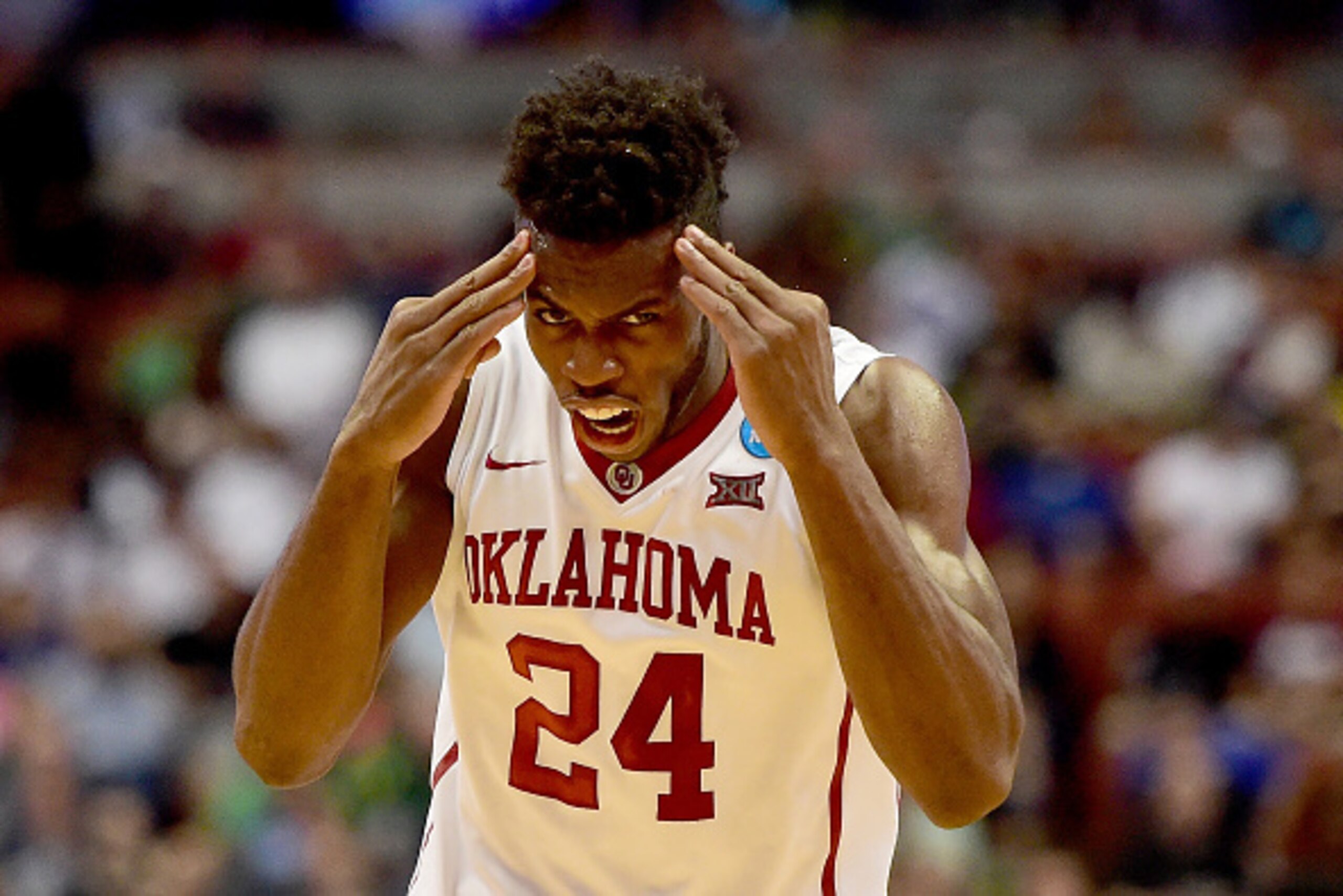
18: Number of points Buddy Hield needs to score in order to tie Doug McDermott's mark of 934 points as a senior. He has already bypassed the 903 that Kevin Durant scored in his one season at Texas. If he scores 50 points in Houston, he'll also leapfrog Allen Iverson, Adam Morrison, J.J. Redick and Kemba Walker to climb into third place on the list of most points scored in one season since 1994-95.
67: Number of points Hield needs to score to tie Michigan's Glen Rice (184 in 1989) for the all-time record for points in one NCAA tournament. It just so happens that 67.0 is also Hield's true-shooting percentage, which ranks eighth in the nation. Since we've already mentioned him once, it's worth noting that McDermott's true-shooting percentages in his sophomore and junior years were 67.8 and 67.2, respectively. Hield didn't have nearly the four-year career that McDermott had, but he did arguably have a better senior season than the greatest college basketball player in recent memory.
24,571: Number of times someone has tweeted a ranking of the "best Buddys" of all time. We get it, guys. It's a cool nickname. But if you still feel the need to tweet a ranking of names, at least be original and go with Hield's birth name: Chavano. Pretty good chance he's No. 1 on that list.
141: Total number of three-pointers made this season by Jordan Woodard and Isaiah Cousins. That's still five fewer than Hield's 146, but don't forget that there are other shooters on this team. In fact, Woodard is shooting 63.6 percent (14-of-22) over his last five games, so he's almost as lethal as Hield these days.
30: Turnovers committed this past weekend against Texas A&M and Oregon (15 in each game). If Oklahoma expects to win its first national championship in school history, that number needs to decrease considerably.
0: Times in the past five games that Ryan Spangler has recorded a double-double. Remember two years ago when this dude averaged 9.6 points and 9.3 rebounds per game as a sophomore? Aside from becoming a slightly better three-point shooter and doing a better job of avoiding fouls, many of Spangler's per-40 minutes numbers have dropped each season. He's the rare case of a four-year player who hasn't developed at all. It would only take two big games for us to forget about that, though.
Syracuse Orange
13: Losses suffered by Syracuse this season. It's the most by any Final Four team since both Wisconsin and North Carolina in 2000.
227: KenPom ranking of St. John's, which beat Syracuse by 12 in December. That doesn't matter one bit. Wisconsin lost to No. 215 Rutgers last season and still nearly won the national championship. It's just fun to point out that a Final Four team lost a game to one of the four worst major-conference teams in the country.
In fairness to Syracuse fans sick of hearing about the St. John's game, let's also note that North Carolina needed a late comeback to win by three at Boston College and that Villanova wasn't exactly dominant in its two wins over St. John's.
61: Streak of consecutive games before Sunday in which Virginia allowed 10 or fewer steals to its opponent. Syracuse had 11 in upsetting the Cavaliers.
44.1: Combined percentage of three-pointers made by the Orange in their four biggest wins of the regular season (Connecticut, Duke, Notre Dame and Texas A&M).
33.3: Percentage of three-pointers Syracuse made in each win this past weekend against Gonzaga and Virginia. That's much lower than we thought they would need to pull off those upsets, but the Orange are now 18-0 when shooting at least 32.0 percent from three and holding the opposition to 70 or fewer points.
337: Syracuse's rank in defensive rebounding percentage. Maybe it'll get lucky and won't need to play another game against an above-average offensive rebounding team. What's that? North Carolina ranks No. 3 in the nation in that category? Well then.
Villanova Wildcats

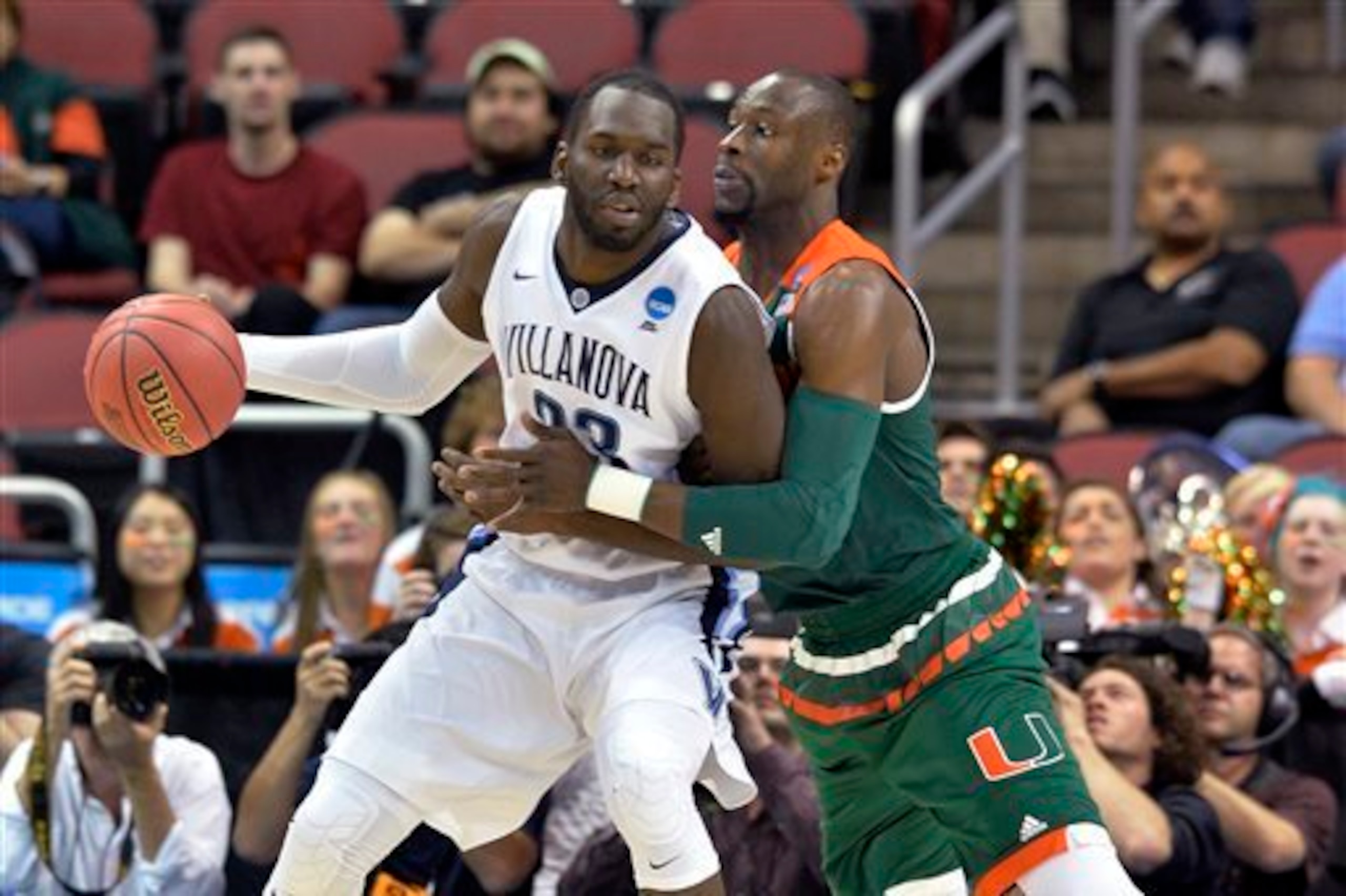
36: Steals that Villanova has recorded through four tournament games. The Wildcats were all over Iowa, Miami and Kansas—three teams with experienced backcourts that perhaps should have been able to do a better job against that ball pressure.
28: Number of three-point attempts Villanova missed in the 78-55 loss to Oklahoma in Hawaii in December.
28: Number of three-point attempts Villanova has missed in its last three games combined. That doesn't mean the Wildcats won't struggle to score against Oklahoma—there's no telling when the long ball will vanish—but that game in Pearl Harbor was historically awful. They probably won't shoot that poorly again in the next decade.
21.4: Difference between Villanova's two-point percentage (56.8) and its three-point percentage (35.4). It's the eighth-widest gap in the country.
43.1: Percentage of field-goal attempts Villanova takes from three-point range. The three has been working for the Wildcats lately, but their commitment to ignoring a great two-point percentage—and also diminishing the effect of a great free-throw percentage by often settling for 23-foot jumpers—was always puzzling.
58.6: Combined three-point percentage of Jalen Brunson (6-of-10) and Ryan Arcidiacono (11-of-19) in the NCAA tournament. Are you getting the picture yet that threes are kind of key to Villanova's success?
Final Four

27.6: Combined percentage of three-point shots made in the last six tournament games played at NRG Stadium (2015 South Regional; 2011 Final Four). Connecticut somehow won the title despite shooting just 2-of-23 from downtown in its two games in Houston in 2011. Best of luck to Oklahoma, Syracuse and Villanova, each of which relies heavily on the long ball.
15: Combined seed of the teams that reached the Final Four. That puts 2016 in a tie with 1986 for sixth-highest combined seed total in the Final Four since the field expanded to 64 teams in 1985. But we've had a 26 and two 18s in the past five years, so things were a bit more normal than we've grown accustomed to seeing.
(For what it's worth, if Virginia had been able to avoid that second-half meltdown against Syracuse, the combined seed total of six would have tied 2007 for third-lowest of the past 32 tournaments.)
40.0: Percentage of national championships won by the ACC in the past 15 years. That's a pretty good batting average, but perhaps even more impressive is that the ACC won six titles during that time while sending only 10 teams to the Final Four—including going 0-of-2 in 2004 when Connecticut knocked out both Duke and Georgia Tech. When ACC teams get this far, they typically finish the job. Whether North Carolina or Syracuse wins Saturday, it should probably be the favorite Monday.
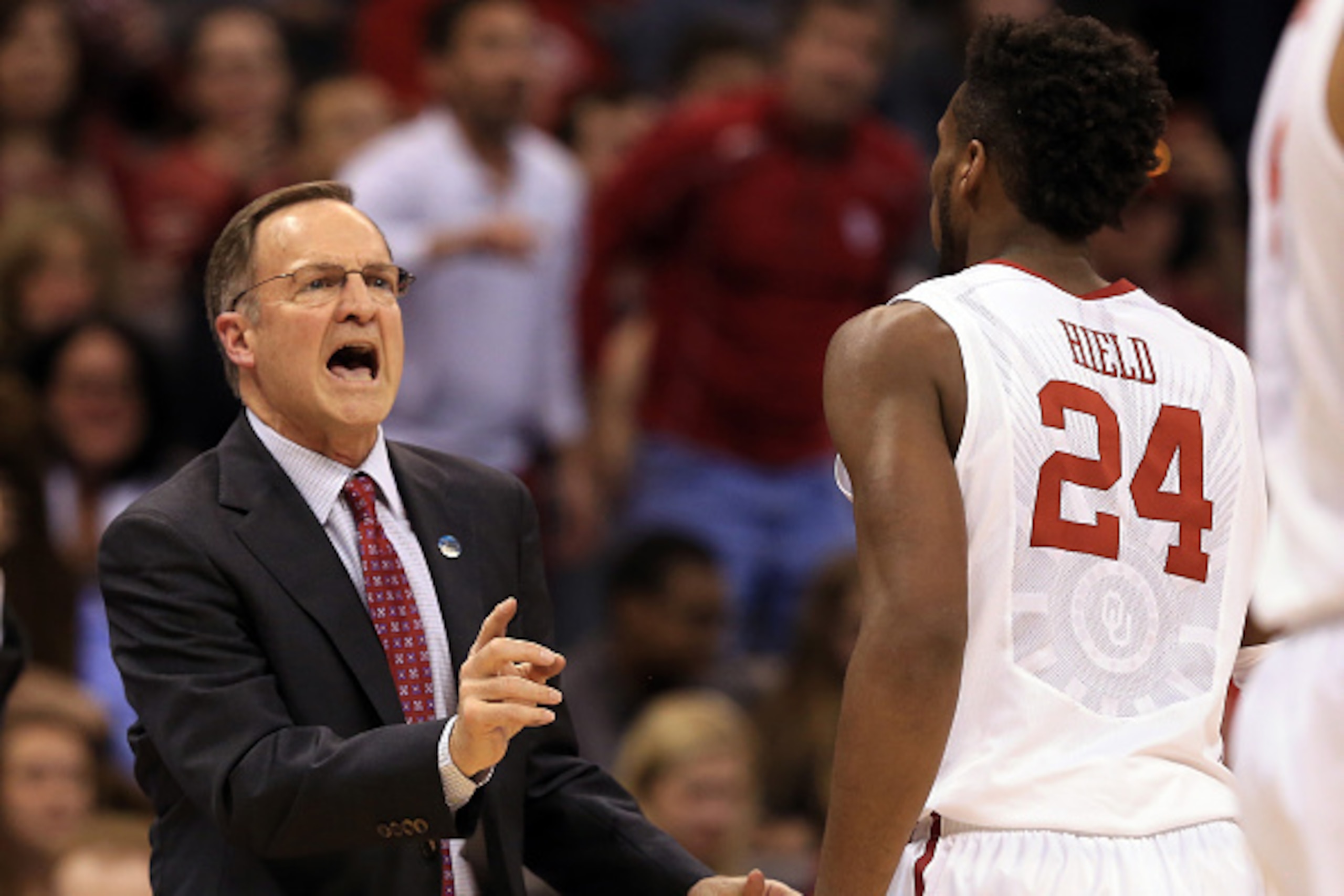
88: Combined tournament appearances by the four head coaches in the national semifinals. Villanova's Jay Wright is the least experienced of the bunch with "only" 13 trips to the tournament. The quartet also now has 17 combined Final Four appearances—eight for Roy Williams, five for Jim Boeheim and two each for Wright and Lon Kruger.
1,771*: Number of career wins between the ACC coaches meeting in the Final Four. Boeheim (989) and Williams (782) each rank in the top 10 among all-time winningest college basketball head coaches and are No. 2 and No. 3 to Mike Krzyzewski among active head coaches.
2,835*: Number of career wins among all four head coaches. Last year's group (Krzyzewski, John Calipari, Tom Izzo and Bo Ryan) had 2,532 career wins, and it was billed as one of the greatest collections of coaches in Final Four history. These guys have those guys bested by 303 wins.
*As far as the NCAA's official record books are concerned, Boeheim had 108 of his wins vacated as a result of last year's sanctions, but those wins still happened and cannot be removed from his 40 years of experience as a head coach. Thus, we're counting them here. Deal with it.
Final Countdown
10: Syracuse's seed, becoming the first No. 10 seed to ever reach the Final Four. Nine previously made the Elite Eight—most recently, Davidson in 2008—and seven of those nine teams lost by a margin of five points or fewer. But the Orange were the first to actually pull off the upset. Do they have any magic left for Houston?
9.0: Average adjusted defensive efficiency rank of the last six national champions, not one of which was worse than No. 13. That's kind of irrelevant for Final Four predictions, though, as Villanova (No. 7), Oklahoma (No. 13), Syracuse (No. 16) and North Carolina (No. 21) are all in a position to finish the season in the top 10 with two more wins.
8.0: Points per 40 minutes that Villanova's Daniel Ochefu scored as a freshman. Big men like Jahlil Okafor and Karl-Anthony Towns who are ready for the NBA before even playing a college game are incredible, but doesn't there always seem to be one frontcourt senior in the Final Four who is exponentially better than when he arrived in school? Frank Kaminsky, anyone?
7: National championships among the four teams. North Carolina (five) has most of them, but Syracuse and Villanova each have one. Oklahoma is seeking to end the permanent drought.
6: Worst margin of defeat for North Carolina this season. It was a 71-65 loss to Louisville in which the Tar Heels trailed by just two with 30 seconds remaining. They could lose in Houston, but they will not be blown out.
5: Total number of freshmen (Malachi Richardson and Jalen Brunson) and sophomores (Joel Berry, Justin Jackson and Khadeem Lattin) that will be in the starting lineup Saturday night. In case you weren't already aware that this was the Year of the Senior, the sheer number of upperclassmen in the Final Four should drive the point home.
4: Blocks that Tyler Lydon recorded in the first game against North Carolina. He has 17 blocks in his last three games and is just 11 away from tying Florida's Joakim Noah for the all-time record for blocks in a single tournament. UNC usually does a great job of avoiding shot-blockers—Providence, Indiana and Notre Dame each had just one in their losses to the Tar Heels—but Lydon has had everyone's number lately.
3: Players in the top five of the KenPom Player of the Year rankings who will play in the Final Four. Josh Hart (No. 5) is well behind Brice Johnson (No. 1) and Buddy Hield (No. 2), but that trio will have one final weekend to play for that title. And if we can agree that Domantas Sabonis will go pro and Hart will stay for his last season, he'll be the only returning player from this year's KenPom POY top 10. Go ahead and pencil Hart in for 2016-17 preseason first-team All-American.
2: Oklahoma's national rank in three-point percentage (42.8). If any team can withstand the curse of NRG Stadium, it's the Sooners.
1: Number of times in the 2010s that more than one No. 1 seed reached the Final Four (2015). After three rounds, it looked like we were headed for a Final Four made up entirely of No. 1 seeds, but North Carolina needed to withstand a second-half rally from Notre Dame to even get one team from the top line in there.
0: Teams from the Champions Classic in the Final Four. With the way they were seeded and distributed—Kansas No. 1 in the South, Michigan State No. 2 in the Midwest, Kentucky No. 4 in the East and Duke No. 4 in the West—we could have had all four in Houston. Alas, we lost one in each of the first four rounds. Better luck next year!
Kerry Miller covers college basketball for Bleacher Report. You can follow him on Twitter @kerrancejames.

.jpg?w=2560 "Dak to Stroud: Get Some Wins 💯")
.jpg?w=2560 "5 NFL Players Getting Trade Buzz")
.jpg?w=2560 "Vikings HC Called OBJ Before Release ☎️")