Formula 1's Driver Power Rankings After 2016 Australian Grand Prix
Nico Rosberg got off to a flying start in his quest for a first world championship with victory at the 2016 Formula One Australian Grand Prix.
The German failed to impress over a single lap, but he made the most of the circumstances and a smart strategy to take the chequered flag ahead of team-mate Lewis Hamilton and Ferrari's Sebastian Vettel.
Daniel Ricciardo of Red Bull and Williams man Felipe Massa also opened their accounts for the year, coming home in fourth and fifth, respectively. But while their positions might have been predicted before the start, few would have expected Romain Grosjean to roll home sixth in his Haas.
The American team's dream start to life in F1 owed much to a huge accident involving Fernando Alonso and Esteban Gutierrez. The two collided on Lap 17, scattering debris across the circuit at Turn 3, and the race was stopped while the marshals completed the clean-up.
This stoppage gave every driver a free tyre-change, and Grosjean—the only driver who hadn't pitted before the red flag was shown—ended up on a zero-stop strategy. But though fortune had favoured the Frenchman up to that point, luck had nothing to do with the world-class stint to the end that followed.
The dramatic and exciting Melbourne race was the perfect way to start the 2016 season, which continues on April 3 with the Bahrain Grand Prix.
Until then, and based solely on their performances at Albert Park, here's how the drivers rank.
Note on F1 Driver Power Rankings
These rankings should not be confused with the championship table.
Rather than looking solely at how many points each driver has, these rankings take into account race results, qualifying, each driver's overall performance and how drivers stack up against their team-mates. The relative pace of each driver's car is factored in, as is the identity of his team-mate.
For each race weekend, every driver who took part is awarded a score out of 10. The sum of these scores across the previous six races is given on each driver's slide and determines the driver's ranking. Races outside the most recent six have zero impact on the scores.
The cumulative total and ranking is therefore based on recent form—it is not a reflection of the season as a whole.
Where two drivers have the same score, they should be considered tied in the rankings.
Honourable Mentions
1 of 11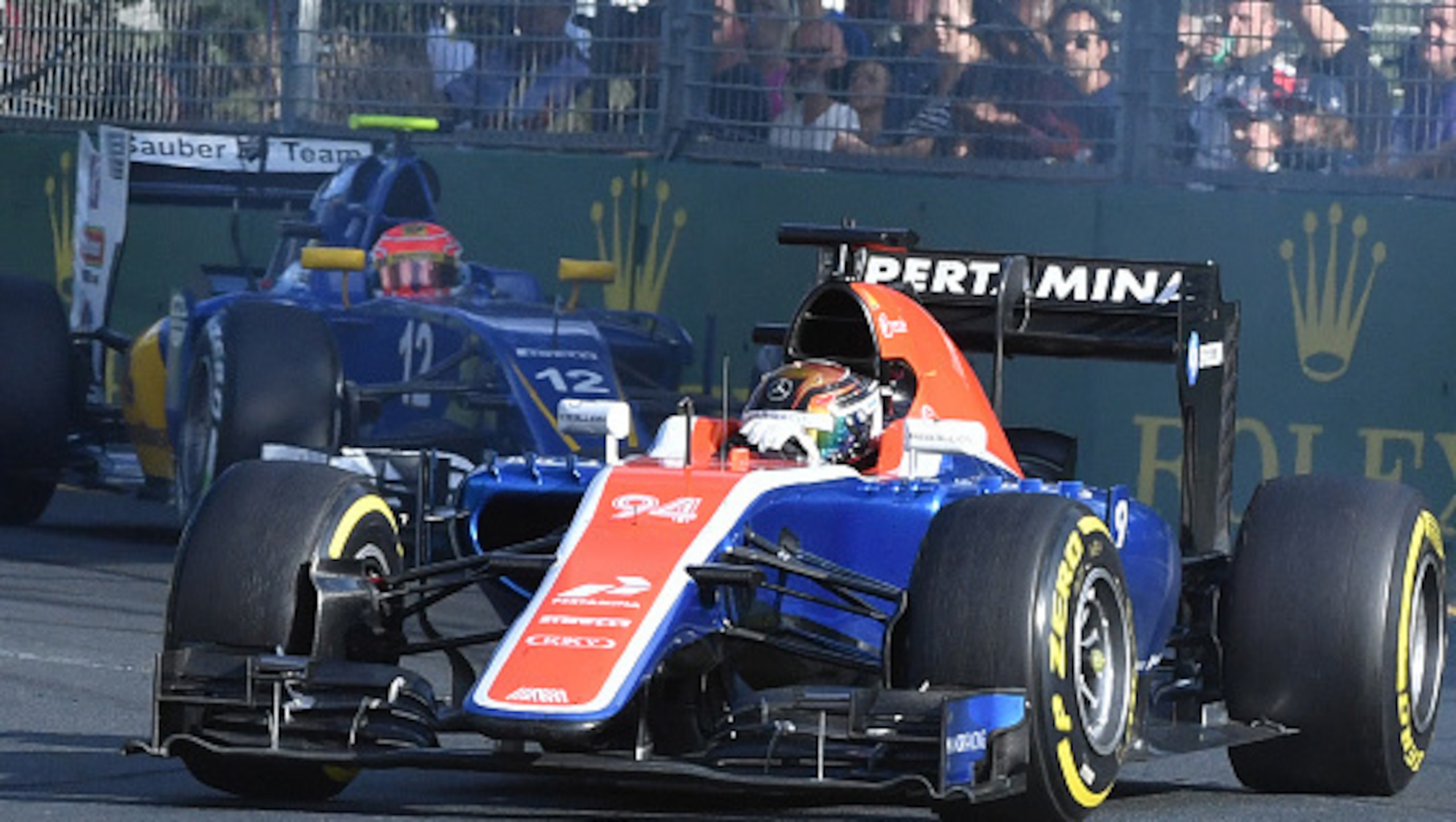
It was hard not to be impressed with the way Pascal Wehrlein got off the line from last on the grid and made his way up to 14th on the opening lap. The German rookie was disappointing in qualifying, but he had a much better Sunday.
Kimi Raikkonen also qualified poorly, giving up almost four-tenths of a second to team-mate Sebastian Vettel. The Finn couldn't match the German in the race either, but he looked set for a decent result before being forced to retire.
And a number of other drivers scored the same as those in ninth and 10th—the men chosen to fill the slots were the two with the most interesting afternoons.
10. Fernando Alonso
2 of 11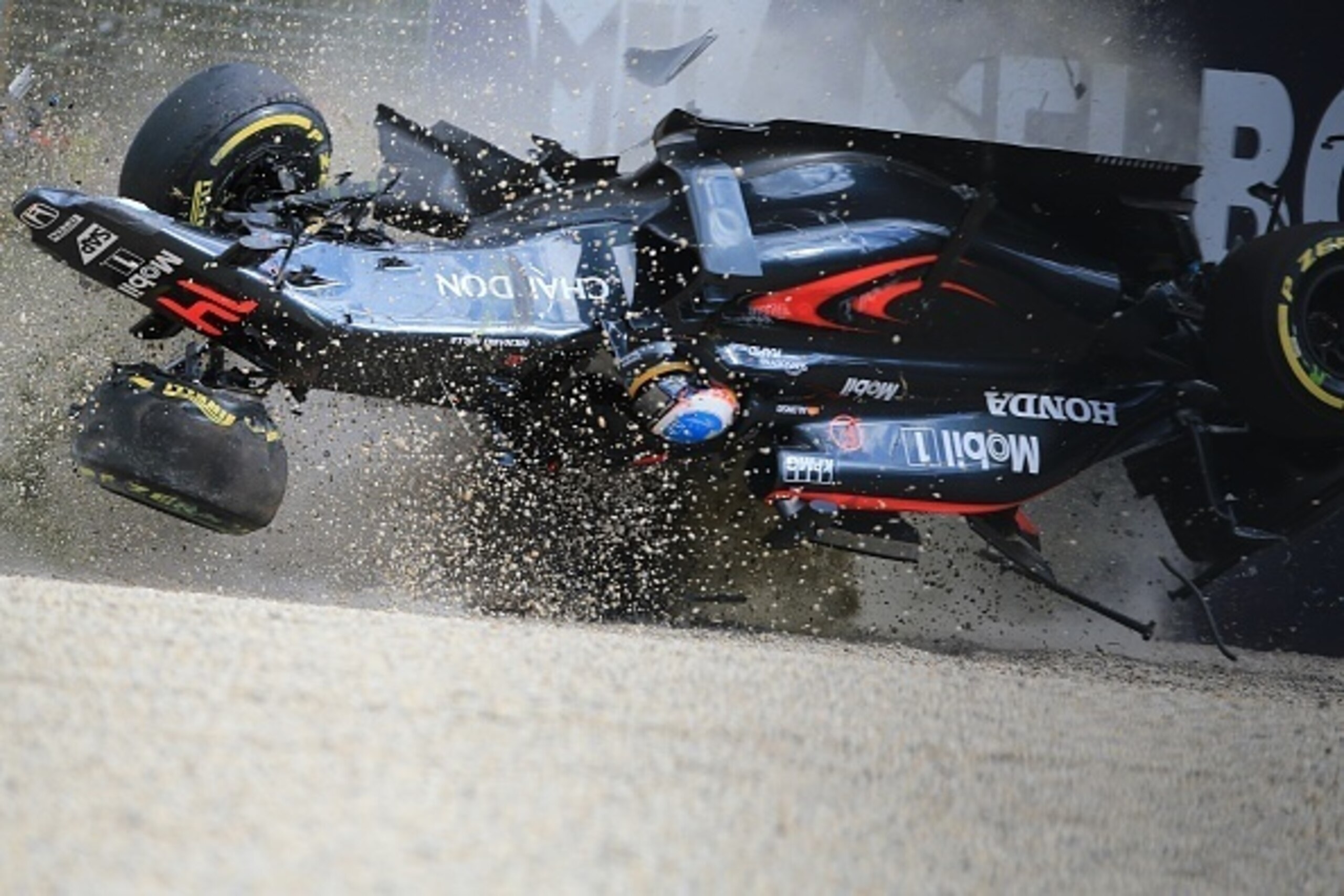
Fernando Alonso drove beautifully in Australia—or at least, he did until the 17th lap.
He qualified 12th on the grid with a time of one minute, 26.125 seconds, beating team-mate Jenson Button by around two-tenths of a second. The Spaniard started 11th after Valtteri Bottas took a grid penalty.
A good start saw Alonso pass Sergio Perez off the line and move up to 10th by the end of the opening lap. From there, he showed reasonable pace to hold off Sergio Perez until he made what was expected to be the first of two stops at the end of the 12th lap.
Alonso exited the pits behind the Haas of Esteban Gutierrez, which was running longer in its first stint. The McLaren man quickly reeled in the Mexican, and on Lap 17, he used DRS to make up for his MP4-31's lack of top-end speed and attacked Gutierrez on the approach to Turn 3.
He was close up behind the Haas as they approached the braking zone, with the intention of trying a pass around the outside. However, Gutierrez lifted off earlier than Alonso had expected and drifted slightly left as he braked.
Alonso was too close to avoid a collision and his right-front wheel hit Gutierrez's left-rear, sending the McLaren spearing off the track and into the wall. It then slid sideways into the gravel trip, dug in and flipped over before coming to a rest against the tyre wall.
Both were out on the spot, but the most important thing is that both walked away without injury. The stewards examined the incident and determined neither driver was to blame.
Rating: 7
9. Nico Hulkenberg
3 of 11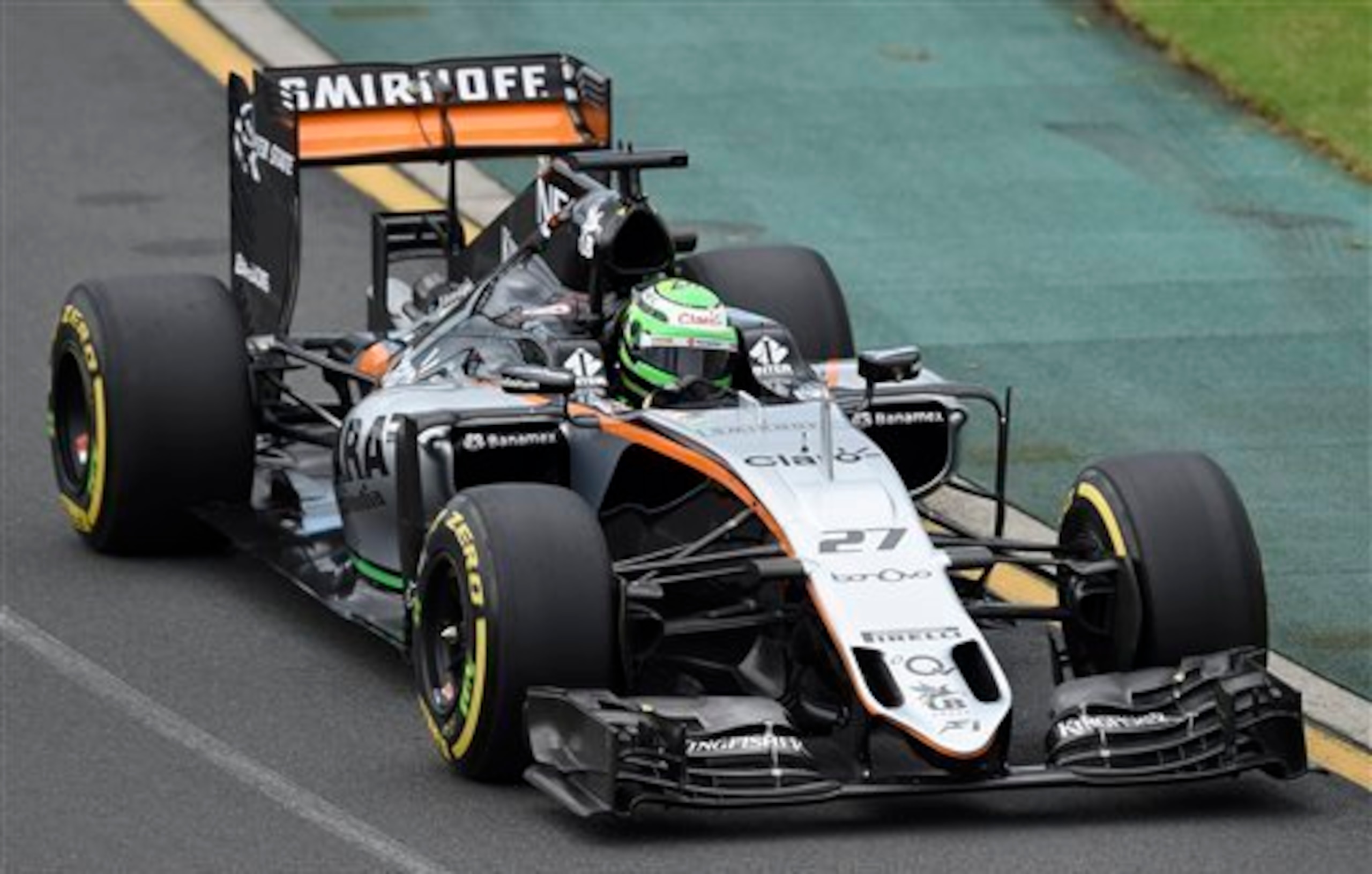
Nico Hulkenberg made the most of a good start to kick off his season with a useful haul of points.
He qualified 10th on the grid with a Q2 lap of 1:25.865—around a tenth of a second shy of team-mate Sergio Perez's best. Normally this would have meant a spot in Q3, but under the elimination system, that session was cut to eight cars—so Hulkenberg had a free choice of tyres.
The German opted for soft-compound rubber and made a strong start, leaving Perez behind off the grid and passing Daniel Ricciardo on the opening lap to claim eighth. The Red Bull re-passed soon after, and running long on his first stint allowed him to pit behind the safety car.
Hulkenberg took on fresh medium-compound tyres, which he kept on during the red-flag period, and when the racing got under way again, he was chasing the Haas of Romain Grosjean. But Melbourne is a hard circuit at which to pass, and the Frenchman was driving like a man possessed.
A number of cars ahead pitted and Hulkenberg climbed to seventh, spending more time protecting his position from Valtteri Bottas behind than he did looking ahead at Grosjean.
Hulkenberg dropped back a little from the Haas in the closing stages, but he held on against Bottas and crossed the line in seventh.
Rating: 7



8. Kevin Magnussen
4 of 11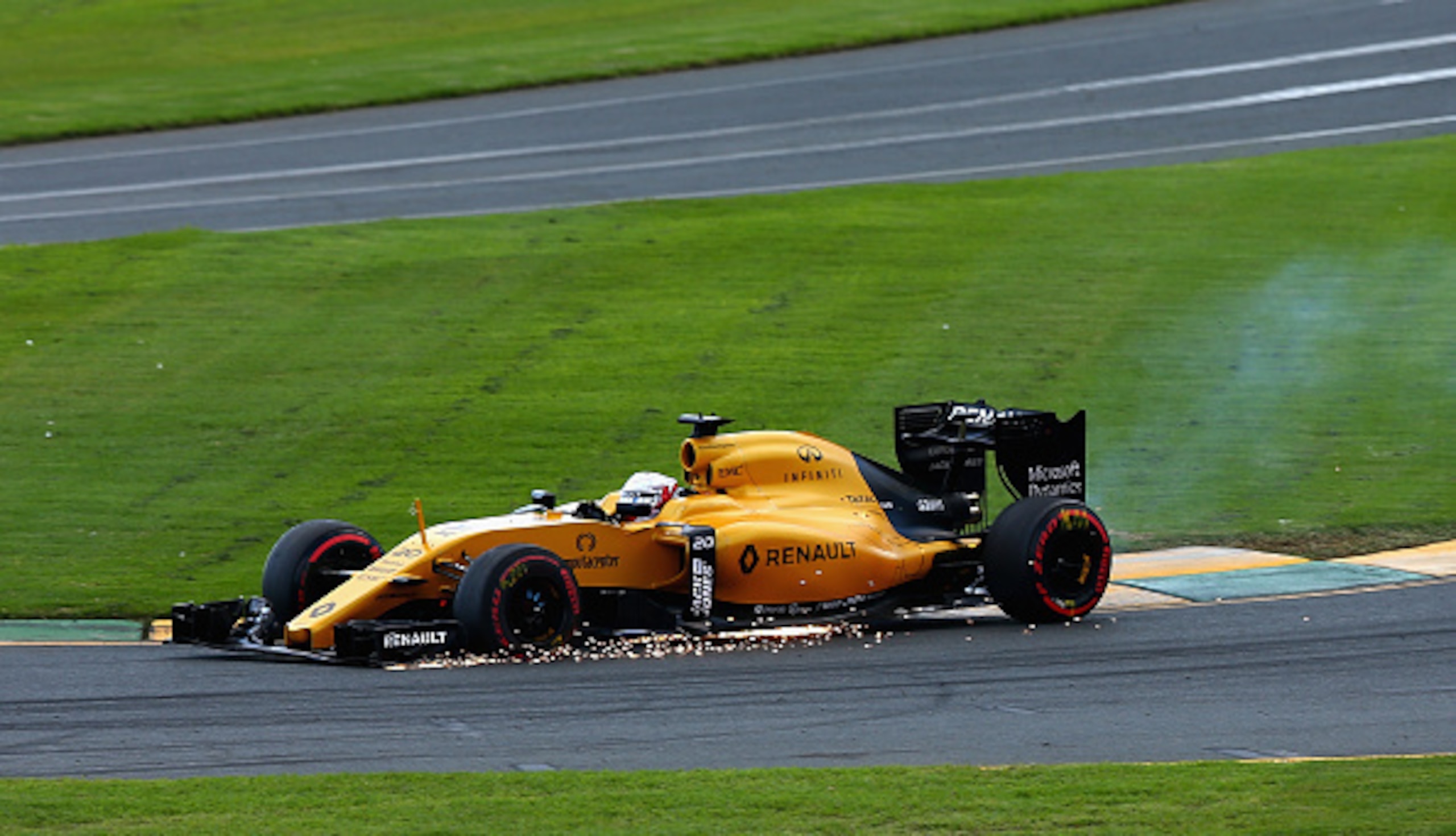
Kevin Magnussen had a tough weekend on his full-time return to F1, but he still had an impressive drive.
He qualified 15th on the grid, one place and a little over a tenth-and-a-half down on team-mate Jolyon Palmer. He later revealed on the team website that traffic had affected his one and only Q2 run; the qualifying system stopped him having a second crack.
Magnussen, who started 14th after Valtteri Bottas' grid penalty, got off the line well but was baulked slightly by the slow-starting Jenson Button. He was nonetheless up to 13th as he entered Turn 1, but he was slowing with a puncture a few hundred metres later.
The Dane had to crawl back to the pits to prevent the deflated carcass damaging his bodywork, and he emerged a lap down on the leaders. It looked like his race was over, but the red flag allowed him to unlap himself—and a smart tyre choice by Renault at the restart gave him an opportunity to salvage some pride.
Armed with a set of white-marked medium tyres, Magnussen slowly made his way through the field from last, passing three cars—including Sergio Perez's Force India—on his way to a credible 12th-place finish.
Rating: 8
7. Felipe Massa
5 of 11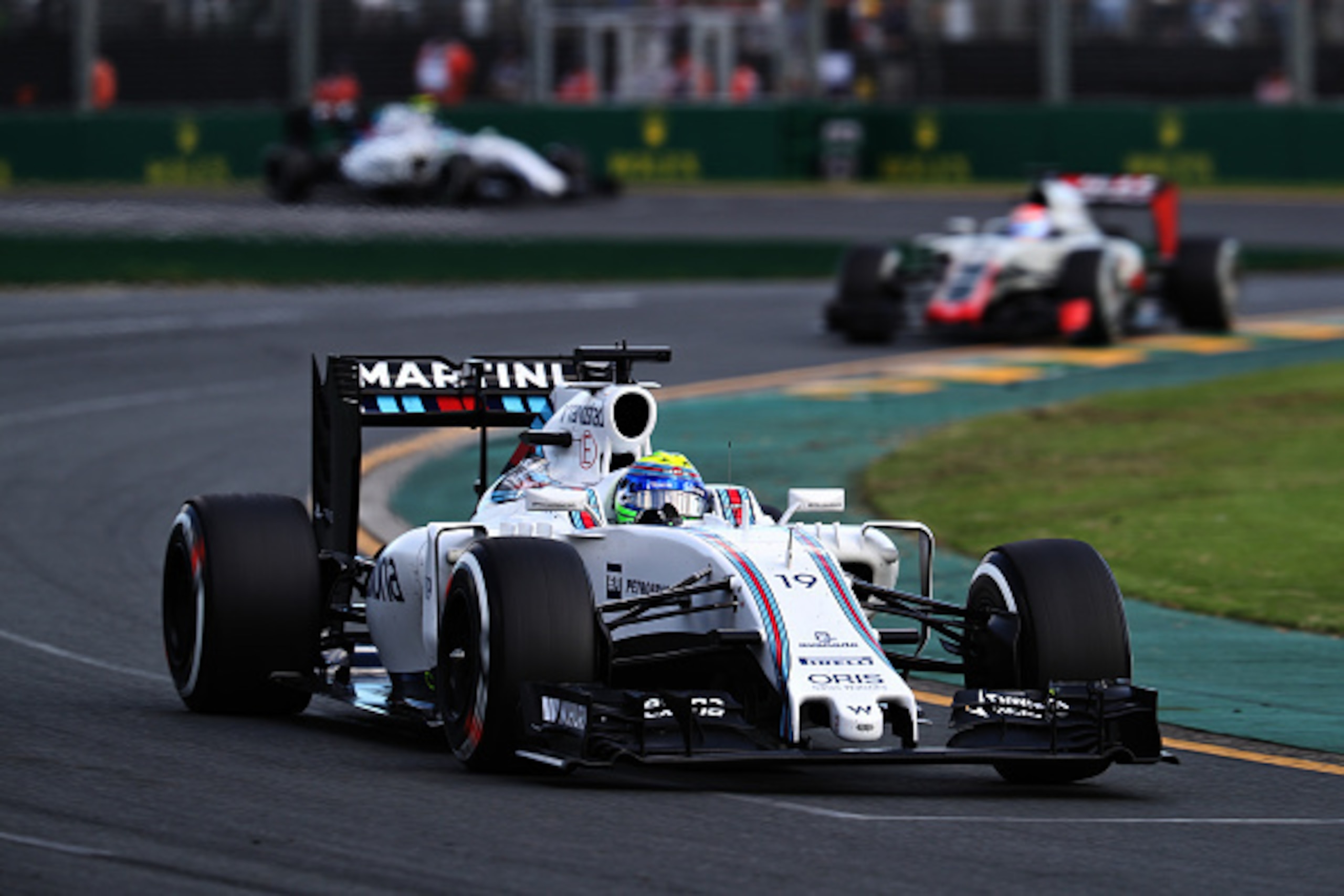
Felipe Massa carried the standard for Williams and collected a useful haul of points.
He made it through to the final part of qualifying and lined up sixth on the grid with a time of 1:25.458. Team-mate Valtteri Bottas, so often the team's go-to guy over a single lap, struggled with grip and ended up down in 11th.
Massa was a little sluggish off the line but recovered down the inside at Turn 1, and when Lewis Hamilton was pushed wide, the Brazilian leaped at the chance to move himself up to fifth. The Mercedes driver got back past on Lap 4, but Massa was able to hold off another quicker car—the Toro Rosso of Carlos Sainz Jr.—until the pit-stop phase began.
Initially it looked like Massa had lost out, falling to eighth after fitting soft-compound tyres. However, the red-flag period allowed Williams to switch them for white-marked medium rubber—a move that paid off toward the end.
The Toro Rossos were forced to make a second stop, and Massa, who had already gained one place when Kimi Raikkonen retired, moved up to fifth.
He couldn't keep up with the cars ahead—two Mercedes, a Ferrari and a Red Bull—but had more than enough pace to cruise home to collect 10 world championship points.
Rating: 8
6. Lewis Hamilton
6 of 11
Lewis Hamilton should have won in Australia and didn't, but he was still happy with second.
He qualified on pole with relative ease, setting two laps in the final part of qualifying that would have netted him the top spot. The best of these was a lap of 1:23.837—almost four-tenths of a second quicker than second-placed Nico Rosberg's best.
From there, it looked like he would cruise to victory, but a mediocre getaway off the line saw fast-starting Sebastian Vettel roar past to take the lead. Rosberg also had a better launch, and when the German ran a little wide into Turn 1, his left-rear wheel nudged Hamilton's front wing and the reigning world champion was pushed wider still.
He ended the opening lap in sixth, and though he quickly passed Felipe Massa, Max Verstappen proved a tougher nut to crack. Hamilton pitted later than most and switched to a one-stop strategy, a decision that initially dropped him down to seventh before the red flag.
However, the medium tyres he had taken on proved invaluable in the second half of the grand prix. As two-stoppers ahead of him pitted, Hamilton gained position after position, overtook Daniel Ricciardo and ended up with only Rosberg ahead of him.
Vettel closed up in the final few laps thanks to quicker, fresher rubber, but the Brit defended well and was able to hang on to take second.
Rating: 8
5. Sebastian Vettel
7 of 11
Sebastian Vettel finished third in Australia for the second year in a row.
He qualified third on the grid, the best he could realistically have hoped for, with a time of 1:24.675—almost four-tenths quicker than team-mate Kimi Raikkonen's best. Both could probably have gone quicker, but the new elimination qualifying meant neither went out for a second crack at a fast lap.
It didn't matter in the end—third was enough. Vettel got off the line like a rocket, surging past Lewis Hamilton within a matter of metres and edging ahead of Nico Rosberg before claiming the best line, and the lead, into Turn 1.
Vettel's pace in the opening stint was good, and he pulled out a small gap to second-placed Raikkonen before making his first stop. He emerged with Rosberg right on his tail but managed to defend against his fellow German and settled back into the lead.
The red-flag period put the race on hold and, while Mercedes put their drivers on one-stoppers, Ferrari opted to leave Vettel on a two-stop strategy. This proved to be the defining moment of the race.
When Vettel made his second stop, he fell to third behind Hamilton. Though he was able to close up using his fresher, softer tyres, an error into the penultimate corner on Lap 55 ended his hopes of overtaking, and he had to settle for third.
Rating: 8
4. Nico Rosberg
8 of 11
Nico Rosberg took his second Melbourne win in three years after a lucky escape at the start.
He qualified second on the grid, almost four-tenths of a second behind team-mate Lewis Hamilton. However, his time of 1:24.197 was around half a second clear of the third-placed Ferrari of Sebastian Vettel.
Rosberg got an average start, nosing ahead of Hamilton off the line, but Vettel blasted past both Mercedes and pushed his fellow German toward the inside on the approach to the corner. Rosberg locked up and struggled through the turn after a compromised entry, running wide.
His rear tyre touched Hamilton's front wing, but he escaped without a puncture; however, Kimi Raikkonen took advantage to slip around the outside of Turn 2, relegating Rosberg to third.
The Mercedes driver jumped Raikkonen at what was going to be the first of two stops, and after briefly attacking Vettel, he settled in behind the lead Ferrari until the red flag was shown. As all the cars were lined up in the pits, Mercedes fitted mediums to Rosberg's car.
This turned out to be the race-winning move. Ferrari opted to leave Vettel on supersofts, meaning he would need a second stop, and when he made it, Rosberg took the lead. He was never threatened thereafter, cruising to the line to pick up 25 points for the win.
Rating: 8
3. Jolyon Palmer
9 of 11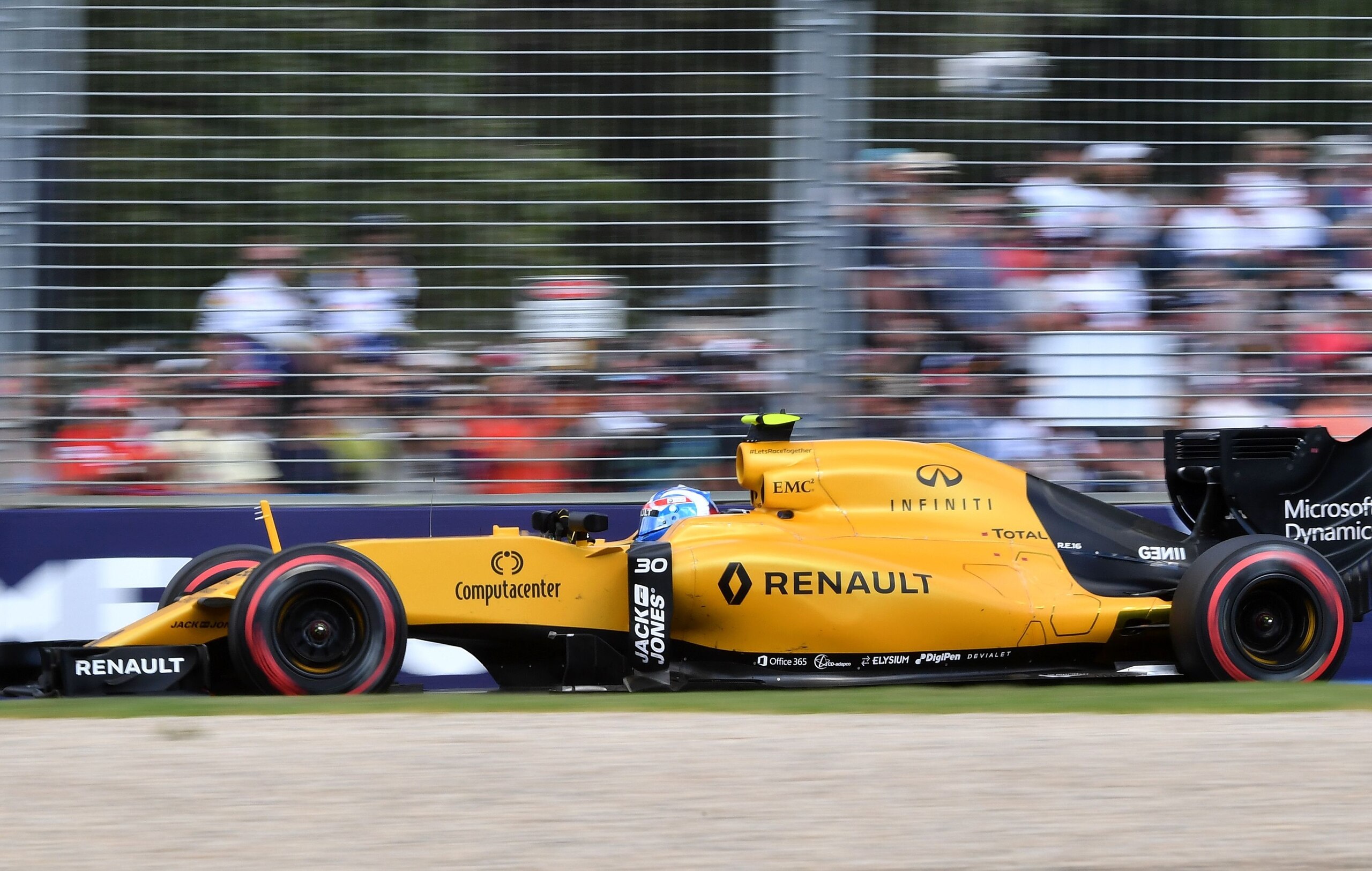
Jolyon Palmer didn't score points on his F1 debut but still made the right sort of impression.
He qualified 14th on the grid with a Q2 lap of 1:27.601, beating team-mate Kevin Magnussen by around a tenth-and-a-half. He started 13th after Valtteri Bottas took a grid penalty.
When the lights went out, Palmer got off the line well but had an average opening lap, ending it where he started it. He spent the opening stint tucked up behind Jenson Button's McLaren, and after pitting relatively early he emerged on soft tyres, running in a net 12th.
The red flag allowed Renault to switch their driver onto medium-compound tyres, and after the restart, Palmer initially stuck quite close to Valtteri Bottas. But as the stint wore on, his pace faded, and he was delayed further while defending, ultimately in vain, against the quicker, two-stopping Toro Rossos.
Once both had passed, Palmer briefly attracted the attentions of Sergio Perez. However, after the Mexican dropped back with braking issues, the rookie was able to cruise to the line to finish 11th in his first-ever F1 race.
Rating: 8
2. Daniel Ricciardo
10 of 11
Daniel Ricciardo enjoyed a successful home race after an average qualifying performance.
He ended up eighth on the grid, slowest of all the Q3 runners, with a time of 1:25.589. We'll never know whether he might have been able to go quicker on a second run, as the elimination system didn't give him time to go back out. Team-mate Daniil Kvyat was down in 18th.
Ricciardo got an ordinary start and slid down to ninth when he was passed by Nico Hulkenberg on the opening lap. However, the RB12 had far superior pace, and Ricciardo took the place back on Lap 5.
The Australian worked his way up to sixth before making his stop, coming out in a net fourth. Red Bull had fitted super-soft tyres, but these were switched for a new set of softs during the red flag stoppage.
This wasn't necessarily the best call—he would have to stop again, while many of those around him would not.
When the racing resumed and Kimi Raikkonen retired, Ricciardo found himself in third, occupying a no-man's land between the quicker Ferrari and Mercedes up ahead and the slower cars behind.
He was overtaken by Lewis Hamilton and his second stop dropped him to fifth, but soon after leaving the pits Ricciardo overtook Felipe Massa to reclaim fourth. That's where he finished, around 24 seconds down on the winner.
Rating: 9
1. Romain Grosjean
11 of 11
Romain Grosjean exceeded all expectations to claim sixth in Haas' debut race.
The French's qualifying session was a disappointment; he only managed 19th on the grid after being the first driver to be caught out by the new qualifying system. The team appeared to think he had more time to do a second lap than he actually did—but he did at least beat team-mate Esteban Gutierrez.
Grosjean got an average start and made up only one place on the opening lap despite two cars ahead dropping out. For most of his opening stint on the soft-compound tyres, the Frenchman was stuck behind Felipe Nasr's Sauber, but as soon as the blue-and-yellow car pitted, Grosjean began to lap a lot quicker.
He was still circulating when the red flag was shown on Lap 18, forcing all the drivers to park up in the pits. Grosjean was sixth at the time, much further forward than he should have been because he had not yet made a stop—and because the teams can freely change tyres during a red-flag period, he wouldn't need to make one.
Haas opted to fit a new set of medium tyres to his car during the red flag period, with the plan being for Grosjean to run to the end in what would be a zero-stop strategy. He had track position, but surely the quicker cars behind—led by Nico Hulkenberg and Valtteri Bottas—would soon blast by.
But they didn't. Grosjean managed to hold off Hulkenberg at the start of the stint, then incredibly, he pulled out a small gap and was never threatened thereafter. He crossed the line in sixth to give Haas a dream debut.
Of course, he was lucky—without the red flag, it's unlikely Grosjean would have even scored one point—but his driving in the second half of the race was world-class, and he deserved every single one of the eight points he scored.
Rating: 9
Timing, session and race data used throughout sourced from the FIA, the official F1 website and F1 Fanatic's lap charts.
.jpg?w=2560 "Cowboys Texans Football")
.jpg?w=2560 "Browns Jaguars Football")