

Ian Ayre Departure Should Prompt a Change in Liverpool's Transfer Focus
On an otherwise quiet day on Merseyside, as Jurgen Klopp's Liverpool prepare for their UEFA Europa League clash with Manchester United on Thursday night, the club sprung a surprise by announcing the imminent departure of chief executive officer Ian Ayre.
A statement released on the club's official website revealed that Ayre would leave the club on the expiry of his contract, at the end of the 2016/17 campaign, marking another significant change in the Reds' backroom.
The role of the CEO is increasingly important in modern football, as transfer fees rise and financial gains are lauded, and Ayre's departure will no doubt prompt a shake-up by Liverpool owners John W. Henry and Tom Werner.


Primarily, this should come in the Reds' focus in the transfer market, with Ayre's reign as CEO dogged by a synonymity with Liverpool's notorious transfer committee—and its many failings.
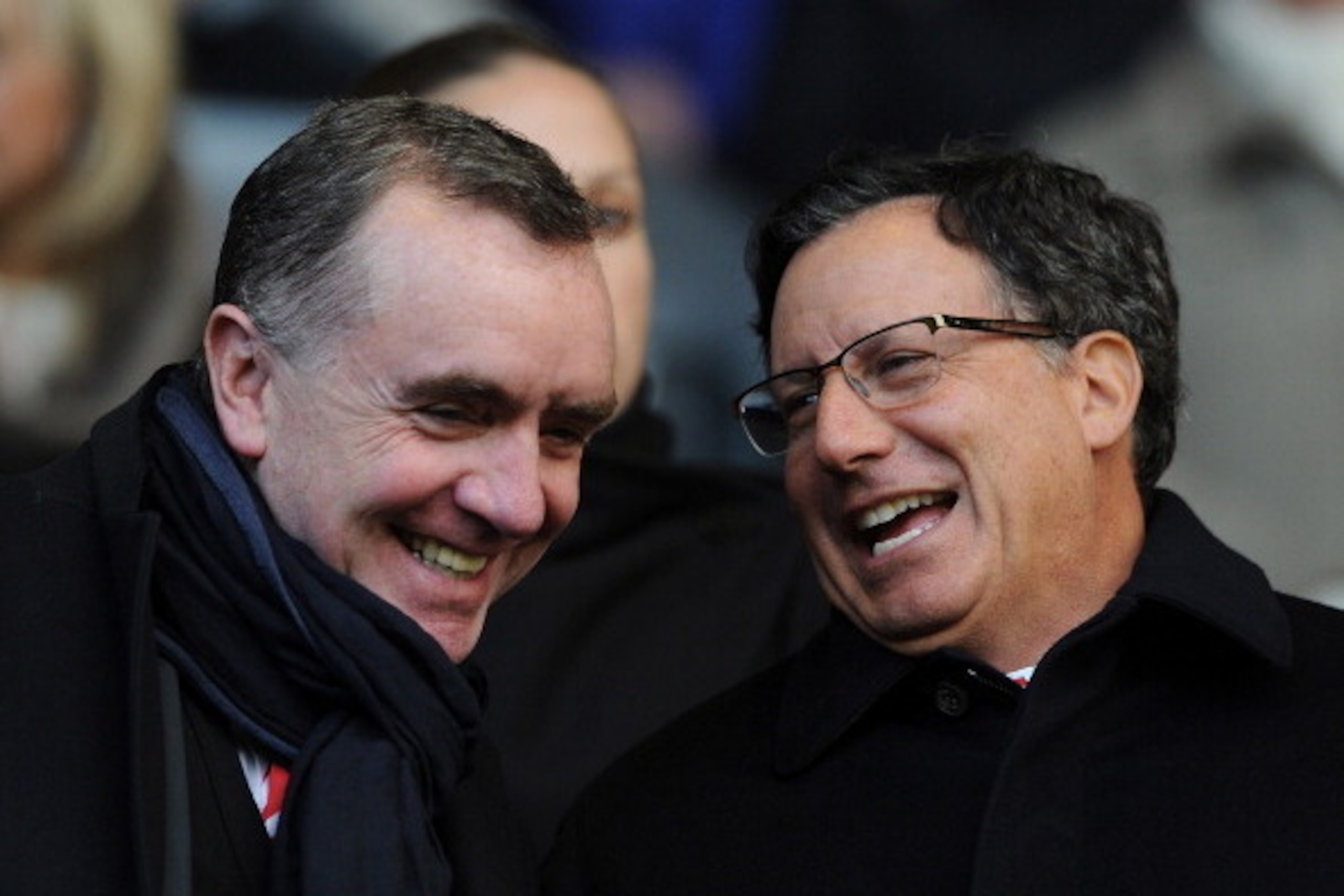
Ayre's departure will be shrouded in criticism from supporters, but Henry and Werner's statement on the news of his decision highlighted the lifelong Red's positive work on Merseyside:
"We asked him on several occasions to take some time to reconsider his decision, but have been unable to convince him to remain as CEO beyond May 2017. We will at some point in the near future begin identifying and recruiting a worthy successor to continue to build on the outstanding foundations which have been laid by Ian.
Under his leadership, we have seen Liverpool transform from a club that was on the brink of bankruptcy, to one which today enjoys strong financial and operational health.
Stability is a commodity often under-valued in sporting organisations, but it has been a fundamental hallmark of Ian’s time in charge. Liverpool will reap the benefits of his outstanding work for many years to come.
"
Joining Liverpool in 2007, under former owners Tom Hicks and George Gillett, Ayre outlasted the pair, enjoying successive promotions following the arrival of Henry and Werner, and the departures of managing director Christian Purslow (2011) and director of football Damien Comolli (2012).
In 2014, he was named CEO, restored to the role he played at former club Huddersfield Town, having already been central to an overhaul of Liverpool's approach following the arrival of Brendan Rodgers in 2012.
Henry and Werner's focus on the club's "financial and operational health" is a testament to Ayre's business nous, with the 52-year-old having proved integral to a number of positive developments off the field.

Firstly, as the Guardian's Andy Hunter revealed in 2012, this saw Ayre secure a £300 million kit manufacturing deal with Warrior Sports, which later transitioned to its parent company, New Balance, in 2015, with the Mail's Jack Bezants describing the agreement as "the biggest in the history of the club."
Furthermore, Liverpool's association with kit sponsors Standard Chartered, with a renewed deal reported by the Telegraph's John Percy in 2015, has drawn the club level with Premier League rivals Arsenal, earning £30 million a season.
Most crucially, Ayre has presided over long-standing plans to redevelop Anfield, a £260 million venture that will eventually bring the stadium up to a 60,000 capacity—in line with Arsenal's Emirates Stadium.
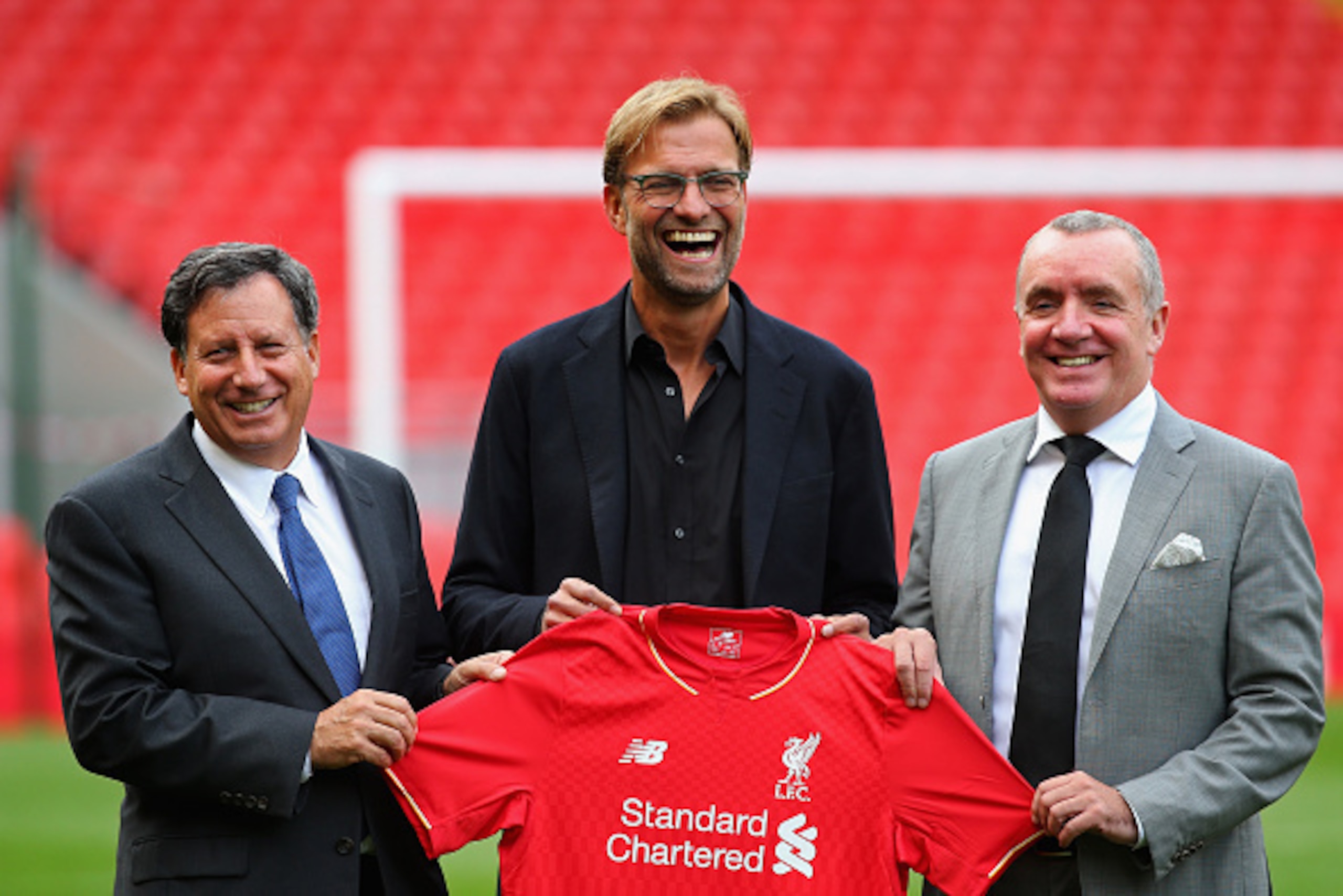
But Ayre's influence has proved positive on the pitch and in the dugout at points, too, including last summer's aggressive pursuit of star midfielder Roberto Firmino, as reported by the the Liverpool Echo's James Pearce, and, according to Chris Bascombe of the Telegraph, his role in the appointment of Klopp.
Moves for Firmino and Klopp represented a more ambitious, streamlined approach from Liverpool, but unfortunately for Ayre, his legacy will remain shadowed by previous mistakes alongside Klopp's predecessor.

In a 2013 interview with Sports Illustrated (h/t This is Anfield) in which Ayre explained Liverpool's transfer committee, he said:
"We have a head of analysis, a head of recruitment, a first-team manager, myself. All of those people are all inputting into a process that delivers what a director of football would deliver.
[It is] a combination of old-school scouting and watching players—and that’s Brendan, his assistants, our scouts—with statistical analysis of players across Europe and the rest of the world. By bringing those two processes together, you get a much more educated view of who you should and shouldn’t be buying.
"
One of Ayre's most prominent actions came in 2012 with the inception of a committee approach to recruitment on Merseyside, assembling an initial, five-man group of himself, Rodgers, head of recruitment Dave Fallows, chief scout Barry Hunter and head of performance and analysis Michael Edwards; later joined by Fenway Sports Group president Mike Gordon.
This collegiate approach to identifying targets and pursuing signings was no innovation—every club takes some form of council, whether formal or informal—but as Liverpool's disastrous recruitment model unfolded throughout Rodgers' reign, it became apparent that Ayre's mistake was in publicising this.
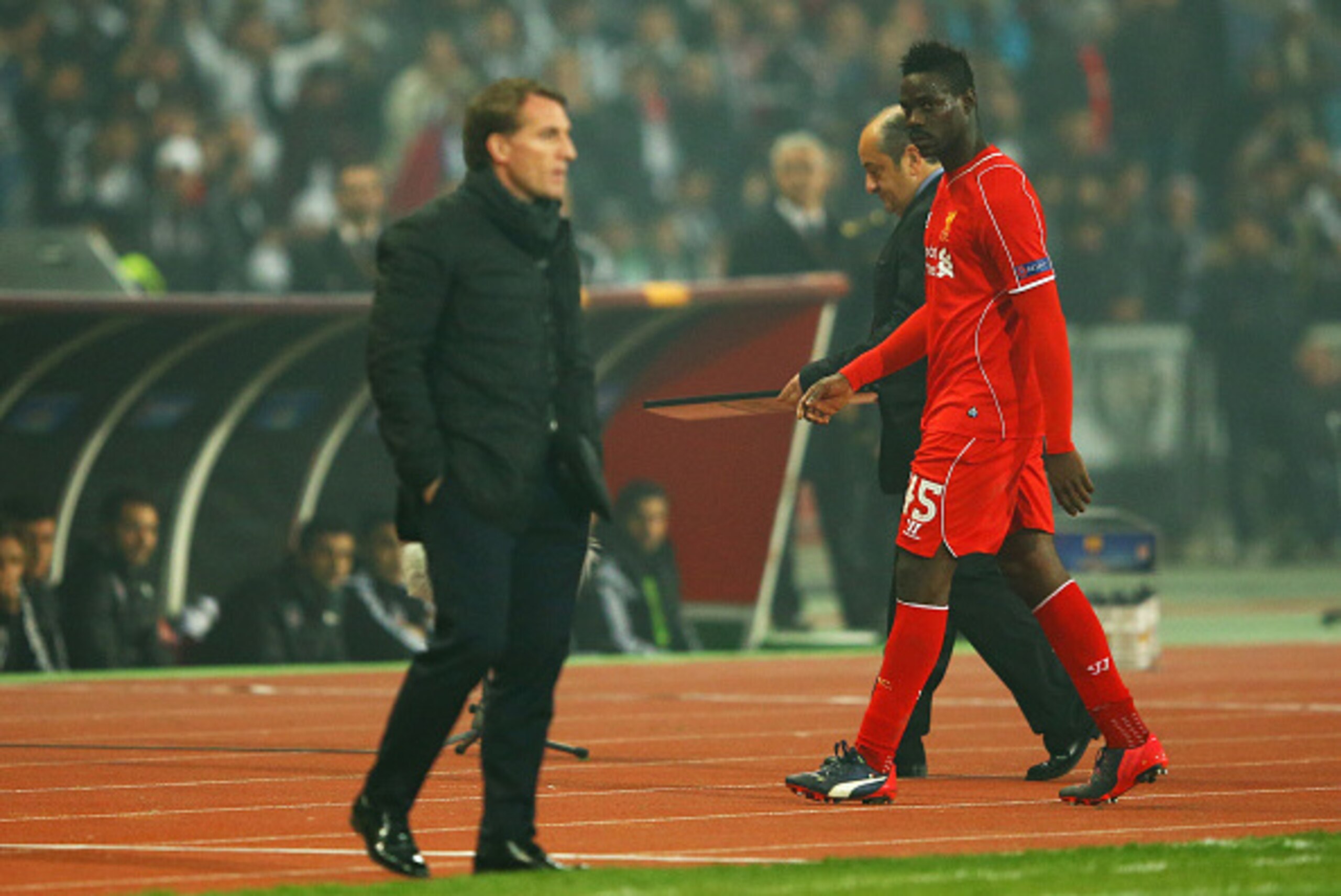
Costly transfer mistakes such as Fabio Borini, Iago Aspas, Mario Balotelli and Christian Benteke saw a desperate, scattergun approach undermine Liverpool's progress on the field.
Moreover, it is only now that the likes of Dejan Lovren, Adam Lallana and Emre Can are showing their full potential, following the intervention of Klopp, highlighting what the Times' Tony Barrett alluded to the Liverpool Echo's David Prentice as a disconnect between Rodgers and the committee:
"Barrett told us that Nathaniel Clyne, Dejan Lovren, James Milner, Adam Lallana and Christian Benteke were Rodgers signings and Rodgers alone.
While the transfer committee landed Mamadou Sakho, Lazar Markovic, Alberto Moreno and Divock Origi.
Which probably explains why the first five started at Stoke [in Liverpool's first clash of the 2015/16 campaign] on Sunday—and the other quartet didn't.
"
In short, Rodgers favoured signings with Premier League experience, while other members of the committee—namely Edwards—favoured "statistical analysis of players across Europe and the rest of the world."
This painted the committee approach as flawed, with Ayre providing the ultimate fall guy for supporters—only magnified by an ill-advised interview playing down criticism of the club's ticket-pricing increase earlier this season; a structure that Henry and Werner eventually discarded in an act of positive PR.

For all his good work in the role of CEO, Ayre will struggle to shake his lowly reputation among Liverpool supporters due to their many failings in the transfer market following the introduction of the transfer committee.
As Henry and Werner continued in their statement on the announcement of Ayre's forthcoming departure, the pair highlighted the need to "find a suitable successor," and while their address was littered with praise for their current CEO, this decision will prove crucial as Liverpool look to push on under Klopp.

With the signings of Joel Matip and Marko Grujic—and reported interest in Bayern Munich midfielder Mario Gotze and Empoli's on-loan Poland international Piotr Zielinski, as relayed by the Express' Paul Joyce—Liverpool's approach is already taking a more measured, continental bent following Klopp's arrival.
A month after appointing Klopp as manager, Ayre told the Liverpool Echo's Ian Doyle that the German would have "final say" on all incomings and outgoings—marking a departure, despite his claims to the contrary, from Rodgers' spell in charge.
To avoid the pitfalls of Rodgers' reign, with a lack of accountability in Liverpool's many failed signings, Henry and Werner must follow Ayre's departure with the appointment of a CEO that Klopp trusts implicitly.
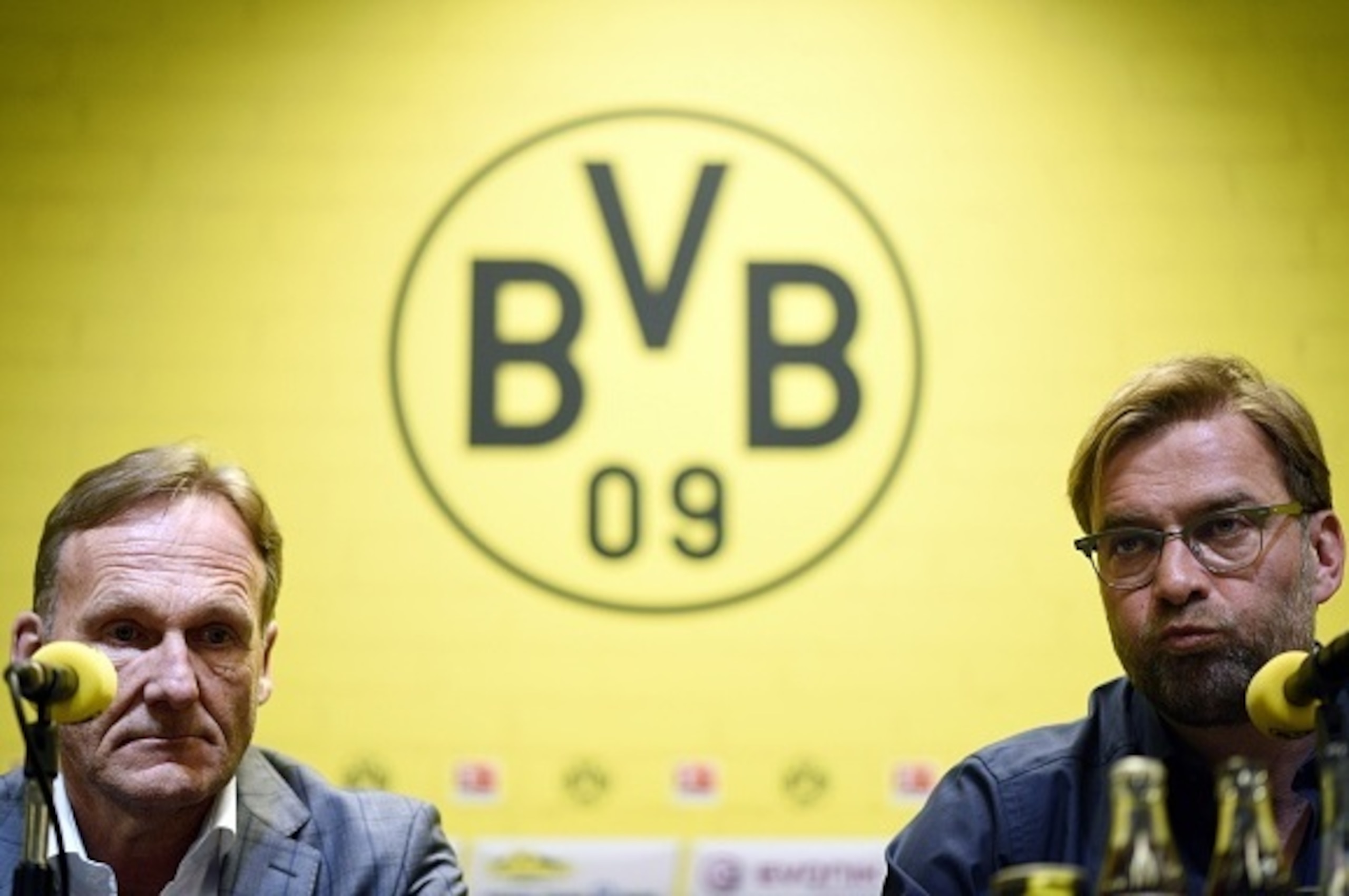
During his time at Borussia Dortmund, this was Hans-Joachim Watzke—a man who, along with sporting director Michael Zorc, cut a devastated figure as Klopp announced his intention to leave Dortmund last summer, such was their bond.
While it is unlikely Liverpool can poach Watzke from Dortmund at this stage, with the 56-year-old having been at the club since 1996, this is the relationship that they must look to replicate.
For his role in many positive developments at Liverpool since his arrival, Ayre does not deserve the venom that supporters send his way; but the Reds CEO's departure gives owners Henry and Werner a great opportunity to continue their progress, with Klopp as their figurehead.


.jpg?w=2560 "KOC Contacted OBJ After Release ☎️")
.jpg?w=2560 "Dak to Stroud: Get Some Wins 💯")

.jpg?w=2560 "5 NFL Players Getting Trade Buzz")