

Breaking Down the Claim That Arsenal Are Lacking Leaders
One of the criticisms aimed most regularly at Arsenal is that they suffer from a lack of leadership. Every dropped point is accompanied by the cry that this is a side lacking the sort of inspirational personnel that it’s felt are needed to drive a team on to glory.
Take the recent defeat against Manchester United. After the game, former Gunner Ray Parlour told Sky Sports:
"I didn't see anyone on that pitch demanding more from the players. The big players didn't turn up and at the back they were all over the place.
The most important thing is the leaders. When the going gets tough you need people like that; when I played we had Tony Adams and guys like that demand more from you when you're up against it.
"



Arsenal’s last few Premier League-winning sides have certainly been blessed with a few players who oozed natural authority. In 1998, the Gunners were led by the iconic figure of Tony Adams. When he retired as captain, he was replaced by Patrick Vieira.
Although Vieira was a very different kind of skipper, he still commanded respect from team-mates and opponents alike. While Adams was more likely to rouse his side with stirring words, Vieira was more quiet.
The Frenchman typically led by example. The sight of him storming through the midfield seemed to give everyone around him a noticeable lift.
This generation does not have an obvious Adams- or Vieira-like individual to rally the troops. The question now is whether or not that really matters.
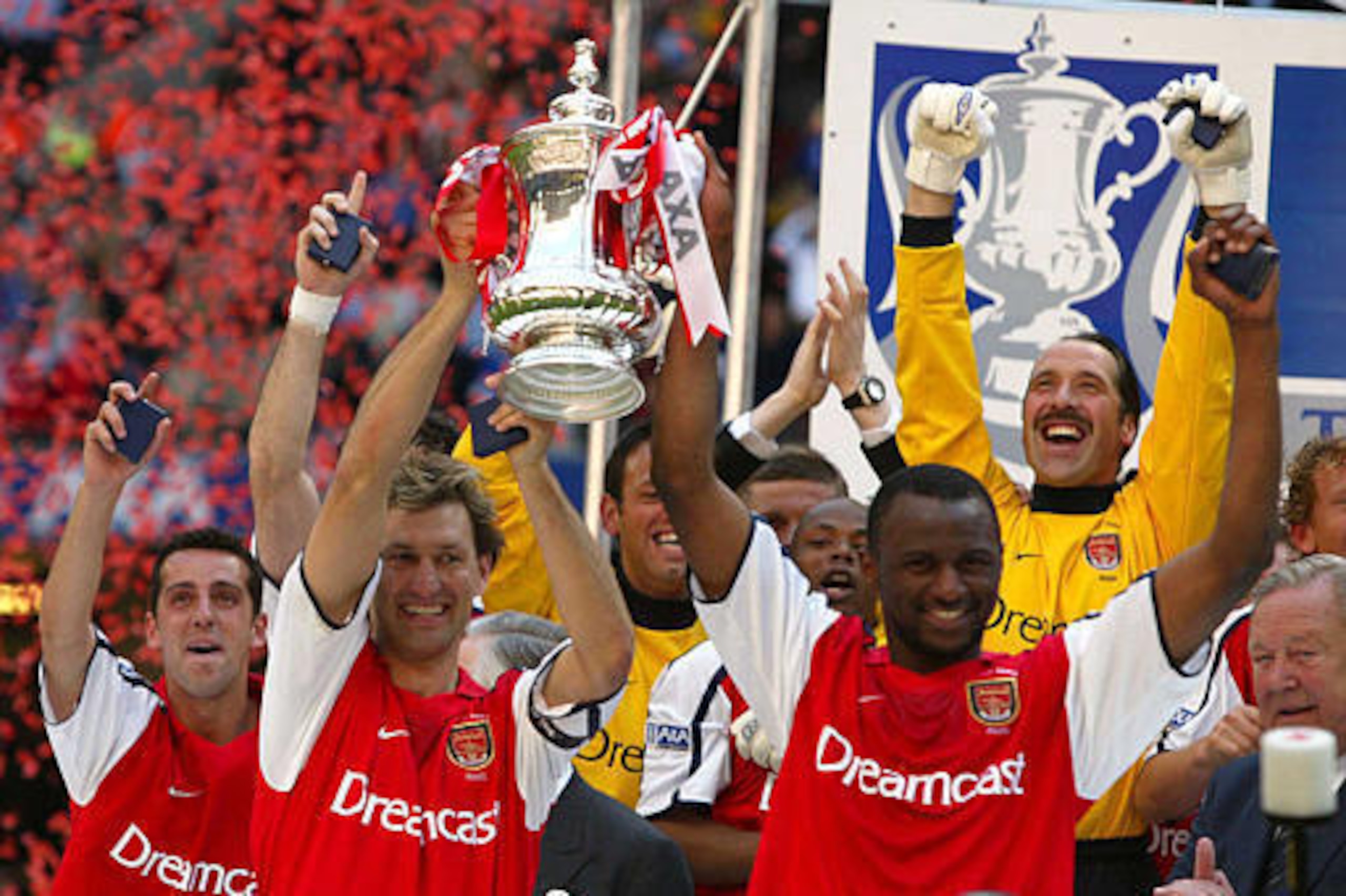
Arsene Wenger does not necessarily subscribe to the belief that Arsenal need more leaders. For starters, he’s by nature somewhat sceptical of that curiously British belief that a team requires a totemic individual to act as motivator and organiser on the field.
Instead, Wenger believes in a more collective responsibility. Per Mark Bryans of the Press Association (h/t the Daily Mail), he said:
"You want all 11 players to be leaders and to take initiative, communicate and transmit to other players what they see on the pitch. You want them to motivate the other players and be constructive and positive. That's what it's about in the leadership action.
"
That much was obvious back in 2007, when Wenger had to replace the departing Thierry Henry as captain. Instead of naming just one player, the club made an announcement identifying three new skippers for the coming season—one primary captain and two vices.
Responsibility would be shared between the experienced trio of William Gallas, Gilberto Silva and Kolo Toure. It was a bold and progressive move, but ultimately it failed, and Cesc Fabregas was appointed as the team's permanent captain.
Wenger’s cavalier approach to the captaincy is exemplified in the fact he allowed Theo Walcott to wear the armband for the match with Chelsea that marked his 10th year with the club. He clearly views the role as symbolic and ceremonial rather than particularly significant.
Arsenal have a captain now, nonetheless. Since Thomas Vermaelen’s move to Barcelona in the summer of 2014, Mikel Arteta has been the official club captain.
It tells you something about the regard in which Wenger holds the role that it is occupied by a player who is no longer even an automatic first-team pick. This season, injury has limited to Arteta’s involvement to little more than writing regular programme notes.
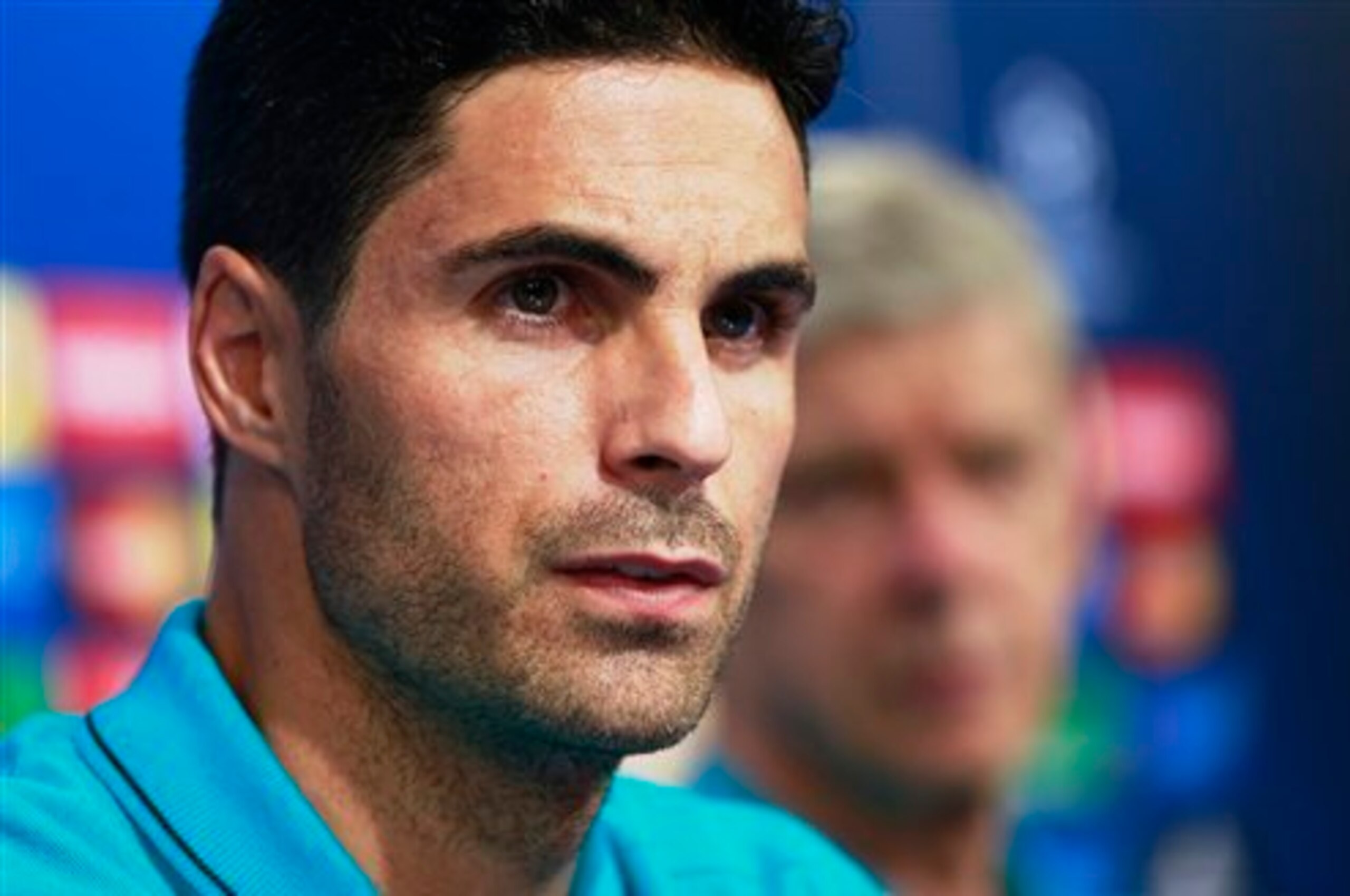
At least, that’s how it looks from the outside. The prevailing perception is that Arteta is an impotent skipper. However, Wenger clearly believes otherwise. He has regularly hailed the Spaniard’s influence, even when he is not available to play. As the Gunners boss told Arsenal.com:
"Mikel has a huge influence even when he is not playing. He is super conscientious, and every morning two hours before training he prepares and that is absolutely right.
Just through his behaviour, his focus on getting everything right in the team, he has a huge influence. He has great experience and is respected throughout the squad.
"
It’s clear that, in as far as Wenger believes in the idea of a captain at all, he believes their duties should extend beyond the 90 minutes on a Saturday.
If Arteta doesn’t play, it’s Per Mertesacker who wears the armband. There’s a player with some of the more stereotypical qualities of a captain: he’s vocal, a natural organiser and even an intimidating presence on the pitch. He’s hugely experienced too, with a World Cup winner’s medal to his name and more than 100 caps for Germany.
According to Wenger (h/t Metro), it is Mertesacker who is tasked with collecting fines in any case of squad indiscipline. One can imagine the giant German makes for quite an effective bailiff.
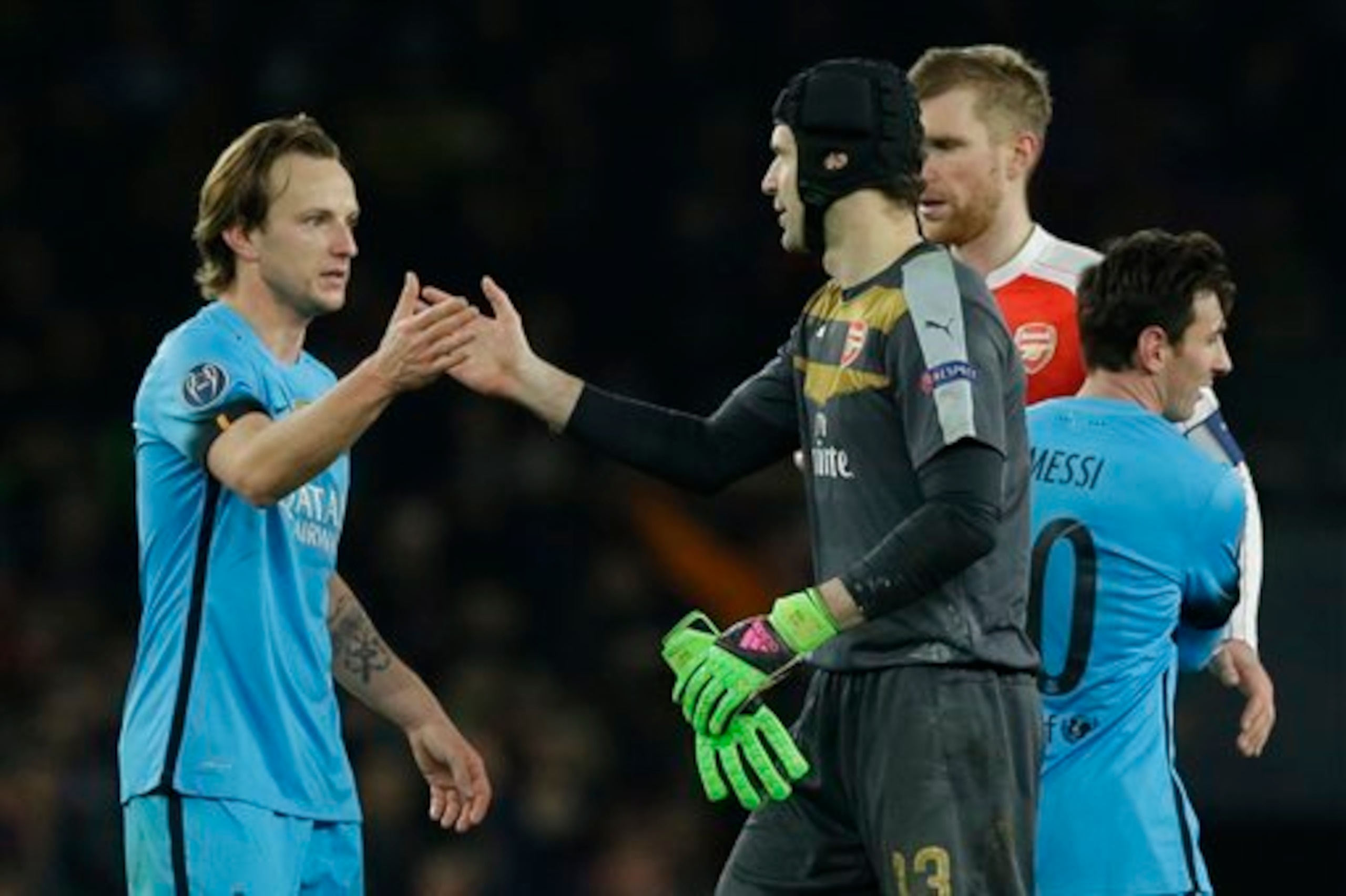
He’s also formed an authoritative axis with Petr Cech at the heart of the defence. Cech has one of the most prized qualities in any leader—he’s a winner. His record with Chelsea speaks for itself, and the veteran keeper is now trying to transfer that mentality to his new club.
If Mertesacker is ever absent, it would be no surprise to see Cech wearing the armband sometime soon.
As Adams and Vieira showed, there are many different kinds of leadership. In Cech's compatriot Tomas Rosicky, Wenger has someone who can be a "technical leader" for the team.
Arsenal have a game so reliant on carefully honed patterns of play that someone who trains as well as Rosicky is invaluable. It’s for that reason that Wenger has continued to allow Robert Pires to train with the side well into his retirement.
Of course, Rosicky and Pires also have plenty of experience. Years in the profession naturally allow players to accumulate knowledge that is very valuable to younger members of the squad.
Come the summer, Wenger may have to redress the age profile of the team—Arteta, Rosicky and Mathieu Flamini are all set to leave at the end of their contracts. Replacing that kind of know-how will not be easy.
Arteta’s likely departure also means that Arsenal will have to name a new permanent captain. The existing hierarchy suggests Mertesacker will simply step up to take the role on a full-time basis. However, perhaps Wenger will want a change. His idea of collective responsibility is admirable and interesting, but it hasn’t yet brought Arsenal the success they crave.
It would be a radical departure, but perhaps this summer he’ll look to recruit a player in the Adams or Vieira mould to provide Arsenal with a more obvious style of leadership. Arsenal will need a new captain, but that may mean Wenger having to find one externally.
James McNicholas is Bleacher Report's lead Arsenal correspondent and is following the club from a London base throughout 2015/16. Follow him on Twitter here.

.jpg?w=2560 "Dak to Stroud: Get Some Wins 💯")


.jpg?w=2560 "5 NFL Players Getting Trade Buzz")

.jpg?w=2560 "NFL Won't Fine 'Beverage' Celebrations 🍻")