

Why Bayern Munich Would Be Wrong to Consider Selling Thiago Alcantara
When Pep Guardiola moved to Bayern Munich in 2013, he had one request: Thiago Alcantara.
The Bavarians had already secured Mario Gotze as a summer signing, but the trainer revealed in a July press conference (h/t Marca): "It is either Thiago or nothing. [Sporting director Matthias] Sammer and [chief executive Karl-Heinz] Rummenigge know my reasons for wanting Thiago. He's a super player."
So Bayern signed Thiago, a player who was willing to leave the comfort of the club of his youth—a spectacular Barcelona side where he was seemingly being groomed to replace the aging Xavi in the not-so-distant future—to be with the coach who had introduced him to the professional game.
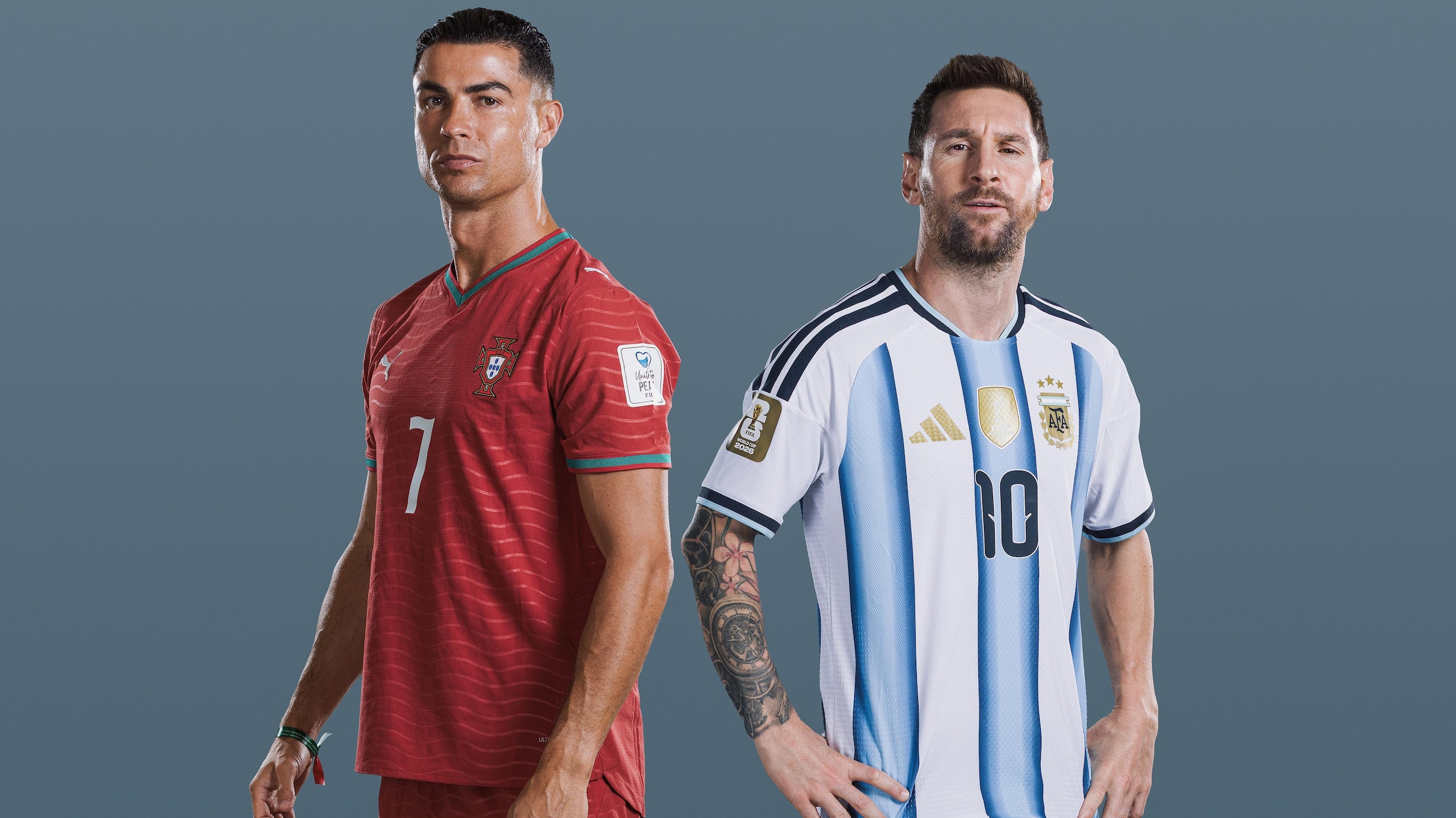
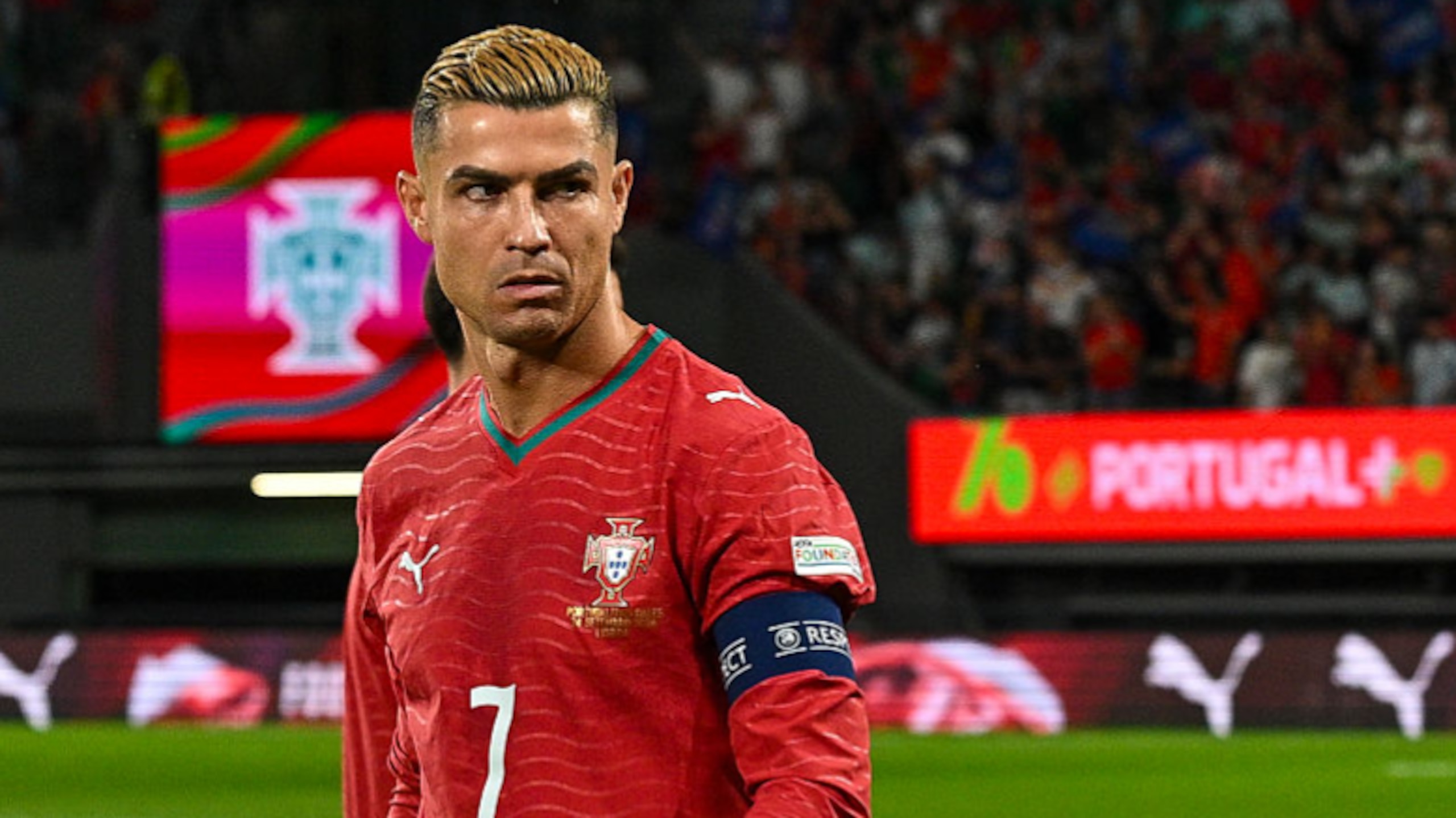
Thiago was Guardiola's requested player then, so naturally, it was hardly a surprise when murmurs began to emerge that the trainer would like to bring him to his next destination, Manchester City.
Last month, the player felt compelled to speak out about the rumors, telling reporters, per ESPN: "If I wanted to leave, I would not have signed a new contract."
Indeed, the 24-year-old extended his Bayern contract until 2019 last August. But that was before Guardiola's future was decided.
If his loyalty to Guardiola is greater than that to his club, as it was in 2013—and this is entirely possible given that Barcelona was where he grew up, while Bayern have no obvious sentimental value to the player—Thiago could be tempted to join his next project at Manchester City. A sizable raise, which is entirely possible given City's financial backing, would only sweeten the pot.
Even if Thiago wants to move on to his next challenge and follow Guardiola to City, Bayern ought not to grant his wish. There are several reasons for this.
Firstly, the Spain international is a great player who has a future in this Bayern team. Toni Kroos, Bastian Schweinsteiger and Luiz Gustavo have all left Munich in the last few years, and Xabi Alonso already appears to be too old to be relied upon in big games that expose the athletic limitations that have come in his advancing years.
Arturo Vidal "only" turns 29 in May, but the Chilean has a great deal of baggage and whether he'll be the player he was a few years ago is highly questionable. In any case, he's not many years from being at the point where he cannot physically reach his previous heights.
Thiago is different. A month before his 25th birthday, he may be the only Bayern central midfielder who is truly in the prime of his career.
Pierre Hojbjerg and Joshua Kimmich have no shortage of talent, but they're still years from their peak, and an indiscernible amount of time from reaching the level they'll need to justify starting in a Bayern team that should have world-class talent in every position. As for Javi Martinez, it's uncertain as to whether Carlo Ancelotti will play the Spaniard in midfield or defense.
On the topic of Ancelotti, Thiago is the kind of player who could thrive under the Italian coach. He's not entirely different in playing style from Luka Modric, a central midfielder with exceptional touch, balance and agility that make him a truly brilliant dribbler. And both are very comparable in terms of their short passing game, which they both use like attacking midfielders, even if their responsibilities are typically a bit deeper.
Ancelotti helped take Modric from the level of a quality playmaker at Tottenham Hotspur to one of the very best central midfielders in the world at Real Madrid. And although Thiago has benefited from Guardiola's tutelage at Bayern (and Barcelona before), he could become an even better player under Ancelotti.
Although they were spoiled for options in central midfield not long ago, Bayern really cannot afford to let Thiago go without requiring some serious restructuring. And it'd be a shame not to let Ancelotti work his magic on the 24-year-old.
The final reason Bayern should not sell Thiago is symbolic. The Bavarians have every reason to feel vulnerable now, with Guardiola having rejected their attempts to convince him to extend his contract.
Although they've been superb in the Bundesliga in each year of the trainer's tenure at the Allianz Arena, they've been outclassed in the Champions League in each of the last two seasons and look very unlikely to win Europe's most coveted club trophy this May.
Bayern have not reached the level they achieved prior to Guardiola's arrival, with three finals appearances in four years and a legendary 2012-13 season.
Although some long-term issues have been solved, there remain many question marks: Philipp Lahm and Arjen Robben are past their primes with it still unclear how the club will replace them with world-class talent in the near future.
Even Douglas Costa, as great as he's been, is not where Franck Ribery was a couple years ago. And if Thiago goes, their midfield will have been gutted.
Bayern gave Guardiola free license to treat the club as he saw fit, with precious little resistance and interference. If they let him snatch their most promising midfielder this summer, they will lose a great deal of respect.
It was crucial that Bayern extended the contracts of Martinez, Thomas Muller and Jerome Boateng in December, effectively ensuring that Guardiola not bring such key players with him to City.
Still, there are others, like David Alaba, Manuel Neuer, Robert Lewandowski and Thiago whom the Bavarians cannot afford to let go either. If they do, it will be a huge loss in terms of personnel and one that will be extremely difficult to replace.
And it will be a huge blow to team morale, signaling a full-on transitional period in which things could get a lot more difficult for a team that should be competing at the very height of European football.



.jpg?w=2560 "Dak to Stroud: Get Some Wins 💯")
.jpg?w=2560 "5 NFL Players Getting Trade Buzz")



.jpg?w=2560 "NFL Won't Fine 'Beverage' Celebrations 🍻")