
NCAA Tournament 2016: Opening Odds for Every Team
The 2016 NCAA tournament field has been revealed, and we have meticulously calculated each team's odds of winning the national championship.
In many cases, these won't come close to matching up with the odds you might find at your local sportsbook, but they are our best estimate at the actual odds each team has of winning it all. Also, our odds add up to just a hair over 100 percent, while the odds in Las Vegas typically add up closer to 135 percent.
Kansas is the favorite to win it all but not by much. At any rate, the Jayhawks are nowhere near the favorite Kentucky was last year, and how did that work out for the Wildcats? Other top candidates are North Carolina and Michigan State. If we get a Final Four with those three teams, it will have been a beautiful March.
Where does your favorite team fall?
DISCLAIMER: It should be noted that you can't bet on these odds.
Unless, of course, you want to bet on a No. 16 seed to win it all. If that's the case, we're all ears.
No. 16 Seeds
1 of 16
Holy Cross (20,000,000-1)
If there's a school in the country that makes sense to have a prayer answered, it's Holy Cross. But the Crusaders may have already used up all of their lifelines to heaven just to make the NCAA tournament with a 14-19 record.
Look for them to win the play-in game, because sub-.500 teams usually do for some reason. But that'll be the end of the line.
Fairleigh Dickinson (15,000,000-1)
Despite playing in one of the worst conferences in the country, the Knights gave up 11 more points than they scored this season. If they survive the play-in game and don't lose by 30 to a No. 1 seed, it's a moral victory.
Southern (12,000,000-1)
Cinderella teams throughout the years have typically played challenging nonconference schedules, preparing them for the caliber of opponent they'll face in the NCAA tournament.
And then there's Southern, which didn't play a single game against a team in the RPI Top 90. Expecting this team to beat a No. 1 seed is like expecting a high school senior to go straight to the NFL and win the rushing crown. The Jaguars simply aren't ready for what they're about to face.
Hampton (12,000,000-1)
No. 16 seeds are usually bad teams who happen to catch fire for one week, but Hampton has won 16 of its past 19 games. Prior to that, SMU, Colorado and Princeton bludgeoned the Pirates, but they could at least be a nuisance for a No. 1 seed.
Austin Peay (10,000,000-1)
Don't expect Austin Peay to beat a No. 1 seed, but do expect Chris Horton to put on a show. He didn't do much in the Ohio Valley championship game, but he did average 27.3 points and 16.3 rebounds in the first three games of that tourney.
Florida Gulf Coast (8,000,000-1)
It should be fun to see how many people pick FGCU to win at least one game, just because of what Dunk City did three years ago. If you're in a bracket pool with one of those people, congratulations, because these Eagles aren't anywhere near as talented as the ones in 2013.
No. 15 Seeds
2 of 16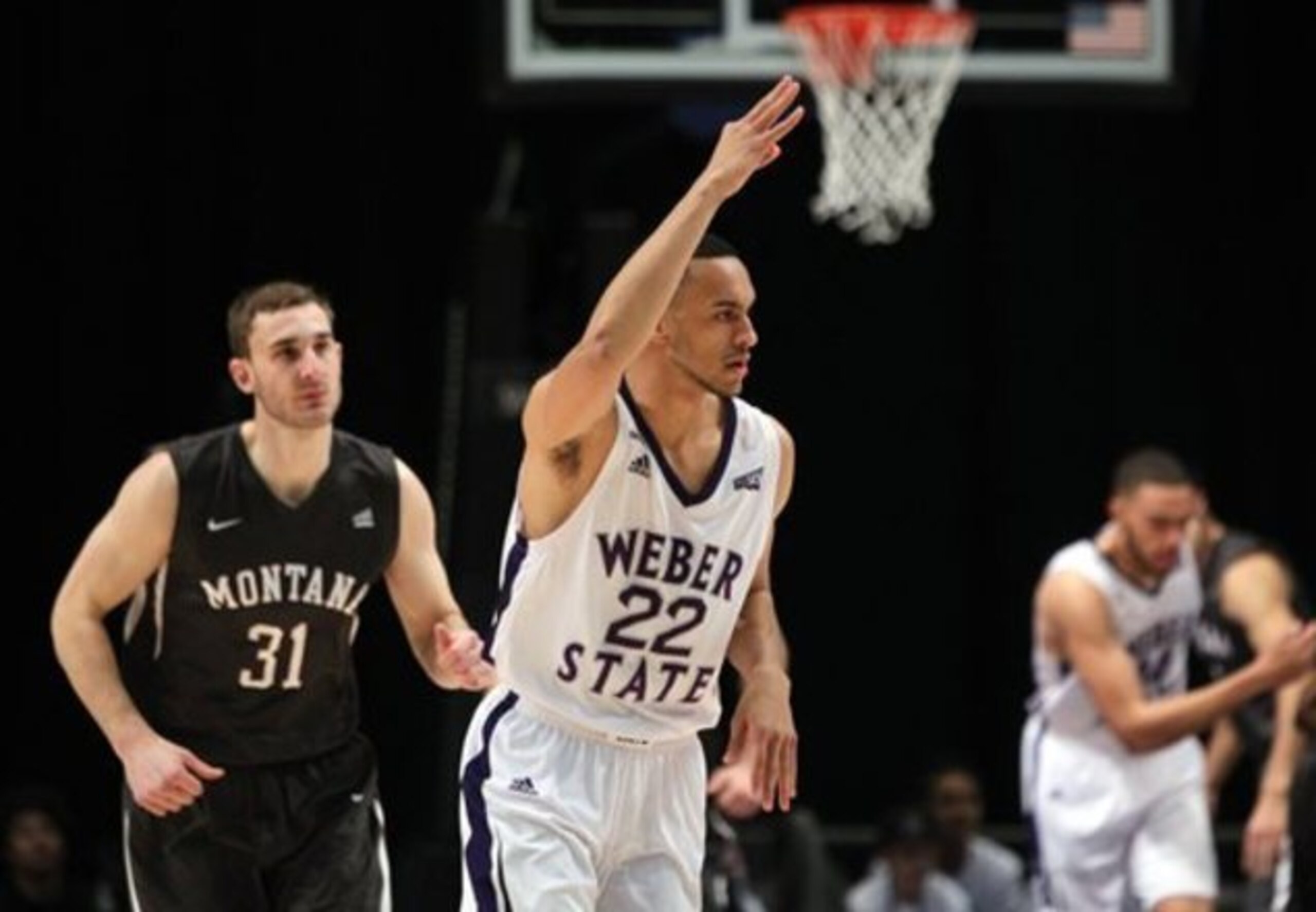
Cal State Bakersfield (1,000,000-1)
Bakersfield's nickname is the Roadrunners, but it might as well be the Roadblocks this year. These guys get after it on the defensive end, blocking a lot of shots and forcing a lot of turnovers. In the WAC tournament, they gave up just 52.7 points per game.
That doesn't mean they're going to beat anybody, but it might be worth looking at the over/under line of the rock fight they will inevitably induce.
Weber State (800,000-1)
Led by senior forward Joel Bolomboy, Weber State scores well in the paint and gets to the free-throw line on a more-than-regular basis. The Wildcats also have an excellent three-point shooter in junior Jeremy Senglin.
They didn't schedule well at all in nonconference play, though, so it's tough to forecast how they'll fare against a real opponent and even tougher to expect them to beat one.
UNC-Asheville (600,000-1)
The Bulldogs rank second in the nation in three-point field-goal defense and third in steal percentage. They also won a road game against Georgetown before the Hoyas completely fell apart.
If you're looking for a No. 15 or No. 16 seed that could advance to the round of 32, this is probably your best bet.
Middle Tennessee (400,000-1)
UAB was supposed to win the Conference USA tournament and become one of the top Cinderella candidates in the country, but Middle Tennessee has a shot at making some noise, too.
Shooting 50.3 percent, freshman guard Giddy Potts is the best three-point gunner in the country, and the Blue Raiders do a terrific job on the defense glass. Just don't expect them to salt away a late lead at the free-throw line, where they shot 61.7 percent this season.
No. 14 Seeds
3 of 16
Buffalo (750,000-1)
Former head coach Bobby Hurley left for Arizona State, but his ghost lives on with this uptempo, physical program. Buffalo will be undersized in the NCAA tournament, but it will not be outfought, as 6'6" junior wing Blake Hamilton and 6'5" junior guard Rodell Wigginton get everything they can out of their middling-height bodies.
Toughness is about the only thing going for this team, though, and toughness didn't keep the Bulls from losing 14 games during the regular season.
Green Bay (450,000-1)
The Phoenix play at one of the fastest tempos in the country, rarely committing turnovers and forcing a ton of them on the defensive end.
This might be a Cinderella team. They beat Akron and Valparaiso and nearly won road games against Stanford and Wisconsin. Granted, those teams weren't exactly in the conversation for a spot on the top-three seed lines, but there might be a brief tournament run in Green Bay.
Stephen F. Austin (350,000-1)
It's a shame the Lumberjacks won't get to face any more Southland opponents in the NCAA tournament, because they have now feasted on that terrible conference for three straight years.
Because of that, we don't want to put too much stock in their numbers. However, this is an offensively efficient team that forces a ton of turnovers on the defensive end. It would have been nice to see it beat a team better than Texas A&M-Corpus Christi, but lack of marquee wins during the regular season didn't stop the Lumberjacks from upsetting VCU two years ago.
Fresno State (125,000-1)
No one expected Fresno State to make the tournament, but after earning the Mountain West auto bid, everyone should be afraid of this team.
Senior guard Marvelle Harris is a scoring machine, and he is surrounded by juniors and seniors—several of which transferred in from major-conference programs—who have been waiting a long time for their chance to do something on the big stage.

No. 13 Seeds
4 of 16
UNC-Wilmington (500,000-1)
The Seahawks are a sneaky-good team that simply needs to stop committing so many fouls. They rank 350th in the nation in defensive free-throw rate and commit an average of 23.8 fouls per game.
Junior guard Chris Flemmings is a great player, but his teammates are killing him by giving the opposition so many freebies.
Stony Brook (300,000-1)
Would it be OK with you guys if I just type Jameel Warney's name 43 times—one for every point he scored in the America East championship game?
The minor-conference stud had 20 double-doubles in 32 games and scored at least 11 points in every game this season. Even Vanderbilt's potential lottery pick, Damian Jones, was no match for Warney, as he had 22 points, 11 rebounds and four blocks in nearly upsetting the Commodores in November.
Hawaii (250,000-1)
The vast majority of these auto-bid, double-digit seeds showed us nothing in the few games they played against elite teams, but Hawaii darn near beat Oklahoma back in December, falling 84-81 in a game that was tied with 1:47 remaining—this after Oklahoma opened up a 21-5 lead in the first seven minutes.
Maybe that's an indictment of how little we should trust the Sooners, but it has to say something good about a Warriors team that went 27-5, right? They also nearly won at Texas Tech and beat the pants off of Northern Iowa, 68-52, and Auburn, 79-67. This is a team no one wants to face.
Iona (80,000-1)
The Gaels racked up a few losses early in the season without senior guard A.J. English, but they have been almost unbeatable since the end of January, with him averaging 22.4 points, 6.2 assists and five rebounds per game on the season.
Trying to prepare for Iona's uptempo, three-point oriented offense is almost the inverse of getting ready to face West Virginia's defense. Iona can be scored on, but good luck slowing this team down.
No. 12 Seeds
5 of 16
Yale (200,000-1)
The Bulldogs haven't been to the NCAA tournament since 1962, but they're ready to do some damage in 2016.
They rank seventh in the nation in both offensive and defensive rebounding percentage, as junior Justin Sears is one of the most underappreciated power forwards out there this year. Outside of an inexplicable blowout loss to Albany, 88-54, Yale has been a tough team to beat since the beginning of the season. The Bulldogs nearly won at SMU back in November (71-69) and gave Duke much more of a fight than the 80-61 final suggests.
South Dakota State (175,000-1)
The Jackrabbits were a Cinderella threat in years past with Nate Wolters, but they're better now than they've ever been.
Freshman forward Mike Daum has been unbelievable for the past two months, and senior guards Deondre Parks and George Marshall are veteran guys who can score in bunches. It would be a massive surprise if they won it all, but it might be an even bigger surprise if they get blown out in their first game. This is a team that can win a few.
Arkansas-Little Rock (150,000-1)
At 29-4, the Trojans tied Kansas for the fewest losses in the country this season. That isn't to say they're as good as the Jayhawks, but they did win road games against San Diego State and Tulsa in the process of putting together four separate winning streaks of at least five games.
Between their three-point and turnover percentages on both ends of the court—they rank top-40 in the nation in all four of those categories—this is a slow-paced, veteran team that could grind out a couple of wins. They were disrespected in the AP polls all season long, and this is their chance to unleash some of that frustration.
Chattanooga (100,000-1)
Chattanooga won 29 games this season, and they didn't all come against dreadful foes. In fact, the Mocs opened the season with a road win over Georgia and won at Dayton in mid-December. In total, they beat five RPI Top 100 teams and 15 RPI Top 200 teams.
There's nothing in particular that they do well or poorly. This is simply a good mid-major team that can hang with anyone. Try not to be surprised if they reach the Sweet 16.
No. 11 Seeds
6 of 16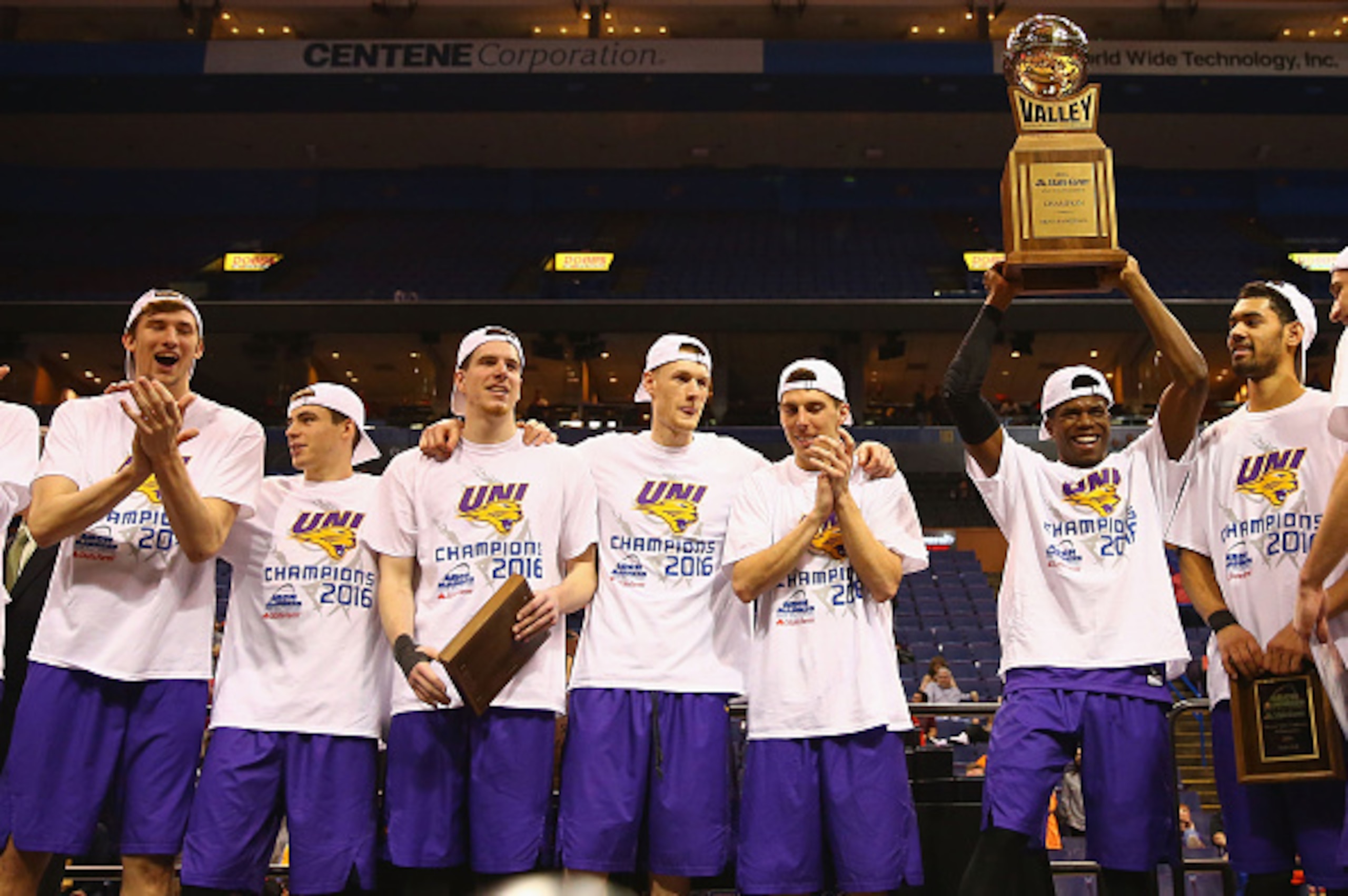
Northern Iowa (75,000-1)
With wins over North Carolina, Iowa State, Wichita State and Stephen F. Austin on their resume, the Panthers are the most dangerous minor-conference tournament winner by a country mile. Gonzaga is a better team, but the Zags don't have anywhere near the caliber of wins Northern Iowa does.
Of course, UNI also suffered some terrible losses this season, including getting swept by Loyola-Chicago.
The Panthers aren't winning six in a row, but they have proved they can beat anyone on any given night. Good luck predicting how far this wild card goes.
Tulsa (60,000-1)
There wasn't a single bracketologist on the Bracket Matrix who felt that Tulsa deserved a bid, but now that the Golden Hurricane are here, what do we make of their ridiculous amount of experience?
Their primary eight-man rotation consists of seven seniors and one junior, and for all seven of the seniors, this is at least their third year together. In other words, this isn't some hodgepodge of transfers. This is a cohesive, guard-oriented unit that simply wasn't a good matchup in its ugly losses to Memphis toward the end of the season.
But therein lies the problem, because this team will get routed as soon as it runs into a legitimate frontcourt.
Michigan (30,000-1)
Michigan really showed us something in the Big Ten quarterfinal win over Indiana. Despite struggling from three-point range, the Wolverines won that game on defense, forcing 15 turnovers and holding the Hoosiers to 4-of-17 from beyond the arc.
This team has a high ceiling when Duncan Robinson and Derrick Walton are making it rain from three, but it's that rarely-displayed-this-season defense that could propel the Wolverines to a decent run.
With nothing better than Mark Donnal in the post, though, they'll be in serious trouble as soon as they run into a legitimate frontcourt.
Wichita State (10,000-1)
The Shockers don't have nearly the depth of talent they have had in years past, but Gregg Marshall coaching Fred VanVleet and Ron Baker is one heck of a starting point.
Besides, defense is their specialty this year, where they rank No. 1 in the nation in adjusted efficiency. With a little bit of support from Markis McDuffie, Shaquille Morris and Anton Grady, those senior guards with a ton of tournament experience will make Wichita State tough to eliminate.
Vanderbilt (750-1)
The only question for the Commodores was whether they would actually get into the tournament.
Now it's just a matter of putting all that talent to work.
Between Damian Jones, Wade Baldwin IV and Luke Kornet, Vanderbilt has at least three starters who will eventually play in the NBA—and there's no good reason to rule out the possibility of Jeff Roberson or Matthew Fisher-Davis getting there one day, either.
In many ways, the Commodores are reminiscent of another No. 11 seed from the SEC that ended up turning into a serious NCAA tournament threat—Tennessee in 2014. Those Volunteers won their play-in game and trounced their next two opponents before falling just short in the Sweet 16 against No. 2 seed Michigan.
Do you really think the Commodores lack the talent to do the same?
Gonzaga (500-1)
The Zags may have been on the bubble for the entire season, but they're officially a Final Four threat after clinching the WCC auto-bid.
It doesn't get much better than Kyle Wiltjer and Domantas Sabonis, and Gonzaga has won 19 consecutive games when each of its studs scores in double figures.
Their supporting cast hasn't been too shabby as of late, either. Eric McClellan averaged 20.3 points per game in the WCC tournament, and Josh Perkins has an O-rating of 104 or better in nine consecutive games. With those guards playing like that, this could be the year Gonzaga goes deeper into the tournament than ever before.
No. 10 Seeds
7 of 16
Temple (150,000-1)
With apologies to the Owls and their fans, this team has no business being in the NCAA tournament.
Temple went just 8-10 this season against the RPI Top 200. Its only particularly impressive win of the season, an 89-80 home victory over SMU, only happened because Devin Coleman hit all seven of his three-point attempts, pacing the Owls to 14-of-29 from beyond the arc while SMU shot an uncharacteristic 3-of-14.
If this team even beats Iowa in the first round, it would be a surprise. The possibility of a run to a national championship isn't even on the table.
Pittsburgh (25,000-1)
When the Panthers pound the glass and knock down a respectable percentage of their triples, they're capable of making teams like Duke and Davidson look like punching bags. In fact, when Pitt shoots at least 40 percent from three and finishes plus-10 or better in rebounding margin, it is undefeated with an average margin of victory of 28.6 points per game.
However, those displays of dominance were few and far between this season, occurring just once every four contests. This is a talented, veteran team, but it isn't a consistent one by any means.
VCU (22,500-1)
If you thought VCU was going to change without former head coach Shaka Smart, you thought wrong. The Rams still force turnovers at a high rate and are actually better in the half-court offense than they had been for the past few years.
If Melvin Johnson starts cooking in the NCAA tournament, this is a team that could hang around for a while.
Syracuse (20,000-1)
When the Orange are hitting three-pointers, they're dangerous. They shot 47.8 percent in knocking off Duke, 45.0 percent in a win over Connecticut and 44.0 percent in the win over Texas A&M.
But if you're going to bet on a team that relies this heavily on the long ball to succeed, there are much better options out there.
No. 9 Seeds
8 of 16
Butler (9,000-1)
Save for a couple of narrow victories over Cincinnati, Seton Hall and Purdue, quality teams have had Butler's number this season. The Bulldogs went 0-7 against Villanova, Xavier and Providence and also lost by 10 to Miami in the Puerto Rico Tip-Off.
Kellen Dunham, Roosevelt Jones and Kelan Martin make for one heck of a difficult matchup when they're all playing well, but Butler doesn't have the big men necessary to repeatedly defeat the nation's elite.
Cincinnati (7,500-1)
Just in case defense truly wins championships, let’s shed some light on the Bearcats, who rank second in the nation in block percentage and 12th in steal percentage.
After starting red-hot in November, their offense routinely struggled. But they held their final 10 regular-season opponents to 59.7 points per game—before giving up 104 to Connecticut in the incredible four-overtime AAC tournament game.
Cincinnati can certainly be beaten, but this team is almost impossible to blow out. If its end-of-game luck decides to turn in March, the Bearcats might go deep.
Providence (750-1)
As a rule of thumb, if a team has two studs, it has a shot at a great run. And Providence has one hell of a duo in Kris Dunn and Ben Bentil.
When those guys both show up and get any sort of support whatsoever from their teammates, the Friars might be the best team in the country.
Sadly, that almost never happens, and it can't be expected to happen for six straight games. And they're so hopelessly dependent on those guys that they might get blown out if Dunn gets into early foul trouble (like he did in the first round last year).
Connecticut (500-1)
Am I the only one getting a 2013-14 Kentucky whiff from this team?
The Huskies entered the season with what was almost unarguably one of the 25 most talented rosters in the country and proceeded to underwhelm for three straight months. Even their best win of the season (71-66 at Texas) comes with the asterisk of that opponent playing its first game with an injured key player (Ridley).
But things have been clicking lately, especially for freshman point guard Jalen Adams, who had been the unofficial captain of Connecticut's All-Disappointment team, rarely stringing together two good games in a row. If he keeps playing like he did in the AAC tournament, though, Connecticut could be headed for its fifth national championship in the past two decades.
No. 8 Seeds
9 of 16
Texas Tech (10,000-1)
Save for a one-week stretch in mid-February that included wins over Iowa State, Baylor and Oklahoma, what did the Red Raiders really do this season? They're lucky some of those nonconference wins over Hawaii, South Dakota State and Arkansas-Little Rock ended up being as valuable as they did.
Aside from the three aforementioned Big 12 games, Texas Tech went 1-9 against its conference's tournament representatives—and the one win came in early January when Texas was still adjusting to life without Cam Ridley. The Red Raiders also lost to Kansas State, Arkansas and TCU—the latter in the first round of the Big 12 tournament.
Tubby Smith did a great job to get this team into the tournament after several straight years in the major-conference basement, but don't expect much.
Colorado (1,200-1)
Here's a brutal combination to keep in mind when picking your bracket: Colorado has committed 78 more turnovers than it has forced and is shooting just 44.1 percent from two-point range.
Josh Scott is a nightly double-double threat, and led by George King, Josh Fortune and Dominique Collier, this is a team that can stroke it from deep. However, those two numbers make it tough to trust the Buffaloes to win one game, let alone six of them.
USC (1,200-1)
If the Trojans put together a Cinderella story, it wouldn't be the first for head coach Andy Enfield, as he was the master and commander of Dunk City three years ago.
Outside of destroying UCLA in the first round of the Pac-12 tournament, though, USC sputtered to the finish line over the final month, going 3-7 in its final 10 games—each loss by a margin of at least seven points.
Expect better odds in 2017, as the only senior on the roster, Strahinja Gavrilovic, has played a grand total of 15 minutes since the end of December.
Saint Joseph's (600-1)
Title contender? Extremely unlikely.
Elite Eight sleeper? Don't rule it out.
Saint Joseph's has one of the best duos in the country, as DeAndre' Bembry and Isaiah Miles each average at least 16.9 points and 7.8 rebounds per game. They both block shots. They can both shoot threes. It's a pretty lethal combination.
But there's not much else on the roster, so a great defense or great coach will likely figure out how to stifle this offense. Who's to say the Hawks can't win a few games before that happens, though?
No. 7 Seeds
10 of 16
Dayton (3,000-1)
Like so many other middling seeds, Dayton has disappointed for the past few weeks. The Flyers went 6-4 in their final 10 games and won five of those six games by a one-possession margin.
That might be acceptable in the ACC or Big 12 where you're facing high-caliber opposition every night, but it was disastrous in the Atlantic 10. The losses came to Saint Joseph's (twice), St. Bonaventure and Rhode Island, and five of the wins came against teams that likely won't even make the NIT.
But Archie Miller led this team to impressive runs in each of the past two tournaments, and those teams were No. 11 seeds. Maybe he has a little extra magic up his sleeve.
Iowa (2,500-1)
Five weeks ago, the Hawkeyes might have been in the top five for championship odds. They were 10-1 in Big Ten play with sweeps of Michigan State and Purdue, and all four of their losses at that point in the season were by narrow margins to tournament teams. The sky was the limit for Jarrod Uthoff and company.
But then the sky turned black as Iowa lost six of its final eight games, including an incomprehensible loss to Illinois in the Big Ten tournament.
Just about the only way you can rationalize picking this team to win it all is if you just woke up from a coma that began in the first week of February.
Oregon State (1,000-1)
With freshman forward Tres Tinkle missing the last four games with a foot injury, dad/coach Wayne Tinkle had to call on freshman guard Derrick Bruce in a bigger role. He has averaged 14.7 points per game over his last three despite scoring a grand total of 61 points in the first 28 games of the season.
Might he be the X-factor this team needs? Senior point guard Gary Payton II is incredible. Tinkle and freshman guard Stephen Thompson Jr. have been reliable scorers. But there's just something this team has been missing to get over the hump from good to great.
Suddenly getting contributions from a guy shooting 54.3 percent from three-point range could be the difference.
Wisconsin (750-1)
The Badgers were on the fast track to "Final Four Sleeper" status, but that bandwagon crashed and burned in the 70-58 loss to Nebraska in the Big Ten tournament. Junior forward Nigel Hayes and junior guard Bronson Koenig struggled mightily, and for the first time in several months, Wisconsin looked like the team that lost home games to Western Illinois, Milwaukee and Marquette.
We're still buying this team for a win or two, but any notion of a national championship run disappeared in Indianapolis.
No. 6 Seeds
11 of 16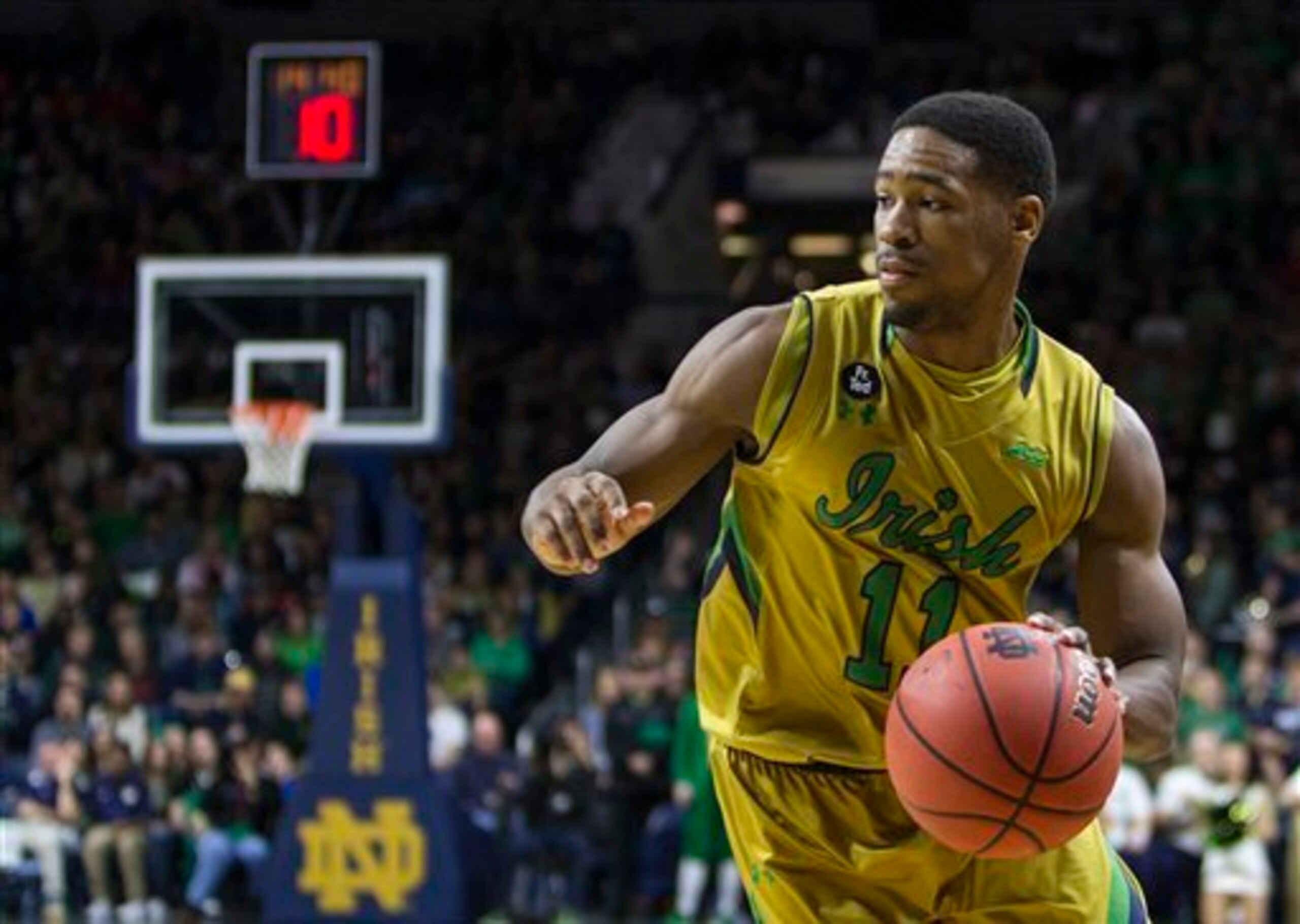
Notre Dame (1,250-1)
The Fighting Irish have some guys who can ball. Demetrius Jackson has a future in the NBA. Zach Auguste has been a monster in the paint. And V.J. Beachem was quietly a breakout star.
But this offense is like a gallon of milk. It's good for a while, sometimes even beyond its expiration date. Once it starts to turn, though, it goes horribly sour in an instant. The Fighting Irish averaged 53.8 points per game in their last four losses—all coming since Feb. 20.
Texas (150-1)
The Longhorns don't have good national championship odds, but if you're looking for a Final Four sleeper, you could do worse than these guys.
There were some ugly losses early in the season as they adjusted to their new head coach, Shaka Smart. There were a couple more ugly losses in the first few games after losing senior center Cam Ridley. But they played well after those adjustment periods, and Ridley was back in the lineup for the one game Texas played in the Big 12 tournament, a 75-61 loss to Baylor.
Don't forget that Smart has some tournament experience as the underdog.
Arizona (85-1)
I'm not sure how many teams survived the entire season without suffering a single loss by a double-digit margin, but Arizona was one of them. The Wildcats lost their four leading scorers from last season, dealt with injuries to Ray Smith, Kaleb Tarczewski and Allonzo Trier and still went 25-8 without any bad losses.
He has never been to the Final Four, but Sean Miller is one heck of a coach.
Now about as healthy as it has been all season, Arizona has the depth and talent to win it all. The Wildcats just need to hope Gabe York's shots keep falling. He made nine threes in the season finale and hit seven in the overtime loss to Oregon in the Pac-12 semifinal.
Seton Hall (65-1)
A few weeks ago, Seton Hall was a sexy sleeper for the Sweet 16. Now it's looking like the Pirates could win the whole thing.
Isaiah Whitehead has been playing out of his mind lately, averaging 22.5 points, 5.8 assists and 4.7 rebounds per game since the final week of January.
He still commits a lot of turnovers, and sometimes it takes him 20 shots to score those 22.5 points. But when you see this guy play, it doesn't feel like you're watching someone who struggles with efficiency metrics. It feels like you're watching greatness in the making.
There was another dude from New York City a few years ago who struggled with efficiency for his first couple years of college, but that's not exactly what we remember about Kemba Walker, is it?
No. 5 Seeds
12 of 16
Baylor (400-1)
Baylor had a strong resume and often looked like a high-quality team. The Bears owned the offensive glass and forced a lot of turnovers, almost like a light version of West Virginia with better shooters.
However, they went a combined 0-9 against teams ranked No. 16 or better on KenPom, including losing three times to Kansas and getting swept by Oklahoma and West Virginia. How can we possibly trust them to win four in a row against that level of opponent?
Maryland (100-1)
The Terrapins were one of the preseason favorites to win it all, and we've been admittedly harsh on them for failing to live up to that Top Five potential—either by losing to teams they should have beaten or by playing close games against opponents they should have blown out.
But despite losing five of their last eight games, it feels like they're finally starting to turn a corner. In the Big Ten semifinal against Michigan State, Melo Trimble, Rasheed Sulaimon and Jake Layman all played poorly on offense, and the Terrapins still only lost by three to one of the favorites to win it all.
Of course, the problem there—as it has been all season—is that they didn't have everyone show up on the same day. Maryland might have the most talented starting five in the country, but we wouldn't know because we've never seen it firing on all cylinders.
Indiana (100-1)
When Indiana's offense is cooking, best of luck to the opposition.
In games when the Hoosiers made at least 10 three-pointers and committed 13 or fewer turnovers, they were 11-1, with the only loss being on the road to Michigan State. The wins came by an average margin of 23.5 points per game.
The problem, though, is that's only 12 out of the 32 games, and they were pretty hit or miss in the other 20. They might catch fire for a few games, but you'll be egregiously ignoring the odds if you think their best offense is going to show up for six straight games.
Purdue (50-1)
There are an awful lot of experts out there who have shot down Purdue's chances at a national championship because of a "lack of guards." I find that hilarious, because P.J. Thompson ranks second in the whole darn country in O-rating.
He doesn't shoot a ton, but he certainly can, connecting on 46.8 percent of his three-point attempts in conference play. And he has a 4.7 assist-to-turnover ratio over the course of the whole season.
Rapheal Davis isn't too shabby of a guard, either. He's not a conventional shooting guard, but he's a great defender who gives 110 percent on every play.
But sure, keep counting out the Boilermakers because the guards don't do a ton of scoring. It's only their primary job to get the ball into the dominant frontcourt as often as possible. As long as senior center A.J. Hammons and freshman forward Caleb Swanigan show up, Purdue can win it all.
No. 4 Seeds
13 of 16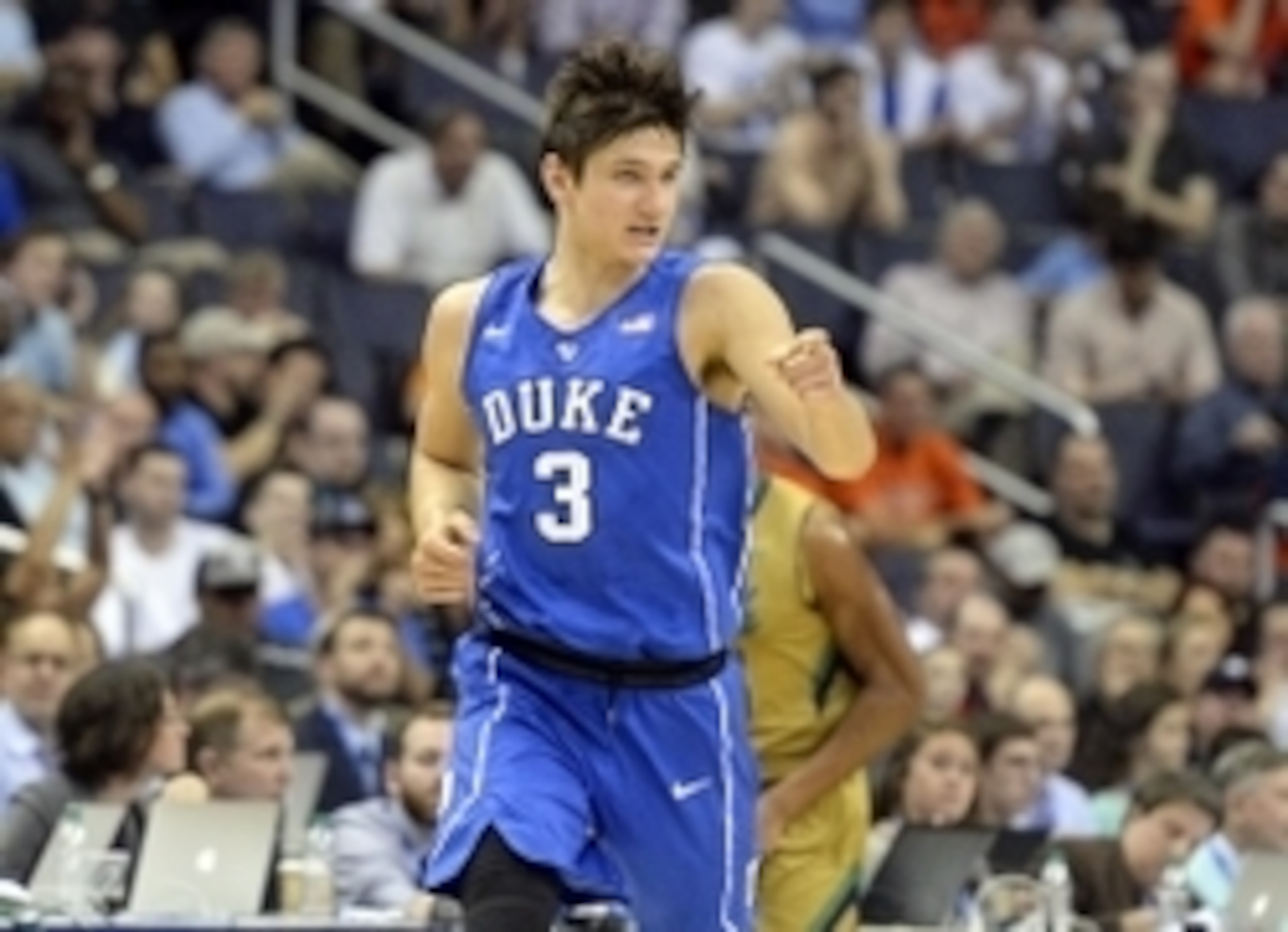
California (200-1)
The Golden Bears have played much better of late, but there's still a major problem we can't ignore.
They can't play away from home.
They're 18-0 at Haas Pavilion but are 5-10 on the road or at neutral sites. Moreover, the five wins weren't even impressive. They needed overtime to win at Wyoming, beat Arizona State and Washington by just three points apiece, took care of business against a bad Washington State team and won by only eight against Oregon State earlier this week, despite jumping out to an early 17-5 lead in that one.
Drink all the Jaylen Brown Kool-Aid you want, but we can't trust this team to beat championship-caliber opponents in neutral-court environments.
Iowa State (125-1)
The Cyclones are running out of gas in a hurry. In the Big 12 quarterfinal against Oklahoma, the Sooners shot an uncharacteristic 4-of-21 from three-point range, but Iowa State was unable to take advantage by committing an equally abnormal 20 fouls and 18 turnovers.
Senior forward Georges Niang had a great game before fouling out, but he's the only guy in this short-handed rotation who hasn't been hitting the proverbial wall for the past month.
The Cyclones are still competitive every night, but they often seem to have just enough energy to lose in the final five minutes. That's not a good place to be before the tournament has even begun.
Duke (80-1)
Talent is not Duke's problem. Sophomore guard Grayson Allen and freshman small forward Brandon Ingram have been phenomenal. Freshman guard Luke Kennard has been inconsistently lethal. And even a grotesquely broken nose cannot slow down big man Marshall Plumlee this year.
Depth is Duke's problem.
Yes, the Blue Devils won it all last year with an eight-man rotation, but there is a massive difference between playing eight guys and playing six guys. Maybe freshman power forward Chase Jeter can follow in Allen's "McDonald's All-American to benchwarmer to Final Four legend" freshman season model, but that's about the only chance of Duke finding enough energy to win it all.
Kentucky (12-1)
As has been the case in years past, Kentucky gets the "Dallas Cowboys" treatment of having championship odds that are a little bit shorter than they probably should be, just because they're the Wildcats and people will bet on them.
But if you like picking national champions based on dynamic backcourt duos, you've come to the right place. Jamal Murray had scored at least 21 points in 12 consecutive games entering Sunday, shooting 50.0 percent from three-point range in the process. And Tyler Ulis might be even better, averaging 18.2 points and 8.9 assists per game since the beginning of February.
With Derek Willis and Alex Poythress both looking healthy and occasionally dominant, maybe these odds aren't actually short enough.
No. 3 Seeds
14 of 16
Texas A&M (60-1)
The Aggies hit quite the rough patch in the middle of conference play, losing five consecutive SEC games. However, it never felt like they were truly down and out, losing four of those games by a margin of five points or fewer.
Sure enough, they rebounded nicely to prove for a second time this season that they can string together a bunch of wins. Granted, the SEC isn't strong by any stretch of the imagination, but they won 10 straight before the losing streak and eight in a row after it.
If juniors Danuel House and Jalen Jones both show up to play, Texas A&M's two-point guard lineup could be a national champion.
Miami (35-1)
Has a title contender ever gotten less attention than Miami has this season?
At least when the Hurricanes were a No. 2 seed in 2013, we spent a good deal discussing them as the surprise team that swept the ACC. Outside of the reactions when they scored like crazy in the Puerto Rico Classic, though, you'd think this team somehow won 25 untelevised games.
Catch up quick, though, because these guys are loaded with experience and can play with the best of them.
Sheldon McClellan is a stud, Tonye Jekiri is a beast, Davon Reed is an occasional assassin, Ja’Quan Newton might be the best sixth man in the country and Angel Rodriguez is the biggest X-factor in all of college basketball. When Rodriguez is playing well, this is a national championship-caliber team.
West Virginia (30-1)
Is there a team in the country that any coach wants to avoid in the tournament more than Press Virginia?
The Mountaineers won one game each against Kansas and Oklahoma and made life completely miserable for those teams in the four times they lost to them. Just about the only coach who was able to figure out how to deal with this team is Texas' Shaka Smart, and he has the unfair advantage of having coached a pressing team over the previous six years at VCU.
Somewhere along the way, they'll run into a backcourt that can handle their pressure and/or a frontcourt that can keep them off the offensive glass, making them considerably more mortal. But senior guard Jaysean Paige and junior forward Devin Williams are gifted enough offensive weapons that the Mountaineers can still win games even when things don't go according to their chaotic plan.
Utah (25-1)
The Pac-12 championship game was hideous, but Oregon simply had Utah's number this season, beating the Utes by a double-digit margin in all three games.
Once you erase that bloodbath from your memory, remember that the Utes went 26-5 against everyone else this season. They would have won their final 16 games against everyone other than the Ducks if not for a boneheaded foul at half court with 0.1 seconds remaining in what turned into a loss at Oregon State.
When Jakob Poeltl is playing well—which is quite often—this team can beat anyone other than Oregon.
No. 2 Seeds
15 of 16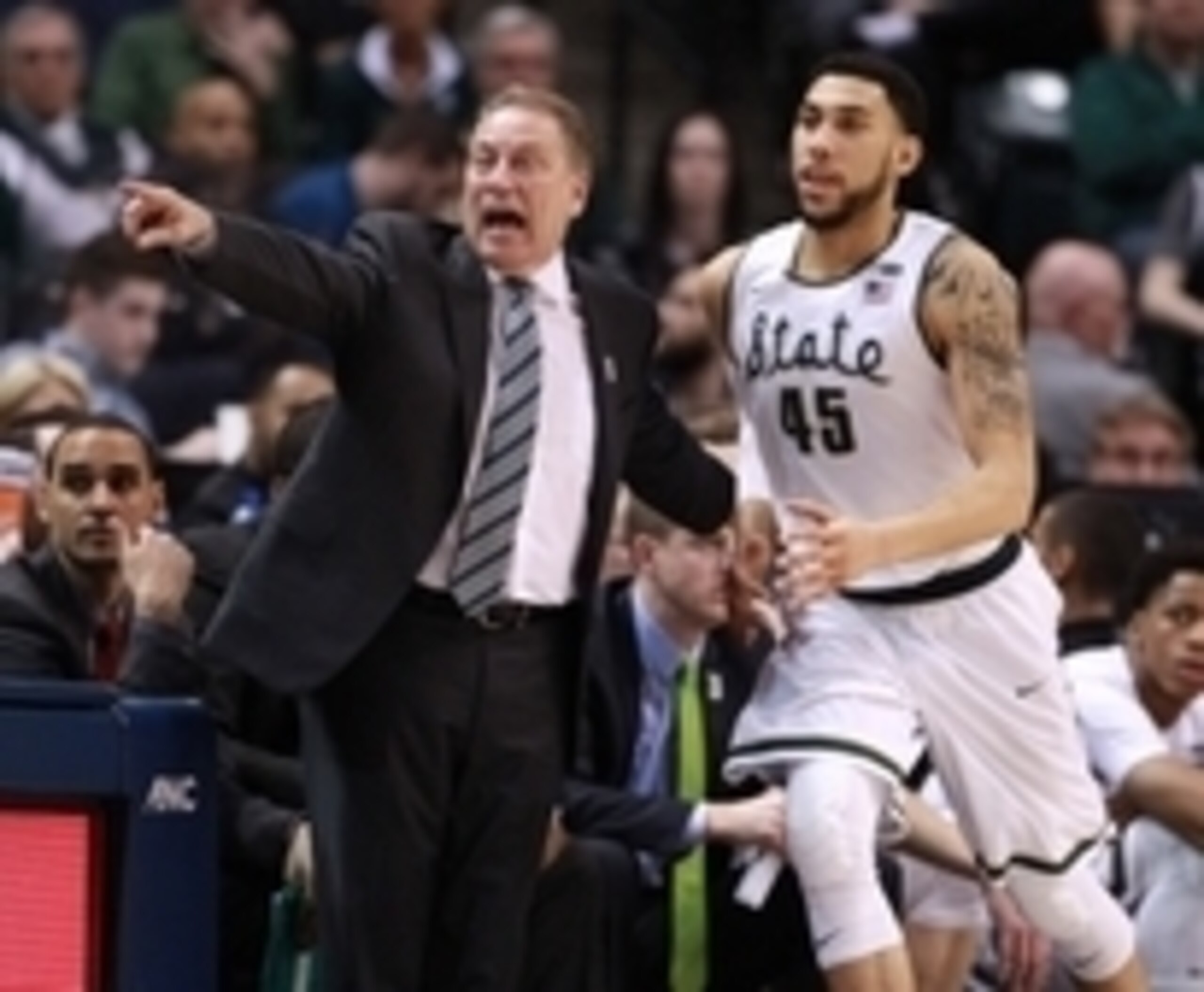
Xavier (40-1)
We can't list all of the top seeds as serious favorites to win it all, and Xavier stands out like a sore thumb alongside these other contenders.
The Musketeers simply do not play defense. Over their last 11 games, they have allowed an average of 103.6 points per 100 possessions and 78.3 points per game. And that includes an outlier when they held Butler to 57. Take that one out of the equation and it's 80.4 points per game and 105.4 per 100 possessions since the beginning of February.
When their offense is clicking, that's OK. But that's hardly a given with how inconsistent freshman guard Edmond Sumner and sophomore forward Jalen Reynolds can be.
We're not saying to pick Xavier to lose in the first round, but we really don't trust this team to win six in a row.
Villanova (18-1)
The Wildcats will be a trendy early upset pick, but they have been outstanding this season outside of the infamous Pearl Harbor game against Oklahoma.
Kris Jenkins has been particularly on fire, shooting 47.7 percent from beyond the arc and averaging 21.0 points over his last eight games.
Will the rest of the team show up, though? In a recent loss to Xavier, Jenkins was the only offense until he fouled out. He was a one-man show once again in the Big East championship game loss to Seton Hall. He's an incredible X-factor, but he can't be the only factor if Villanova is going to avoid another disappointing early exit.
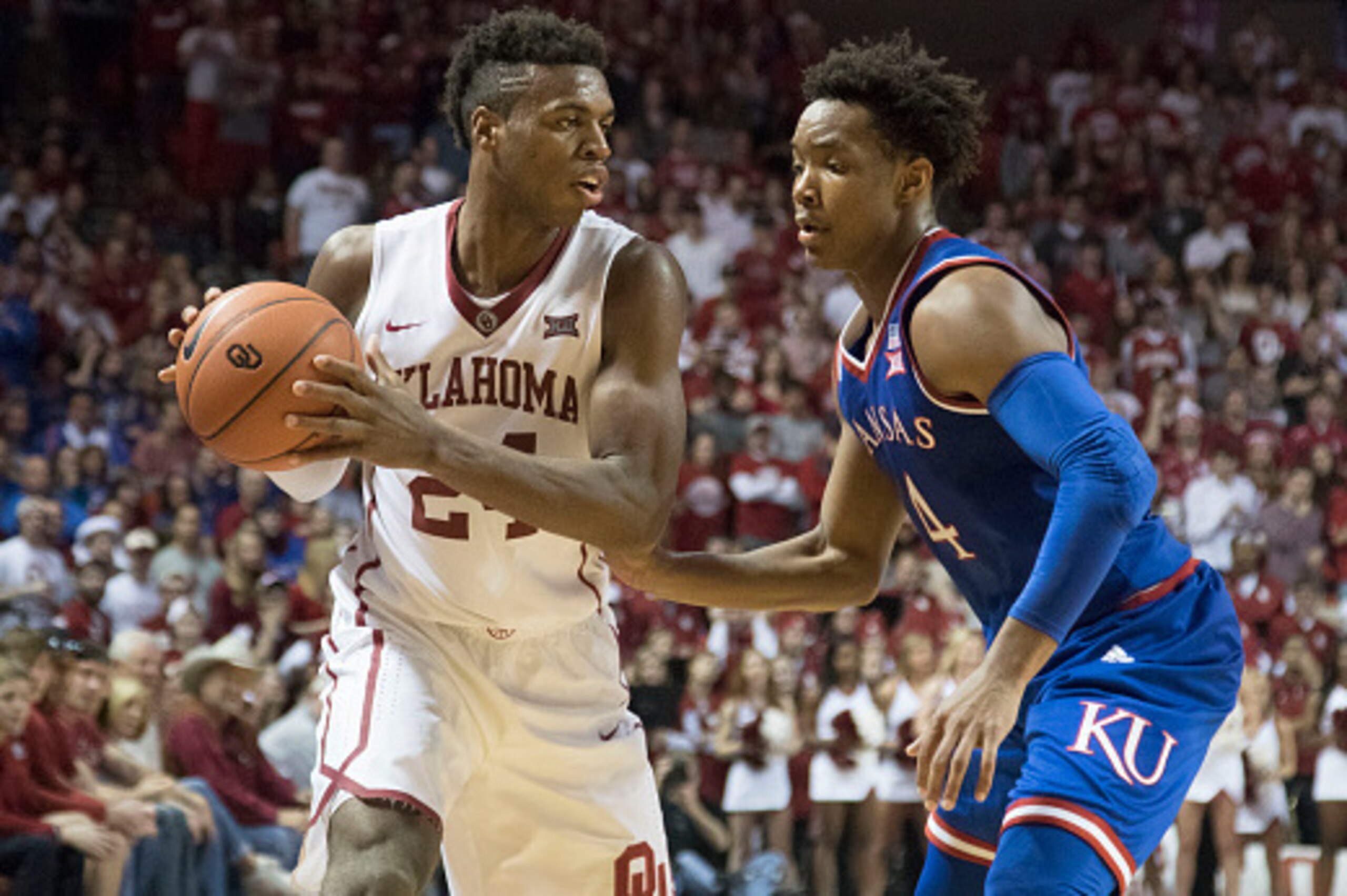
Oklahoma (17-1)
The Sooners struggled to find their three-point stroke for the first few weeks of February, but they're back on the right track, shooting 40.6 percent over their past six games and hitting at least 10 triples in five of them. And, surprisingly, they've accomplished that with Buddy Hield shooting just 36.0 percent from deep.
That said, we're not worried about Hield. In fact, the rest of the team shooting 43.0 percent from long range over the past few weeks is great news because the consistency of Jordan Woodard, Isaiah Cousins and Ryan Spangler will determine how far this team can go. In fact, that trio nearly carried Oklahoma to victory against West Virginia in the Big 12 semifinal with Hield having his worst game of the entire season.
The concern is what happened when they have the occasional dud. The Sooners shot at least 37.5 percent from three-point range in 18 of their first 20 games, but they haven't had a three-game stretch of shooting that well since then. They would likely need to do it for six straight games to win it all.
Michigan State (6-1)
Before you scream that the team with the best player should have the best odds to win it all, here's a little "Did you know?" for your information bank: In the past 14 years, Anthony Davis (Kentucky, 2012) was the only Wooden Award winner to also win the national championship. Only five of the past 14 Wooden Award winners played on teams that made it to the Final Four.
While there's still a debate whether Hield or Denzel Valentine will end up with the award, the point is that teams who rely so heavily on one player are vulnerable in the NCAA tournament.
That isn't to say Valentine and Michigan State are doomed to an early exit—especially since head coach Tom Izzo's teams always overachieve come tournament time—but it's a reminder to bet on teams rather than players. An entire season of watching LSU fail miserably should also serve as proof of that.
While Valentine obviously has a pretty good supporting cast to have the second-best odds of winning it all, Bryn Forbes is a streaky shooter, Eron Harris is a hit-or-miss scorer and Matt Costello can get outworked on the glass.
It may feel like a lifetime ago, but let's not forget this is the same team that lost a home game to Nebraska in late January. The Spartans are great, but they aren't immune to a possible dud.
No. 1 Seeds
16 of 16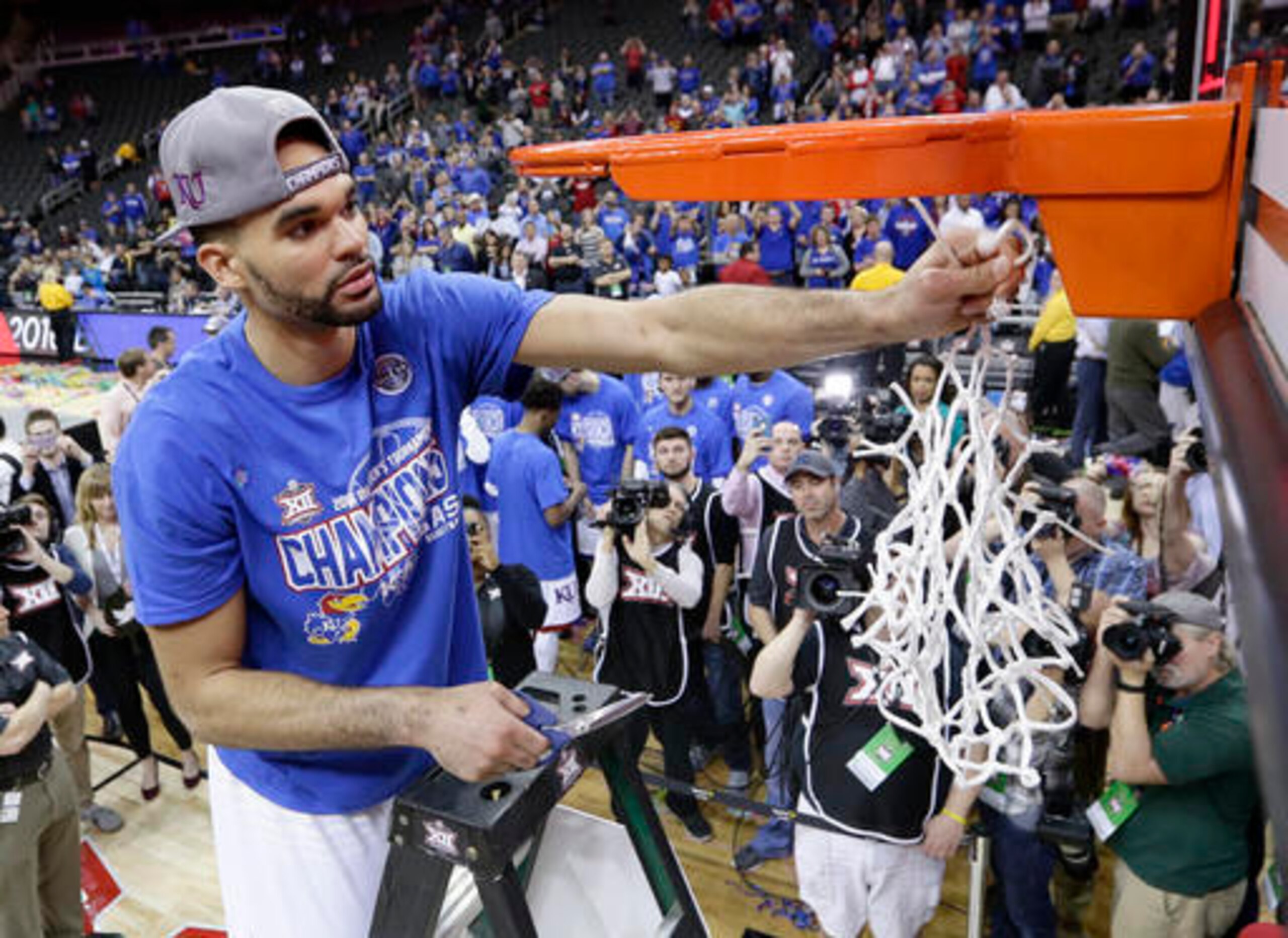
Oregon (15-1)
Lost for the past month in the debate over whether Oregon was worthy of its projected seed, the Ducks played dominant basketball. They had a brief hiccup in mid-February on a road trip to California and Stanford, but they won two games each against Arizona, Utah, USC, UCLA and Washington in the past two months.
The Ducks suffered early losses to UNLV and Boise State, with freshman guard Tyler Dorsey banged up and sophomore forward Jordan Bell still not fully recovered from a broken foot, but Oregon's full-strength seven-man rotation is the best in the nation.
Sophomore forward Dillon Brooks should have been a Wooden Award finalist. Dorsey has been every bit as good of a freshman point guard as Tyler Ennis and Tyus Jones were for Syracuse and Duke, respectively. And taking into consideration his rebounding, shot blocking, shooting ability and height, senior forward Chris Boucher might be college basketball's most versatile and unguardable two-way weapon since Kentucky’s Anthony Davis.
Senior forward Elgin Cook, meanwhile, is arguably Oregon's most valuable player. And then the Ducks have Bell and senior forward Dwayne Benjamin coming off the bench? Please. That's not even fair.
They won't be a popular pick to win it all, but they might be the best one.
Virginia (14-1)
Malcolm Brogdon and London Perrantes shot a combined 9-of-36 from the field in the ACC championship game against North Carolina, scoring just 23 points. If Kentucky's Tyler Ulis and Jamal Murray had a shooting performance that ugly, the Wildcats would lose by 50. But the Cavaliers defense stifled one of the most unstoppable offenses in the country, keeping the game close until the bitter end.
That's about the best way to sum up why this team is so deadly. It’s normally efficient on offense, but even on nights when it can't buy a bucket, its defense is so tough that it will still have a shot in the end.
Like Villanova, the Wahoos will be a trendy upset pick because they were busted two rounds earlier than their seed should have lasted in back-to-back years. However, they have the talent and the system to win it all.
North Carolina (7-1)
The preseason No. 1 team in the AP Top 25 has remained one of the favorites to win it all for the entire season. In fact, the Tar Heels are even better than we expected them to be.
Yes, Marcus Paige's three-point stroke has been a colossal disappointment for most of the season. But Brice Johnson has been the best power forward in the country, and Isaiah Hicks and Joel Berry have been drastically better than the amount of publicity they have received.
With four losses since the beginning of February, the Tar Heels are far from perfect. But when good North Carolina shows up, hide your kids, hide your wife and hide your husband because that team can beat anyone by a landslide. Just ask Miami and Notre Dame.
Kansas (5-1)
The Jayhawks aren't "Kentucky in 2012 or 2015" strong, but they are clearly the favorites to win it all in our book. Perhaps they don't have the individual star power of a Michigan State or an Oklahoma, but they could if Wayne Selden keeps murder-dunking on people or gets back to shooting threes like he was for the first half of the season.
And who needs superstardom when you have the most complete starting five in the country? A chain is only as strong as its weakest link, and if Landen Lucas (8.1 points, 8.8 rebounds, 1.6 blocks per game in February) is your weakest link, you're pretty strong.
Moreover, the tournament is all about consistency, and there might not be a more reliable duo than Frank Mason and Perry Ellis. Michigan State and North Carolina arguably have higher ceilings, but when it comes to winning six straight, it's better to have the highest floor. That's why we like the Jayhawks to win it all this year.
Provided they don't run into Ali Farokhmanesh again.
Kerry Miller covers college basketball for Bleacher Report. You can follow him on Twitter @kerrancejames.


.jpg?w=2560 "Dak to Stroud: Get Some Wins 💯")
.jpg?w=2560 "5 NFL Players Getting Trade Buzz")