3 Things Tottenham Could Learn from Manchester City's Overhaul
Manchester City's ascent back to the top of English football was well underway even as Tottenham Hotspur pipped them to fourth in 2010.
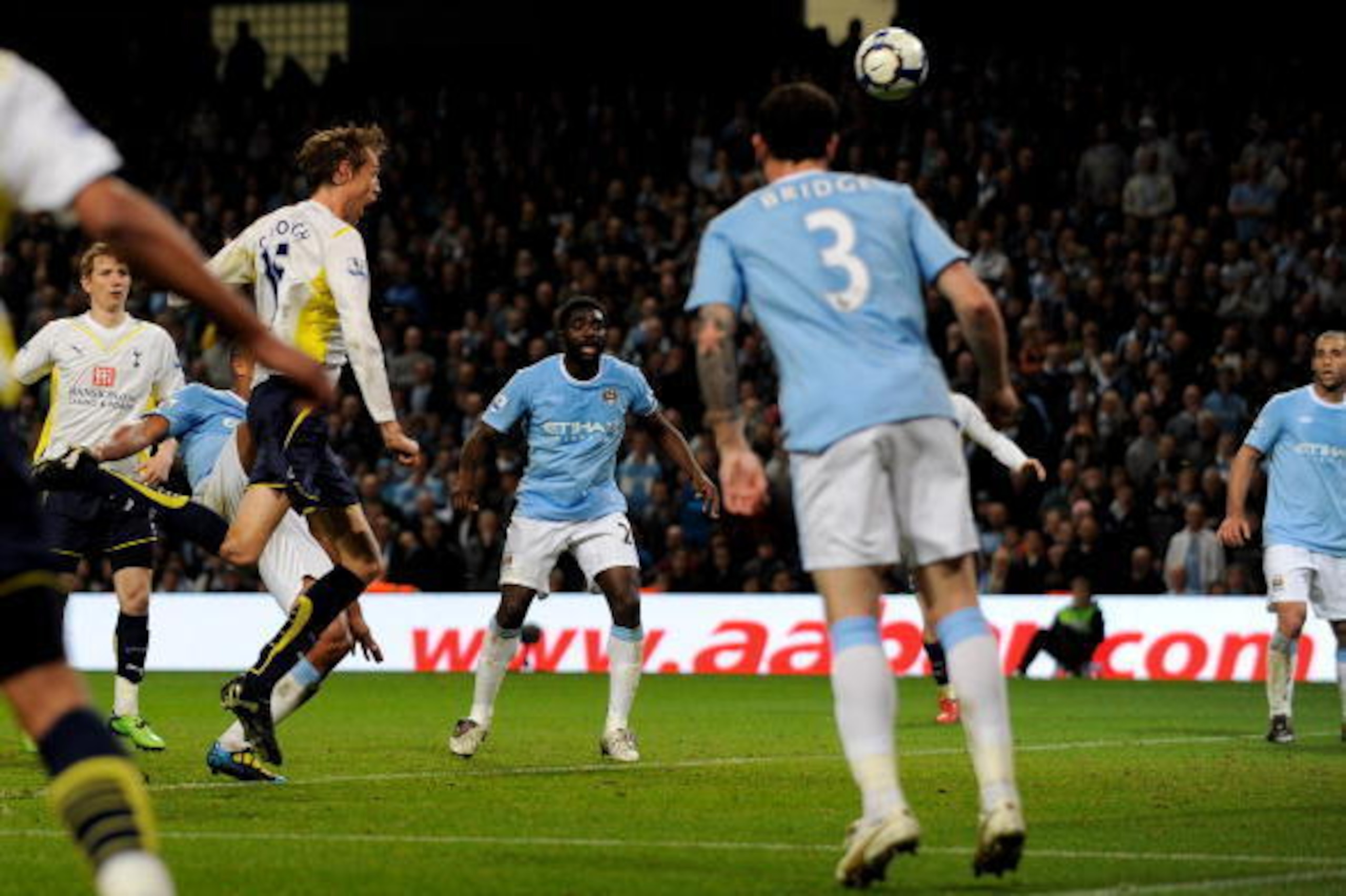
The north Londoner's 1-0, UEFA Champions League-qualifying win—secured by a late Peter Crouch header—earned them one last moment of superiority over a club they had generally dominated. The north-west outfit's recently injected financial clout was already set to change the pattern of the preceding decade or so.
TOP NEWS

New NFL contenders starting to emerge after Week 4

Deion Playbook Found at Hotel
.jpg?w=2560 "Cardinals Giants Football")
NFL investigating 2 referees for separate viral exchanges
Now, Tottenham are a more seriously aspirant proposition than anytime since, and they can learn a lot from Man City's vast, largely successful overhaul since their 2008 takeover. Ideally, those lessons will help the capital club engineer greater resistance to avoid losing streaks like the one they are currently suffering at the home of Sunday's opponents—without a win there since the aforementioned one.
City are going to be major players among the Premier League elite for sometime to come, but Tottenham will want to do everything possible to avoid the gap being as big as it has been of late.
This season's more aggressive effort could prove a good start here, but more is required to sustain that competitiveness.
Clarity of Vision
Tottenham head coach Mauricio Pochettino's need to substantiate and explain his footballing vision has decreased over the course of his 20-month reign.
Speaking at his pre-Manchester City press conference, that terminology was still present ("philosophy" is still a popular choice). But with his team second in the league and performing mostly to his liking, he is not so required to justify it anymore.
Sunday's game is a big test of his team's short-term viability. Even if they pass it, Spurs' cup schedule means there will be little respite in the coming weeks from the pressure of chasing honours.
Man City have had mixed success in this regard. Especially when it comes to their own European adventures.
Not for a second, however, do you doubt the likelihood of them remaining one of the strongest, most talented teams at home and on the continent.
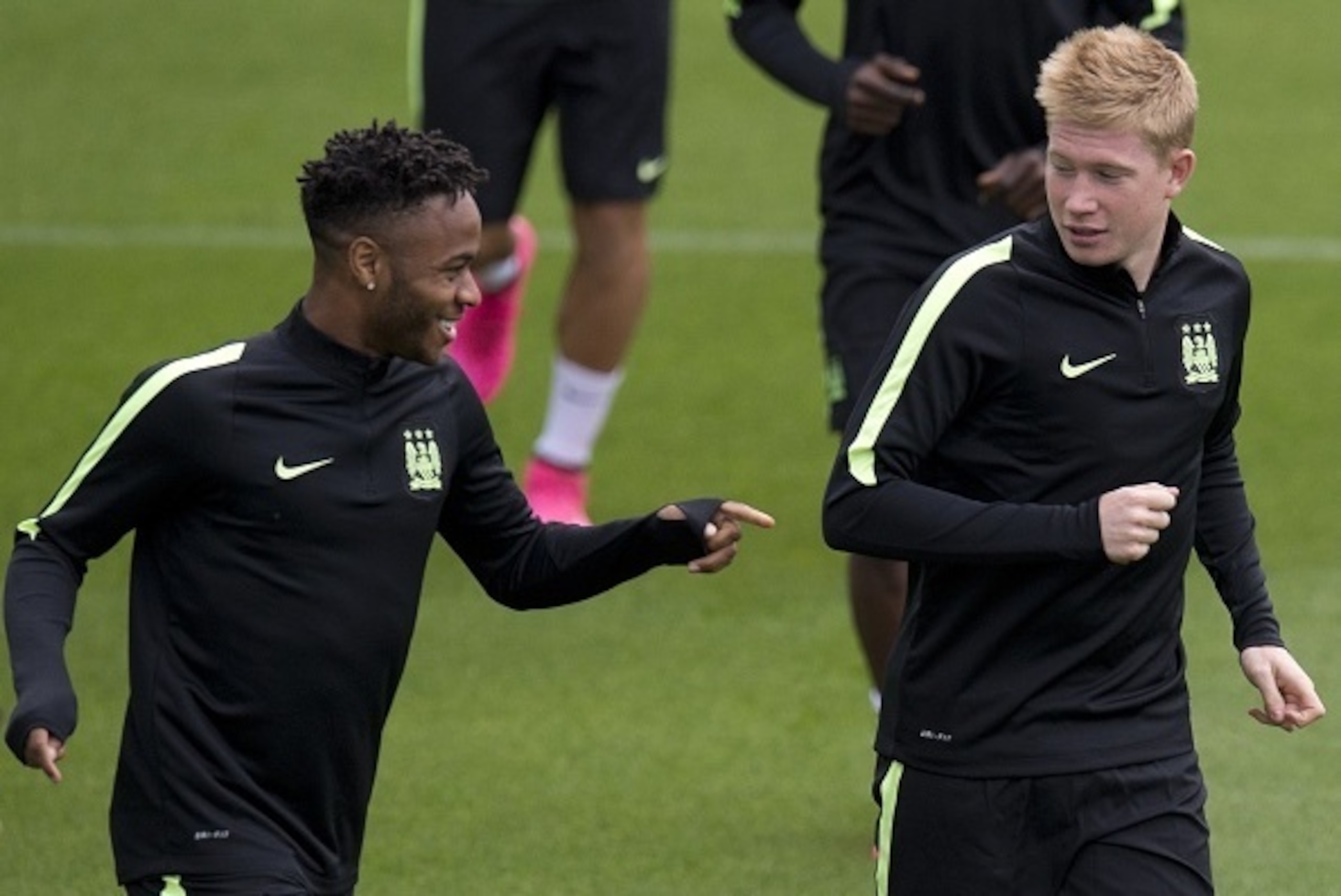
Huge financial backing is naturally a substantial advantage here. You are always going to be major players when you can spend heavily on stars like Kevin De Bruyne (£55 million) and Raheem Sterling (£49 million).
The 2012 and 2014 Premier League champions have also benefited from an overarching clarity of vision, one not entirely subject to the temperamental demands of the on-the-pitch product (more on that later).

The hierarchy has spent heavily building material and cultural structures, and the two are very much entwined in the form of an academy and stadium-surrounded campus that is among the most enviable football centres in the world. The Etihad Stadium's capacity was also extended last year.
The gathering strength of their youth development is seemingly causing much worry across the city at Manchester United. The Independent's Ian Herbert and Mark Ogden reported in December the Red Devils are working on a "radical overhaul" of their own (previously) much-praised academy.
That United reportedly approached Tottenham's head of coaching and player development John McDermott about a role in the restructuring is testament to the Lilywhites' own off-field strength right now. McDermott turned down the offer, according to the Times' James Ducker.
At its centre is their own impressive training facility—the attractive Hotspur Way, opened in 2012—while the building of a new, revenue-boosting 61,000 capacity stadium is under way. The academy itself has already produced talents like Harry Kane and Ryan Mason, while there is optimism over others including Josh Onomah and Harry Winks.

What Spurs can take from City's own project is the cleanness of its execution.
Again, the capital of the latter's owners and advantages like a more receptive local community (not having to overcome hurdles like Spurs have for their new stadium) make elements of all this a little easier. But Manchester City establishing a vision and adhering to it will ensure they reap significant benefits for years to come.
Tottenham look good to do the same, but like with Pochettino's team, the proof will be seen in the results.
(In)Stability
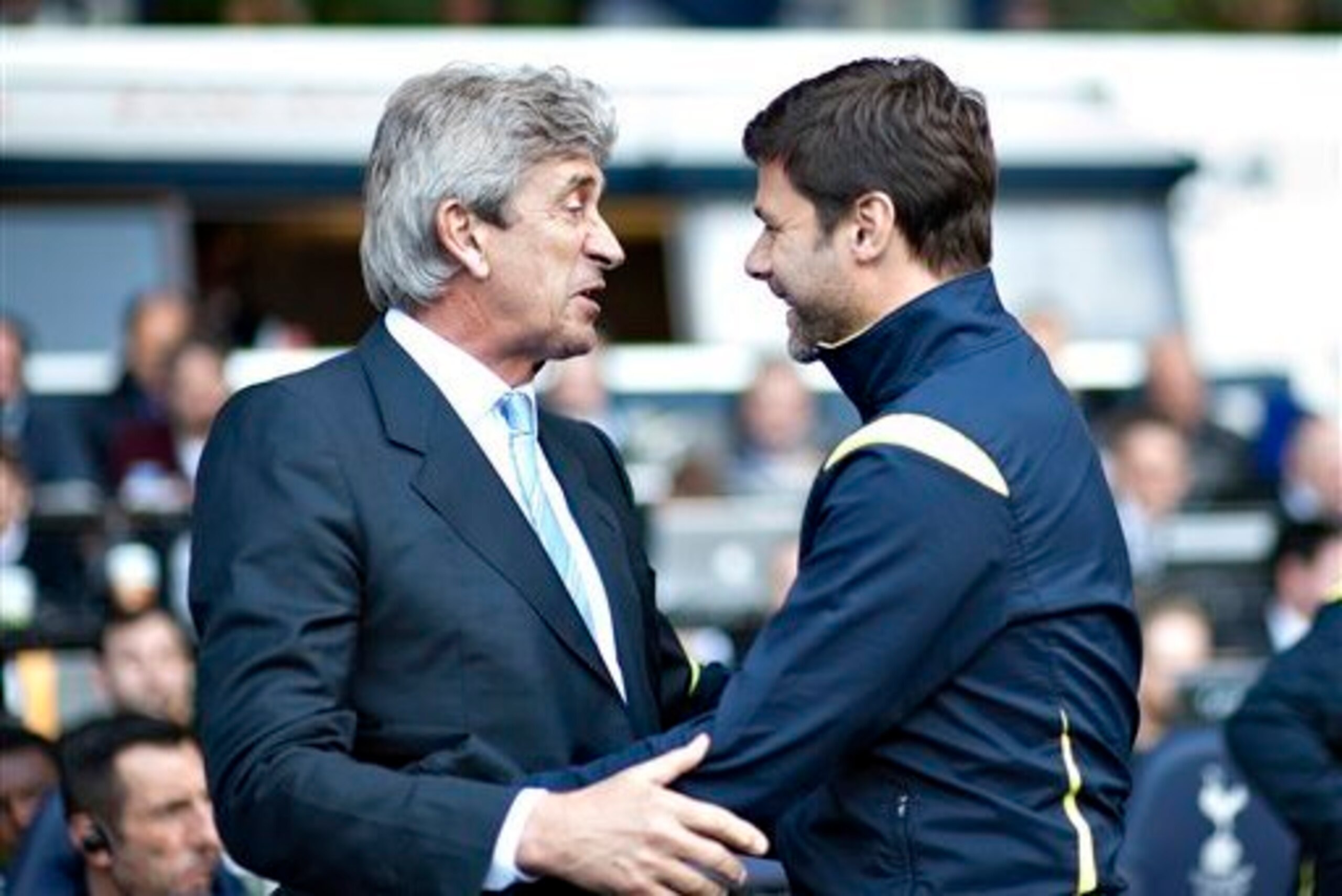
Pochettino is full of admiration for outgoing Manchester City boss Manuel Pellegrini—the latter is set to be replaced by Pep Guardiola next season.
"He is one of the best managers in the world and I know that now is not an easy period for him," the Argentinian said of his fellow South American coach. "For me, today he has all my respect, more than before."
Man City have come to a point where they are getting so much right almost everywhere, but first-team matters—chiefly in regards to their manager/head coach—are a little more divisive.
Their hierarchy will argue the success of changes that have been made.
Roberto Mancini replaced Mark Hughes and took the team to a first FA Cup triumph in over 40 years, and then one year later, a first top-flight title followed an even longer gap. Pellegrini offered a more peaceful coaching style compared to the blunt Italian and duly delivered a Capital One Cup and league double.
Now they await the arrival of a coach widely regarded as the best in the world (at least not named Jose Mourinho). Guardiola will replace Pellegrini this summer fresh from likely more success in a spell at Bayern Munich that has followed revolutionary, conquering years at the helm of home-town club Barcelona.
City's resources and structure means starting again is not so torturous a process as it may be for others. Indeed, Pellegrini's most successful season so far in England was his first.
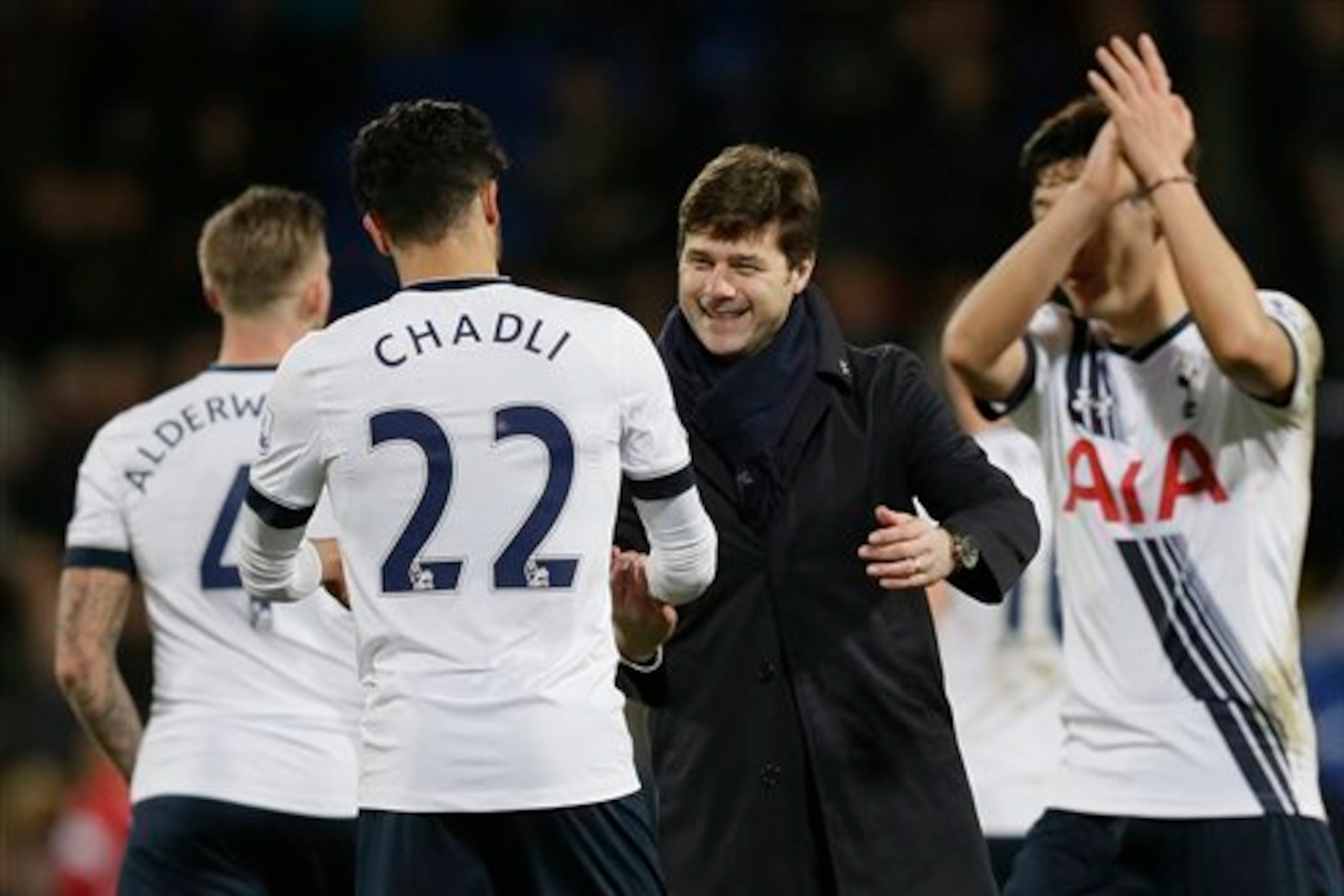
Yet the Chilean has recently been undermined by near-constant talk about his job. The spectre of a change in management has done little to engender the feeling of dominance they would prefer to project. Instead, uncertainty has distracted from the football.
Spurs are well accustomed to instability—Pochettino is their fourth boss in six years.
Lacking the ability to so readily recruit another top coach or star players, the best thing they can in sustaining their recent form and promising signs of advancement is to continue backing their head coach and his staff.
That will help to maintain a stable environment that allows his philosophy to flourish and his players to develop. Struggles may at times dim confidence in the project, but Spurs literally cannot afford to keep starting over as Man City have.
Self-Belief
With Tottenham just five points off top-spot in the Premier League, there has been plenty of title-talk of late.
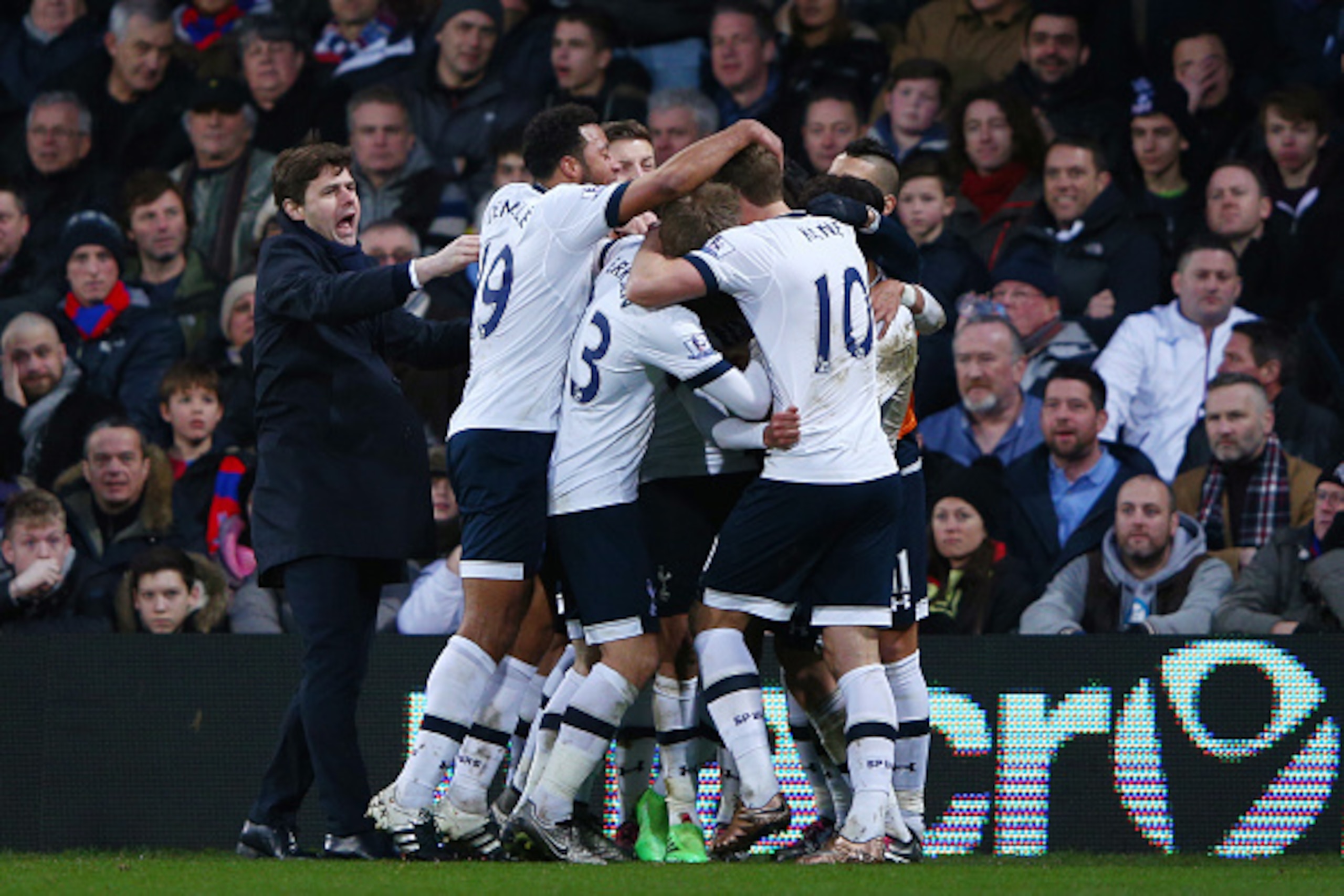
A win over Manchester City will ratchet up such rhetoric. It may also contribute to Pochettino's team discovering, or perhaps cementing, the kind of self-belief that has continuously sustained Sunday's opponents through their triumphs this decade.
"I think that we are confident in ourselves," Pochettino said on Friday, before conceding, "You know in football always you need to try to improve every day because in a situation can turn quick."
Yet he was also willing to state there is a winning feeling around the team right now having won six in a row in all competitions.
"Yes, this is important that they feel that because, I think it’s key to try to win, to take the three points—that is our objective. It’s important to have this feeling in every game."
Such confidence is not foolproof and can be counter-productive if it leads to complacency. Man City's dips, this season particularly, have shown success does not provide a boost forever.
Mostly, though, their hard-earned self-belief has ensured they have not become a flash-in-the-pan collective of downright underachievers.
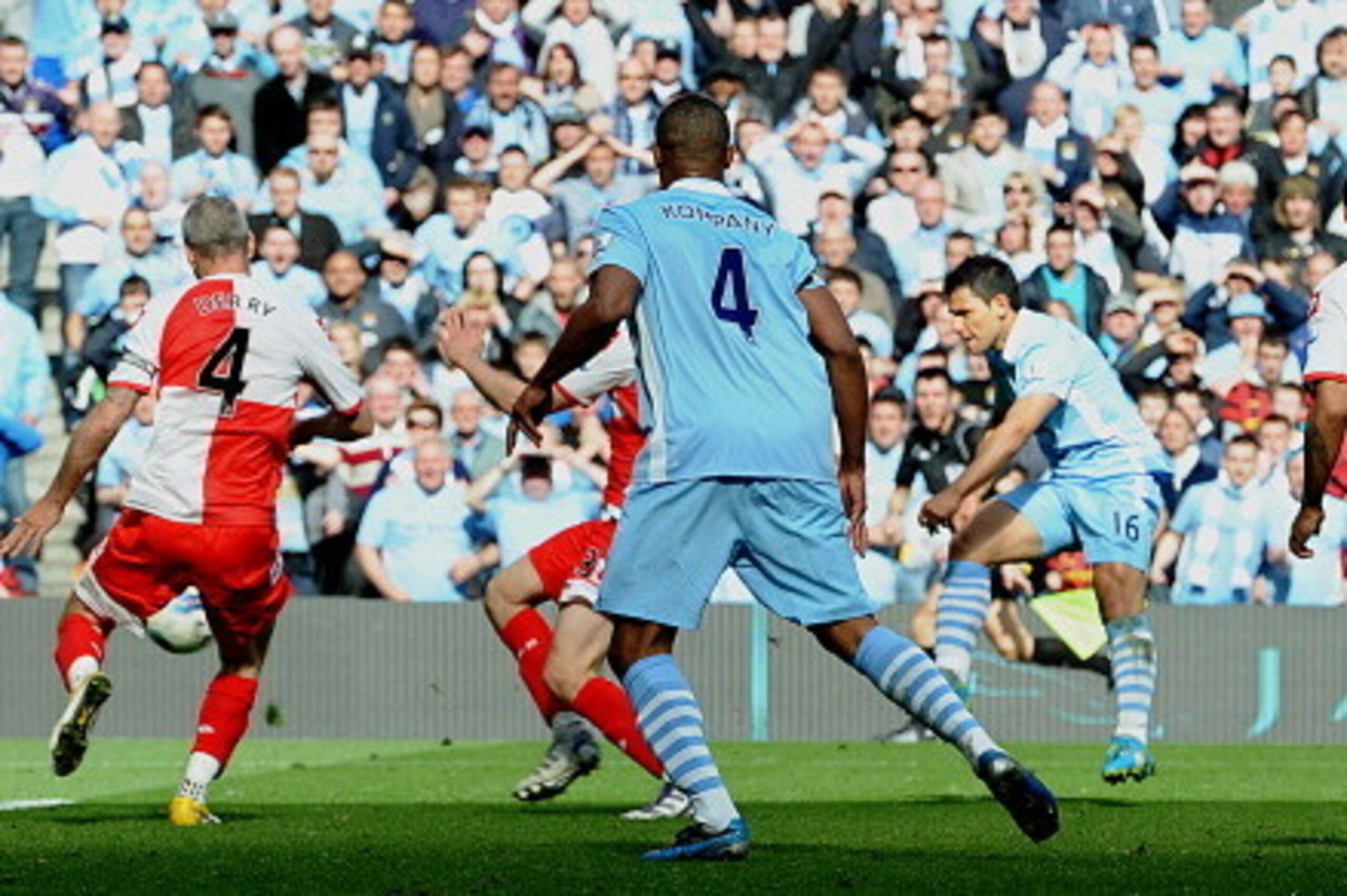
It has kept them competing in the nervy, fatigue-ridden final weeks of a title-pursuit—notably in the form of the last minute Sergio Aguero goal against Queens Park Rangers that won them the league in 2012. It has allowed pride in performances, even as their overall Champions League experiences have disappointed.
Tottenham's burgeoning morale has not yet been boosted by the tangible success of trophies.
Pochettino must continue to nurture it the best he can in the meantime, striking notes of confidence with deliberation that does not offset the calculated game-by-game mentality players like Eric Dier have thus far bought into.
If Tottenham can genuinely find such belief, perhaps they will have what it takes to join Manchester City among England's elite.
Quotes obtained firsthand unless otherwise noted.
.jpg?w=2560 "Hill Injury Update Football")
.jpg?w=2560 "Titans Giants Football")

.jpg?w=2560 "Tyreek makes another cryptic post amid Chiefs rumors")