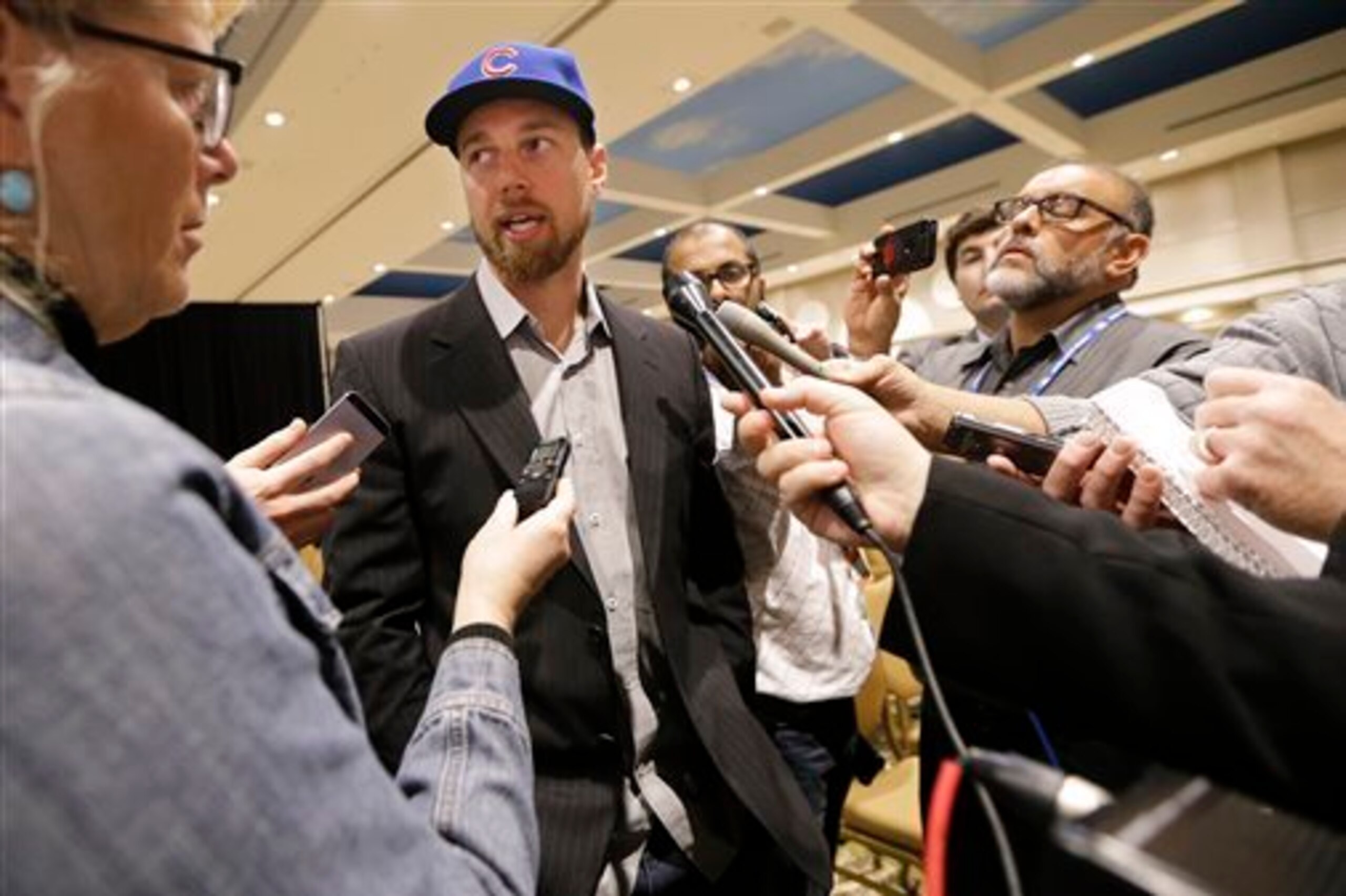

2015-16 Offseason's Biggest Winners and Losers
Determining offseason winners and losers can be a futile task of sorts. We’ve all heard the cliches about playing the games, right?
There’s a paper champion and then the real champion. Very rarely do they match. Who is to say whether a contract is good or bad until we actually watch a player during the season?
It’s difficult to determine the overpaid, the underpaid and the teams that adeptly spent their money. But in attempting to sort through the MLB offseason’s winners and losers, it was apparent that every loser spawned a winner.
There were players, managers and teams that won and lost this offseason. But some winners and losers were more loosely defined: groups of players, as defined by their statistics and style of play, won and lost. A rivalry was reinvigorated. There was a shocking twist in one team’s managerial hire. And for now, the baseball purists will get their way.
Here’s how it all went down...
Loser: Yoenis Cespedes
1 of 10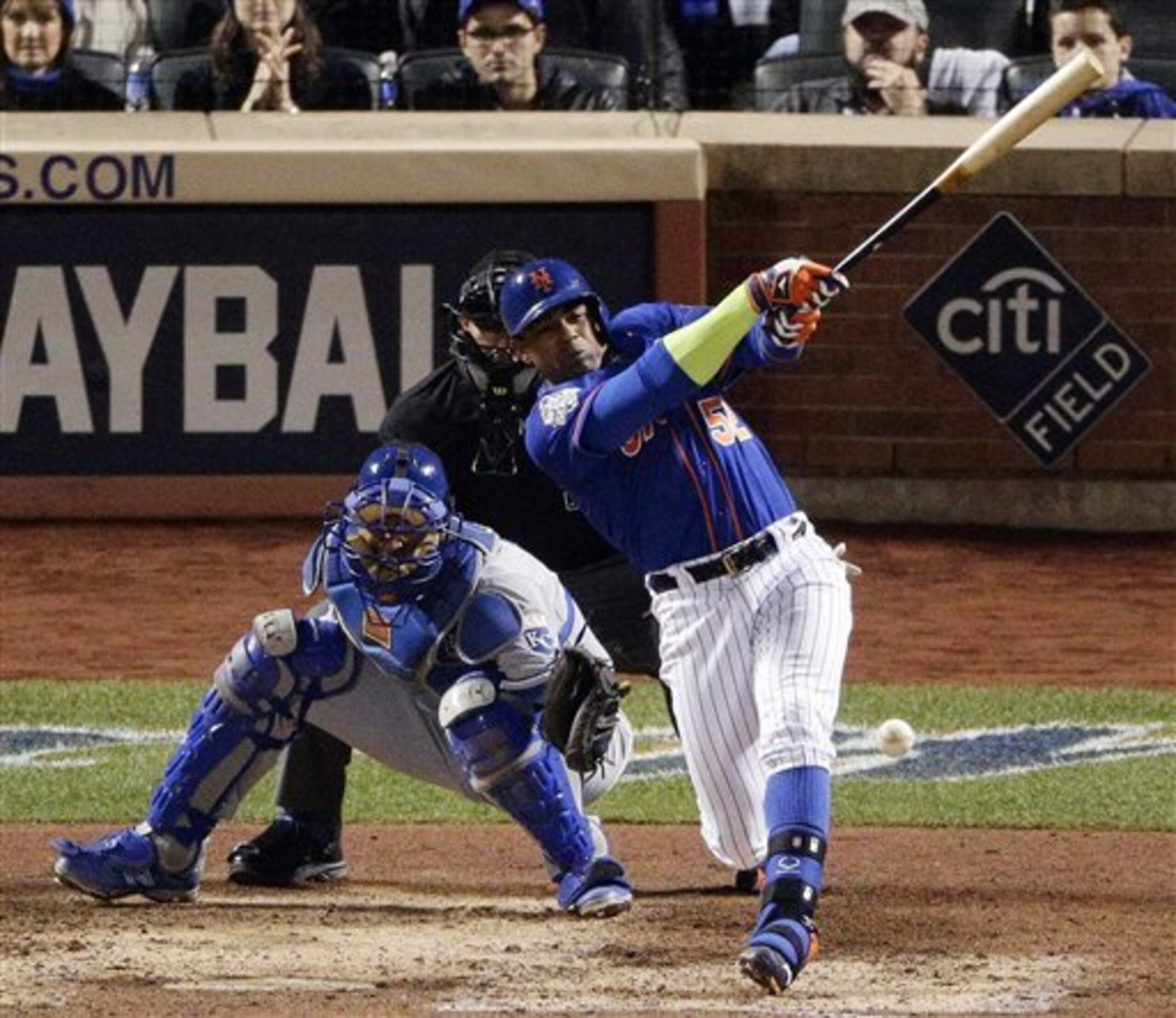
The Cespedes camp will have you read one number: $27 million.
That will be the outfielder’s 2017 salary should he exercise the opt-out clause his agent negotiated in a three-year, $75 million deal. And if he doesn’t opt out, Cespedes will still bring in $25 million per year—good enough to make him one of baseball’s highest-paid position players.
But baseball contracts, which are guaranteed, are about total value. The trend with many megadeals has been to defer some of the salary—many players get paid well beyond retirement—which diminishes the idea that Cespedes' annual salary makes some sort of abstract statement.
Cespedes was expected to get paid big this season. And, although he reportedly turned down a nine-figure deal from the Washington Nationals, per Peter Gammons of GammonsDaily.com (h/t MLB Trade Rumors' Steve Adams), that deal was also far less than what he expected to get after being the spark that led the Mets to the 2015 World Series.
After fellow outfielder Jason Heyward signed his deal with the Chicago Cubs, it was supposed to be Cespedes’ turn. That never came.
Sure, if he opts out of his current deal Cespedes could headline a weaker class of free-agent outfielders in 2017. He might very well get paid then.
But this offseason? It wasn’t as fruitful for Cespedes as many originally thought.
Of course, that means the team that signed him got a bargain…
Winner: New York Mets
2 of 10
The New York Mets were able to retain Cespedes for the aforementioned bargain when you consider that a competitive market for his services was originally expected.
Many teams balked at committing big dollars to him over the course of a long-term deal because of his age. Cespedes is 30.
But for the Mets, retaining their 2015 spark plug on a short-term deal was an unthinkable scenario to start free agency.
Sure, barring injury or a horrendous 2016 season, Cespedes likely will—and should—opt out of his current deal. But the Mets will be contenders to sign him to a bigger deal, if they chose to do so.
Cespedes has already given them some leverage in potential future negotiations. Spurning the Nationals for the Mets this year was a clear indication that he likes playing in New York.
Loser: Bud Black
3 of 10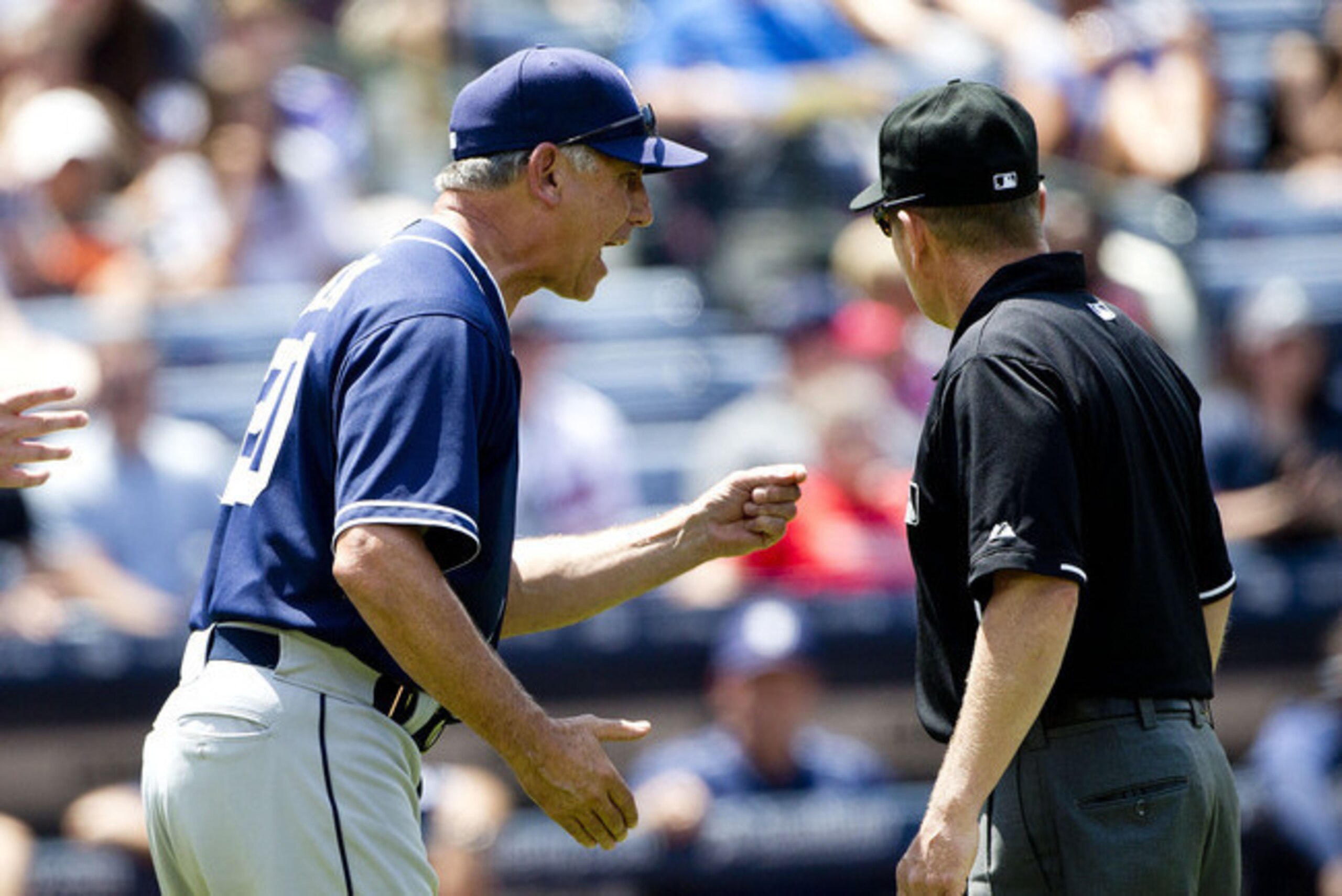
Bud Black was thought to be the Nationals' choice for their next manager, thanks to a talented pitching staff that needs some grooming.
Seems like a logical choice, right? Why not bring in a former pitcher to help further develop that pitching staff?
Well if the Nationals truly wanted Black, the organization’s way of showing it was—how should we say this?—not too welcoming. Washington low-balled Black, offering him a one-year, $1.6 million deal, according to USA Today's Bob Nightengale (h/t For the Win).
Did the team actually think Black would take the deal? Even baseball’s most desperate coach wouldn’t agree to a one-year deal to manage a club. It’s still a mystery as to why the Nationals would even offer that deal, which was seemingly an exercise in futility.
Black, of course, rejected the job. He is now without a managerial job in part because so many teams presumed he would take the Washington job and didn’t pursue him.
His rejecting the job caused Washington to go in a different direction—literally. The Nationals turned around and went entirely the other way…



Winner: Dusty Baker
4 of 10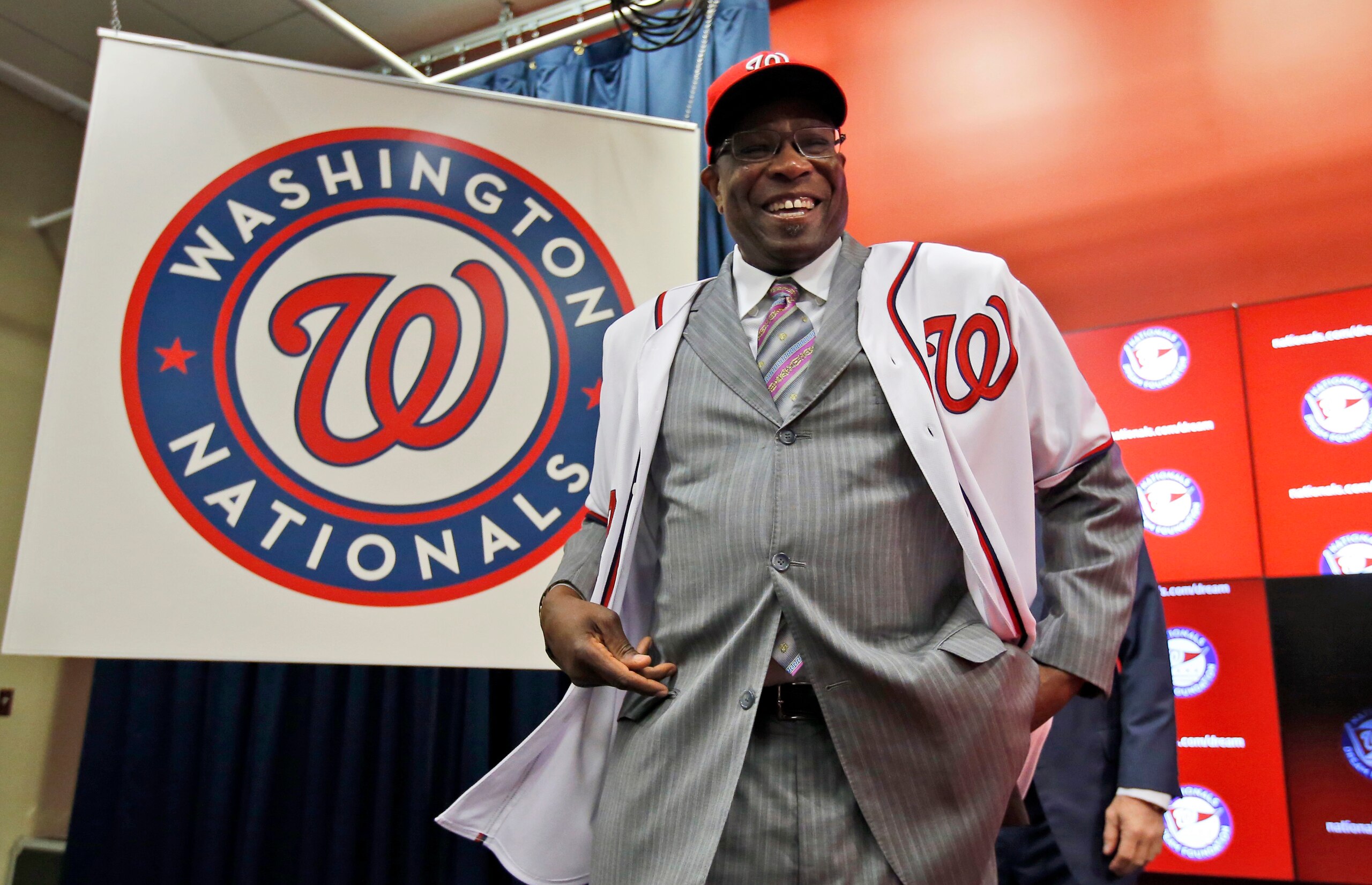
Yep, this is the same Dusty Baker who—whether fair or not—has developed a reputation for ruining young pitchers. There’s still some in Chicago who believe he ruined the once-promising arms of Mark Prior and Kerry Wood.
Nonetheless, Baker is a reputed winner and will command respect in a Nationals clubhouse that desperately needs direction. According to USA Today’s Bob Nightengale, Baker signed a two-year deal with $4 million guaranteed and another $3 million in incentives.
This talented Nationals team provides Baker his best chance at winning a World Series since he took the Cubs’ managerial job prior to the 2003 season. Washington, thought to be the favorite to win the National League East prior to the start of the 2015 season, should be more competitive this season.
In 20 major league seasons as a manager, Baker has posted a winning record 12 times.
Loser: Power Bats
5 of 10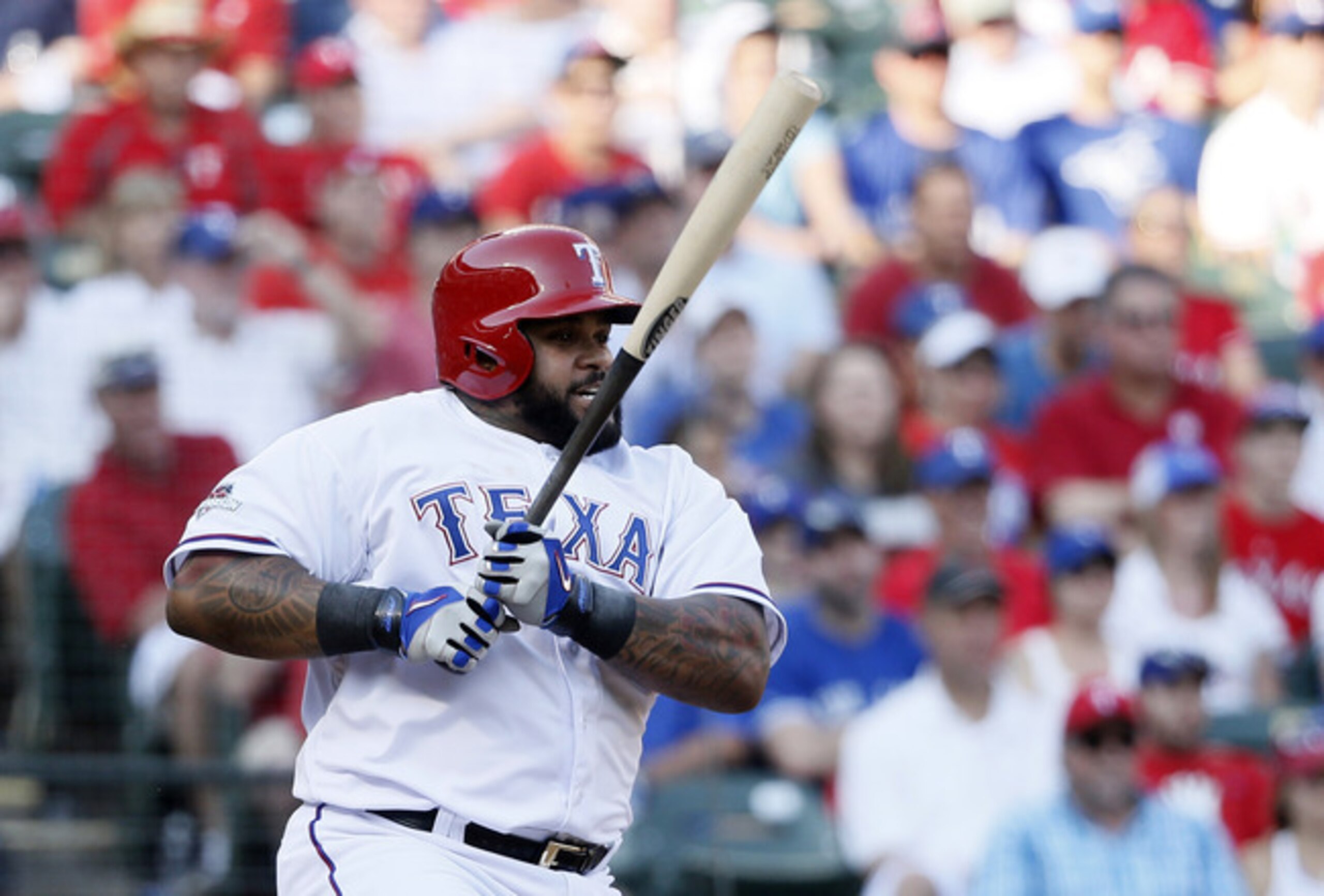
Power was once considered baseball’s most valuable commodity. In the pre-sabermetrics era, teams would throw a disproportionate amount of their payroll to hitters capable of changing the game with a swing of the bat.
Don’t be mistaken: Power is still valued.
Teams recognize the need for players who bolster the middle of their order. Analytics have quantified the value of an out, and bunting has become more scrutinized.
Therefore, outs aren’t given up as readily. The focus isn’t on advancing a runner, putting more of an emphasis on slugging.
So, the game’s best middle-of-the-order hitters are still getting big contracts. But they aren’t as exclusively recognized as they were in the 1990s.
Sabermetrics, particularly those that quantify defense, have given teams a reason to consider other, less productive offensive players for large contracts. The same analytics that quantify the value of an out have encouraged teams to consider signing quality defensive players.
This has given elite power hitters competition for larger contracts.
And even though a player like Chris Davis signed seven-year, $161 million contract, the 2016 offseason saw a group of analytical stars earn big paydays as defense becomes more valued in the game.
Some of those big paydays went to…
Winner: All-Around Players
6 of 10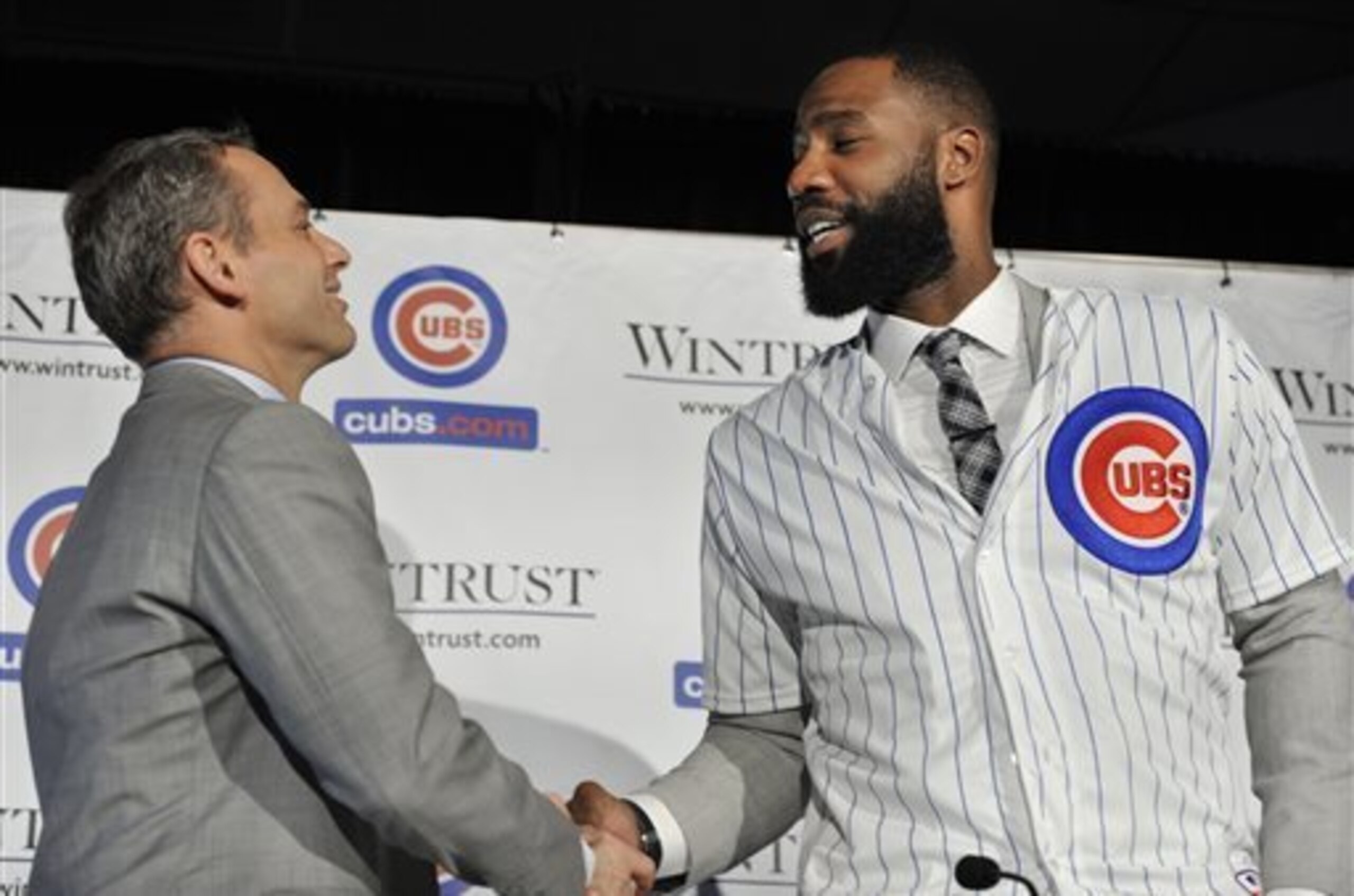
In a free-agent class that was particularly heavy on outfielders, those who stood out weren’t necessarily the best of hitters at their position.
The Cubs signed analytical superhero Jason Heyward to an eight-year, $184 million contract. Though he hit .293 last season with the Cardinals, Heyward is a career .265 hitter who has hit at least 20 home runs only once in his six-year career.
The two reasons he earned such a big contract—one typically reserved for run-producing players? His defense and on-base percentage.
Per FanGraphs, Heyward was second among all outfielders last season with a 22.6 UZR, a metric that is widely used for quantifying a player’s defensive value—Cespedes, by the way, ranked third in the category.
Likewise, fellow 2016 Cubs signee Ben Zobrist, 34, signed a lucrative deal because of his favorable metrics. Outfielder Alex Gordon, who re-signed with the Kansas City Royals, opted out of his previous deal, knowing that his analytics would cause him to command more money.
Loser: St. Louis Cardinals
7 of 10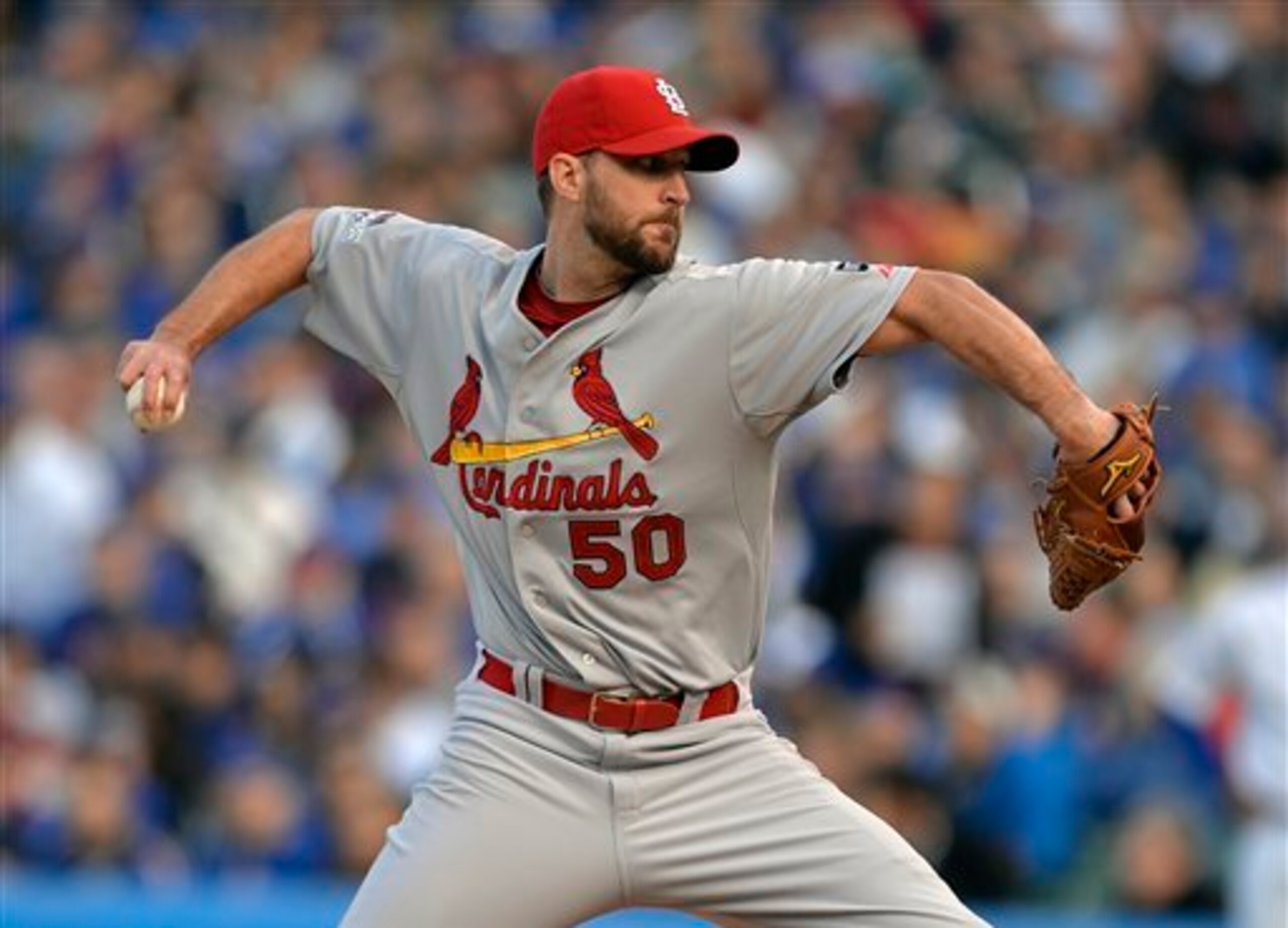
There’s little reason to doubt any move—or lack thereof—the St. Louis Cardinals make. They’ve been baseball’s best organization since Joe Torre's Yankees.
The Cardinals did make Heyward a long-term offer, though. With every contending team vying for Heyward, it’s reasonable to think the Cardinals were dinged just a little bit when he decided to sign with the Cubs.
St. Louis also lost starting pitcher John Lackey from its 2015 team, which won the National League Central. Lackey, too, signed with the Cubs. Of course, the team gave both players qualifying offers, which entitles them to two first-round draft picks.
Does this mean the Cardinals won’t contend for the division in 2016? Absolutely not.
Since 2000, St. Louis has won nine division titles and the last three. There’s no reason to believe an unfortunate offseason will completely demolish the Cardinals’ chances in any given season.
But the 2016 offseason unquestionably didn’t go the way St. Louis had planned—or, at least, the way it had hoped.
Of course, there was a beneficiary…
Winner: Cubs-Cardinals Rivalry
8 of 10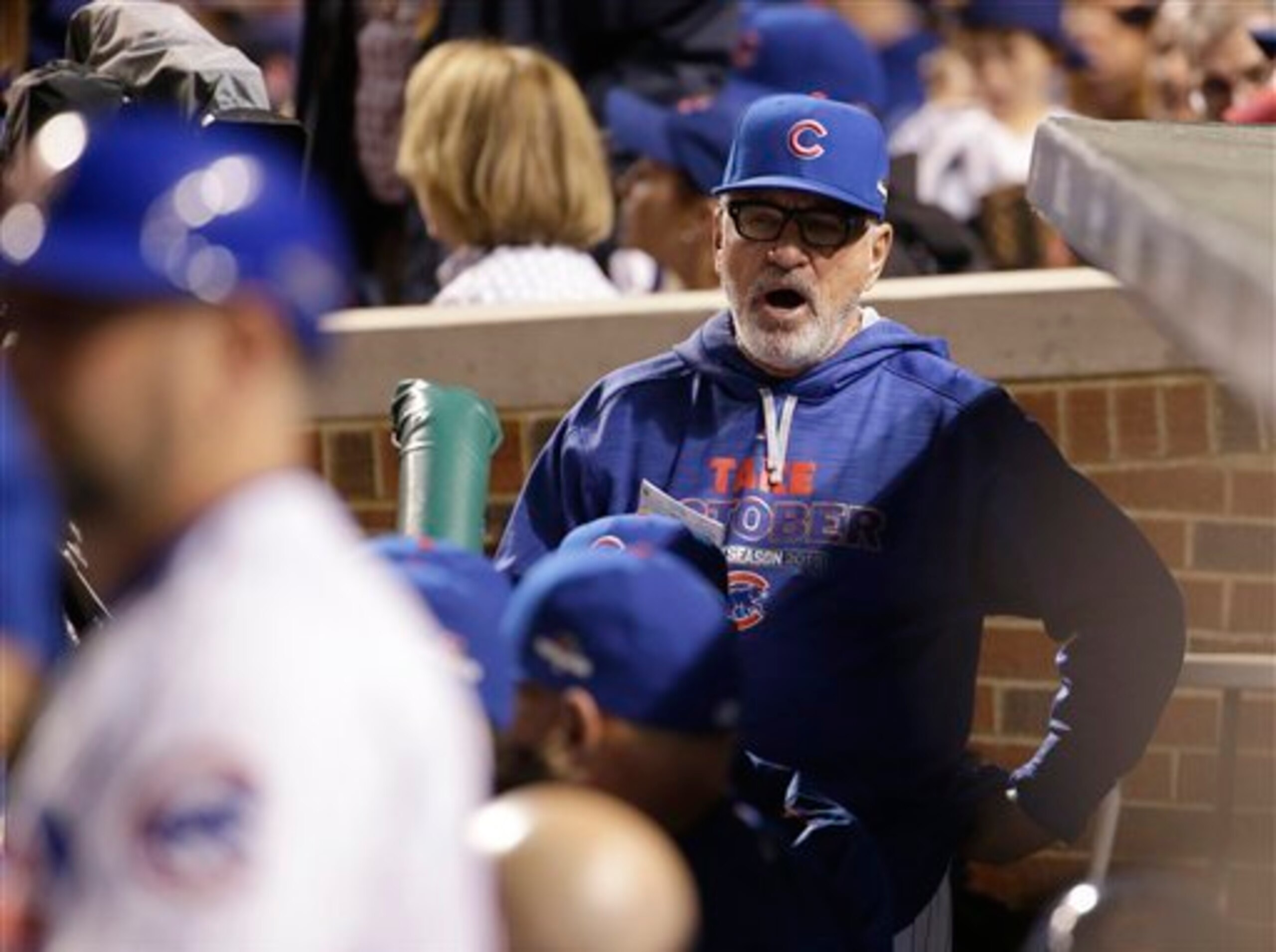
Obviously, the Cubs were among baseball’s biggest winners this offseason. Not only did they sign some of the offseason’s biggest free agents, but they also won by stealing two players away from the Cardinals.
That narrative has been well-documented, though. Who needs to hear it again? There was a bigger winner, anyway.
Those who love the Cubs-Cardinals rivalry.
The rivalry has been one-sided over—give or take—the last 100 years. We know about the Cubs’ futility. We know about the Cardinals' dominance. It’s probably sports’ most lopsided rivalry.
But the Cubs’ additions this offseason have closed the gap between the two teams. Not only will we see that play out on the field, but with both teams chasing the postseason each year, we will likely see the two organizations compete for free agents again, as we did this offseason.
The drama between these two teams has increased infinitely. A once-predictable rivalry is as competitive as it has ever been.
Loser: National League and the Designated Hitter
9 of 10
There was talked this season of continued momentum for the National League to get the designated hitter.
That was quickly eliminated when MLB Commissioner Rob Manfred indicated in interviews with ESPN and Yahoo that pitchers would continue to hit in the National League—at least for a while.
Manfred appeared content for baseball to continue to be the only major profession sport in which half its teams play with a different rule.
It’s bizarre, really.
There was a time when the two leagues could actually have been considered separate entities. There were separate umpires and presidents for each league. The World Series was the only time an American League team would play one from the National League. Then interleague play was introduced in 1997 and has slowly become a more prominent part of the major league schedule.
I don’t care much whether the pitcher hits or not. Just make it the same across baseball.
Yet there’s a contingent of people who don’t feel that way…
Winner: Baseball Purists
10 of 10
When the pitcher hits, it certainly calls on the manager to be more creative late in games. As much as so many baseball purists love to watch the game itself, watching National League managers trying to outduel one another has its appeal, too.
The potential for a double switch late in games gives a manager more to consider. The best managers do stand out in the National League, and old-fashioned baseball purists love to keep a scorecard, looking at who is available on the bench and trying to forecast a manager’s next move.
There are those who argue, how could there be a position where a player is only required to play offense? Or vice versa. How could a pitcher only be required to play defense?
These really aren’t questions the baseball purists will have to ask, at least for the immediate future. A pastime of America’s favorite pastime will live on.


.jpg?w=2560 "Grading WWE Raw 🔠")
.jpg?w=2560 "Viral Rams Coach Vid 🖕")
.jpg?w=2560 "Injury-stricken Seahawks signing veteran RB")

.jpg?w=2560 "2 NFL Officials Suspended")

.jpg?w=2560 "Mahomes' Wife Trolls Kubiak 💀")
