What Role Should Cesc Fabregas Play for Chelsea as the Season Progresses
It's not Cesc Fabregas' role at Chelsea that should change, but more the system deployed by Guus Hiddink.
As the Premier League champions look to rebuild their campaign and move up the table, how best to utilise Fabregas has become a major talking point. Indeed, it has been for much of the season given the Spaniard's alarming dip in form.
Hiddink's style of management has worked in the short term for Fabregas. We've seen a sharp spike in his form and that has had knock-on effects for his team-mates, including Diego Costa.
TOP NEWS

New NFL Power Rankings 📊
.jpg?w=2560 "Texans-Mixon Released Football")
Injury-stricken Seahawks signing veteran RB
.jpg?w=2560 "Commanders Eagles Football")
2 NFL Officials Suspended
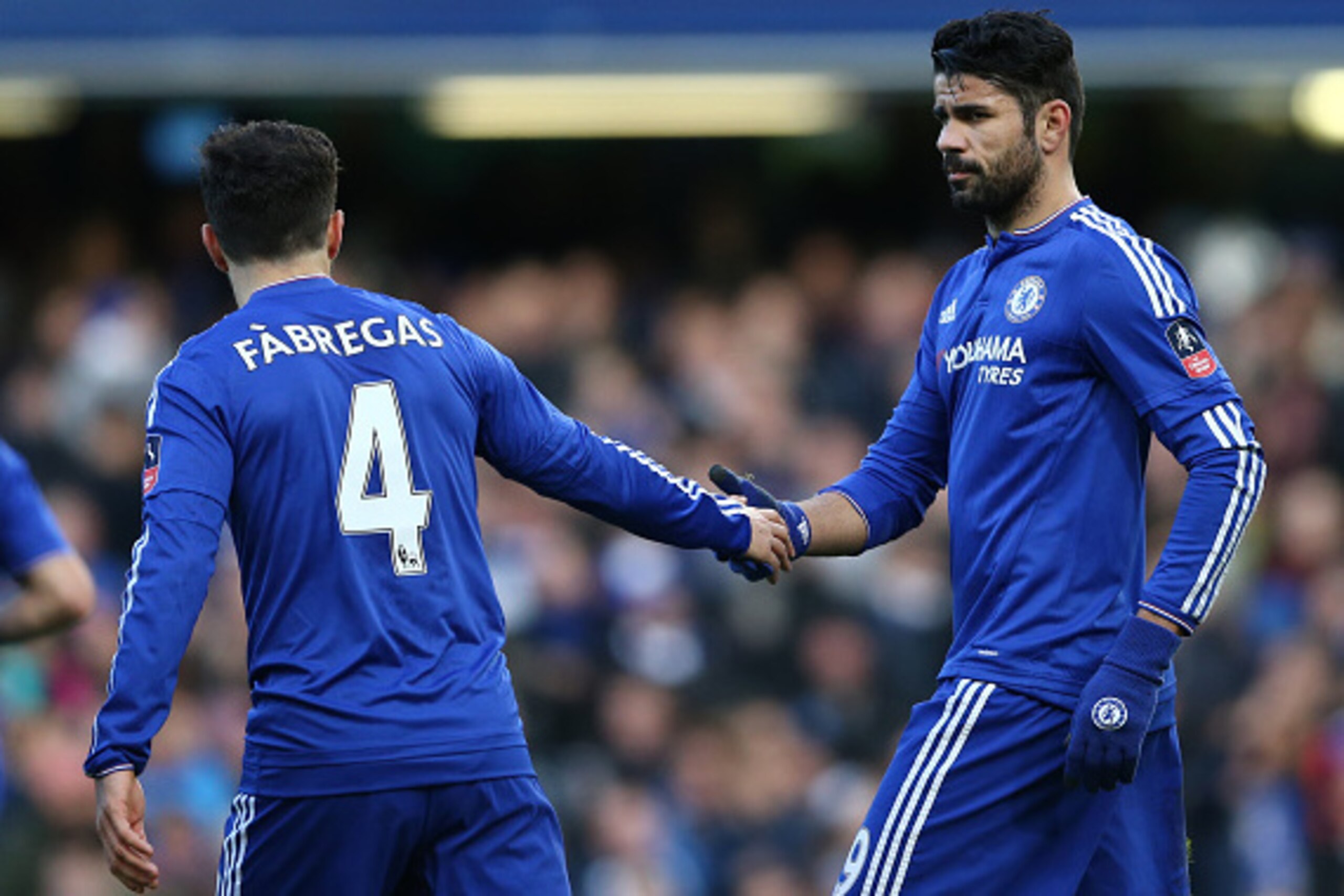
Costa has scored five goals in five games under Hiddink, which is as prolific as he has been since the first six months of his Chelsea career.
If we're talking stats, Fabregas' pass-completion rate has backed up what our eyes have seen.
Since Hiddink came in, the Spaniard has been hitting the high 80s in his success stats. In the final days of Jose Mourinho's reign, they were in the mid-70s.
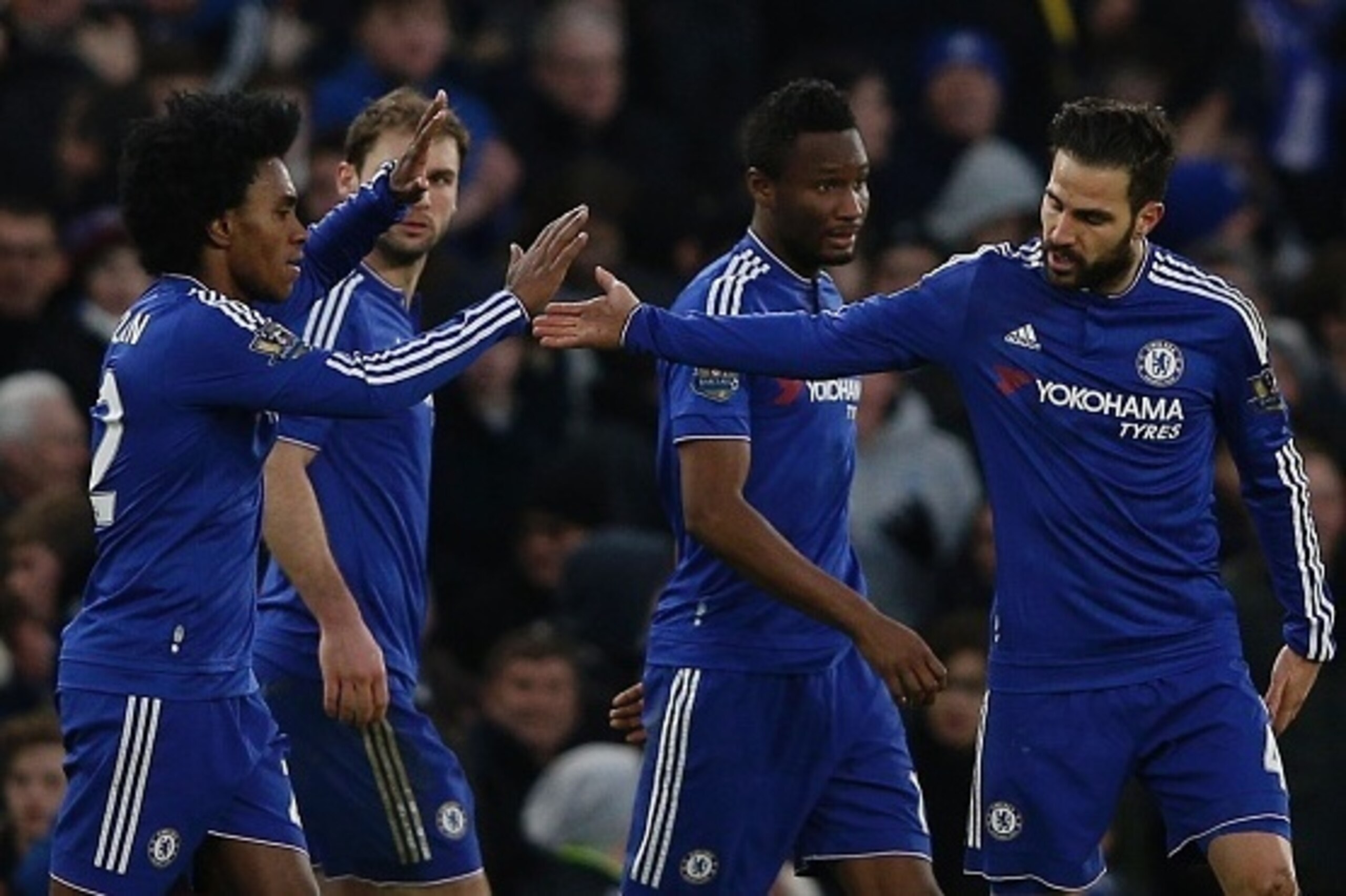
But what does that mean? Well, it shows Hiddink's desire to address the balance of Chelsea's midfield is working to some degree.
The addition of John Obi Mikel in the middle of the pitch has helped Fabregas. The feeling has been that he's being called into defensive action much too often this season while Nemanja Matic has struggled. With Mikel on the scene, Fabregas is beginning to play more in the areas where he's most effective.
It's still not perfect. Chelsea's failure to find their consistency this year remains a moot point. The reigning champions haven't won back-to-back league games all season, while their record under Hiddink flatters to deceive.
Being undefeated with the Dutchman at the helm shows improvement, but just two wins in those six matches—one of those victories coming against League 1 opponents in the FA Cup—has meant their points tally continues to take a beating.
Now it's time Hiddink addressed Chelsea's problems further, starting with that midfield that has so concerned him.
The feeling is that Chelsea's 4-2-3-1 setup is looking dated with this team. It isn't getting the best out of the personnel, either.

Deploying two players in holding midfield—of which Fabregas is regularly one—isn't as fluid as it was. Whether teams have worked the Blues out in that regard, or that the players simply don't fit the system, is a matter of opinion. What isn't, of course, is that it's hindering Chelsea.
For Chelsea to be threatening again, Fabregas must be the fulcrum of the team. That's what he was signed for, after all.
For that to happen, he needs a semblance of protection. Not just in a physical sense but also positionally, knowing he doesn't always have to track back; that he's covered.
Pairing him with Oscar would help that, meaning a switch to 4-3-3. Not only would it assist Fabregas, but there's every reason to suggest this Chelsea team would flourish as a whole.
With Fabregas and Oscar—or Ruben Loftus-Cheek for that matter, if Hiddink is feeling particularly brave—either side of Mikel or Matic, Chelsea would have more bodies in those central areas where teams have targeted them this term.
Not only that, there's the possibility of more width.
Too much focus has been put on Chelsea playing three attacking midfielders to support a lone striker. On paper it looks ideal, yet the reality is far different—particularly as Chelsea don't have an out-and-out No. 10 to fill that central area.
It's Oscar who occupies that No. 10 role, but he isn't creative enough. To be a success in that position, the prerequisite is to pick up assists, of which the Brazilian rarely does. Take this season, where he has recorded just three in 23 appearances.
Chelsea had the ideal player for that role, but Juan Mata joined Manchester United two years ago. A player of his craft hasn't been replaced, although the Londoners have persevered with the same system that was built for players with his technique.
Fabregas is also different to Mata. If we observe his link-up play with Costa, it's more about turning defence into attack with rapid transitions, like against Everton on Saturday when the former Atletico Madrid man scored Chelsea's first goal.
That can't happen when Fabregas is playing further up the pitch as a No. 10. He is more for the middle third, which means he's the link between defence and attack. And that brings Chelsea's wide players in that 4-3-3 into the reckoning.
As Chelsea counter teams, they seem to run out of ideas in the final third. It's partly due to a lack of shape, with too many bodies occupying the space others want to exploit.
Not only that, but playing without wingers means the approach is different. Pedro played that wide role of a front three for Barcelona, and it's in that system we saw the best of him. At Chelsea, he is yet to repeat that sort of form.
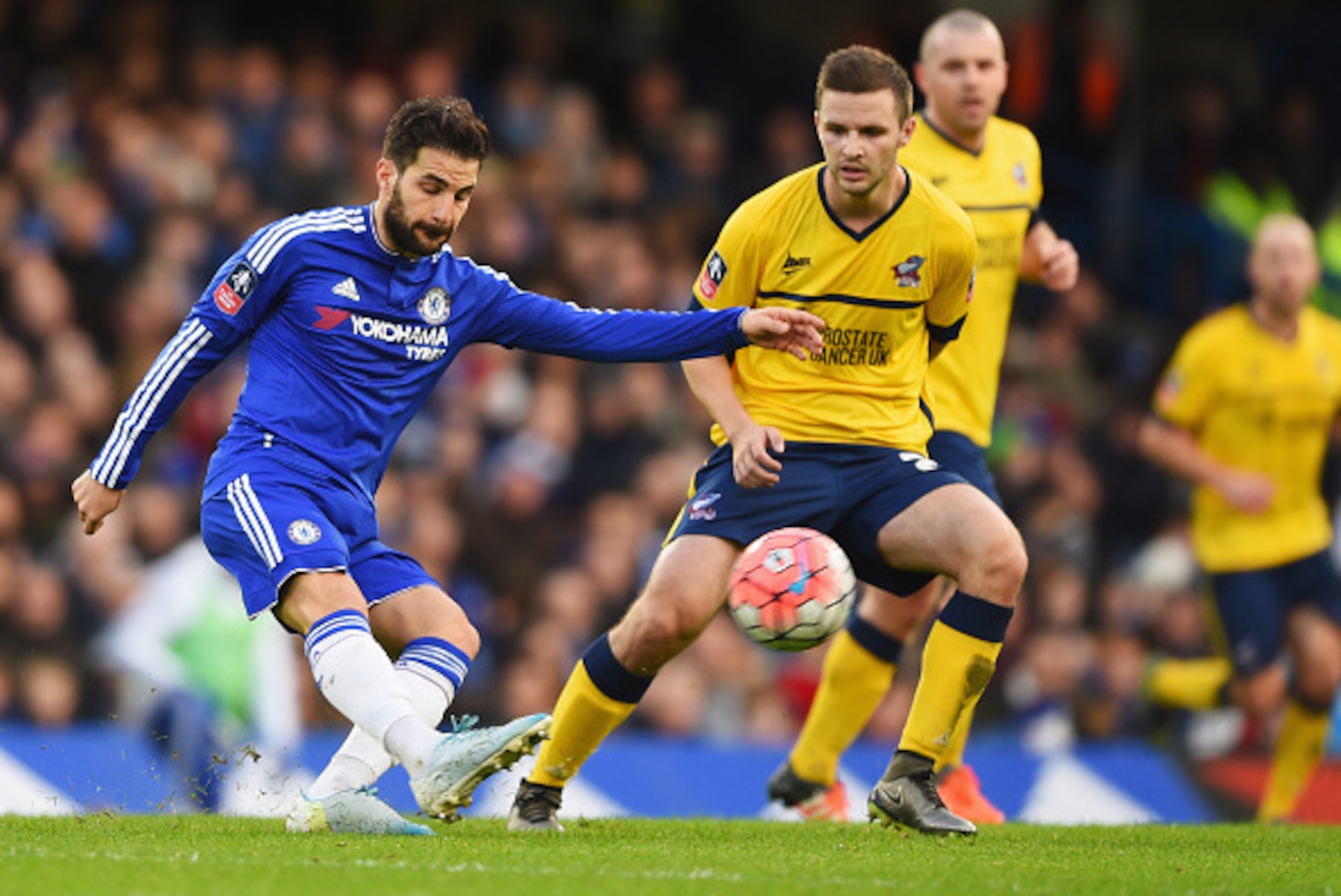
With a player of Fabregas' ability feeding him in the way Xavi or Sergio Busquets would have done, Chelsea may well begin to get the best out of Pedro. It may also help Eden Hazard rediscover his best on the left, while Willian would remain a strong candidate himself.
For any of that to happen, Fabregas needs space and time to operate. It's not always a luxury afforded to players and the biggest problem facing him now is that Chelsea's system doesn't allow for it.
Everything has been tried so far, with varying results. Fabregas has been moved from the pivot to No. 10 and it hasn't worked; playing in the pivot has been inconsistent and created problems elsewhere.
To get the best out of their Spanish magician, it's time Chelsea tweaked their formation. His role won't change at Stamford Bridge, but a different system could be the key to unlocking his undoubted brilliance.
Garry Hayes is Bleacher Report's lead Chelsea correspondent. All quotes were obtained firsthand unless otherwise noted. Follow him on Twitter @garryhayes
.jpg?w=2560 "Rams Eagles Football")



.jpg?w=2560 "Mahomes' Wife Trolls Kubiak 💀")