Do Manchester United Owe Entertainment to Earn 3 Points?
Boredom is subjective—one man's boredom is another man's excitement.
Despite this sentiment, Manchester United—by every interpretation, accounting for all permutations—have played "boring" football this season.
Some internalise the notion, and its application, as a footballing crime. Manager Louis van Gaal has spent upwards of £260 million since his arrival in the summer 2014, thus, he should have the requisite pieces to play an attractive, free-flowing, quintessentially Dutch brand of football—except that is not happening.


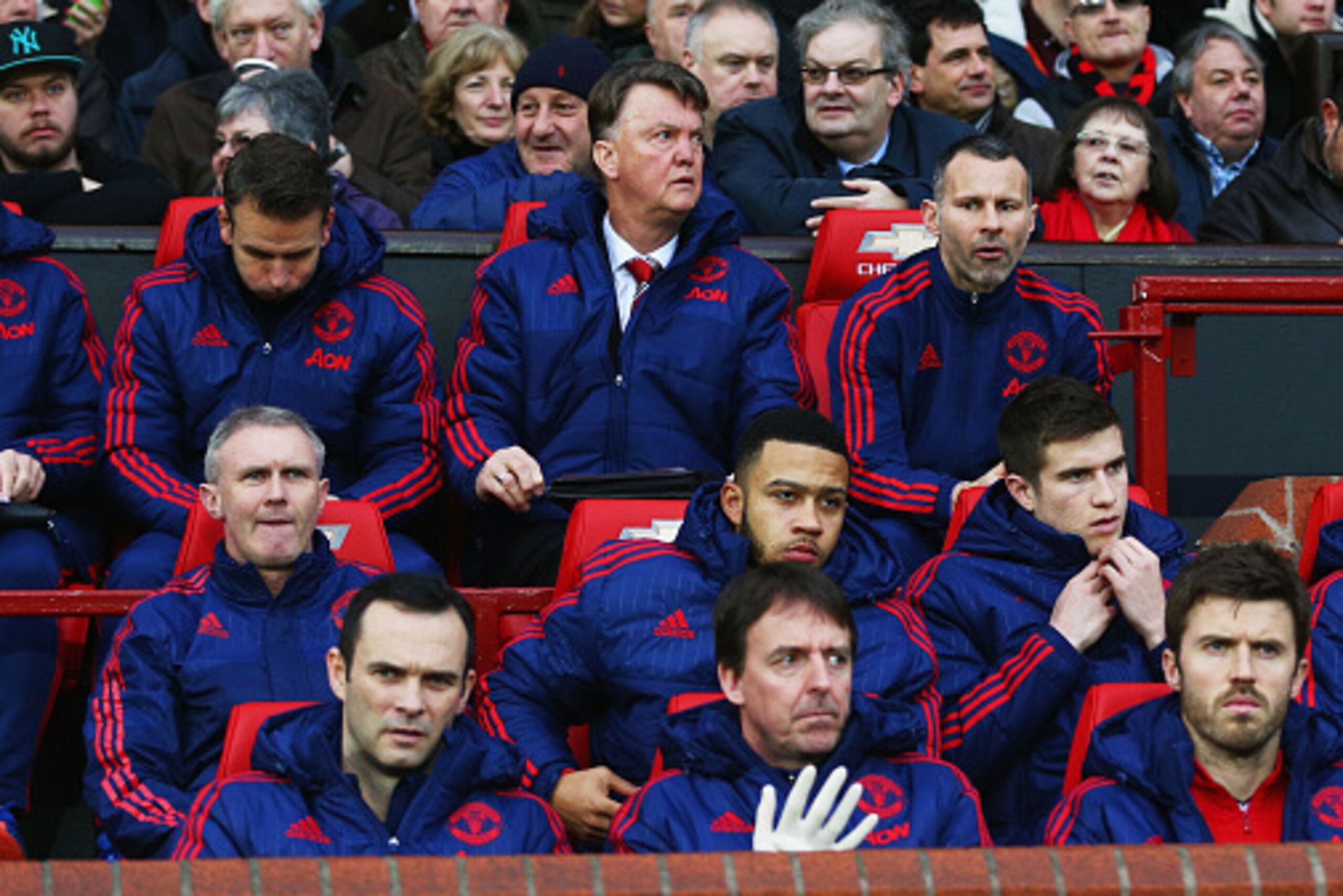
United's 64-year-old Dutchman has overseen tactical sides that practice defensively solidity and risk-adverse football. A far cry from glory days of yesteryear under Sir Alex Ferguson, Red Devils supporters have become overly distraught with the current state of affairs, but maybe—just maybe—their club's fortunes are changing; whether for the better is yet to be discovered.

Playing an intense 3-3 draw with current bottom-dwellers Newcastle United at St. James' Park (as documented by BBC Sport), Manchester United proved entertainment is not beyond their scope, but that freedom came with a caveat: They could not keep goals out.
There might not be a dumber statement paraded in sports than: "It's not if you win, but how you win." Of course we would rather sportsmen refrained from taunting each other, so the statement carries minimal weight in that regard, but otherwise the meaning is rubbish. Suggesting one set of three points means more because it was more entertaining than another makes no logical sense.
What happened vs. Newcastle was Manchester United (who were winning 2-0 and 3-2 at stages in the match) sacrificed common sense for entertainment's sake. It appears a valiant thing to do. Entertainment is why many people watch the Premier League: End-to-end action, stern challenges, great goals and a host of world-class talent—what is not to like?
Reasons to watch and reasons to play or manage are vastly different. Manchester United players and their managerial staff—no matter how much supporters or the media howl into the black of night—have one mission: To win football matches.
"I mean in theory it should be possible to be okay going forward without turning the defence into a circus. Maybe not, idk
— Paul (@UtdRantcast) January 12, 2016"

How that is accomplished seems largely irrelevant in the grand scheme. Would United fans rather be entertained with 38 consecutive games of 3-3 thrillers and finish with 38 points, or take a dent in their customary action-packed ethos with pragmatism and finish fourth? Most sane Red Devils supporters would choose the latter.
What happens is former players like Paul Scholes, with legendary voice, expound on watching their club deviate from its supposed mandate of attractive football. With BT Sport, after United's 1-0 victory over FA Cup opposition Sheffield United, the retired midfielder told his fellow pundits: "I'd be depressed [after that game]. It would take me two or three days to get over that performance ... you've just seen 90 minutes of boring, defensive [football]."
A shattering commentary on Van Gaal's Old Trafford. While probably correct, it undermines legitimate tactics to secure victories. If someone with the gravitas of Scholes proclaims Manchester United are bordering on depression, pressure from supporters and media outlets swells, creating untoward conditions.
Scholes, after the match at St. James' Park, proclaimed he felt "loads better," according to BT Sport (via the Daily Mail).
If the former England great is representative of United supporters as a whole, a footballing climate exists where clubs—given their respective traditional, stylistic history—would rather drop points entertainingly than win boringly.
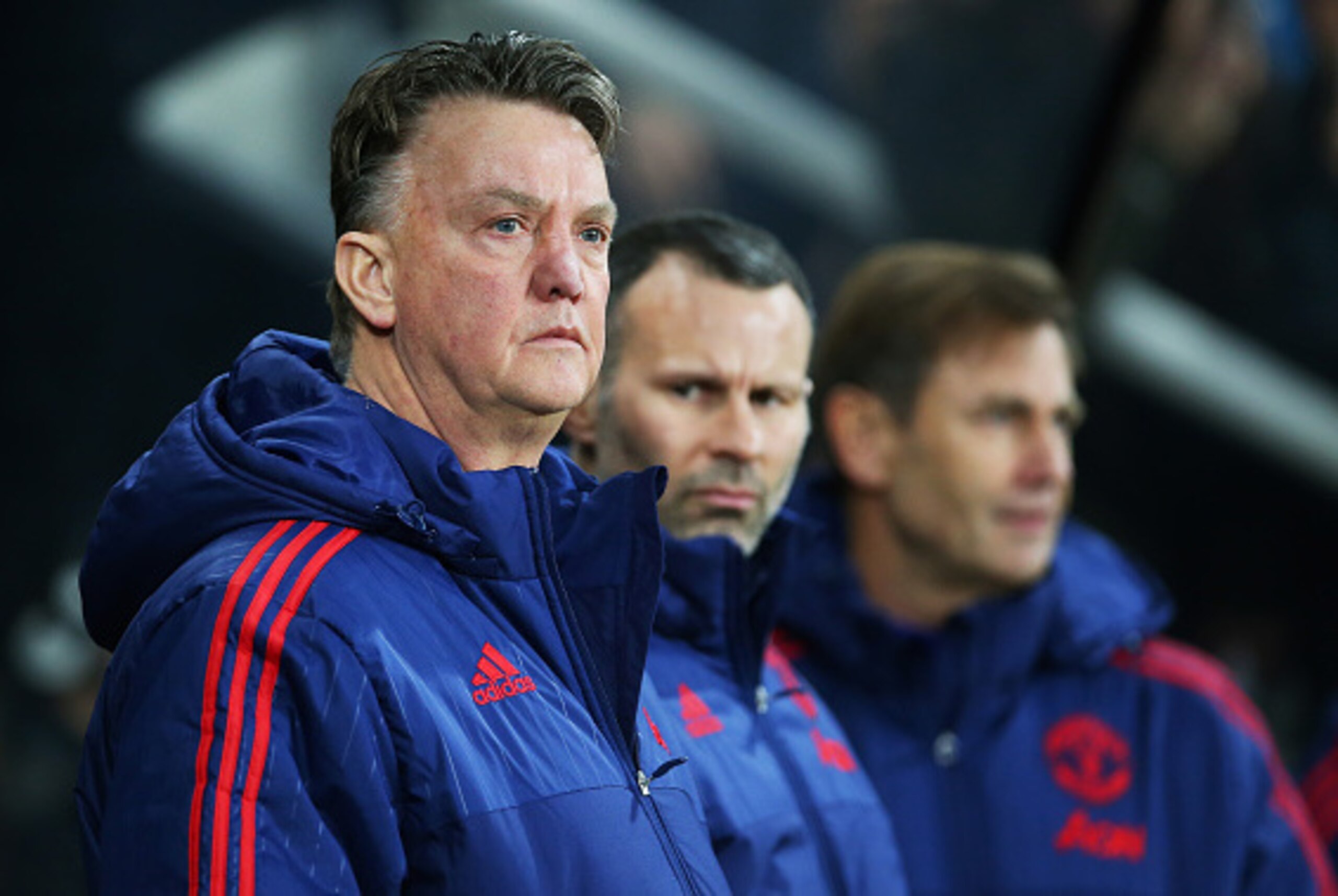
Drawing 3-3 was brilliant viewing for the neutral, but Van Gaal's mandate is not entertaining neutrals—it is not even entertaining his own supporters necessarily (although that would be a positive)—his task is keeping the global entity that is Manchester United in the Champions League and competing for domestic titles.
Should one wish to dethrone the Dutchman for transfer-market shortcomings (in part causing United's pragmatic approach), the argument can/should be disseminated. Shooting him down for attempting to nullify the opposition while masking his own player's deficiencies, though, borders on obtuse.
If you enjoy 3-3 draws, you are not dissimilar from the vast majority who watch Pele's "beautiful game." If you are a Manchester United, Newcastle United, Arsenal or Liverpool supporter, however, recent 3-3 draws entertaining the world at the expense of two crucial points for either title, top-four or relegation battles could make the difference come season's end.
Entertainment is fantastic, especially if it costs you nothing. When your entertainment is paid with dropped points, football isn't nearly as much fun.
*Stats via WhoScored.com; transfer fees via Soccerbase where not noted.


.jpg?w=2560 "Report: Darnold Could Miss 3-6 Weeks")
.jpg?w=2560 "Breaking News")

.jpg?w=2560 "Week 1 Fantasy Duds 👎")