
Grading Every New College Football Head Coaching Hire
Once again, the 2015-16 college football coaching carousel is grinding to a halt. For now. On Thursday, Ball State hired Mike Neu as its new coach, per Bruce Feldman of Fox Sports, and Texas State announced Everett Withers as its new leader (h/t Yahoo Sports). That leaves only Texas San-Antonio, which let veteran coach Larry Coker go earlier this week, as the only current FBS program with a head coach opening.
While the NFL sorts out its openings, that’s subject to change. But at the moment, the dust has mostly settled on the movement in head coaching circles for this season. Thus far, 26 programs have hired new head coaches. That’s up from last season, but the domino effect that some predicted in November hasn’t really materialized, with plenty of coordinators getting opportunities and several programs turning to interims to fill their vacancies from within.
While it takes several years to effectively evaluate a coaching hire, now is as good a time as any to give an initial grade to the hires. That’s what we’re doing here for all 26 programs that have filled vacancies.
Agree? Disagree? Let us know what you think!
Ball State
1 of 26
Pete Lembo was once regarded as a rising star in the head coaching ranks. He went 22-7 in 2012 at Ball State, which is no easy task. His departure to become a position coach on D.J. Durkin’s new staff at Maryland raised eyebrows, but Lembo might have been getting out ahead of the posse. The Cardinals went 8-16 the last two seasons, including a 3-9 mark this year.
Ball State turned to an alum to reverse the slide, hiring Mike Neu as its new head coach. Neu has significant ties to the university. He spent four years as the Cardinals’ starting quarterback, leading Ball State to a MAC title in 1993 and finishing as the program’s all-time leading passer.
He spent four years as the head coach of the Arena League’s New Orleans VooDoo, two years as Tulane’s quarterbacks coach and the past two years as the New Orleans Saints' quarterbacks coach. He has significant experience and looks like a solid hire for Ball State. After all, Lembo was the only one of BSU’s last four coaches to leave with a winning record. Winning at Ball State isn’t easy, but Neu knows the landscape.
Grade: B+
Bowling Green
2 of 26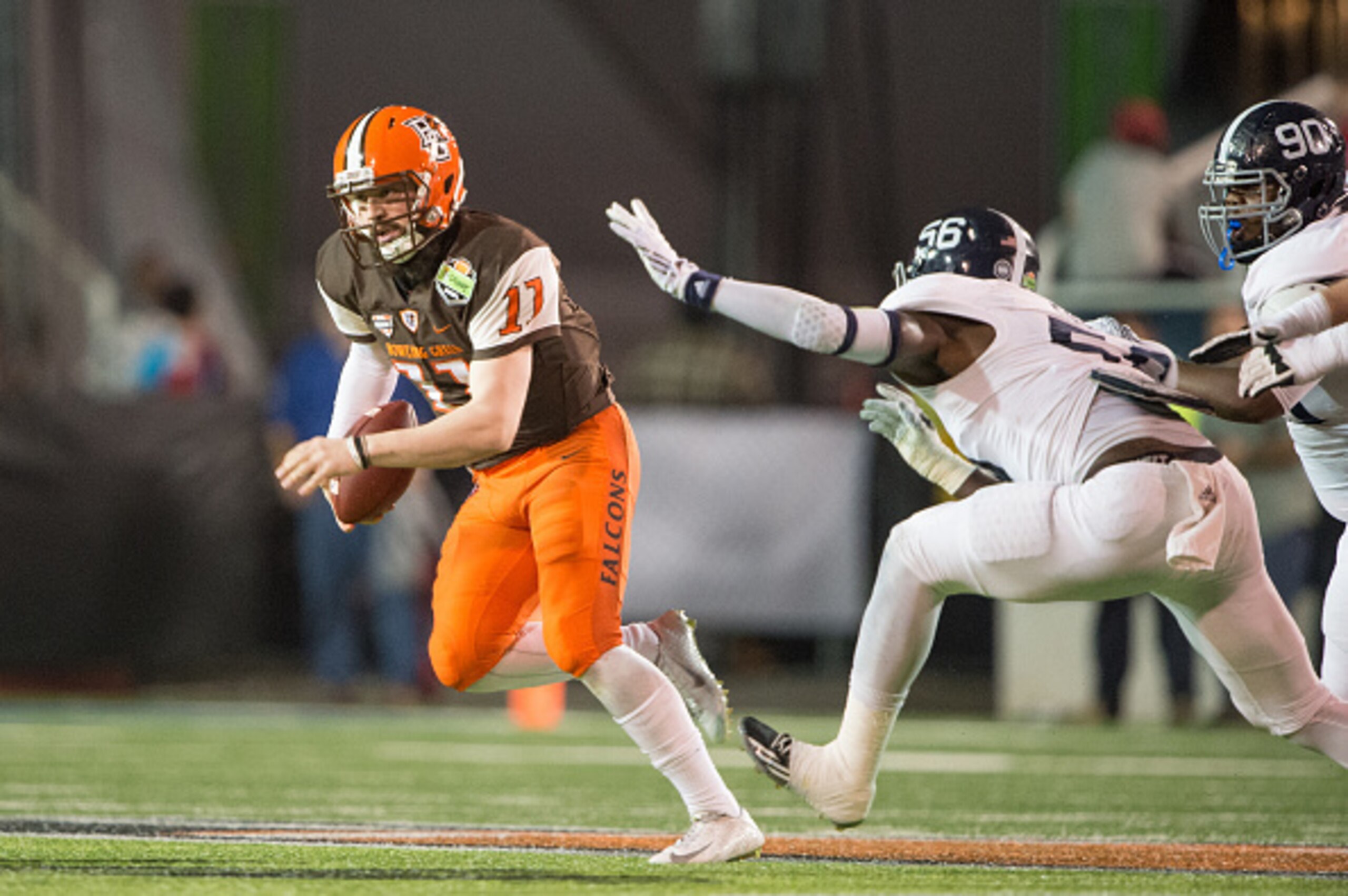
Over the last 15 years, Bowling Green has become something of a launching pad for head coaches. Urban Meyer began the trend in 2001-02, and after Gregg Brandon’s failed tenure, Dave Clawson and Dino Babers have followed his lead, earning MAC titles and leaving for ACC jobs. Babers’ departure for Syracuse following a 10-3 record in 2015 means the Falcons were in the head coaching market again. This time, they turned to Texas Tech running backs coach/associate head coach Mike Jinks.
Jinks spent 16 years as a Texas high school coach before being hired by Kliff Kingsbury, and he excelled on the Red Raiders staff. Under his watch, DeAndre Washington rushed for 1,000-plus yards in consecutive seasons, including 1,492 yards this fall. Jinks should continue the fast-paced scheme that Babers employed, and if he can maximize the talent on hand, there’s no reason the Falcons won’t keep soaring in the MAC.
Grade: B
BYU
3 of 26
Bronco Mendenhall’s departure to Virginia following an 11-year run at BYU was surprising on the surface. He won 99 games with the Cougars and never had a losing season, qualifying for 11 bowls and winning six. Replacing him is a difficult task, given BYU’s restrictions (head coaches must be of the Mormon faith).
BYU seriously courted Navy coach Ken Niumatalolo before settling on Oregon State defensive coordinator Kalani Sitake. Salt Lake City Tribune columnist Gordon Monson advocated for the Cougars to hire a Polynesian Mormon, like Sitake. He is a BYU alum and former fullback who worked his way up the coaching ladder, spending 10 years on Utah’s staff (six as the defensive coordinator) before becoming Oregon State’s defensive coordinator last season.
A depleted Beavers defense struggled in 2015, allowing 37 points per game (No. 115 nationally). But Sitake knows BYU’s culture and what it takes to win in Provo, and Mendenhall leaves him a program in solid shape. Now, it’s time for Sitake to prove he can carry on a strong tradition.
Grade: B-


Central Florida
4 of 26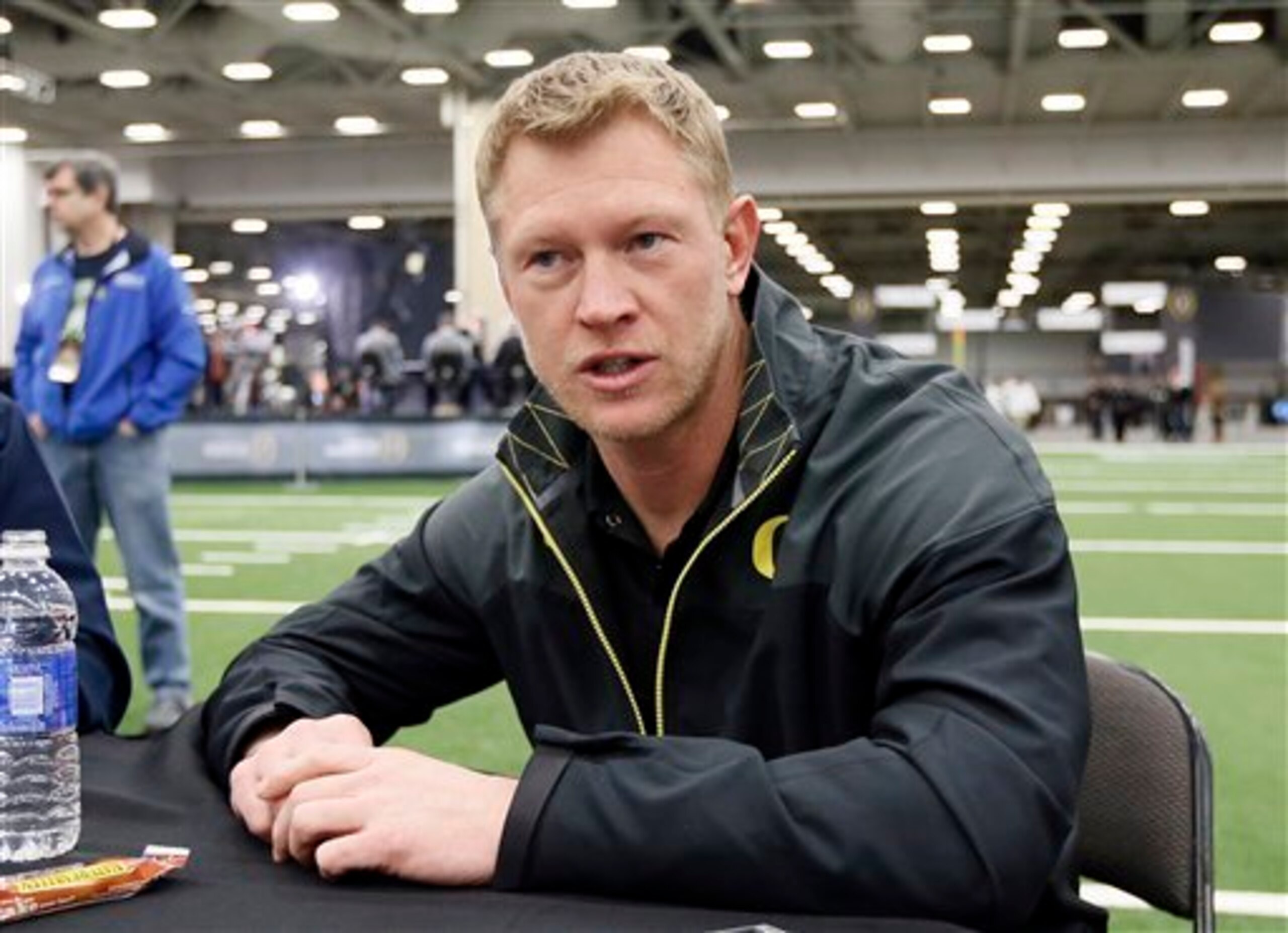
To quote Fred Willard in A Mighty Wind: Hey, Central Florida, wha’ happened? Two years ago, the Knights were one of the best mid-major programs in college football, knocking off Baylor in the Fiesta Bowl. But UCF has completely fallen apart. Veteran coach George O’ Leary began 2015 as the program’s athletic director and head coach and ended it as neither. The Knights went 0-12, joining hapless Kansas as the only winless teams in the FBS.
All considered, the Knights made an excellent hire in Oregon offensive coordinator Scott Frost. He spent the past six seasons on Oregon’s staff—the last three as offensive coordinator and quarterbacks coach under Mark Helfrich. He kept a high-powered offense humming and tutored a Heisman Trophy winner in Marcus Mariota.
With its natural location and recruiting base, UCF is a great spot for Frost to land. He brings the program cache and a fast-paced system. He can win big in Orlando.
Grade: A-
East Carolina
5 of 26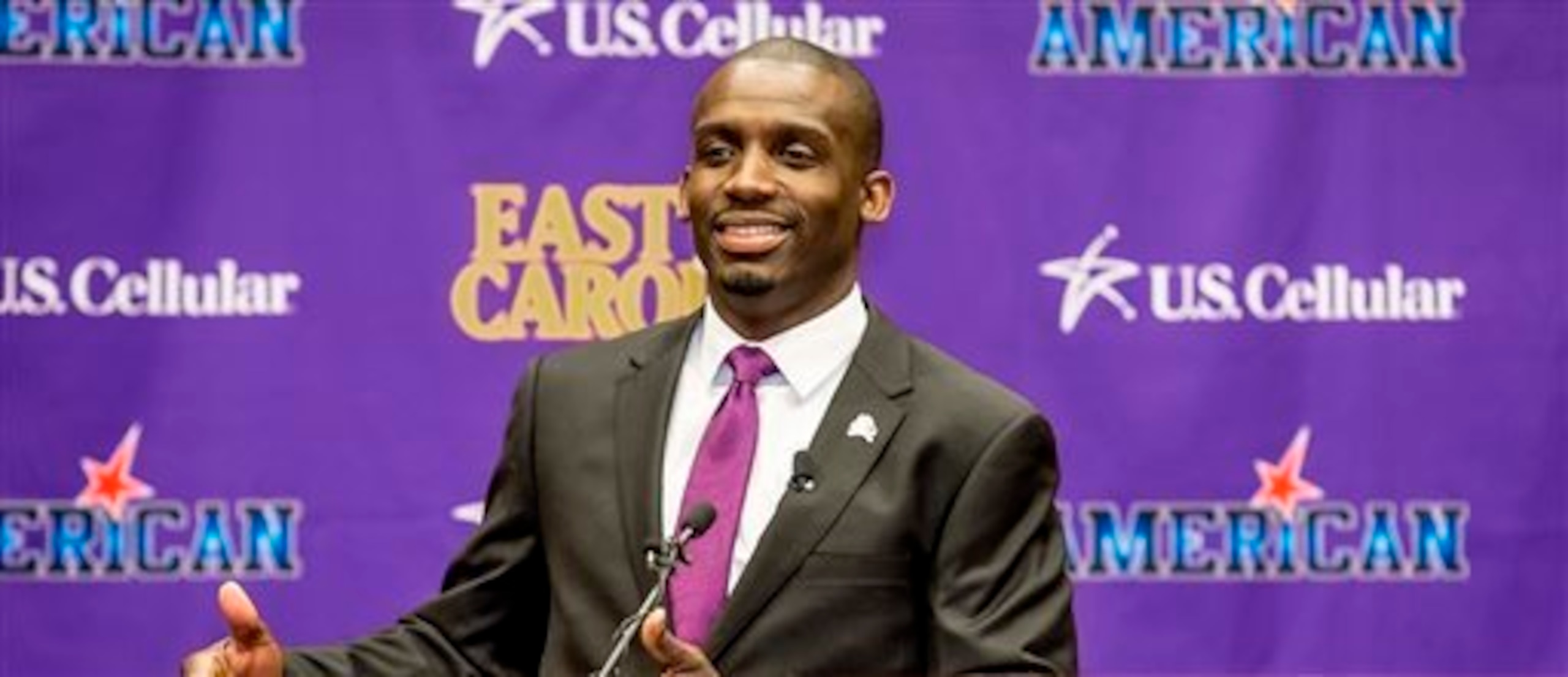
East Carolina won the award for the most head-scratching dismissal of the offseason. Despite going 42-34 with four bowl appearances in six seasons, Ruffin McNeill was dismissed as ECU’s head coach. Anything short of bringing back wunderkind offensive coordinator Lincoln Riley as the new leader would have been underwhelming, but the Pirates made a decent hire in Duke’s Scottie Montgomery.
Montgomery, 37, is one of the younger head coaches in the FBS. He spent seven seasons covering a pair of stints at Duke, working as an NFL assistant with the Pittsburgh Steelers in between. He ran a solid offense as the Blue Devils’ offensive coordinator the past two seasons and has plenty of experience recruiting the East Coast.
Montgomery will bring a younger vibe to ECU, but is he ready to run his own ship? We’ll see soon enough.
Grade: C+
Georgia
6 of 26
Mark Richt did plenty of winning at Georgia, rolling up 145 victories over 15 seasons. But at a place with Georgia’s resources, more than two SEC titles are expected, and after Richt missed the SEC title game for the third consecutive season, the ax came down.
To replace him, the Bulldogs turned to an alum and one of the nation’s hottest assistant coaches in Alabama defensive coordinator Kirby Smart. Georgia didn’t cast a huge net before settling on Smart, and while he has excellent credentials as the Crimson Tide’s defensive coordinator, UGA is his first head coaching stop.
Smart has the backing and intangibles to win big at Georgia. Whether he’ll do so is another matter entirely.
Grade: B-
Georgia Southern
7 of 26
Georgia Southern is one of the rising programs in the Group of Five. In two seasons, the Eagles are 17-7 with a bowl win and narrow losses at Georgia, Georgia Tech and N.C. State. It’s natural that someone would take notice of Willie Fritz, and Tulane did, scooping him up as its new head coach.
GSU hopes to keep the momentum going with Colorado State defensive coordinator Tyson Summers. He is a great fit for the program. He’s a south Georgia native who excelled as Central Florida’s defensive coordinator and is also a strong recruiter. He has the credentials to keep the Eagles soaring up the FBS ranks.
Grade: B+
Hawaii
8 of 26
Among difficult jobs in FBS, Hawaii might be the toughest. The days of Timmy Chang and June Jones leading the Rainbow Warriors to regular bowl games seem long ago. Since Jones left following the 2007 season that finished with a 12-1 record and Sugar Bowl bid, the program has fallen into disrepair amid financial difficulties.
Norm Chow was fired following a 10-36 record over three-plus seasons, and Hawaii turned to an alum in Nick Rolovich. He replaced Chang as Hawaii’s starting quarterback in 2001 and also spent four seasons as the offensive coordinator and quarterbacks coach before leaving for the same position with Nevada in 2012.
Rolovich is only 36 but has solid credentials. And except for luring Jones back to revive the program, who else was Hawaii going to get?
Grade: B
Illinois
9 of 26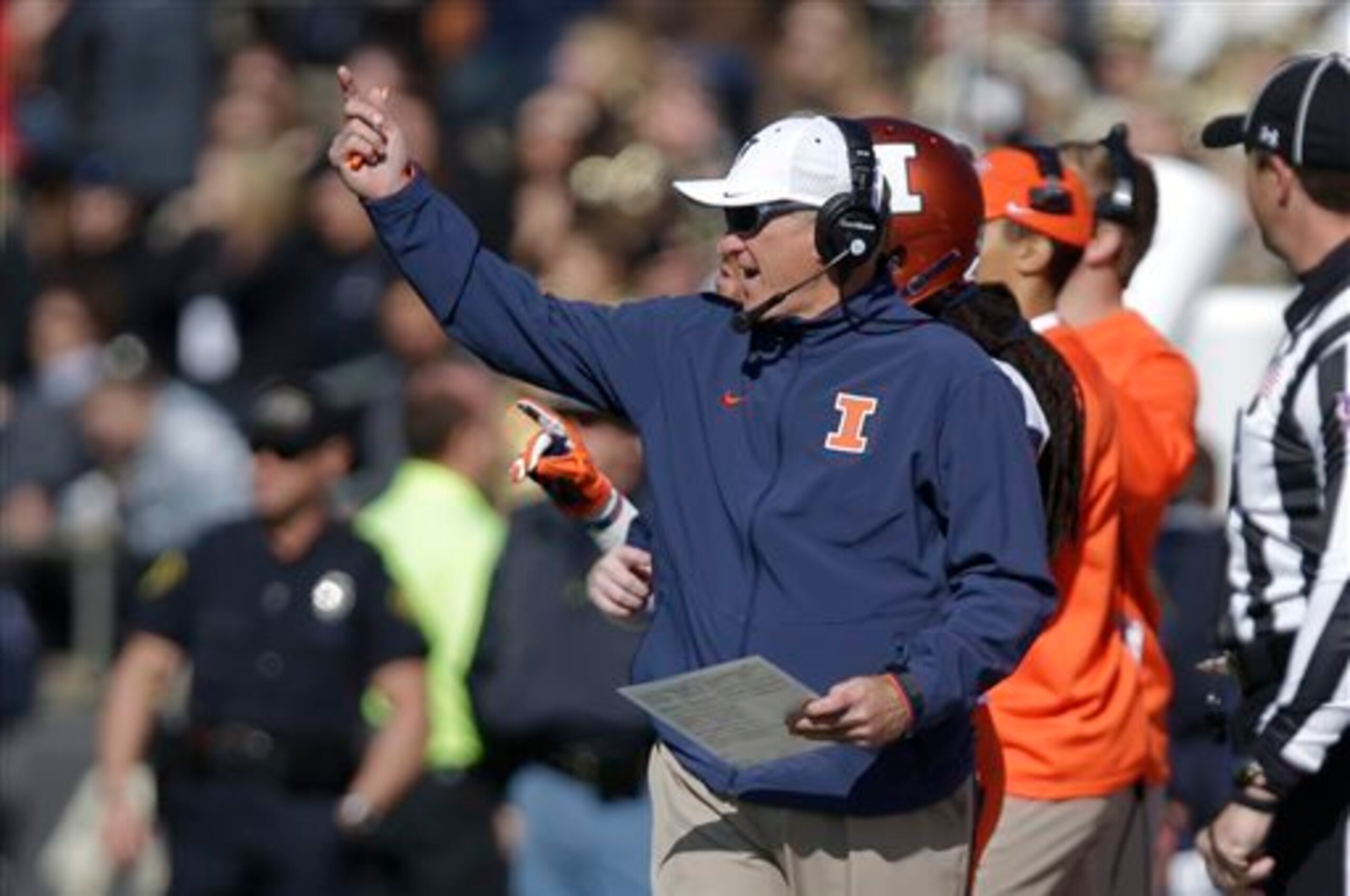
Illinois got a jump on the entire FBS coaching carousel. The Fighting Illini fired coach Tim Beckman in mid-August after an internal investigation turned up allegations of misconduct by Beckman toward his players.
While athletic director Mike Thomas was fired in early November, the Illini still had plenty of time to find a viable candidate to take over. So they came up with…elevating interim coach Bill Cubit to the full-time role? Huh?
Cubit took over a tough situation and coaxed a 5-7 record from Illinois. He has eight years’ experience as a head coach, finishing 51-47 as Western Michigan’s head coach with three bowl appearances. But he’s 62 years old, and Illinois gave him only a two-year contract. This is a totally uninspiring hire, and with a short deal, the Illini are set up to search for another head coach soon.
Grade: F
Iowa State
10 of 26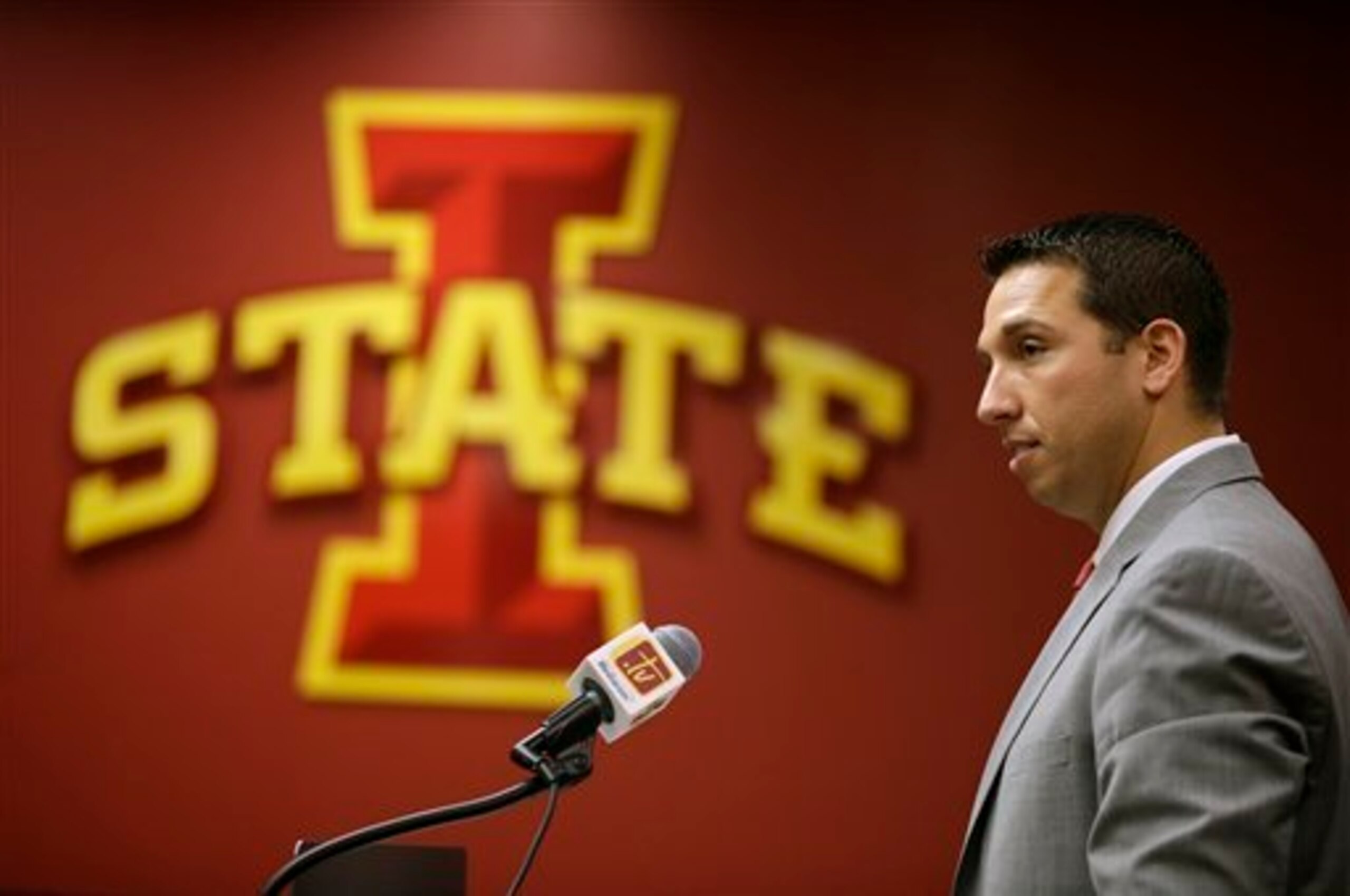
Iowa State’s fanbase is among the most patient in the FBS, and the environment is one of the toughest to win in. But the patience of fans does have limits, and Paul Rhoads found that out the hard way this fall. Following a 3-9 season capped by a pair of late-game meltdowns, Iowa State fired Rhoads. He finished with six consecutive losing seasons and a 32-55 record.
Iowa State wasn’t going to lure the likes of Nick Saban to Ames, so locking down Toledo’s Matt Campbell is a solid hire. He led Toledo to a 35-15 record and three bowl games in four seasons. This fall, the Rockets upset both Arkansas and Iowa State.
Campbell brings youth (he’s 36), energy and a high-powered scheme to Iowa State. He’ll hit the ground running and recruit tirelessly, which is important for Iowa State, which lives in the shadow of in-state rival Iowa. ISU athletic director Jamie Pollard worked quickly to secure Campbell, and it’s a good thing he did.
Grade: B+
Louisiana-Monroe
11 of 26
Louisiana-Monroe is hardly a college football garden spot. If you win in Monroe, you can win in a lot of places. Todd Berry had a solid start to his ULM career, even taking the Warhawks to the 2012 Independence Bowl, but a 1-9 start to 2015 sealed his fate.
To replace him, ULM turned to Matt Viator. He had great success in a decade at FCS McNeese State, going 77-33 with five playoff appearances, no losing seasons and three 10-win seasons. He understands Louisiana’s landscape, and at a place like ULM, that’s important. He has a chance to succeed in Monroe.
Grade: B-
Maryland
12 of 26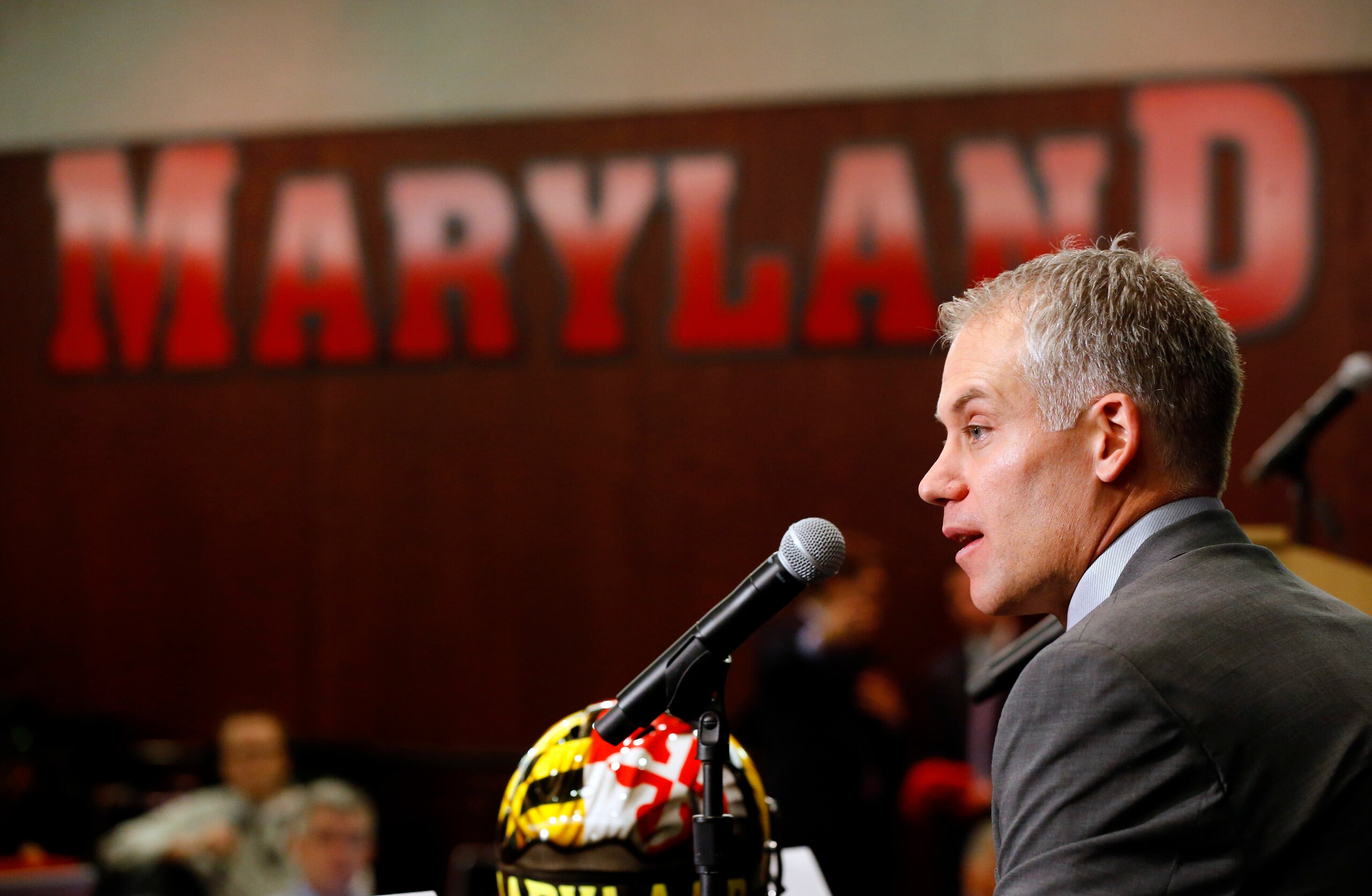
In retrospect, the end of Randy Edsall’s Maryland tenure wasn’t surprising. He was an uninspiring hire from UConn, and his buttoned-down style always seemed like a bad fit at Under Armour-funded Maryland with its outlandish uniforms and style. And following a 22-33 record in four-plus seasons, Edsall was gone.
Maryland made a strong hire in D.J. Durkin. The 37-year-old spent 2015 coordinating Michigan’s excellent defense and did solid work with Florida in 2013 and 2014. He is a strong recruiter and has built an excellent staff around him that includes three former head coaches in Mike London, Scott Shafer and Pete Lembo. So far, it looks like Maryland made the right move in hiring Durkin.
Grade: B+
Memphis
13 of 26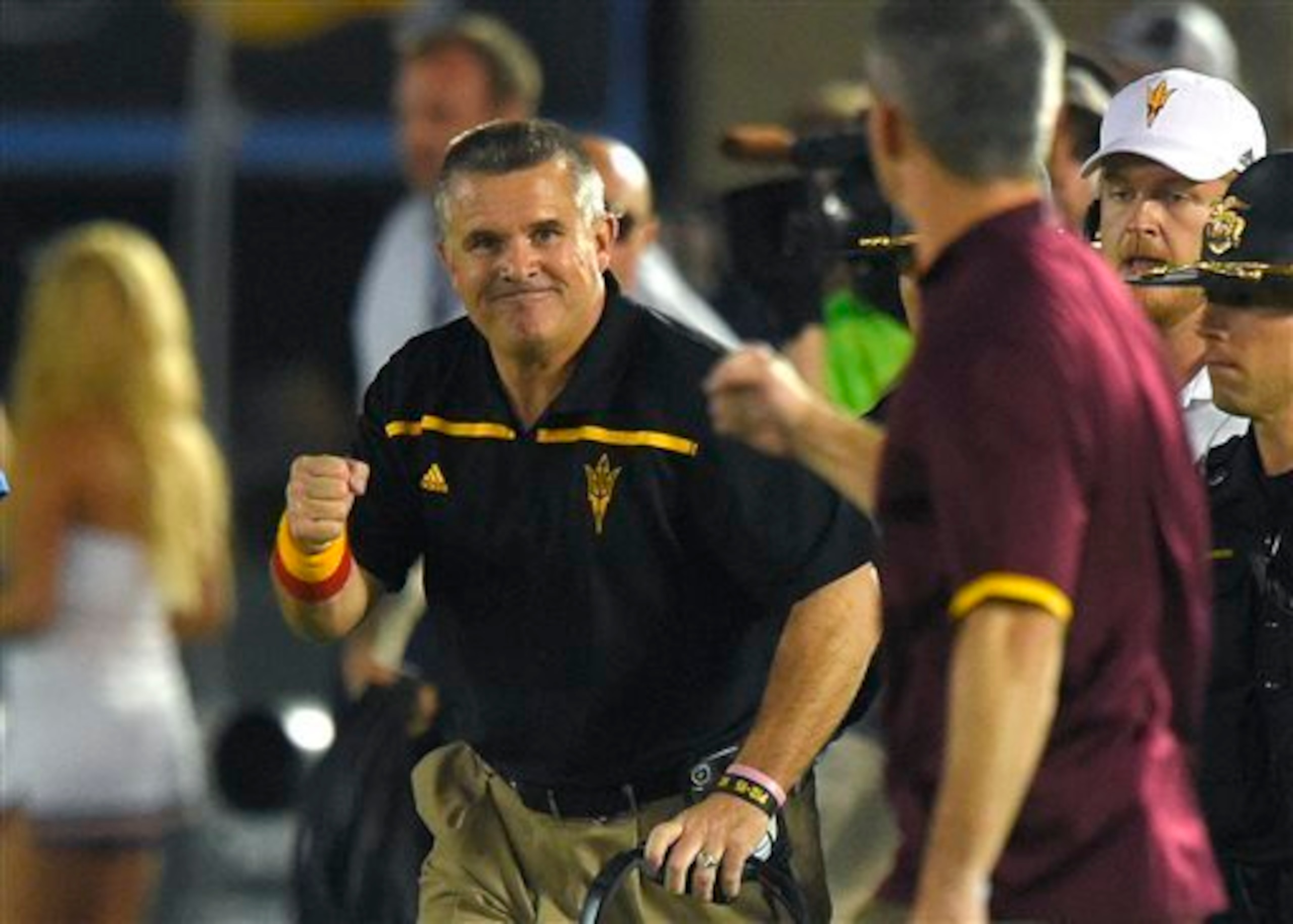
Memphis was one of college football’s best stories over the past two seasons. Justin Fuente breathed life into one of the nation’s most downtrodden programs, winning 19 games, including a 10-win 2014 campaign. It was inevitable that bigger programs would take notice, and Virginia Tech did, hiring him away to replace Frank Beamer.
Maintaining the momentum Fuente built is crucial, and Memphis made a solid hire in Arizona State offensive coordinator Mike Norvell. While ASU slipped to 6-7 this season, the Sun Devils put up 10-win seasons in 2013 and 2014, and Norvell’s offense was a huge reason why.
Arizona State averaged 36.3 points per game in 2014, ranking No. 16 nationally. While star quarterback Paxton Lynch is headed to the NFL draft, with Norvell’s guidance, more prolific offensive seasons are on the way in Memphis.
Grade: A-
Miami
14 of 26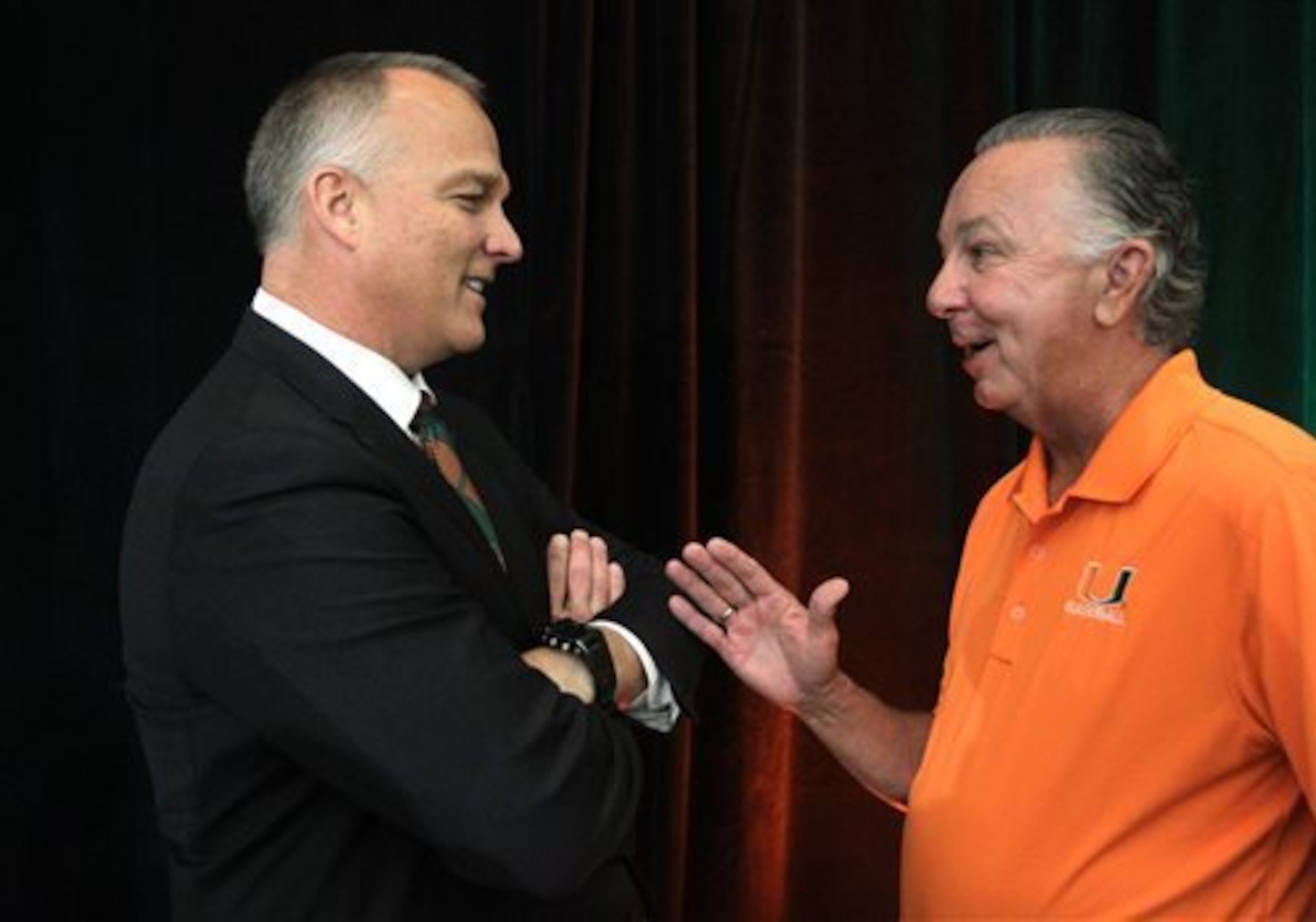
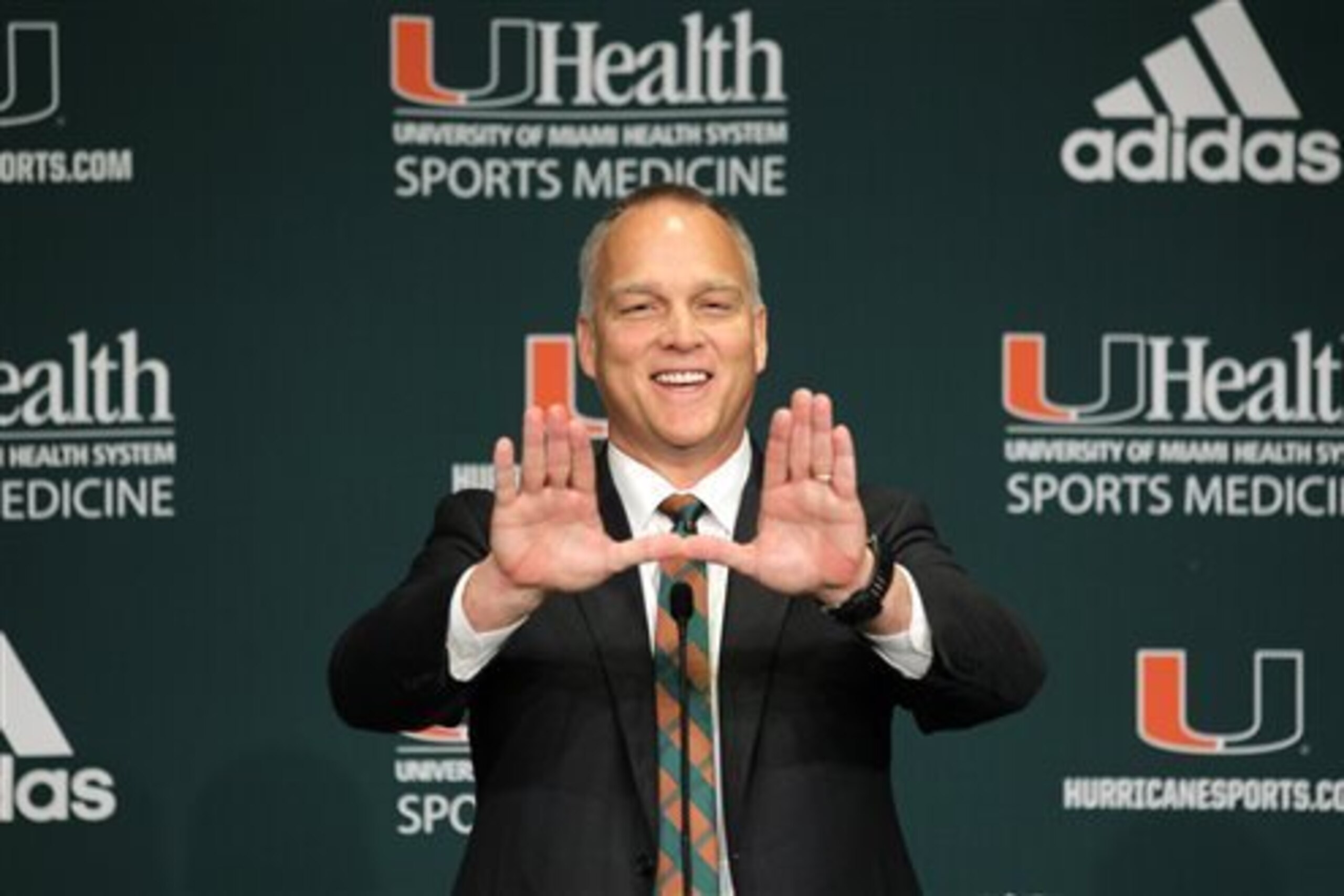
Miami needed a fresh start. So did Mark Richt. This was a natural fit. Richt didn’t have to work immediately after being fired by Georgia, where he racked up 145 wins in 15 seasons. But Miami needed to make a splash after finally firing Al Golden, who was canned after suffering a program-worst 58-0 loss to Clemson.
Hiring Richt, a former Miami quarterback, does just that. He brings SEC cache and a pristine reputation to a program that has suffered from an outlaw reputation while recovering from NCAA probation. He inherits a tough stadium situation but does have one of the ACC’s best quarterbacks in Brad Kaaya.
Susan Miller Degnan of the Miami Herald wrote that Richt believes he's found a home at Miami.
“My wife and I can tell you this: This is our home,” Richt said. “We love it. This is where we’re going to finish our coaching career. … My goal is to retire at this university…or stay 'until they throw me out the door.'"
There are many reasons that Richt can succeed in south Florida and finally bring Miami back to prominence. This was an excellent hire.
Grade: A
Minnesota
15 of 26
Minnesota had an emotional 2015 season. The Gophers began the year with Jerry Kill as their leader, but he had to step away from the team in mid-October due to a recurrence of health issues (including seizures) that had affected him in the past.
Minnesota elevated assistant Tracy Claeys into the role, and while he finished the regular season 1-4, the Gophers decided the continuity he brought as part of Kill's staff earned him a shot at the role full time. Minnesota finished 5-7 but qualified for the Quick Lane Bowl due to a lack of eligible 6-6 teams to fill the 80 bowl slots. Minnesota defeated Central Michigan and went into the postseason on a high.
Claeys was a solid choice for the Gophers, especially if they want to continue the momentum that Kill built.
Grade: B
Missouri
16 of 26
Gary Pinkel did an excellent job with Missouri’s program. He led the charge that landed Missouri in the SEC and garnered the Tigers serious respect with a pair of SEC East titles. They slipped to 5-7 this season, but there’s no shame for Pinkel, who has cancer, to step aside.
In that sense, Barry Odom is a natural choice to replace him. Odom was a Missouri safety from 1996 to 1999 and has spent all but six years of his coaching career in various capacities on the Mizzou staff, including this fall as defensive coordinator.
The Tigers allowed just 16.2 points per game under his watch, ranking No. 6 nationally. If Mizzou wants to continue what Pinkel started, Odom is the guy.
Grade: B
North Texas
17 of 26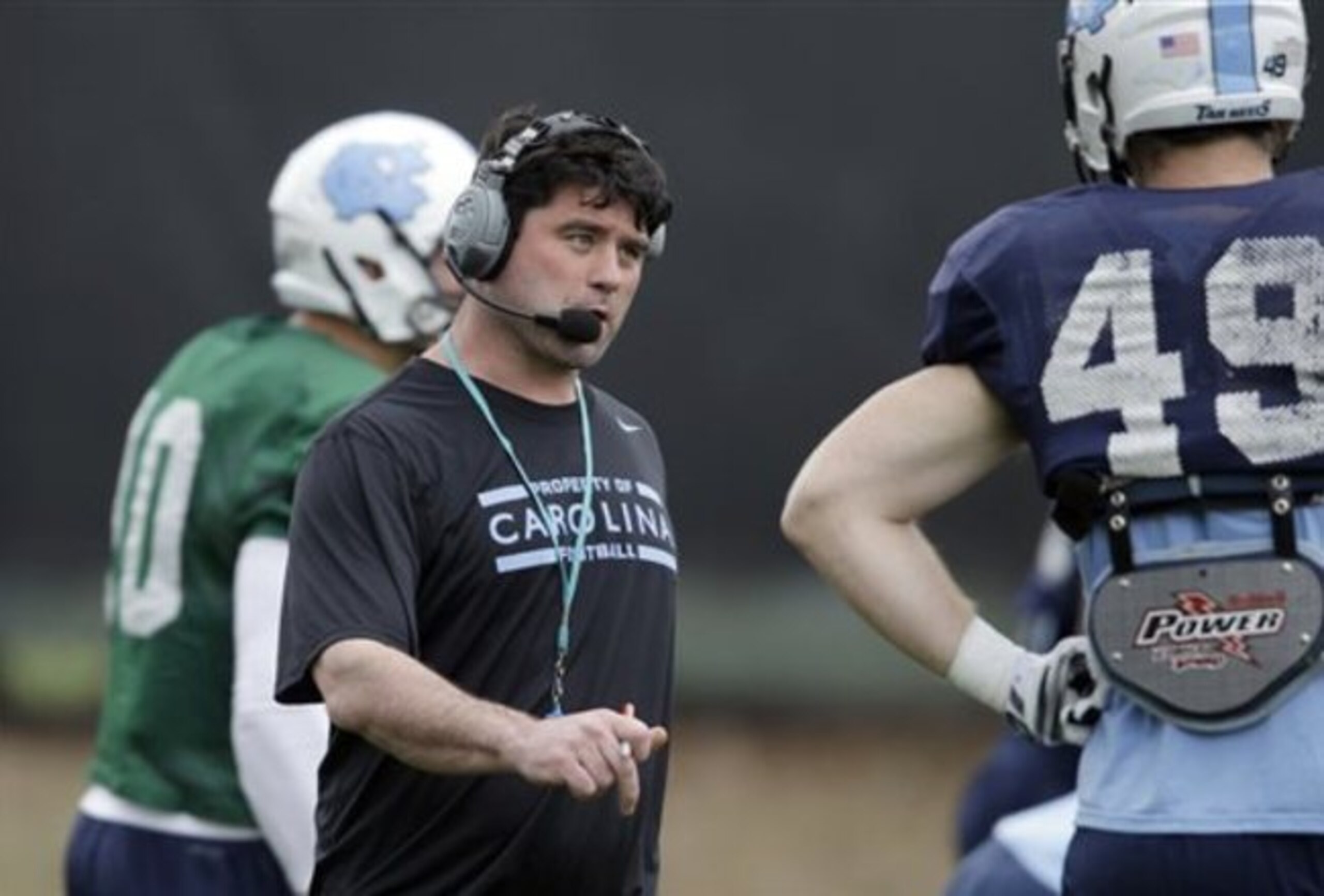
North Texas is not an easy place to win, but veteran coach Dan McCarney did have some initial success, including a 9-4 record and bowl win in 2013. Following an 0-5 start this fall, though, UNT officials had seen enough, canning McCarney with a 22-32 overall record.
North Texas is located in a bountiful recruiting area in the Dallas Metroplex, and the Mean Green has upgraded from the Sun Belt to Conference USA. Seth Littrell has solid experience with fast-paced offenses, spending the past six years as an offensive coordinator at Arizona, Indiana and North Carolina. The Tar Heels reached the ACC title game this season with Littrell’s system, averaging 40.1 points per game and ranking No. 11 nationally.
UNT is following the blueprint set by Houston, SMU and Tulsa, among others, by hiring a Power Five offensive coordinator with a fast-paced scheme. The Mean Green could have done a lot worse with their hire.
Grade: B+
Rutgers
18 of 26
Rutgers endured one of the most tumultuous seasons in college football this fall. Following a solid Big Ten debut that finished with a Quick Lane Bowl win, it all fell apart in 2015. Kyle Flood served a three-game suspension after attempting to influence a player’s academic status, and multiple players were dismissed from the team following arrests.
Rutgers finished 4-8 and fired Flood, along with embattled athletic director Julie Hermann. Plucking Chris Ash from Ohio State was a solid first move in rebuilding. Ash was part of a national title last fall, and this season, his Buckeyes defense allowed 14 points per game, ranking No. 2 nationally. Ash is tough-minded and energetic and has served as defensive coordinator at Arkansas, Wisconsin and Ohio State.
Given the program’s recent issues, Ash is just the guy to dig in and lead a turnaround.
Grade: B
South Carolina
19 of 26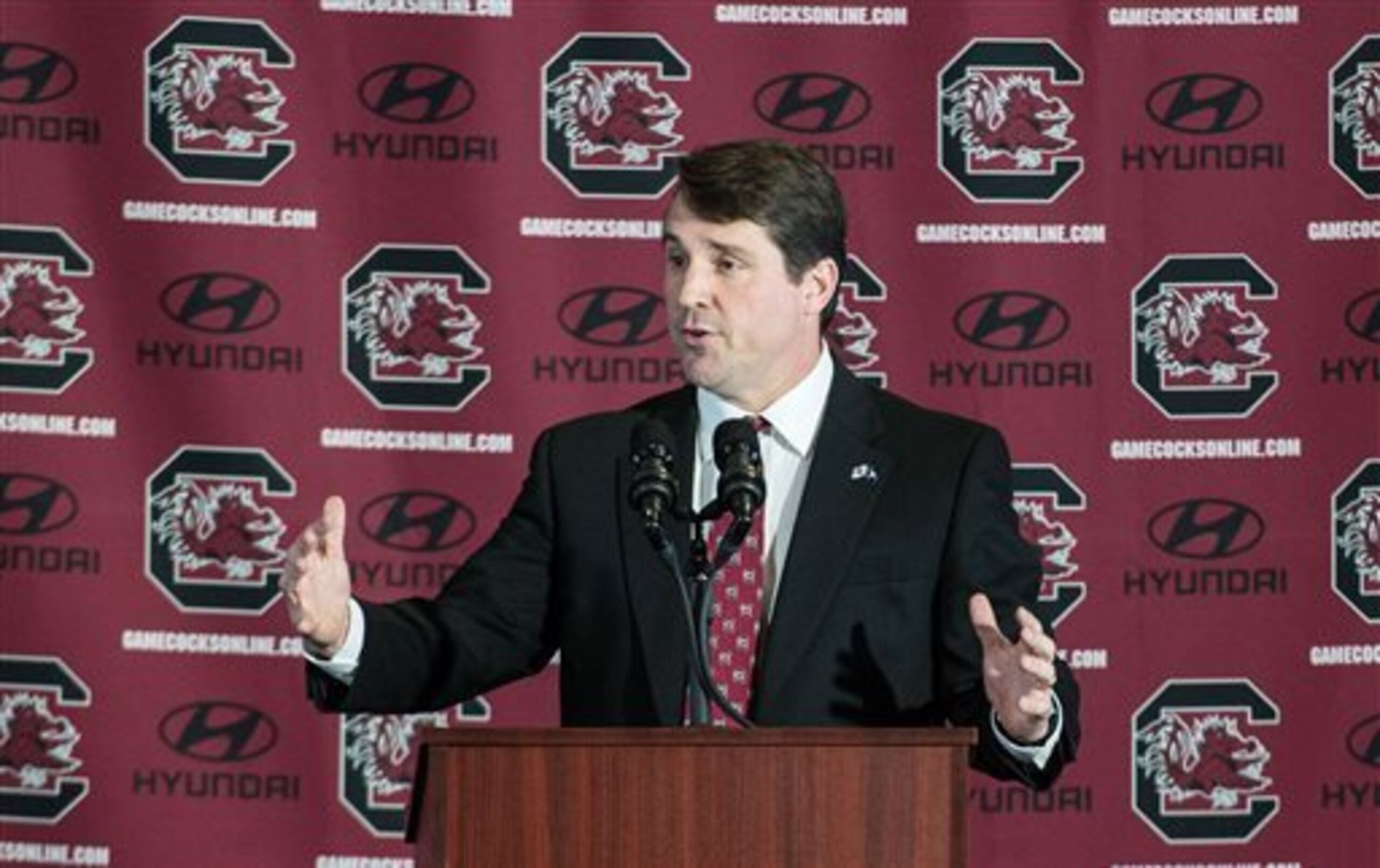
South Carolina is known as a coaching graveyard, but Steve Spurrier breathed life into the Gamecocks program. He led the greatest run in South Carolina history with three consecutive 11-win seasons but fell off sharply at the end of his run. Spurrier stepped away midway through a 3-9 season, and it is clear that the program’s talent base has declined precipitously from its peak.
Now, the Gamecocks hope Will Muschamp can turn things around. He has a well-earned reputation as a great defensive coordinator, but his tenure at Florida was disappointing at best. Muschamp went 28-21 in four seasons at Florida, including a 4-8 mark in 2014.
Did he earn another SEC East coaching job? That’s questionable. Jim McElwain took the talent he left behind and won 10 games with an SEC East title this fall.
South Carolina flirted with Houston coach Tom Herman, who ultimately decided to stay in Houston. Muschamp is a fallback and is already repeating some of the same mistakes, like hiring former Florida offensive coordinator Kurt Roper to run his offense. If it looks like a retread and smells like a retread, it’s probably a retread.
Grade: C-
Southern California
20 of 26
Southern California endured a roller-coaster 2015 season. The Trojans began the season as a legit College Football Playoff contender, but following a 17-12 loss to Washington, they sat at 2-2, and second-year head coach Steve Sarkisian was fired three days later with alcohol-related issues.
Interim coach Clay Helton did an admirable job of leading the Trojans to the Pac-12 South title, finishing the regular season 6-2. His elevation to the full-time role felt like a reward for a well-respected assistant. But was it the right move for athletic director Pat Haden?
Southern California is one of the nation’s elite programs, with excellent facilities, tradition and resources. Surely, the Trojans could have attracted someone better than Helton, with the program emerging from NCAA sanctions, right? This feels like the program settled. Isn’t USC better than that?
Grade: D
Syracuse
21 of 26
Scott Shafer promised a tough-nosed style when Syracuse hired him three years ago. His first season was promising, with a 7-6 record and a Texas Bowl win. But the program dropped off in his next two seasons, putting together a 7-17 record with little reason for hope.
Hiring Dino Babers looks like a potential coup for the Orange. Babers runs a wide-open scheme and made the most of his opportunity to become a head coach at age 50. He went 37-16 with two FCS playoff appearances, two bowls and a MAC title in four seasons at Eastern Illinois and Bowling Green. Once he gets the offensive pieces he needs, Babers will inject some much-needed excitement into the Carrier Dome. The ACC Atlantic isn’t an easy division, but hiring Babers was the right move.
Grade: A-
Texas State
22 of 26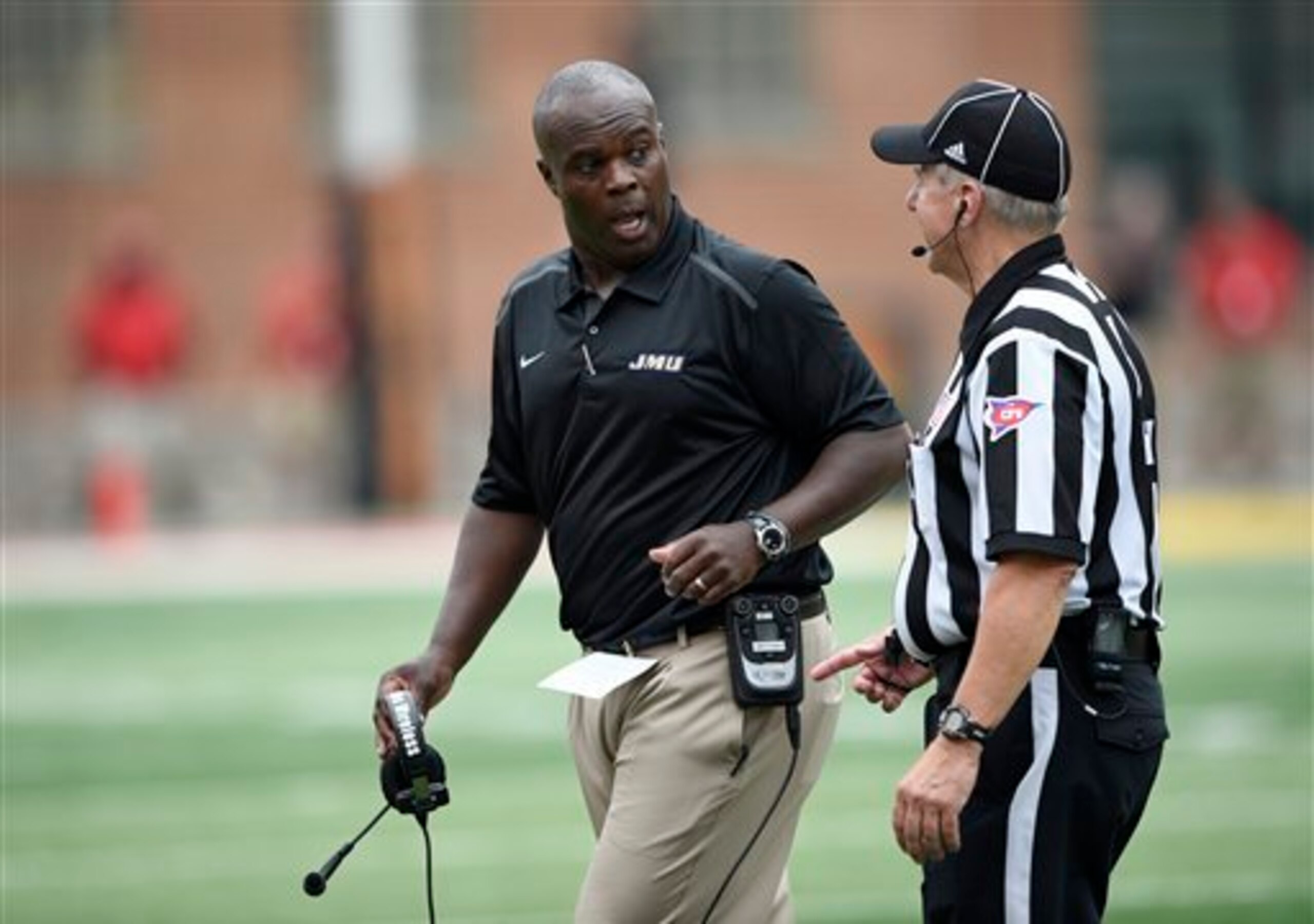
For many, Texas State is best known as a fictional program in the 1991 film Necessary Roughness. But it’s a real program, and the Bobcats have spent the last five seasons in the FBS. Former Alabama and Texas A&M coach Dennis Franchione got TXST bowl-eligible twice in five seasons but never took the program to a bowl.
He stepped aside following a 3-9 record this fall, and Texas State made a solid hire in Everett Withers. He is a veteran assistant with stops as a defensive coordinator at Louisville, Minnesota, North Carolina and Ohio State, and he also served as UNC’s interim head coach in 2011, leading the Heels to a 7-6 record.
He spent the past two seasons at James Madison, leading the Dukes to a combined 18-7 record with a pair of FCS playoff appearances. Withers has the experience to take the Bobcats to the top of the Sun Belt and, hopefully, postseason play at last.
Grade: B
Toledo
23 of 26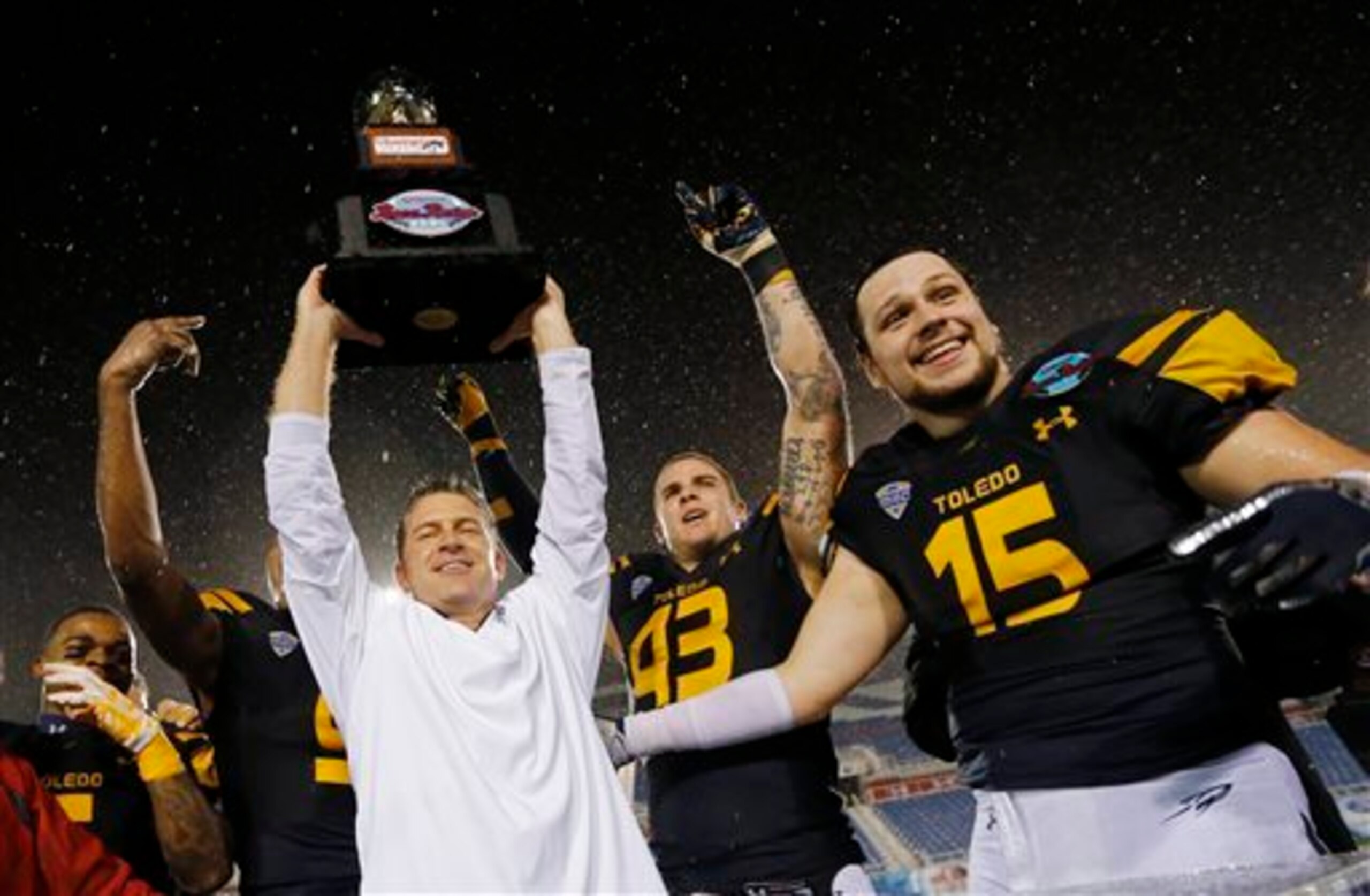
When Tim Beckman left for Illinois in 2011, Toledo made the decision to elevate then-32-year-old Matt Campbell to head coach. Following a successful 35-15 run, Campbell left for Iowa State. So why not dust off the same formula?
Toledo elevated offensive coordinator/quarterbacks coach Jason Candle to head coach to replace Campbell. Toledo’s offense was successful under Candle’s guidance. This season, the Rockets won 10 games and averaged 34.7 points per game, ranking No. 34 nationally. Toledo doesn’t have Big Ten-style resources, so sticking with what has worked in the past is a smart move for continuity's sake.
Grade: B+
Tulane
24 of 26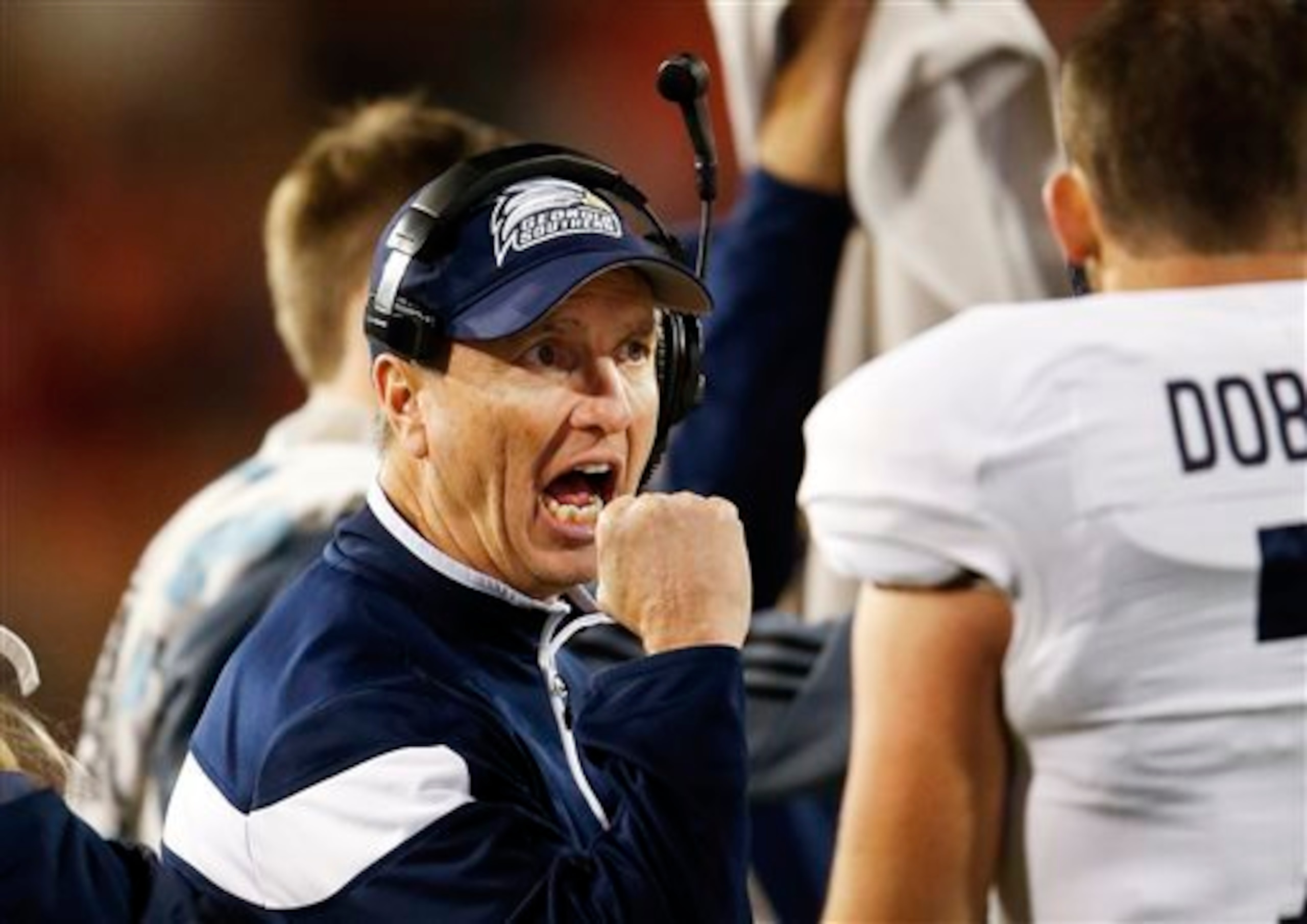
Tulane has never been an easy job, and with every passing year, 1998’s 12-0 record under Tommy Bowden looks more and more like an anomaly. Hurricane Katrina really hurt the program, and the Green Wave have just one winning campaign in the last 13 seasons. Curtis Johnson managed a 7-6 record in 2013 but was fired following consecutive 3-9 seasons.
That said, Willie Fritz is a solid hire. He went 16-7 while leading Georgia Southern into the FBS, winning a Sun Belt title in 2014. He ran a flexbone option scheme at GSU but can fit his system to his surroundings. It’s unclear if anyone can win consistently at Tulane, especially in the improved AAC, but this was a solid hire.
Grade: B+
Virginia
25 of 26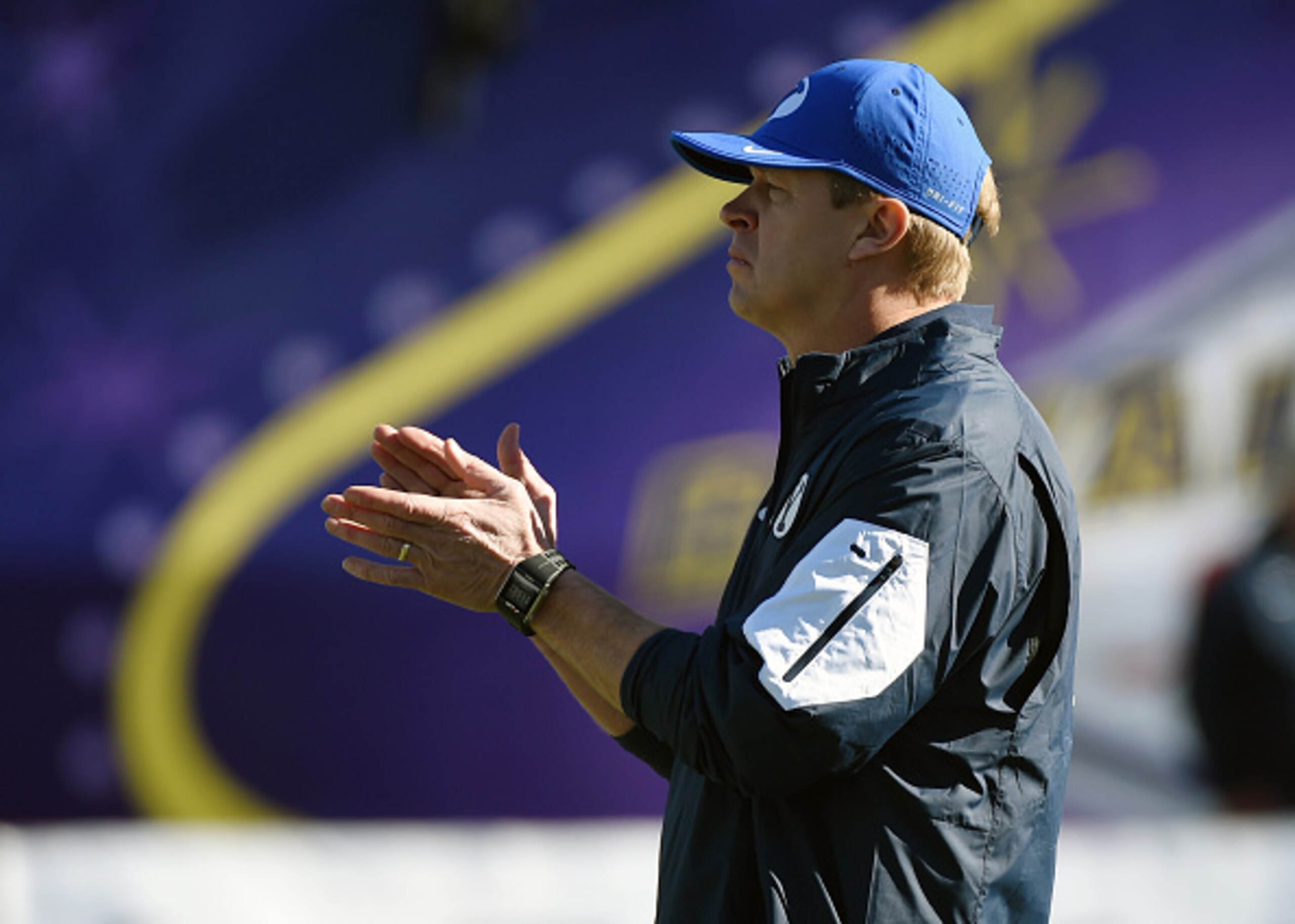
Mike London’s resignation at Virginia was one of the least surprising parts of the college coaching carousel. He is a high-character coach but never won enough at UVA. He had one winning season in six years at the Cavaliers’ helm and finished with a 27-46 record.
Grabbing Bronco Mendenhall from BYU was an excellent move for the Cavs. He won 99 games and made 11 bowls in 11 seasons with the program and brings a hard-nosed defensive mindset. Adjusting to the ACC and the East Coast mindset will be a challenge, but Mendenhall’s track record gives him potential for big success in Charlottesville.
Grade: B+
Virginia Tech
26 of 26
It’s been a long time since Virginia Tech had to hire a head coach. That’s what happens when you have a guy like Frank Beamer around. He took the Hokies from irrelevance to one of college football’s premier programs, spending 29 seasons at the helm. He won 238 games and seven conference titles, including an eight-year run of 10-win seasons.
Replacing him won’t be easy, but Justin Fuente is prepared to do so. He took over one of the nation’s worst programs at Memphis and brought it to prominence, winning 19 games over the last two seasons. He had his choice of destinations, and his picking Virginia Tech is huge for the Hokies. He’ll bring a fast-paced scheme and solid recruiting abilities to Blacksburg and, VT fans hope, a return to true ACC relevance.
Grade: A-
.jpg?w=2560 "Report: Darnold Could Miss 3-6 Weeks")
.jpg?w=2560 "Breaking News")