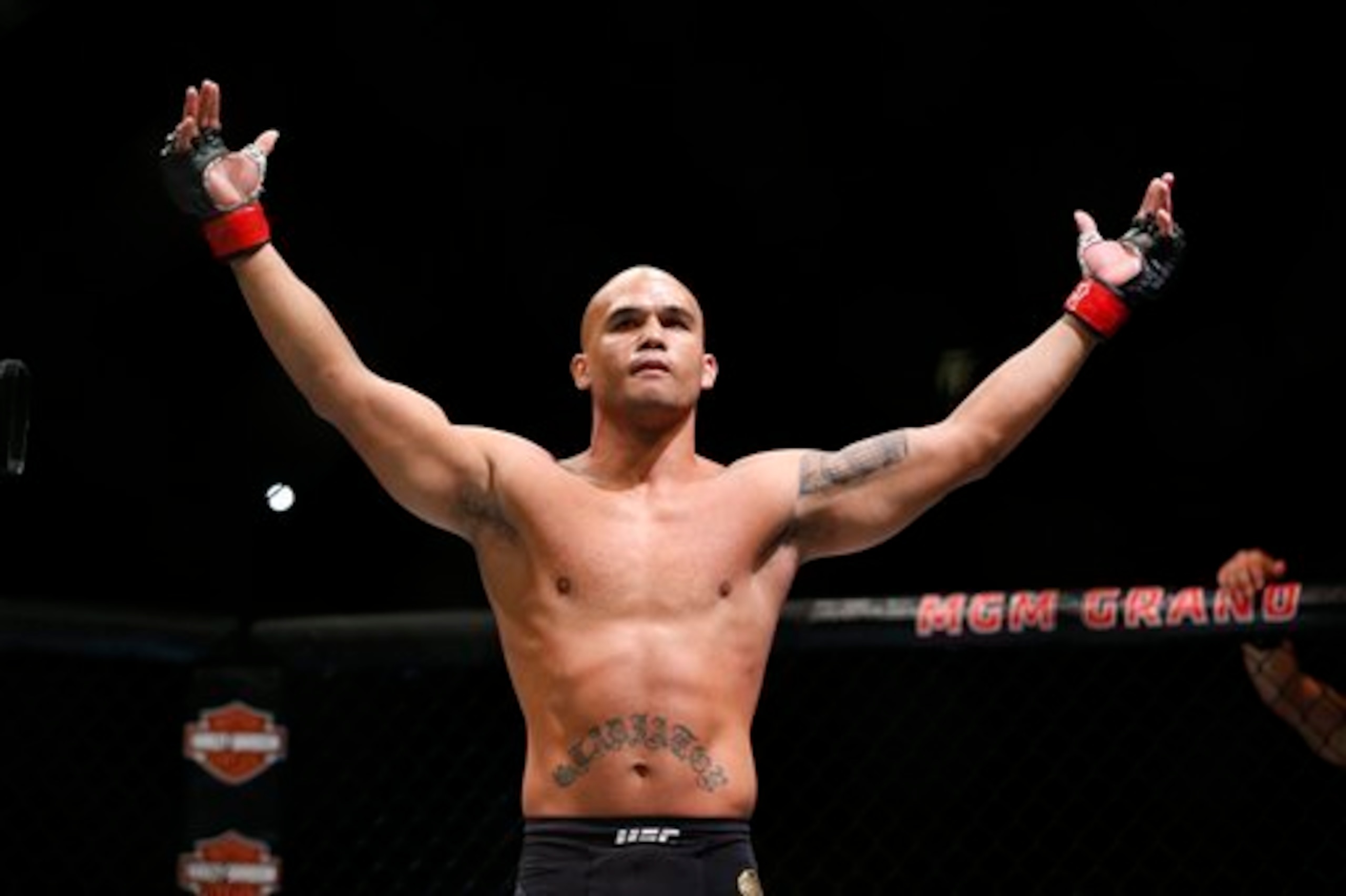
The Complete Guide to UFC 195: Lawler vs. Condit
This Saturday night will see a welterweight title matchup for the ages as champion Robbie Lawler defends his belt against the ultra-violent Carlos Condit at UFC 195.
It's hard to make the argument that Condit's recent work earned him the shot. He defeated Thiago Alves, a respectable veteran but hardly an elite opponent, back in May and prior to that he had suffered a devastating knee injury against Tyron Woodley. His last winning streak culminated in a decision over Nick Diaz almost four years ago.
No, this matchup is all about violence. In the absence of a no-brainer top contender, the promise of an all-timer of an action fight between the always-exciting Lawler and the psychotically aggressive Condit was enough to convince the powers that be to forgo a strict view of the rankings and simply make the best possible fight.
This should be a doozy. Lawler has been on an incredible run since his return to the UFC in February 2013, winning seven of his eight fights. All of them have been entertaining, and the champion offers a frightening combination of raw power and striking craft that has rarely appeared in MMA.
Lawler has already accomplished remarkable things in the last three years, but a win over Condit would cement him as a welterweight champion to be remembered—a name to be mentioned in the same breath as Georges St-Pierre and Matt Hughes. For Condit, beating Lawler would finally make him the undisputed king—a title that has eluded him for his entire career.
Considering both fighters' age—33 for Lawler and 31 for Condit—and 15 and 13 years of professional experience, respectively, the end of their prime years could be coming anytime. This fight offers fans potentially one last shot to see two of the most violent and dangerous fighters in the sport do their thing at an elite level.
The rest of the card offers a mixture of action fights and relevance.
In the co-main event, Stipe Miocic takes on Andrei Arlovski in what is likely to be a top contender matchup at heavyweight. Few would have thought that the venerable Arlovski, who last held a UFC title more than a decade ago, would find himself in position to fight for the belt in 2016.
On the action side, Albert Tumenov takes on Lorenz Larkin in an exceptional matchup of welterweight strikers. Tony Sims and Abel Trujillo open the main card in yet another fight that promises violence, while Diego Brandao and Brian Ortega will match their aggressive natures in a fantastic featherweight clash.
Even the undercard carries substantial interest. Joseph Duffy and Dustin Poirier will finally meet after Duffy's flash knockout in sparring forced a last-minute cancellation of their scheduled October clash in Dublin. Unusually, this bout will take place on Fight Pass instead of Fox Sports 1 or the pay-per-view main card in an attempt to drive more viewers to the UFC's proprietary platform.
Let's take a look at each individual matchup.
The Fight Pass Prelims
1 of 8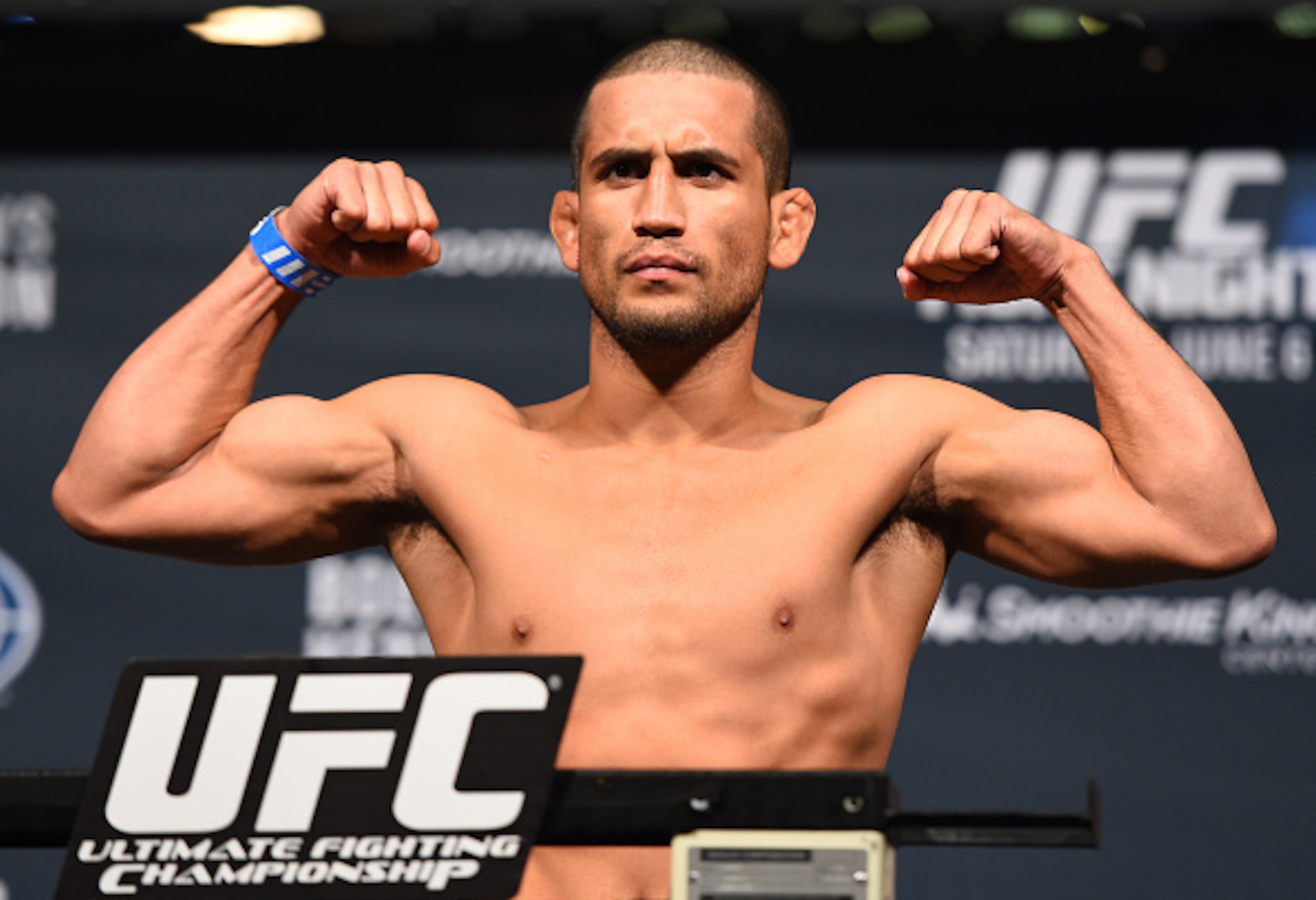
Welterweights
Sheldon Westcott (8-3-1; 0-2 UFC) vs. Edgar Garcia (14-4; 0-3 UFC)
A bottom-of-the-barrel welterweight fight opens the show as The Ultimate Fighter: Nations finalist Westcott takes on the veteran Garcia. The loser will surely be cut, and the winner will not be much more secure.
Canada's Westcott is aggressive and throws hard shots on the feet on his way into authoritatively finished takedowns, but he gasses badly and has next to no defensive skills. Garcia isn't much of an athlete, but he's well-rounded and technically sound everywhere.
The Canadian is a much-better athlete and much-more aggressive, and that should get the job done here. The pick is Westcott by decision.
Bantamweights
Joe Soto (15-4; 0-2 UFC) vs. Michinori Tanaka (10-1; 1-1 UFC)
The second bout on Fight Pass is an excellent matchup of talented but under-the-radar bantamweights.
Former Bellator champion Soto made a splash in his UFC debut by stepping up to fight TJ Dillashaw on a day's notice. He put up a good fight, finally falling in the fifth round, but suffered a brutal first-round shellacking at the hands of Anthony Birchak in his return engagement in June. Soto needs a win here to stay in the promotion.
Japan's Tanaka was a touted prospect and won his UFC debut in convincing fashion. He lost a close decision to Kyung Ho Kang in September 2014, however, and tested positive for ephedrine and pseudoephedrine, which led to a nine-month suspension.
Wrestling and grappling are Tanaka's strengths. He's athletic and explosive, which gives him an ultra-quick shot and makes him a serious threat to transition to dominant positions in scrambles. A lack of comfort if forced to strike exclusively is still a real problem, though.
A former wrestler at Iowa Central Community College, where he was Jon Jones' teammate and roommate, Soto has developed into a well-rounded fighter. He throws nice punching combinations, works solid takedowns and grapples with aplomb. On the downside, he's hittable and doesn't take a great punch.
The question here is whether Soto can make this a pure striking match. If so, he probably wins it fairly handily; if he engages Tanaka in a scramble-heavy wrestling and grappling match, it favors the Japanese fighter. The latter seems more likely, and Tanaka is the pick by decision.
Dustin Poirier vs. Joseph Duffy
2 of 8
Lightweights
Dustin Poirier (18-4; 10-3 UFC) vs. Joseph Duffy (14-1; 2-0 UFC)
A flash knockout in the last sparring session before the fight sidelined Joseph Duffy prior to when he and Dustin Poirier were scheduled to meet in Dublin in October. The two have been rescheduled to headline the Fight Pass prelims on this card instead.
The Irishman has been impressive since he entered the UFC, finishing both Jake Lindsey and Ivan Jorge in the first round. Two prior wins in the Cage Warriors organization bring him to 4-0 since his lone professional loss in 2011, after which he took a three-year break to box professionally.
This will be Poirier's 14th UFC fight, and while he is still a young fighter (26), the clock is ticking on whether he will ever turn into a true contender. He came up short at featherweight, but a move to 155 pounds has him looking better than ever with brutal knockout wins over Carlos Diego Ferreira and Yancy Medeiros.
The winner of this bout will have an inside track at a bright future in the stacked lightweight division. Duffy would become the next big thing in the sport's hottest market overnight. For Poirier, this would undoubtedly be the most meaningful win in an up-and-down career that has consistently fallen just short of the elite. It's also the last fight on his contract, as the free-agent market looms, which makes the stakes even higher.
Duffy is a well-rounded, aggressive and lethally dangerous fighter with high-level skills in every phase. A former professional boxer, he does his best work on the feet. Constant, unpredictable head movement and a tightly tucked chin make him difficult to catch cleanly as he works his way forward behind a crisp, hard jab.
A piercing straight right hand usually follows the jab, and he occasionally throws it as a lead as well. His left hook is equally crisp, and it is particularly dangerous when he throws it as a counter or uses the jab to draw his opponent's hands to the front of his face.
Duffy excels at countering in the pocket. His aggressive forward movement pushes his opponent toward the fence, and the threat of his long, straight punches draws out a response; he then counters with a gorgeous head-body combination or a well-timed knee.
Although he is already one of the division's most dangerous strikers, the rest of Duffy's game is equally formidable. A strong wrestler and clinch fighter who has improved even more since moving to Firas Zahabi's Tristar Gym in Montreal, he has lovely trips, nice shot takedowns and excellent defensive wrestling skills. This is likely his game's weakest part, though.
On the mat, the Irishman is lethal. Most of his wins are by submission, and he has a technical guard-passing game that sets up a variety of topside submissions and quick back-takes. He isn't afraid to give up position for a submission, either, and his triangle choke is especially dangerous.
In all phases, Duffy works fast. He routinely throws 15 to 20 strikes per minute, works in combination and has a good shot at producing enough volume to win a decision if he can't get the finish.
Poirier seems like he's been around forever, and with 13 UFC bouts under his belt, he has been. It's easy to forget, however, that he's still only 26 and continues to improve from fight to fight, particularly after moving up to lightweight.
The Louisiana native can do everything, but he's at his best on the feet. A devastating southpaw puncher with big power in both hands and legs, he is most comfortable while exchanging in the pocket, where he slings brutal left-right counter combinations to the head and body. Few fighters at 145 or 155 pounds can comfortably go shot-for-shot with Poirier at close range.
He is less imposing at distance and not terribly comfortable in a stick-and-move scenario, but he's still dangerous. He favors shift punches and kicks, starting with a left kick or straight, landing in the orthodox stance and then immediately continuing to throw. Pace is a strong suit, and so is aggressiveness.
The problem with Poirier's striking game is defense. He has improved but is still intensely hittable, and even more so than his preference for operating at close range would suggest. His head almost never moves off the center line, and even in the pocket, he relies entirely on footwork and a double-forearm guard for defense. McGregor finished him by exploiting the predictable nature of that defense and working around it.
The rest of Poirier's game is excellent. Dirty boxing is probably the second-strongest aspect of his game, and his uppercuts, hooks and elbows in the clinch are vicious. He complements them with slick trips and throws.
His takedown defense is outstanding—and especially so for a fighter who spends so much time at close range. Shot takedowns are less his strong suit, and he has a bad habit of shooting from too far outside and giving his opponents too much time to sprawl.
Poirier is excellent on the mat. He excels at finding D'arce and anaconda chokes, as well as guillotines, in transition. The combination of smooth passes, vicious ground strikes and submissions makes his top game devastating.
Betting Odds
Duffy (-185), Poirier (+160)
Prediction
This is a tough fight to call. The second time around, the betting odds are much-closer to a reasonable line: They were as high as minus-260 in the Irishman's favor back in October. Still, one could argue that is high; despite Duffy's undeniable talent, he has never fought anyone of Poirier's caliber.
With that said, the matchup does seem to favor Duffy. His footwork, movement, awareness of the space of the cage and striking intangibles are all well beyond Poirier's, despite the American's substantial experience against elite competition.
Most importantly, Poirier has a terrible habit of backing himself to the fence and then throwing to create space instead of using his feet to stay out in the center of the cage. This plays directly into Duffy's hands.
The Irishman will back Poirier up with that piercing jab, let him throw his counters and then come back with well-placed shots around, under and through the American's tight guard. Duffy could easily find himself in trouble, however, if he's too willing to exchange with the harder puncher.
All of this assumes Poirier will be happy to strike with Duffy, as he has been in practically all his fights. If the American uses his entire toolbox, he could make things substantially more difficult, particularly in the clinch. Duffy's takedown defense has thus far proved to be rock-solid, and it looks like a wash on the ground.
With those substantial caveats in mind, Duffy is the pick by decision.
The Fox Sports 1 Prelims
3 of 8
Lightweights
Scott Holtzman (8-0; 1-0 UFC) vs. Drew Dober (15-7, 1 N/C; 1-3, 1 N/C UFC)
Low-level lightweights meet in the first bout on Fox Sports 1. Holtzman debuted with a win over Anthony Christodoulou in August, while Dober is coming off a loss to Efrain Escudero. Prior to that, Dober had a submission loss to Leandro Silva overturned due to a refereeing error and beat Jamie Varner in the veteran's last fight.
Holtzman, Benson Henderson's training partner, is a solid prospect but at 32, he probably won't be making a run at the top of the division. Nebraska's Dober must have a win here to stay in the UFC.
The Nebraskan is a pure sprawl-and-brawler. He has a nice, high-output kickboxing game, though he's a bit hittable, and defends takedowns well. Holtzman is a good athlete with a well-rounded approach that consists of in-and-out striking on the feet, sharp knees and elbows in the clinch and a good grappling game.
This should be Holtzman's fight to lose given his greater arsenal of skills. Holtzman is pick by decision.
Strawweights
Justine Kish (4-0; 0-0 UFC) vs. Nina Ansaroff (6-4; 0-1 UFC)
Strawweight strikers meet in an exciting clash. Kish was a dark-horse pick to win The Ultimate Fighter 20, but a devastating knee injury has kept her out of action for nearly two years since a win over Randa Markos in January 2014. Ansaroff strung together a nice streak on the regional scene, but lost her UFC debut to Juliana Lima last November.
If Kish wins, as she's favored to do at minus-265, she immediately becomes one of the more exciting prospects at 115 pounds. For Ansaroff, a win would give her some relevance in an increasingly competitive division.
Kish has legitimate muay thai credentials, and it shows in her game. She strings together slick combinations that she punctuates with hard low kicks. She has a lethal arsenal of knees and elbows in the clinch, where her size and physicality come into play.
Ansaroff is an excellent athlete and is also a striker by trade. She throws vicious kicks, with a preference for the spinning back kick, and can hit potent punching combinations. Output is a problem, though, and her aggressiveness gets her in trouble.
This favors Kish substantially. Ansaroff is the better athlete, but Kish is the more polished, diverse and active striker. Kish is the pick by decision.
Welterweights
Kyle Noke (22-7-1; 6-3 UFC) vs. Alex Morono (11-3; 0-0 UFC)
Australia's Noke, a veteran of the sport and Australian MMA pioneer, returns to action less than two months after knocking out Peter Sobotta with a vicious body kick at UFC 193. Prior to that, Noke took a competitive decision from Jonavin Webb in May.
Noke was scheduled to face Kelvin Gastelum here, but the American was forced to pull out with an injury. Alex Morono, a Texas-based fighter with experience in the Legacy promotion, stepped up on short notice. Morono is riding a five-fight winning streak, with all of those wins inside the distance.
Striking is the Australian's wheelhouse. He's tall for the division at 6'1", but he uses his height well with rangy kicks and straight punches. Takedown defense has been a strength of his game, and he grapples fairly well to boot.
Morono is a good striker in his own right. Punching combinations with some pop behind them are his bread and butter, and he mixes in the occasional spinning kick for variety. He's dangerous off his back, but he's a terribly subpar wrestler.
Even if this weren't on extremely short notice, a well-rounded fighter like Noke would present massive problems for Morono. Noke is the pick by second-round submission.
Bantamweights
Michael McDonald (16-3; 5-2 UFC) vs. Masanori Kanehara (25-12-5; 1-1 UFC)
Michael McDonald was once the next big thing at bantamweight, but has fallen off the radar after taking two years off following his devastating loss to Urijah Faber in December 2013. He had rebounded from a submission loss to Renan Barao in February by beating Brad Pickett, but those two losses clearly demonstrated McDonald's shortcomings against the division's elite.
Still only 24 years old, McDonald has plenty of time to make a run at the top of the division. He draws Japan's Masanori Kanehara—a veteran of more than 40 professional fights. Kanehara has split his two UFC outings, beating Alex Caceres in his debut and then losing a decision to Rani Yahya last July.
The American is a big favorite here, and this is essentially an opportunity for him to get back on track after his layoff.
McDonald is a devastating puncher who packs big power in both hands. He does his best work on the counter, but has a nice jab that he could stand to utilize more. Wrestling isn't his strong suit, though he has an active and dangerous guard. The problem with his game is output: McDonald just doesn't throw enough, and he gives away entire rounds on inactivity.
Kanehara is an awkward fighter. His striking is strange, rangy and surprisingly effective, but he's hittable. Scrambling is a strong suit, but he's not exactly hard to get to the mat. It's a weird package of off-beat rhythms and unorthodox techniques.
This should be McDonald's fight to lose, particularly if he lets his hands go. McDonald is the pick by second-round knockout.

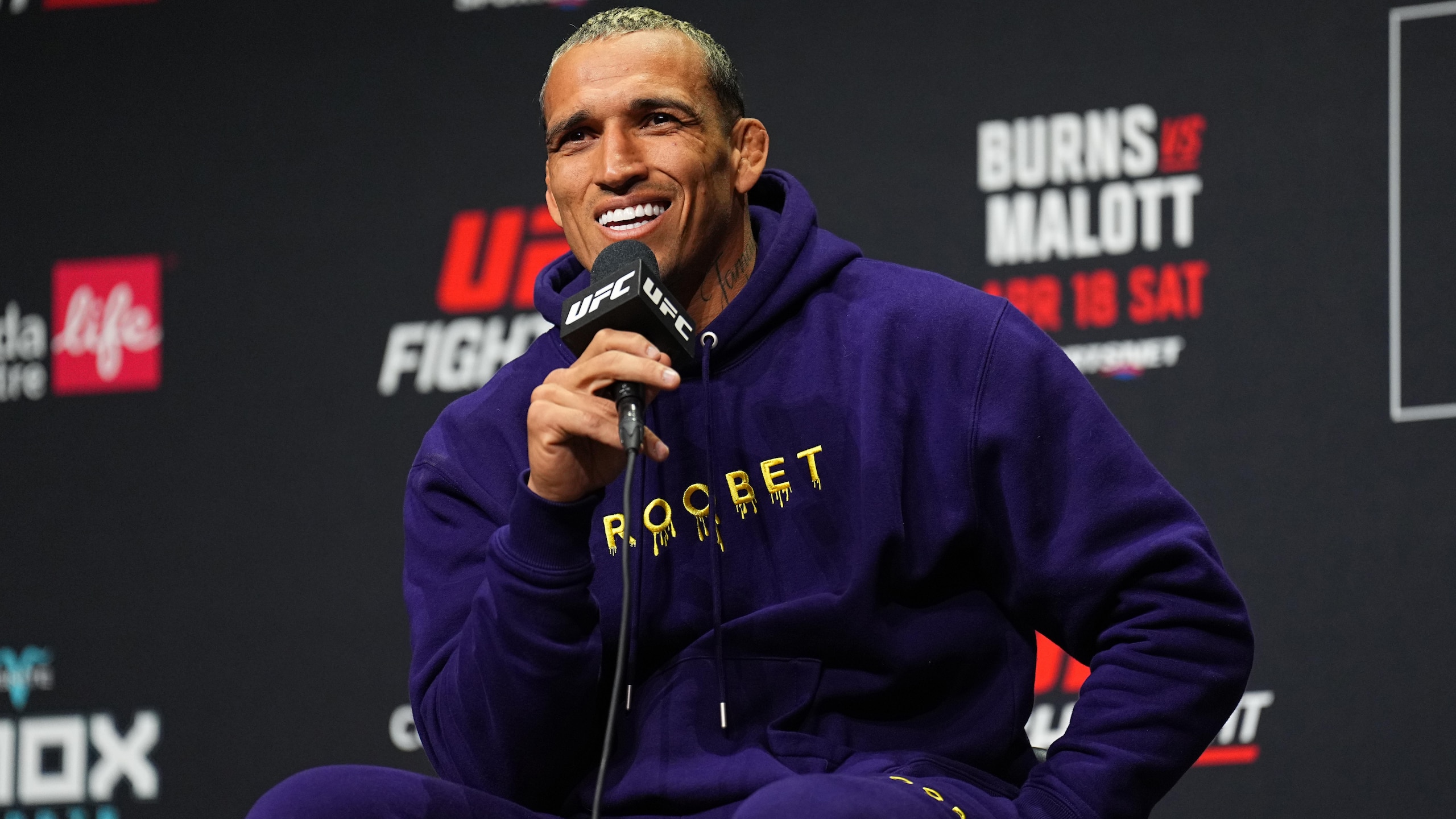

Abel Trujillo vs. Tony Sims
4 of 8
Lightweights
Abel Trujillo (12-7, 1 N/C; 3-3, 1 N/C UFC) vs. Tony Sims (12-3; 1-1 UFC)
Knockout-punching lightweights meet in what should be a fun matchup to open the pay-per-view segment of the card. Sims debuted with a devastating knockout of Steve Montgomery in June, but Olivier Aubin-Mercier ground him down for two of three rounds in August. Trujillo has been on a rough run of late: Tony Ferguson and Gleison Tibau both submitted him, though the latter was controversial.
While neither fighter is likely to make a title run, both are fun, skilled and exceptionally violent. The winner will cement his place as an action fighter to watch moving forward.
Sims is a boxer by trade and a good one. He bounces around at range, circling and moving as he switches stances, and then picks his spots to leap forward into a potent combination of two or three shots. Both hands carry substantial power, and his tendency to shift stances as he attacks allows him to cover a shocking amount of distance. Counters in the pocket are another specialty, and he moves his head well.
The rest of Sims' game is solid. A wrestler throughout high school, his takedown defense has mostly been solid, though Aubin-Mercier gave him fits. He shoots the occasional double for variety, does decent work from the top and has solid defensive grappling.
Trujillo is a puncher—plain and simple. An outstanding athlete, the Blackzilians product likes to circle at range, and then explode into a punching combination. Like Sims, Trujillo shifts stances as he attacks, which supplements his raw speed in allowing him to cover distance. He carries big power in all his shots and works at a surprisingly quick pace.
There isn't much craft to what Trujillo does. He slips in the occasional knee and kick and has decent instincts on the counter, but he's a brawler at heart. An NAIA All-American wrestler in college, one might assume Trujillo would excel at defending takedowns, but that isn't really the case.
He hits the occasional explosive double and does violent work from the top, and he likes the front headlock, but he mostly prefers to strike.
Betting Odds
Sims (-125), Trujillo (+105)
Prediction
Those odds seem approximately correct. Sims has a great deal more craft to his striking game and can match Trujillo for speed and possibly even power. His defensive wrestling should suffice to keep this standing. While the Blackzilians product's raw force is a concern, Trujillo will likely run out of steam if this moves past the halfway point of the fight.
While there will likely be a few scary moments, Sims is the pick by decision with the possibility of a knockout.
Diego Brandao vs. Brian Ortega
5 of 8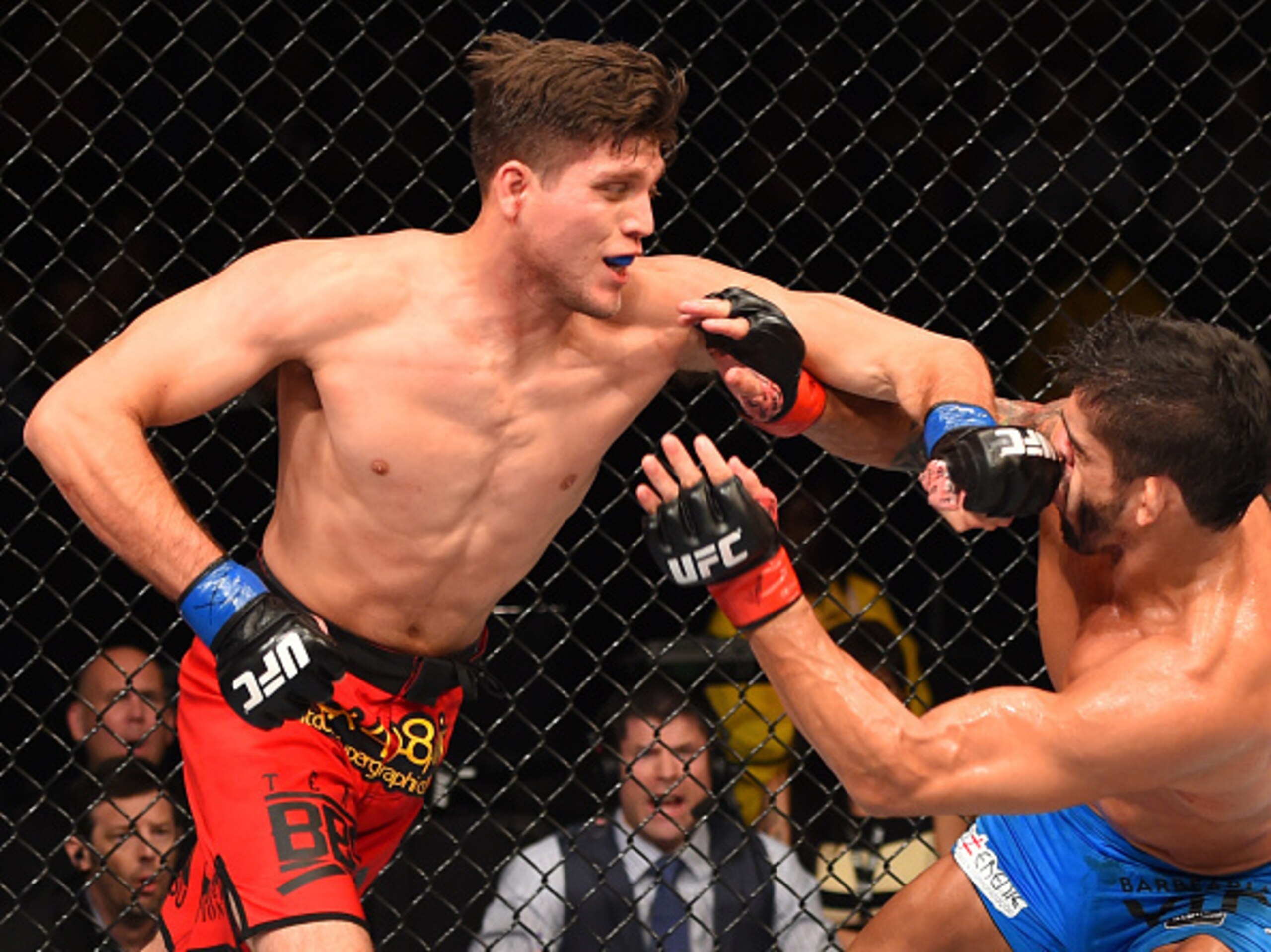
Featherweights
Diego Brandao (20-10; 6-3 UFC) vs. Brian Ortega (9-0, 1 N/C; 1-0, 1 N/C UFC)
Brazil's Brandao meets the American Ortega in a featherweight barnburner. The winner of The Ultimate Fighter 14, Brandao's UFC career has been up-and-down. A pair of losses to Dustin Poirier and Conor McGregor preceded his current two-fight winning streak, which consists of a doctor stoppage against Jim Hettes and a first-round knockout over Katsunori Kikuno.
Ortega made his UFC debut in July 2014, submitting Mike de la Torre in the first round. A post-fight drug test came back positive for the anabolic steroid drostanolone, however, which turned the bout to a no-contest. He returned against Thiago Tavares in June and won a back-and-forth contender for fight of the year.
Brandao is only 28, but he has more than a decade of professional experience; if he's ever going to make a real run at the elite, the time is now, and a win over Ortega is a necessary part of that. The American has a bit more leeway, but a win here would cement him as a legitimate up-and-comer at 145 pounds.
Although he's known mostly for his vicious power, Brandao is a well-rounded and diverse fighter. He's athletic and explosive and does carry substantial pop in his strikes, but from a technical perspective striking is probably the least developed portion of his game.
On the feet, Brandao is basically a banger. He throws the occasional round kick, but mostly looks to get into range to land a succession of winging hooks. Any one of them can put his opponent to sleep. He has solid timing and sense of range, but there isn't a ton of craft to his approach.
The Brazilian is a sharp and technical wrestler. He has a diverse array of takedowns, with a particularly slick high-crotch lift to finish the single and a smooth double, and he chains them together beautifully. Trips from the clinch are another strong suit. His finishes are technical, diverse and authoritative. Stout defensive wrestling means Brandao generally dictates where the fight will take place as well.
On the mat, Brandao really shines. He passes smoothly, maintains a heavy base, drops brutal ground strikes and has a real nose for locking up the submission. The arm triangle is a particular specialty.
The problem with Brandao's game is cardio. He has struggled to set a sustainable pace and has a habit of going crazy and burning himself out early. When he keeps himself under control, he's technical and measured, but that wildness is never more than a heartbeat away.
Ortega is a wildly aggressive young fighter. His striking has drastically improved and suits his overall mood, with a preference for forward-moving punching combinations and the occasional spinning kick. He's still figuring things out on the feet—defense isn't his strong suit, and there isn't a great deal of depth to his game—but he has some pop, and his willingness to bang it out is notable.
Wrestling isn't Ortega's strong suit. He can hit the occasional takedown, mainly trips in the clinch, but his command of shot takedowns is poor and his defensive wrestling is seriously subpar.
This doesn't really concern Ortega, though. He's an exceptional guard player, and one of the few who can make it work at a high level. The aggression he shows on the feet is even more apparent on the ground, and from his back he works a constant combination of triangles, armbars, sweeps and a steady diet of slashing elbows.
When he manages to get on top, which usually happens as a result of a sweep or in a scramble rather than a takedown, Ortega is lethal. His passes are smooth and ultra-technical, his base is heavy and he combines vicious ground strikes with a gift for finding a variety of submissions.
The hallmark of Ortega's game is pace. He's constantly attacking and forcing his opponent to react both on the feet and on the ground, and his durability means it's only a matter of time until he wins the war of attrition.
Betting Odds
Ortega (-230), Brandao (+190)
Prediction
Brandao is a live dog here. His combination of technical, powerful wrestling and smooth top control gives him a clear path to victory. He's the more powerful and probably more polished striker as well.
Brandao's major concern here is pace. We know Ortega will constantly be attacking and working, and in that scenario, it's doubtful the Brazilian will be able to resist the allure of a quick-paced brawl. He's never really been able to before, and there's no reason to think he'll be able to now.
Ortega is the pick by decision with the possibility of a late finish.
Lorenz Larkin vs. Albert Tumenov
6 of 8
Welterweights
Lorenz Larkin (16-4, 1 N/C; 3-4 UFC) vs. Albert Tumenov (16-2; 4-1 UFC)
Two of the UFC's most talented and violent welterweights meet in an outstanding matchup. Larkin fought as high as 205 pounds in Strikeforce and had mixed success at middleweight in the UFC. A string of losses forced him to drop to 170 pounds, where he has looked outstanding in wins over John Howard and Santiago Ponzinibbio.
Tumenov is a native of tiny Kabardino-Balkaria in the North Caucasus region of Russia, and he has been on a tear since dropping his UFC debut to Ildemar Alcantara in February 2014. Three of his four wins have come by devastating knockout, with the most recent a combination of punches and a head kick that dropped Alan Jouban in October.
The winner here will be set up for big things in a wide-open welterweight division and possibly even for a top contender matchup.
The Russian is a striker by trade. A Master of Sport in boxing in his native country, he complements his lethal hands with sneaky, well-timed kicks to create a venomous package of offense on the feet.
A sharp jab forms the basis of Tumenov's approach. He fires it consistently to gauge the distance and disrupt his opponent's rhythm as he circles on the outside. Once his opponent commits to an attack, the Russian turns into a dangerous counterpuncher, stringing together two or three punches and finishing with a lightning-fast high kick. Catching kicks and returning fire is a particular specialty.
All of Tumenov's strikes carry fight-ending power, but his technical skill also means he puts together smooth combinations that take advantage of his opponent's reactions. He might start with a high kick, pull back to his stance and immediately fire a clean jab-cross, or feint the jab to land a clean cross-hook, wait a half beat and then throw a high kick. Throwing on clinch breaks and in transition is another specialty.
It's an organic and high-level process that shows consistent improvements from fight to fight. He works at a great pace, and while he's a bit hittable, that's mostly a function of his preference for operating at close range rather than a serious defensive flaw.
The rest of Tumenov's game is up to par. He struggled to defend takedowns in his UFC debut, but since then he's been flawless, with a strong sprawl and excellent instincts for getting off the fence.
Offensive wrestling isn't something Tumenov regularly looks to do, but he can turn caught kicks into powerful takedowns when the mood strikes. This serves to make his opponents think and break their rhythm, and the Russian can land powerful shots from top position if he chooses to work on the ground.
Larkin is an athletic and creative striker. While he has always been quick, at 170 pounds the American is blindingly fast on the feet. Combined with increasing technical skill, Larkin has turned into one of the division's most dangerous strikers.
A crisp and consistent jab is a recent addition to Larkin's game. He fires it constantly while he circles and moves at range and then picks his spots to explode into a long combination of punches and kicks. Shifting stances as he moves forward allows him to cover distance even more quickly than his raw speed would suggest, and his strike selection from both sides is clever and dangerous.
Kicking is Larkin's strongest suit. His basic round kicks are potent and fast, but his game's real strength is his willingness to throw spinning kicks at all levels. Aside from the speed difference, however, the most noticeable change in his arsenal at 170 pounds is how much sharper his hands look. His combination work is better and he has much better triggers for his counter combinations, especially in the pocket.
On the downside, Larkin's biggest problem has always been his habit of letting himself get backed into the fence. He moves more at welterweight, but his footwork isn't really any sharper. It's still a problem. While his takedown defense is sterling, he's hittable near the fence and vulnerable to getting ground down in the clinch.
Betting Odds
Tumenov (-240), Larkin (+200)
Prediction
Those odds seem a bit steep. Larkin has made marked improvements to his game and should have a noticeable advantage in speed. He's also powerful enough to crack the hittable Tumenov and put him down for good.
On the other hand, Tumenov is a bit sharper. He has excellent footwork and should be able to push Larkin back; despite the American's improvements to his counter game, he's much more imposing on the attack than working off his back foot. In that scenario, Larkin's historic weakness near the fence and vulnerability to the counter should be the difference.
Eventually, the Russian will find a home for one of his devastating hooks or a high kick. Tumenov is the pick by second-round knockout.
Stipe Miocic vs. Andrei Arlovski
7 of 8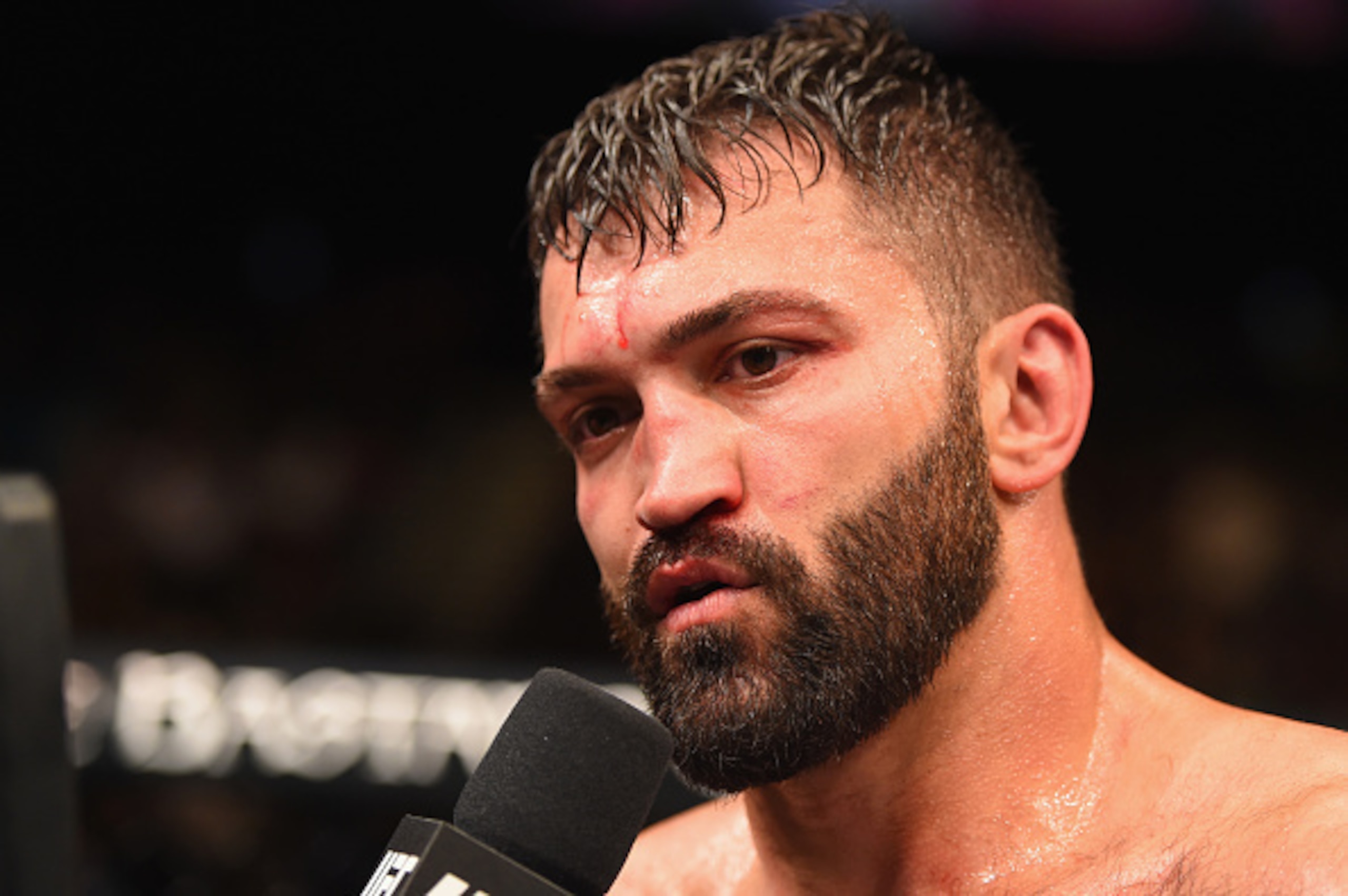
Heavyweights
Stipe Miocic (13-2; 7-2 UFC) vs. Andrei Arlovski (25-10, 1 N/C; 14-4 UFC)
The veteran Arlovski collides with the rising Miocic in a great heavyweight matchup. Arlovski, the former UFC champion what seems like a lifetime ago, is on a great late-career run. He's won six in a row since a loss to Anthony Johnson in World Series of Fighting, with four of those in the UFC. Frank Mir fell to Arlovski in a terrible fight in September, but he knocked out Travis Browne and Antonio Silva before that.
Miocic lost a competitive decision to Junior dos Santos last December, which snapped a three-fight winning streak. He rebounded with a dominant win over Mark Hunt in May.
The winner will have as good a claim on a title shot as anyone in the division, aside from perhaps Ben Rothwell, if he emerges victorious from his matchup with Josh Barnett later in January. For Arlovski, this would mean a chance at redemption after years of wandering in the wilderness. For Miocic, it would mean a relatively youthful fighter's rise in a division that badly needs one.
Miocic is good at everything, but doesn't particularly stand out in any. He's a plus athlete, but not a great one; a skilled striker, but not elite; an excellent wrestler with NCAA Division I credentials, but not an overpowering takedown threat.
The meat of Miocic's striking game is boxing. He works behind a crisp and consistent jab that he uses to measure, set his preferred distance and create openings for his straight right. Miocic's best punch is the cross, and he fires off the one-two early and often. A potent and well-placed left hook often follows, and he has good instincts for landing it on the counter.
The occasional uppercut and low kick add some variety to Miocic's game on the feet, but he's essentially a stick-and-move out-fighter who relies on his long punches to keep himself at his preferred range. Distance is essential for him, as he's quite hittable at close range.
The American does a great job of using his strikes to cover the entries on his takedowns. He has a lovely single leg that he finishes with either a high-crotch lift or by running the pipe; both are smooth and technical. His double is likewise solid. He defends takedowns well, though he hasn't faced many imposing wrestlers in his career.
Miocic works constantly from top position. He immediately works to half-guard when he hits the mat, and from there he drops a steady and damaging stream of short punches and elbows. None of those shots are particularly dangerous, and he isn't much of a submission threat, but his work rate is exceptional, and his base is unshakable.
In general, the greatest strength of Miocic's approach is pace. He throws an exceptional volume of strikes both on the feet and on the ground for such a big man, which makes up for his relative lack of power. He wears his opponents down over the course of the fight.
Arlovski remains a quick and athletic heavyweight despite having turned 36 in 2015. The years have added some craft to his game, but for the most part he remains a potent striker with strong takedown defense.
The centerpiece of Arlovski's approach is the right hand. He measures with his left, constantly touching and gauging the distance, but rarely commits to a real jab. When he attacks, it's almost always with his right— both moving forward and as a counter. He throws it as a straight, a hook, an overhand and an uppercut and often lever-punches, throwing one right hand after another.
It's a potent shot, and he mixes up his timing and rhythm, but it's still predictable for nearly every attack to start on that side. Arlovski throws the occasional kick for variety, but for the most part, it's the right hand and punching his way into the clinch.
The former champion is a nasty in-fighter. He has a variety of entries into the tie-ups, and once there he controls well, throws nasty knees and hits the occasional elbow to boot. Aside from stout defensive wrestling and grappling, that's essentially the extent of Arlovski's game at this point in his career.
Betting Odds
Miocic (-230), Arlovski (+190)
Prediction
As nice as Arlovski's run has been, almost everything here favors Miocic. He should be able to match Arlovski's speed, but he works at a much-quicker pace and can match him in the clinch. Moreover, unless Arlovski is willing to dig deeper into his bag of tricks than utilizing the right hand, Miocic's commitment to long, straight punches could simply stick the former champion on the outside all night.
While Arlovski could land the big shot anytime, the more likely scenario involves Miocic sticking and moving, landing volume and perhaps finding a takedown or two to cement things. Miocic is the pick by decision.
Robbie Lawler vs. Carlos Condit
8 of 8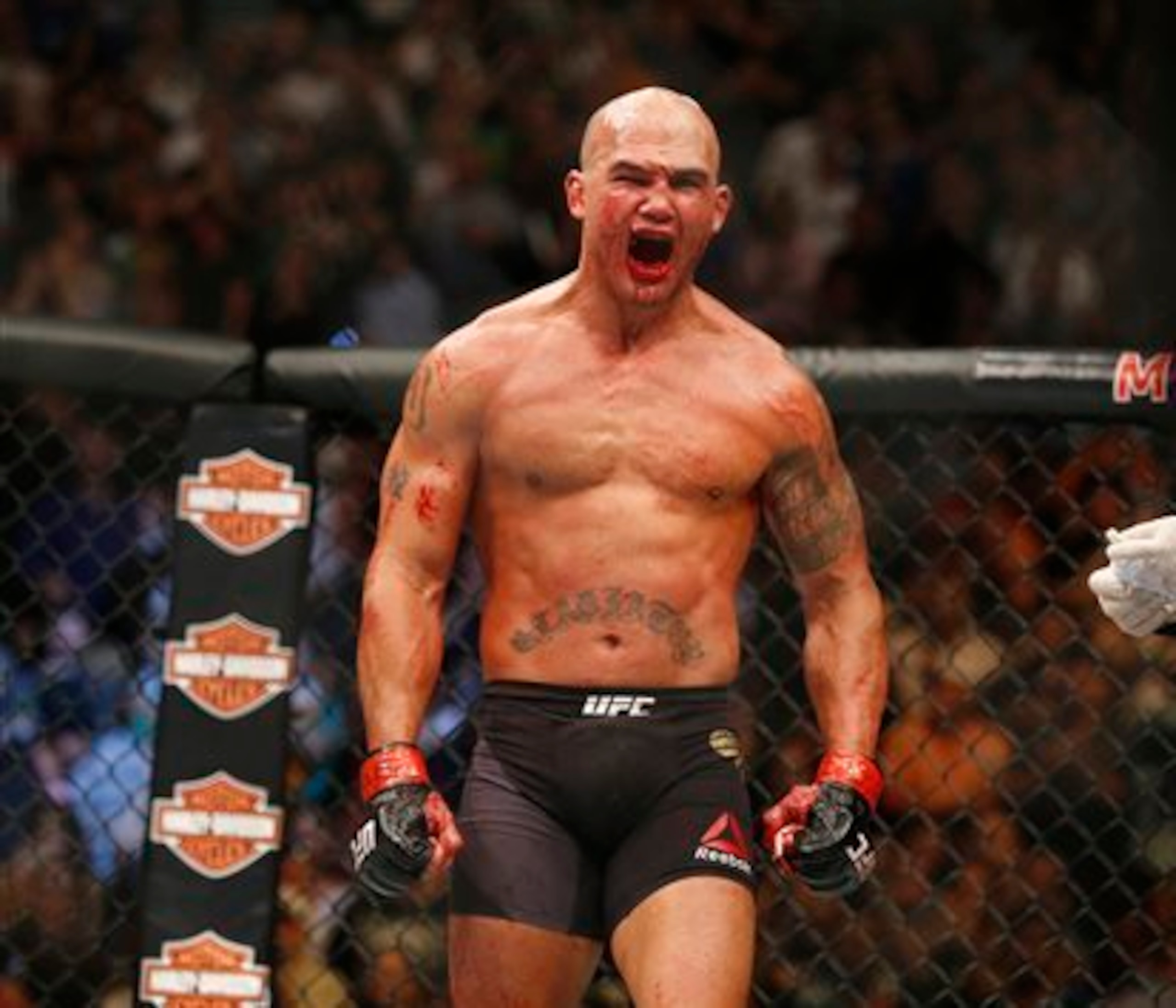
Welterweight Championship
Robbie Lawler (26-10, 1 N/C; 11-4 UFC) vs. Carlos Condit (30-8; 7-4 UFC)
Violence.
That's what the fans are hoping for—and have good reason to expect—when welterweight champion Lawler meets Albuquerque's Condit for the belt on Saturday night.
It's the reason the UFC booked the fight. Condit wasn't necessarily the most deserving recipient of a title shot, with only a win over Thiago Alves separating him from a loss to Tyron Woodley, but he did offer the best possibility of an outstanding fight with the champion.
For his part, Lawler is coming off the fight of the year in his rematch with Rory MacDonald, which saw him finish the challenger in the fifth round after a back-and-forth war. Prior to that, he beat Johny Hendricks in their rematch to win the title. Wins over Matt Brown and Jake Ellenberger set up that shot.
This is Condit's best and probably last shot at winning a title. He's 31 and a veteran of more than 13 years in the sport, and he won't get many more chances. A win for Lawler would keep his unlikely reign over the welterweight division rolling and set up big fights for the year to come.
When he debuted in the UFC at age 20 in 2002, Lawler was a bundle of athleticism, power and off-the-charts killer instinct with a great sprawl and a limited but dangerous arsenal on the feet. While he is still a pure striker, thousands of hours in the gym since then have deepened his game and turned him into one of the craftiest and most lethal in the sport's history.
Power is still Lawler's calling card 13 years later, but the depth and intelligence of his skill in applying it stand out more than his raw gifts. He has multiple approaches he can utilize depending on the opponent and the situation at hand, and you can see the wheels turning in his head as he evaluates and cycles through his options over the course of the fight.
Wild aggression alternates with a studied patience, and pressure gives way to a preference for countering or sticking and moving at range as the context and needs of the situation dictate. Lawler has the tools to do them all and the craft necessary to make the right decisions and adjust as need be.
The southpaw uses an educated right hand. He fires off a crisp jab as he subtly pressures, moves and pivots, constantly searching for advantageous angles from which to fire off his brutal right hook and straight left. The occasional uppercut, left hook and a selection of round kicks complete his arsenal.
There's nothing flashy about Lawler's strike selection, which is essentially meat and potatoes. What makes him special is his command of distance, timing and rhythm.
That consistent jab tells him exactly where his opponent is and whether he's in range for a power shot. It also serves to set a rhythm: He often throws it at half-speed and then whips a full-speed straight left or right hook behind it like a baseball pitcher uses the fastball and changeup. The movement and angles allow him to disguise his left hand and right hook so that they're difficult to see coming.
Lawler is also sound defensively. He's not unhittable by any means, but it isn't easy to hit him cleanly. His head constantly moves off the centerline, and his command of the distance means punches often catch him at the very end of the motion, which takes away most of the sting. Parries and blocks in the pocket serve to deflect punches, if not to make them miss entirely.
In his last several fights, Lawler has shown some of the best takedown defense in the sport's history. His sprawl in open space is ultra-quick and against the fence he excels at widening his base and making it difficult to bring him to the mat. It's not just that Lawler stuffs takedowns, however, but that he delivers punches, knees and elbows in the process to remind his opponents shooting was a terrible idea.
We haven't seen much of the champion's grappling recently, but he's competent from top position, and his takedown defense means he isn't on his back very often. When he is, he likes the butterfly guard to elevate, create space and get back to his feet.
Condit is a finisher with some of the best killer instinct in the sport. Creativity, diversity and relentless aggression in every phase are the hallmarks of his game. Experience in the form of nearly 40 professional fights and more than 13 years as a professional have broadened and deepened his game without taking away the lethal instincts that have made him a fan favorite.
Given a choice, Condit prefers to strike. Despite his aggression, he's surprisingly adaptable at range, and can both stick and move on the outside, filling the space between with snapping low kicks, and picking his spots to move in with a blitzing combination.
The diversity of strikes Condit throws at his opponent has a bewildering effect: He switches from orthodox to southpaw as he moves forward and mixes straights, hooks, elbows and round kicks at all levels. Spinning kicks and flying knees are a regular part of his arsenal. While not terribly powerful, he does have some pop, and he excels at hiding his high kicks behind his hands.
The real strength of Condit's game is his relentless pace and commitment to attrition. He works the body constantly with punches, knees and especially front kicks, which serve to both set the distance and wear his opponent down. Although he starts a bit slow, by the second and third round Condit routinely throws 15 to 20 strikes per minute. Few opponents can keep up with that pace.
The moment his opponent shows even the slightest hint of fatigue or weakness, Condit pounces. He pours on a stream of unrelenting offense that he works cleverly around his opponent's desperate defense and never gives them time to recover.
There are weaknesses to Condit's game. As talented as he is offensively, defense is a problem everywhere. He's hittable on the feet and has a bad habit of throwing his combinations and then stopping in front of his opponent. He relies mostly on distance for defense, and his head often stays on the centerline as he throws. His command of movement and space is much better than his footwork, which isn't particularly precise.
Takedown defense has been a consistent problem for Condit over the years. An aggressive and legitimately dangerous guard mostly makes up for it, as does his affinity for creating scrambles through sit-outs, switches and sweeps, but strong top players have been able to hold him down.
Condit has a decent offensive wrestling game, though he rarely uses it. Single-legs and trips in the clinch are his go-to takedowns, and from top position he pours on the same unrelenting pace of strikes he does on the feet. Opponents find no relief in the clinch, either, as Condit drops a steady stream of elbows and knees.
Betting Odds
Lawler (-110), Condit (-110)
Prediction
The oddsmakers have pegged this as an even-money fight, which seems approximately correct. Both fighters are durable and seem to be at the peak of their abilities right now, though considering their age and mileage, they could fall off at any time.
This will probably be a striking match. Neither is much of an offensive wrestler, though both Lawler and Condit have hit the occasional takedown in their recent outings, so if this ends up on the mat, it'll probably be after a knockdown or a scramble.
In that scenario, there are arguments to make for both fighters. Lawler is the better athlete, harder hitter and has a better command of rhythm and distance, but Condit is longer, works at a faster pace and has a more diverse arsenal of strikes.
Lawler just seems to be operating on another level right now. He's beaten better competition more recently and has shown an incredible ability to adapt to what his opponent's giving him. We know Condit will probably start a bit slowly, and Lawler can take advantage of that by banking the early rounds. He might even hit hard enough to dent the ultra-durable Condit.
The more likely scenario, however, points to a back-and-forth bloodbath. Lawler is the pick by decision in a potential fight-of-the-year matchup.
Patrick Wyman is the Senior MMA Analyst for Bleacher Report and the co-host of the Heavy Hands Podcast, your source for the finer points of face-punching. He can be found on Twitter.
All betting odds via Odds Shark.
.jpg?w=2560)


.jpg?w=2560 "2 NFL Officials Suspended")


.jpg?w=2560 "Viral Rams Coach Vid 🖕")