

Chelsea's Watford Draw Shows Problems Run Much Deeper Than Jose Mourinho
STAMFORD BRIDGE, LONDON — Different manager, same Chelsea.
If Guus Hiddink didn't realise the job he had on his hands when he arrived back at Stamford Bridge last week, he does now.
This isn't 2009 when the Dutchman could allow his team to come together and rely on the brilliance and character of individuals like Didier Drogba and Frank Lampard.

Back then in his first spell as Chelsea's interim coach, Hiddink utilised a talented squad that all but picked itself and had enough nous to negotiate tough situations and opponents. The big names earned their money as Chelsea won the FA Cup after coming within seconds of making it back-to-back Champions League finals.
Chelsea are a different beast these days, and rather than pulling themselves out of a hole, they seem hell bent on continuing to dig one.
A 2-2 draw with Watford on Boxing Day may look good on paper given the Hornets sit 10 points clear of the Premier League champions and are enjoying a rich run of form. The reality is far different.
From being 1-0 up, Chelsea proceeded to give Watford the initiative. Nemanja Matic gave away a penalty with a terrible handball offence before a deflected effort from Odion Ighalo put the visitors 2-1 ahead.
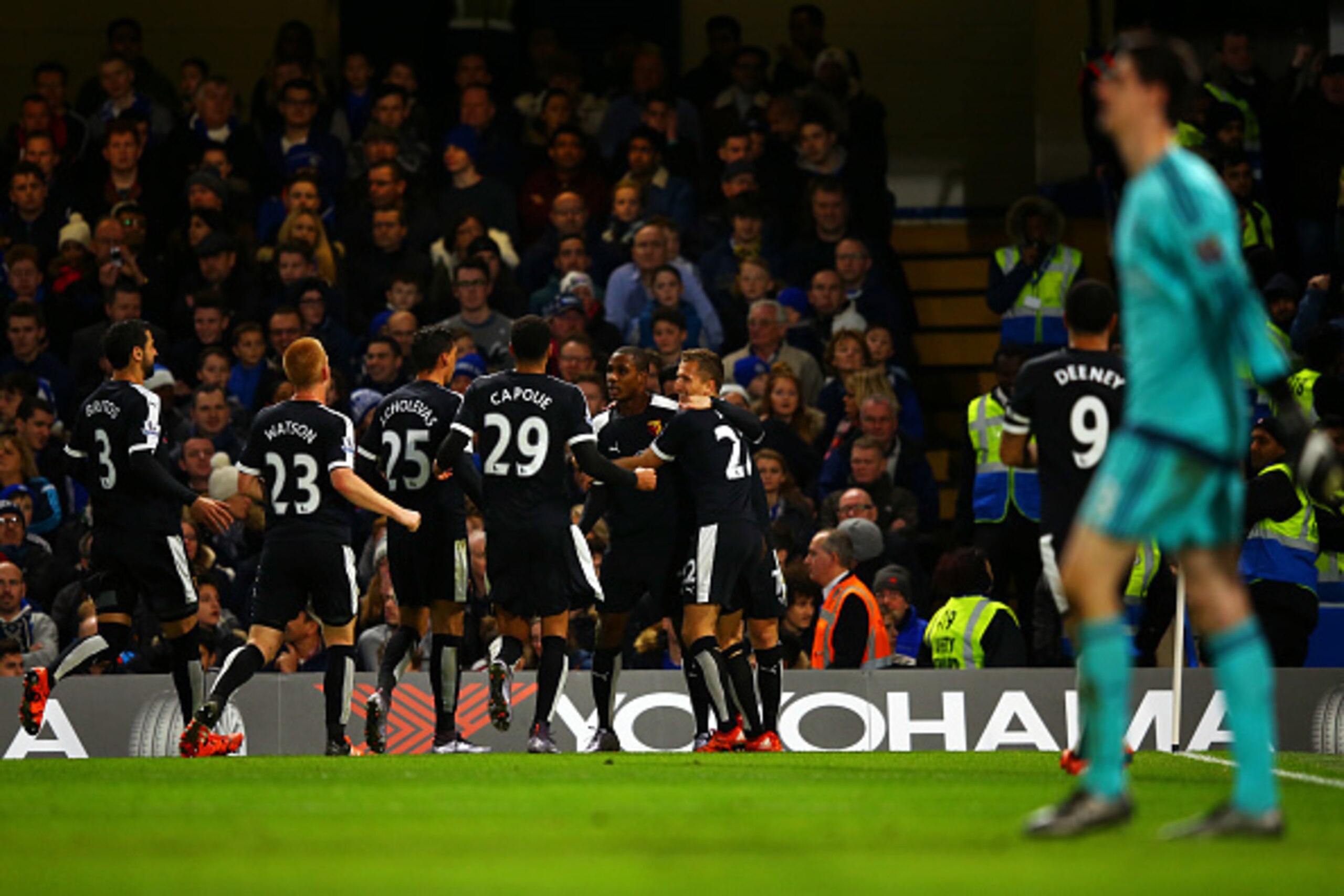
After Diego Costa had levelled with his second of the game, it seemed as though Chelsea would go on to take all three points when Eden Hazard won a late penalty.
The result was Oscar slipping at the vital moment, putting his shot well over the bar, much to the delight of Heurelho Gomes.
Hiddink joked after that the midfielder should have been wearing normal tyres and not slicks. Somewhere in that statement, he was making a serious point no matter how light-hearted he was.
Oscar's penalty was a symbol of many things on Saturday. It showed us this Chelsea team continues to struggle in pressure situations—a week earlier Oscar had coolly scored from the spot against Sunderland when 2-0 up—and whether it be the boots the players wear or how they apply themselves, the wrong option is being taken more often than not.
Roman Abramovich sacked Jose Mourinho in the hope and belief that this season would turn around with him out of the picture, but it's clear the problems in west London run much deeper than who is sitting in the dugout.
There were positives from Hiddink's first game in charge, namely that Chelsea came back from being behind to salvage a point at least.
Too often the pattern has been them surrendering at home after a bright start, so to witness that change—however slight—is something the manager can build on, as can Diego Costa's all-round display.

Yet the feeling is that we've been here before. And we can expect to be again.
Hiddink used his programme notes on Saturday to declare it was "great to be back" at Stamford Bridge.
He continued: "We want to begin to change the situation we are in because a club like Chelsea does not belong in this position in the league."
Only they do.
Look at the results, and the narrative is plain to see. Of Chelsea's five league wins all season, just one has come against a side in the top half of the table.
That victory over Arsenal is an anomaly, with the other wins against West Bromwich Albion, Aston Villa, Sunderland and Norwich City telling us where Chelsea really are.
They're in a relegation scrap, and they belong there.
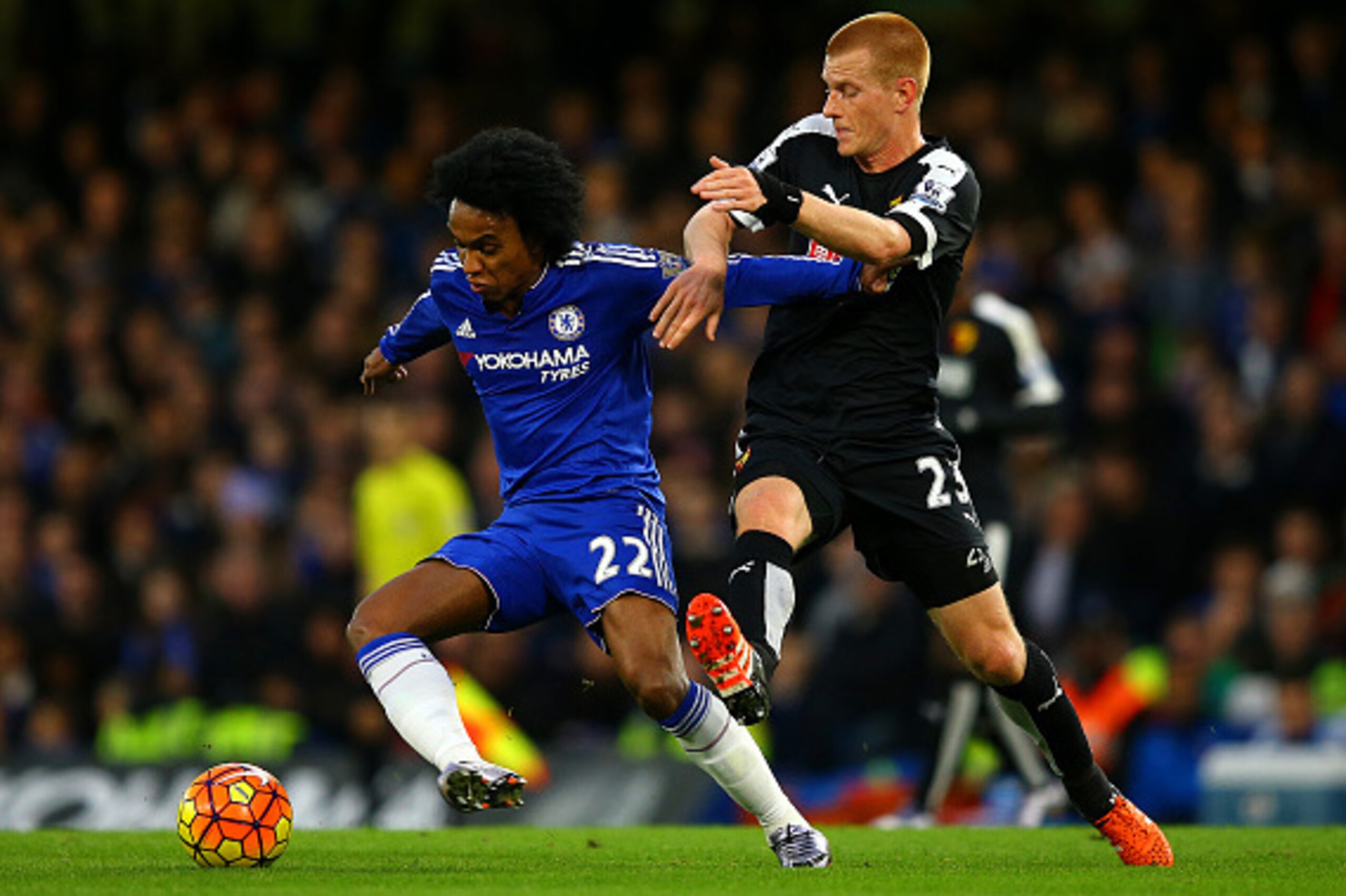
Whenever they have faced teams that match their organisation and have a manager who can adapt over the 90 minutes, this Chelsea have struggled.
It happened once more against Watford, just like it has happened against Manchester City, Southampton, Liverpool and the rest of them this season.
A failure to sufficiently continue the regeneration of this squad in the summer and previous winter transfer window is ensuring Chelsea pay a big price.
They've been found out by opponents who know they can only play one way. The options aren't there to rotate in times of need, and any replacements they do have are too similar.
Those aren't issues that are about a manager; it's about so much more. The players have a role in it and so too do those who make the decisions high up.
In the past, managers have been the fall guys at Chelsea when the proverbial has hit the fan in west London. Even when Mourinho was sacked in his first spell, Chelsea went on to reach the Champions League final in 2008, for instance.
Luis Felipe Scolari, Andre Villas-Boas and Roberto Di Matteo are others who have gone during a slump, only for the team's results to pick up.

Indeed, when Hiddink came in as interim coach in February 2009, Chelsea had won just four Premier League games in 10 since the beginning of December that season.
His impact was instant, with eight wins in the next 10 league matches.
The reality is that's not going to happen this time. The landscape at Stamford Bridge has changed, and that little horse Mourinho spoke of almost two years ago is still waiting to mature despite Premier League success in 2014/15.
When Chelsea sacked managers in the past, their problems were relatively simple to rectify. The situation often called for egos to be massaged and the replacement manager to simply stick to a formula that was as close to a guarantee of success the club has ever seen.
Now there is no formula or structure that works. Hiddink is going to have rip it all up and start again, using every ounce of his managerial nous.
Simply sacking a manager isn't a solution to change things for Chelsea anymore. The club's issues are deep rooted, and Watford exposed them again.
It will not be Hiddink's fault, but those same problems will keep rearing their head over the next six months he is in charge and perhaps further unless Chelsea face facts.
Sacking Mourinho was only part of it.
Garry Hayes is Bleacher Report's lead Chelsea correspondent. All quotes were obtained firsthand unless otherwise noted. Follow him on Twitter @garryhayes



.jpg?w=2560 "Raiders Could Start Mendoza")
.jpg?w=2560 "Rodgers Iced Out on Plane 💎")


.jpg?w=2560 "🚨 Week 8 AP Top 25 Poll")

