

An A to Z of Formula 1 in 2015
The 2015 Formula One season could best be described as mixed. There were moments of excitement and drama, some great overtaking and a handful of fantastic wheel-to-wheel duels.
The Hungarian and United States Grand Prix were the biggest highlights on the racing side, while the off-track animosity between Lewis Hamilton and Nico Rosberg provided a bit of interest once the title race was over.
But there were also times when the year failed to deliver. The dominance of Mercedes meant few races had any kind of unpredictability about them, and the design of the modern cars often made close racing almost impossible.
Even the supposed excitement generators, DRS and rapid-wearing tyres, failed to pique fans' interest. Often, they did the opposite.
So our A to Z of F1 in 2015 is as mixed as the season it recaps. Some letters are positive, some are negative and others fall somewhere in between.
A Is for Austin
1 of 26
One of the best races of 2015 was also the world championship decider.
Lewis Hamilton won the race and his third title after a thrilling grand prix in changeable conditions. The outcome of the race was decided by Nico Rosberg's now-famous mistake in the closing stages, but until then, it really could have gone either way.
And, had it remained wet, a Red Bull could well have won.
B Is for Business
2 of 26
Is F1 a sport or a business? The question was pondered many times during 2015.
The German Grand Prix was cancelled for the sake of a few million euros, according to DMSB president Hans Stuck; the commercial rights holders saddled the sport with even more debt to strip out another billion dollars for themselves; and the future of F1 in the United States is under threat because of—you guessed it—money.
The GPDA fan survey carried out in the spring revealed 77 percent of fans think "F1's business interests are now too important." It's hard to disagree.
C Is for Capgate
3 of 26Nico Rosberg had good reason to be a little bit upset after the United States Grand Prix. Not only had he been pushed wide at the first corner by Lewis Hamilton for the second race in a row, he'd also made a late error that handed his team-mate the world title.
Hamilton threw him his cap. Rosberg threw it back. Capgate was born.
Paddy Lowe was not amused.

.jpg?w=2560)
D Is for DRS
4 of 26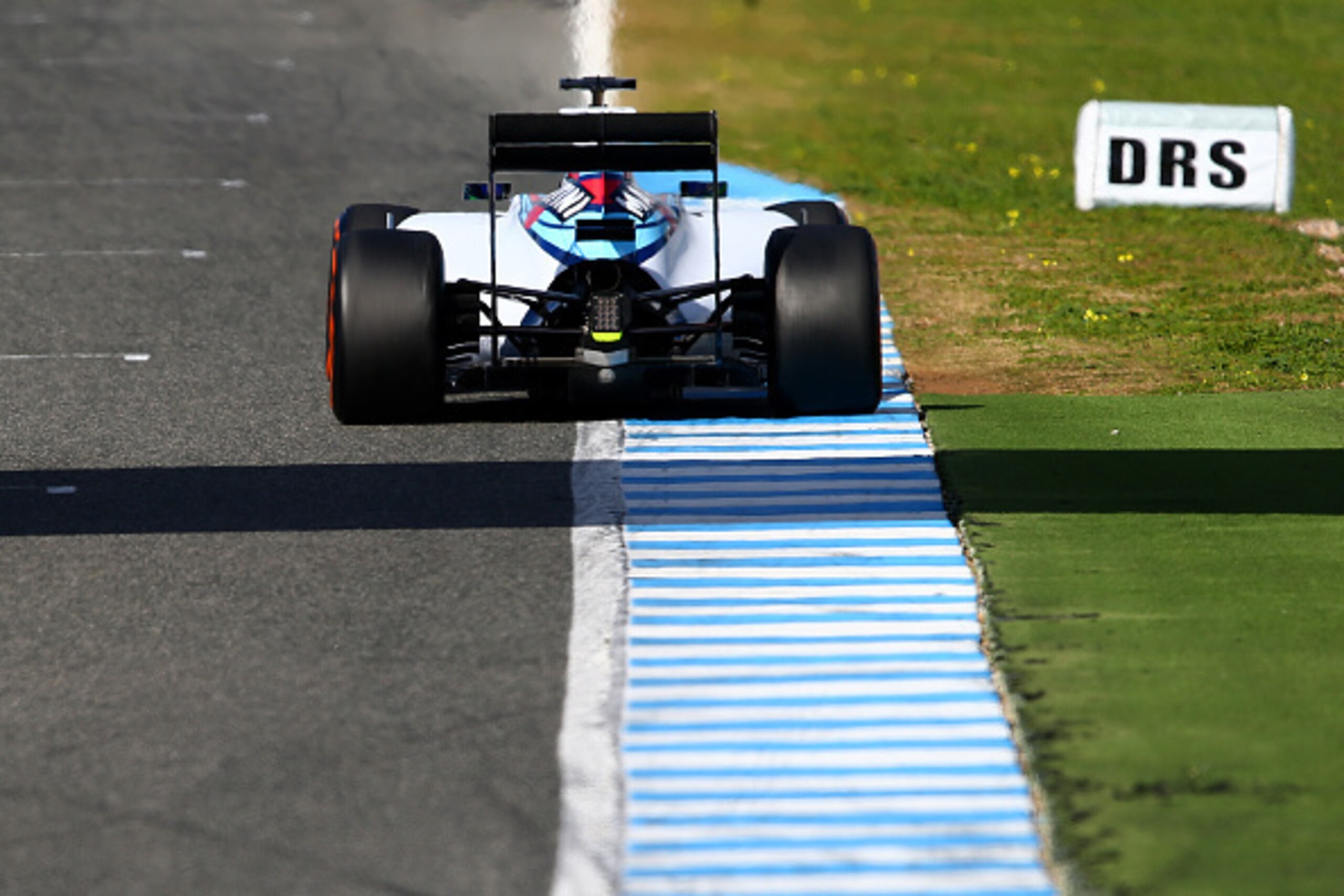
Ah, DRS. The great necessary evil of the modern age, it sometimes works perfectly to give opportunities for the attacking driver to try to overtake.
But—in no small part due to the disparity in power-unit performance—it sometimes proves too effective. The "DRS drive-by" featured a few too many times in 2015; hopefully, one day, someone will come up with a solution that leads to its removal.
E Is for Ecclestone
5 of 26
Bernie Ecclestone turned 85 in 2015 but shows no sign of slowing down. He could often be found complaining about Mercedes dominating and still has a special place in his own personal hell for the V6 turbo hybrids.
He also found time to lend his support to controversial figures such as disgraced ex-FIFA boss Sepp Blatter and Russian president Vladimir Putin.
Ecclestone did and continues to do great things for F1, but this wasn't his finest year.
F Is for Ferrari
6 of 26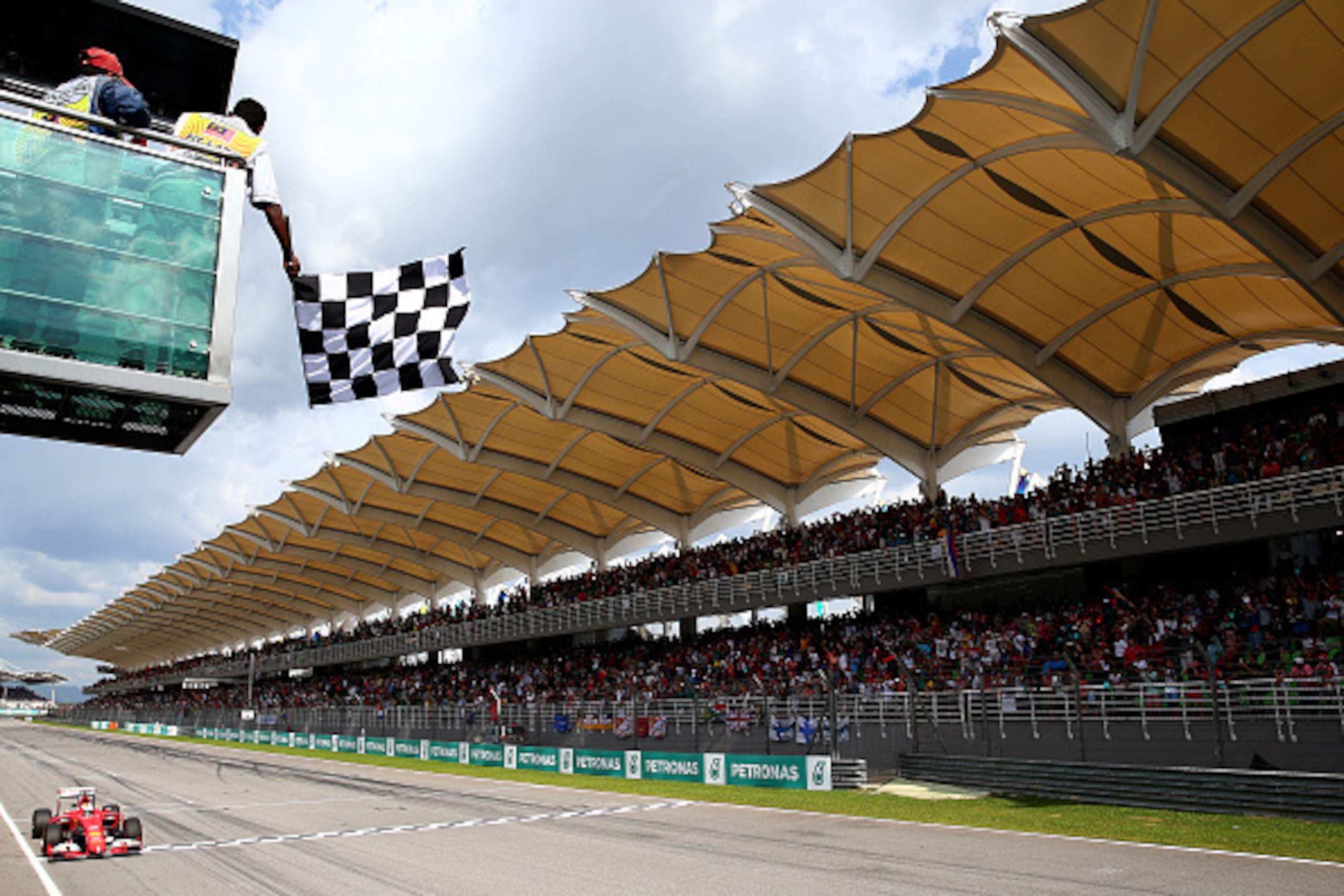
After a dismal 2014 in which they finished fourth in the constructors' championship—and would have been lower without Fernando Alonso's brilliance—Ferrari wouldn't have been many people's choice to challenge Mercedes in 2015.
But the Scuderia made huge strides over the winter and brought their power unit close to the performance of the German manufacturer; Sebastian Vettel's victory in Malaysia marked the first time anyone had beaten Mercedes on pace alone since the start of the V6 turbo era.
G Is for Germany
7 of 26
Germany missed out on hosting a race for the first time since 1960, but the country still had the last laugh in 2015.
The German national anthem, the "Deutschlandlied," was heard on the podium at every single one of the 19 grands prix that did keep their spot.
The last time a country supplied either the winning driver or constructor at every race in a season was 1993, when the United Kingdom reigned supreme.
H Is for Hungary
8 of 26
The Hungaroring circuit near Budapest often produces great races, and the 2015 edition of the Hungarian Grand Prix was no exception.
The two Ferraris got ahead of the two Mercedes on the opening lap, and from then on, it was non-stop action. We witnessed brilliance, mediocrity, overtakes, collisions, safety cars and unpredictability all the way to the chequered flag.
If it wasn't the race of the year, it was a very close second.
I Is for Independents
9 of 26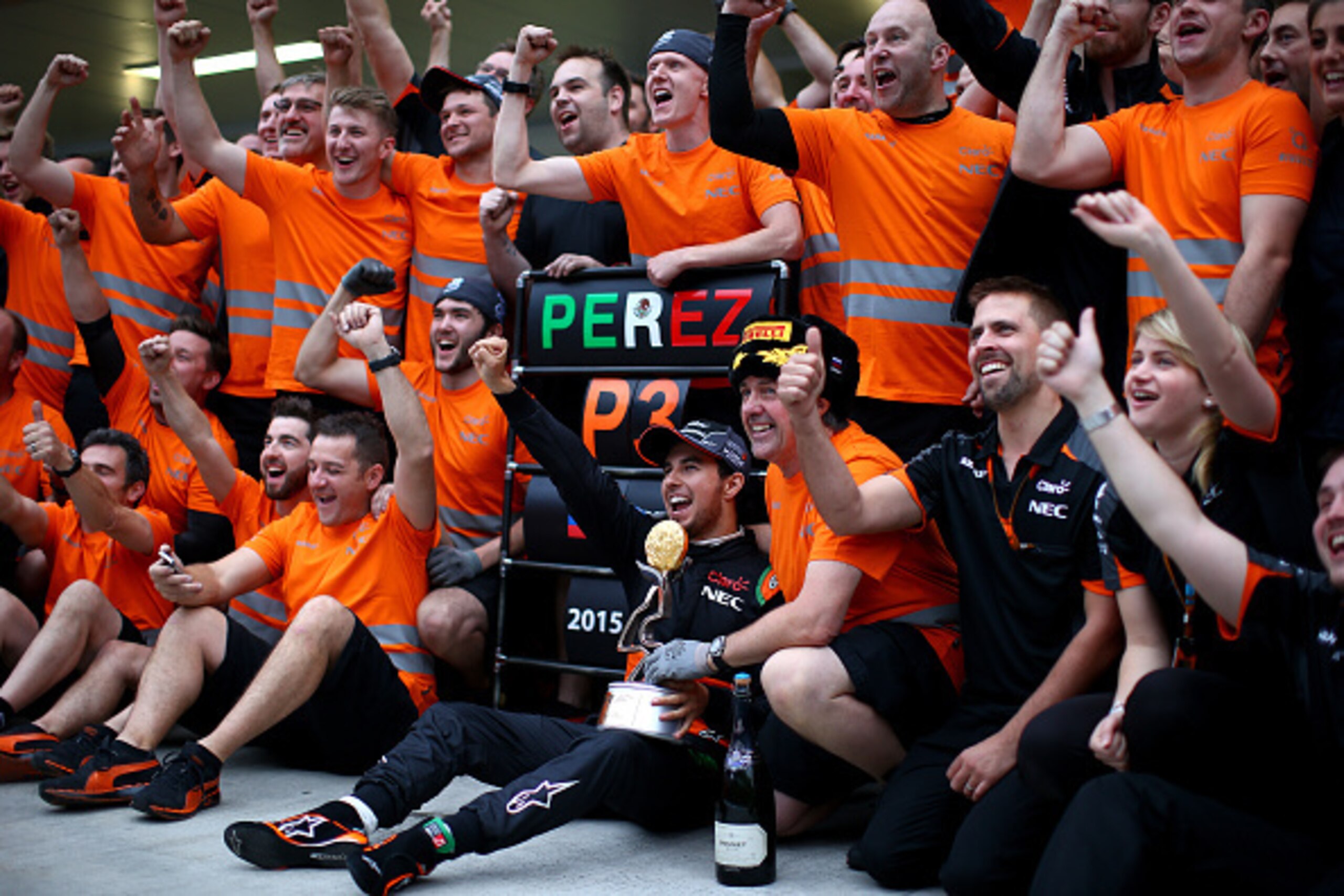
Formula One is not a level playing field; large, manufacturer-backed teams and those with a history of success receive additional cuts from the sport's commercial revenues before a wheel has even been turned.
So it's always nice for a neutral to see the smaller, independent teams enjoying a few drops of champagne. Force India in particular had a great year, capped off by Sergio Perez's podium in Russia.
J Is for Jules
10 of 26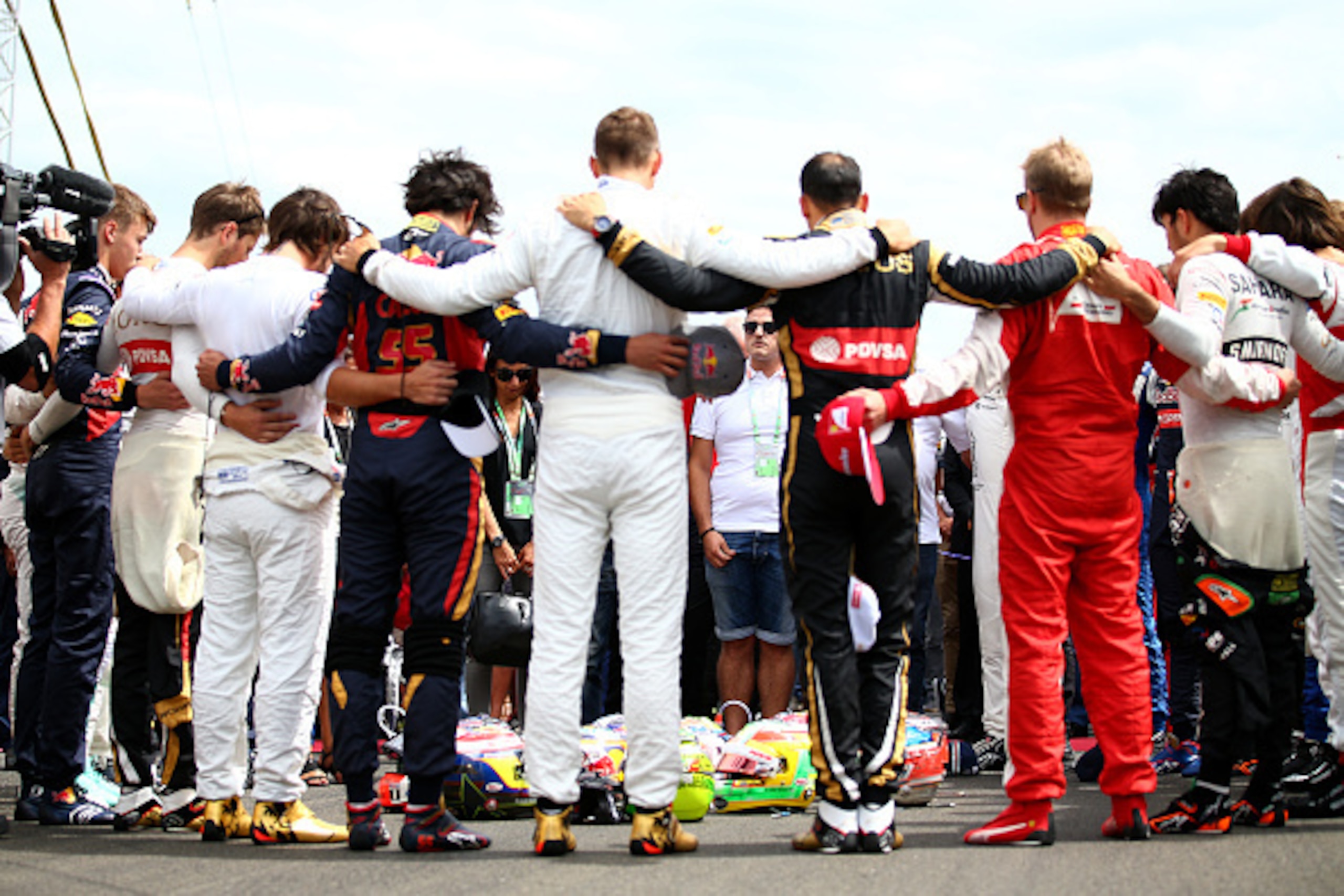
Thankfully, truly terrible news is a rarity in modern F1. But Jules Bianchi's death at the age of just 25 was a tragic reminder that the sport we love will never, ever be risk-free.
The sight of Bianchi's fellow drivers standing together before the Hungarian Grand Prix, helmets on the ground, remembering their fallen colleague was enough to move even the toughest fan to tears.
K Is for Kimi
11 of 26
Kimi Raikkonen's continued poor form was one of the greatest disappointments of the 2015 season. The Finn had a couple of fine drives—in Bahrain and Abu Dhabi, for example—but all too often he was nowhere near Ferrari team-mate Sebastian Vettel.
The team's decision to keep him on for 2016 looked to be more to do with keeping a sense of harmony at Maranello than it was about having the best drivers available.
L Is for Lewis
12 of 26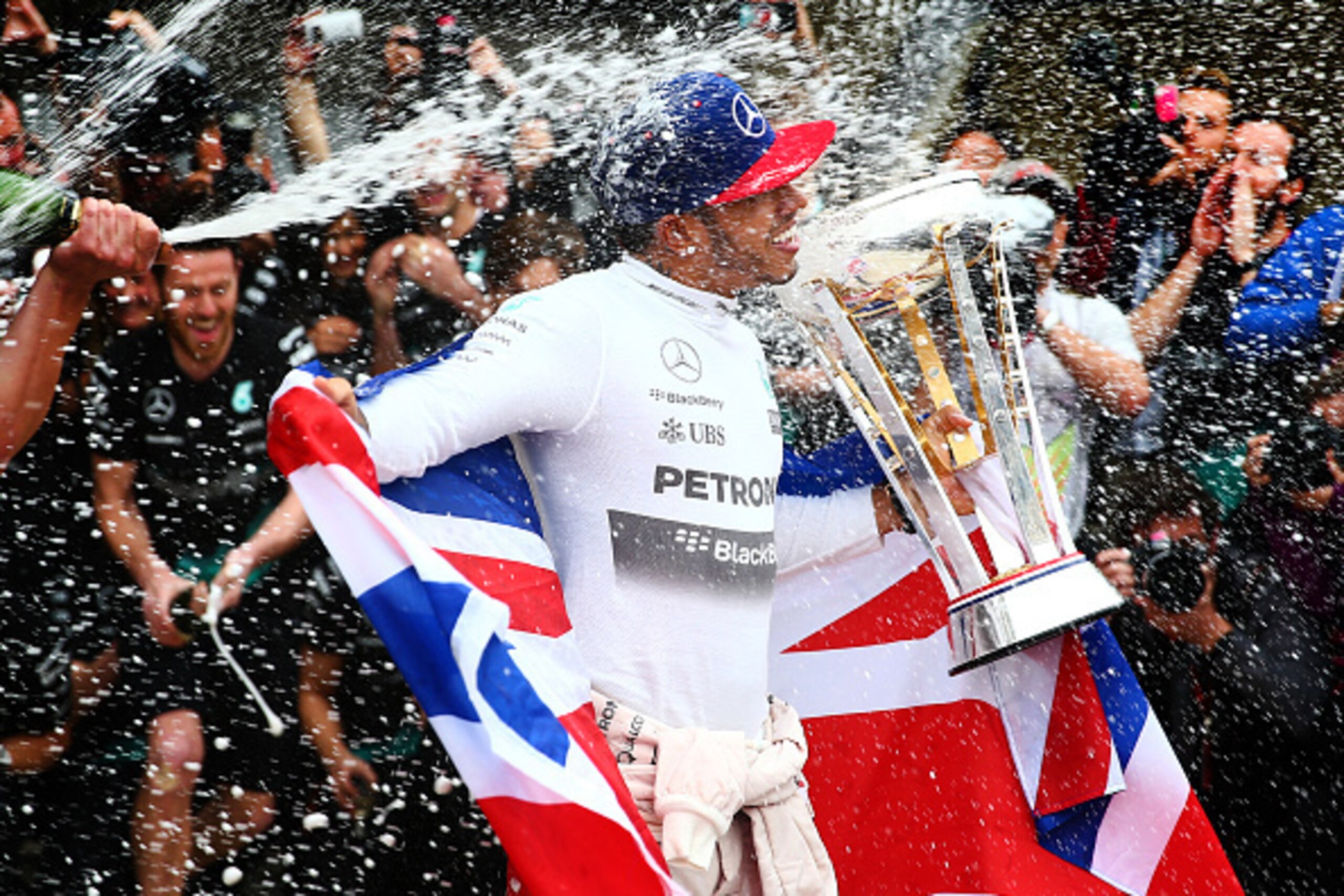
Lewis Hamilton didn't end the season in style, but 2015 was definitely his year.
Eleven poles, 10 wins and a third world title earned him a spot in the record books alongside greats like Ayrton Senna and Sir Jackie Stewart. Hamilton drove superbly when it mattered—and despite his late improvement, Nico Rosberg rarely had an answer.
M Is for Manor
13 of 26
Genuine feel-good stories are pretty rare in any walk of life, and 2015 was a fairly negative year for F1 as a whole. But the news that Manor (the team formerly known as Marussia) had been rescued by an investment at the 11th hour put a smile on the faces of millions of fans all over the world.
The car was slow, the engine was old, the drivers were unremarkable and the team didn't score a single point. But the important thing was that the team survived—and can now look forward to a more competitive, Mercedes-powered future.
Many a debt is owed to John Booth and Graeme Lowdon.
N Is for Not Fair
14 of 26
The loudest motorsport whine of 2015 didn't come from a Formula E car—it emanated from the general direction of the Red Bull team.
It wasn't fair that their engine supplier had got it wrong, it wasn't fair that no one else would give them an engine, it wasn't fair that the other teams were winning and they weren't.
On and on they went, all year long, with all the grace and dignity of a spoiled child whose parents have told them they're not getting a new pony for Christmas.
Even if they did have a bit of a point, it was difficult to feel any sympathy because of the way they put it across.
O Is for Overtaking
15 of 26
Or perhaps, a lack of overtaking?
According to the Clip The Apex overtaking database (subscription required), there were fewer overtakes last season than in any since 2010. The number of passes has fallen every year since 2011, from a high of 1,152 (60.63 per race) to just 592 (31.16 per race) in 2015.
2014 to 2015 saw the sharpest decline—a 28.5 percent decrease in the per-race figure.
Separate figures from Pirelli show Max Verstappen was the year's top overtaker, with 49 in total—while Fernando Alonso was the king of starts, achieving 28 overtakes off the line.
P Is for #PlacesAlonsoWouldRatherBe
16 of 26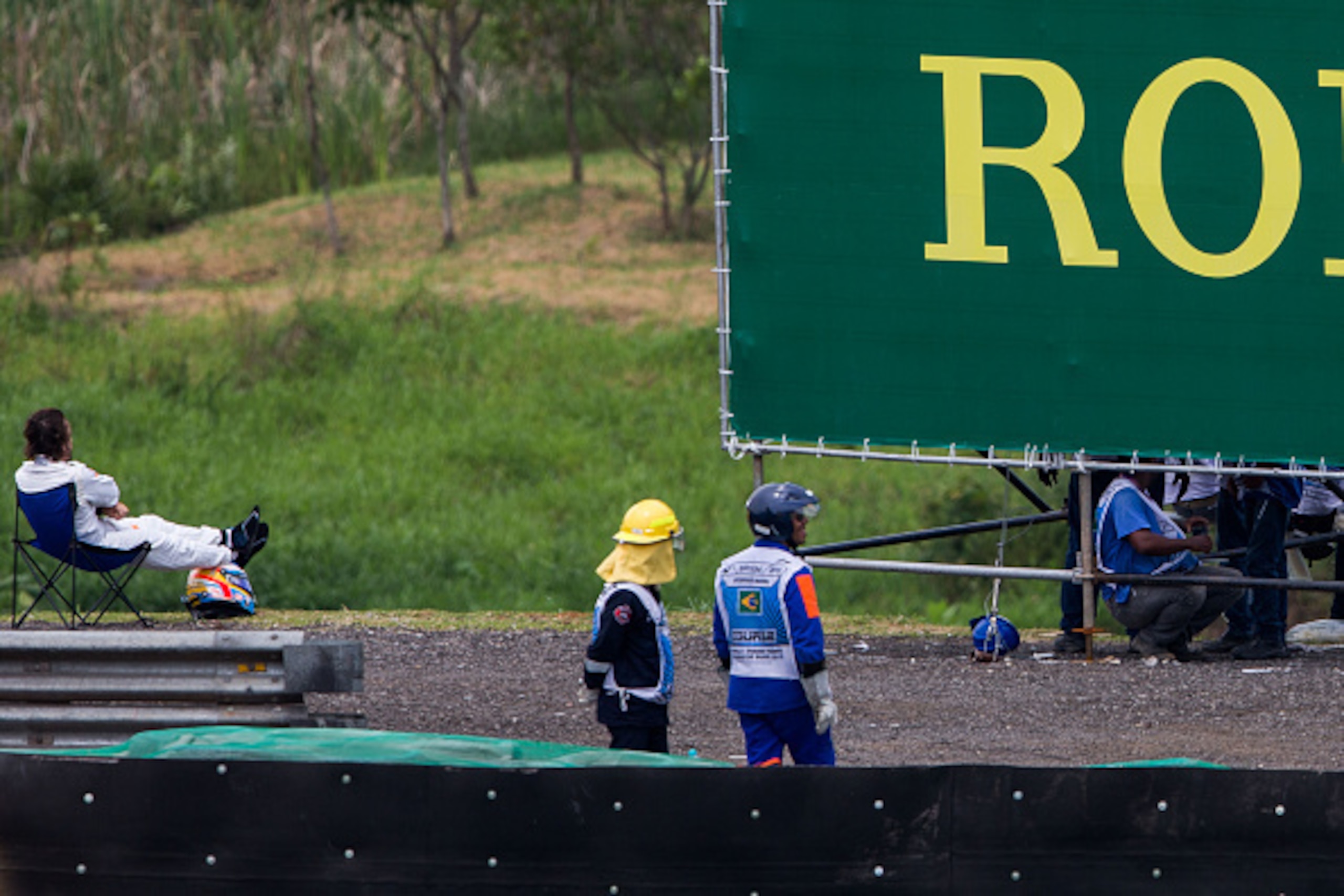
The management of F1 don't have much interest in social media, so the fans usually have to do the job for them.
When Fernando Alonso was seen sat in a chair, eyes closed, sunbathing after his McLaren-Honda broke down during qualifying for the Brazilian Grand Prix, Twitter user McMike came up with perhaps the greatest F1 hashtag of all time—#PlacesAlonsoWouldRatherBe.
At the beach? In the Mercedes garage? At the zoo? On the moon?
Fans around the world joined in, and it was still going more than a month later. Only last week, Alonso was spotted sat on Santa's knee.
Q Is for Quality
17 of 26
Of the 22 drivers who took part in the 2015 season, five are current or former world champions. Four of the other 17 have won at least one grand prix; if we take those away, six of the remaining 13 have at least one podium finish or pole position to their names.
That leaves us with just seven drivers yet to make their mark, but this group includes the likes of Max Verstappen, Carlos Sainz Jr. and Felipe Nasr—all of whom had impressive rookie years.
It would have been nice to see drivers like Stoffel Vandoorne, Robin Frijns and Jean-Eric Vergne on the 2015 grid—and Kevin Magnussen around in a more permanent capacity—but even without them, it was a very high-quality field.
R Is for RA615H Hybrid
18 of 26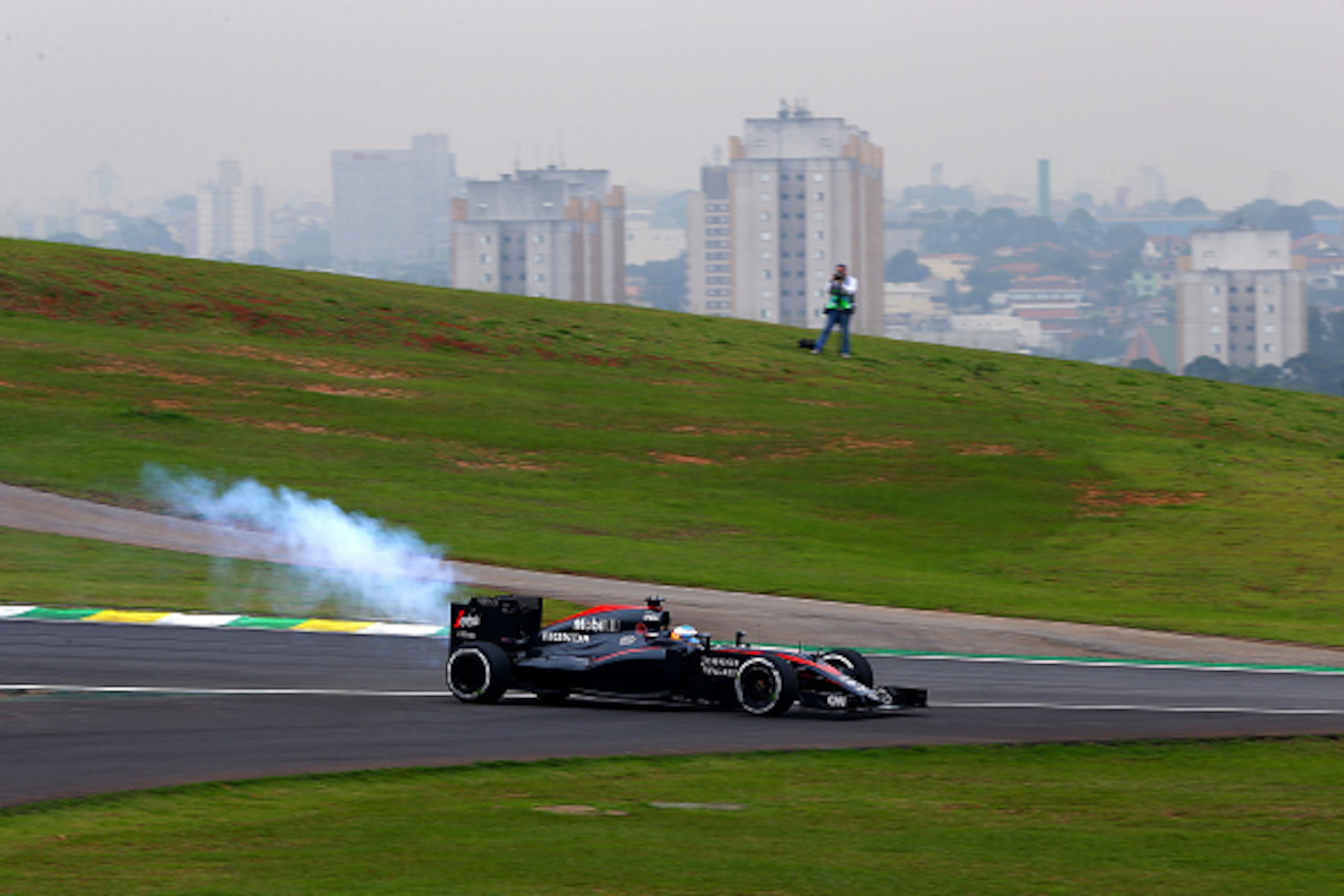
The catchily named RA615H Hybrid power unit made a huge impact in 2015—though not the sort its maker would have wished.
Honda's return to F1 after six years of absence proved to one and all that money doesn't necessarily equal success. Few could have expected that a company with such massive resources and expertise could get it so very, very wrong, but Honda totally underestimated the challenge and McLaren paid the price.
S Is for Strategy
19 of 26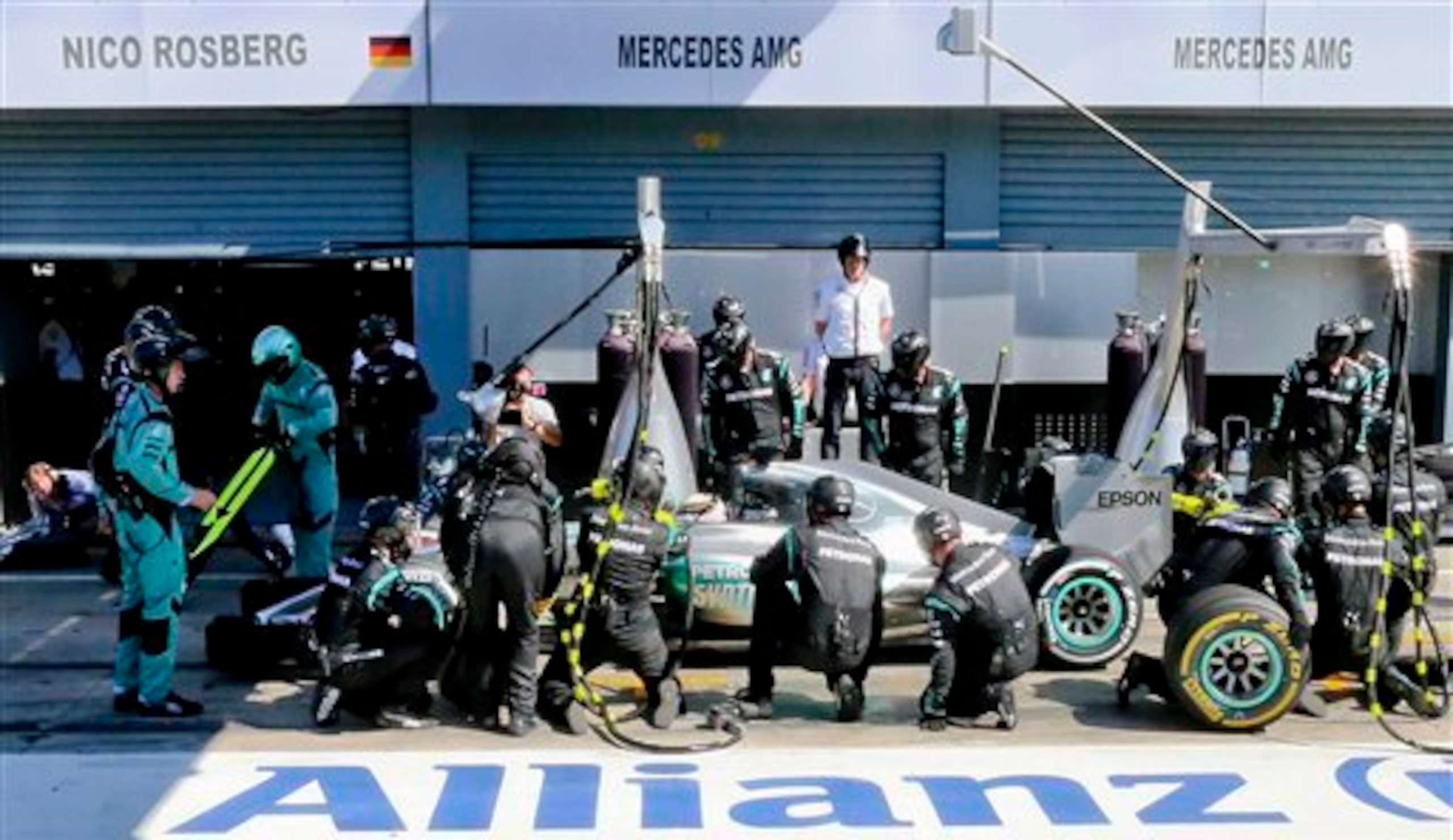
Strategy became a huge talking point of 2015 toward the end of the season, but it played a major part right from the start—most notably at the second race, where a two-stop strategy gave Sebastian Vettel and Ferrari victory over three-stopping Mercedes.
Later on it was a major bone of contention within the world championship team, with Lewis Hamilton repeatedly expressing a desire to go his own way. It never worked out, but it did raise a useful point—two drivers with one pit box, one pit crew and one strategist isn't necessarily a good idea.
T Is for Tyres
20 of 26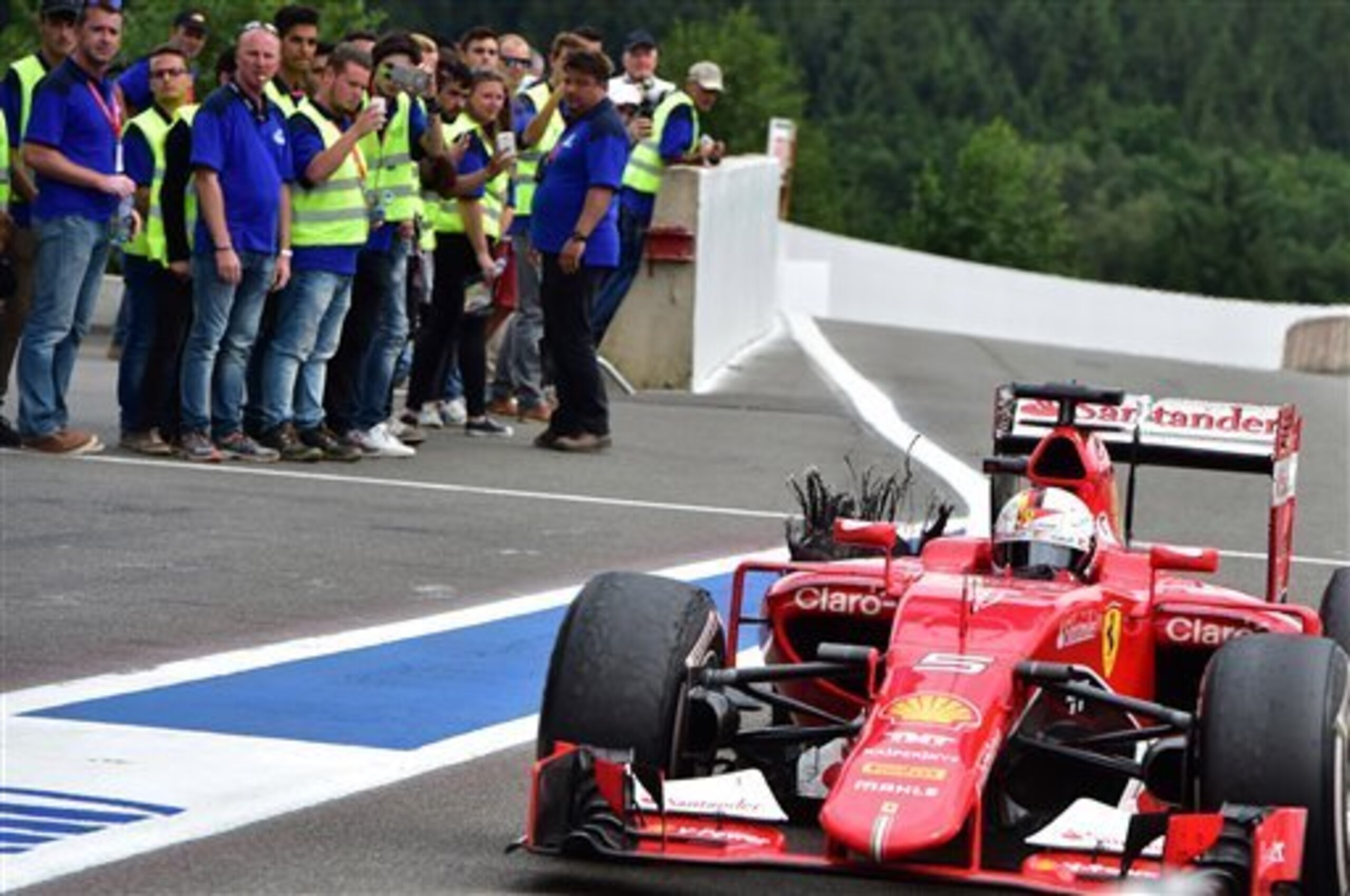
Pirelli once again grabbed headlines in 2015. The sole tyre supplier has a brief to provide fragile rubber that rapidly degrades, forcing teams to use multiple-stop strategies; this leaves the company open to all sorts of criticism, and when something goes wrong, the whole world and his dog jumps in to give it a good beating.
The 2015 "let's all kick Pirelli" moment came after the Belgian Grand Prix, where Sebastian Vettel's last-lap blowout cost him a podium.
Later analysis showed it was a track-specific issue, but changes to tyre pressure rules were still made for the remaining races—leading to the post-race farce at Monza.
U Is for Unreliability
21 of 26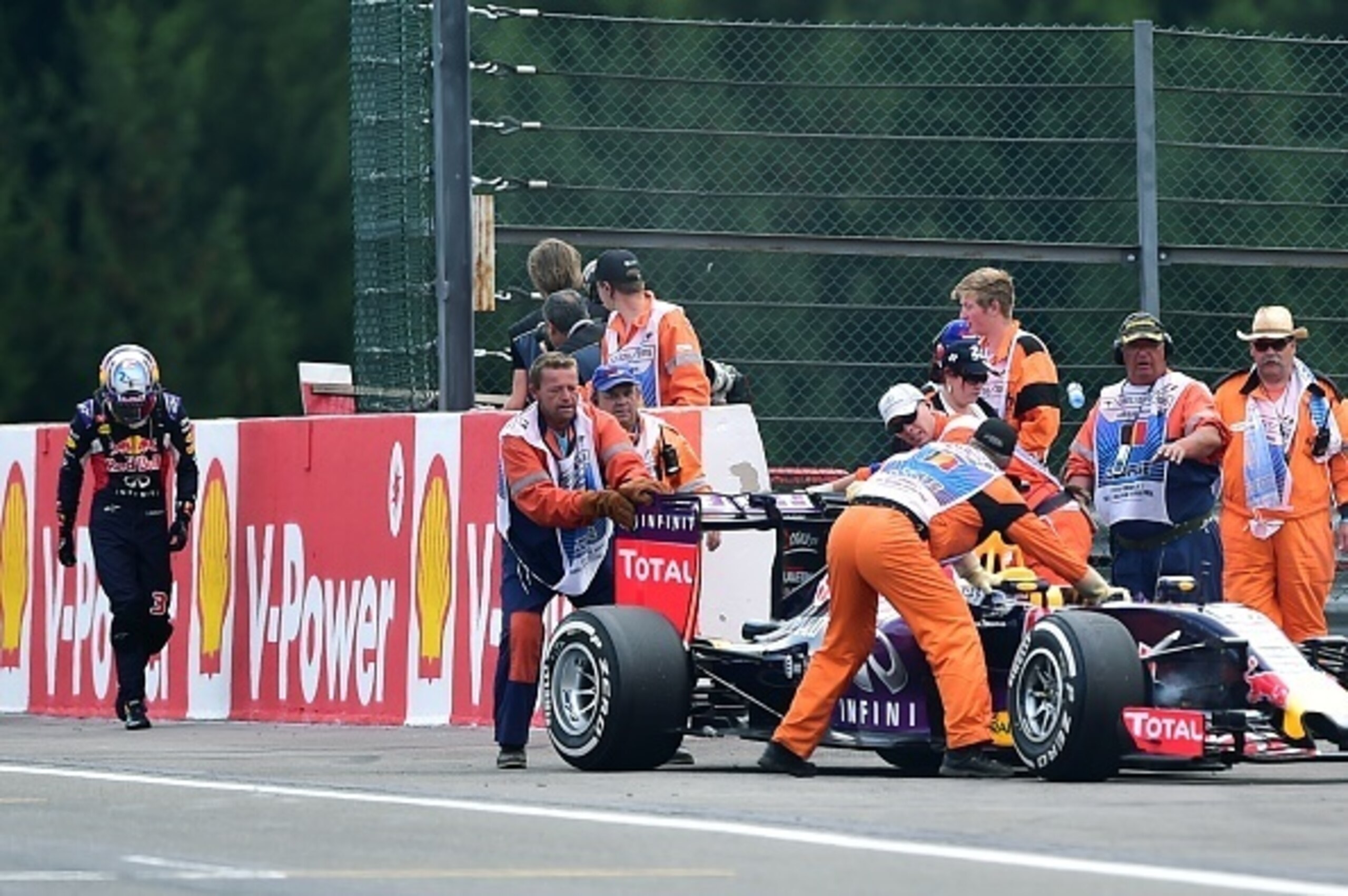
Mercedes and Ferrari suffered the occasional reliability issue, but for the most part, the two power-unit manufacturers did a good job.
It was a very different story for Honda and Renault. Breakdowns were depressingly common and grid penalties became the norm toward the end of the season; neither can afford a repeat in 2016.
V Is for Verstappen
22 of 26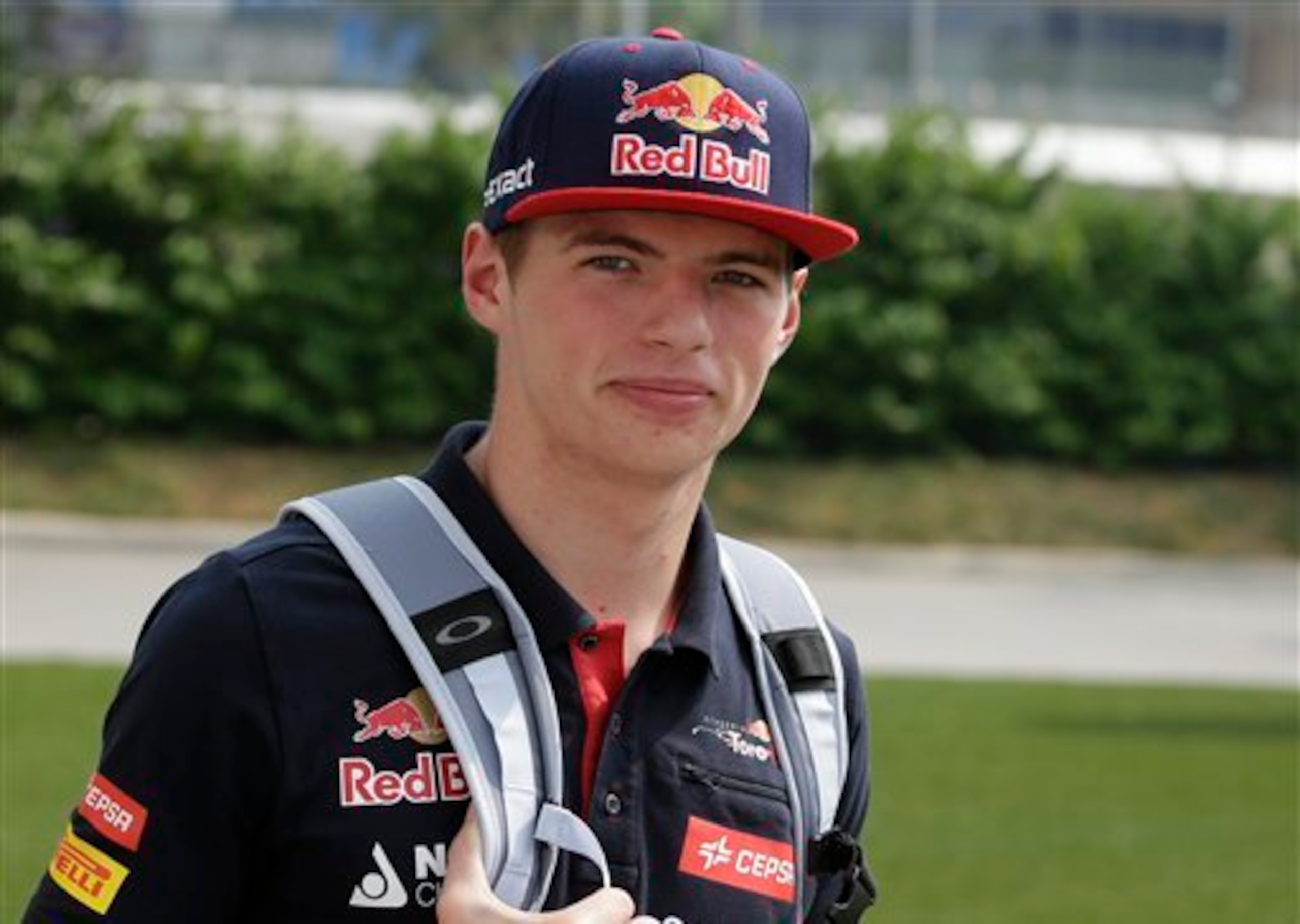
It's usually the case that at least one rookie per year marks himself out as a potential race winner of the future. In 2015, we saw perhaps three rookies do that—but one of them stood out as an obvious pick to be a future world champion.
Max Verstappen, aged just 17 when he made his racing debut in Australia, was one of the drivers of the year.
His overtaking was often outstanding, and his driving in the second half of the season marked him out as something very special indeed.
W Is for W06
23 of 26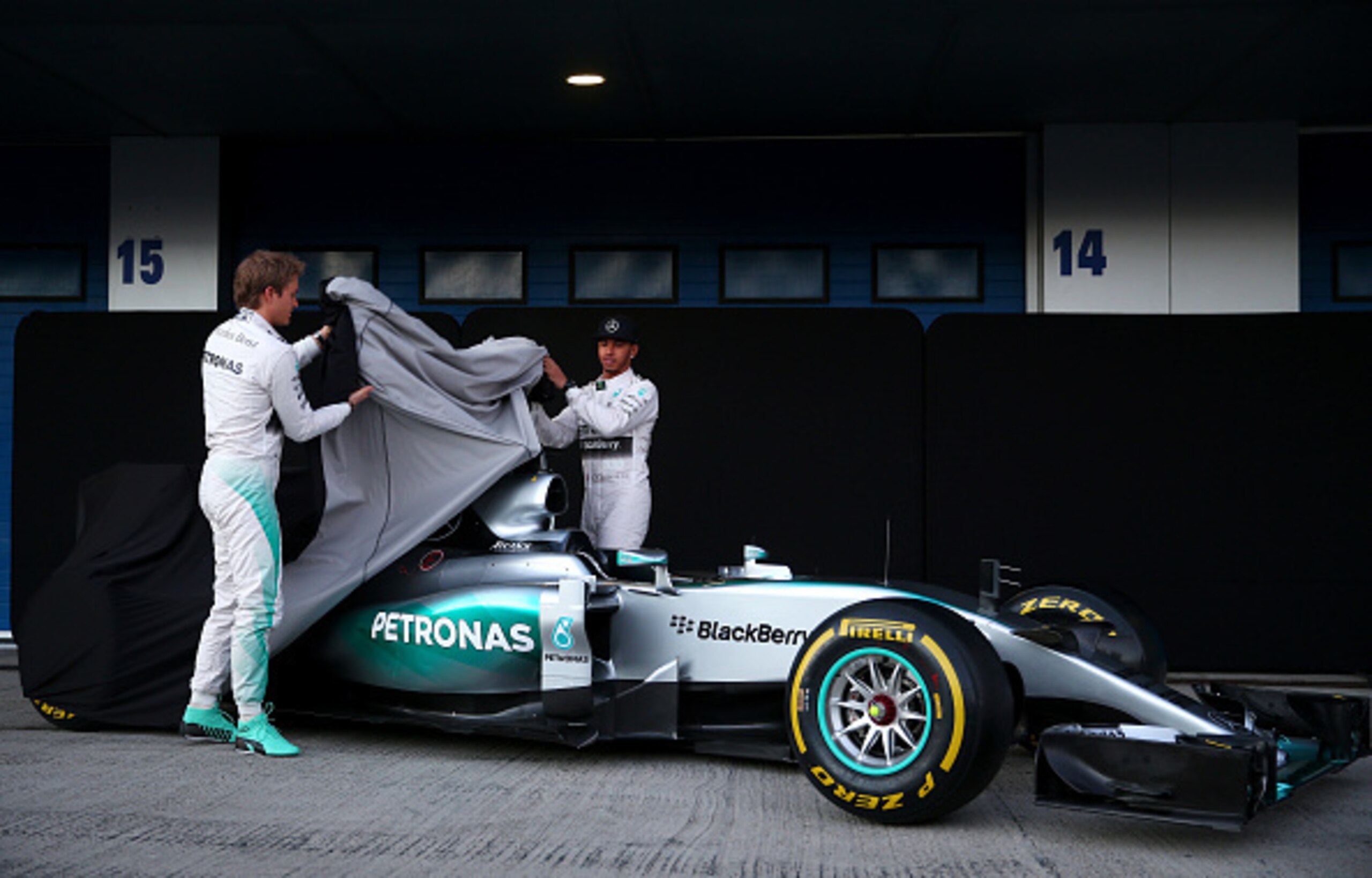
Ferrari's SF15-T was a good car, as was the Williams FW37. Red Bull's RB11 overcame a slow start to challenge late in the year, and the Toro Rosso STR10 was an incredible car given the team's modest budget.
But the real star of 2015 was the Mercedes W06. An aerodynamically brilliant car with the best engine in F1, it won 16 of the 19 races, took 18 poles and spent much of the season making everyone else look a little bit slow.
X Is for Xenial
24 of 26
Few countries have embraced F1 quite as much as Mexico did when the sport returned after a 23-year absence.
Fans packed the grandstands around the revamped Autodromo Hermanos Rodriguez and the podium ceremony, held inside the Foro Sol stadium in front of tens of thousands of fans, was the best of the year.
The race itself was poor, but the welcome extended to the teams and drivers was exceedingly xenial.
Y Is for Youth
25 of 26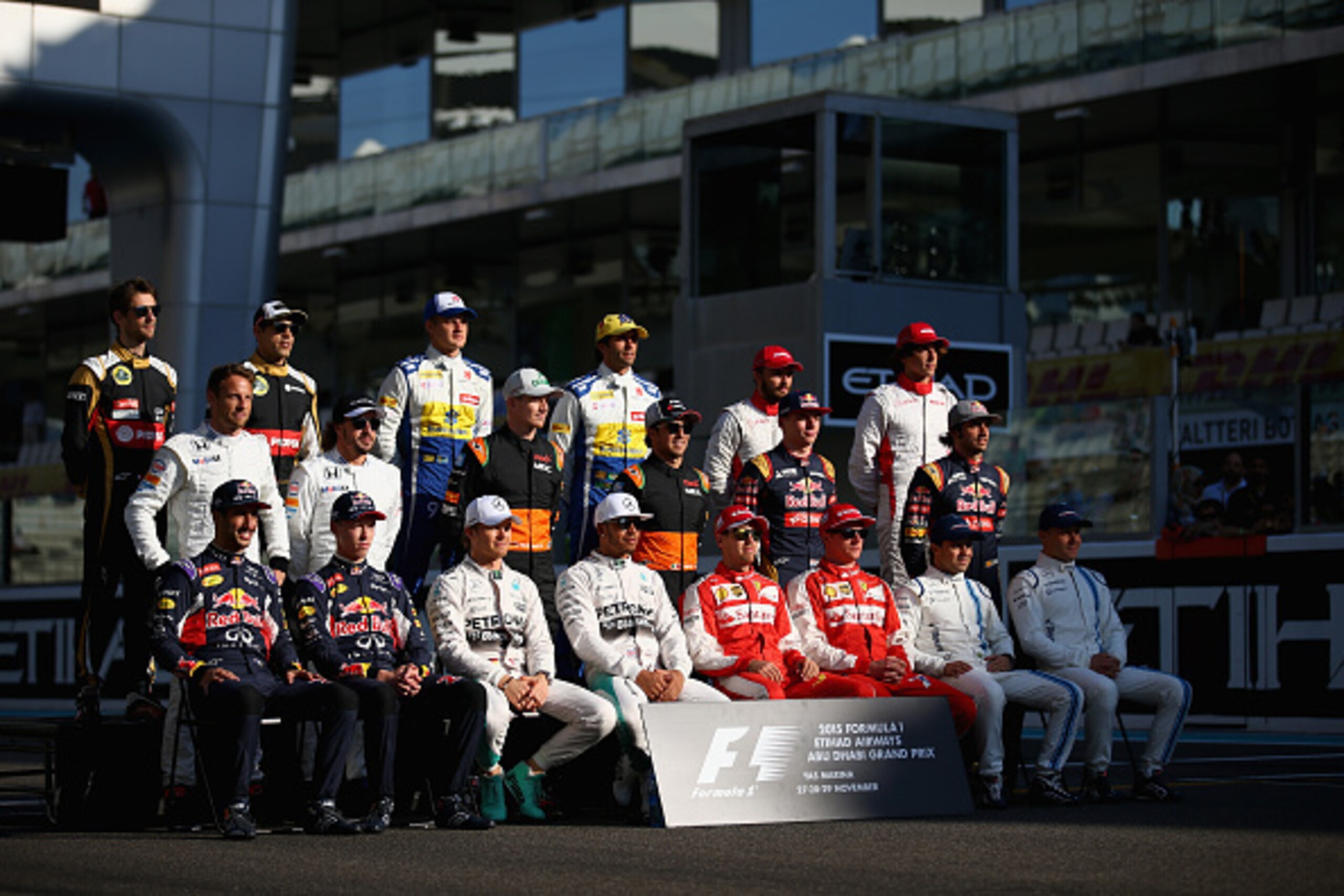
The 2005 F1 season saw six men make their F1 debuts. They were Robert Doornbos, Vitantonio Liuzzi, Patrick Friesacher, Christjian Albers, Tiago Monteiro and Narain Karthikeyan. Their average age on the date of the opening race of the year was 25.3.
Fast forward to 2015 and we had five rookies—Max Verstappen, Carlos Sainz Jr., Felipe Nasr, Roberto Merhi and Alexander Rossi. Their average age on March 15 (the date of the Australian Grand Prix) was just 21.
Z Is for Zzz
26 of 26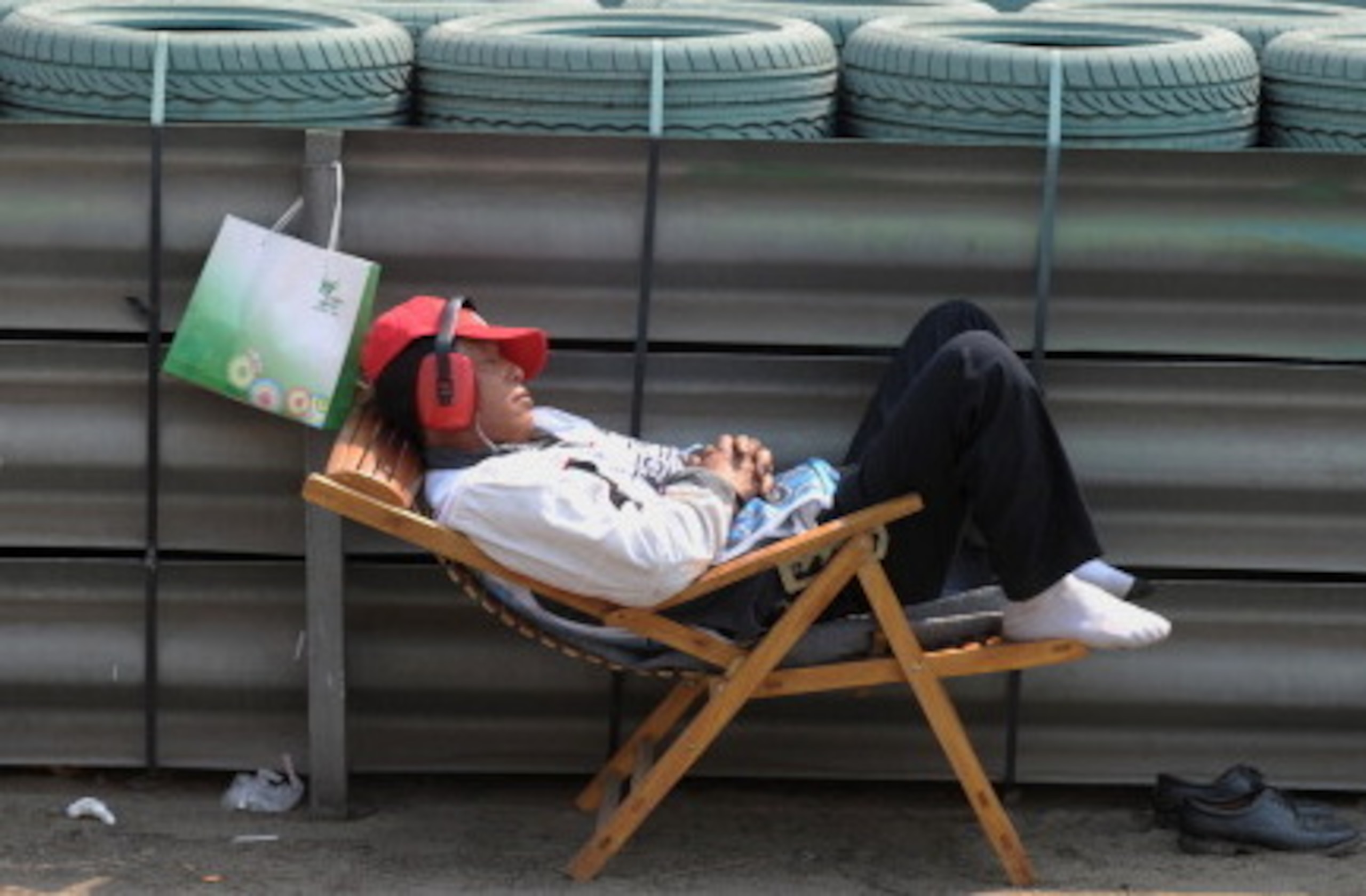
It wasn't the worst season in recent memory, but let's be honest—there were far too many dull races in 2015 and the title race was over far too quickly.
Happy New Year, and let's hope for a multi-team title fight, unpredictable racing and big improvements from Honda and Renault in 2016.
Follow me on Twitter for updates on new articles and occasional thoughts about the F1 world.


.jpg?w=2560 "2 NFL Officials Suspended")


.jpg?w=2560 "Viral Rams Coach Vid 🖕")