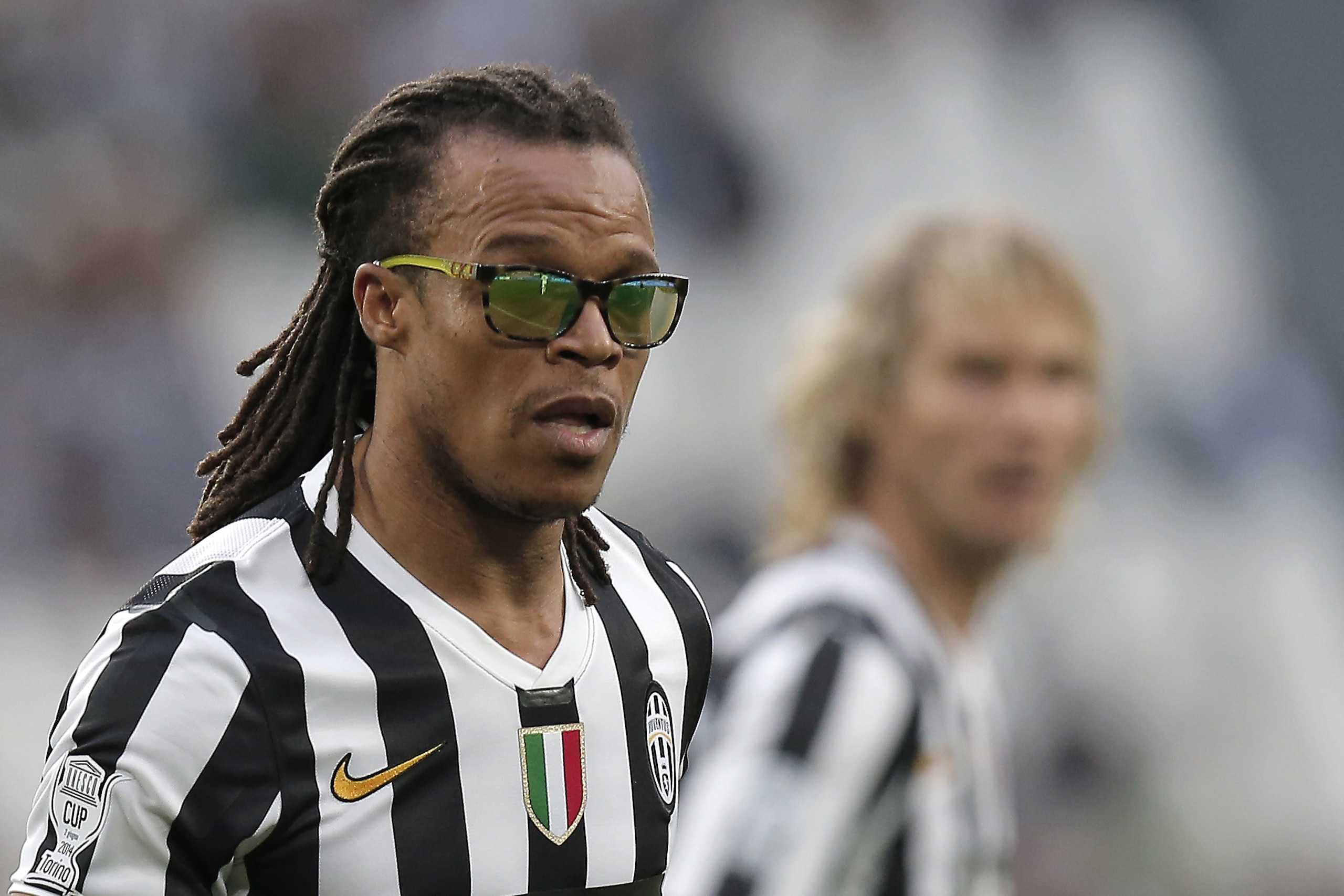

Picking a Juventus Cult Heroes XI
Juventus have undoubtedly been blessed with some truly great players, men who have been among the best in the world and delivered an almost an endless supply of silverware to the trophy cabinet of the Turin giants.
The Bianconeri have seen members of their various teams win every honour the game has to offer, and the club has been fortunate enough to have many fan favourites pull on their famous striped shirts.
Over the following pages is a closer look at some of these players—a starting XI of the cult heroes who have represented the Old Lady throughout her illustrious history, lining up in a 3-5-2 formation.
GK: Stefano Tacconi
1 of 11
Narrowly edging out Gigi Buffon for the goalkeeping position is Stefano Tacconi, the man who stood between the posts for the Bianconeri from 1983 to 1992. Replacing Dino Zoff was an incredibly daunting proposition, but the Perugia native would go on to achieve incredible success with La Madama.
Part of the side that won the club’s first European Cup in 1985, Tacconi represents the Juventus Legends side of former heroes, the 58-year-old still capable of making impressive saves despite his advancing years.
Defender: Claudio Gentile
2 of 11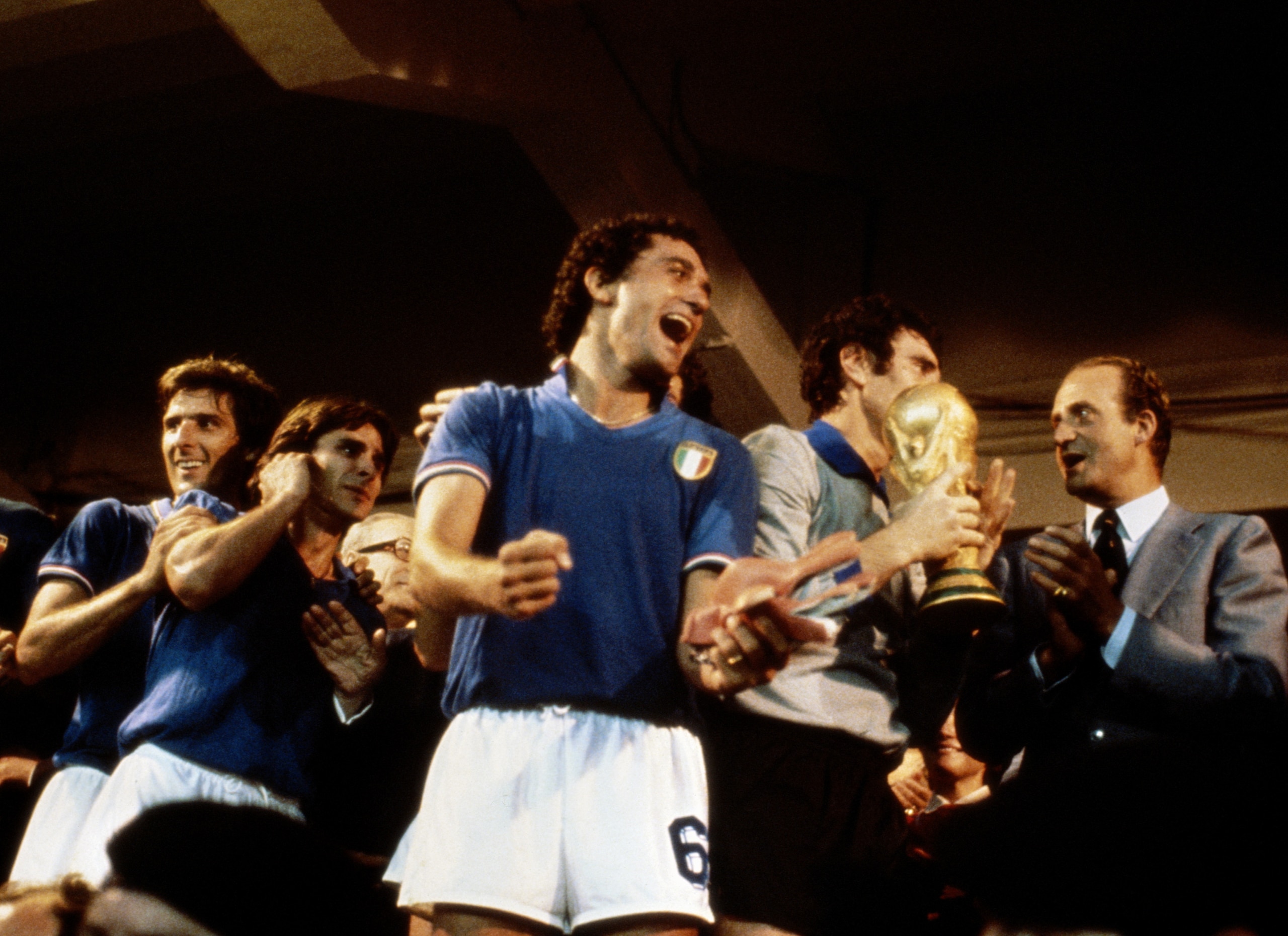
Playing over 400 matches for Juventus, Claudio Gentile is perhaps most famous for his running battle with Diego Maradona during the 1982 World Cup. That demonstration of man marking gained the defender increased notoriety, but he was also a fine player who complemented Gaetano Scirea perfectly.
That duo was central to the club’s success during the 1980s, with Gentile becoming a fan favourite for his rugged approach.
Defender: Paolo Montero
3 of 11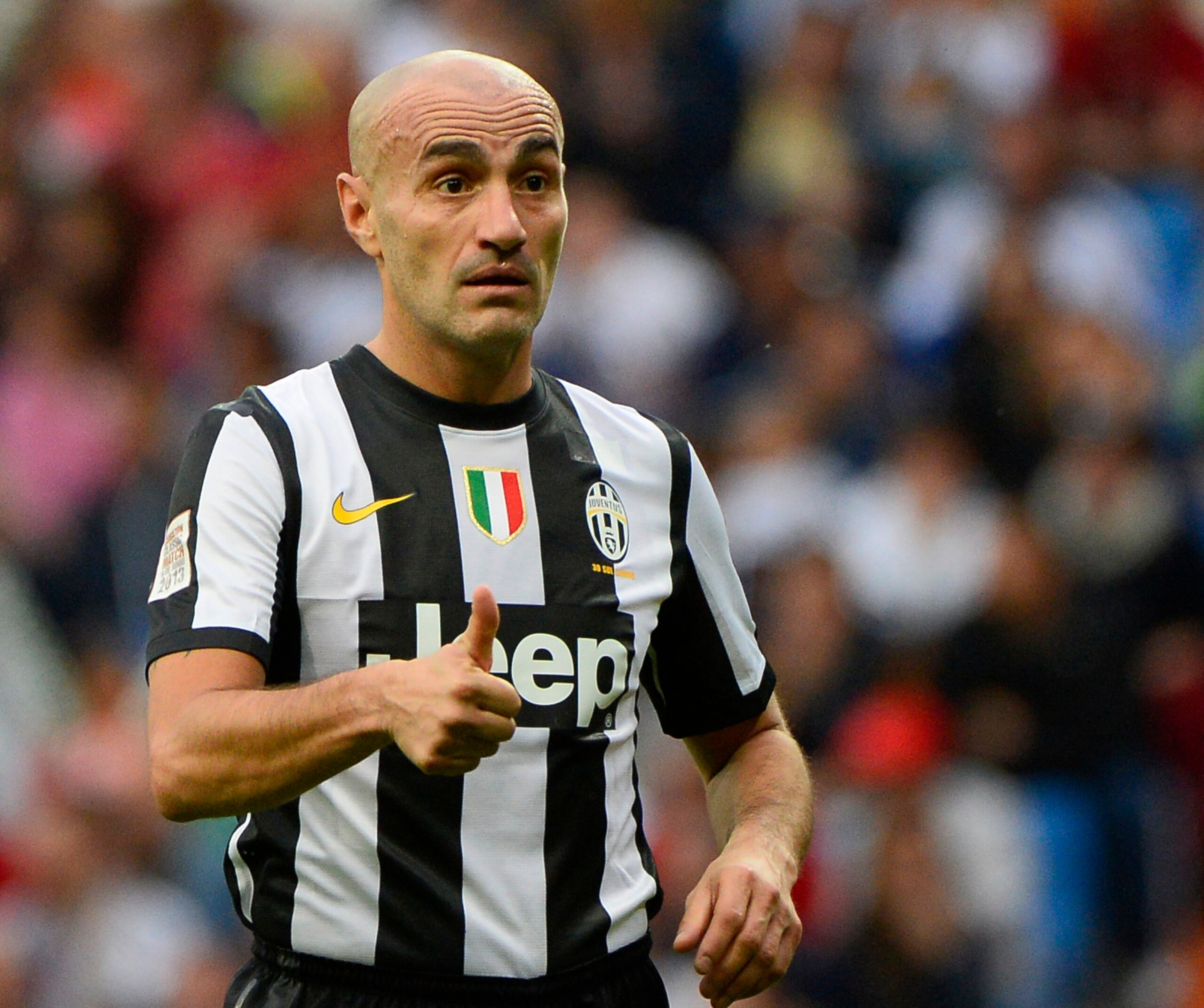
Inheriting the baton from Gentile, Paolo Montero was equally physical and set a record for red cards in Serie A that stands to this day. Sent off no fewer than 16 times, the Uruguayan was also a much better player than he is given credit for and was blessed with an impressive range of passing.
Like Tacconi, he regularly turns out for the Juventus Legends side, helping the club’s charitable efforts in association with UNESCO.

Defender: Giorgio Chiellini
4 of 11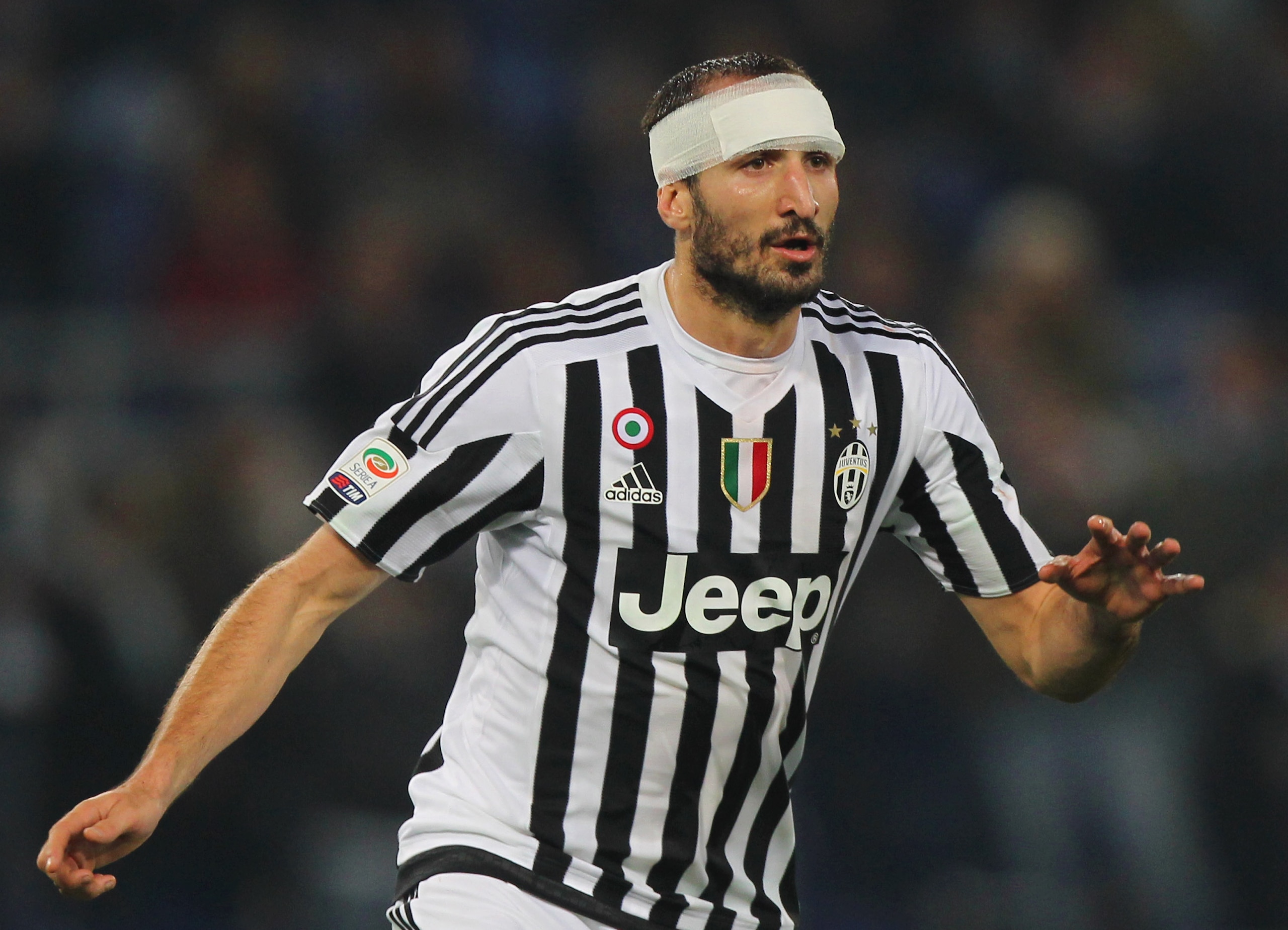
Like his fellow defenders, the rugged Giorgio Chiellini is loved by the club’s fans for his hardworking approach on the field. Weighing in with some key goals but continually walking a fine line when it comes to his tough tackling, the Bianconeri defence looks much more reliable with him in the side.
Right Wing: Angelo Di Livio
5 of 11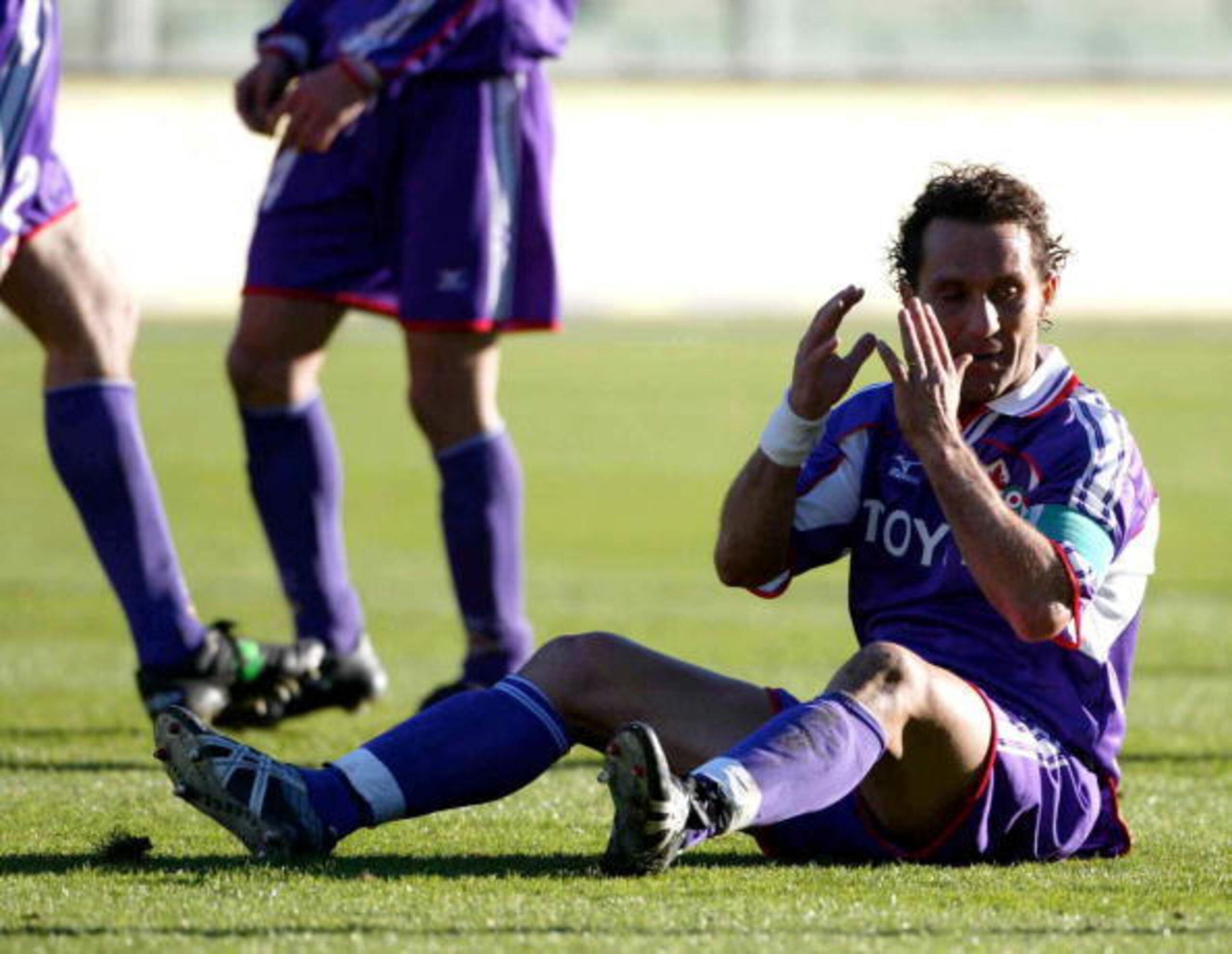
Known as known as Soldatino—the little soldier—for his tireless running on the right flank, Angelo Di Livio holds a unique position in Italian football in that he is beloved by the supporters of three different clubs.
Breaking through at Padova, Di Livio was a vital part of the Juventus side that dominated the 1990s, winning three Serie A titles, a Coppa Italia, the 1996 Champions League crown and an Intercontinental Cup.
He then moved to Fiorentina, winning another Italian Cup and staying with the club when they were declared bankrupt and relegated to the fourth tier.
Centre Midfield: Alessio Tacchinardi
6 of 11
Like Di Livio, Alessio Tacchinardi enjoyed incredible success under coach Marcello Lippi and won 17 trophies during his time at Juventus. Scoring some wonderful goals for the Bianconeri, the midfielder was another underrated player, possessing superb tactical awareness and a neat range of passing.
Playing alongside the likes of Alessandro Del Piero and Zinedine Zidane, Tacchinardi was often overlooked, but his contributions are fondly remembered by the club’s fanbase.
Centre Midfield: Beppe Furino
7 of 11
While Tacchinardi was never assured of his place in the Juventus starting XI, Beppe Furino was a long-time captain of the club and won no fewer than eight league titles during his 15-year career with the Bianconeri.
Inexplicably earning just three caps for Italy, Furino was a tireless workhorse at the heart of the Juventus midfield, and his aggression, speed and ferocity won him the unbridled affection of the club’s supporters.
Centre Midfield: Edgar Davids
8 of 11
Unlike Furino, Edgar Davids’ time with Juventus lasted just seven years, joining the club in 1997 after an ill-fated stint with AC Milan. Instantly recognisable, the Dutchman was a firm fan favourite for his rugged style as he helped to protect the defence during a hugely successful era in the Bianconeri's history.
Winning three Serie A titles under Lippi, the coach called Davids “my one-man engine room” for his efforts, per FourFourTwo, and the Dutchman would go on to spend time with Barcelona and Tottenham Hotspur as his career wound down.
Left Wing: Pavel Nedved
9 of 11
Joining Juventus in the summer of 2001, Pavel Nedved initially failed to impress as he struggled with the weight of expectation following his €41 million move from Lazio. He would eventually become an important part of the side, winning two Scudetti and helping the Bianconeri reach the 2003 Champions League final.
However, he would miss that game through suspension after being booked against Real Madrid in the semi-final, slumping to the ground in tears as he realised that a yellow card for a foul on Steve McManaman would rule him out.
Nedved won the Ballon d’Or for his performances that year but would secure his place in Juve history by remaining with the Old Lady despite her relegation following the Calciopoli scandal in 2006. Now vice-president of the club, Juventus Stadium unites to sing his name before every home game in Turin.
Forward: Omar Sivori
10 of 11
While Nedved is Juve’s most recent recipient of the prestigious Ballon d’Or, Omar Sivori was their first when he claimed the honour back in 1961. A tempestuous but brilliant Argentinian striker, he was the club’s highest-scoring foreign player until his record was broken by David Trezeguet some 40 years later.
Alongside John Charles and Giampiero Boniperti, Sivori won three league titles and help restore the Bianconeri to prominence after they had been surpassed by a number of clubs in the years before his arrival.
His ability to embarrass defenders and score outrageous goals saw him widely adored, although a subsequent move to Napoli led to some bitterness.
Forward: Toto Schillaci
11 of 11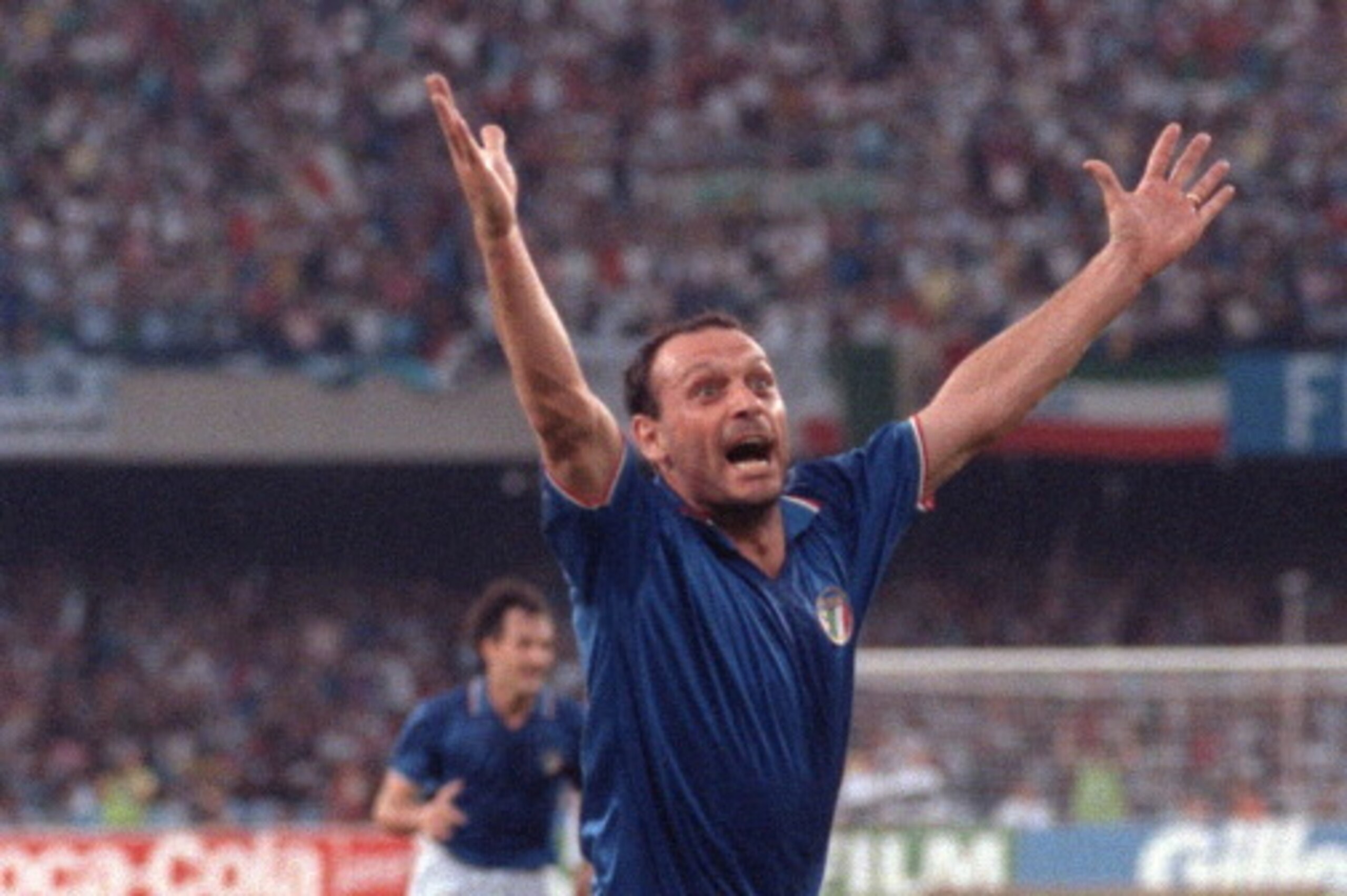
If Sivori’s sustained brilliance was to be admired, the brief time in which Toto Schillaci was a feared striker had to be seen to be believed. Despite having scored 15 goals in his debut campaign with the club, he arrived at the 1990 World Cup as a largely unknown quantity but left as its undeniable hero.
Netting six goals and winning the Golden Boot for being the tournament's top scorer, Schillaci would never top that figure in any of the next four full domestic seasons, eventually moving on to play in Japan with Jubilo Iwata.
Yet for that one summer, he was arguably the world’s most famous footballer. For that reason alone, he deserves his place on this list.



.jpg?w=2560 "Raiders Could Start Mendoza")
.jpg?w=2560 "Rodgers Iced Out on Plane 💎")

.jpg?w=2560 "🚨 Week 8 AP Top 25 Poll")

