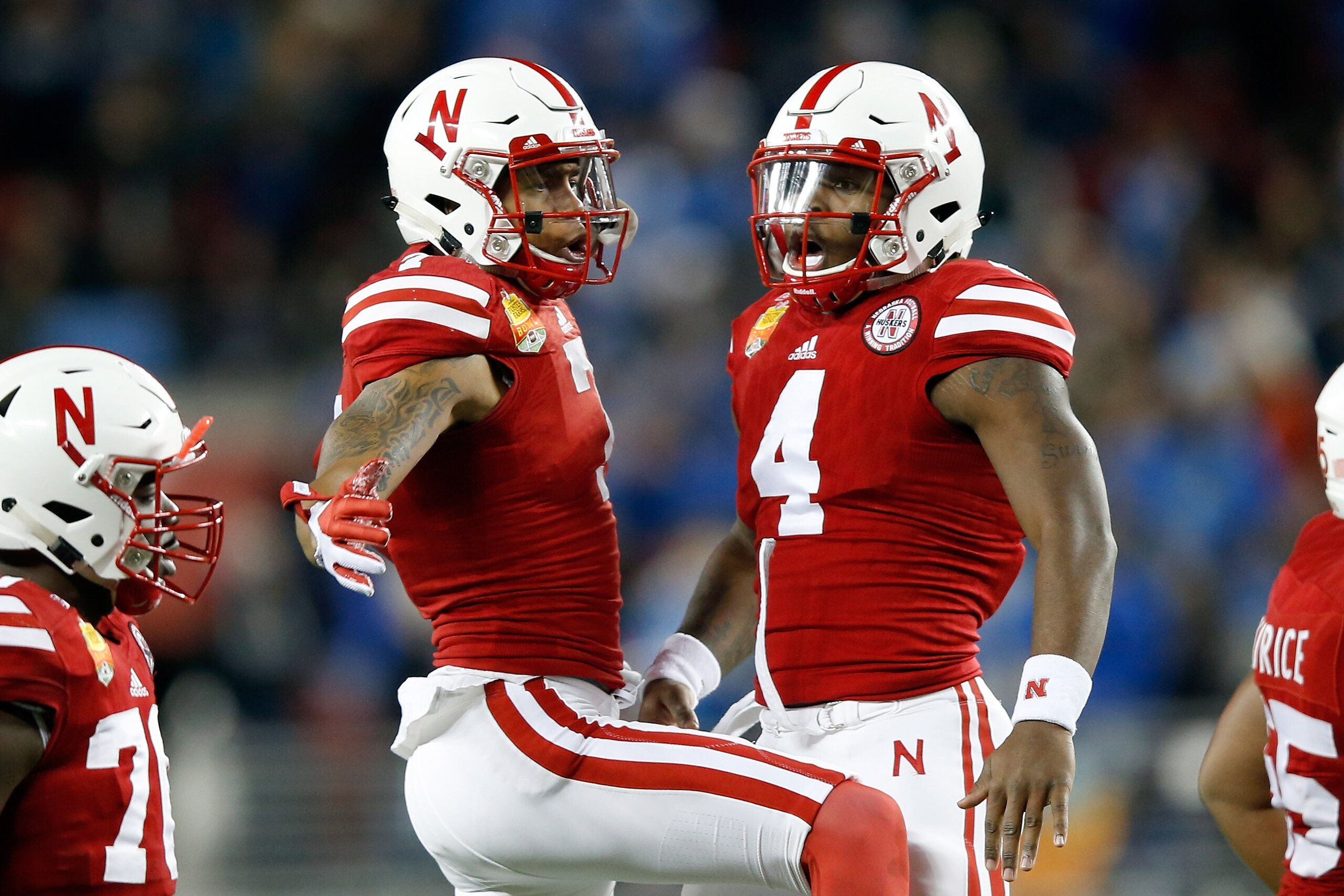

Foster Farms Bowl 2015: Game Grades, Analysis for UCLA vs. Nebraska
UCLA was the team that was one win away from a conference championship game appearance, and Nebraska was one of the three seven-loss squads that were given a bowl game invite.
When the two teams met in Levi's Stadium for the Foster Farms Bowl, it was the Cornhuskers who looked like the better team. Mike Riley used his bullying running game and an opportunistic defense to stun Jim Mora and the Bruins in a 37-29 upset.
UCLA was up big, 21-7, midway through the second quarter, but Nebraska ripped off 30 unanswered points to surge ahead and gain a lead it would never surrender.
TOP NEWS
Top Overreactions after Week 5 of CFB Season 😧

Updated CFP Bracket Projections 🔮

Latest CFB AP poll rankings
How did each team grade out?
| Pass Offense | A | B+ |
| Run Offense | C | D |
| Pass Defense | C | C |
| Run Defense | D | F |
| Special Teams | B | C |
| Coaching | B | D- |
Pass Offense
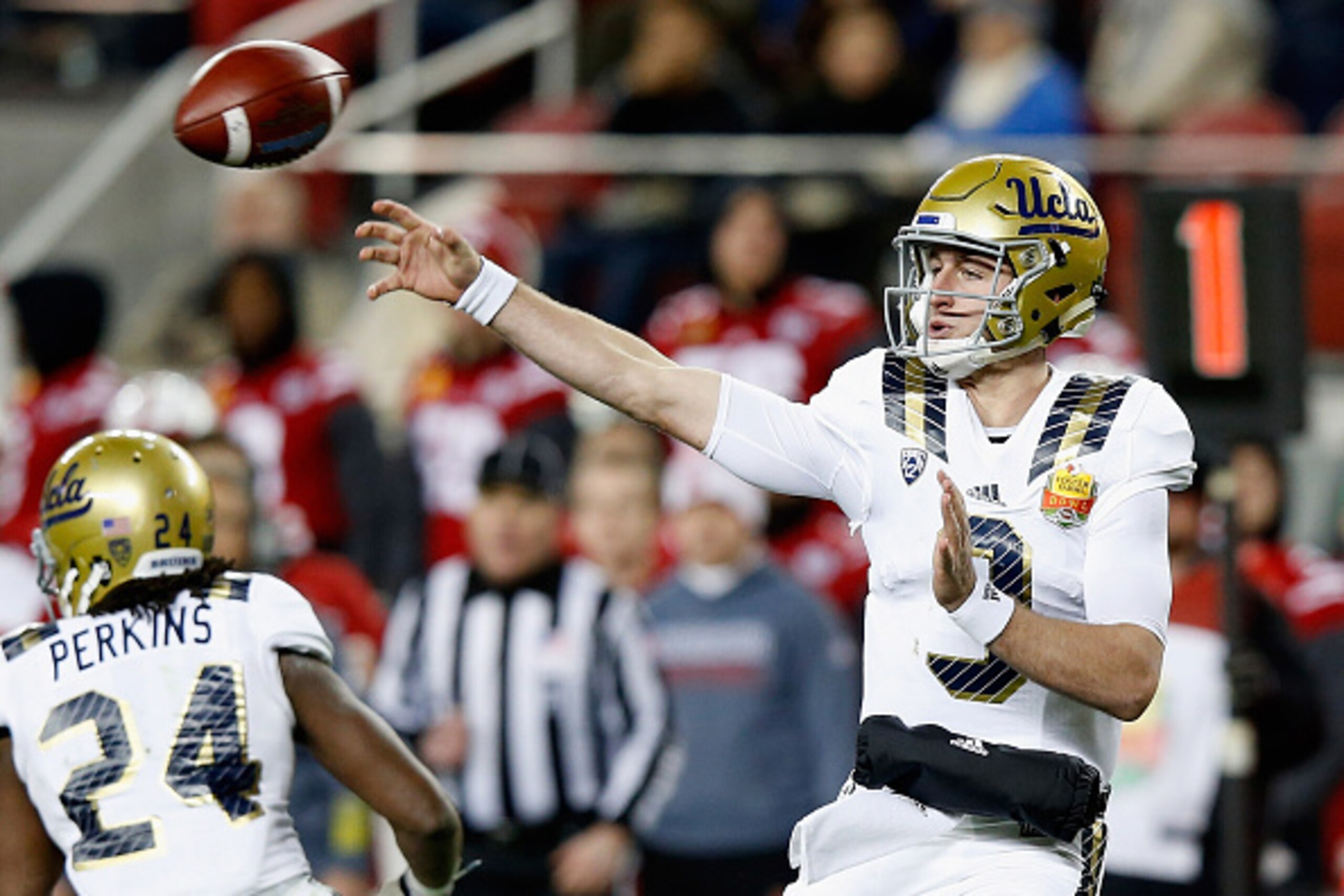
Josh Rosen got off to a bit of a slow start, mainly because Nebraska's offense was able to monopolize the time of possession in the first quarter. But the freshman quarterback got it going in the second quarter when he found Kenneth Walker all alone behind the Nebraska secondary for a 60-yard touchdown.
That sparked an absolutely dominant performance for Rosen, who completed 26 of 40 passes for 319 yards and three touchdowns. He did throw two interceptions, however—the last of which came on UCLA's final offensive snap of the game, which sealed the upset loss.
Run Offense
UCLA came out looking to establish the ground game early, and Paul Perkins answered, chewing up 34 yards and a touchdown in three carries on the Bruins' first drive. But Rosen heated up in the second quarter, and the passing game took over. The ground game only averaged 3.5 yards per carry after the first drive.
The Bruins kept airing it out in the second half at the expense of the running game, which finished with 67 yards on 16 carries. Perkins himself ran for 68 yards on 12 carries, but the rest of the team combined to lose a yard.
Pass Defense
Tommy Armstrong possesses big-play ability, but he struggled with accuracy as he adjusted to Nebraska's new offense this year. UCLA couldn't force those struggles out of Armstrong, though, as he had an efficient night, throwing for 174 yards and one touchdown (against no interceptions). The Cornhuskers completed 63.2 percent of their passes and were extremely effective in play action, and the Bruins secondary did very little to disrupt that.
Run Defense
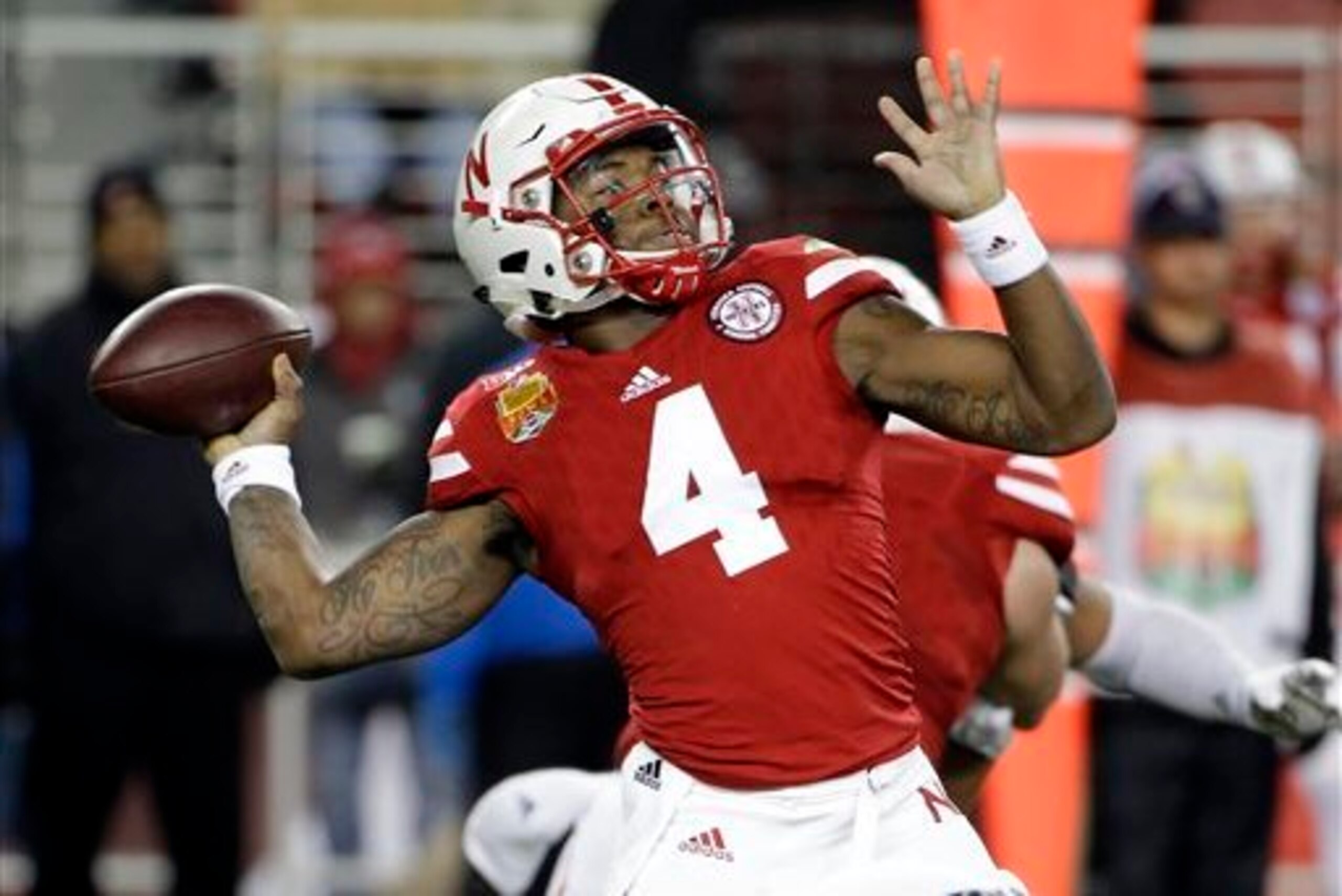
It became clear on the first drive of the game that Nebraska wanted to run the ball against UCLA's beleaguered run defense that ranked 88th nationally, giving up an average of 187.8 yards per game. That proved to be a good strategy as the Cornhuskers absolutely pounded the Bruins front seven, averaging 4.9 yards on 29 carries in the first half.
Nebraska finished with an incredible 326 yards and four touchdowns on the ground.
Special Teams
UCLA had an incredibly ordinary outing on special teams against Nebraska. Roosevelt Davis failed to break a significantly long return to trigger something for the offense. Punter Matt Mengel was solid, averaging 41.8 yards on four punts. But the Bruins needed a big play to spark something or disrupt Nebraska once it got rolling at the tail end of the second quarter. That play never came, even when Lou Groza Award winner Ka'imi Fairbairn was called on late in the fourth quarter. Fairbaird missed right on a 46-yard field goal that would have cut Nebraska's lead to five.
Coaching
Mora pushed all the right buttons early as his team built a 14-point lead in the first half, but the coaching staff (and his players) fell apart during Nebraska's 30-0 run that spanned nearly two full quarters. The Bruins couldn't do anything to stop the Cornhuskers' bullying rushing attack, and the offense faded until the final stretch in the fourth quarter.
It's hard to imagine UCLA was overly thrilled with being paired against a 5-7 team in its bowl game, but it played like the overmatched opponent for most of the night.
| Pass Offense | B | B |
| Run Offense | A | A+ |
| Pass Defense | C | C+ |
| Run Defense | B+ | A |
| Special Teams | B | C |
| Coaching | A | A+ |
Pass Offense
Armstrong has been erratic this season, completing just 54.8 percent of his passes, but he was on point against the Bruins. He didn't throw his first incompletion until early in the second quarter, but he only managed to throw for 106 passing yards in the first half.
He produced the second-half highlight when he connected on a 22-yard touchdown catch with Stanley Morgan, who hauled in the pass with one arm. Armstrong finished with 174 passing yards and one touchdown against no interceptions.
Run Offense
Nebraska's biggest advantage in this game was its rushing attack against UCLA's horrendous run defense, and it hammered that edge all night long. The Cornhuskers ran for 144 yards in the first half, averaging a hair under five yards per carry.
Devine Ozigbo finished with 80, Armstrong added 76 and Nebraska bulldozed its way to 326 yards and four touchdowns on the ground.
Pass Defense
Nebraska's secondary held up nicely in the first quarter, limiting Rosen to 34 yards on four completions. Things bottomed out in the second quarter, though, when Rosen found Kenneth Walker deep for a 60-yard touchdown.
That opened things up for the UCLA offense as Rosen finished with 319 passing yards, completing 65 percent of his passes to complement three touchdowns. The Cornhuskers did come away with two interceptions, including the game-sealing turnover at the end of the fourth quarter.
Run Defense
It looked like it was going to be a long day for Nebraska's front seven when UCLA bullied its way down the field on its first drive, but the defensive front held its ground in the first half, allowing just 55 yards on the ground. The Bruins did most of their damage through the air on Saturday night, though, as they ran the ball just 16 total times for 67 yards.
Special Teams
Nebraska didn't generate any game-changing plays on special teams against UCLA. Kicker Drew Brown connected on his only field goal from 20 yards out, but he made the worst special teams play of the game when he missed badly on an extra-point attempt in the first half.
Coaching
Nebraska came into the game knowing it could run all over the gutless UCLA run defense, and Riley's strategy was perfectly constructed to exploit that. Not only did the Cornhuskers have a big day on the ground—that success opened things up for Armstrong and the passing attack's play-action game.
Riley didn't panic when the Cornhuskers found themselves in a 14-point hole. The coaching staff stuck to its plan and pounded away on the ground, and that decision produced the upset win.
_0.png?w=2560)


.jpg?w=2560 "Grading WWE Raw 🔠")


.jpg?w=2560 "Viral Rams Coach Vid 🖕")


