

AC Milan Bosses Must Realise Sinisa Mihajlovic Is Not the Problem
Sinisa Mihajlovic was looking at a tall order when he took over the head-coaching position at AC Milan this summer. The Rossoneri were facing their second consecutive season without European competition—an almost unheard-of failure by the team's exacting standards.
The previous season under rookie coach Filippo Inzaghi had been a disaster. The team ended the season looking dejected, playing terribly and only just squeaking into the top half of the table in 10th place. It was going to take some doing to get Milan back to where they're used to being in Serie A.
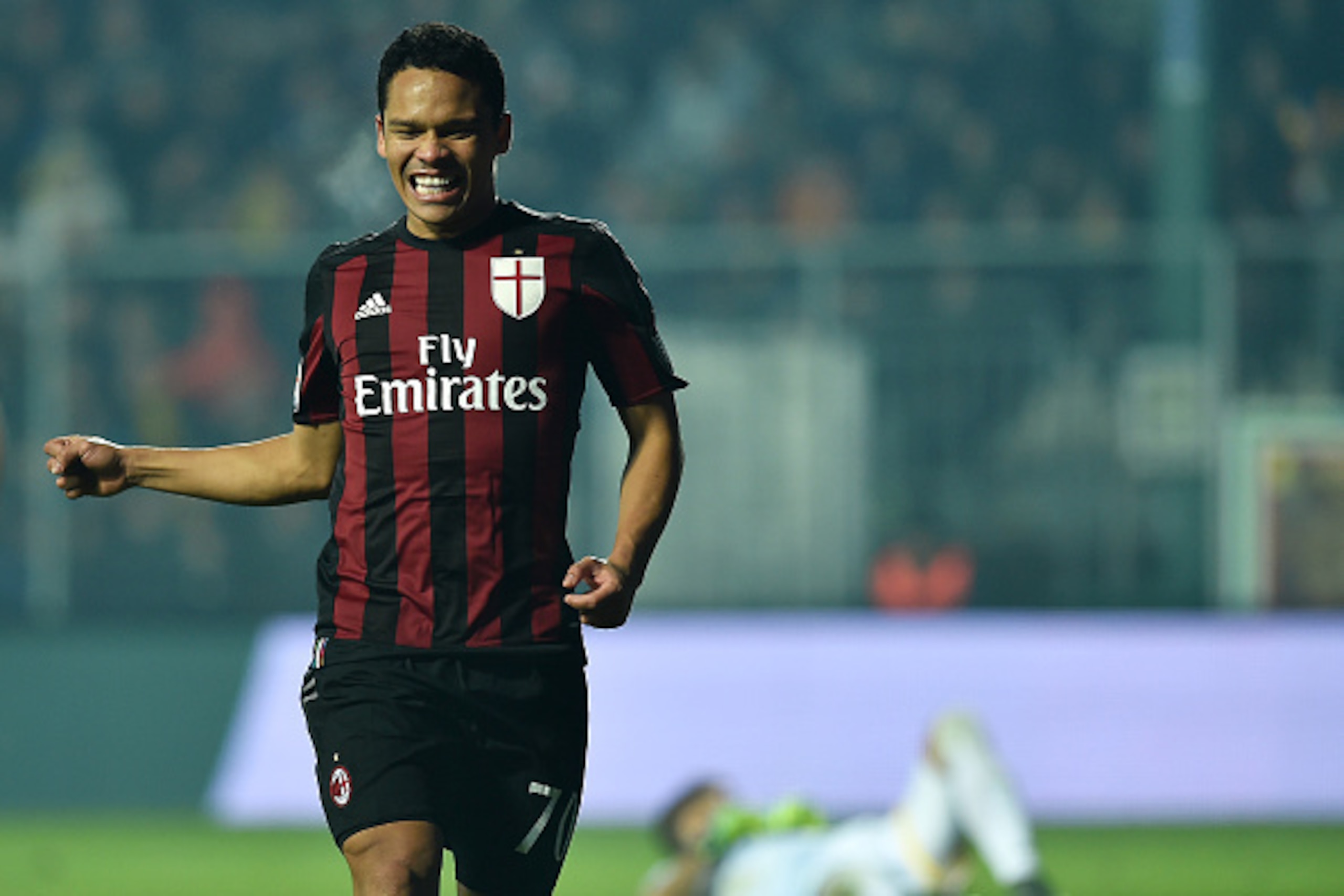
He had a few reinforcements. Carlos Bacca arrived from Sevilla for €30 million and contributed immediately with nine goals between the league and the Coppa Italia. Young centre-back Alessio Romagnoli was pinched from Roma for €25 million, and while he needs some polish, he has shown he can be the long-term building block that a beleaguered defence has needed for years.

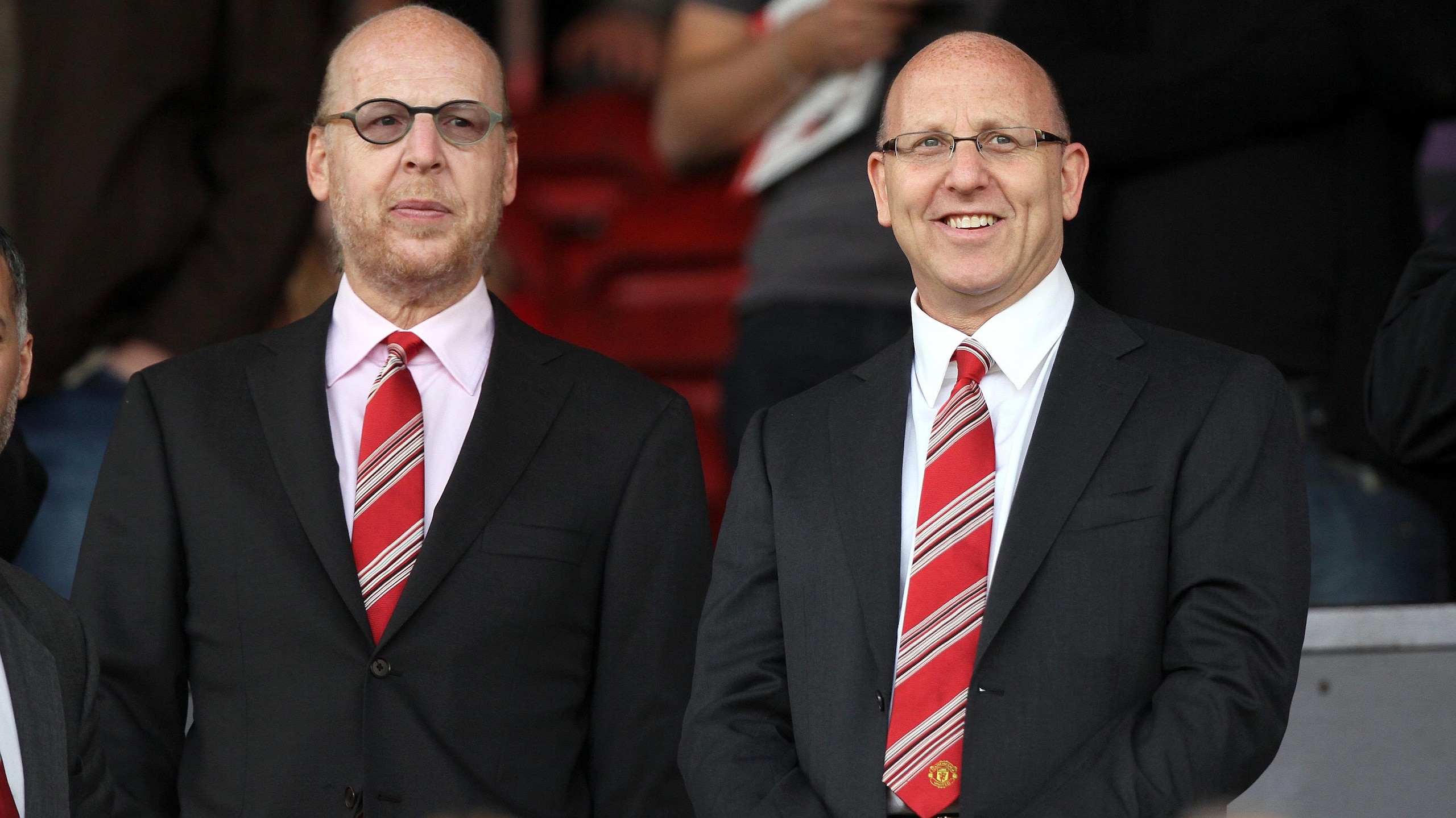
In total, once other purchases such as Andrea Bertolacci, Luiz Adriano and Juraj Kucka are factored in, Milan spent a little more than €86 million in the transfer market this summer. The team's top brass hoped that that investment and an experienced new coach would catapult the team back to the promised land of the Champions League places.
Unfortunately it hasn't gone quite according to plan—and more unfortunate still is that Mihajlovic may end up paying the price for it.
The Rossoneri currently sit sixth in Serie A on 28 points. That's a point ahead of Sassuolo and Empoli and four behind fifth-placed Roma. Compared with last season, they're actually ahead of the curve. At this point last season, Inzaghi had garnered 25 points and sat seventh.
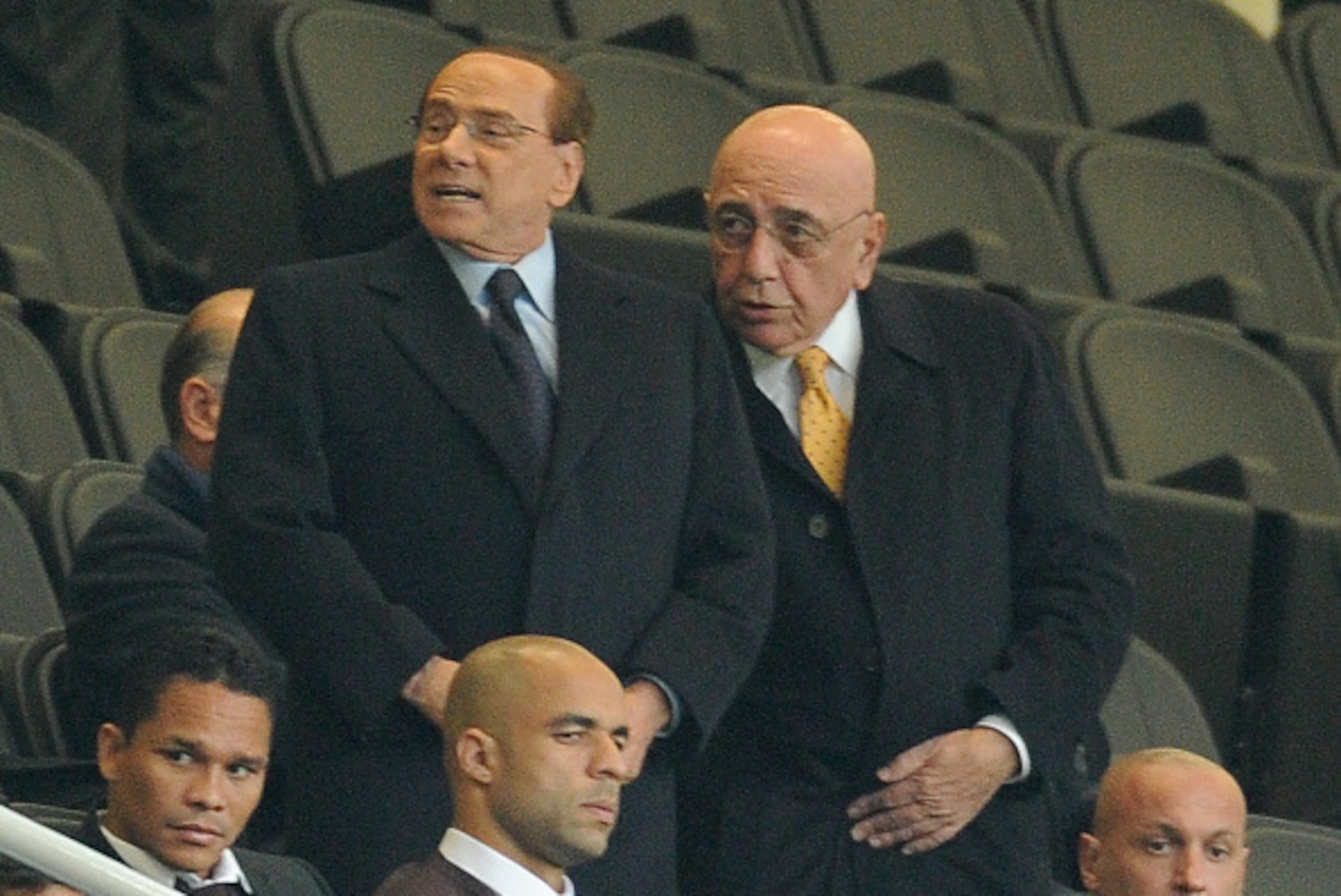
It's improvement, but it's not the quantum leap that owner and president Silvio Berlusconi craves. According to a report from Football Italia, he expressed frustration at a dinner for the political party, Forza Italia, that he is head of.
"I am still in love with Milan," he said. "Just think that this year I spent €150 million for the club. I don't know when we're going to get back to winning ways, so of course I'm angry. Wouldn't you be?"
It's not certain where he came by the number he quoted—perhaps wages and other investments that aren't splashed across the front pages figure into his thinking. But what is clear is that Berlusconi expects instant gratification—and that's not realistic in football.
It probably wasn't even that way in the 1980s when he bought the team.
Milan broke the transfer-fee record three times in Berlusconi's first decade with the team, but only one of those moves—the 1987 signing of Ruud Gullit—lived up to the expectation of that money. It is, of course, unfair to fully mark Gianluigi Lentini as a failure given the mitigating circumstances surrounding his decline, but throughout Berlusconi's entire Milan tenure the big-money buys haven't necessarily been the most important.
The best Milan teams—the ones helmed by Arrigo Sacchi, Fabio Capello and Carlo Ancelotti—were built up properly. They had a core formed around academy products like Franco Baresi, Paolo Maldini and Alessandro Costacurta or the signing of young players like Roberto Donadoni, Andrea Pirlo and Kaka. Big-money signings only augmented that process.
Berlusconi is expecting the opposite here. This team has the makings of a core, but it hasn't solidified yet.
Gianluigi Donnarumma has a massive amount of potential that, if realised, could make him the next great Italian goalkeeper in the vein of Gianluigi Buffon and Dino Zoff. Romagnoli has sky-high potential as well and could be an Italy international for years.
But it's not complete yet. The team still doesn't have a creative force in the midfield it can rely upon. The full-back spots have potential in Davide Calabria and, if he ever figures himself out, Mattia De Sciglio, but the current starters are too old to be long-term core players. Bacca and Adriano are in their primes now—but will they be when the youngsters hit their stride?
Berlusconi is going about this backwards. He's buying what he hopes will be decisive pieces and expecting his brand-new coach to take a team that still has holes to the Champions League.
Now Berlusconi is doing the easy thing—refusing to take responsibility for the team's makeup and instead blaming Mihajlovic. A week ago, ANSA (h/t Football Italia) reported that he expressed his disappointment with the coach and complained about him rather than the fact that Milan had a clear penalty denied at the end of their 1-1 draw with Hellas Verona.
That failure put the Serbian on notice, and it was reported by Tuttosport (h/t Football Italia) that if he didn't win his next two games—against Sampdoria in the Coppa Italia and Frosinone in the league—he would be out of a job.
Mihajlovic avoided that fate—for now—by winning both games 2-0 and 4-2, respectively, but Berlusconi needs to move his finger off the button permanently.
Firing his coach would be counterproductive in numerous ways. For one thing, if he's upset about his financial outlay—and he might very well be, as reports from La Repubblica (h/t Football Italia) say Bee Taechaubol is having problems gaining the necessary capital to complete his anticipated investment—firing his coach would add a lot of dead money to his wage bill.

Milan is still paying out the last year of Inzaghi's contract. Firing Mihajlovic will mean paying him until the end of next season and whoever might replace him. For a team that until this summer had been under a major spending freeze for the better part of five seasons, that's not smart spending.
There's also the question of who would replace him. There aren't all that many promising candidates with experience taking teams to the top. Carlo Ancelotti is going to Bayern Munich next year, and Luciano Spalletti is widely expected to take over at Roma. Football Italia has noted reports from Radio Radio, Mediaset Premium and SportItalia that he has been present near their Trigora training facility.
Walter Mazzarri came close to the top, but he is totally inflexible in his tactics and finds the blame for failure in everyone but himself. Cesare Prandelli is chomping at the bit to get back into managing, but after his high-profile failure at the World Cup and a flop at Galatasaray, will a big team trust him so fast?
If a suitable candidate is found, there's no guarantee that they will get immediate results. It could take a long time for a new system to take hold. Look at Roberto Mancini at Inter last year. The Nerazzurri struggled through the second half of last year before coming together this season. A similar adjustment period could drop Milan out of Europe again—an unacceptable result.
Mihajlovic has Milan in a better spot than they were in last year and has better players to work with. He needs to be given the chance to take it the length of the season—indeed, the length of his contract.
Berlusconi, on the other hand, needs to finally acknowledge that this team's problems come not from the dugout but the executive offices. This team is being mismanaged, from the roster to the aborted plans to build a new stadium. The manager is the least of Silvio's problems. He needs to focus on the things that need to be fixed.


.jpg?w=2560 "Raiders Could Start Mendoza")
.jpg?w=2560 "Rodgers Iced Out on Plane 💎")

.jpg?w=2560 "🚨 Week 8 AP Top 25 Poll")

