
Real Madrid's Best All-Spanish Liga XI vs. Best Overseas XI of Past 15 Years
In the world of football, clubs don't come any bigger than Real Madrid. Over the years, the team from the Spanish capital has built a global following by consistently chasing the world's biggest trophies and signing the world's most famous players.
So, that got us thinking: What if the best of Real's players over the last 15 years faced each other in a one-off match? Most of the constraints of reality (for instance, their current age) wouldn't apply, with two exceptions.
Firstly, we've separated the teams by nationality, with Spanish players going up against the rest of the world. Secondly, we've loosely limited this to the last 15 years, meaning any player who featured for Real Madrid between 2000 and December 2015.
To make our selections, we considered how important the players were to Real Madrid, not just how good they were during their career or how much fame they acquired. Extra points went to players who helped Real win major trophies like the UEFA Champions League, La Liga and the Copa del Rey.
From there, we compared the teams in four areas: goalkeepers, defenders, midfielders and forwards. As much as possible, we tried to imagine each player making his individual contribution at the height of his powers with Real Madrid. This part was subjective, and the team with more quality in more areas won the hypothetical matchup in our brains.
Without further delay, let's get to the teams.
Goalkeepers
1 of 8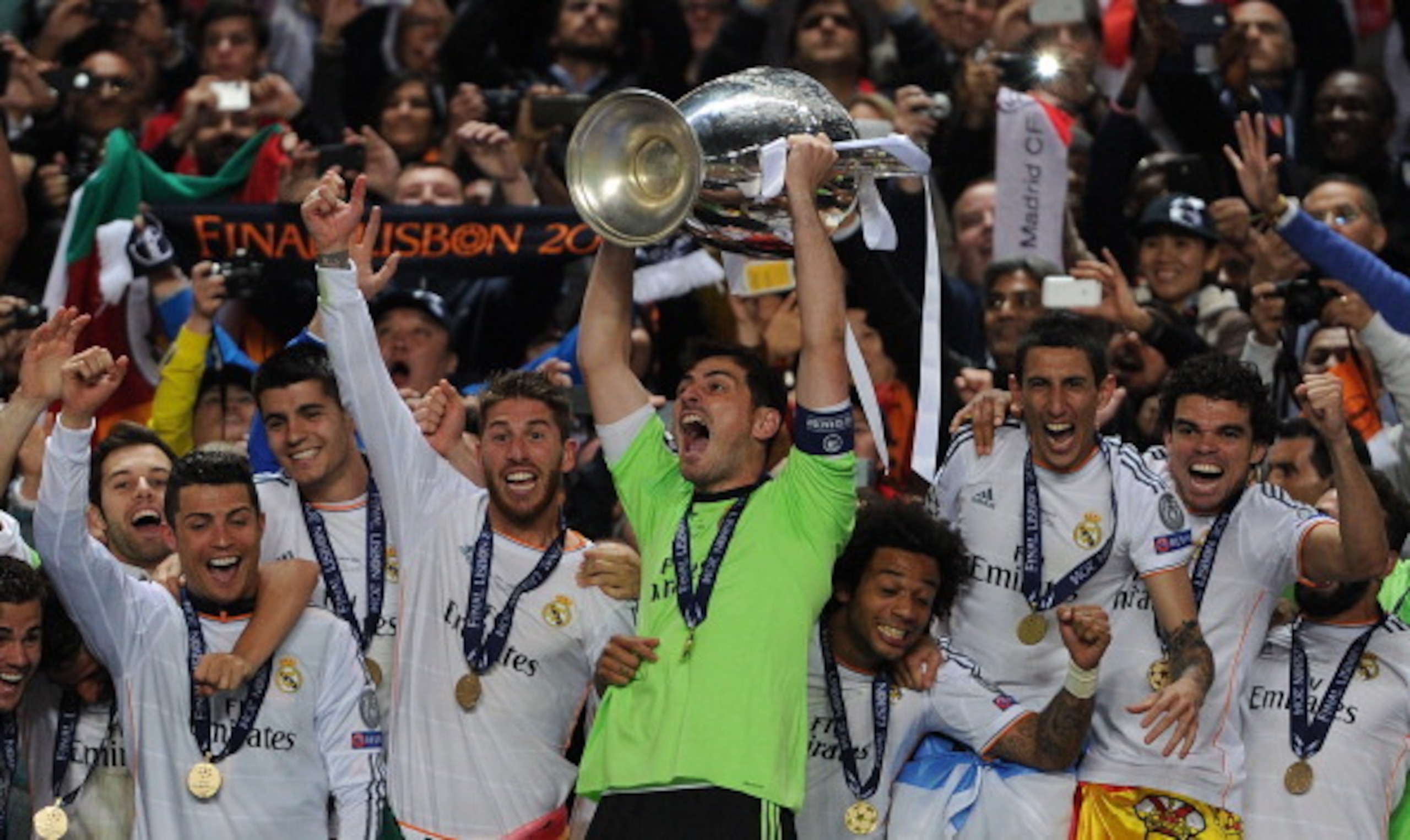
If you don't know who's going here, you're probably not in the right place. Iker Casillas is the obvious choice for Real Madrid's Spanish representative at goalkeeper after devoting 16 years of service to the club from 1999 until 2015.
During that time, Casillas and Real Madrid won practically every trophy available. His C.V. reads like a bucket list any and every footballer would want to check off during the course of a career: five La Liga titles, two Copa del Rey triumphs and three UEFA Champions League crowns. In addition, he helped Real win the Supercopa de Espana, the UEFA Super Cup and the FIFA Club World Cup.
Vastly experienced at both club and international level, Casillas has also won two European Championships and one World Cup with Spain.
In his prime, he easily ranked among the very best in the world. Now with Porto, he's not quite at that level anymore, but his best years were in Madrid.
So then, who gets the nod in our overseas team? Owing to Casillas' greatness and longevity, we really didn't have many choices.
But a look at the current roster might give us the answer. Though he could seem an odd choice at first, Keylor Navas gets the slot. Bodo Illgner made more appearances for Real Madrid but was in decline by 2000, the arbitrary date at which we've started considering players.
Beyond him, there really weren't many more choices. So Navas, who hails from Costa Rica, starts in goal for our overseas team.
Defenders: Spain
2 of 8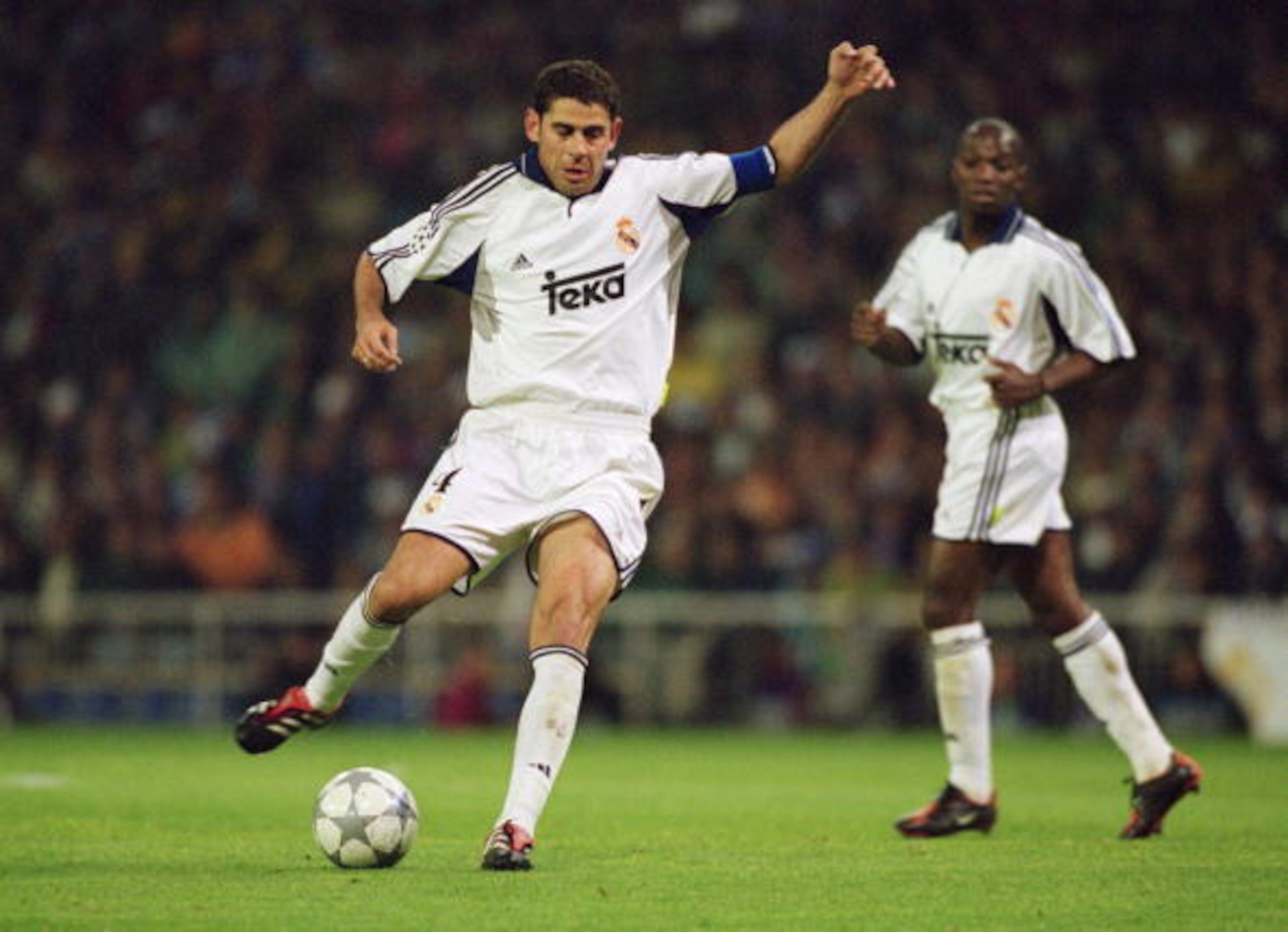
Defense is where we had to start making some tough choices. Let's begin with the Spanish side.
Ivan Helguera, a center-back, made more than 200 league appearances for Real Madrid, winning the Champions League twice and La Liga three times. Aitor Karanka, another center-back, won three Champions League titles, though one came in 1998, before the scope of our project.
More recently, Sergio Ramos has become a stalwart at center-back for Los Blancos. He's won the Champions League "only" once, but he's made more than 300 league appearances and has been a key member of the squad for years now.
Then there's Fernando Hierro, a brilliant defender whose best years came before 2000. But we can't overlook his overall importance to Real, with more than 400 league appearances, five league titles and three Champions Leagues.
Ivan Campo is another name that sticks out at center-back, but his statistics don't match up to the others.
So who goes into the squad? It might come down to personal opinion, but we've opted for Ramos and Hierro for their defending and attacking skills, combined with loads of experience and leadership qualities.
At right-back, our choice is Michel Salgado, who spent 10 years with the club, from 1999 until 2009. Capped 53 times by Spain, Salgado helped Real Madrid win La Liga four times and the Champions League twice.
Finding a candidate at left-back was much tougher. In the Champions League-winning seasons of 1999-2000 and 2001-02, Brazilian Roberto Carlos manned that spot. And in 2014, it was Portugal's Fabio Coentrao.
Daniel Carvajal played across the formation, at right-back, in the latter game, but moving him to the left wouldn't work. So we've gone with Alvaro Arbeloa, a right-back who can also play on the left—and, more importantly for our purposes, a Spaniard who's made 150 league appearances with Real Madrid.
Defenders: Overseas
3 of 8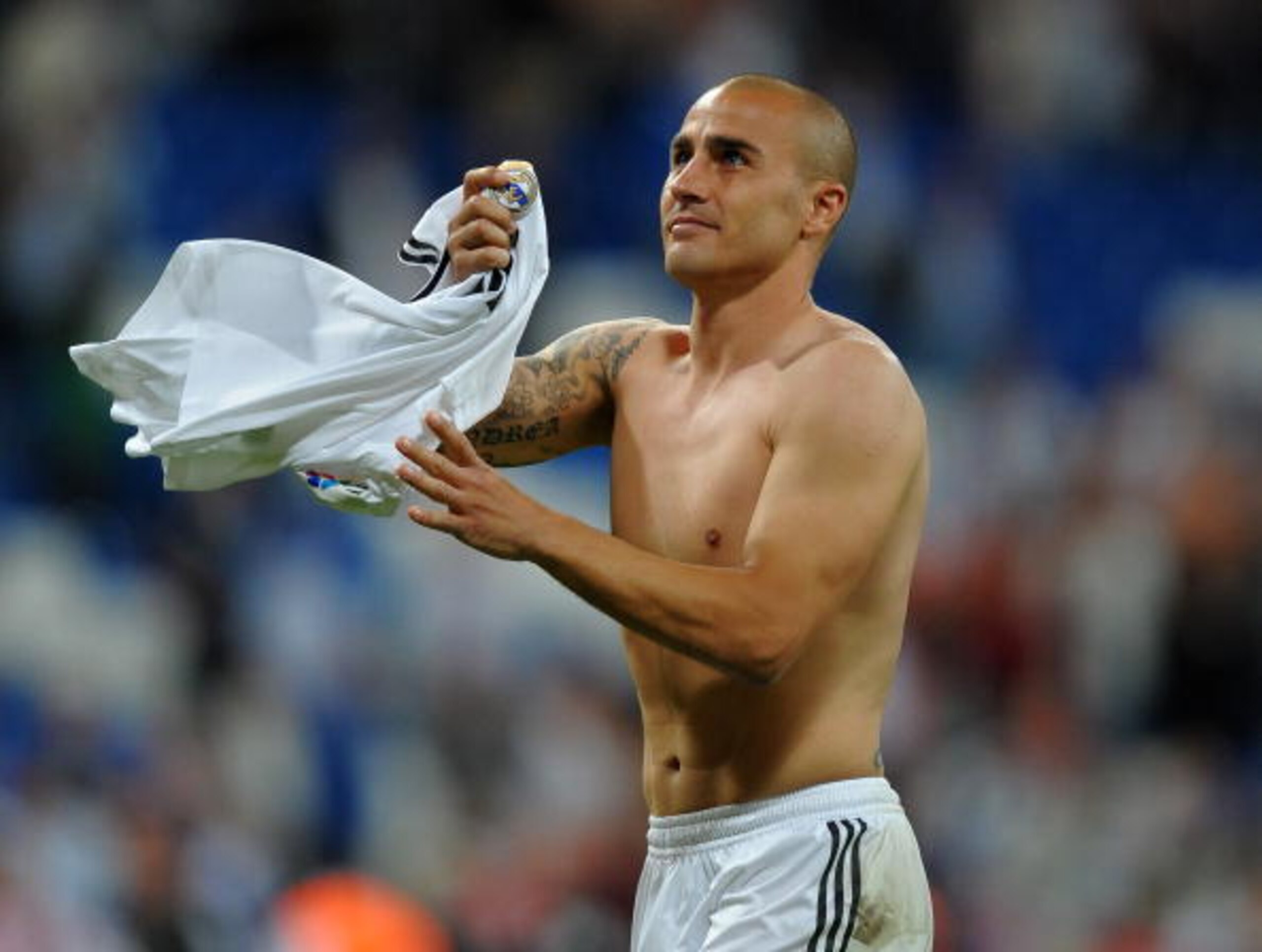
For our overseas back line, let's start with the most difficult position—right-back.
To put it bluntly, there aren't many choices here. Cameroonian international Geremi Njitap spent four years at the club, earning Champions League medals in 2000 and 2002. And, well, the list doesn't go far beyond that.
That is, unless we want to put Marcelo there. But Marcelo is a left-back, and it wouldn't be right to move him across the formation to a position in which he's not comfortable. And yet, Marcelo doesn't even make it into our side because of Roberto Carlos, a Brazilian.
Why? See here.
Italian center-back Fabio Cannavaro became a world-famous name for his exploits with Italy at the 2006 World Cup, after which he joined Real Madrid. He made nearly 100 league appearances and won a pair of league titles with Los Merengues.
Ricardo Carvalho was another vastly experienced center-back who played for Real Madrid, but he played limited minutes in two of his three seasons with the club.
So, instead of Carvalho, we've partnered Cannavaro with Pepe. The Portuguese international can be a real hothead on the pitch, but he's also shown himself to be an immensely tough defender since joining Real in 2007.


.jpg?w=2560)
Midfielders: Spain
4 of 8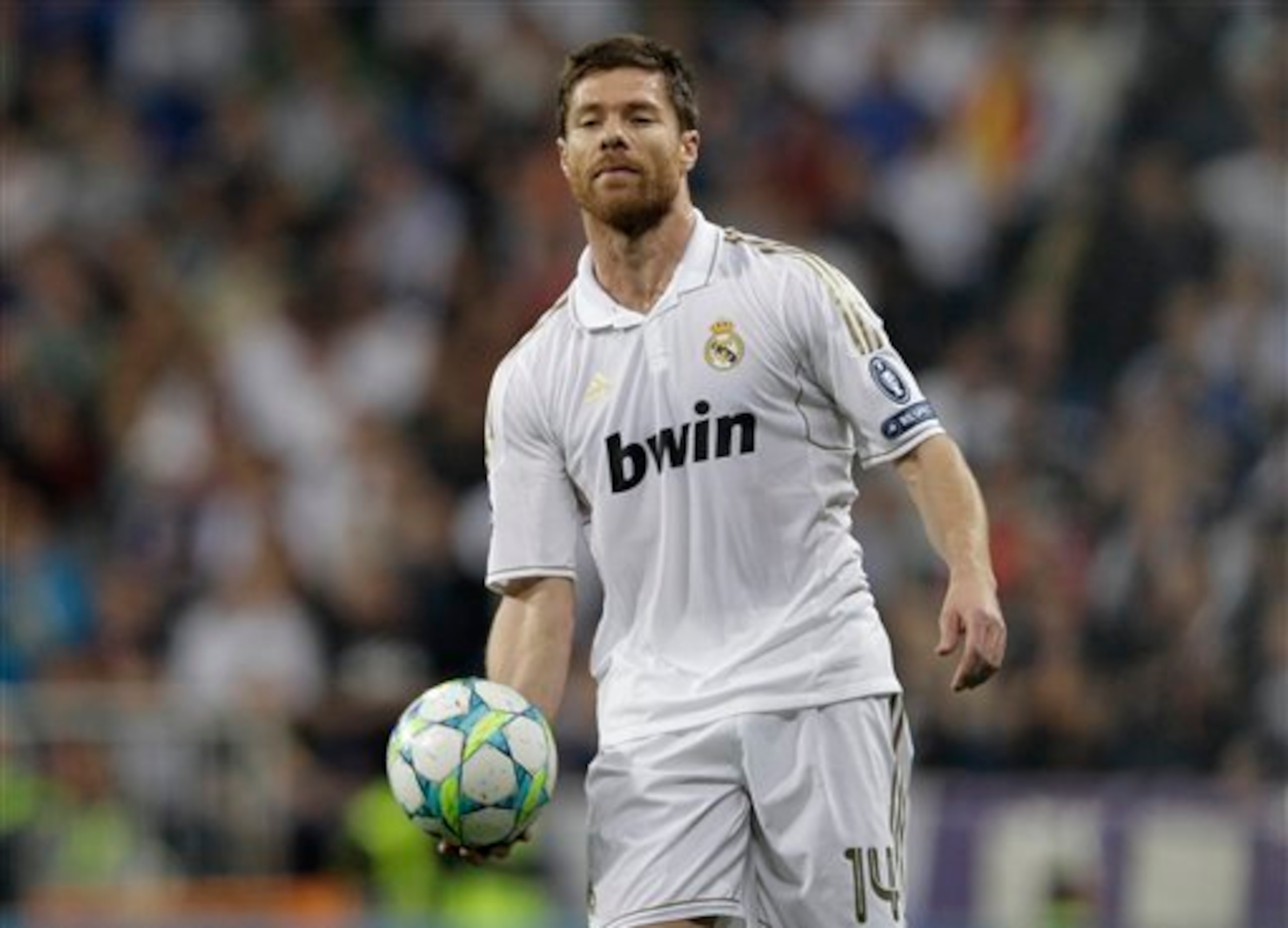
In the midfield, Spain is at a decided disadvantage.
Let's start with the good news. Xabi Alonso is an easy choice to play a deep, central role. Now with Bayern Munich, the Spaniard has always possessed an amazing ability to send perfect passes to almost any area of the pitch at almost any moment.
At attacking mid, we've gone for Guti, who made nearly 400 league appearances and won 15 major trophies with Real Madrid.
Now, the tougher choices. Who plays on the wings? The options are limited, to say the least.
Due to the lack of viable alternatives, we selected Isco and Jese. Both are still young, and including them seems odd. But who else would you choose?
One could make a case for Jose Callejon, but we went with Isco and Jese because of their superior list of honors with the club. That might be unfair, considering that winning the league is a team accomplishment, but this was hardly Spain's strongest part of the squad anyway.
Midfielders: Overseas
5 of 8
Selecting a midfield for the overseas team was equally different—but for very different reasons. Instead of having too few choices, we had way too many.
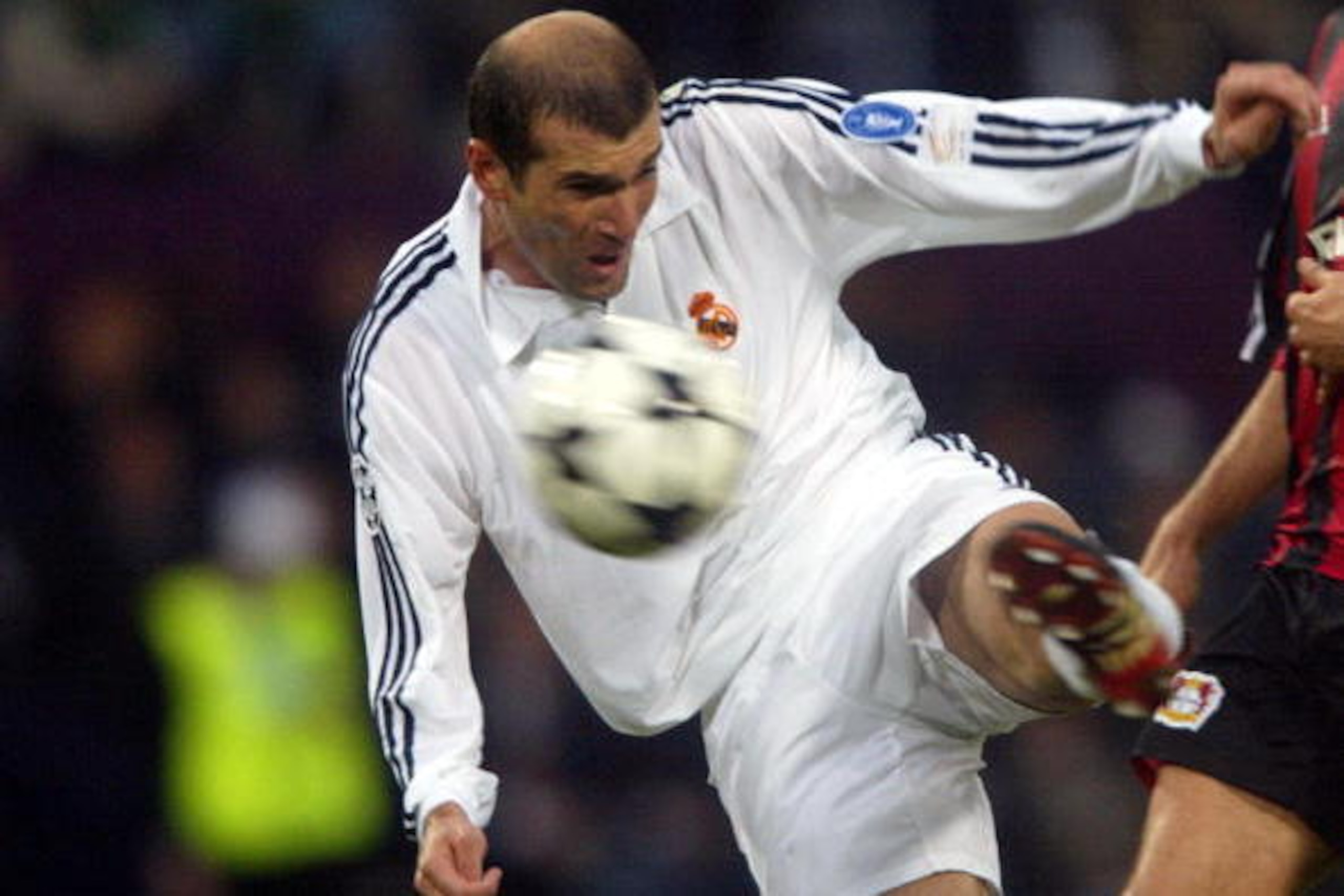
First, though, we reserved a spot for Zinedine Zidane in a central attacking role. Zidane ranked among the top players of his generation, and he won one Champions League and one Liga title with Real.
Plus he scored this goal to win a Champions League final. Zidane simply had to be part of the squad.
But with Zidane in, that meant we had to leave out several supremely talented players. What about Kaka? Wesley Sneijder? Mesut Ozil? James Rodriguez? All are amazing playmakers, but we couldn't leave out Zidane.
On the wing, we also reserved a spot for Cristiano Ronaldo. Yes, the Portuguese international can play as a center-forward, but we decided that saving space in the forward line was worth it.
For the remaining slot on the other wing, the competition was fierce. Luis Figo had five very good seasons with Real Madrid, winning two league titles and one Champions League. Angel Di Maria had four very good seasons in the capital, winning the league once and the Champions League once.
David Beckham spent four years in Madrid, winning the league once, but his best days were undoubtedly at Manchester United. Similarly, Arjen Robben played two seasons with Real but is better known for his work elsewhere.
So, who gets the slot? Tough call, but we went with Figo. Feel free to disagree.
That leaves one more place for a deeper-lying player. Again the competition was tough, with Claude Makelele and Fernando Redondo making strong cases. Redondo had the longer career with Madrid and won the Champions League twice to Makelele's once, but Redondo's time with Real ended in 2000. Makelele, by contrast, played in the capital from 2000 until 2004.
So, based on the parameters of our project, Makelele gets the nod.
Forwards: Spain
6 of 8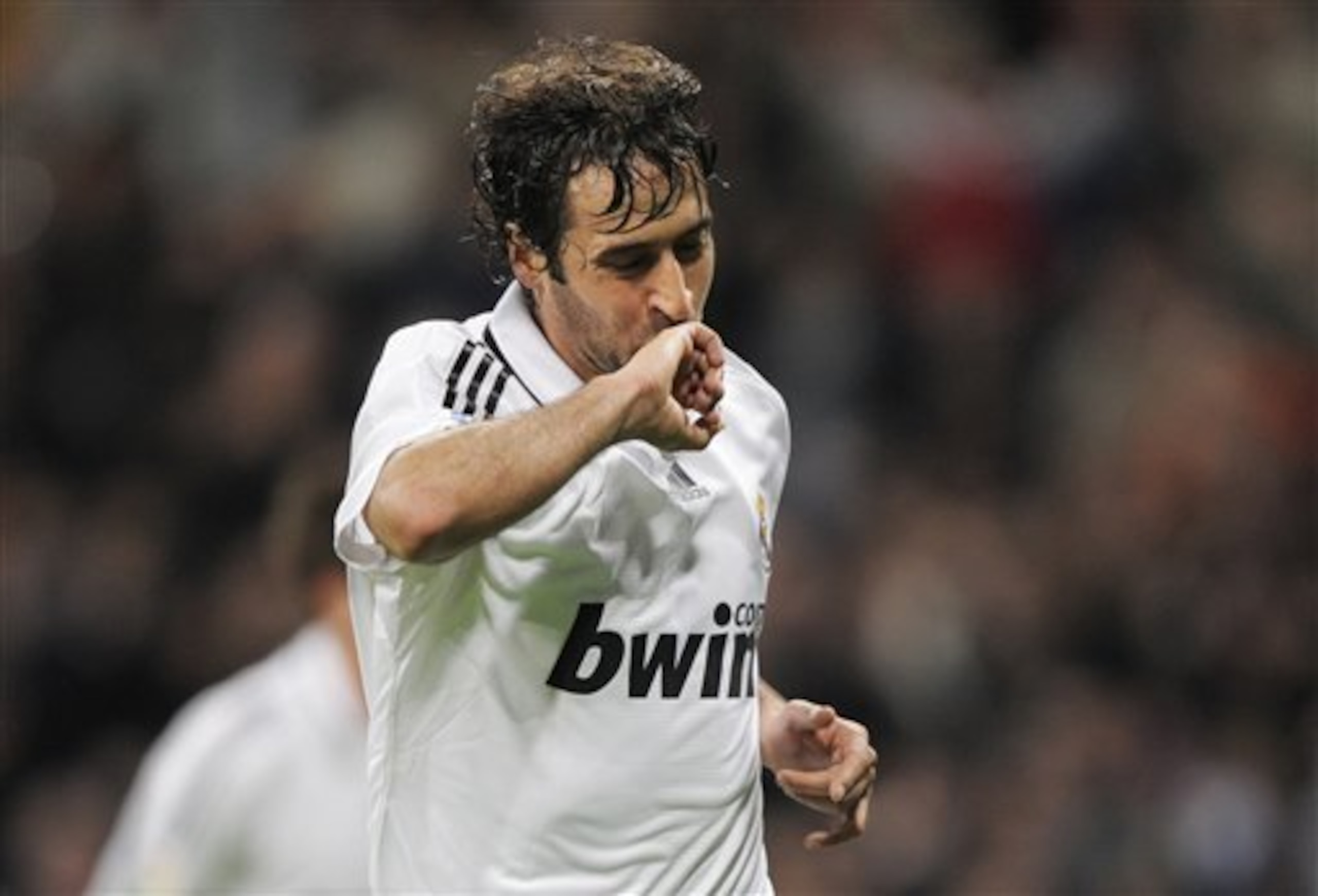
Picking a two-man attack for our Spain side wasn't all that difficult.
Raul finished his Real Madrid tenure as the club's all-time leading scorer. He's since been surpassed by Cristiano Ronaldo, but that doesn't diminish his greatness at all.
In the long, sparkling history of Real Madrid, Raul has his own chapter. He was that important during his 16 years with the club.
Partnering Raul up front is Fernando Morientes, a lethal threat up front from 1997 until 2005. During that time, Morientes scored loads of goals—including the opener in the 2000 Champions League final—and helped Real win the Champions League three times and La Liga twice.
Forwards: Overseas
7 of 8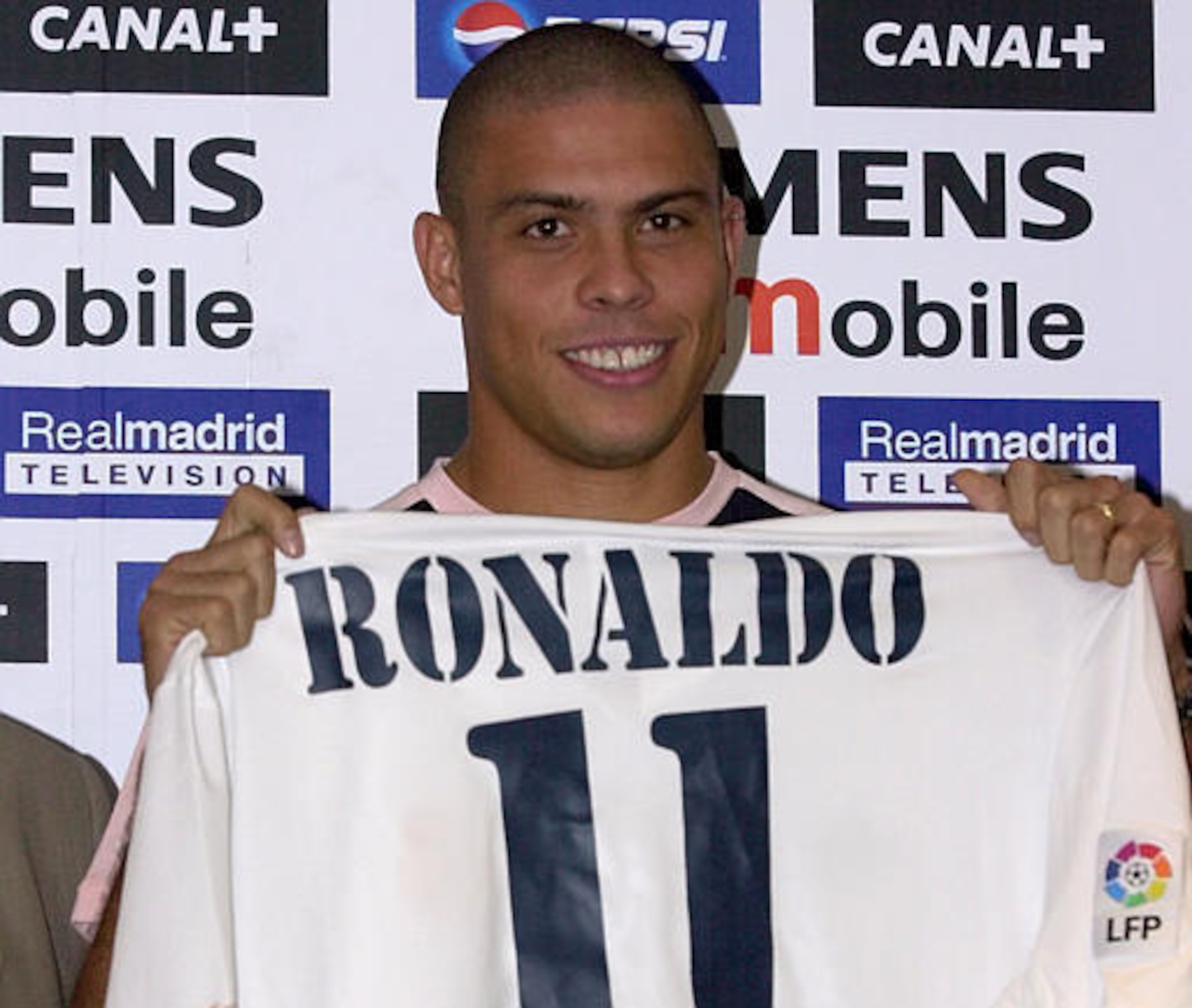
As previously noted, we included Cristiano Ronaldo—Real Madrid's all-time leading goalscorer—as a wide midfielder. For our overseas forward line, though, we've reserved room for the other Ronaldo, the Brazilian.
In his day, Ronaldo was the most fearsome striker in the world. Il Fenomeno, as he was known during his time in Italy, could terrorize the very best of defenders.
Ronaldo joined Real Madrid in 2002, staying until January 2007. Though he didn't win the Champions League, he helped his side to the league title in 2002-03 and scored more than 100 goals in all competitions.
Selecting his partner came down to a familiar dilemma—Karim Benzema or Gonzalo Higuain? Real Madrid went with Benzema in 2013, when they sold Higuain to Napoli. But in six years in the Spanish capital, Higuain scored 107 league goals. Benzema, who's been with Real since 2009, is currently on 98 league strikes, having played a similar number of games.
Higuain won three league titles, but not the Champions League, with Real Madrid. Benzema has won La Liga and the Champions League one time each.
It came down to this: Benzema is still with the club and we expect him to keep scoring. The Frenchman thus gets the nod in a very, very tight decision.
Head-to-Head
8 of 8
Here's a look at our two squads:
Spain: Casillas; Salgado, Ramos, Hierro, Arbeloa; Isco, Alonso, Guti, Jese; Raul, Morientes.
Overseas: Navas; Geremi, Cannavaro, Pepe, Roberto Carlos; Figo, Makelele, Zidane, Cristiano Ronaldo; Benzema, Ronaldo.
So who would win? Spain would have the clear edge at goalkeeper, thanks to Iker Casillas. But that would be Spain's only advantage. The overseas side has the better midfield, with the defensive and attacking lines relatively even.
Choosing between the sides is difficult, but if a group of mad scientists somehow made it happen, with all these players facing each other in their primes, we think the overseas midfield would tip the scales: Spain 1-2 Overseas.


.jpg?w=2560 "Viral Rams Coach Vid 🖕")


