

Tottenham on Verge of Transformational Era with New Stadium and on-Field Success
Tottenham Hotspur's place among the biggest clubs in English football was secured by their glorious period in the 1960s.
The first English club to win the league and FA Cup double in the 20th century back in 1961 and then the first British club to win a European trophy, the 1963 European Cup Winners' Cup, Spurs carved out a permanent place for themselves.
Through the 1980s, Tottenham were still considered one of the traditional big five alongside Liverpool, Everton, Arsenal and Manchester United.

.jpg?w=2560)
Financial mismanagement both before and during the stewardship of Alan Sugar cost the club dearly.
As Sir Alex Ferguson was constructing a global juggernaut at the birth of the Premier League era in 1992, Spurs were in the doldrums.
Their place in the elite was lost, and it has taken decades to even be competitive at the top again.
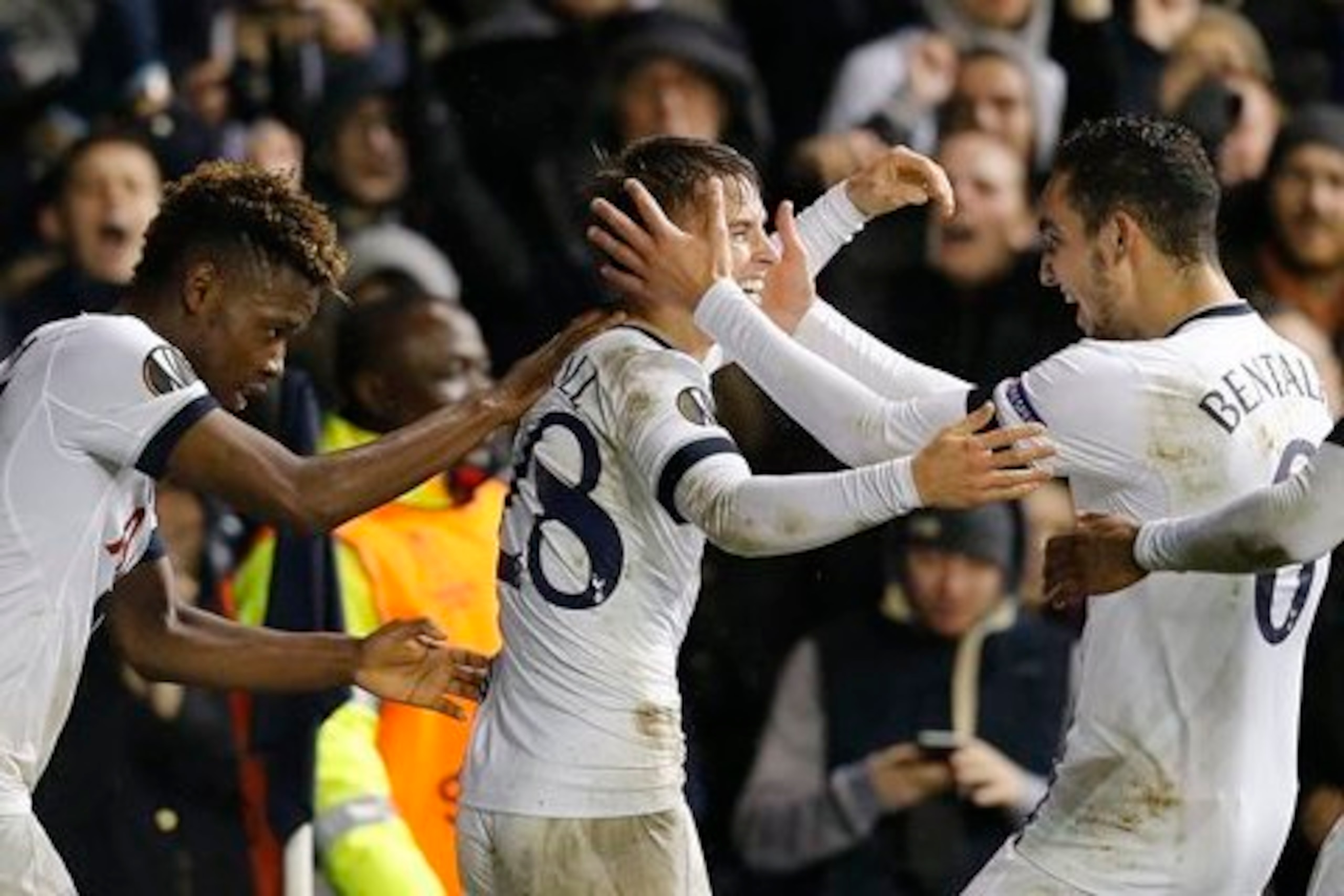
Chairman Daniel Levy has proved a divisive figure in his 14 years at Tottenham, but there is little room to debate the improvement of the club's standings in that time.
Spurs finished the 2000-01 season 12th, the third time in four years they finished in the bottom half. They were closer to relegation than the Champions League.
Manager Mauricio Pochettino has built an excellent team, making use of an unusually prodigious academy and getting the best out of many of the big-money signings that the club has made in recent years.
Looking at the campaign in mid-December, it seems a failure to finish in the top four would make this season a disappointment. That alone is indicative of the progress that has been made.
Barring a catastrophic collapse, this will be the seventh season running that sees Spurs earn a top-six finish.
Unfortunately, football is dominated by the rich.
Chelsea may finish this season among the plebeians in the bottom half of the Premier League table, but their limitless wealth guarantees a return to the patrician top four next season.
As Spurs have found to their cost in failed pursuits of Oscar and Willian, Chelsea cannot be outbid.
There is nothing new in Chelsea and Manchester City's owners attempting to dominate English football with private fortunes. Blackburn Rovers' Jack Walker was naked in his ambition to do just that in the 1990s.
Even Manchester United's empire was built on huge investment in the stadium and playing squad under Sir Matt Busby.
That is why the approval by Haringey Council of Tottenham's new stadium plans, reported by the Evening Standard, is so vital. The only remaining hurdle is the consent of the Mayor of London, Boris Johnson. He is a supporter of Spurs' project, so that should be a formality.
Arsenal generate £100 million, Manchester United £108 million and Chelsea £71 million directly from stadium income, according to the Guardian. By comparison, Spurs bring in just £35 million.
Tottenham can legitimately aspire to make more money than any of them in this regard because of the 10-year NFL deal announced in July. This will be particularly important the pact for a minimum of two American football matches per year blossoms into a full-blown NFL franchise. Either way, the agreement means Spurs' new home will produce massive revenues for the club.
The fact the club plans not to take on any significant debt in order to fund their new home means any of the financial limitations that hamstrung local rivals Arsenal during their similar move should be avoided.
In the 2018-19 season, Spurs will move into London's biggest club stadium—the new ground will have a 61,000 capacity—and immediately be able to put that financial might to use.
The key is not simply building a new stadium or breaking back into the Champions League—it is doing both simultaneously that will drag Spurs back into England's elite.
Being able to offer top-class European football and elite wages will make Tottenham competitive in player acquisition and retention.
Pochettino's exciting young team stands a real chance of staying together with the upgrading of the club's financial firepower.
Players such as Dele Alli, Christian Eriksen and Son Heung-Min, who perhaps once may have seen Spurs as a temporary stop on their way to one of Europe's super clubs, could be kept in north London long-term.
Talk Tottenham could win the Premier League this season was unjustified, but that fantasy could become a reality if the club can make the most of an enormous new stadium and a squad of exciting young stars.
After many false dawns, it seems the future is finally bright for the Lilywhites.


.jpg?w=2560 "2 NFL Officials Suspended")


.jpg?w=2560 "Viral Rams Coach Vid 🖕")