NBA's Next Hall of Fame Class Will Be Epic
The 2016 Naismith Memorial Basketball Hall of Fame class will be loaded with talent after a series of rule changes has expanded the number of former NBA stars being considered for entry.
Reason 1: Allen Iverson was ruled eligible in 2016. The Basketball Hall of Fame decided to overlook his brief stint in Turkey, which provided the necessary separation between his retirement and potential induction.
Reason 2: Shaquille O'Neal, Yao Ming and a host of other retired players are being added into the fray. Per NBA.com's Scott Howard-Cooper:
TOP NEWS
JJJ (MCL) Out 6-8 Weeks; Lauri Day-to-Day
Ant to Miss Up to 2 Months
Bam: I'm the Scapegoat for 0-4 Start 😒
"The Hall has finalized the adjustment to shorten the wait time from five seasons in retirement to four before a player can be nominated, wanting to avoid what becomes a sixth year by the time voting is complete near the end of the NBA regular season. Under the new plan, voting and potential enshrinement would come after five calendar years, rather than five NBA seasons.
"
Dikembe Mutombo, Spencer Haywood and Jo Jo White highlighted the 2015 class. They were all deserving candidates—and there's no disrespect meant here—but they didn't really move the needle quite as much as most groups did when entering the Hall of Fame corridors in Springfield, Massachusetts.
A similar problem won't exist in 2016.
The Locks
Allen Iverson (1.000 Hall of Fame Probability on Basketball-Reference.com)
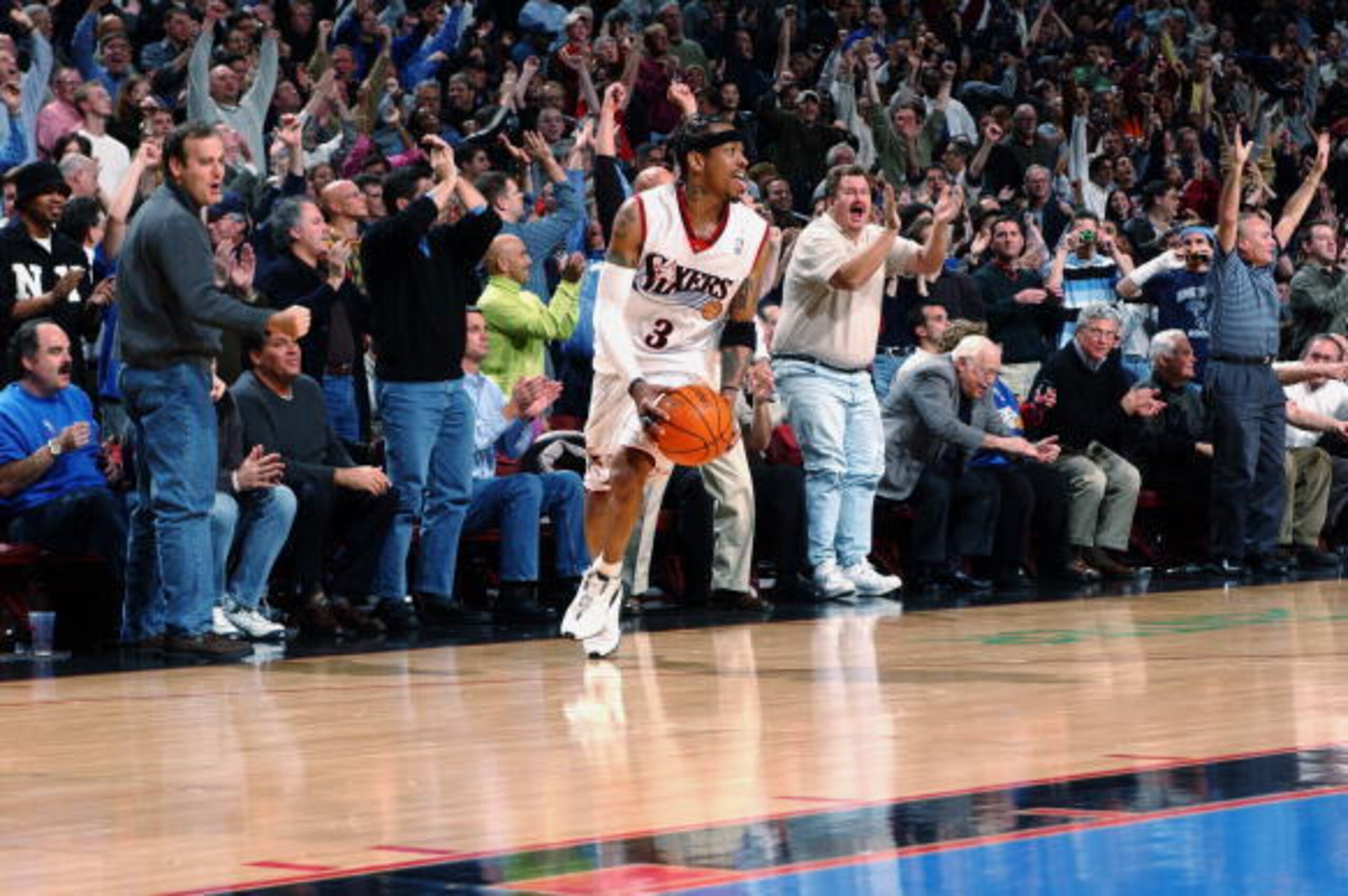
More than just a great basketball player, Allen Iverson was a cultural icon who unintentionally ushered in a new NBA dress code and helped popularize a streetball brand of basketball. It was impossible to stay with his devastating crossover, though countless great defenders tried.
Even Michael Jordan failed against a young Iverson:
The Georgetown product benefited tremendously from his timing. Had he played during today's pace-and-space, efficiency-is-everything era, NBA coaches might have resisted his high-volume charms.
Iverson emerged as one of the most unstoppable scoring threats this sport has ever witnessed, leading to insane levels of popularity and an enduring top-25 spot on the career points leaderboard. Though he didn't ever win a title, the achievements on his resume are quite significant, ranking from his 2000-01 NBA MVP award with the Philadelphia 76ers to his 11 All-Star Game appearances.
No retired MVP has ever failed to be inducted when eligible, and Iverson won't be the exception.
Yao Ming (0.526 Hall of Fame Probability)
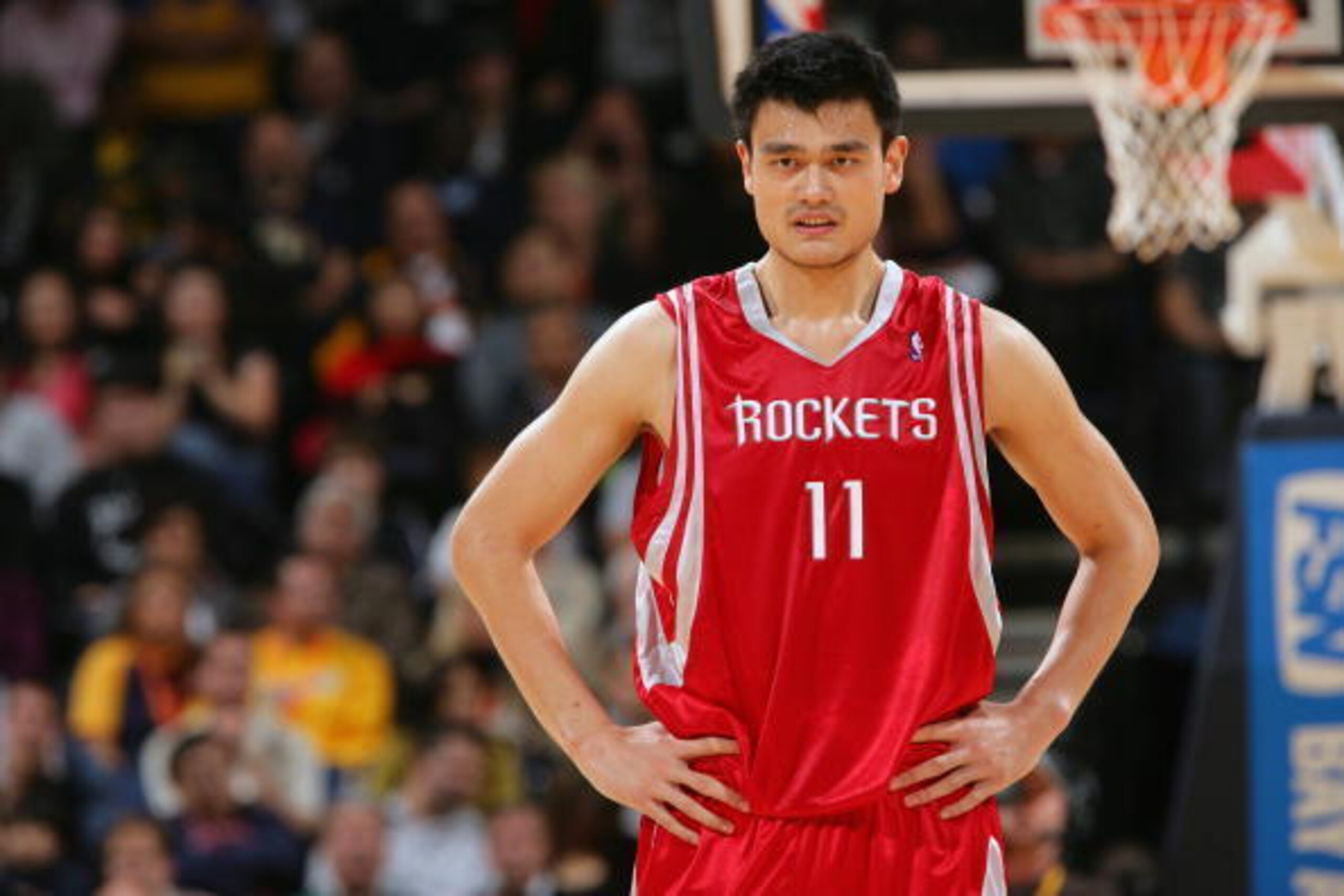
It's important to remember that the Naismith Memorial Basketball Hall of Fame does not exclusively recognize achievements in the NBA. The committee can also take collegiate play into account or—in Yao Ming's case—work overseas.
The retired Houston Rockets 7-and-a-half-footer was one of the most impactful centers in the Association while he was healthy, but we can't just overlook the five seasons he spent with the Shanghai Sharks before he became the No. 1 pick of the 2002 NBA draft. During his final season in the Chinese Basketball Association, he even averaged 32.4 points, 19.0 rebounds and 4.8 blocks against the overmatched competition, per NBA.com's draft profile.
Perhaps even more importantly, Ming's gigantic cultural impact must come into play.
Basketball seems to become more of a global sport every year, with new countries and fanbases adding broadcasts of major events. Ming was a major reason for its popularity in China. One year after he retired in 2011, Forbes revealed that the NBA had more Chinese followers on social media (52 million) than any other sports league.
Throughout his prime, Ming's supporters stuffed the ballot boxes during All-Star selection processes to the tune of eight nods in eight years. That included his final season, when he only played five games and missed all of the 2009-10 campaign.
"In addition to peaking as one of the truly elite players in the league, Yao expanded the game internationally more than any other player in NBA history," Rob Mahoney wrote in a 2011 ESPN roundtable.
Mahoney agreed with the other four panelists about Ming's potential Hall of Fame inclusion. "He opened doors, dropped hook shots, crossed oceans, anchored defenses, created markets and stood as a great person and personality all the while."
If we were to look at his NBA time in a vacuum, Ming would likely fall short. Over the course of his relatively short career, he averaged 19 points and 9.2 rebounds while producing 65.9 win shares. That last mark puts him behind 207 other players in this sport's history—a total that grows higher every year and already falls short of the typical Hall of Fame thresholds.
But that's not the process, and voters have never utilized that methodology.
Shaquille O'Neal (1.000 Hall of Fame Probability)
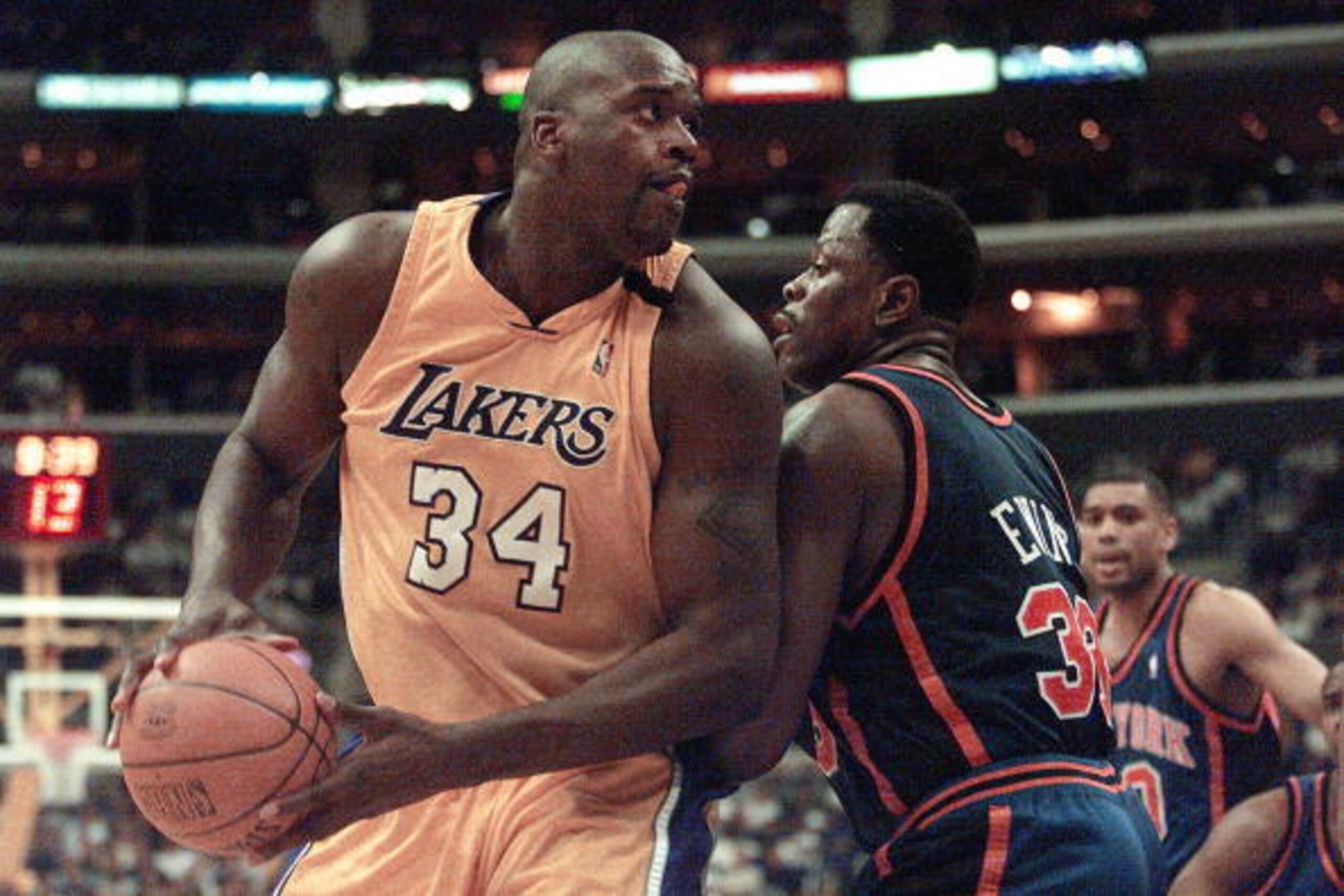
Duh?
We're looking at a man who produced one of the 15 best careers in NBA history. At his peak, he was even more dominant than your typical star on the cusp of the all-time top 10, submitting some of the finest seasons ever during his championship-winning ventures alongside Kobe Bryant and the rest of the Los Angeles Lakers.
NBA statistician Elliott Kalb actually went even further in his 2004 book, Who's Better, Who's Best in Basketball?. Though Jordan typically gets called the greatest player in NBA history, Kalb had O'Neal in the No. 1 spot, citing his playoff prowess, incredible peak and ability to score in an era defined by defense.
From the moment he entered the league, the former LSU standout proved himself, playing like a man among boys, with an abundance of physical talents and finesse around the hoop. That didn't change until O'Neal was in the twilight of his career, working for the playoffs more than the regular season. He was so dominant that his gaudy numbers and jaw-dropping highlights seemed to become routine.
You can't possibly snub a big man who won the 1992-93 NBA Rookie of the Year award, the 2000 MVP award and NBA Finals MVP (three times). He also made 15 All-Star teams, 14 All-NBA appearances and three All-Defensive squads.
You can't discount the career of a player who averaged 25.9 points, 11.6 rebounds, 2.8 assists and 2.5 blocks during the first 15 years of his professional career.
If there were ever to be a Hall of Fame lock, it's the Big Diesel.
The Hopefuls
Tim Hardaway (0.792 Hall of Fame Probability)
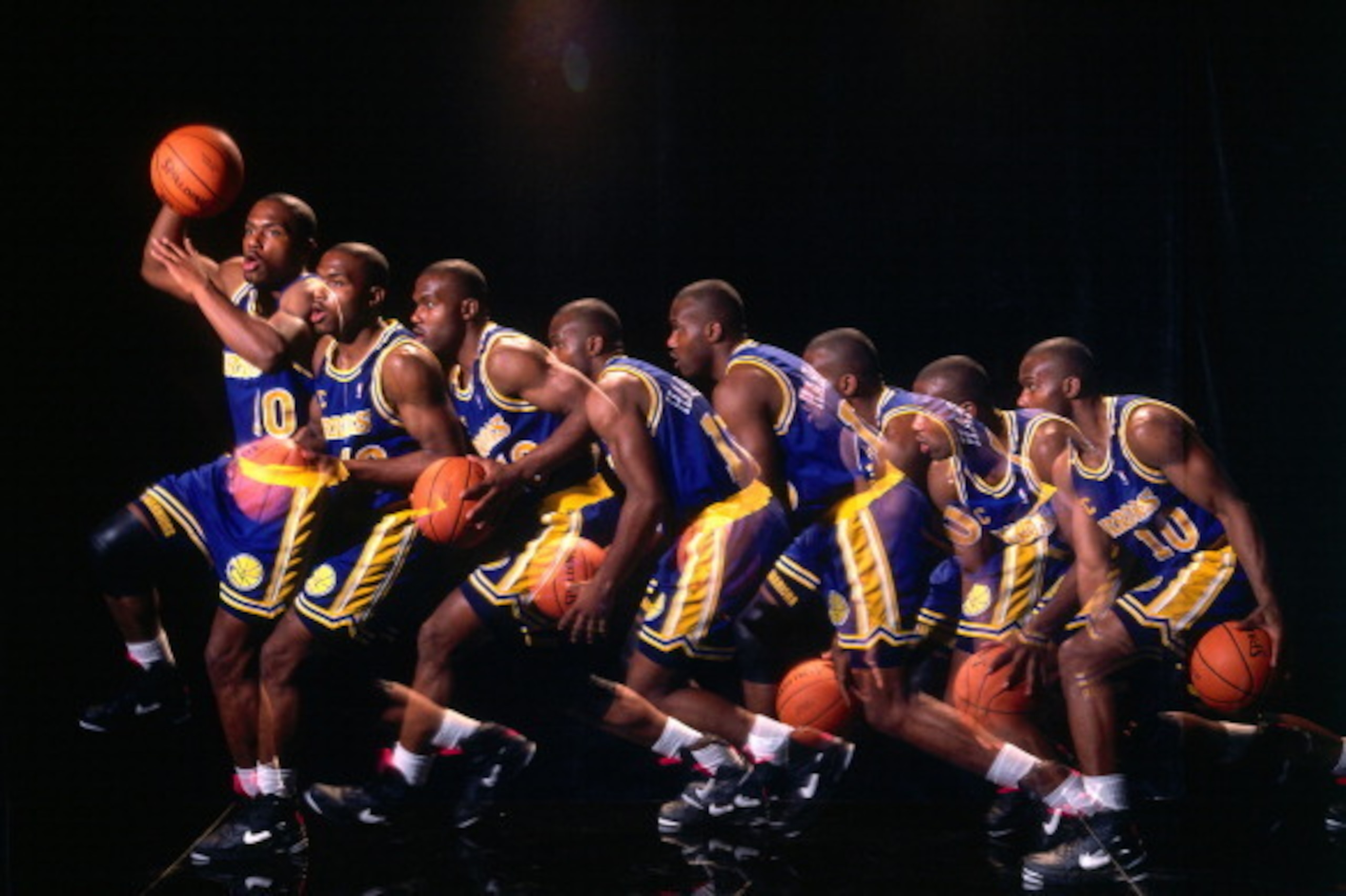
Each of the last two years, Tim Hardaway has been selected as a finalist for the Hall of Fame. And each of the last two years, Hardaway has been denied entry in favor of more deserving candidates.
As impressive as his career may have been, whether he was putting up big offensive numbers as part of the Golden State Warriors' Run TMC crew or thriving in a Miami Heat uniform, Hardaway doesn't take precedence over the big-name candidates above.
MVP voting results shouldn't be viewed as gospel. Yet, it is rather telling that Hardaway appeared on only four ballots throughout his career and never topped his fourth-place finish in 1996-97 when he trailed behind Karl Malone, Michael Jordan and Grant Hill.
When O'Neal is making his induction speech, at least this dynamic guard will be able to remember that he earned more votes than the big man that year.
Kevin Johnson (0.190 Hall of Fame Probability)
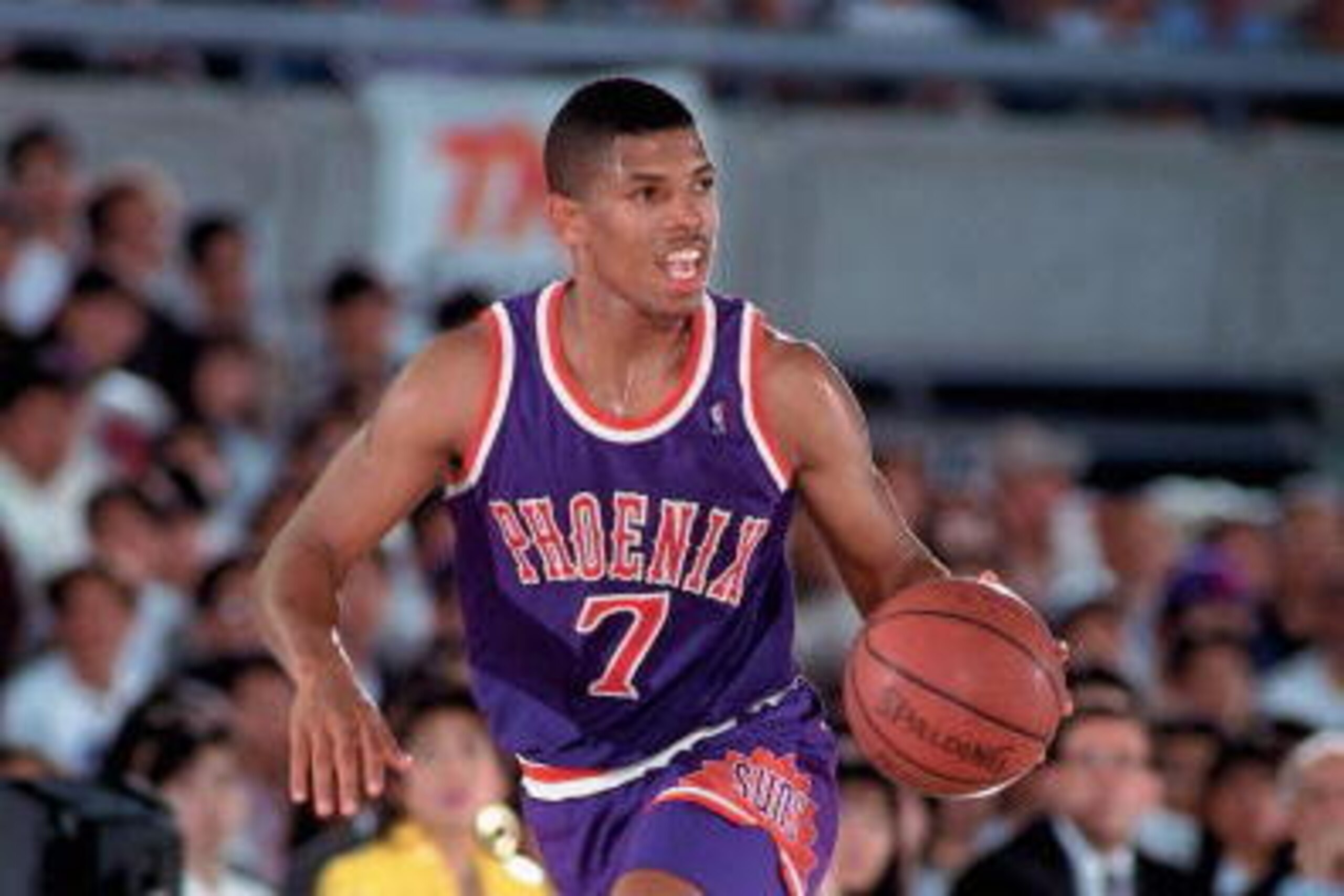
Will voters hold recent sexual misconduct allegations against this former point guard? There's no way of knowing, but the strength of this year's Hall of Fame class was already pushing him toward fringe candidacy.
Had he remained healthy longer, Johnson might have made the cut. But Johnson's peak didn't quite sync with one-time teammate Charles Barkley's, leaving him as a compiler of gaudy offensive statistics who never won a title or did much on the defensive end.
Along with Hall of Famer Oscar Robertson, Johnson is still one of just two players in NBA history to average at least 20 points and 10 assists during one of his first two seasons. He almost maintained those averages for an entire nine-year span, putting up 19.8 points and 10 assists per game from 1988 through 1997.
But offensive statistics alone won't help Johnson make the cut as part of the 2016 class. He'll likely be fighting for inclusion once again in 2017.
Chris Webber (0.146 Hall of Fame Probability)
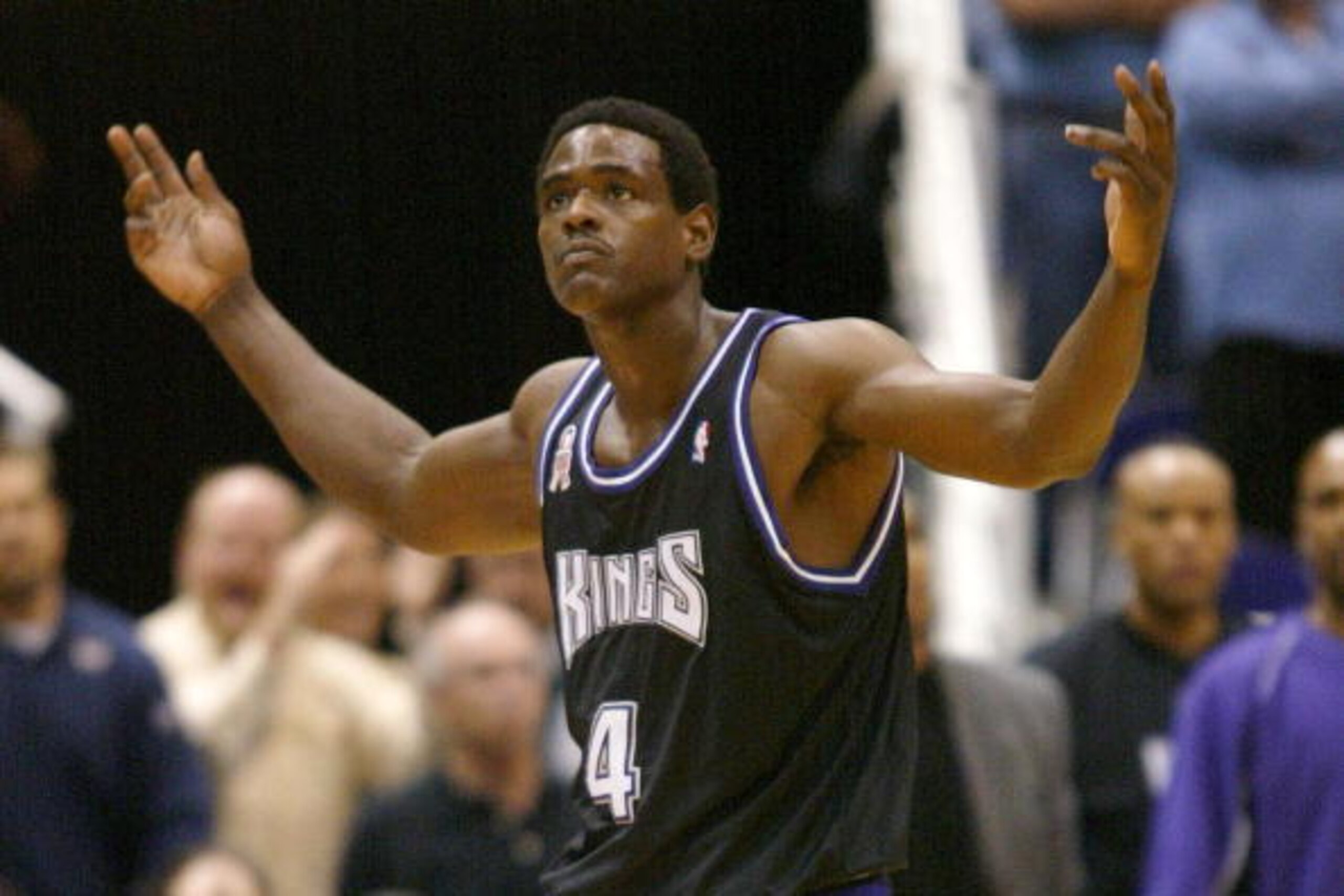
In a statistical vacuum, Chris Webber wouldn't generate much hype as a potential Hall of Famer, retiring with career averages of 20.7 points, 9.8 rebounds and 4.2 assists. Unlike most big men, he shot below 50 percent for his career, and that substandard level of efficiency typically serves as one of the biggest knocks against him.
But it's not just about the numbers.
During his time with the Sacramento Kings, which led to four of his five All-Star appearances, Webber helped revolutionize the power forward position, handling the ball and serving as an offensive hub who could capably call his own number or get his teammates involved.
"This wasn't just an All-Star," Zach Lowe wrote for Grantland in 2013, making a passionate argument for the current broadcaster's eventual inclusion in the Hall of Fame. "It was an All-Star who added both art and a sneering, cool style. How many guys did that? How many big guys ever did that? How could he not make the same Hall of Fame that has Ralph Sampson, Jamaal Wilkes, K.C. Jones and other objectively inferior players?"
Webber wasn't a finalist in 2015, and the strength of the non-NBA-player inclusions could determine whether we experience deja vu. But he should be a finalist in 2016, even if the legendary nature of the guys standing atop the class would still delay any realistic chance of inclusion for another year.
The Long-Shots
Michael Finley (0.015 Hall of Fame Probability)
It's tough to give much serious consideration to a man who retired from the NBA with a career player efficiency rating of just 16—slightly above the league-average mark of 15. Michael Finley never actually posted a single season with a PER in the 20s, and his best mark was 19.3 during 1997-98.
For context, 47 players have matched that PER during the current campaign, including non-household names such as Nikola Jokic, Will Barton, Festus Ezeli and Dwight Powell.
Finley was a legitimate All-Star during his prime, though he never stood out as the clear-cut alpha dog on a competitive squad. He deserves to have the Dallas Mavericks think about retiring his jersey in the rafters of American Airlines Center. But the cutoff for serious Hall of Fame contention sits a notch above the level he reached during his career.
Zydrunas Ilgauskas (0.002 Hall of Fame Probability)
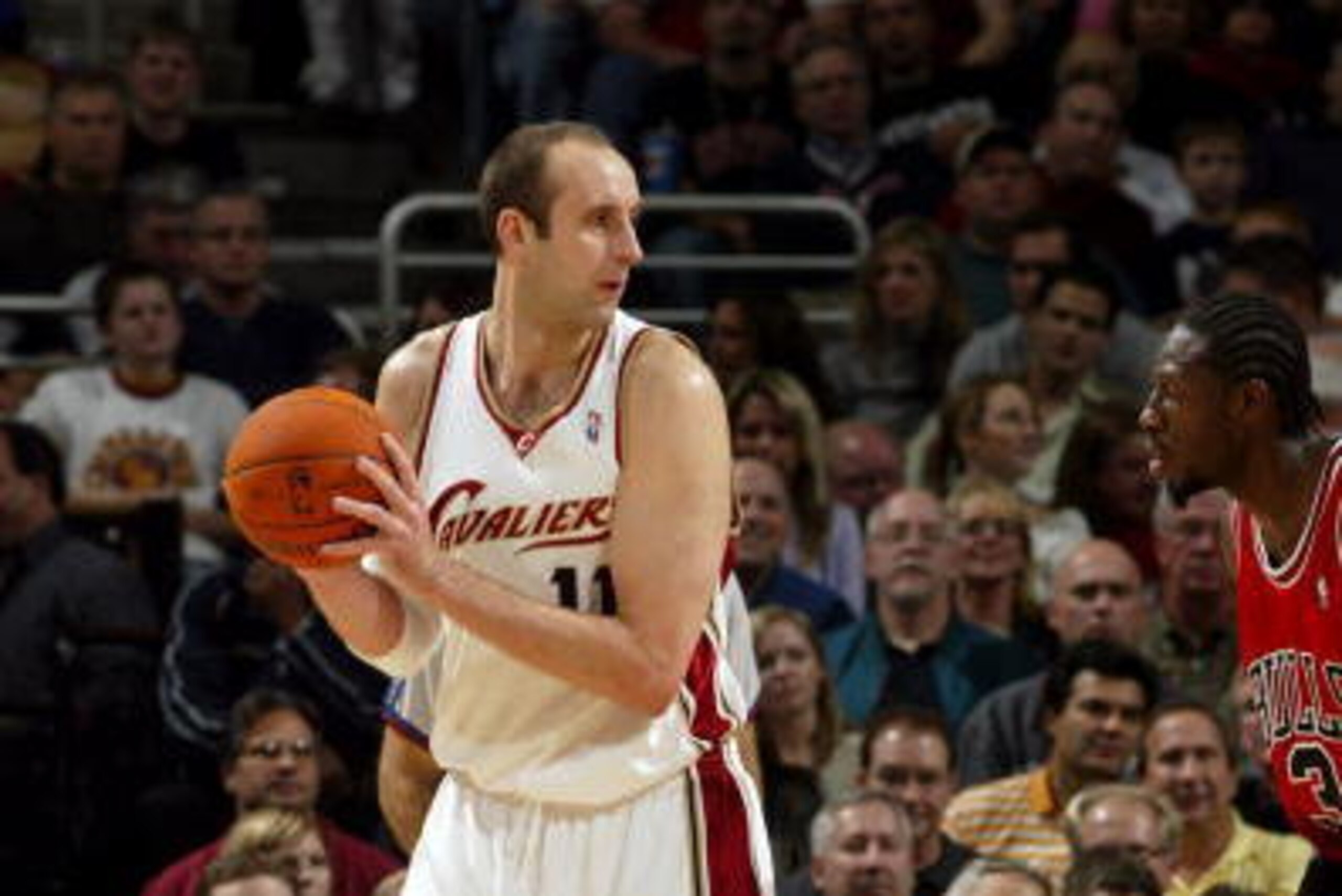
Zydrunas Ilgauskas is still a cult hero in the Cleveland, Ohio area, having thrived for a dozen years while wearing a Cavaliers jersey. He's been rewarded with a jersey retirement—an honor that would never have been given for his mere on-court contributions.
Unfortunately for those who loved watching the big man dominate the offensive glass, that Hall of Fame probability is almost certainly accurate. It puts him at No. 364 on the all-time list, and that means Springfield, Massachusetts, is not in his future.
Peja Stojakovic (0.125 Hall of Fame Probability)

Peja Stojakovic's international career will boost his standing, but the Serbian sharpshooter's NBA peak didn't last long enough to put him in serious contention, especially given the stacked nature of this class. He was a fantastic sniper throughout his career, retiring with a lifetime three-point percentage of 40.1, but he was never the same after leaving the Sacramento Kings.
Unfortunately, his body broke down during the second half of his NBA career, limiting both the number of times he could step onto the court and his effectiveness when he was actually on it. After peaking at 24.2 points per game during the 2003-04 season with the Kings, his scoring average dipped each year until he retired after posting just 8.5 points during his typical outing in 2010-11.
Once, it seemed like Stojakovic was on pace to earn a spot in the Hall of Fame. But it's hard to view his candidacy in the same light after he devolved into a spot-up threat who took more than half of his attempts from long range during each of his final four go-rounds.
Unless otherwise indicated, all stats come from Basketball-Reference.com.
Adam Fromal covers the NBA for Bleacher Report. Follow him on Twitter, @fromal09.
.jpg?w=2560)