

Jurgen Klopp's Anfield Celebration a Step in the Right Direction for Liverpool
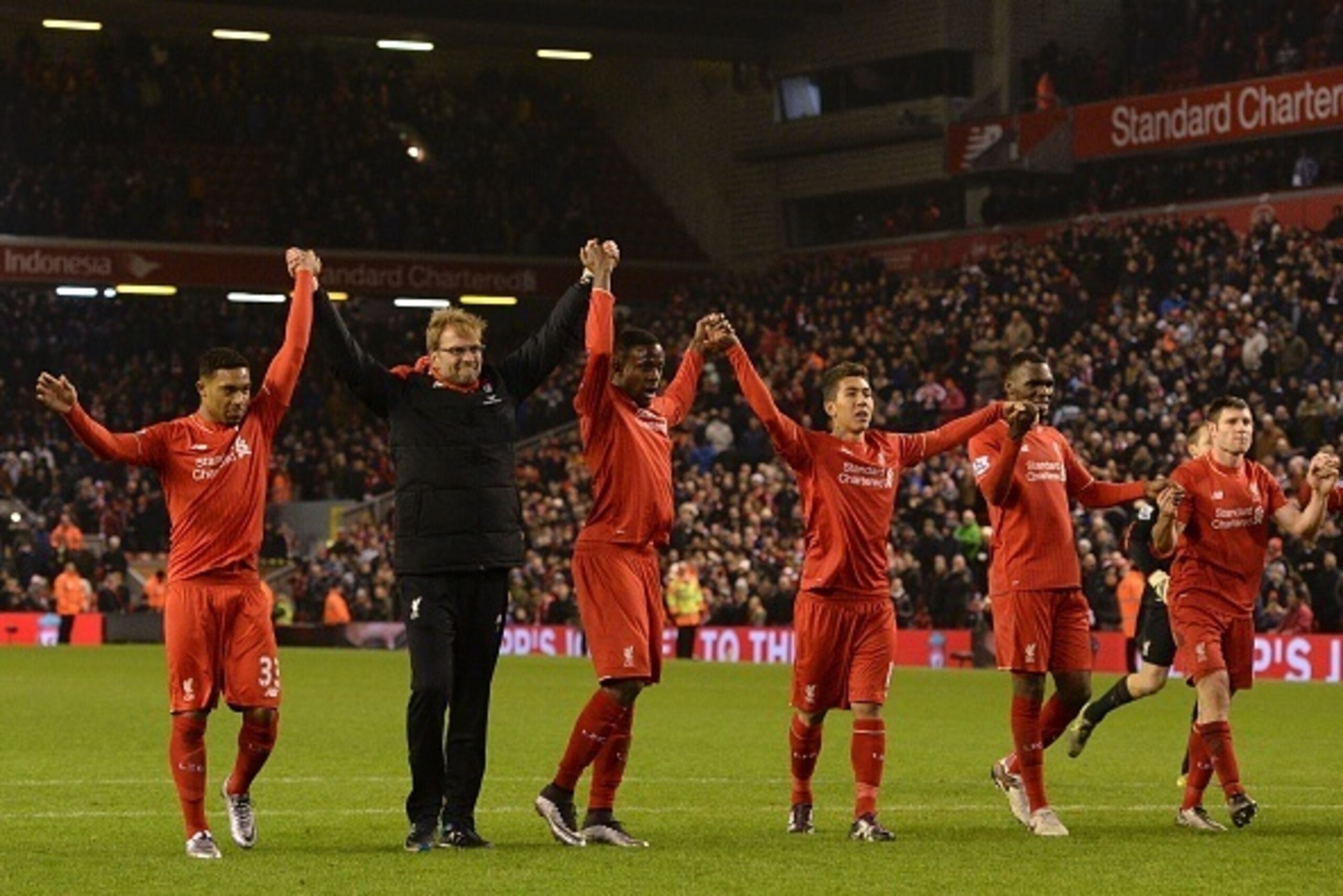
When Craig Pawson blew the final whistle in Sunday's 2-2 draw between Liverpool and West Bromwich Albion, Jurgen Klopp forwent the traditions of post-match handshakes and individual salutations, and instead he corralled his players before herding them towards Anfield's Kop end, hands locked, to celebrate.
After a disappointing performance hampered by goalkeeping errors and an abject display from Christian Benteke, the decision to approach the Liverpool support at full-time was deemed by some as ill-judged.

.jpg?w=2560)
This was discussed by Goal.com's Melissa Reddy, who explained that "there was a debate post-match following Klopp's decision to order his players to join hands, walk towards the Kop and salute them in unison. Some discarded it as small time, others felt a draw was not the stage for such drama."
To celebrate a late Divock Origi equaliser as if it were a Xabi Alonso penalty 60 minutes into a Champions League final in Istanbul is off-colour, but as Reddy continues, "for those inside Anfield, it symbolised much."
This showed Klopp and his side taking another step to fostering a belief within the Liverpool support that can prove hugely beneficial for the long term.
"When we come together tomorrow afternoon, we should be prepared, all of us, for a very special moment," Klopp told reporters on Saturday, previewing the visit of Tony Pulis' Baggies, as reported by This is Anfield. "Maybe we can have the best atmosphere for the last 10 years tomorrow afternoon!"
As Klopp continued, he discussed an issue that he clearly feels is hampering his side's progress.
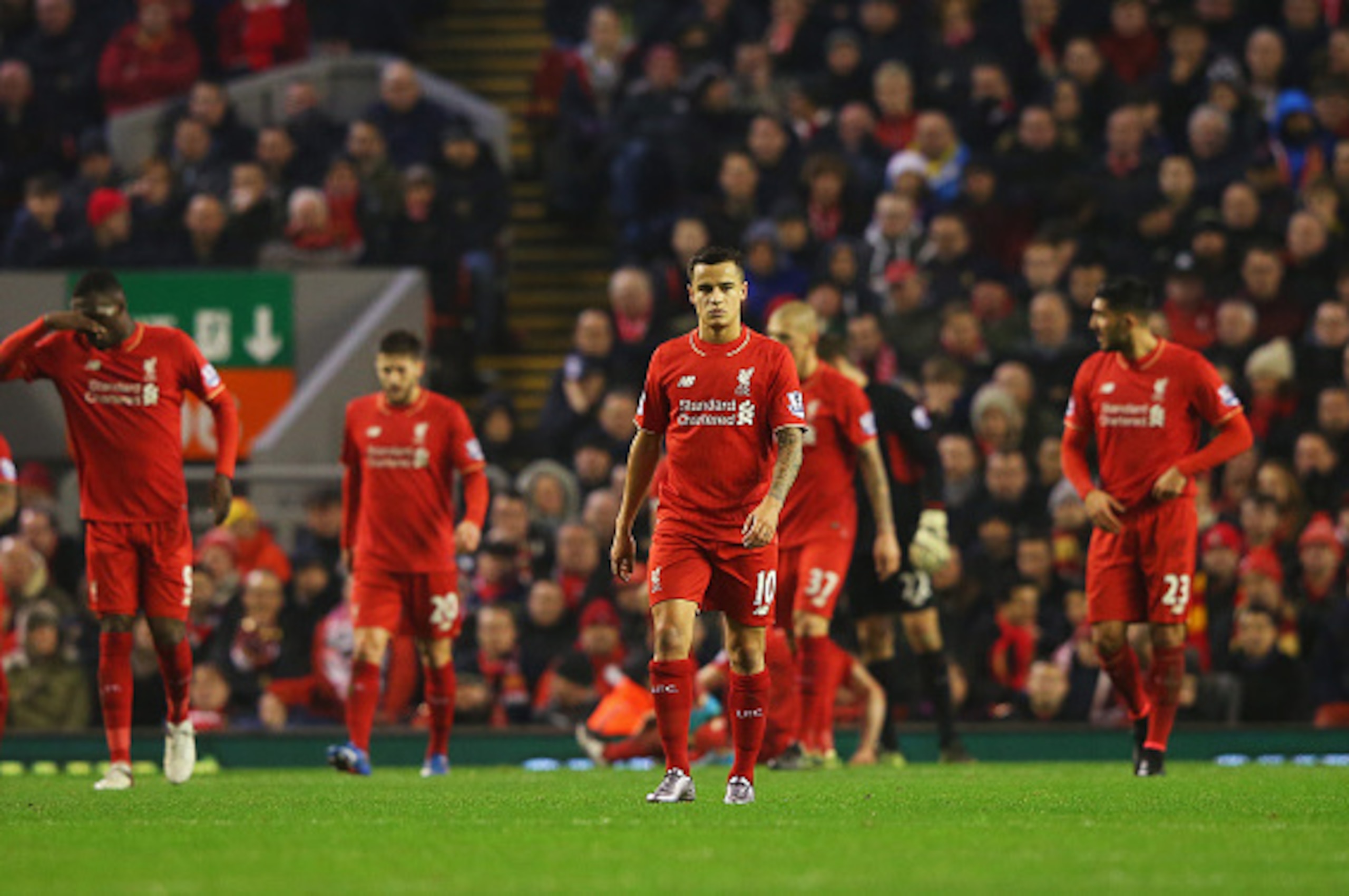
"It’s always the question: ‘who will start?’ I try everything I'm able to prepare the team for this, but if we have to play against the doubts then it’s more difficult," he explained.
"So maybe we can make an atmosphere, a really special atmosphere, that of course will help. Like always in life, you can wait for the moment or you can create the moment. Hopefully we can do it tomorrow."
Klopp will have hoped for more from his side against a hardy West Brom outfit, with the disconnect running from Simon Mignolet in goal to Benteke at the tip of the attack producing a muted display only brightened by the positive contributions of the likes of Emre Can, Jordan Henderson and Origi. However, the reception Liverpool were provided by an Anfield support that has long cut a muted figure will have buoyed him significantly.
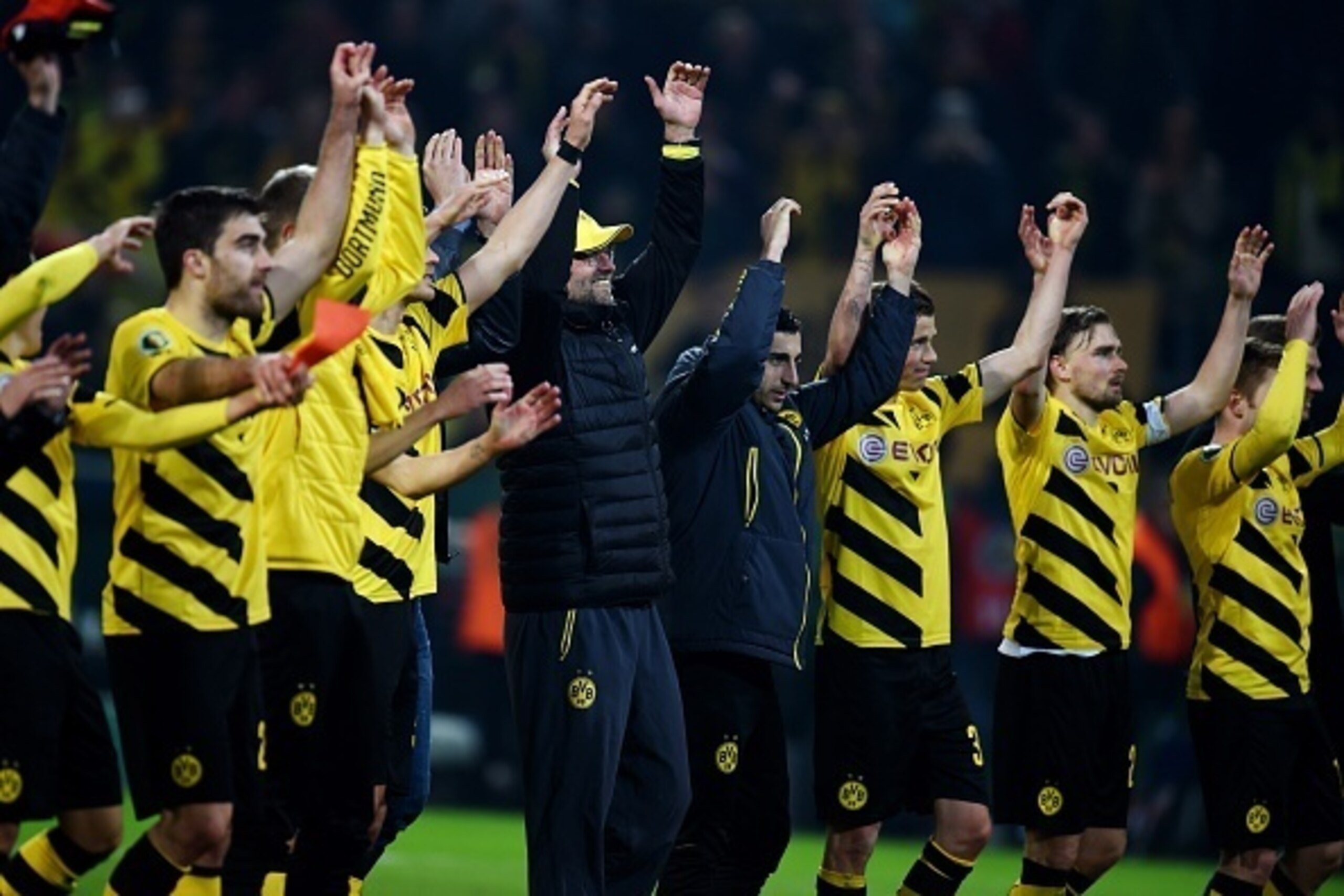
Klopp will be hoping that the Kop can begin to emulate what has become known as the Yellow Wall at his former club Borussia Dortmund.
In the Bundesliga, this post-match bow is common, with the likes of Dortmund and Hertha Berlin recognising the role that supporters play in club's success; the unwavering belief of a home support can help roar a side on to positive results, as the upturn in Liverpool's output following Origi's equaliser proved.
The impact of a vocal support was vindicated by Manchester United midfielder Bastian Schweinsteiger, who explained during his time at Bayern Munich, per Goal.com's Brian Oliver, that "it's the Yellow Wall that scares me the most."
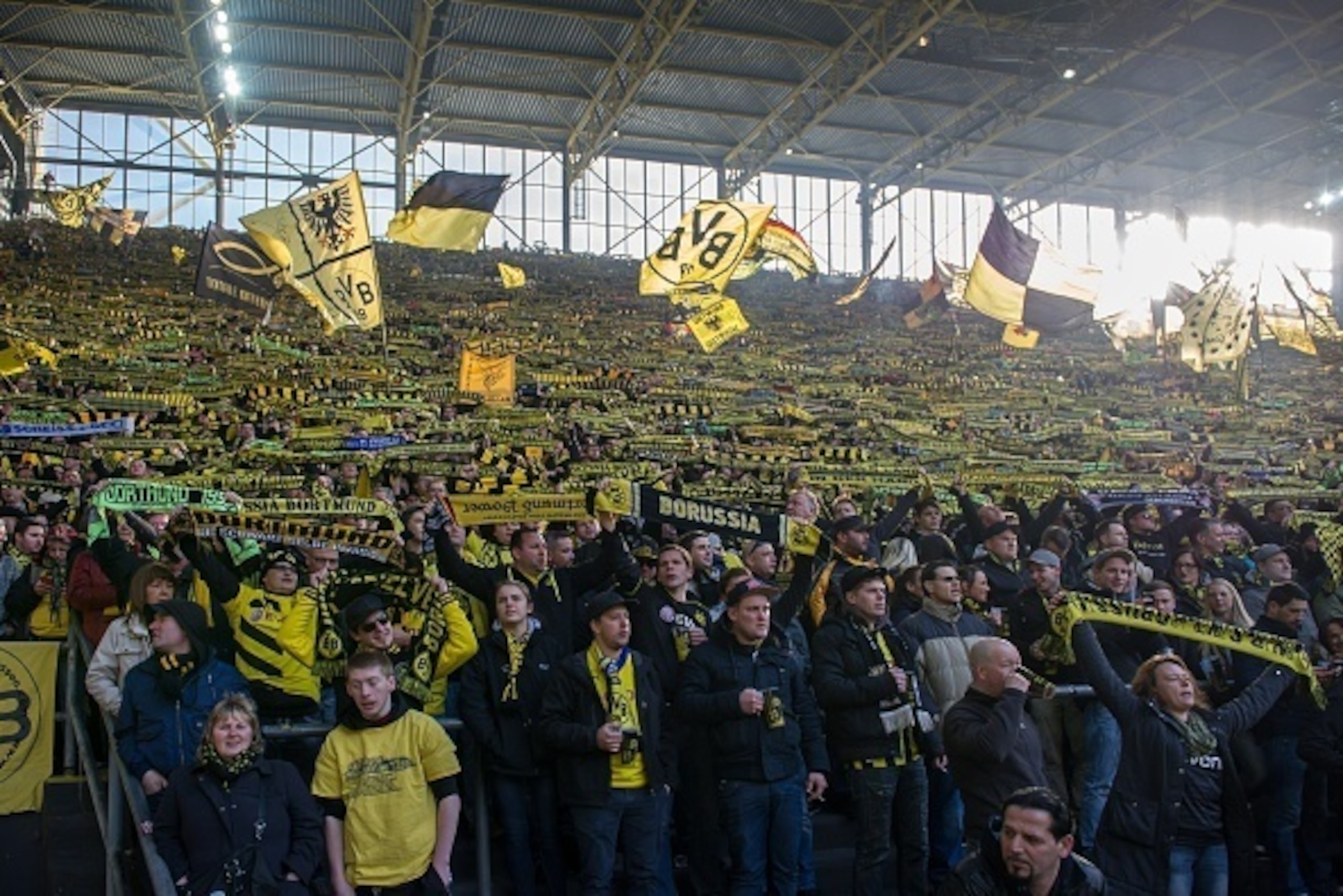
This is not a new concept, but it seems to be one lost on a Premier League support—arguably rightly—more concerned with avoiding a lengthy delay on their route home due to archaic travel constructs.
In the Premier League, the supporter is largely passive.
Therefore to criticise this—admittedly abnormal—showing of gratitude from players to supporters is akin to questioning calls for cup ties to be scheduled in a more geographically friendly schedule, or to blindly accept an unenjoyable, agricultural brand of football such as Pulis’, or at a more bemusing level, Louis van Gaal’s Manchester United.
Because this would be to ignore the fundamental objective of football: to entertain, and more importantly, to entertain one’s supporters. The applause of the Kop at full-time highlighted this.
This is a deep-rooted flaw within modern football, and something that Klopp and his managerial brethren should be countering; according to BBC Sport’s Mark Lovell, he explained during his Dortmund days: “If the fans want excitement but all you can offer is football chess, then one of you is going to be changing clubs.”
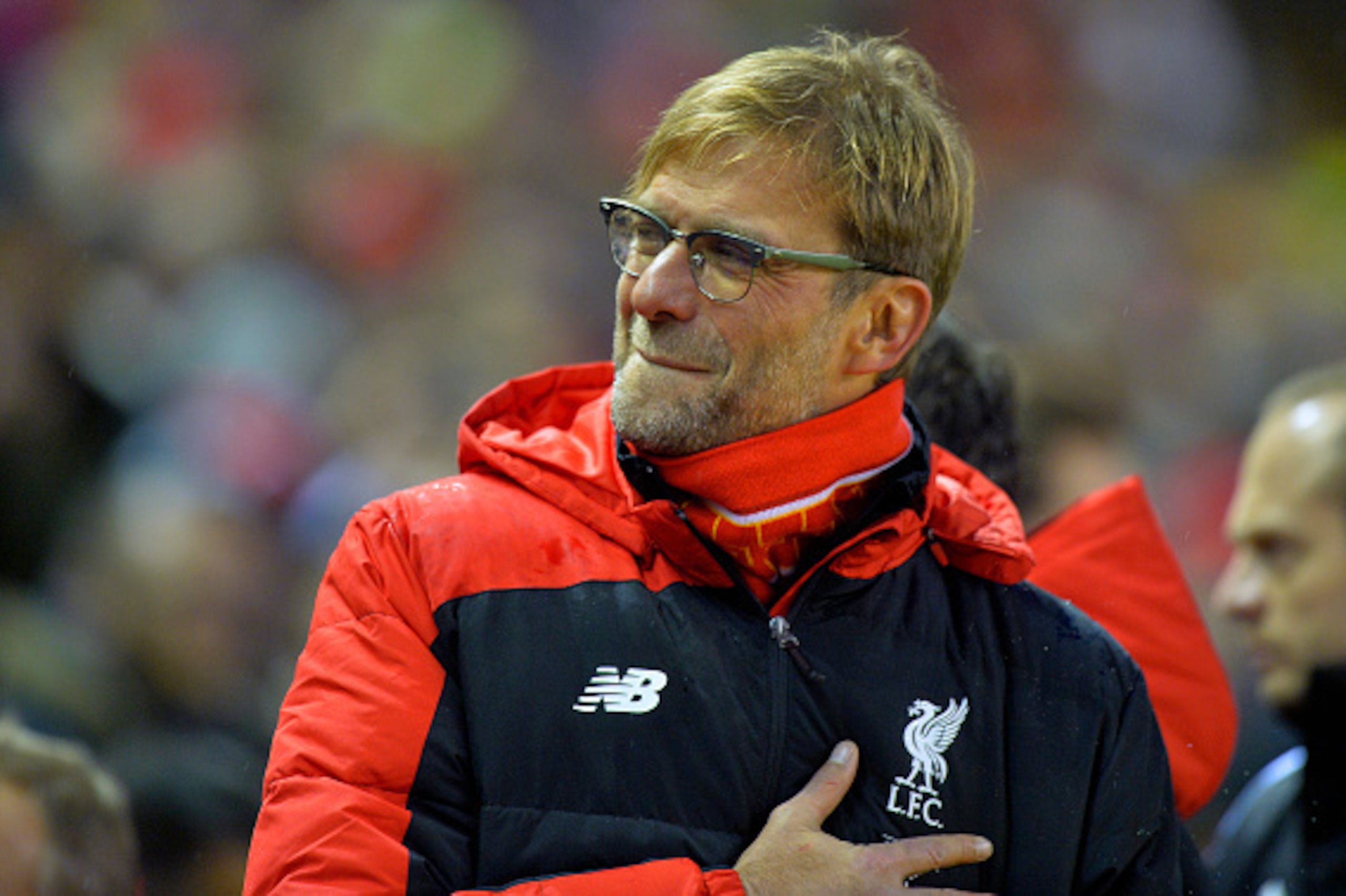
In Klopp, Liverpool have found a manager so positively in tune with their passionate ethos—a manager who understands that this is a two-way street.
Of course, this should not be overblown—he’s not the Messiah, as he was quick to point out on his arrival—but it is an important note; crucially, this bastion of the football-as-entertainment approach should not be ground down by a notoriously cynical support, and this is a major challenge for Klopp.
“Yesterday we spoke about the special atmosphere and it was a special atmosphere,” Klopp told reporters after the game, as relayed by the club’s official website, before continuing to praise the Liverpool support after what was a testing 90 minutes:
"Maybe the crowd was disappointed but they didn’t let us feel it. That’s the thing. We were all in the game, we were all concentrated and we all wanted to get one point at the end. It felt like three. I know it is only one but if felt like three.
This moment was an explosion and it was the best atmosphere since I’ve been here. I really enjoyed it. I don’t know if it’s normal in England but I want to say thank-you.
"
For this was why Klopp and his Liverpool side approached the Kop: to show their appreciation for what was a “special atmosphere” when compared to what the German has experienced so far during his time at the club.
It is not normal in England, but perhaps this is something that should change, and Klopp’s Bundesliga influence is very welcome at Anfield.


.jpg?w=2560 "2 NFL Officials Suspended")


.jpg?w=2560 "Viral Rams Coach Vid 🖕")