

Why Is Jose Mourinho No Longer Chelsea Manager?
Can something be shocking and inevitable at the same time? The words seem conflicting, but concerning present-day west London, maybe not.
Jose Mourinho is no longer manager of Chelsea Football Club.
The decision is final. Turmoil surrounding his future has ended. Roman Abramovich and his board found recent results, plus the ensuing thunderstorm of negativity, sufficient grounds—electing to sever ties with their now-twice-released manager by mutual consent.

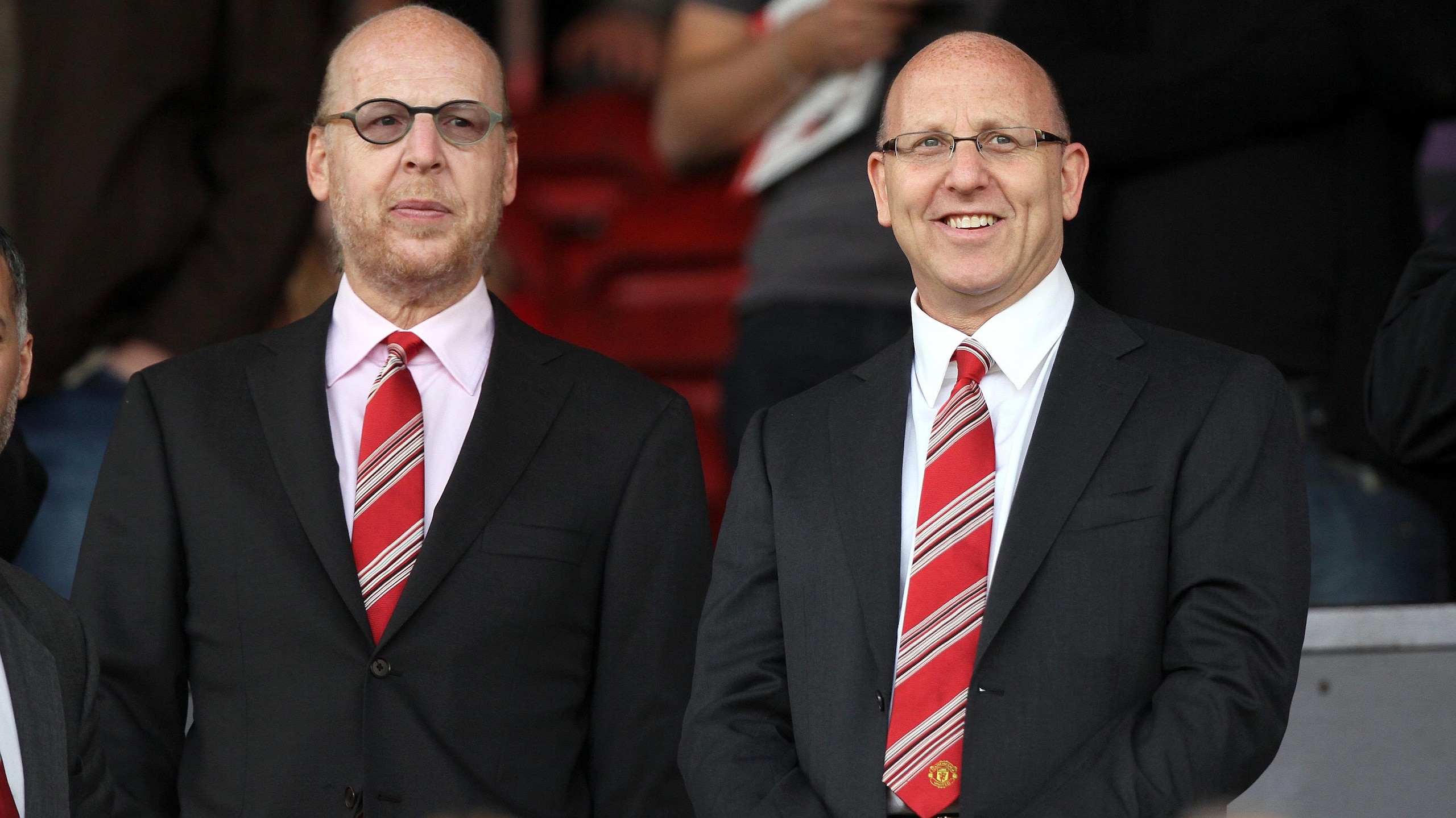
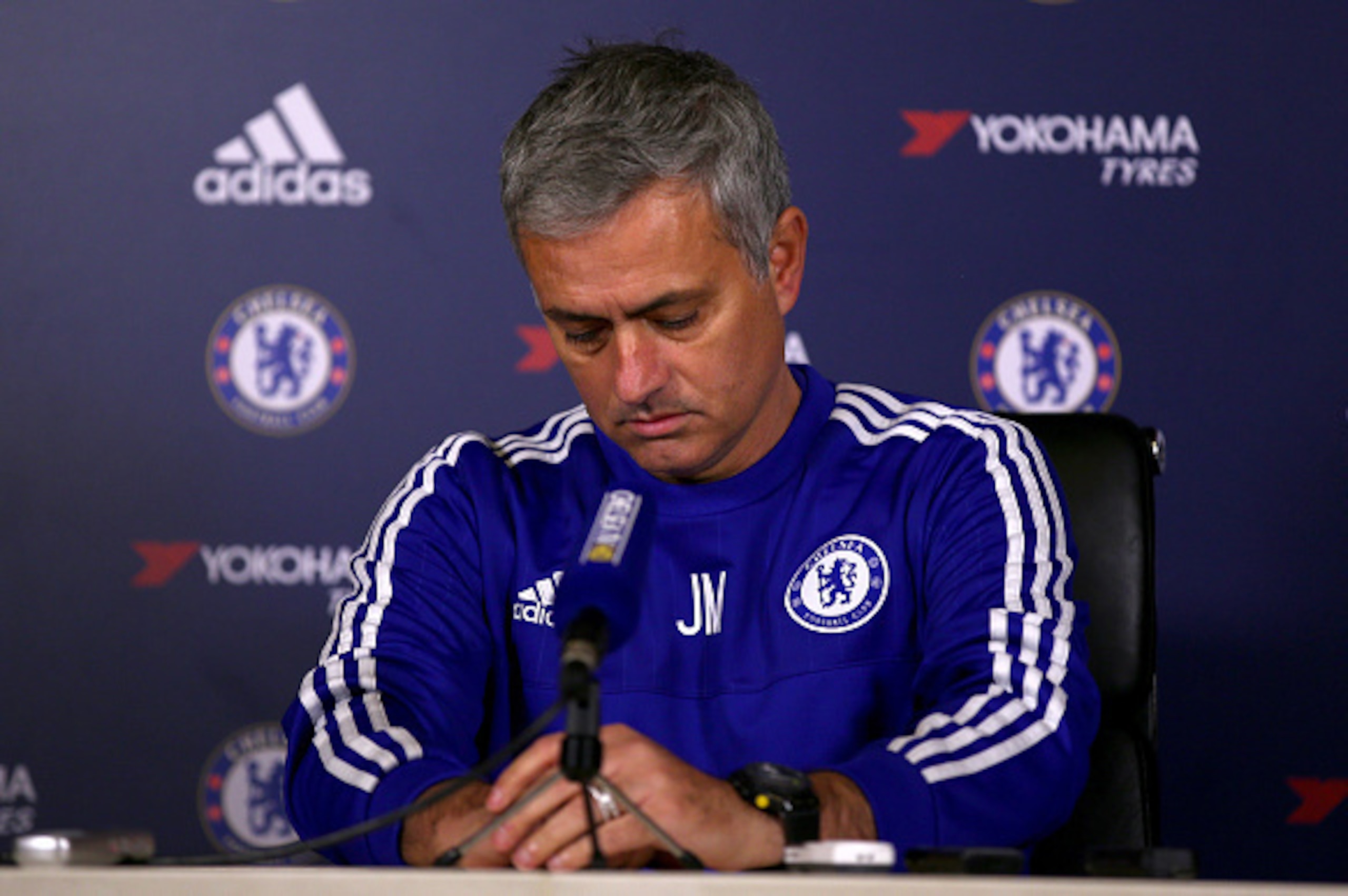
Chelsea's managerial situation cannot be described as overtly tenuous, but where strife once existed, mystery has filled the void. Matt Law and Jason Burt of the Telegraph reported Guus Hiddink is Chelsea's favourite to take over as interim manager; past 2015/16, however, nothing is clear.
Chelsea supporters, knowing the immense role Mourinho played in their history, are largely distraught.
Soon returning, if history provides any indication, is the managerial merry-go-round—something many thought would cease with the Portuguese's reappointment in 2013. That wish has been thrown from Stamford Bridge's proverbial window at considerable pace, and the search for a permanent gaffer has commenced.
Still fresh, though, are the wounds from Mourinho's exit.
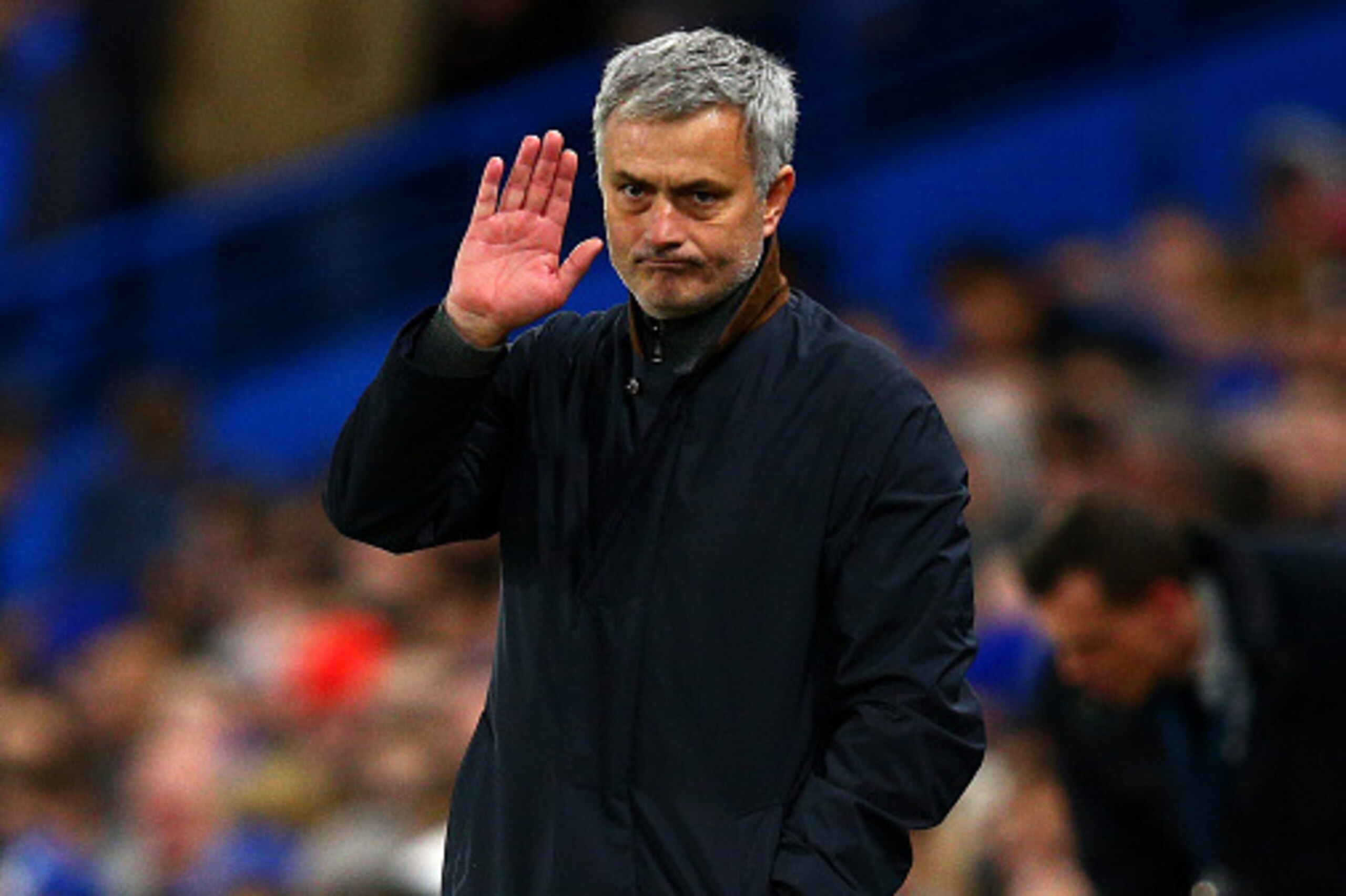
Results were abject and unbecoming of a club that seven months ago lifted the Premier League trophy. It was unthinkable, following the ease with which Chelsea won England's most coveted domestic prize, their manager would not last to Christmas—but football has a certain, peculiar way of meddling with perceived impossibilities.
How does a team go from runaway champions to the doldrums of a relegation scrap?
It confounds the wise.
From a disgustingly planned post-season tour to a seemingly rushed pre-season, coinciding with a disappointing summer transfer window and lack of dressing-room stalwarts (even following their relative nosedive after January 1), the writing was possibly on the wall—just no readers.
One of the more troubling allegations—a player rebellion—is particularly vexing.
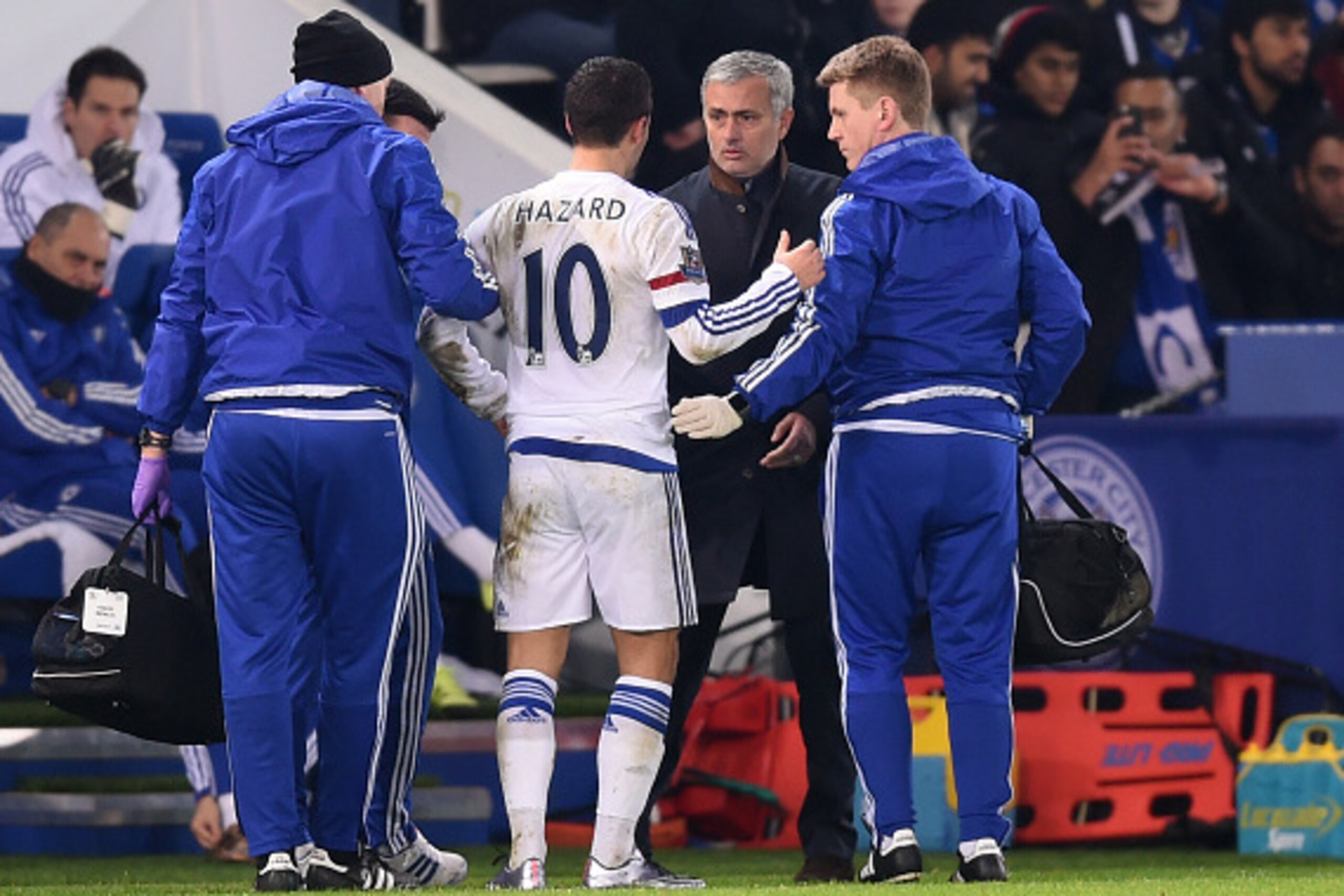
"I'd rather lose than win for Mourinho," was a quote reported to have come from an anonymous player in early November, as reported by Radio 5 live's Garry Richardson (h/t MailOnline's Ashley Clements). Those words are damning. Anonymous quotes are a necessary evil in journalism and can be easily manipulated, but if that comment was truthful, it was a harbinger of Mourinho's fate.
As games passed and morale sank, Abramovich's only logical formula to solving the equation was eliminating Mourinho. While not in the club's best interest if stability is one's concern (as exceptional youth talents could get caught in the crossfire), it will uncover Chelsea's dressing-room tenor.
If another manager enters Stamford Bridge and the passionless bodies of purported world-class stars miraculously rise from the dead, Abramovich—in a perfect world—might consider selling those who think it their right to underperform with the express purpose of subverting their manager. Considering gates and weekly wages, it might appear a form of robbery if discovered accurate.
If lacklustre form continues despite the shake-up, then Abramovich has scuttled a rare opportunity for managerial stability.
Winning will always be the best deodorant. Any stench can be eliminated with three points.
Ruthless, merciless, heartless even, could describe removing Chelsea's best manager less than a year after winning a domestic double, but the nature of modern football does not afford managers missteps and do-overs.
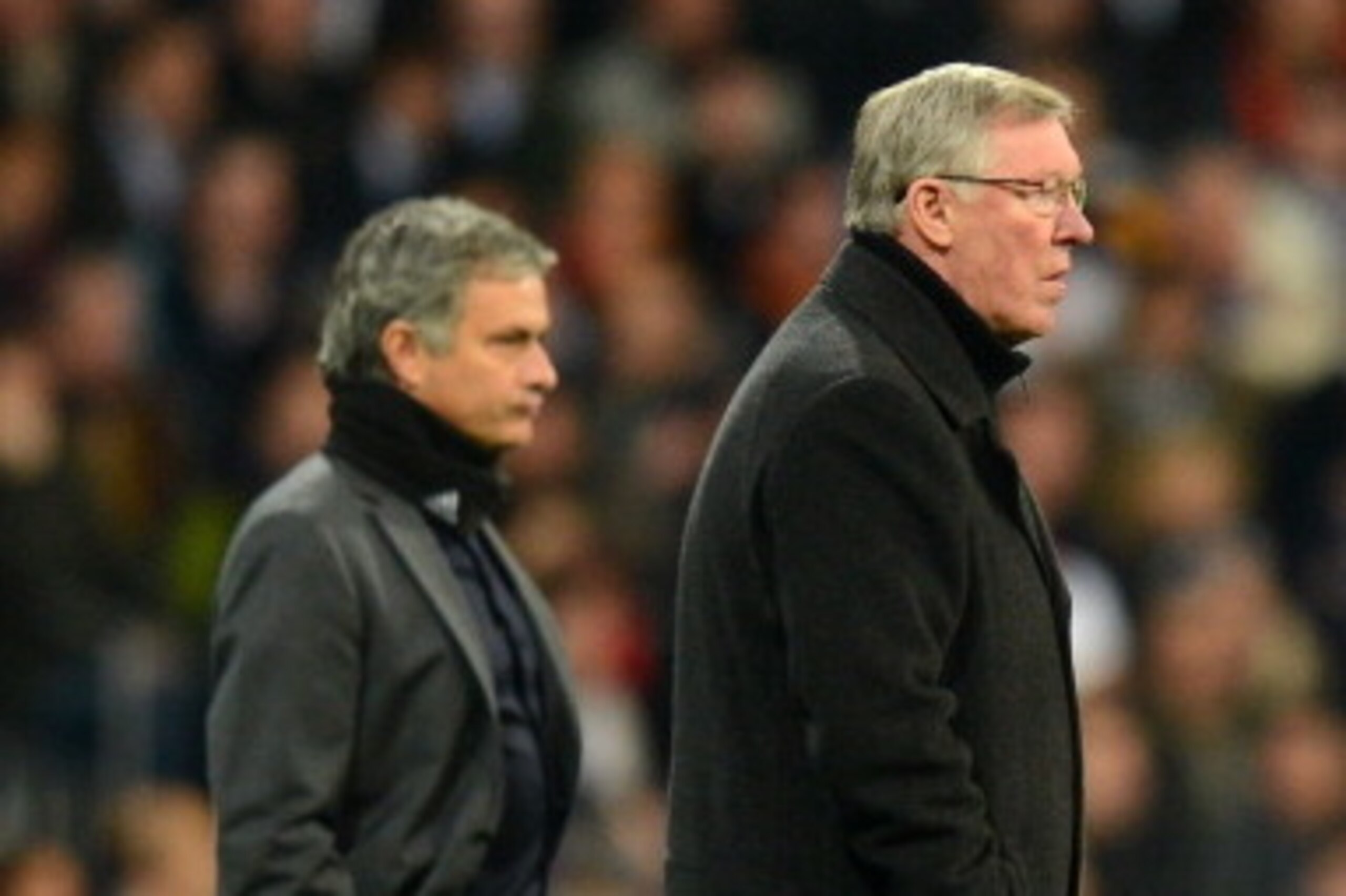
In 1989/90, Sir Alex Ferguson's Manchester United, won 13 games, drew nine and lost 16. Under contemporary settings, going from November 25 to February 10 without winning a league game (in 11 attempts) would get a manager sacked. The Red Devils were tempted to remove Ferguson but allowed him another season. He never finished worse than sixth over the next 23 years.
That patient, or loyal, environment has all but evaporated.
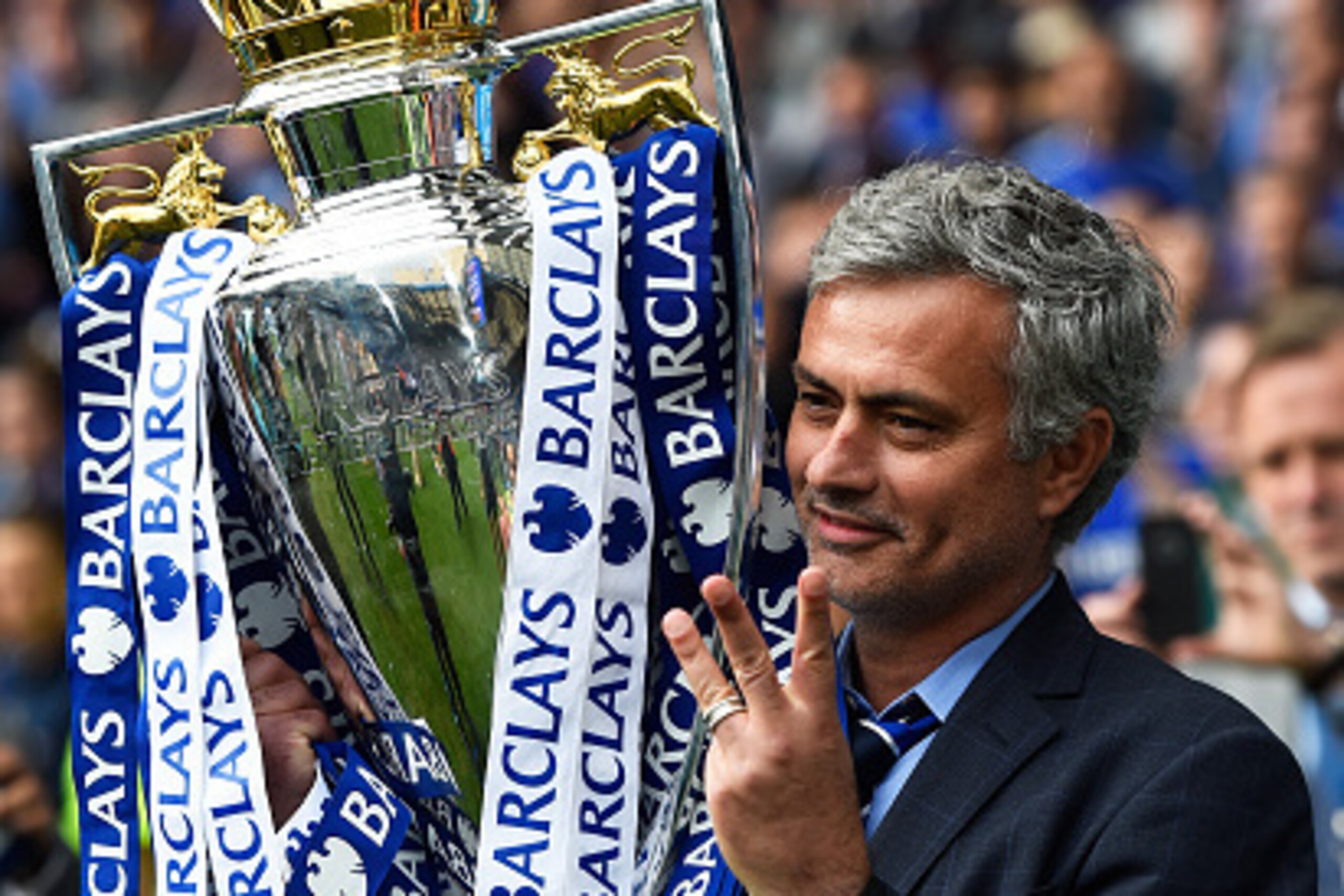
Even a two-time Champions League winner and reigning league champion is not afforded the luxury of one poor season.
In a microwave society, football has a what-have-you-done-for-me-lately culture. "Lately," apparently, not extending seven months—even while the club's kitperson is ironing gold badges on shirts.
No manager is sacked released for one reason; there are several factors. Mourinho's cocktail varied, but the largest factor was upsetting star footballers in an effort to win matches. Hardly criminal in truth, but a modern manager is only as useful as his most recent result.
And results are ultimately determined by players.
Stats via WhoScored.com; transfer fees via Soccerbase where not noted.




.jpg?w=2560 "Raiders Could Start Mendoza")

.jpg?w=2560 "Rodgers Iced Out on Plane 💎")


.jpg?w=2560 "🚨 Week 8 AP Top 25 Poll")