


A rather barren run has been broken. In style, too.
On Tuesday, Isco compiled his finest performance of the season as Real Madrid handed out a ferocious 8-0 thrashing to Malmo—a performance preceded by another strong one when grabbing a brace against Cadiz that tripled his season's goal tally.
Of course, on both occasions Isco's display was overshadowed by other events—the farce surrounding Denis Cheryshev against Cadiz and Cristiano Ronaldo's four-goal haul against Malmo—but his return to form and involvement in the goals is important for a player who's struggled for rhythm in a new-look Real Madrid this season.
TOP NEWS

Final Men's Ballon d'Or Rankings 📊
Highlights and Viral Moments 🍿

Carrick Replacement Options 📝
So what role should he play from this point on? How can Madrid best incorporate him?
Below, we examine the obstacles Isco has faced this season, the situations in which he's been influential and what his role could look like moving forward.
Awkward Early-Season Role Amid Reshuffle
When Rafa Benitez took over at Real Madrid ahead of the current season, immediately you felt Isco wasn't a very "Benitez" player. Around him, Lucas Vazquez looked like one. So too did Cheryshev. Ditto for the club's powerful stars in Ronaldo, Karim Benzema and Gareth Bale. But not Isco.
Defined by quick feet, skips, short passing and a fondness for tight spaces, the Spaniard didn't feel as though he aligned with the new manager's obvious desire to return Real Madrid to more forceful method. A vertical one. One based on dynamism and power rather than intricate qualities.
However, the string of high-profile injuries to Benzema, Bale and James Rodriguez forced consistent reshuffling upon Benitez in the season's opening months, and Isco—in effect the 12th man at the Bernabeu—was squeezed into an awkward role as a wide forward by necessity.
At times, of course, it worked well enough, but against strong opponents it didn't—particularly when Benzema went down with injury.
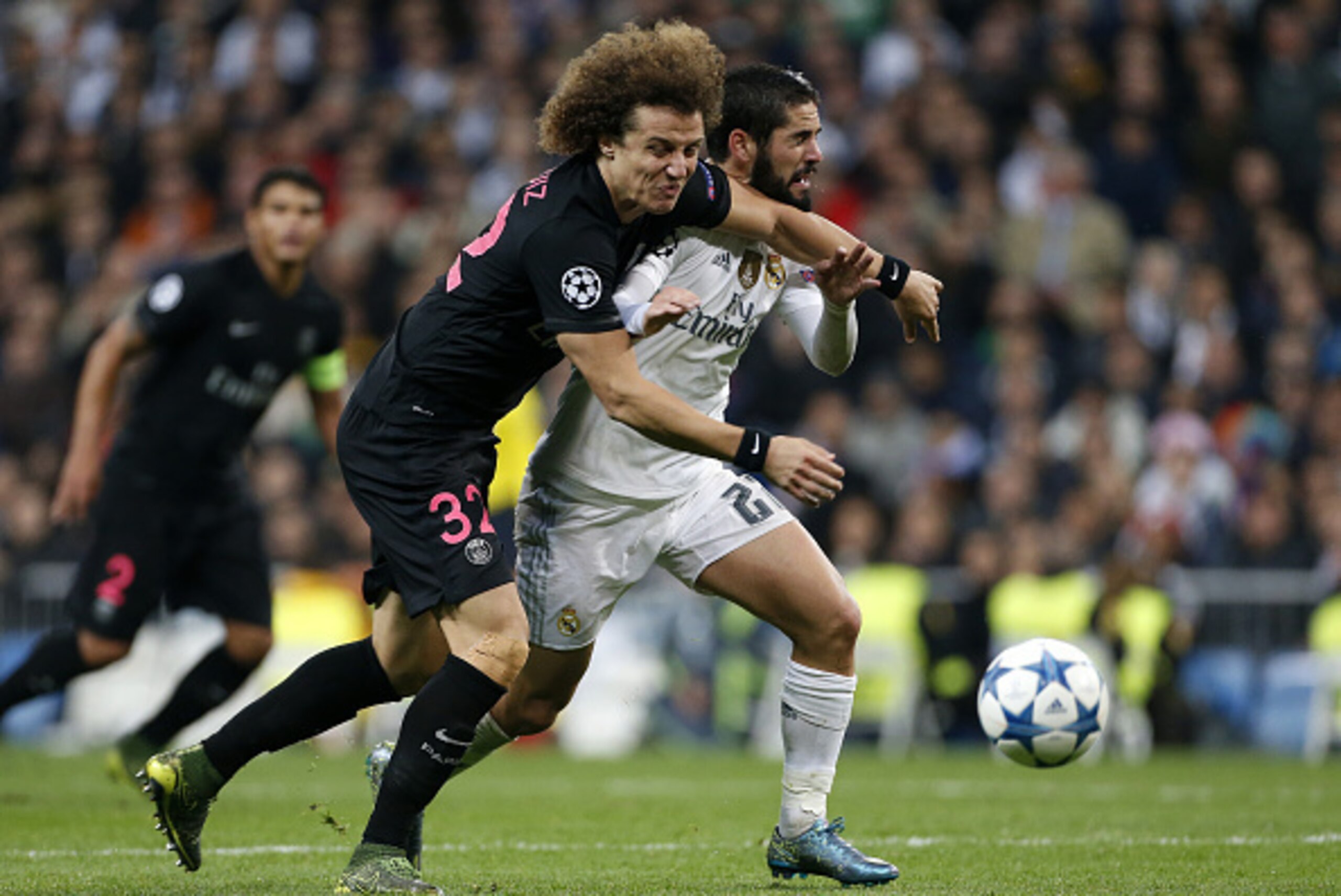
Without the Frenchman, Real Madrid lacked a focal point to play around in attack. Instead, a front three of Ronaldo, Jese and Isco was set up to play on the break, as we saw twice against Paris Saint-Germain, but the latter lacks the running power to fulfil such a role. It's not him.
Indeed, Isco was required to act as a winger flanking a centre-forward in Ronaldo, who, unlike Benzema, was looking to get in behind the defence rather than facilitate for others. In such a role, Isco saw many of his strengths negated.
Malmo Performance Shows Isco's Best Fit
Since arriving at Real Madrid in 2013, Isco's best football has come in two very defined periods. The first was when Carlo Ancelotti deployed him in his preferred No. 10 position prior to switching to a 4-3-3 to accommodate both Bale and Angel Di Maria; the second was when, in Bale's absence, Ancelotti used a four-man midfield in late 2014 and took Madrid toward a more intricate existence.
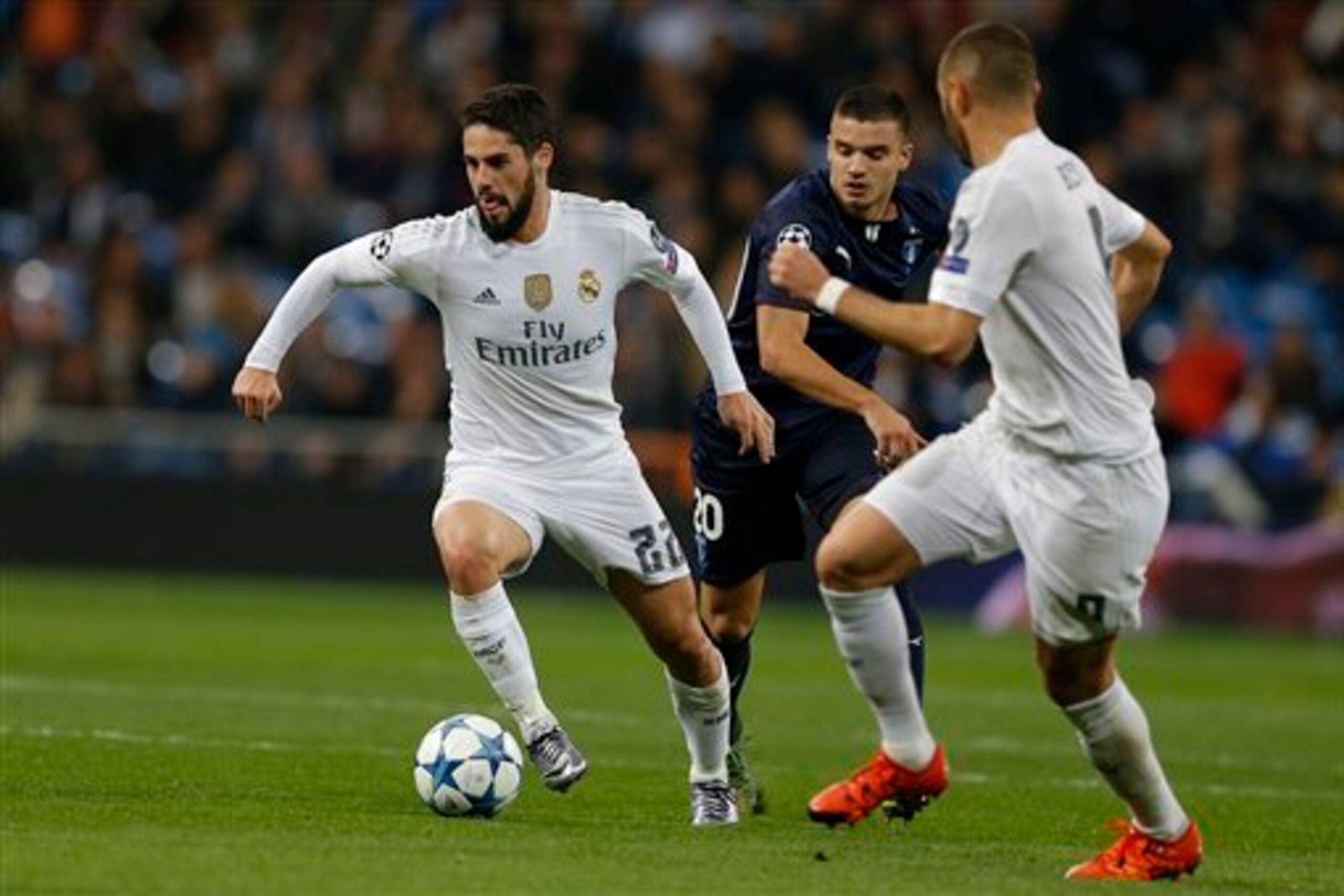
As such, it was no coincidence the former Malaga star sparkled against Malmo on Tuesday when Benitez utilised an approach similar to the latter.
Though technically a forward, Isco functioned more like a fourth midfielder alongside Rodriguez, Casemiro and Mateo Kovacic, the ball-playing quartet buzzing around the two up front and seeing Madrid adopt a heavier possession-based approach in the opposition's half.
As a result, Isco was able to do what he does best, busting open a defence that sat in front of him rather than attempting to stretch the play. The results were profound: six shots, four of them on target, six key passes and two assists, per WhoScored.com.
Building on the Platform and Versatility
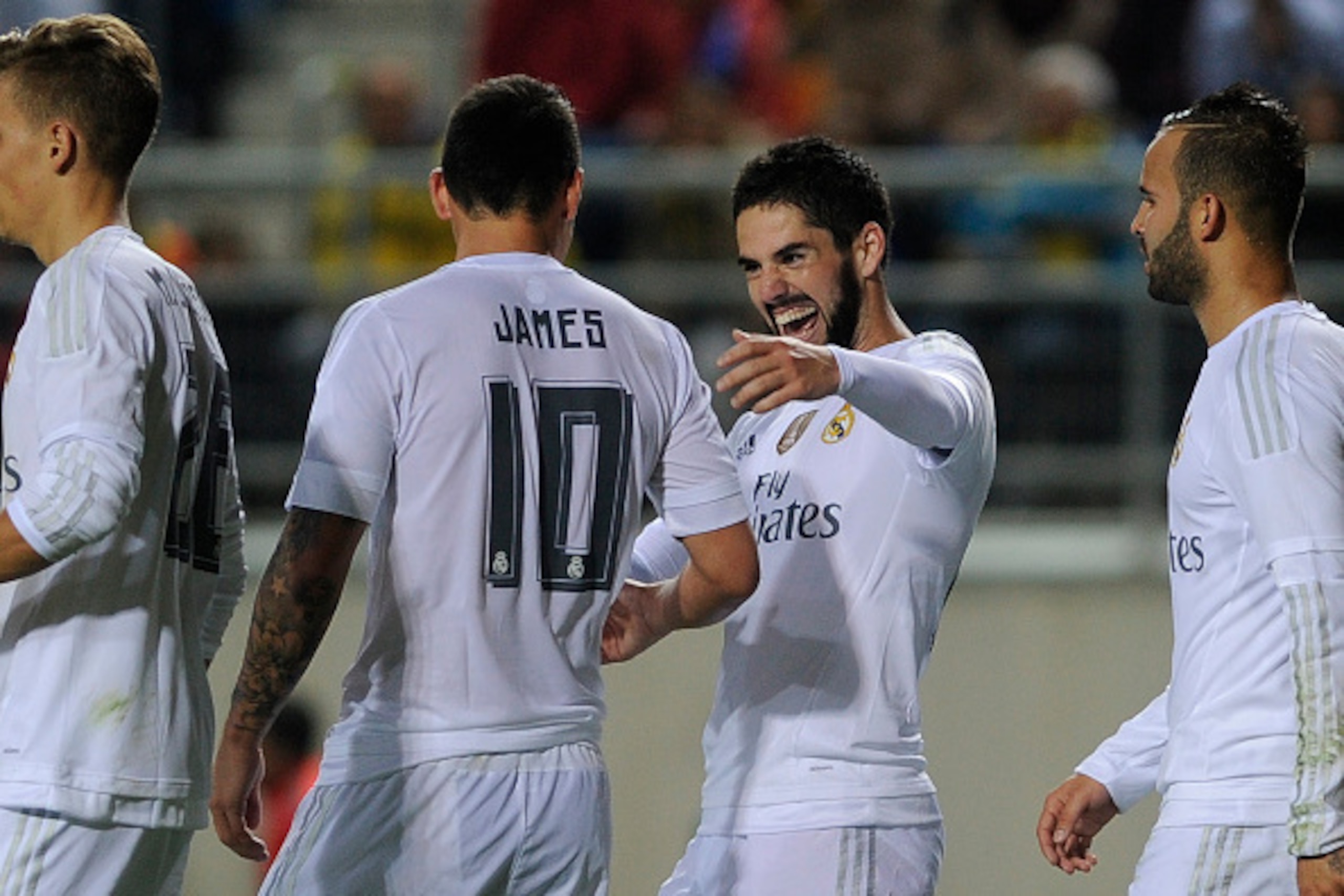
There's no doubt Isco possesses a valuable versatility. Since arriving at Madrid, he's played as a No. 10, as a wide forward on both the left and the right, as a central midfielder and as almost everything in between.
In all likelihood, he'll probably continue to do so as well given his cover-for-anywhere existence and Benitez's affection for game-to-game rotation and tinkering. But getting the most out of Isco when he's selected to play will require his strengths being given more consideration than they have been getting.
In a 4-2-3-1 with Bale in his new role in the middle, Ronaldo on the left and Benzema up front, Isco isn't the ideal fit for the right-sided berth. Such a setup is designed to attack space, and Isco's inclination to hold onto the ball and dribble is counter-productive to that. Instead, Rodriguez, who not only releases the ball faster but who also possesses a much longer range of passing, is a far better fit.
Thus, for Madrid's system to function optimally when Isco is used in it, the emphasis has to change. The shape does a little, too.
In a 4-3-3, the 23-year-old can be extremely effective as part of either the central or attacking trio, provided the team is set up to dominate the ball and not play on the break. As a natural extension of that, he's also perfect for an Ancelotti-style 4-4-2—which is what the aforementioned 4-3-3 would drift toward being, anyway—heavy on creativity rather than power.
What this all means, then, is that on the occasions when Real Madrid are faced with deep-sitting defences, Isco, who's ideal in such scenarios, might have a rather strong case for breaking up the BBC.




.jpg?w=2560 "Raiders Could Start Mendoza")
.jpg?w=2560 "Rodgers Iced Out on Plane 💎")

.jpg?w=2560 "🚨 Week 8 AP Top 25 Poll")

