Logic Behind Philadelphia Eagles' Trade of LeSean McCoy Still Makes Sense
From the present vantage point, the Philadelphia Eagles made a mistake in trading LeSean McCoy.
The All-Pro running back is on track for his fifth 1,000-yard season in the last six years. DeMarco Murray, McCoy's replacement in Philadelphia, has been a free-agent bust. And Kiko Alonso, the linebacker the Eagles acquired in the deal with the Buffalo Bills, has battled injuries and been ineffective.
Having said all of that, often decisions like the one that was made to send McCoy packing must be evaluated based on the process, not the results. With that in mind, there was plenty of logic behind the swap.
TOP NEWS

New NFL Power Rankings 📊

The Robinsons POUND the Rock 🪨

Takeaways from Falcons' dominant MNF win
While it appears the Eagles were losers in the deal now, there's still an excellent chance that will not be the case even as early as one or two years down the road.
| 10 | 173 | 792 | 4.6 | 3 |
Listen, McCoy is an exceptional talent, easily one of the top-five running backs in the NFL. He's a much more dynamic player than Murray, even if the latter did lead the league in rushing last season. The Eagles were taking a step back at the position almost regardless of who they brought in as a replacement.
The Murray situation is a separate issue and an unnecessary risk that never should've been taken. That still doesn't mean trading McCoy was a bad idea.
| 7 | 20 | 0.0 | 1 | 0 |
To begin with, the Eagles were facing a huge hit against the salary cap with McCoy in 2015. They could've bit the bullet and paid him or attempted to restructure the contract and push some of that money into future years, but either was a commitment to an aging player at a replaceable position.
McCoy is 27 years old. A recent study by ESPN Stats & Information shows, on average, running back decline begins at 28.
By trading McCoy, not only did the Eagles move on at a time when his value would never be higher and save a ton of money over the next three years, but they added a young, talented linebacker in the 25-year-old Alonso.
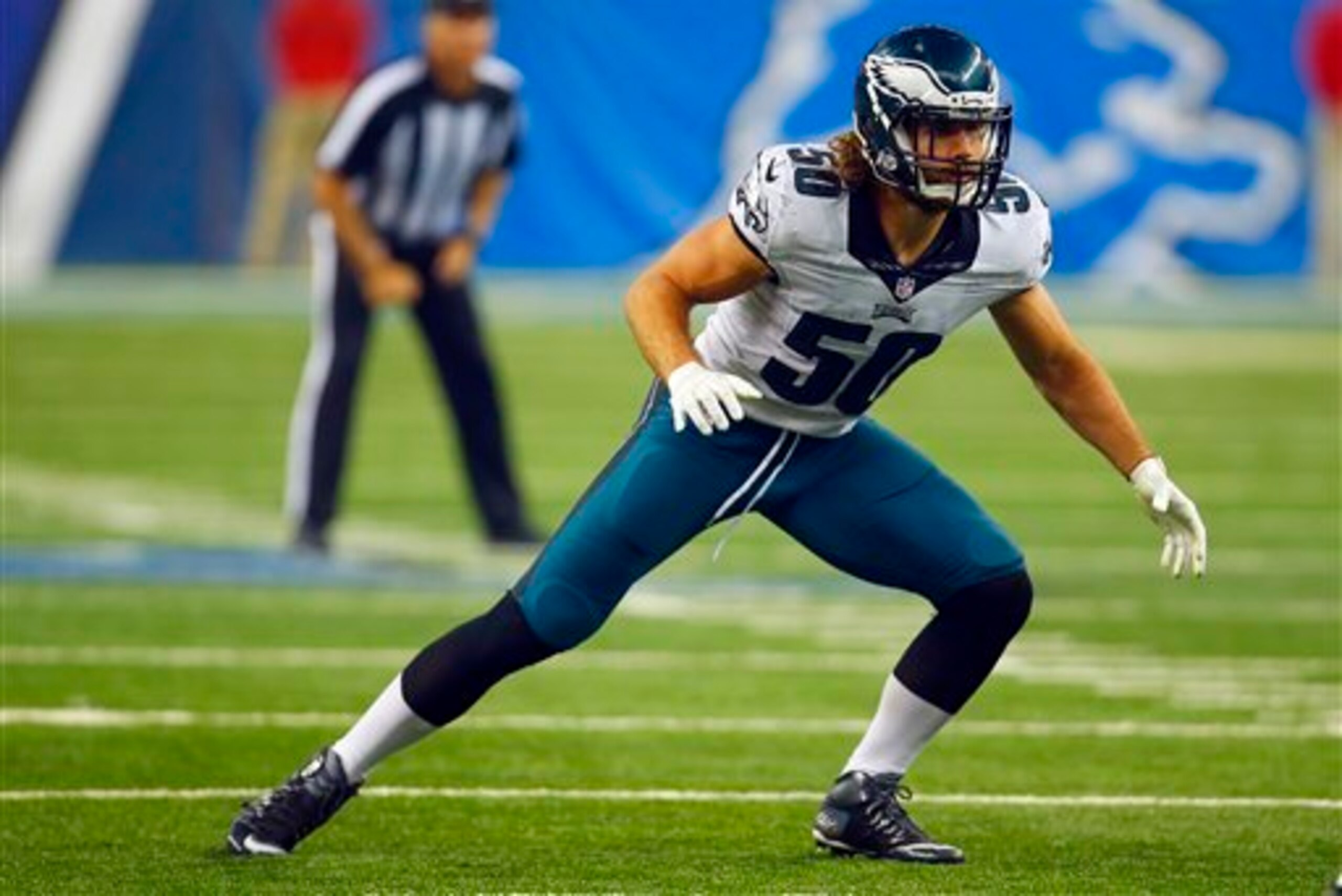
Granted, Alonso has not panned out thus far, and it's not as if there weren't concerns there. He posted a great line as a rookie in 2013 with 159 tackles, two sacks, four interceptions and a forced fumble but missed all of last season with a torn ACL. Sure enough, Alonso missed time this year after aggravating that same injury.
However, it's much too soon to declare he will not return to form. Part of Alonso's struggles right now is the time he missed this season, as well as in training camp and preseason with other maladies. He hasn't had a lot of time in Philadelphia's defense or to get used to the speed of the game again.
The Eagles believed they were trading a running back in the final years of his prime for a linebacker on a rookie contract with the potential to develop into a perennial Pro Bowler.
That still may be the case.

McCoy is having an excellent season in Buffalo, but as he inches toward 30, sooner or later his production will fall off. Alonso is having a rough season for the Eagles, but next year he'll have a better understanding of the scheme and, one would hope, be over the knee issue.
Even if McCoy keeps on racking up 1,000-yard seasons and Alonso never lives up to the hype he built during a tremendous rookie season, it's hard to fault the Eagles for making the trade. It may not work out in the end, but the thinking behind the move was sound.
.jpg?w=2560 "Rams Eagles Football")
.jpg?w=2560 "Commanders Eagles Football")
.jpg?w=2560 "Grading WWE Raw 🔠")