

5 Players Chelsea Sold Too Soon
For every successful transfer tale, there are the stories of the ones who got away; the players whom clubs cast off too early in their careers, only to later rue the day they did.
Every club in world football has experienced that feeling of regret, and Chelsea are no different.
The Blues' history is littered with star names who went on to join success elsewhere or had their Stamford Bridge career ruefully cut short.
In more recent times, Chelsea fans have had to say goodbye to the likes of Frank Lampard and Didier Drogba when the belief was they could still offer something to the club.
Going further back into the annals of history, Charlie Cooke's 1972 transfer to Crystal Palace is another that perhaps came too early in the flying Scotsman's career.
Cooke was 29 years old at the time and had been a big part of the success Chelsea had enjoyed in the 1960s and 1970s.
He assisted Peter Osgood for his header in the 1970 FA Cup final replay and was also a key figure as Chelsea defeated Real Madrid in the 1971 Cup Winners' Cup final.
Cooke was a wing wizard, and Chelsea's decline in the early 1970s started when the likes of him started to depart Stamford Bridge.
Join Bleacher Report as we look at five other players who were gone too soon from Stamford Bridge.
Kevin De Bruyne
1 of 5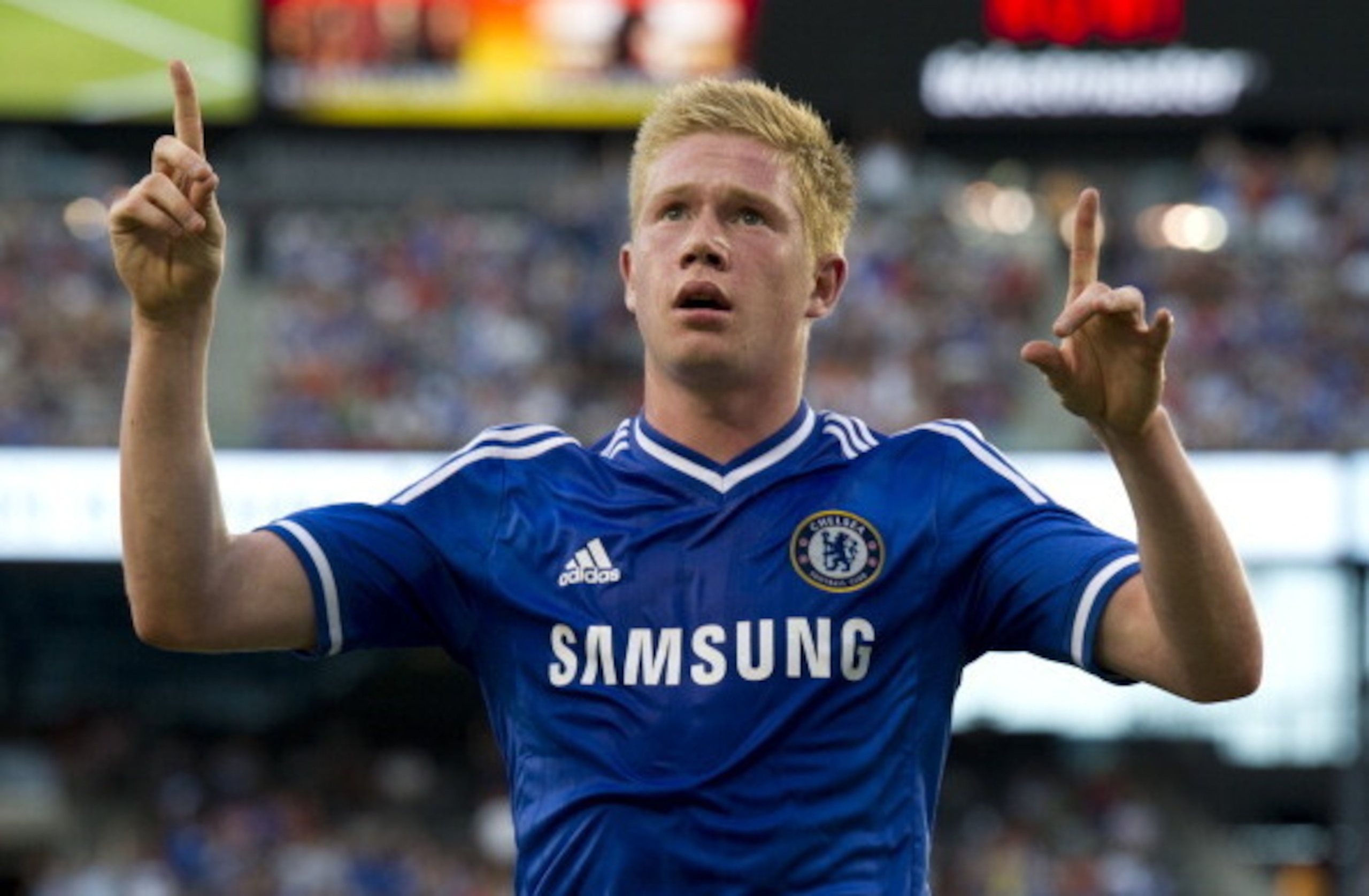
First things first, it's time to fess up.
When Chelsea sold Kevin De Bruyne to Wolfsburg for £18 million in January 2014, this writer lauded it as a great move.
The club made a significant profit on the Belgian, and that money was used to invest in the squad, signing the likes of Nemanja Matic and Kurt Zouma.
Almost two years on and De Bruyne is a £55 million star leading Manchester City's pursuit of the Premier League title.
What Chelsea wouldn't give right now for a man of his talents.
When De Bruyne was sold, the belief was that he wasn't given a fair chance under manager Jose Mourinho. He was sold on just six months after Mourinho arrived.
Given how he has progressed since then, the question is whether or not he should have been afforded more time to establish himself at Stamford Bridge.
Whether that meant another loan or first-team opportunities, we don't know. There's also the question on whether he should have been coached more on the training ground to get the best out of him.
What's clear, though, is that De Bruyne's 18 months at Wolfsburg have transformed him into the sort of player Chelsea crave right now.
We can debate the fee Manchester City paid for him, but De Bruyne is showing himself to be a class act.
Juan Mata
2 of 5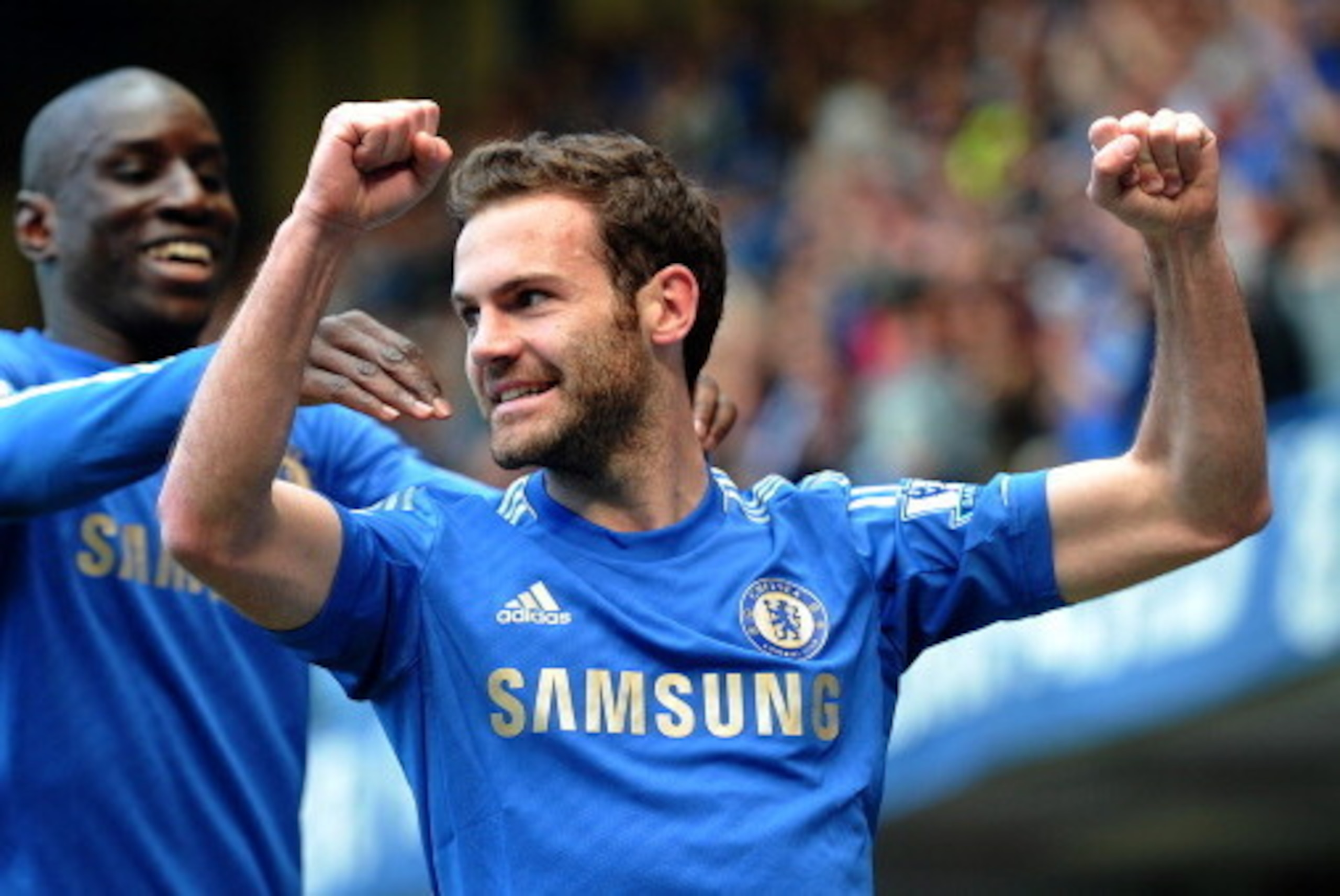
Another player to have departed Chelsea in January 2014 is Juan Mata.
Again, the Blues were able to use his significant transfer fee to help rebuild parts of their squad.
Watching him perform in a Manchester United shirt still doesn't sit right for many Blues fans, though.
And when we consider the lack of creative flair in the middle of the pitch for Chelsea right now, it only adds to it all.
Jose Mourinho's issue with Mata was more about his athleticism than it was his ability as a footballer. In Mourinho's system, athleticism holds real value.
Yet when a player is as individually talented as Mata, there is always room for that ability.
Would the Spaniard feature every week for Chelsea? No, not under Mourinho, but he shouldn't have to either.
Imagine Chelsea's squad right now with Mata and Cesc Fabregas as the creative hub, allowing the likes of Eden Hazard, Willian and Diego Costa to feed off them.
It's a mouthwatering prospect.
Arjen Robben
3 of 5
There's an argument that says Chelsea would have struggled to keep Arjen Robben even if they wanted to in the summer of 2007.
It was eight years ago when he joined Real Madrid, and despite his troubles in Spain, he has gone on to prove in his six seasons with Bayern Munich what a talented player he is.
Still only 31, Robben's best years have been spent away from Stamford Bridge.
Indeed, since the club sold him, Chelsea haven't had another winger in the same mould as Robben.
Eden Hazard is operating in the same area now, but the Belgian isn't a winger in the same way Robben was, namely because he prefers to play more centrally.
Robben gave Chelsea plenty of width, and his pace on the break was lethal as Chelsea pummelled teams.
Robben was an exciting talent, and along with Damien Duff on the opposite flank, he was the source of some of the best football Chelsea have played with Jose Mourinho at the helm.
Given what he's achieved since departing west London, Chelsea should have put up more of a fight to keep Robben.

Graeme Le Saux
4 of 5
Jose Mourinho can make all the jokes he likes about Graeme Le Saux in the present, but it shouldn't take away from what a fine player the left-back was.
That he came through Chelsea's youth system only heightens his legend with the club.
Where it all went wrong for Le Saux initially was in the early days of his Chelsea career. He fell out of favour with then-manager Ian Porterfield when he threw his shirt into the Stamford Bridge dug out when subbed off against Southampton.
He was sold to Blackburn Rovers soon after for a mere £700,000 in March 1993. Considering that move in the modern era, it's akin to Luke Shaw leaving Southampton to Manchester United on the cheap and not for the £30 million the Red Devils paid.
Even over 20 years ago, £700,000 was a bargain for Le Saux. To rub salt in the wound, Porterfield didn't last much longer as manager, either.
While Chelsea struggled in mid-table—flirting with relegation at times—Le Saux went on to win the Premier League title in 1995 and establish himself with England.
In 1997, Chelsea realised their error and paid Blackburn £7 million to bring Le Saux back to Stamford Bridge.
It was an expensive mistake.
Peter Osgood
5 of 5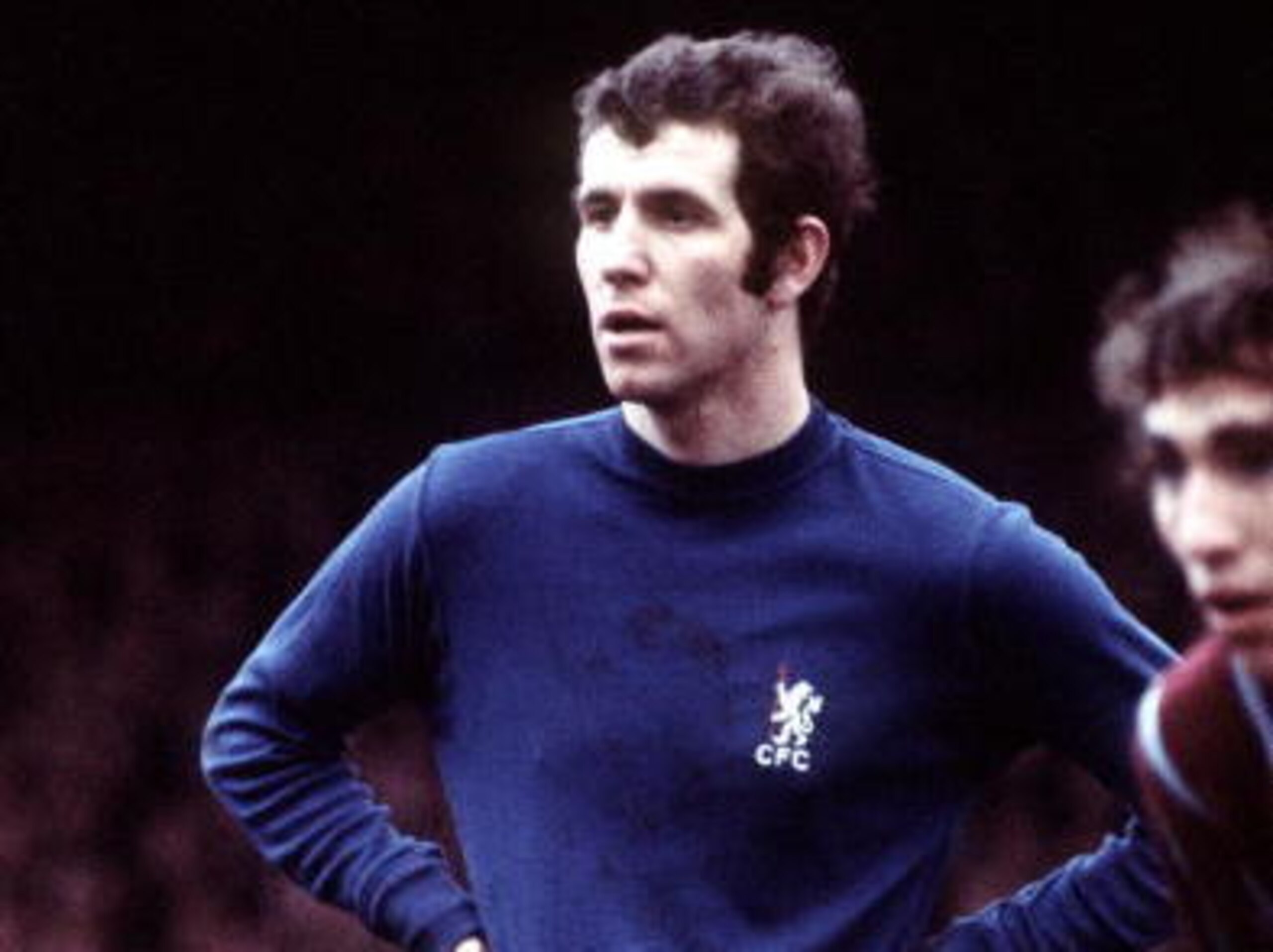
The King of Stamford Bridge should never have been allowed to leave Chelsea when he did.
It was 1974, aged just 27 years old, when Peter Osgood joined Southampton.
So upset were Chelsea fans, they picketed outside the stadium in a bid to keep their star No. 9 at the club.
It was politics that played its part. A falling-out with then-manager Dave Sexton eventually contributed toward Osgood's departure.
Joining Southampton proved a good move for Osgood, as he went on to win the FA Cup in 1976. It wasn't as fruitful for Chelsea.
His departure signalled the end of what was a fine era in the club's history. Osgood had been the face of Chelsea's success in the 1960s and 1970s, and his transfer confirmed a new dawn was breaking in west London.
That new dawn wasn't as bright as the one just past, and Chelsea headed into a sharp decline.
Osgood did return for a season in 1978, but it wasn't the same.
He should never have been allowed to leave Chelsea. Not ever.
Garry Hayes is Bleacher Report's lead Chelsea correspondent. All quotes were obtained firsthand unless otherwise noted. Follow him on Twitter @garryhayes



.jpg?w=2560 "Raiders Could Start Mendoza")

.jpg?w=2560 "Rodgers Iced Out on Plane 💎")


.jpg?w=2560 "🚨 Week 8 AP Top 25 Poll")