
Copa Del Rey Format That Only Helps Barcelona, Real Madrid Leaves Numbing Feel

Had it been elsewhere, it would have been construed cynically and viewed either as arrogance or as blind faith. But that wasn't the case; few would ever look at this club in such a way.
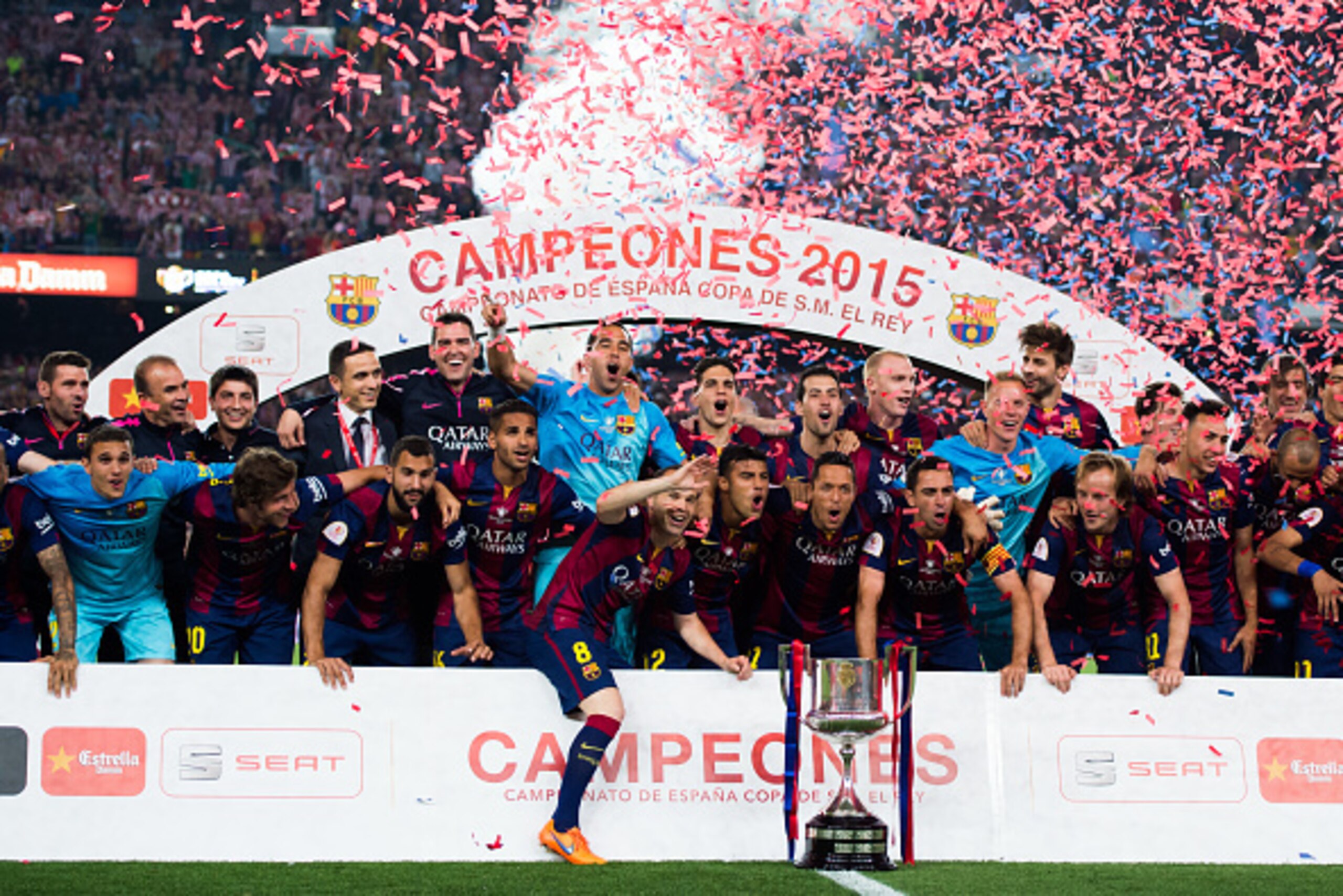
As Athletic Bilbao prepared to meet Barcelona in the 2015 Copa del Rey final, the question for the Basques wasn't so much whether they'd win, but how they'd celebrate if they did. The last time they'd won the cup 31 years earlier in 1984, the same year in which they'd won the league, the team had sailed a barge down the Nervion River through Bilbao, with more than one million people in the streets joining the celebration.
TOP NEWS

Final Men's Ballon d'Or Rankings 📊

Highlights and Viral Moments 🍿

Carrick Replacement Options 📝
"La Garbarra" had become an iconic symbol of the club ever since, and as Athletic made the journey east to Catalonia in May, they hoped it would be used again. They hoped that the barge celebration would be reborn, that this would be it, that this would be the day.
Would they or wouldn't they? Anticipation grew, quickly too.
But little followed.
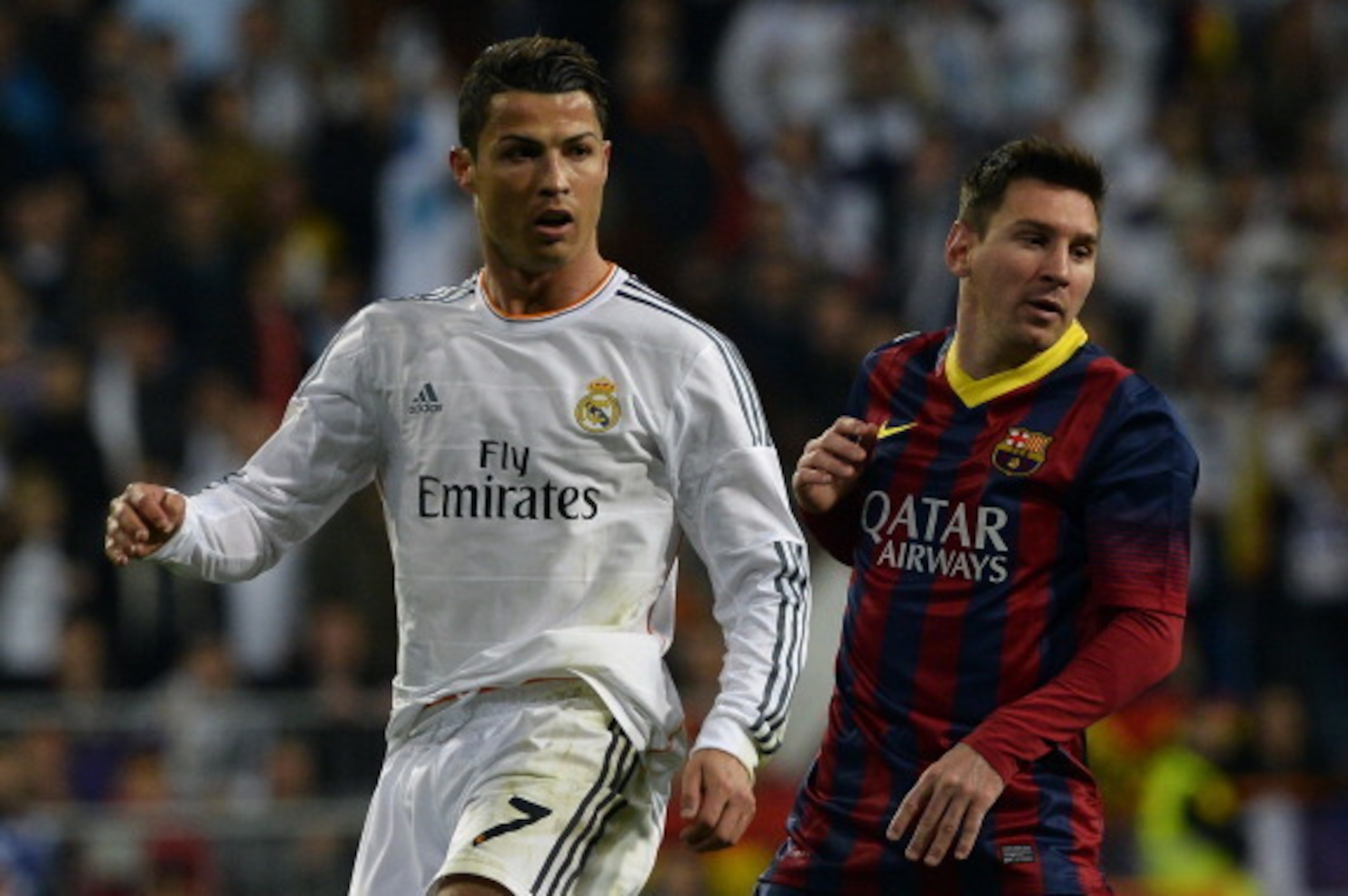
Rather than setting sail, Athletic continued their three-decade-long trophy drought, as Lionel Messi turned the cup final into his own personal playground, with that goal propelling Barcelona to a second trophy in a week. "A Maestro's work of art," said Marca back in the capital. "Doblete," ran the headline from Mundo Deportivo.
Once again, Barcelona had been majestic to the point of being ridiculous, and the final in an entertainment sense had been an overwhelming success as a result; few could have argued otherwise. And yet, what this final said about the competition as a whole was very different, and the cup's return to prominence on the schedule this week brings it all back into focus.
And not in a good way.
On Wednesday, the round of 32 in the Copa del Rey will commence in full (technically, it already had commenced with Barcelona beginning their campaign earlier than others due to their involvement in the Club World Cup), with some enticing fixtures set to unfold over a 24-hour period.
Among them are some juicy-looking all-La Liga clashes, such as Rayo Vallecano vs. Getafe, Real Betis vs. Sporting Gijon, Levante vs. Espanyol and Real Sociedad vs. Las Palmas. There's also Athletic's trip south to face Real Balompedica Linense, a meeting that will take place here, where the setting on its own will be worth the price of admission.
What's more, this is a cup—the natural home of football's wild and kooky. The home of magic and the essence of competition, they say.
Or at least they're supposed to. But not in this case they don't.
Each year when the Copa del Rey rolls around, many are left wondering whether the whole thing is worth the effort.
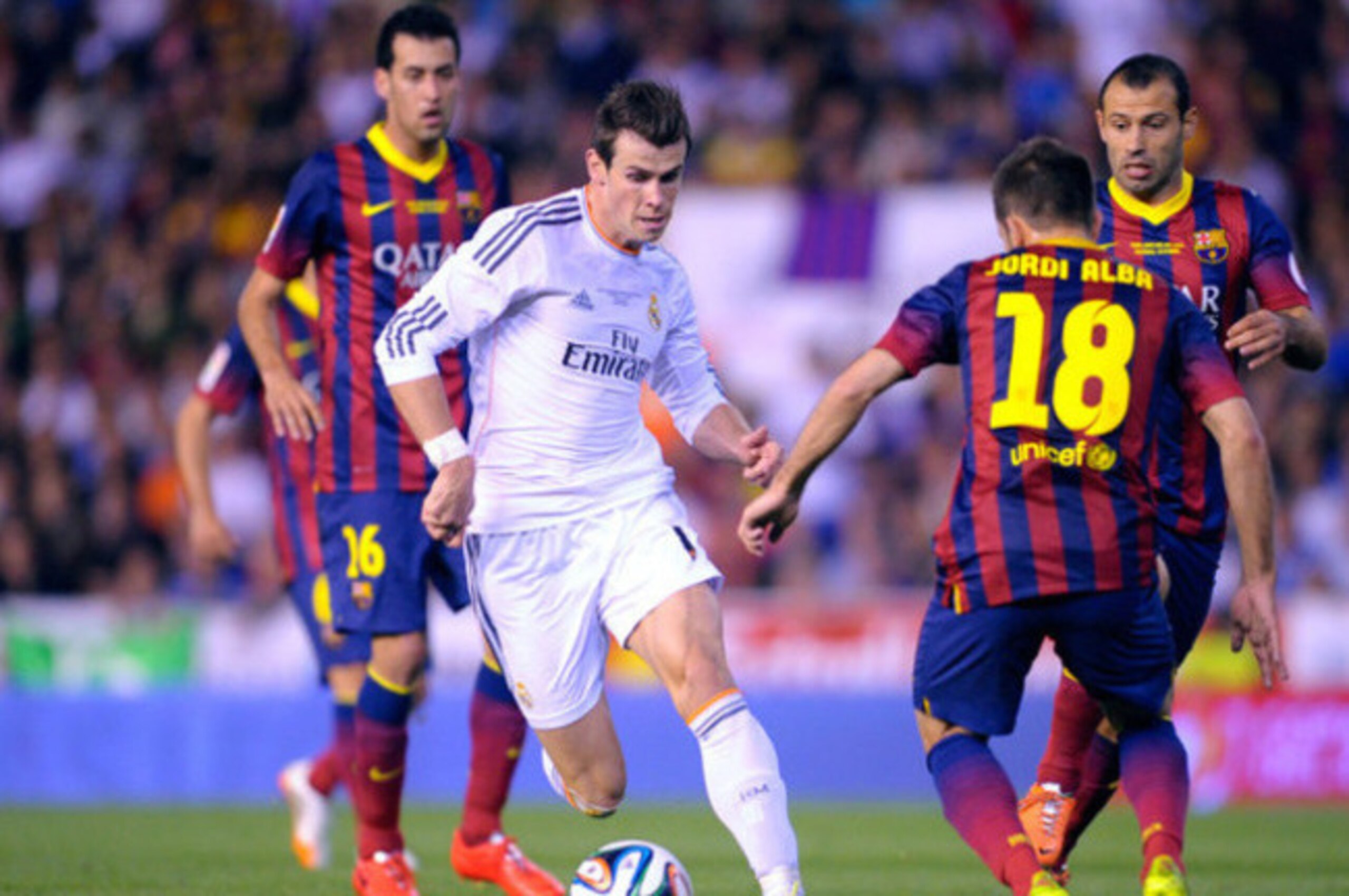
When Barcelona stormed to victory against Athletic at the Camp Nou back in May, it meant that they and Real Madrid had shared four of the last five Copa del Rey titles going back to 2011. In that time, Spain's pair of behemoths have met each other in the deciding game twice, and at least one of them has been involved in every final played in that period. The only club to have broken their duopoly is Diego Simeone's Atletico Madrid—hardly the ultimate of surprises.
Of course, dominance from Spain's familiar faces is hardly new, but the cup in recent years has taken on a depressingly routine feel, its predictability numbing. The problem? A format that only serves to help the country's two clubs that don't need any help.
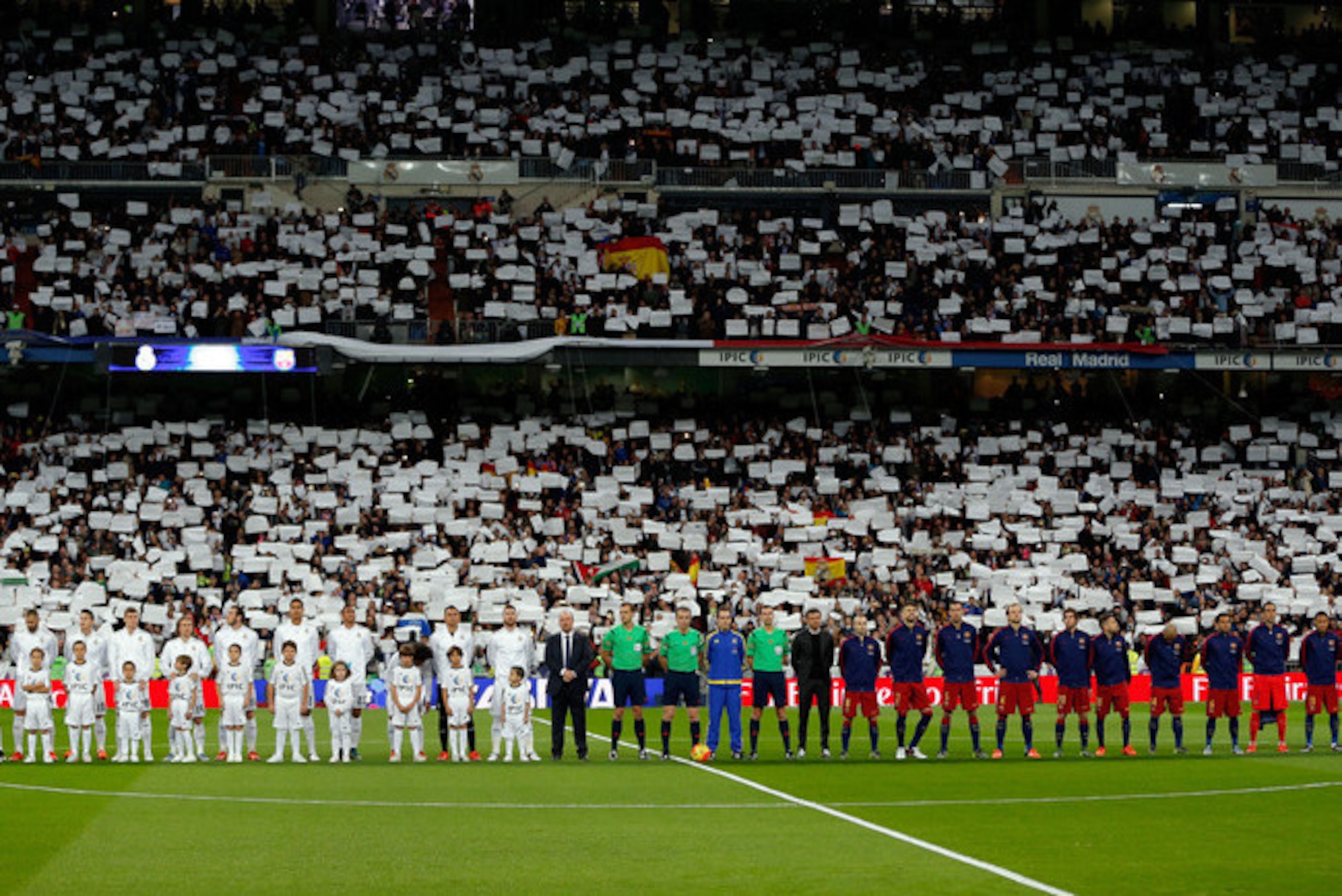
On Wednesday, Barcelona will take on Villanovense and Real Madrid will face Cadiz. If those sound like lopsided matchups, it's because they are. The round-of-32 ties are designed to be straightforward for the heavyweights, with La Liga's top clubs guaranteed to face teams from the Segunda Division B or Tercera Division upon their entry into the competition.
Naturally, many will point to Alcorcon's extraordinary upset of Real Madrid at this stage in 2009 as proof that anything is possible, but such occurrences are hardly regular exceptions to the rule—they're as regular as moments in which Chelsea striker Diego Costa looks cuddly.
Played across two legs, the cup's ties border on mission impossible for smaller clubs, their hopes of an upset slashed by the requirement of 180 minutes rather than 90. "I would like there to be just one game in the rounds," said Barcelona manager Luis Enrique recently, per FourFourTwo, and he's not the only one. Those outside the elite simply can't compete across two legs.
In the last five editions, the only teams to have knocked out Real Madrid and Barcelona are themselves, as well as Atletico. In 2010-11, we had a Clasico final; in 2011-12, Barcelona knocked out Madrid; in 2012-13, Madrid knocked out Barcelona; in 2013-14, we had another Clasico final; in 2014-15, Atletico knocked out Madrid and then Barcelona knocked out Atletico—a fortunate case when all three wound up in the same quarter of the draw.
If the Copa del Rey is going to function as merely an extension of the league, as a trophy-accumulating exercise for two or three clubs, what's the point?

Admittedly, despite the two-legged structure having been in place for almost the entirety of the Copa del Rey's existence, it hasn't always been this way.
As recently as 2010, the competition staged a final between Sevilla and Atletico; two years before that, Valencia faced Getafe; before that, there were finals between Sevilla and Getafe, Espanyol and Real Zaragoza, Real Betis and Osasuna, Mallorca and Recreativo, and Zaragoza and Celta Vigo.
So what's changed?
The arrival of Jose Mourinho at Real Madrid in 2010 seemed to alter the way the country's big two approached the cup. Until then, neither Madrid nor Barcelona had appeared overly bothered by it, but as part of the war he was brought to the Bernabeu to start, Mourinho viewed the Copa del Rey as a place in which he could win a battle and strengthen his cause.
Wherever he's gone, he's chased cups harder than others; this was no different, and Barcelona's inevitable reaction was to approach it with the same vigour as the rivalry reached new heights—just like the pair's dominance over the rest.
Indeed, that period was the one in which Europe saw its "Super Clubs" pull away from the continent's "other" clubs like never before. As part of that, Madrid and Barcelona's squads came to border on insane, their resources and wealth soaring despite the recession crippling those of others. The gap had become bigger than ever; Valencia in third were closer on points to relegation than the title; whereas the big two had often not bothered with the Copa del Rey, it was now the smaller clubs adopting that stance.
There was no point in doing otherwise. Second-string outfits from Madrid and Barcelona could crush them with frightening force. And though a small selection of clubs within close proximity of the top are changing the dynamic somewhat, that's still largely the case for the bulk of those involved.
And it's not just them who are losing out because of that.
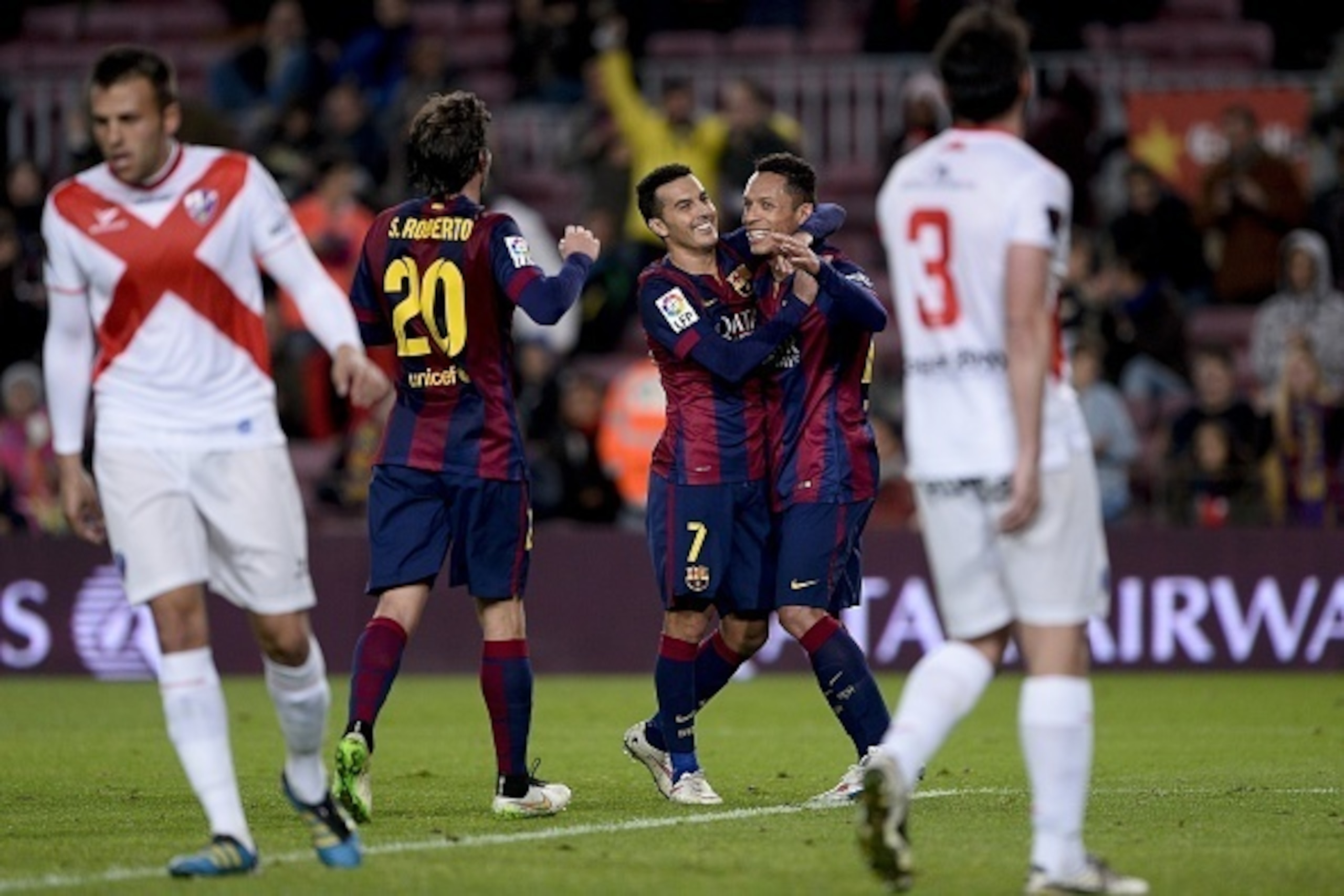
Aside from an often-captivating final—and despite complaints over the format, they have been exciting—and the odd heavyweight tie in a quarter-final or semi-final, the cup has become barely worth watching for the fans.
When Barcelona hosted Elche at the Camp Nou in the round of 16 last season, just 27,000 attended. A month later, the stadium was barely half full when Villarreal visited for the first leg of the semi-final.
It was the same story when Real Madrid hosted Cornella. When Valencia hosted Espanyol and Rayo Vallecano. When Sevilla hosted Granada. When Atletico hosted L'Hospitalet—a game that drew all of 10,000 to the Vicente Calderon.
Those are big clubs with big stadiums and big fanbases, but it didn't matter.
Across two legs, one is almost invariably irrelevant, and the fans know it, demonstrating it with their feet. Consequently, the games lack a certain edge, atmospheres suffer and the product being sold to a TV audience—an audience that's the focus of everything Spanish football does—is lesser for it. Wednesday and Thursday kickoff times of 10 p.m. don't help, either.
As such, what we're left with in the Copa del Rey is competition that feels designed to produce what you might call a desirable finale at the expense of everything that goes before it.
Let's just schedule a Clasico final and be done with it, huh?
To some, of course, those with complaints over the cup's format will be perceived as outdated purists longing for a romanticism of a bygone era, modern football having moved on and not structured to accommodate it. And in some respects, they have a point.
In Spain, more than 60 percent of football fans support Real Madrid or Barcelona, and almost everyone has a preference for one or the other. In an economic sense, a Clasico final might justify a mediocre competition on that basis alone. But isn't the other way better?
By definition, cup competitions are meant to be markedly different from leagues, and just last season we saw how big the difference can be—not in Spain, of course, but somewhere.
On January 24, Bradford knocked Chelsea out of the FA Cup on the same day that Middlesbrough did the same to Manchester City and Leicester did the same to Tottenham. Express called it "the day the FA Cup went crazy," and in the rounds that followed, Bradford toppled Sunderland, Aston Villa knocked out Liverpool and Reading pushed Arsenal all the way in a semi-final.
It was cup football as it's meant to be: The draw totally random, the ties contested in a single game, the wild and the kooky totally possible and the essence of competition not only protected, but embraced.
But when a theoretically similar competition lacks much of that, the feeling left behind is a numbing one.




.jpg?w=2560 "Raiders Could Start Mendoza")
.jpg?w=2560 "Rodgers Iced Out on Plane 💎")

.jpg?w=2560 "🚨 Week 8 AP Top 25 Poll")

