

Toro Rosso Must Follow Red Bull's Lead and Avoid 2015-Spec Ferrari Engine Deal
So after the countless quit threats, the emergency paddock summits and the no-news news updates, Red Bull Racing appear to have finally found an engine for the 2016 Formula One season.
The four-time world champions' future had been cast in doubt over recent months as Red Bull tried and failed to secure a batch of V6 turbo power units from anyone but current suppliers Renault, with Mercedes, Ferrari and even Honda all fluttering their eyelashes at various stages.
With those opportunities ultimately coming to nothing, however, Red Bull's long, successful but strangely dysfunctional relationship with Renault is set to continue—albeit in a very different, detached fashion—for at least one more year, allowing them to focus on what really matters for a change.

.jpg?w=2560)

Now the uncertainty is lifting, they can plan for the future, design the tiniest details of next year's RB12 chassis and plot their route back to the top of a sport they dominated just two years ago.
As F1 journalist Ted Kravitz told Sky Sports' Pete Gill and James Galloway, the team will receive a "basic Renault engine" for 2016, which will be modified by Mario Illien, an engine expert and a long-term associate of Adrian Newey, Red Bull's semi-retired chief technical officer.
The unique, "unbranded" engine agreement, should it be finalised, will be very much an temporary solution, a compromise made to keep the team on the grid when they could have easily been left dangling.
But it will, at least, offer Red Bull a chance to become the masters of their own destiny once again in an era when leading manufacturers, due to their success in mastering highly complex technology, have the power to play God.
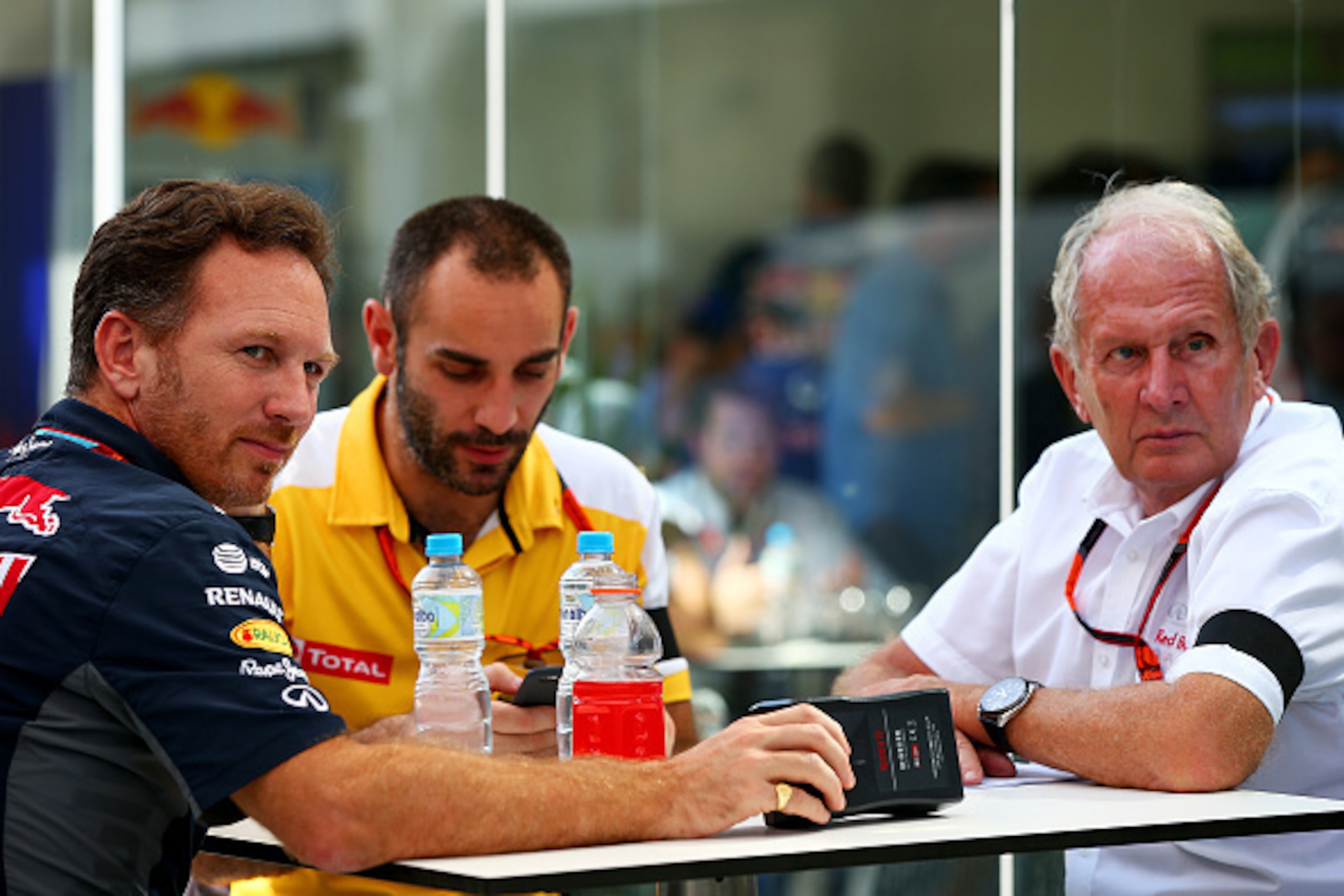
That independence, after all, is what team principal Christian Horner cited as crucial when, per Sky Sports' Gill, he declined Sergio Marchionne's initial, semi-serious engine offer at June's Austrian Grand Prix, which makes it all the more concerning that Red Bull have allowed their B-team to fall back into the clutches of the Prancing Horse.
On the day Red Bull's future was plunged into grave danger at October's Russian GP—forcing Horner to hold discussions with Bernie Ecclestone, the F1 ringmaster, in full view of the Sochi Autodrom paddock—Scuderia Toro Rosso were sitting pretty on a powertrain deal.
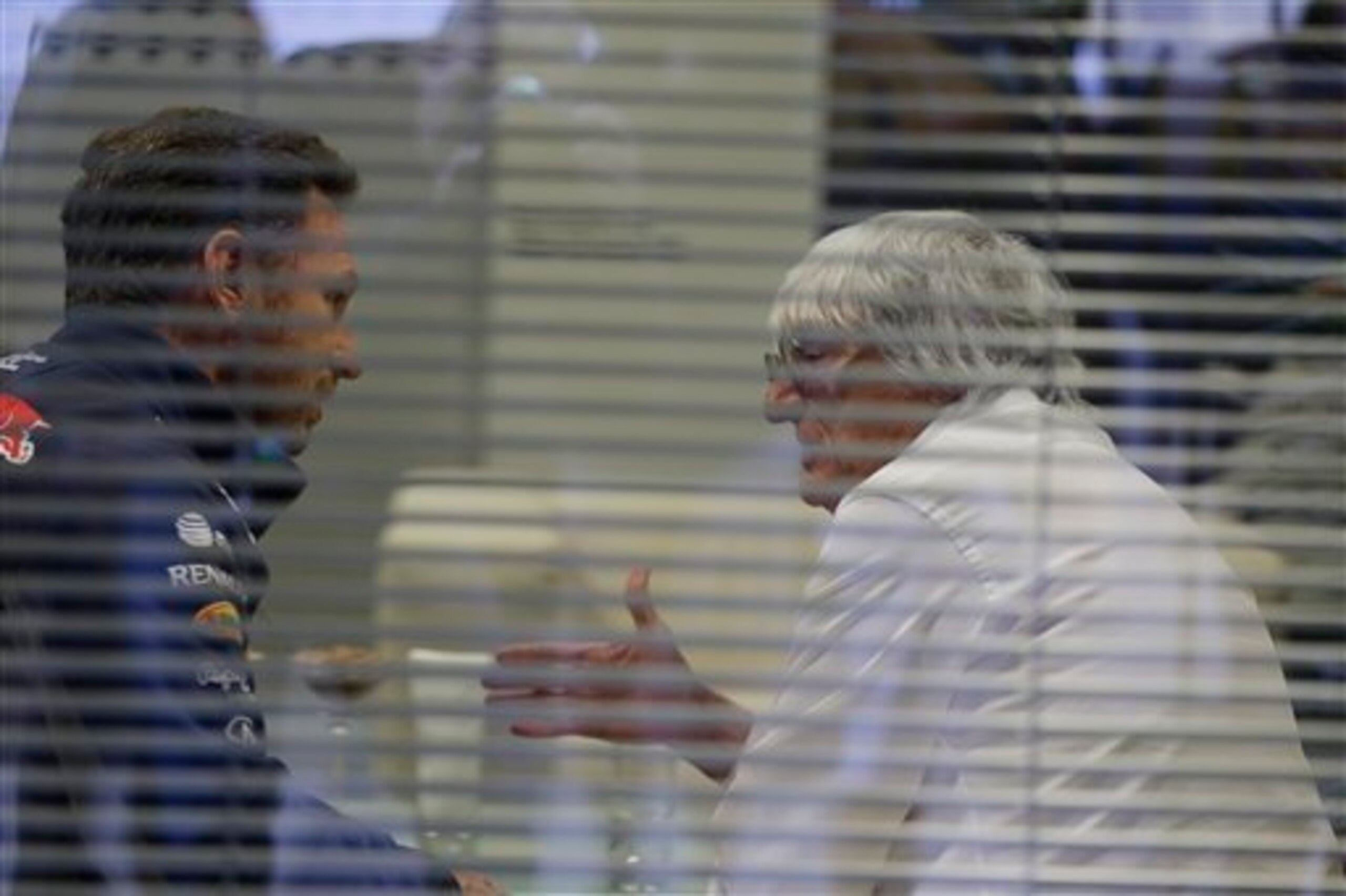
Having decided Red Bull were far too dangerous a competitor to support, per Auto Motor und Sport (h/t Sky Sports), Ferrari were "only willing" to join forces with Toro Rosso, who are almost certain to run 2015-specification units in 2016.
As the senior team were reduced to door-to-door enquiries, desperately scrambling for a power-unit deal, Toro Rosso were assured of their future, empowered by the knowledge they would have what is currently the second-best engine in Formula One at their disposal.
The keyword, however, is "currently," for what initially appeared to be a huge advantage could, come the beginning of next season, be a severe handicap.
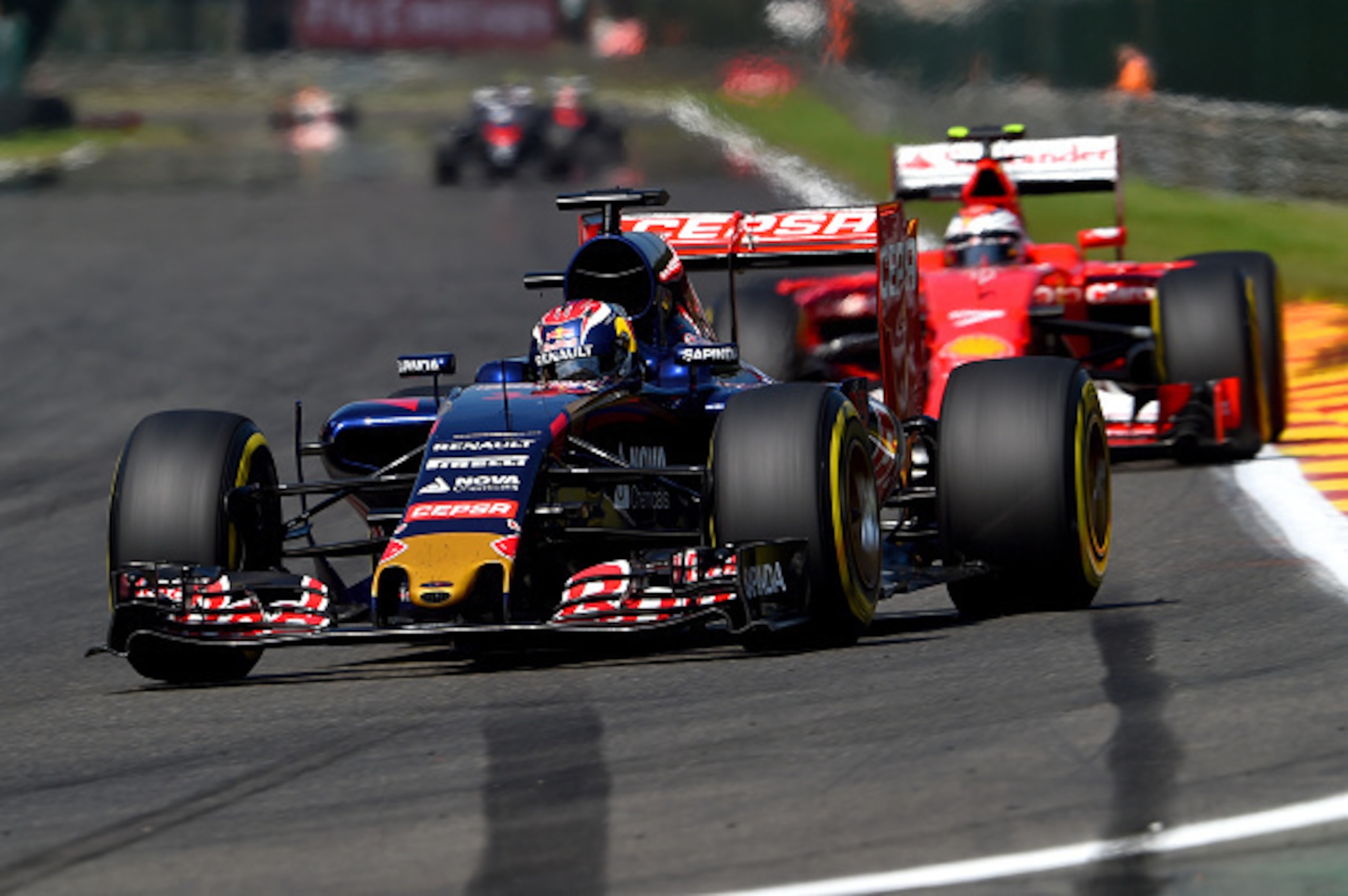
As Craig Scarborough, the technical analyst, told The Racer's Edge YouTube channel, the ever-maturing nature of the V6 regulations means each engine manufacturer will again "make another big step" in performance over the winter.
Mercedes—who shifted their focus toward their 2016-spec engine as long ago as September's Italian GP—will make major improvements to their energy recovery system, according to Scarborough, and continue to push boundaries.
Ferrari, meanwhile, will make changes "throughout the engine" in their efforts to catch the reigning world champions, while Renault—with its own team and, therefore, no obligation to follow Newey's fabled "tight-packaging" philosophy—will have the freedom to pursue its own development path.
And Honda? It may look terrible now, but as Scarborough predicts, the Japanese manufacturer "will benefit massively from a winter of development" when, together with McLaren, it can significantly overhaul its engine.
Should all the manufacturers make the advancements they are capable of during the winter break, there is a danger that Toro Rosso, with year-old engines, could be nailed to the rear of the field next season.
And with the in-season development, token system being retained for 2016, the gap between Toro Rosso's out-of-date package and the teams running the latest accessories may only widen as the year progresses, potentially stunting the growth of two of the most exciting talents in F1.
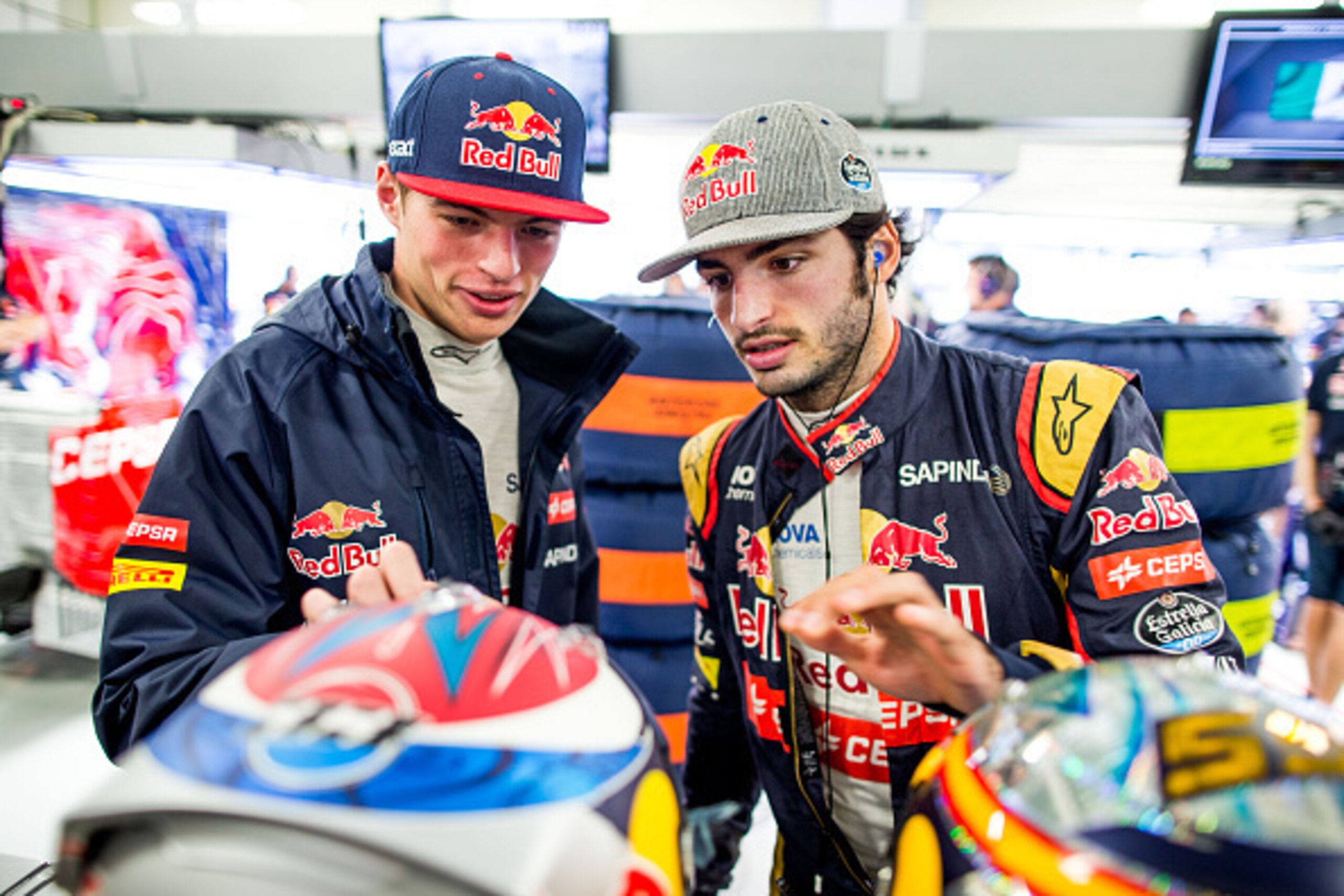
Max Verstappen and Carlos Sainz Jr.—like Daniel Ricciardo, Daniil Kvyat, Fernando Alonso and Jenson Button in 2015—risk becoming the latest innocent victims of engine politics, their progress halted and their performances undermined by the limits of their machinery.
Ahead of the Mexican GP, Toro Rosso team principal Franz Tost explained his dissatisfaction with the prospect of using 2015-spec engines but admitted the V6 rules and Red Bull's aggressive, anything-but-Renault approach meant the beggars simply couldn't be choosers, telling Autosport's Ian Parkes:
"The manufacturers decide what we get, and in the end we have to be happy to get something.
If it's one year old, this is how it is. The influence we have in this case is not on a level we maybe would expect, or wish.
Therefore with this regulation and this situation we have to take what they offer us.
"
That Red Bull's lack of patience has paid off, though, has proved there is no need to settle for second best.
The collaboration with Illien was the best option available to the four-time world champions when it became clear Mercedes and Ferrari were reluctant to offer their engines, and Red Bull have emerged from a possibly disastrous predicament in a reasonably promising position.
They must help Toro Rosso do the same before it's too late, before the Red Bull B-team becomes Ferrari's plaything.


.jpg?w=2560 "Viral Rams Coach Vid 🖕")

.jpg?w=2560 "Injury-stricken Seahawks signing veteran RB")
