

WWE Survivor Series 2015 Title Tournament Has Elevated Other Championships
For the past couple of weeks, the focus of WWE programming has been squarely on the WWE World Heavyweight Championship—and both the United States and Intercontinental Championships have benefited.
Many would point to the world title tournament as an alternate method of putting the belt on Roman Reigns and little more. That may well be the end goal, but along the way, the bracket has demonstrated how far WWE's two secondary titles have come in recent months.
It's important to remember there was a time not so long ago when these belts were almost worthless. The United States Championship was seldom defended on television or pay-per-view, and the Intercontinental Championship seemed to be something of an albatross for those wearing it.
.jpg?w=2560)

.jpg?w=2560)
Look back at Ryback's reign, for instance. An injury left him on the shelf for much of his time with the belt, and even when he was fit to compete he was trapped in a seemingly endless feud with Big Show and The Miz. For several months, the title struggled to garner fan interest.
Of course, Daniel Bryan being forced to forfeit the title earlier in the year set off the sequence of events that led to Ryback's reign. WWE was simply playing the hand it was dealt, but it didn't do the Big Guy or the title itself any favours.
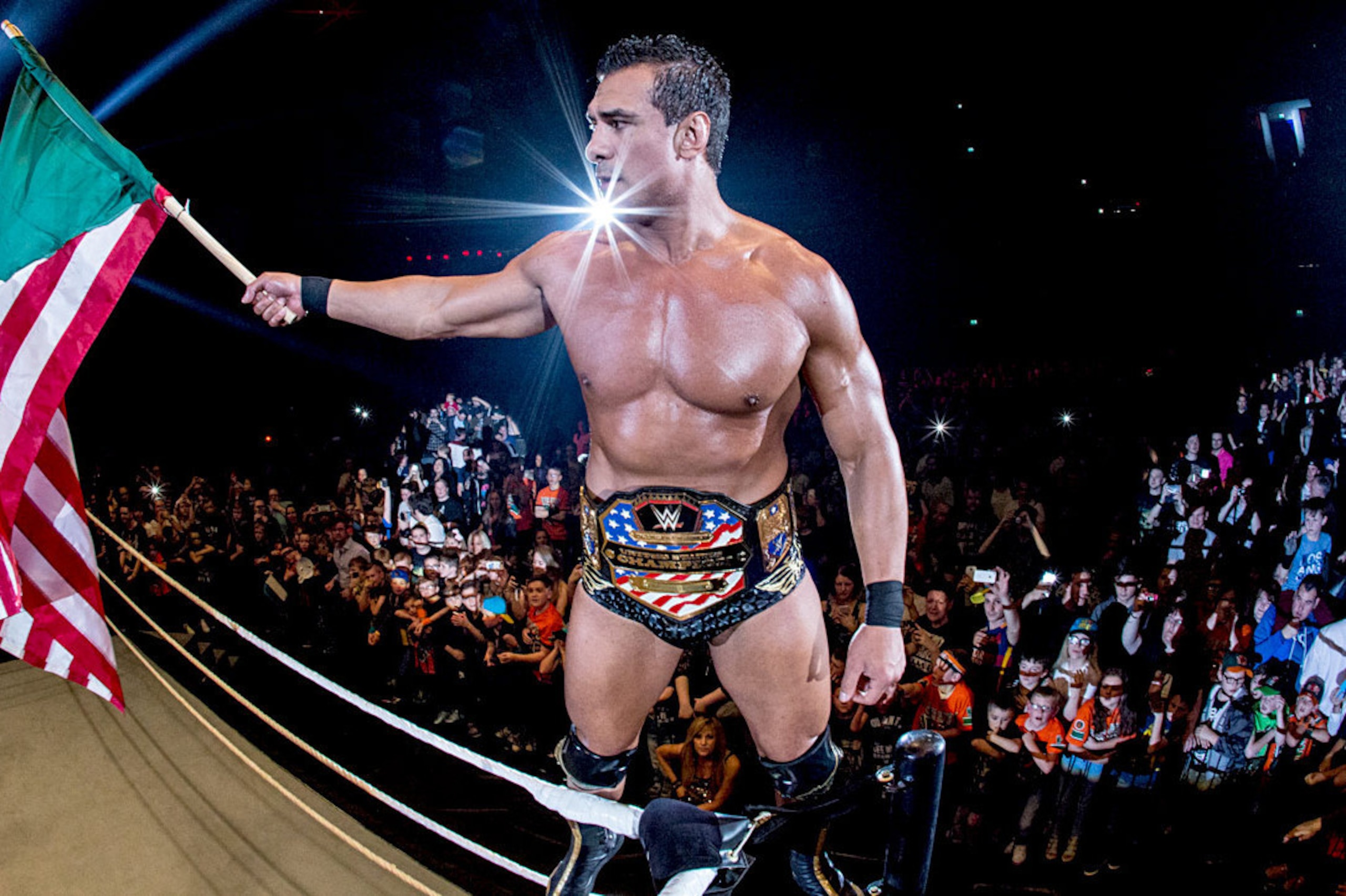
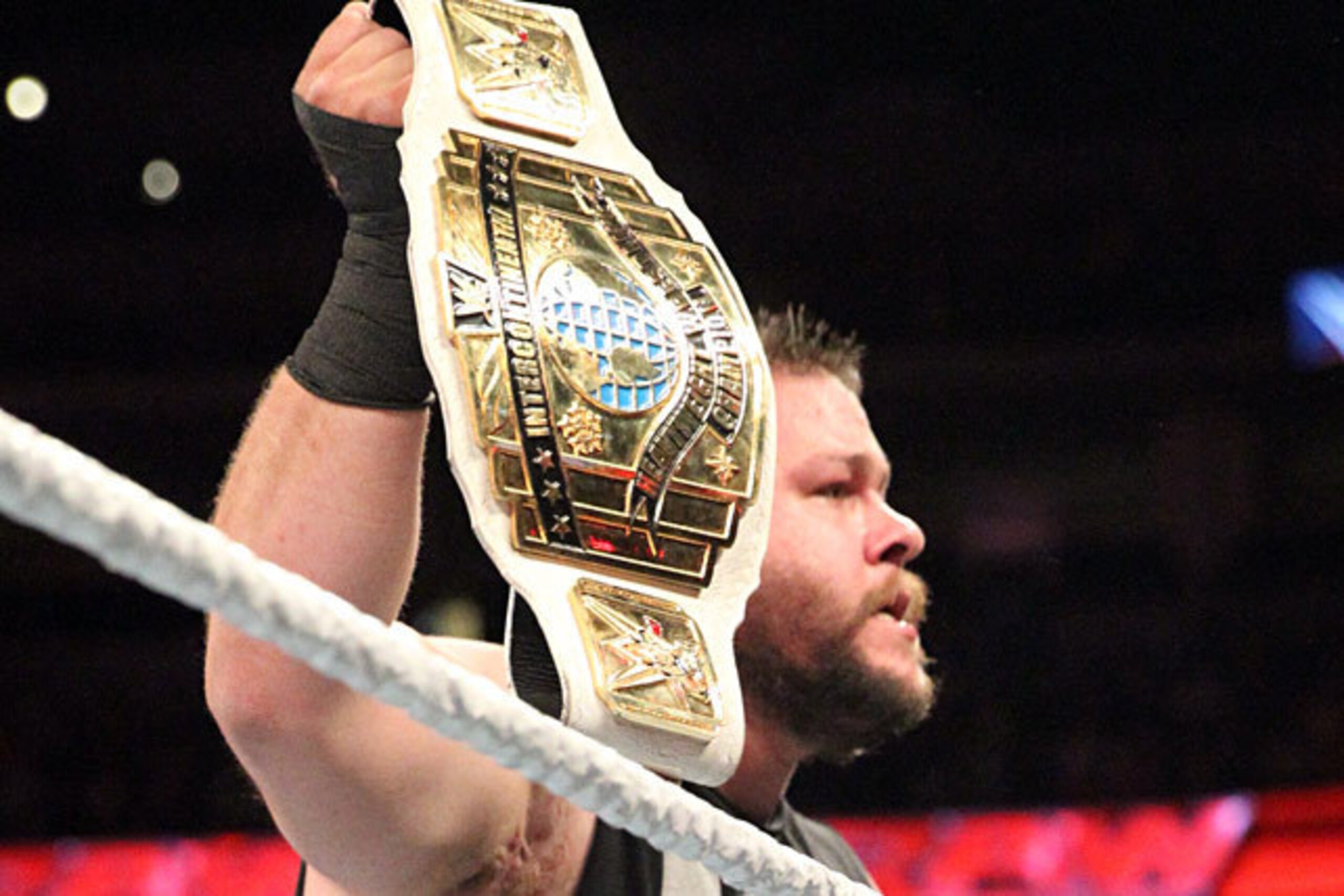
By contrast, the current holder of the Intercontinental Championship and the current United States champion are now among the final four competitors in contention for the world title as Survivor Series.
That's a great move on the part of WWE. For too long, these secondary belts have been treated as something completely separate to the world title—the sort of wrestler who would be in contention for the WWE World Heavyweight Championship would scarcely show interest in them.
Compare this to a time when the Intercontinental Championship was used to transition wrestlers from the midcard into the main event, a role that's now filled by the Money in the Bank briefcase—albeit with mixed results.
Placing secondary titles firmly in the midcard makes it difficult for the champion to proceed after their reign. By contrast, Kevin Owens and Alberto Del Rio have further emphasized their reigns and the titles they hold by progressing in the tournament.
Previously, both belts were often presented as midcard championships, with the title holders clearly being several notches below the world title picture. This tournament has established otherwise, with both Owens and Del Rio demonstrating exactly why they deserve to be in contention.
A secondary title can serve many purposes—it can give a workhorse a reason to have regular television matches, allow younger talent to prove themselves or simply establish future world title contenders. However, it's crucial for these belts to have a focus, and we're seeing more of that as of late.
Credit has to be given to individual competitors, as well as the booking. Without champions as talented as the two men currently reigning, the titles wouldn't have been elevated so effectively—and the work of one John Cena with the U.S. strap earlier in the year has to be praised also.
Nevertheless, placing these champions so prominently in the world title tournament has been a clear statement their belts are worth chasing. With all eyes on the world championship, strong performances from the intercontinental and United States champions will see those belts elevated in the long run.







.jpg?w=2560 "Viral Rams Coach Vid 🖕")