

Breaking Down How Cesc Fabregas Can Turn the Jeers to Cheers at Chelsea
When Cesc Fabregas joined Chelsea last year, he was tasked with changing the way Jose Mourinho's side played.
Chelsea were coming off the back of a season in which Mourinho had brought them close to success but missed out at the moments when things mattered most.
When Chelsea needed to break teams down, they couldn't. Despite having some fine attacking talent such as Eden Hazard and Oscar, they required a player to piece it all together.

.jpg?w=2560)
They needed a conductor. Fabregas was it.
He duly delivered too.
In 2014/15, Chelsea's title win was down to a team functioning as an awesome unit. It was the perfect blend of style and substance.
The arrival of striker Diego Costa helped with that process, but it was Fabregas' addition that changed everything. Suddenly, Chelsea could hit teams from deep and pounce at any moment thanks to his brilliance.
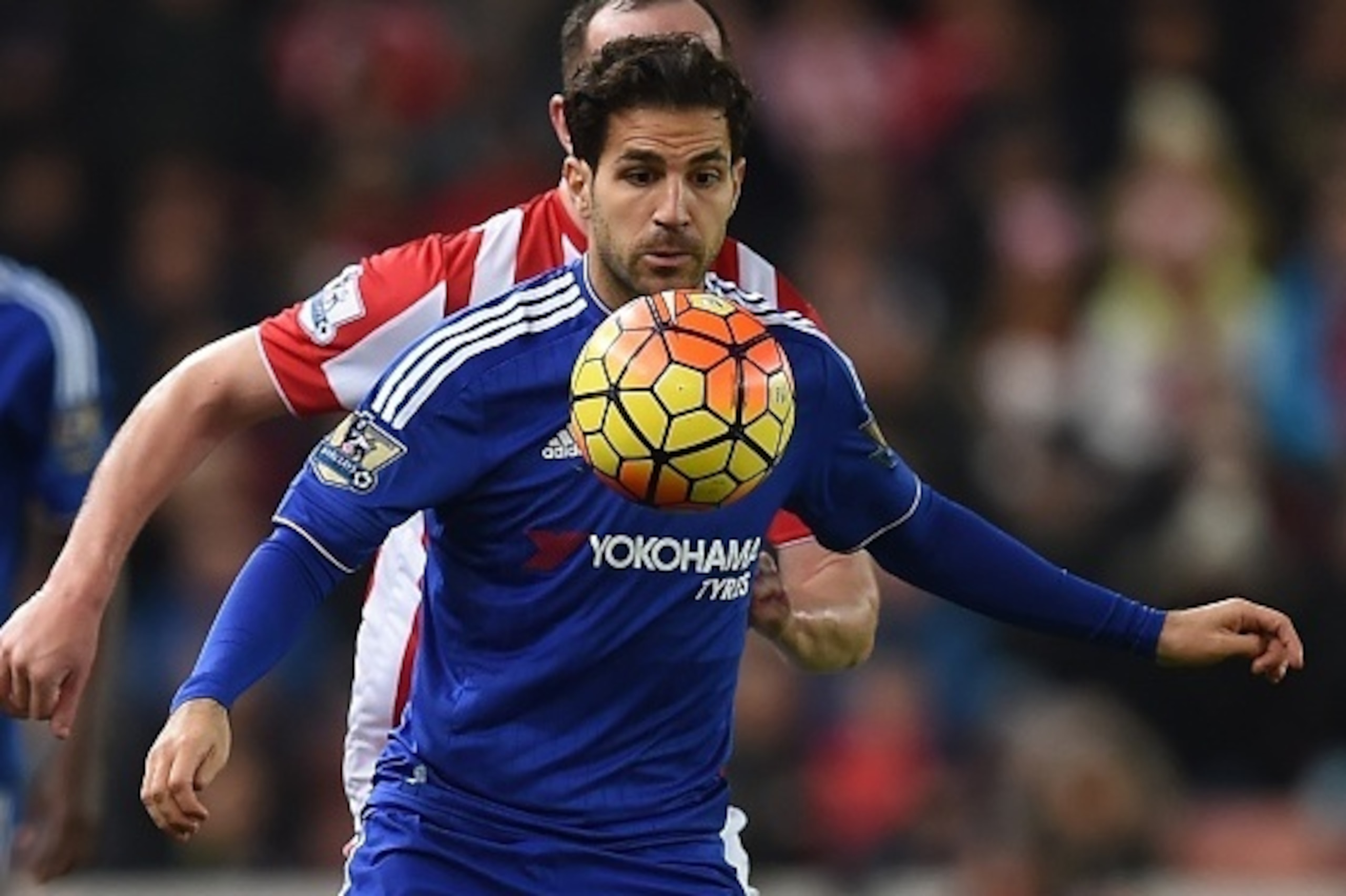
It was during the first six months of the season when we witnessed Fabregas at his best. Since the turn of the year his influence has waned significantly, however.
Opponents have focused on his creativity from the pivot, exposing his defensive weaknesses by pressing in numbers through the middle to reveal a soft underbelly in the Chelsea midfield.
That's led to Chelsea's back four being sucked into battles all too often and the results have been catastrophic.
Chelsea are reigning champions, but they've lost seven of their 12 Premier League games this term.
There are bigger problems besides Fabregas, yet his struggles have only acted to compound Chelsea's misery.
Those playing ahead of the former Barcelona man have been less effective as a result. Chelsea have regressed to become that same team we saw in Mourinho's first season back, only their strengths are different now and they can't grind out results in the same way they once did.
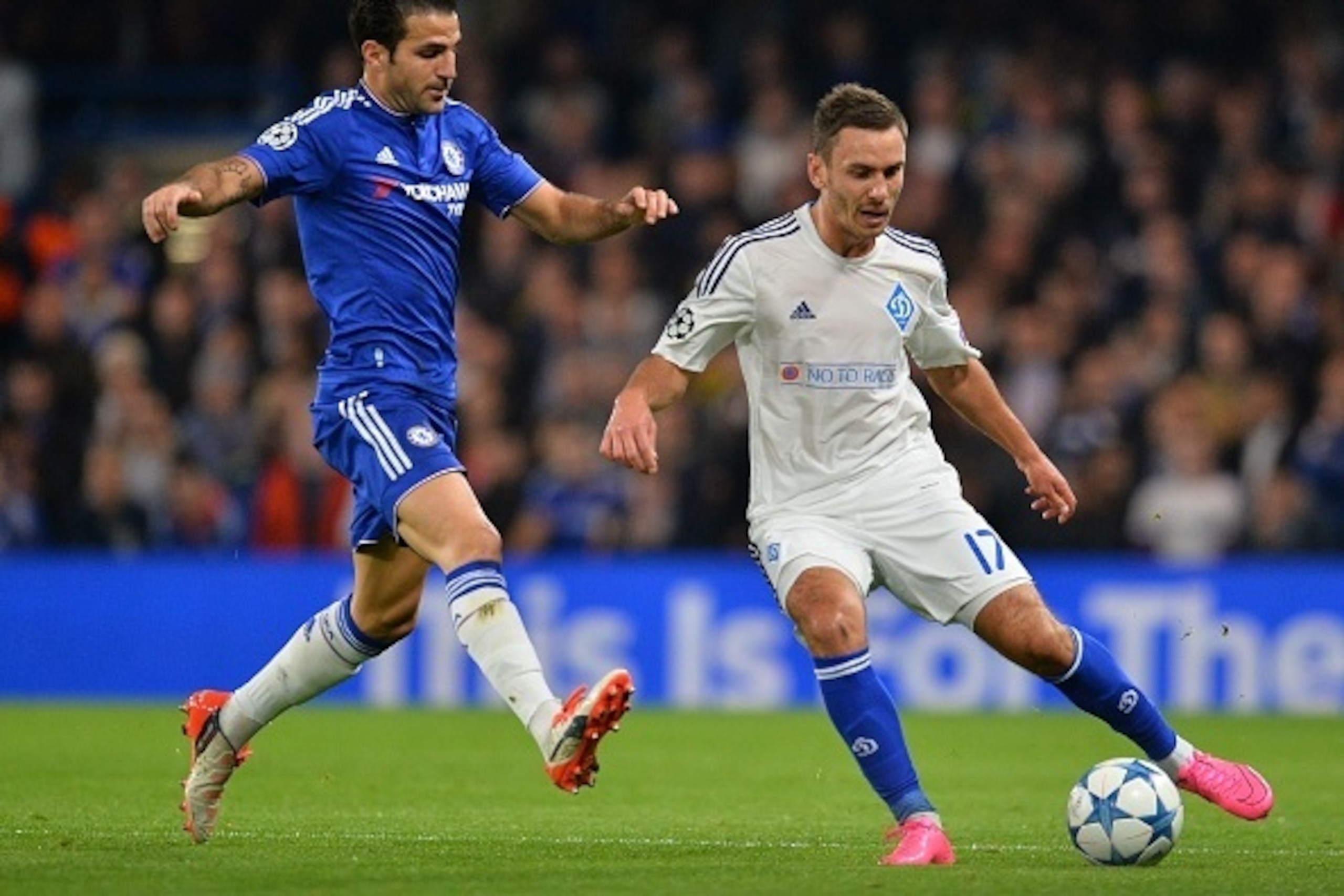
Fabregas wasn't signed to prevent goals; his raison d'etre was to ensure they were scored at the other.
It sounds simple, but it's what he must rediscover at Chelsea if he is to be regarded a success in west London.
By hook or by crook, Fabregas needs to start getting Chelsea on the front foot in games, allowing them to control teams better than they have been.
When Spain played England on Friday, winning the game 2-0, Mourinho was probably watching. And if he was, he should take heed from how Vicente del Bosque utilised Fabregas to get the best out of him.
Rather than playing further back, Fabregas played as Spain's No. 10 and proved a big part of his team's success.
Only fleetingly has Fabregas appeared there for Chelsea.
Mourinho's dabbled with the idea, but he's been set on the Nemanja Matic-Fabregas partnership. It seemed a wise move at first, especially given how Fabregas got Chelsea playing from deep, but it hasn't worked for some time.

And as we saw with Spain, Fabregas' best display of the season has come when further forward.
Normally, international matches aren't the best indicator for managers and the form of their players. Often individuals are competing against players they will rarely face at club level, but on Friday, Fabregas came up against Michael Carrick, Fabian Delph, Chris Smalling and Phil Jones.
Every other player in the England squad came from the Premier League.
If Fabregas could do it against them for Spain—note, his club team-mate Diego Costa was also playing up front for Spain—then why not Chelsea?
The system has something to do with it, although it's one Chelsea can't play right now.
It's rare we see teams with two strikers these days, although the way Costa and Paco Alcacer worked the line allowed Fabregas the freedom he needed to operate.
He had more time on the ball simply because the English defenders had to focus on the men in front of him.

Compared to how Chelsea have played this season, Spain were a step forward, and it showed in the way Fabregas performed.
He looked like the player of old, setting up the opening goal of the game to equal his assists tally for the entire league campaign at Chelsea.
Mourinho's problem is he doesn't have two strikers to regularly play. Radamel Falcao has been a disaster, while Loic Remy struggles to remain fit.
There's also the question of how Mourinho utilises a team that lacks a defensive midfielder with the sort of distribution of Sergio Busquets. For all his qualities, Matic isn't in the same class as Busquets when it comes to that part of his game.
With rumours suggesting Mourinho will attempt to offload Falcao in January, perhaps the Chelsea boss is already contemplating a change of tack up front to give his team more presence.
But then comes the need to get the ball forward from the back and serve Fabregas, which Chelsea don't appear to be totally capable of right now simply down to the squad's personnel.
If Mourinho wants to get the best out of Fabregas, however, the need to give him more attacking freedom is clear. With him in the pivot, it's killing Chelsea's defensive strength and proving equally detrimental to their forward play.
Despite his poor form this season, Fabregas remains a classy operator. If dispatched properly, he will remain so for Chelsea.
Garry Hayes is Bleacher Report's lead Chelsea correspondent. All quotes were obtained firsthand unless otherwise noted. Follow him on Twitter @garryhayes


.jpg?w=2560 "Viral Rams Coach Vid 🖕")

.jpg?w=2560 "Injury-stricken Seahawks signing veteran RB")
